Acadia National Park: Everything You Need to Know

Guide

Acadia National Park: Everything You Need to Know

11 minute read
Destinations
Acadia National Park sprawls across 47,000 acres of Maine coast, offering granite peaks, rocky shores, and some of the best hiking in New England. Here's what you need to know before you go.

Acadia National Park is one of Maine's most visited destinations, and for good reason. Whether you're hiking Cadillac Mountain at sunrise, exploring Thunder Hole during high tide, or wandering the Jordan Pond Path, there's something for every type of traveler. This guide covers the park's best hikes and scenic spots, plus nearby attractions like Bass Harbor Head Light Station, Pemaquid Point Lighthouse, and the Seal Cove Auto Museum. You'll also find practical tips on when to visit, where to park, and how to avoid the worst crowds.

Tips for Your Visit

Visit Acadia between late May and September for fully open facilities, though crowds peak in summer. October and November offer fall color and fewer people but closing businesses. From October through May, plan your meals and supplies carefully, as many area restaurants and shops shut down. Start popular hikes like Jordan Pond Path or Ocean Path by 10 a.m. to secure parking. Bring sturdy hiking shoes for trails like Rockland Breakwater and Beehive, and check tide schedules before visiting Thunder Hole, Bar Island Land Bridge, or Tidal Falls. Dress in layers; the summit of Cadillac Mountain is significantly colder and windier than the coast. A car is essential for accessing the park's attractions.

1

Acadia National Park

See main listing

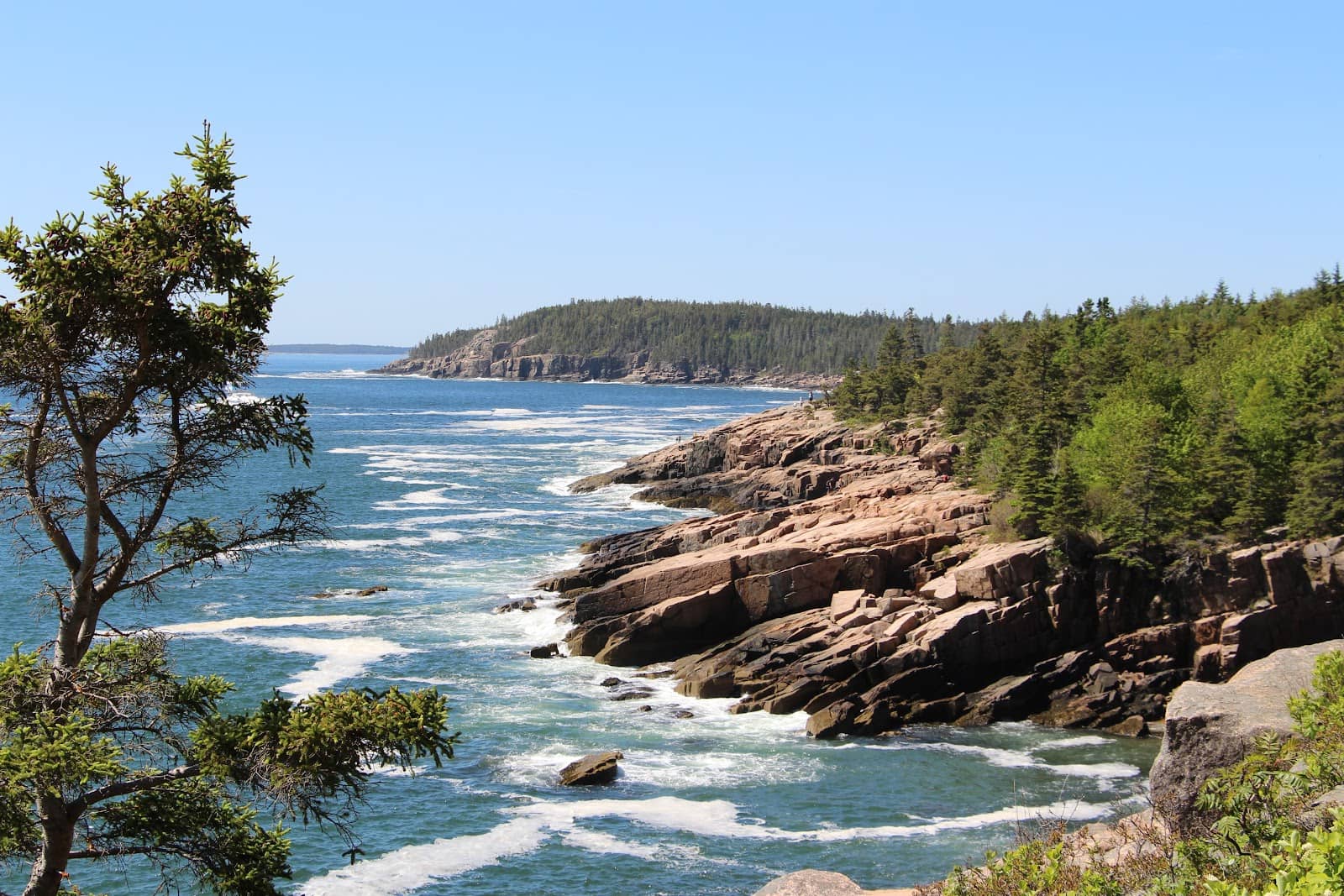
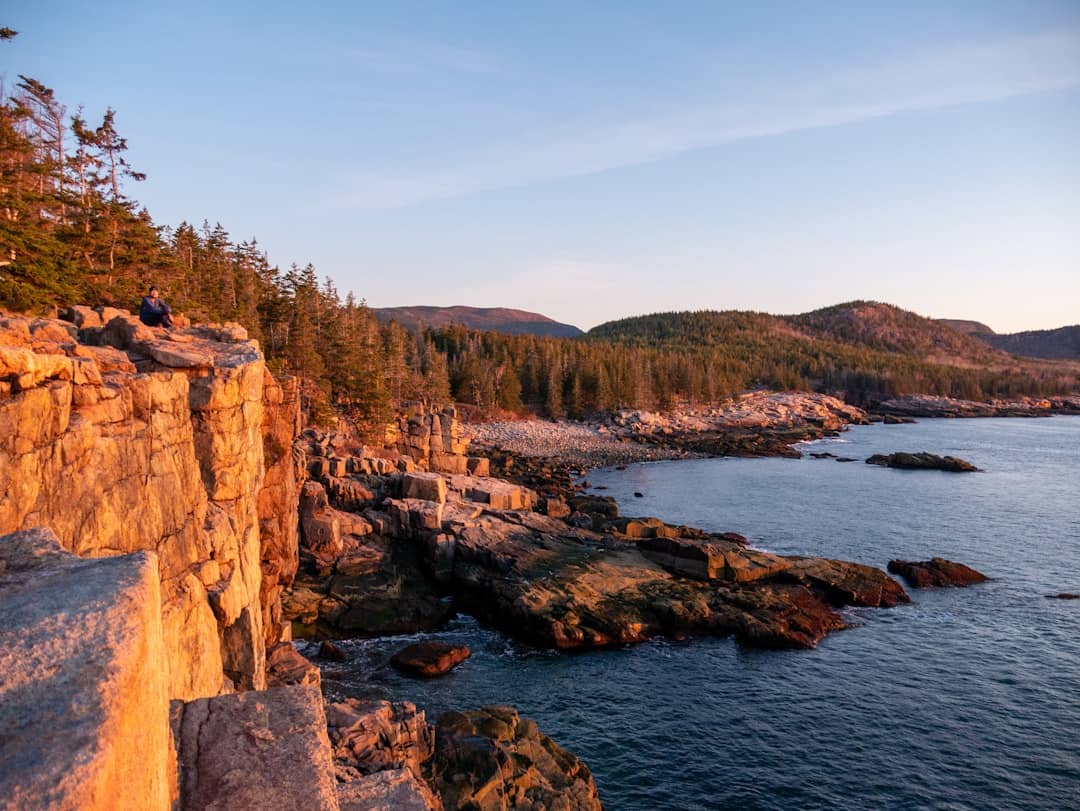
The heart of the region is this sprawling 47,000-acre park that combines woodland trails, granite summits, and dramatic coastline. The park operates year-round, though many facilities and nearby towns close from October through May, so plan food and supplies accordingly if you're visiting in the off-season.

The park includes some serious hikes like the Gorge Trail leading to Cadillac Mountain's summit, a 5.4-mile trek that involves rock climbing and takes several hours. Even in February, when much of the surrounding area shuts down, visitors can still drive the perimeter and catch stunning views. Fall colors and powerful waves crashing against rocky shores make autumn and early winter surprisingly rewarding times to visit, despite colder weather and reduced services.
Acadia National Park
2

Bass Harbor Head Light Station

See main listing

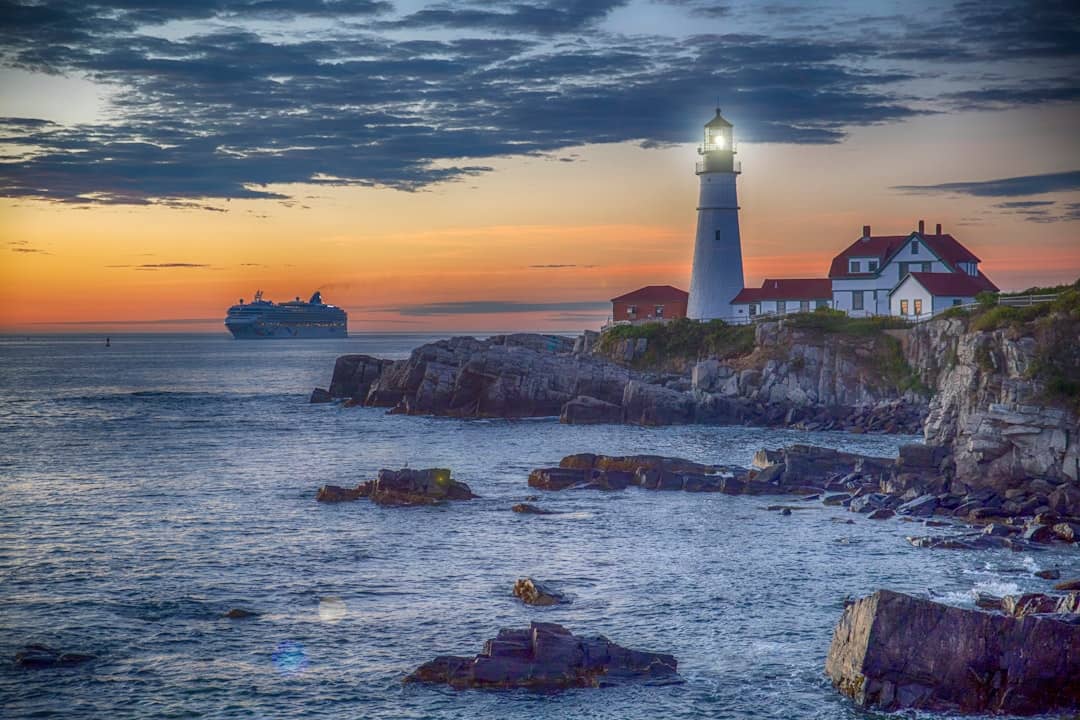
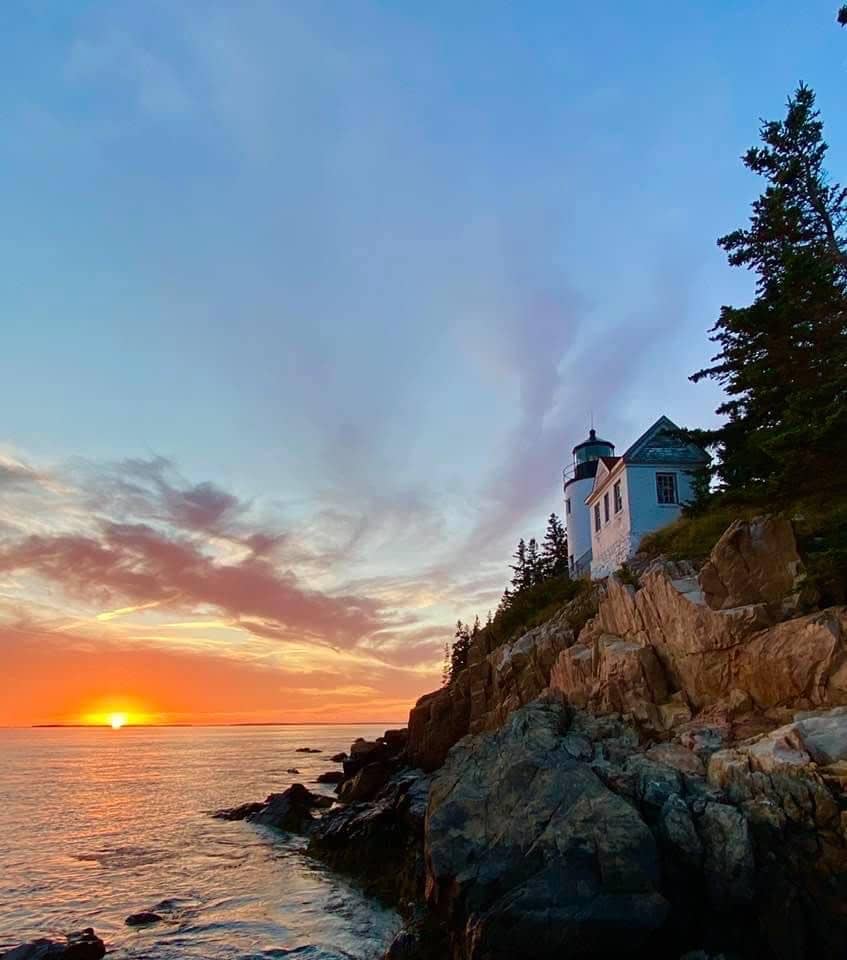
This 1858 lighthouse perches on a sea cliff at the southern tip of Mount Desert Island, surrounded by rocky paths, tide pools, and dramatic ocean vistas. Getting to the lighthouse itself requires a short walk followed by several flights of stairs and scrambling over rocks, but the views from the cliff are worth the effort. Sunrise and sunset are particularly magical here.

Parking is the main challenge. The lot is small and fills up quickly, especially during peak season. Arrive early or visit in the shoulder season (early November is still busy) to find a spot. Even if you can't get prime perching spots on the rocks, the perspectives from various angles around the cliffs offer excellent photography opportunities.

Bass Harbor Head Light Station
3

Fort Knox and Penobscot Narrows Observatory

See main listing

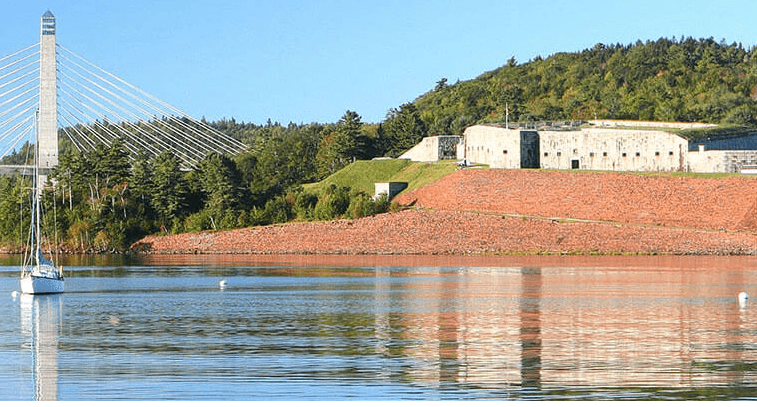
This 19th-century granite fort sits about an hour west of Bar Harbor along Route 1 and pairs nicely with a trip to Acadia. The fort itself is well-preserved and welcomes well-behaved dogs throughout the grounds, making it a good option for travelers with pets. Admission to the fort alone costs around $6.50 for out-of-state visitors.

The main draw is the Penobscot Narrows Observatory, a modern 420-foot observation tower offering panoramic views of the surrounding region. You can buy a ticket for the fort alone or a combined ticket covering both the fort and tower. Staff are friendly, and the gift shop is well-stocked. The site works well for families and visitors of all ages.

Fort Knox and Penobscot Narrows Observatory
4

Pemaquid Point Lighthouse

See main listing

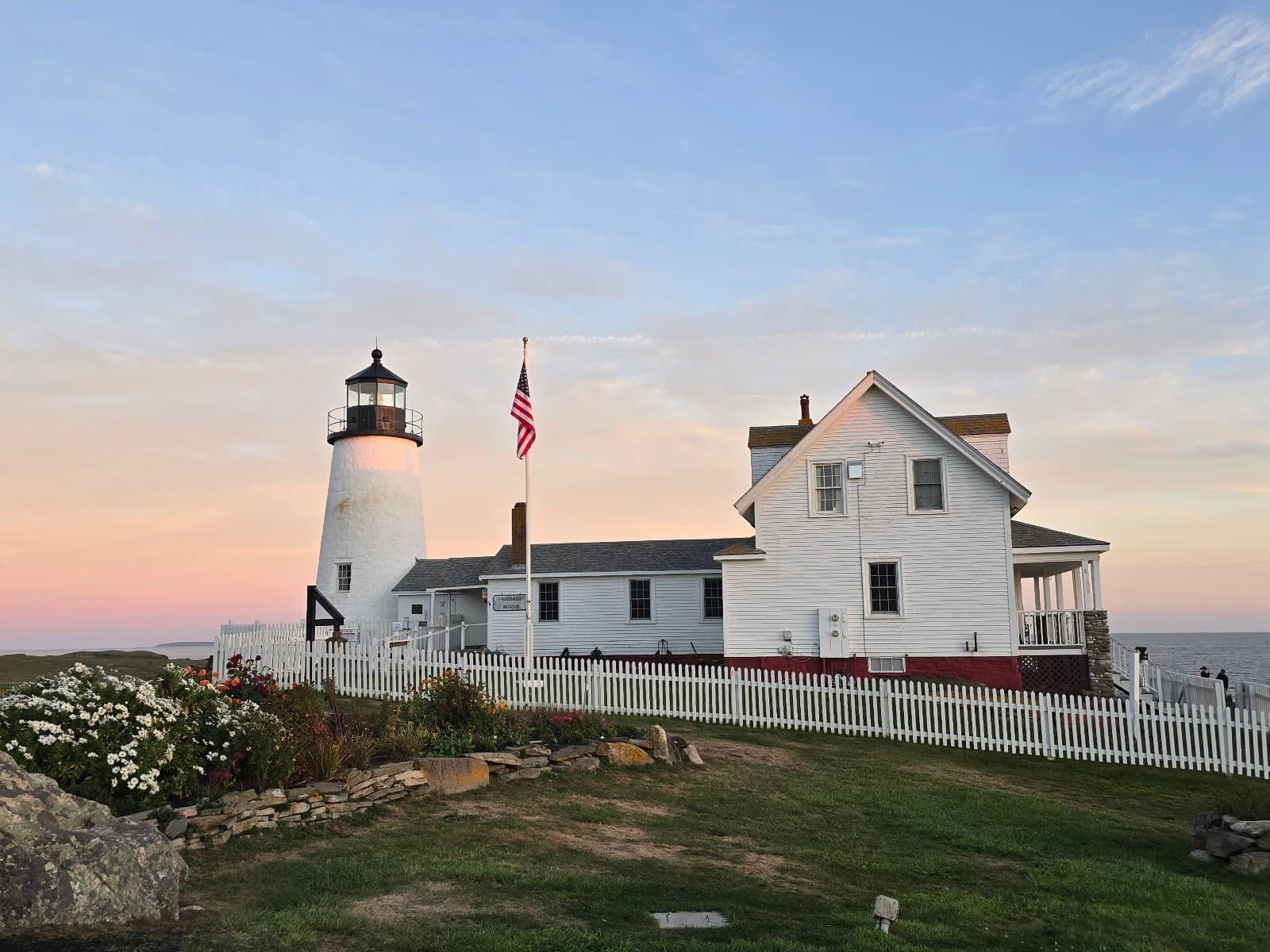
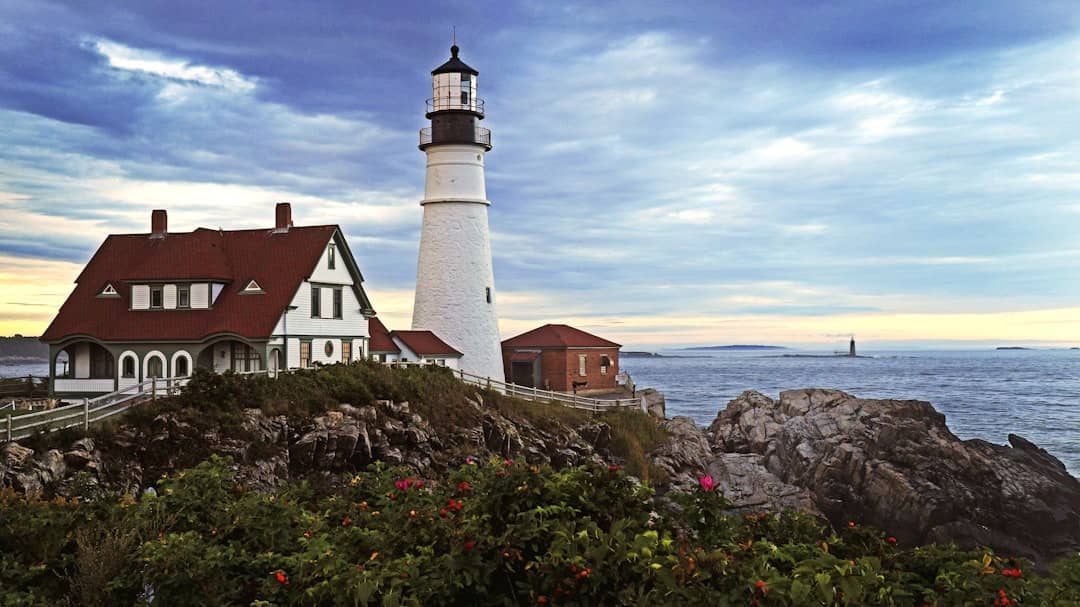
This 1827 lighthouse on the rocky coast near New Harbor is open for a small donation during the season, allowing visitors to climb to the top and take in panoramic Atlantic views. The grounds are extensive and worth exploring. You'll find a fishermen's museum, picnic tables, an art gallery, and plenty of walking space around the rocks and shoreline.

Note that staffing and openness can be inconsistent, especially as seasons change. If you can't get inside the lighthouse to climb, the views from the rocks below are nearly as good. Pack lunch, claim a spot on the rocks, and settle in. The setting is genuinely off the beaten path for a lighthouse, making it less crowded than some of Acadia's other coastal attractions.

Pemaquid Point Lighthouse
5

Thunder Hole

See main listing

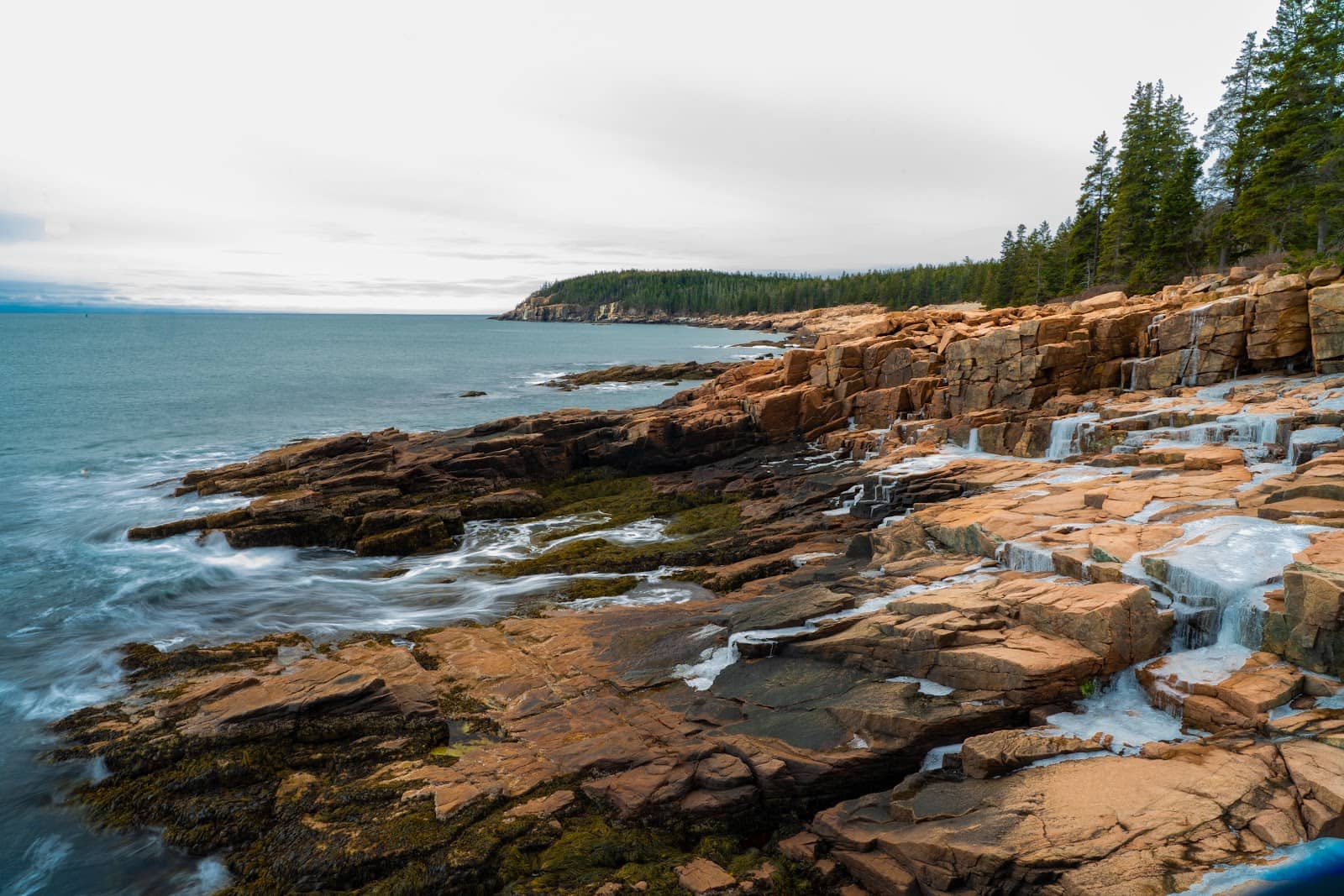
Thunder Hole is a natural rock inlet where waves crash with a thunderous boom and send foam high into the air, but only when conditions are right. Timing is everything. The dramatic effect happens best one to two hours before high tide when waves are strongest. Visit during calm seas and you'll see little more than a quiet cove, so check tide schedules and surf forecasts before making the trip.

The experience is truly unique when the ocean cooperates. The sound and power of waves hitting the rocks and shooting upward is something you won't forget. The surrounding area offers gorgeous ocean views, dramatic cliffs, and good photo opportunities even if the waves aren't cooperating.

Thunder Hole
Thunder Hole
6

Cadillac Mountain

See main listing

Cadillac Mountain is one of the first places in the U.S. to see the sunrise, making a dawn visit unforgettable. Driving to the 1,528-foot summit takes you through 47,000 acres of national park with spectacular views over the ocean, islands, and surrounding landscape. The panoramic vistas shift from deep blue to pink as the sun rises, then stay stunning throughout the day.

Be prepared for wind and cold, even in warmer months. The temperature can drop significantly at the summit, so bring layers. Fog often rolls in during the afternoon, so if you're not doing sunrise, aim for late morning or early afternoon. The drive itself offers spectacular scenery at every elevation, and there's a public bathroom and parking lot at the summit.

Cadillac Mountain
Cadillac Mountain
7

West Quoddy Head Lighthouse

See main listing

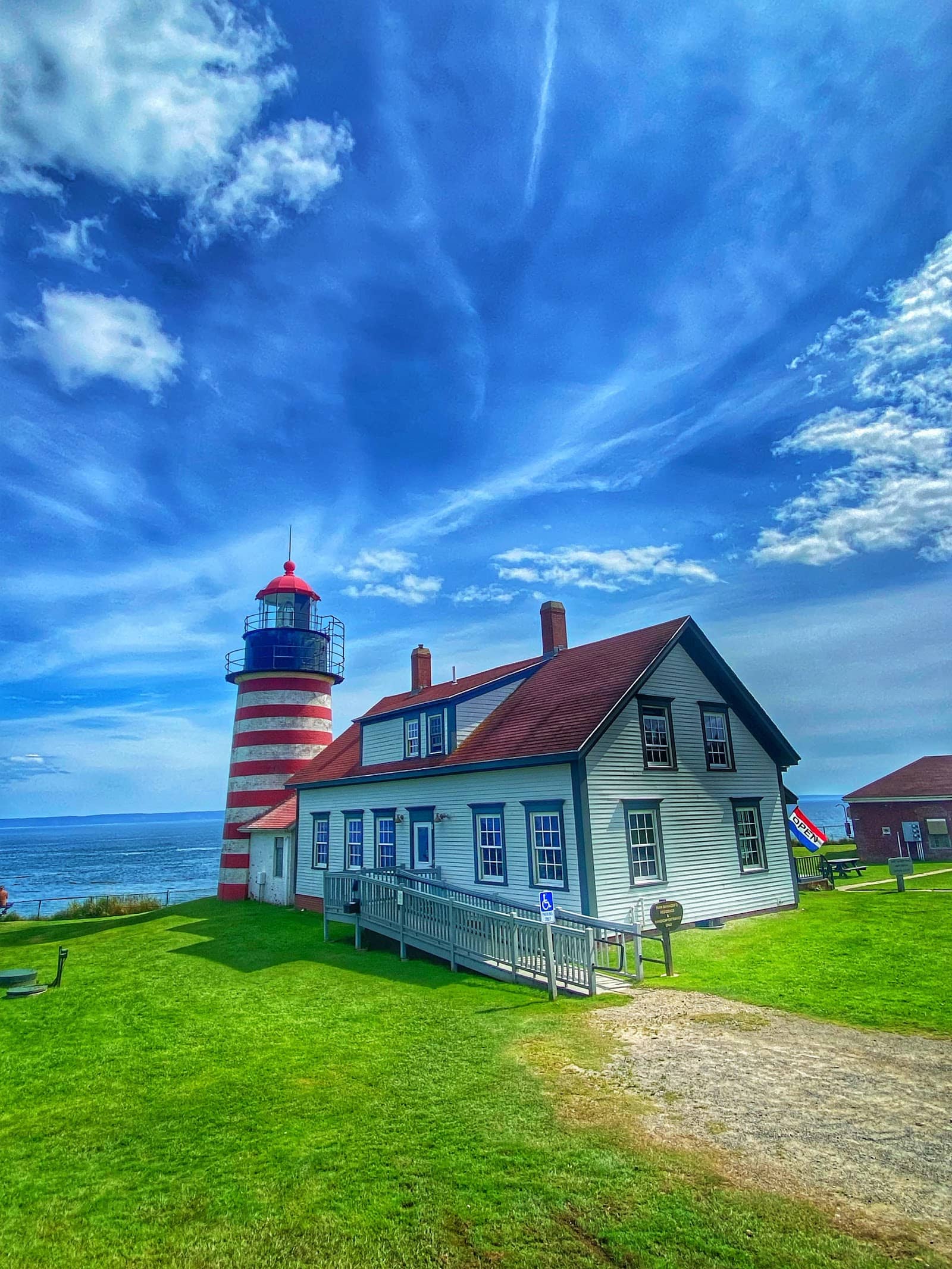
West Quoddy Head marks the easternmost point of the contiguous United States, and its distinctive red and white striped lighthouse is a picturesque sight. The lighthouse sits on a dramatic headland surrounded by the Atlantic, with the keeper's house and visitor center nearby. It's a beautiful, affordable stop that's easy to access and stress-free to navigate, even when busy.

Miles of scenic, well-marked trails radiate from the lighthouse, ranging from easy walks to steeper climbs. Recent paint work keeps the structure looking pristine. Drive carefully in winter or bad weather, as the approach road can be treacherous, but the views and hiking opportunities make the effort worthwhile. It's family-friendly and works well for visitors of all fitness levels.

West Quoddy Head Lighthouse
8

Marshall Point Lighthouse & Museum

See main listing

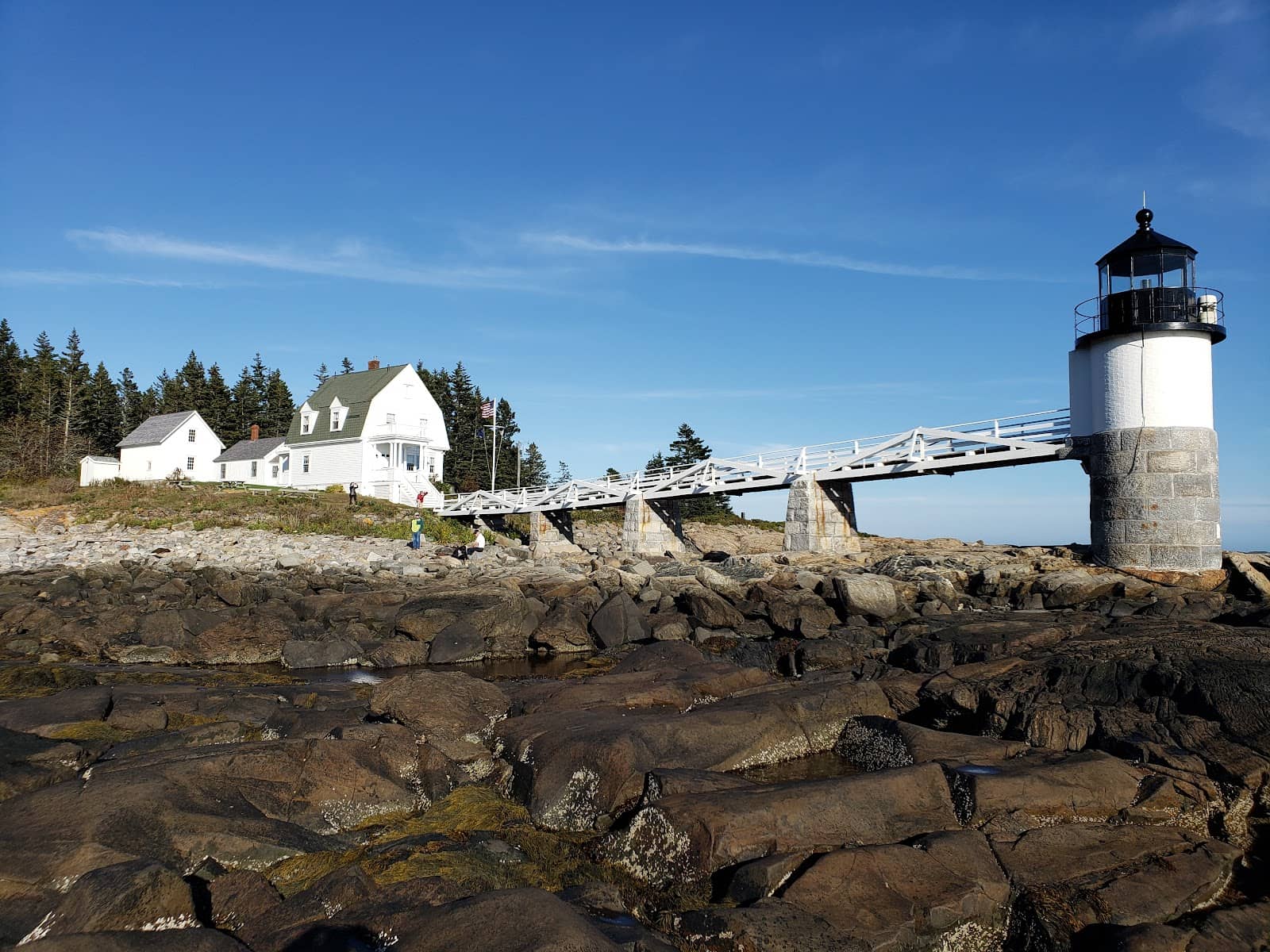
This white 1858 lighthouse perched at the edge of Port Clyde has gained fame as a filming location for the movie Forrest Gump. The setting is more beautiful in person than on screen, with a keeper's house, summer-only museum, and gift shop. The experience lives up to the hype, with thoughtful historical information throughout the grounds.

Volunteers staff the site and are friendly and knowledgeable about the lighthouse's history. There's usually a decent crowd on summer days, but the grounds never feel overwhelming. The museum shop sells items like a charming book about the lighthouse pup. The coastal views are gorgeous, and the whole experience captures classic New England lighthouse charm.

Marshall Point Lighthouse & Museum
9

Rockland Breakwater Lighthouse

See main listing

This 1902 lighthouse and keeper's house sit at the end of a breakwater that's reached by walking just under a mile across uneven granite slabs. It's a moderate hike with dramatic views, and families often tackle it with their kids. Wear sturdy shoes; flip-flops and heels will lead to trouble and seagull mockery. Early October offers quiet conditions and fewer crowds.

The walk is fun but requires attention to footing. A floating dock at the end gives you a perfect vantage point for photos. Weather matters here, so check conditions before heading out. The experience is rewarding enough that even those nervous about the uneven terrain find it worthwhile if they take it slow and steady.

Rockland Breakwater Lighthouse
10

Village Green

See main listing

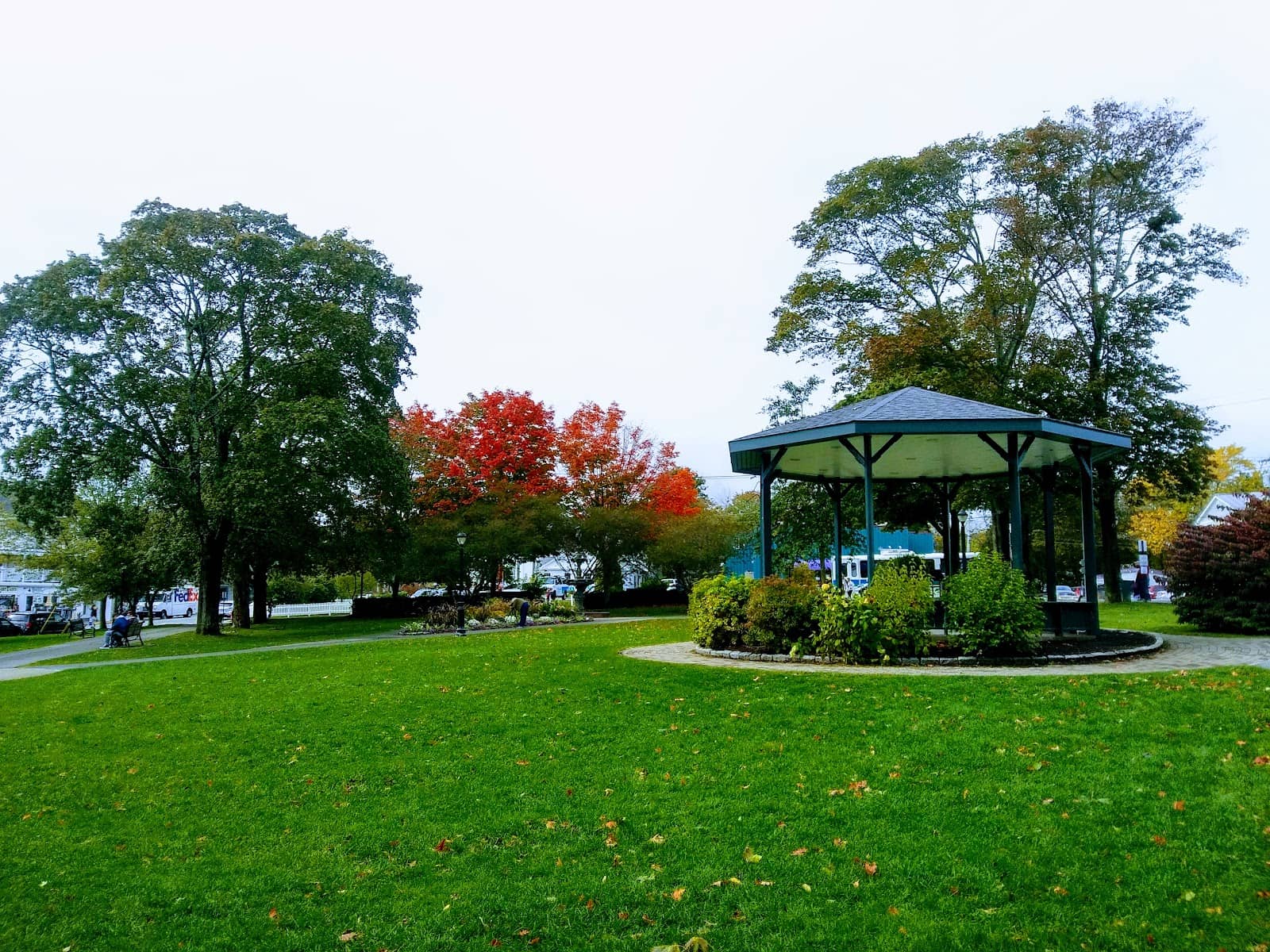
This grassy town square in downtown Bar Harbor offers benches, a gazebo, and a national park information center. It's a pleasant spot to rest after shopping or walking the main street. Summer concerts and musical events draw crowds, and you might catch a free community performance with local bands.

The green serves as a good gathering point and information hub. Some summer concerts may end earlier than advertised, but the atmosphere is lively and welcoming. It's a natural stopping point if you're exploring Bar Harbor itself.

Village Green
Village Green
11

Sand Beach

See main listing

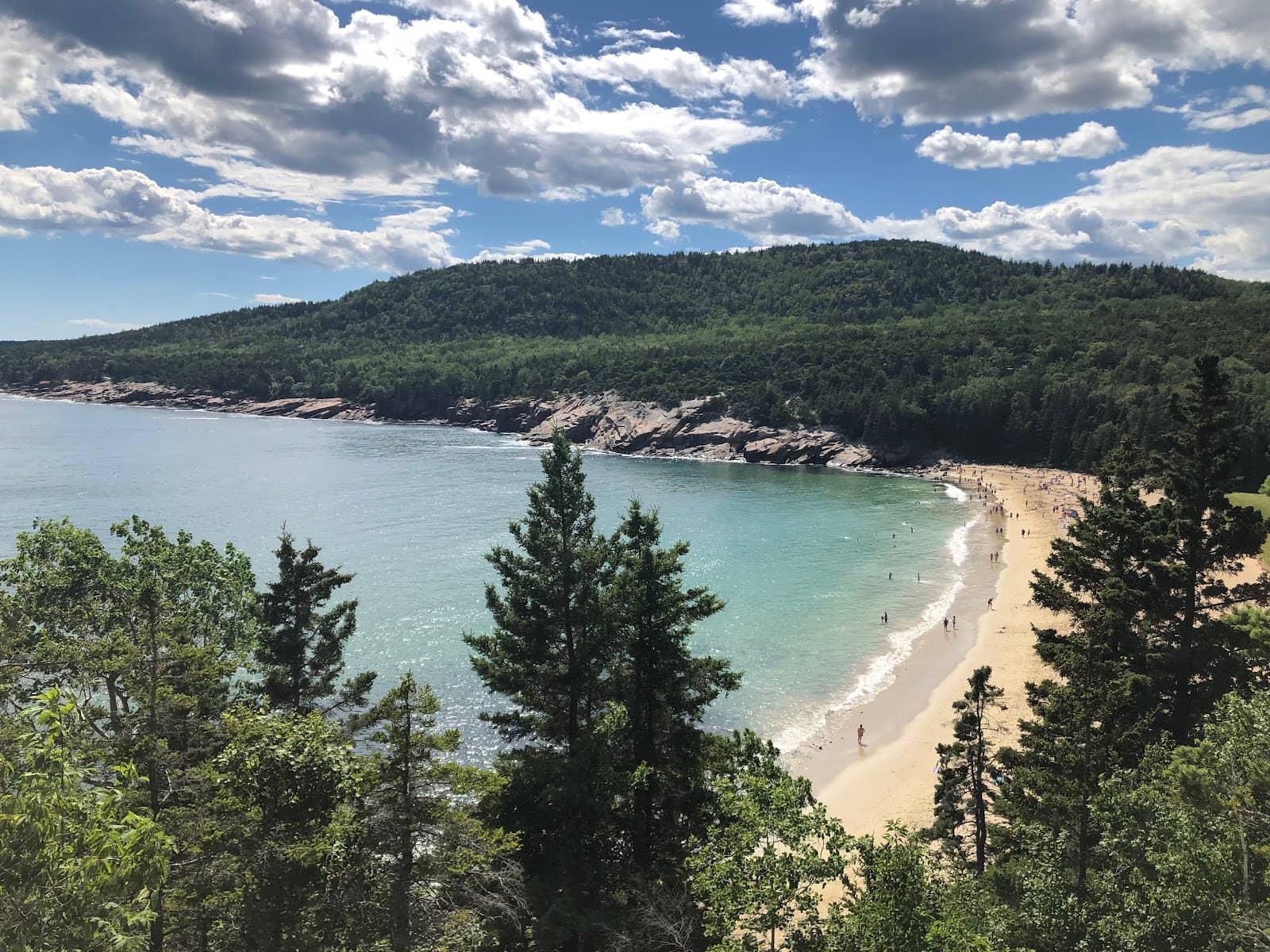
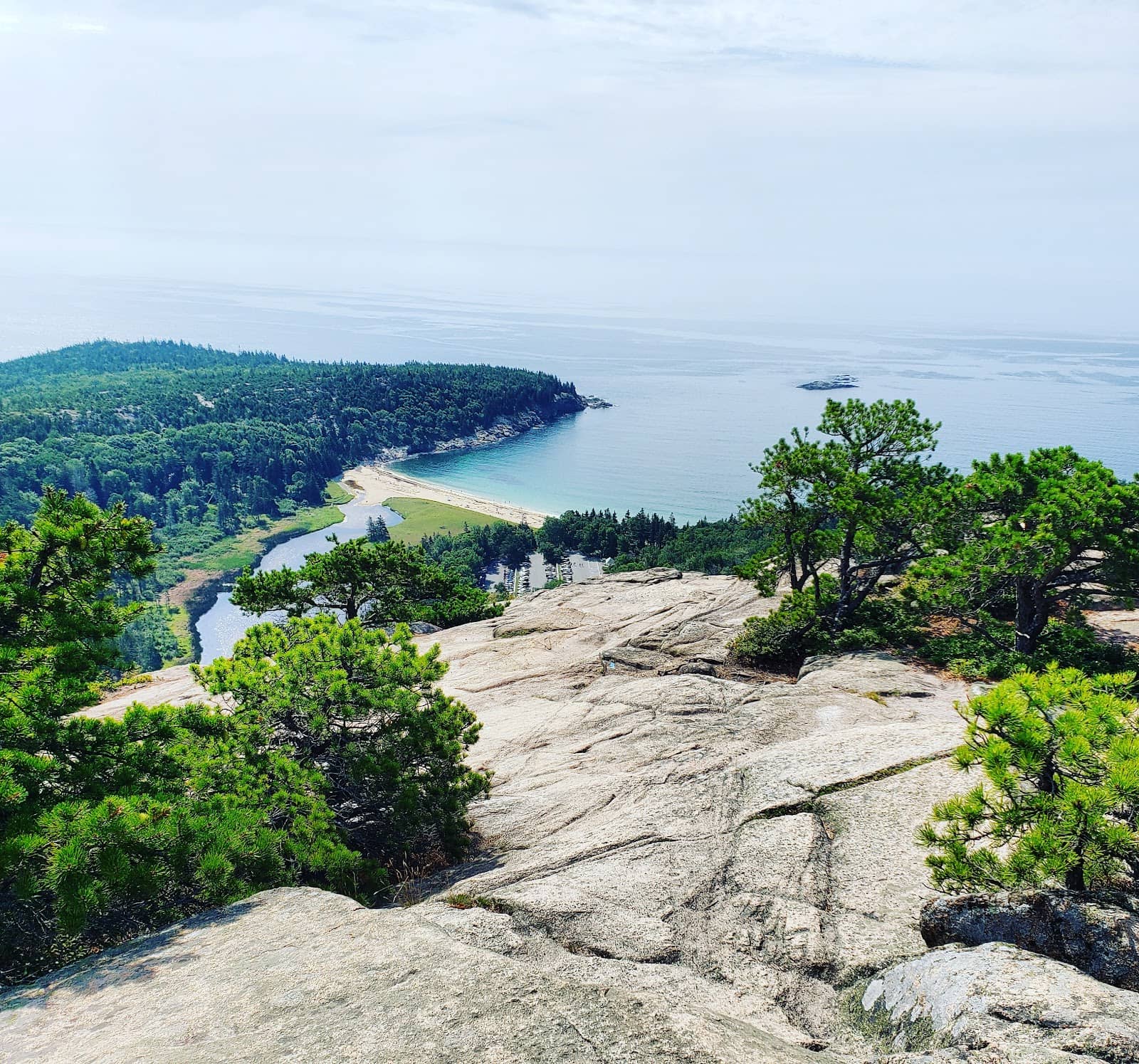
Sand Beach is a cove-style beach popular for wading, swimming, and picnicking with stunning scenic views. The beach is beautiful during the day, and stargazing at night reveals millions of stars reflected in calm water, along with moonlight on the waves and the sound of the surf. It's one of the most tranquil experiences the park offers.

Be aware that this beach gets crowded, even in October. Arriving early helps secure parking. In November, parking is plentiful and facilities like outhouses and trash cans remain open despite colder weather. The experience is special enough to warrant the effort of finding a good time to visit.

Sand Beach
Sand Beach
12

Wild Gardens of Acadia

See main listing

These gardens showcase native Maine trees, wildflowers, ferns, and a stream across rustic walking paths. Different biomes are separated into their own areas, and everything is labeled so you can learn the plants around you. The adjacent nature center is open 9 a.m. to 5 p.m., and the gardens close at 6 p.m.

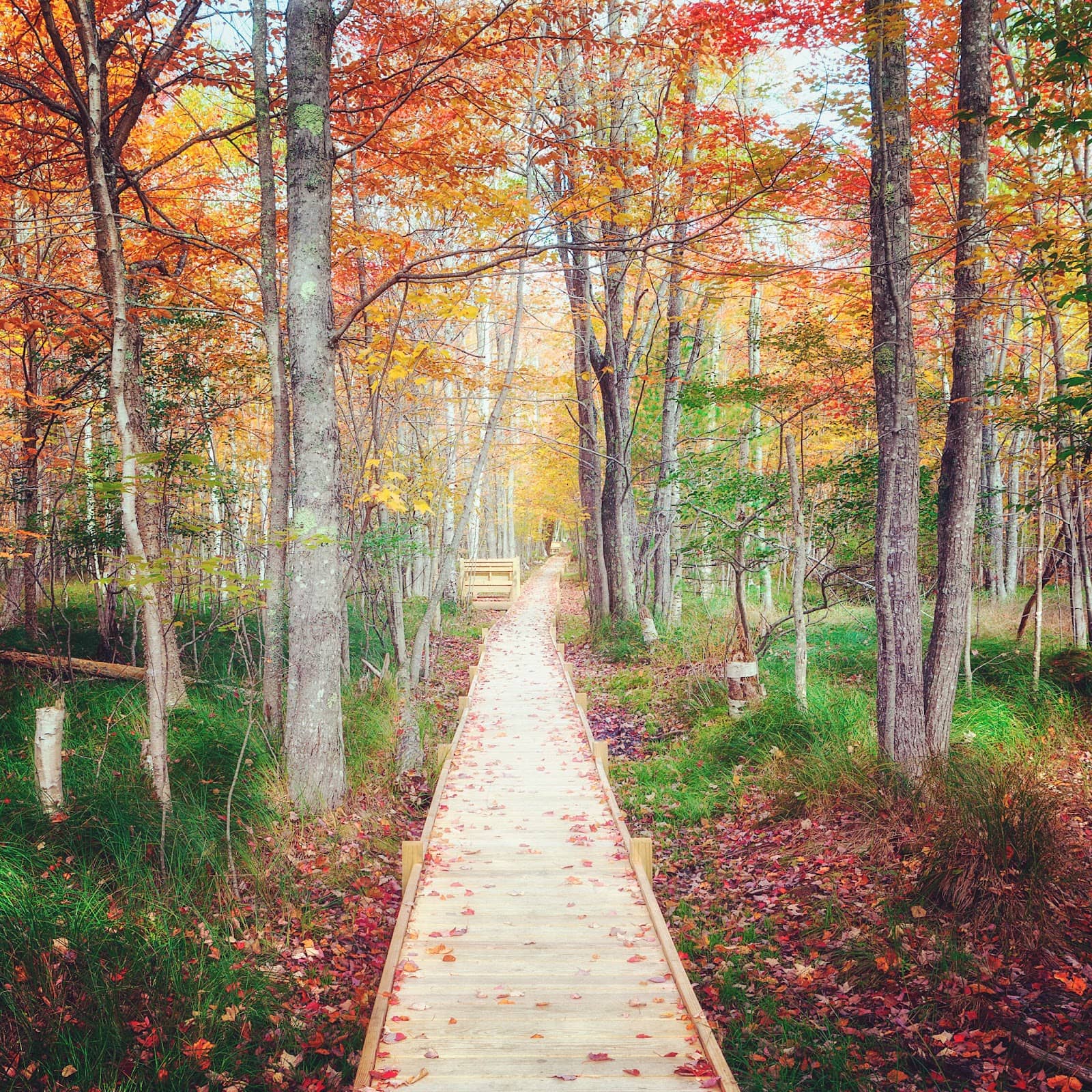
Several trails branch from the gardens, including the Jesup Trail, which offers early morning exploration before official opening time. Trails like Emory and Homan offer steeper, more challenging climbs with rewarding views. Wildlife spotting is possible, with visitors reporting bull frogs and porcupines. There's plenty of variety in difficulty and terrain, making this a good rainy-day or flexible-schedule option.

Wild Gardens of Acadia
13

Tidal Falls Preserve

See main listing

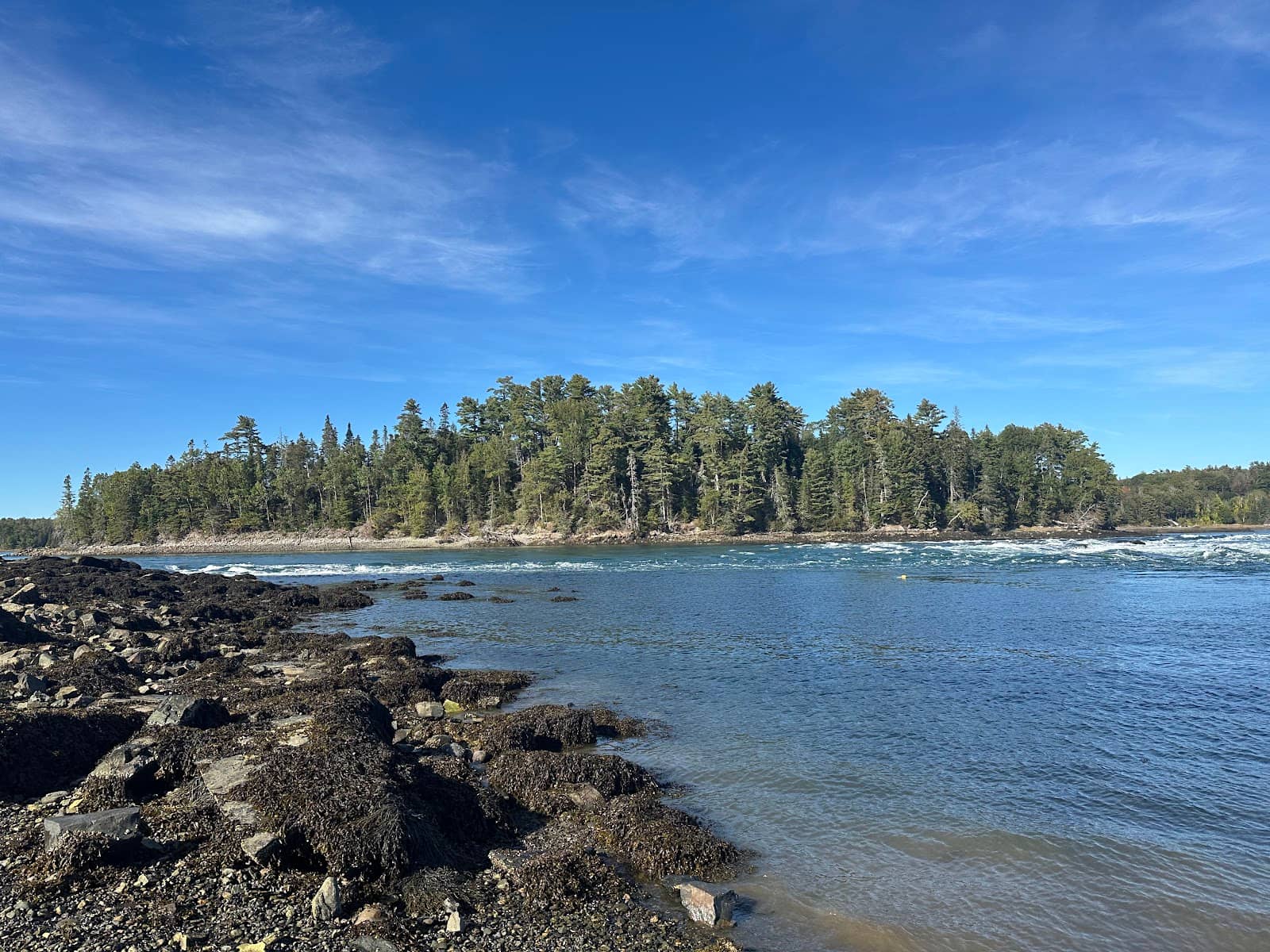
Tidal Falls is a nature preserve where you can watch the Tidal Falls rapids shift from ripping upstream to calm and then ripping downstream as the tide turns. The phenomenon is mesmerizing, especially if you close your eyes and listen to the rushing water. The park includes benches, observation areas, and rocks to sit or climb on at low tide.

Walk along the shore and look for starfish among the rocks, but handle them gently if you do. The park setting is well-maintained and feels peaceful. It's the kind of last-minute detour that becomes an unforgettable Maine experience.

Tidal Falls Preserve
14

Beehive Trail

See main listing

The Beehive Trail is a thrilling 1.4-mile loop with roughly 500 feet of elevation gain, starting near Sand Beach. The climb is steep and exposed, using a series of iron rungs, handrails, and narrow ledges carved directly into the granite cliffside. It's a heart-pounding scramble, but the panoramic ocean views from the cliff-top reward every step.

This hike isn't for those with serious height fears, though plenty of people with moderate fear of heights report it's doable as long as they can hold onto something. Avid hikers unfamiliar with heights find it exhilarating. Start early, around 7 a.m., to avoid crowds and secure parking. The rock scramble with iron rungs is genuinely fun if you're comfortable with exposure.

Beehive Trail
Beehive Trail
15

Jordan Pond Path Trailhead

See main listing

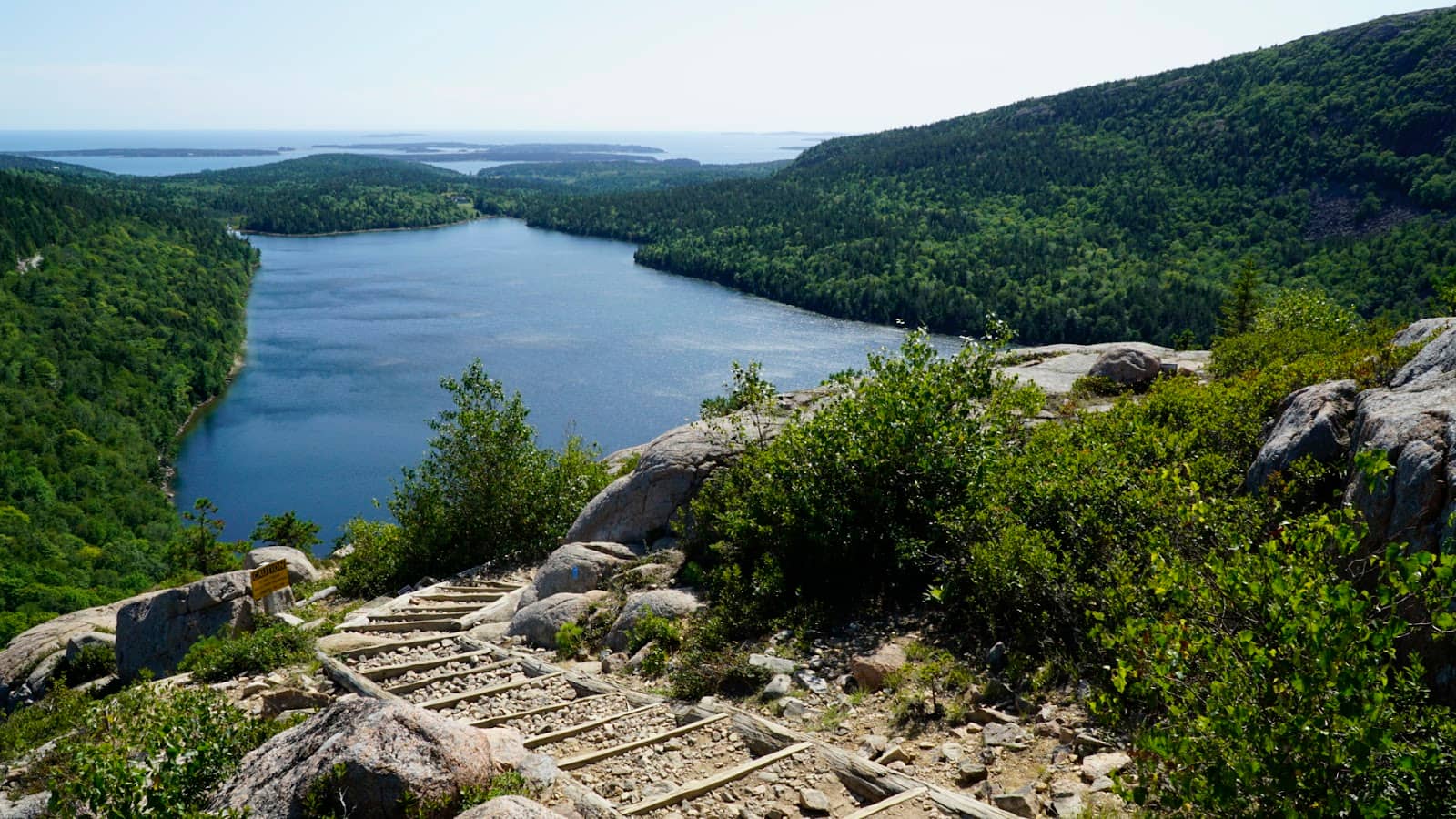
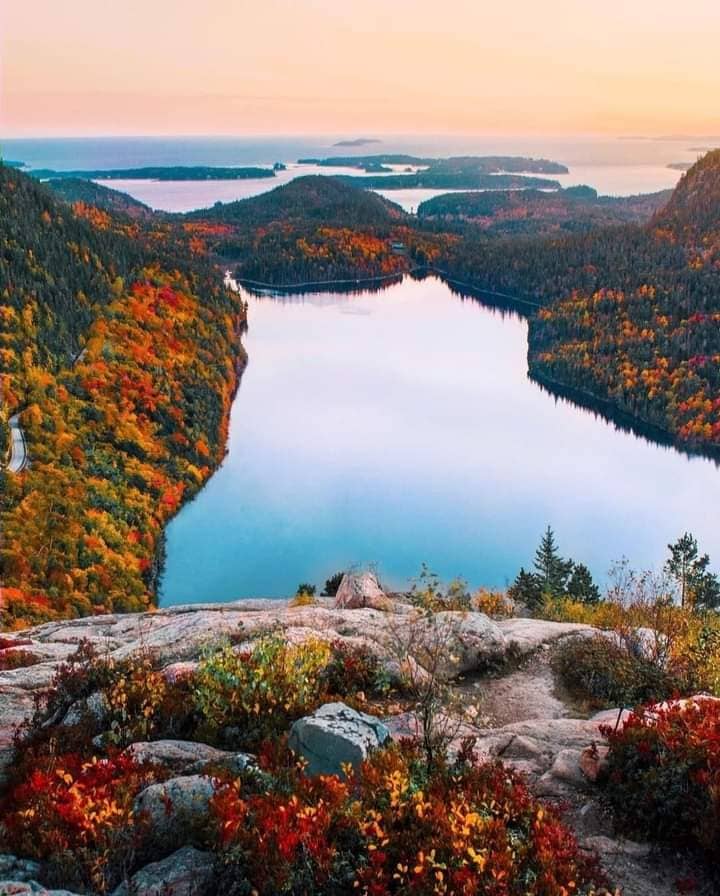
Jordan Pond is one of Acadia's most iconic and serene destinations. The trail circling the pond is easy, well-maintained, and feels untouched by time. Walking beneath tall evergreens, you'll see impossibly clear water and smooth stones along the shore. Most people take about an hour to walk the loop, though photos will slow you down considerably.

This is one of the most trafficked trails in Acadia, so arrive by 10 a.m. at the latest to find parking. Hiking counterclockwise offers better aesthetics and suits families well. The scenery is genuinely magical from every angle, making crowds somewhat forgivable.

Jordan Pond Path Trailhead
16

Bar Island Land Bridge

See main listing

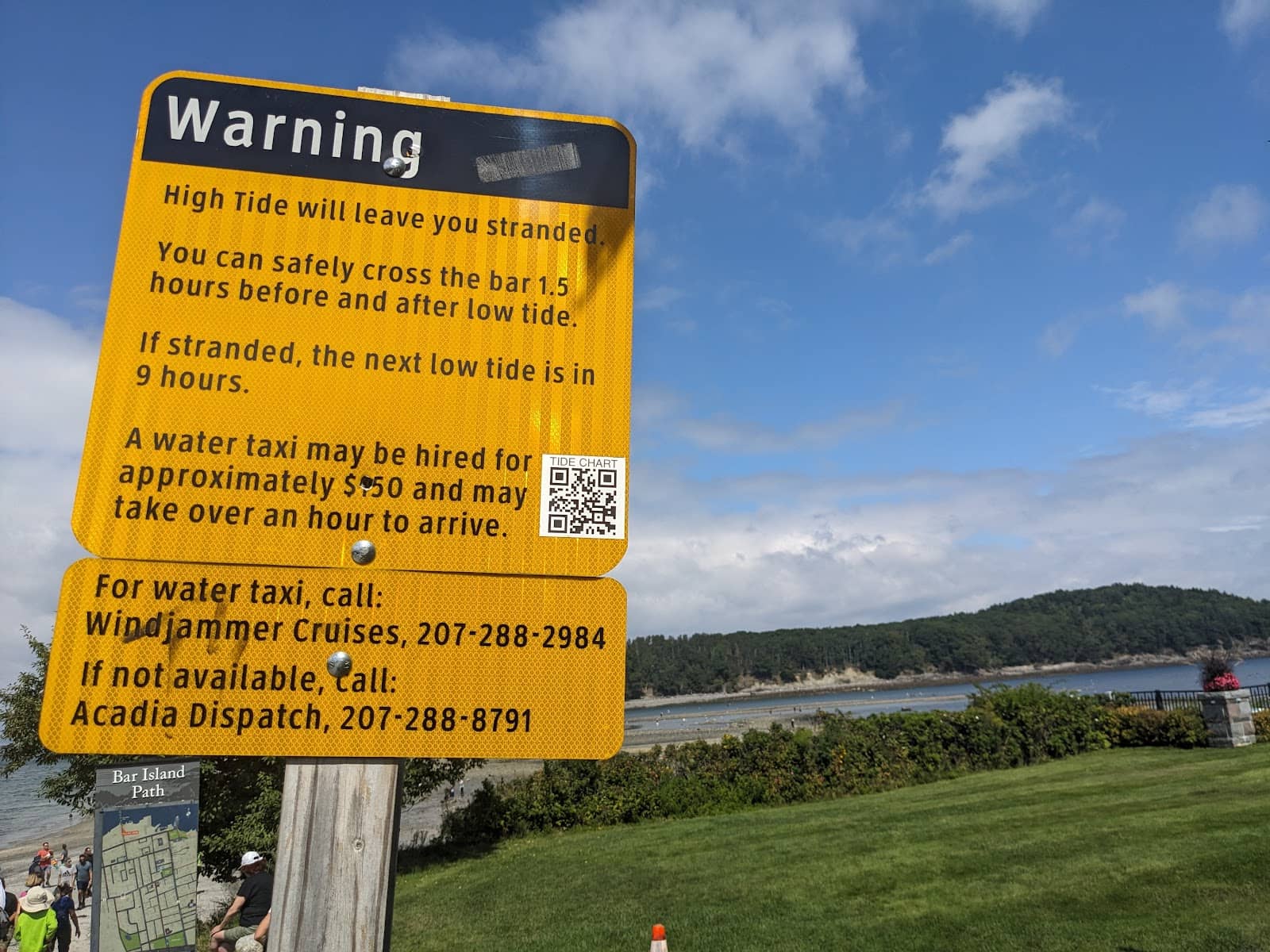
Bar Island becomes accessible to the mainland only at low tide, when a natural land bridge emerges. Walking out as the water recedes is a cool experience, and you'll find plenty of rocks to hunt for shells and sea life. The key is timing: you must return before the tide comes back in, or you're stuck on the island until the next low tide.

Park along West Street using metered parking (credit card or Park Mobile App). Only walk the path 1.5 hours before and after low tide. Even if you don't reach the island itself, walking out as far as conditions allow is worthwhile. Plan your visit around tide schedules so you don't misjudge the timing.

Bar Island Land Bridge
17

Ocean Path Trailhead

See main listing

Ocean Path traces the Acadia coastline with boulders, wild roses, and multiple scenic landmarks. The trail is beautiful with great photo spots, though it's extremely popular and crowded year-round. Much of the first half runs along the road, and while fairly accessible, expect thousands of people on a mostly level path for several miles.

The full trail includes shaded forest sections and stairs, giving you a real workout for your legs. If you park strategically, there's a long stretch of cold ocean to wade or soak your feet in after your hike. The surrounding Bar Harbor is quaintly picturesque. If you prefer solitude, seek less-trafficked trails elsewhere in the park.

Ocean Path Trailhead
18

Seal Cove Auto Museum

See main listing

This museum houses an impressive collection of brass-era automobiles, many of which are rarely seen anywhere in the country. Volunteers do meticulous work maintaining the collection and engaging with the community and kids. The signs are informative, and staff members circulate offering facts and answering questions.

A private tour from the curator is a highlight. The experience is truly unique, and you'll find machines built in unexpected places like Buffalo, New York. It's an excellent option for a chilly or rainy day, and it's only a 30-minute drive from Bar Harbor. Admission is affordable, making it a worthwhile side trip.

Seal Cove Auto Museum

Guides

Related guides

All Guides