
Region
Aroostook County, Maine
Aroostook County is Maine’s northern farm-and-forest country, where a regional trip can move between open agricultural land, small cities and lake communities. Choose the landscape you want to spend time in before deciding on a base. Presque Isle, Caribou and Portage Lake support different kinds of days, even though they belong to the same broad region.
Maine's vast north. Potato fields, sugar maples, sled trails and a slower clock. The County is bigger than Connecticut and Rhode Island combined, and you can drive for an hour without seeing a stoplight.
Guides
Guides about Aroostook County

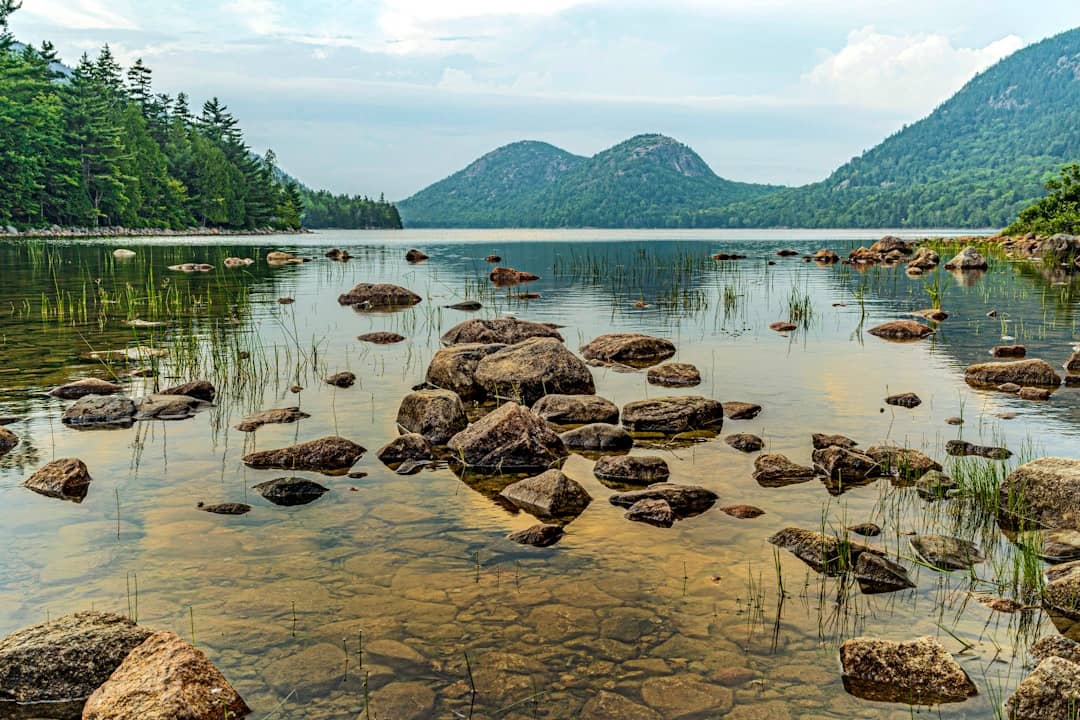
Destinations
Aroostook County destinations
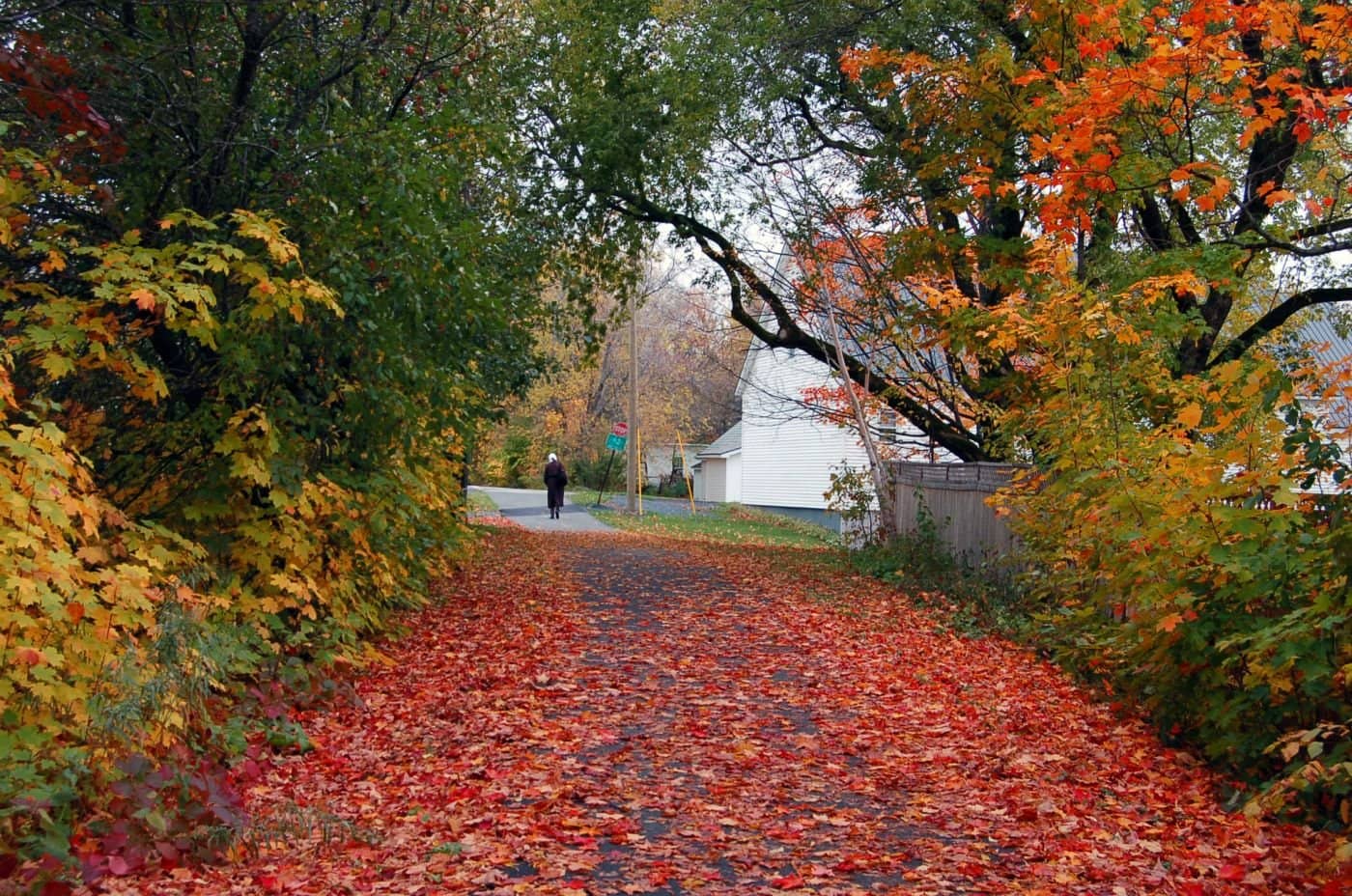
Aroostook County
Presque Isle
The largest city in Aroostook County, at the center of Maine's potato country and its cross-country skiing.
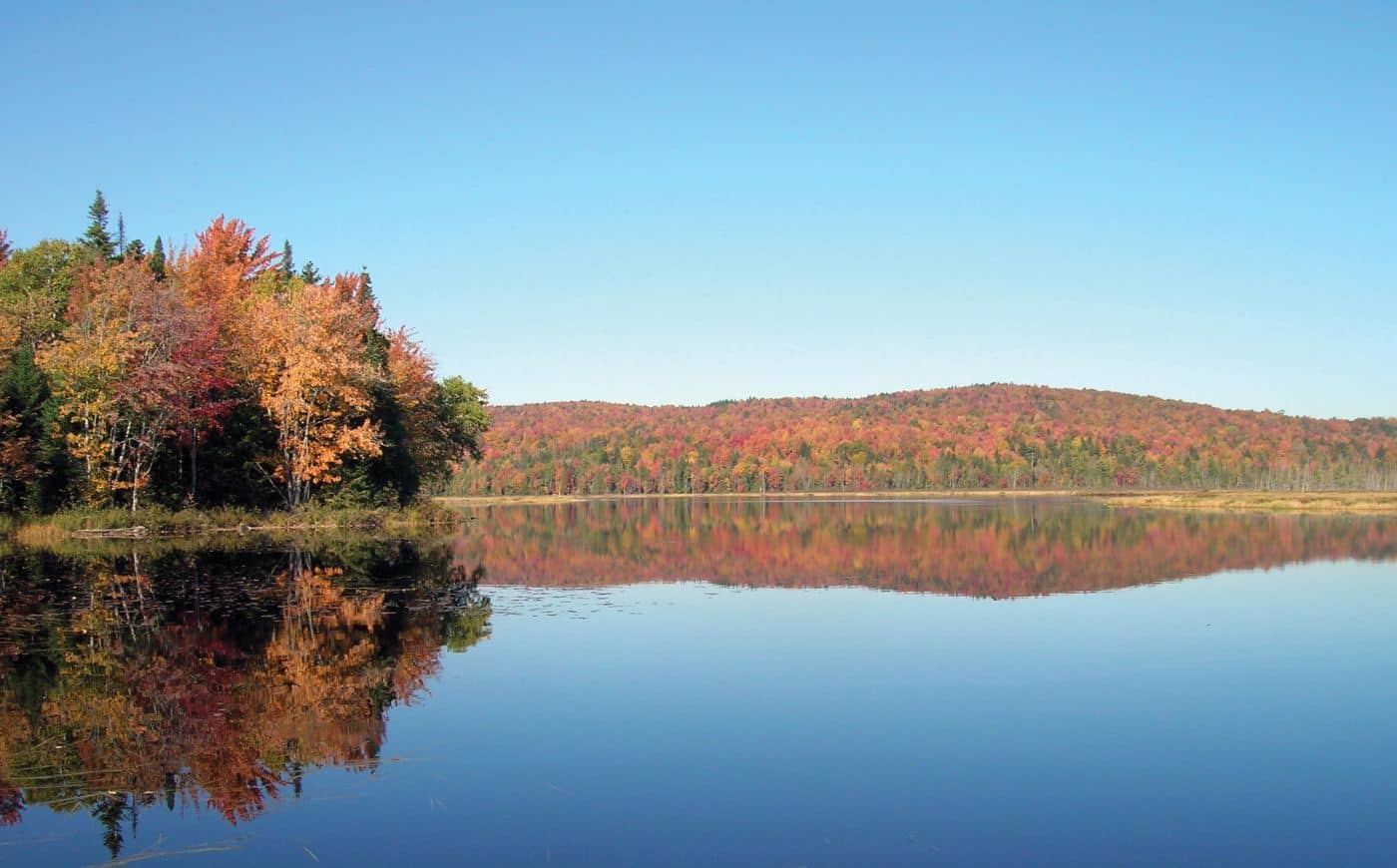
Aroostook County
Caribou
Aroostook County potato country - Nylander Museum, the Caribou Country Club, and snowmobile trails all winter long.
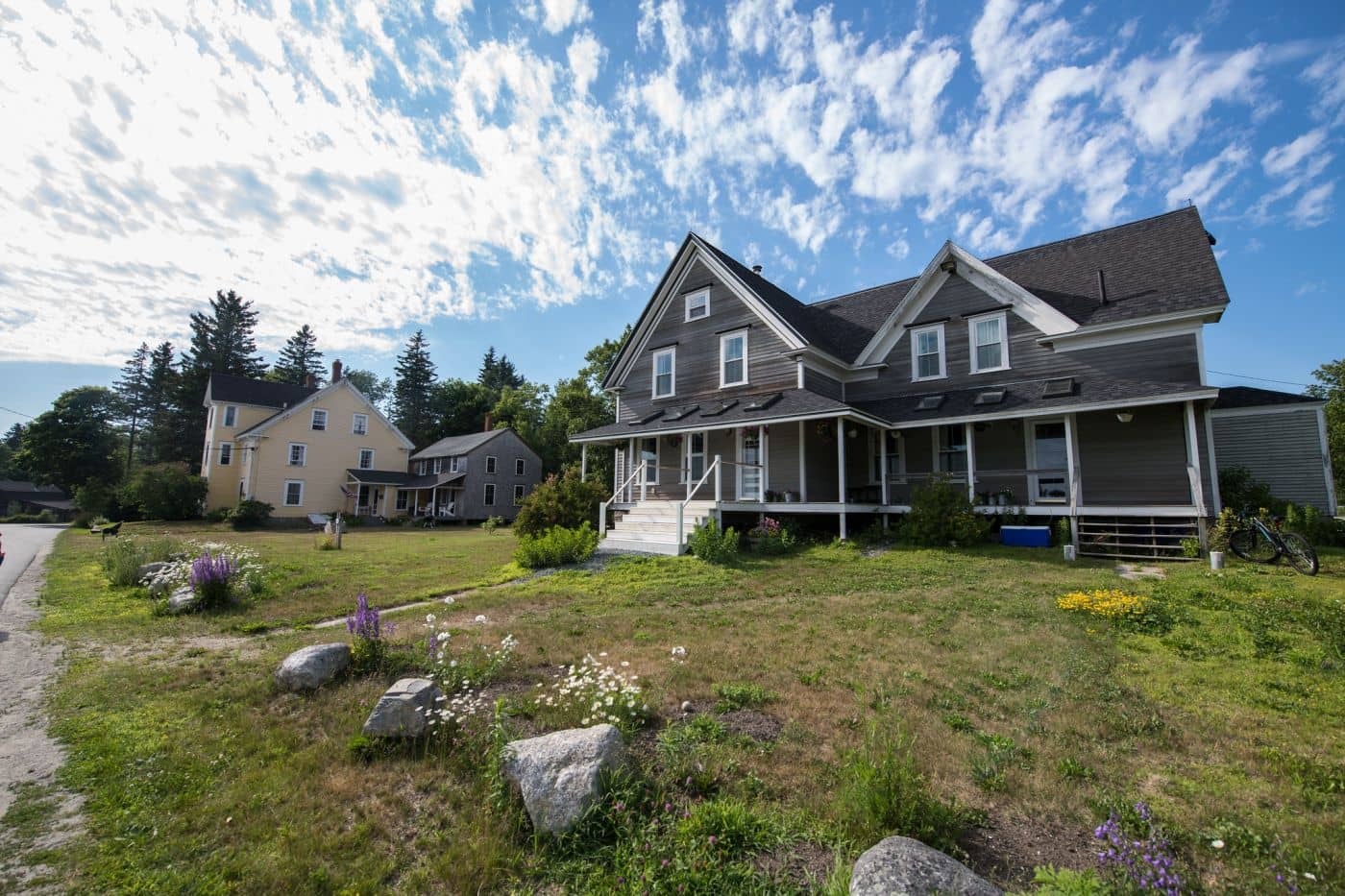
Aroostook County
Houlton
Northern I-95 terminus on the New Brunswick border - Market Square, Monument Park, and the Meduxnekeag River paddle trail.
Aroostook County
Mars Hill
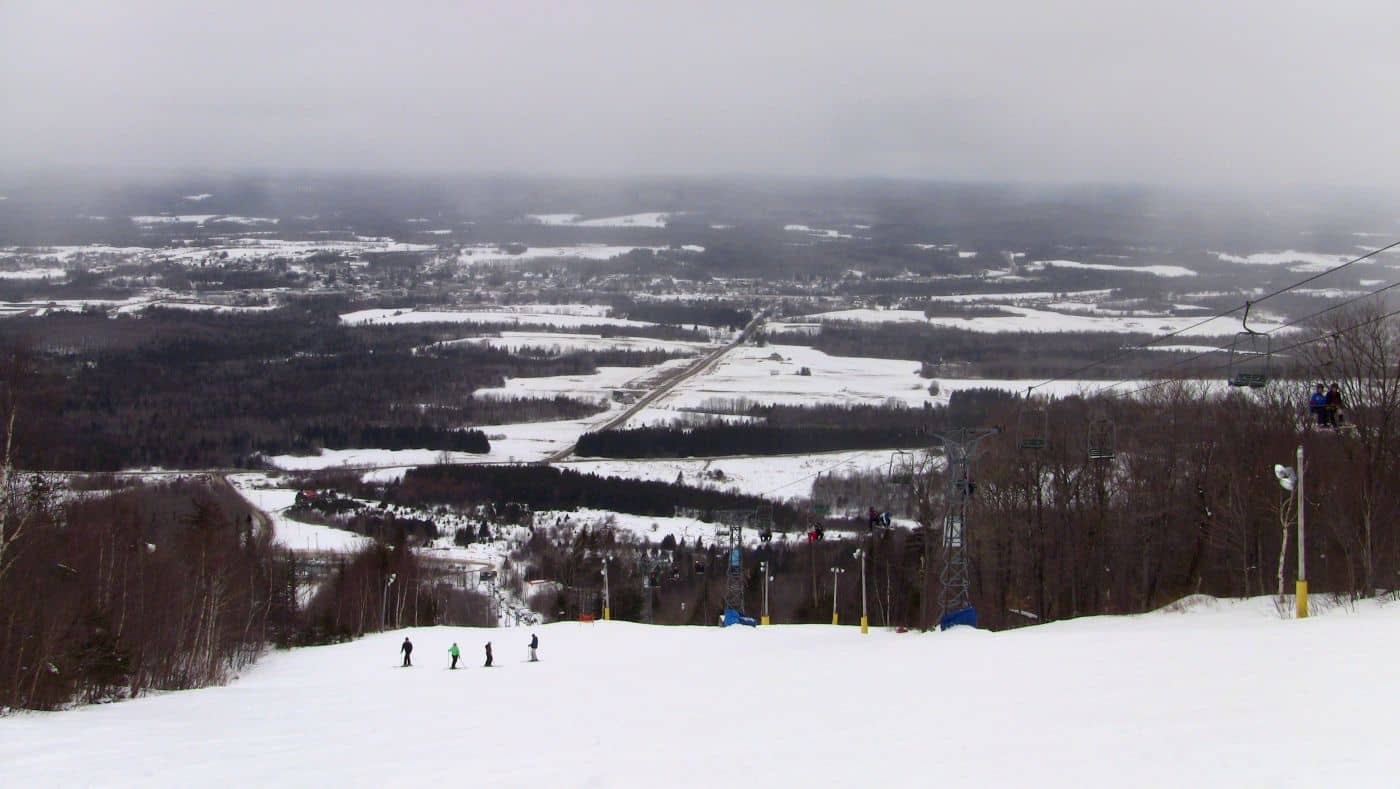
Aroostook wind-farm ridgeline - Big Rock ski area, the Potato Blossom Festival parade, and the first US spot to see sunrise.
Aroostook County
Portage Lake
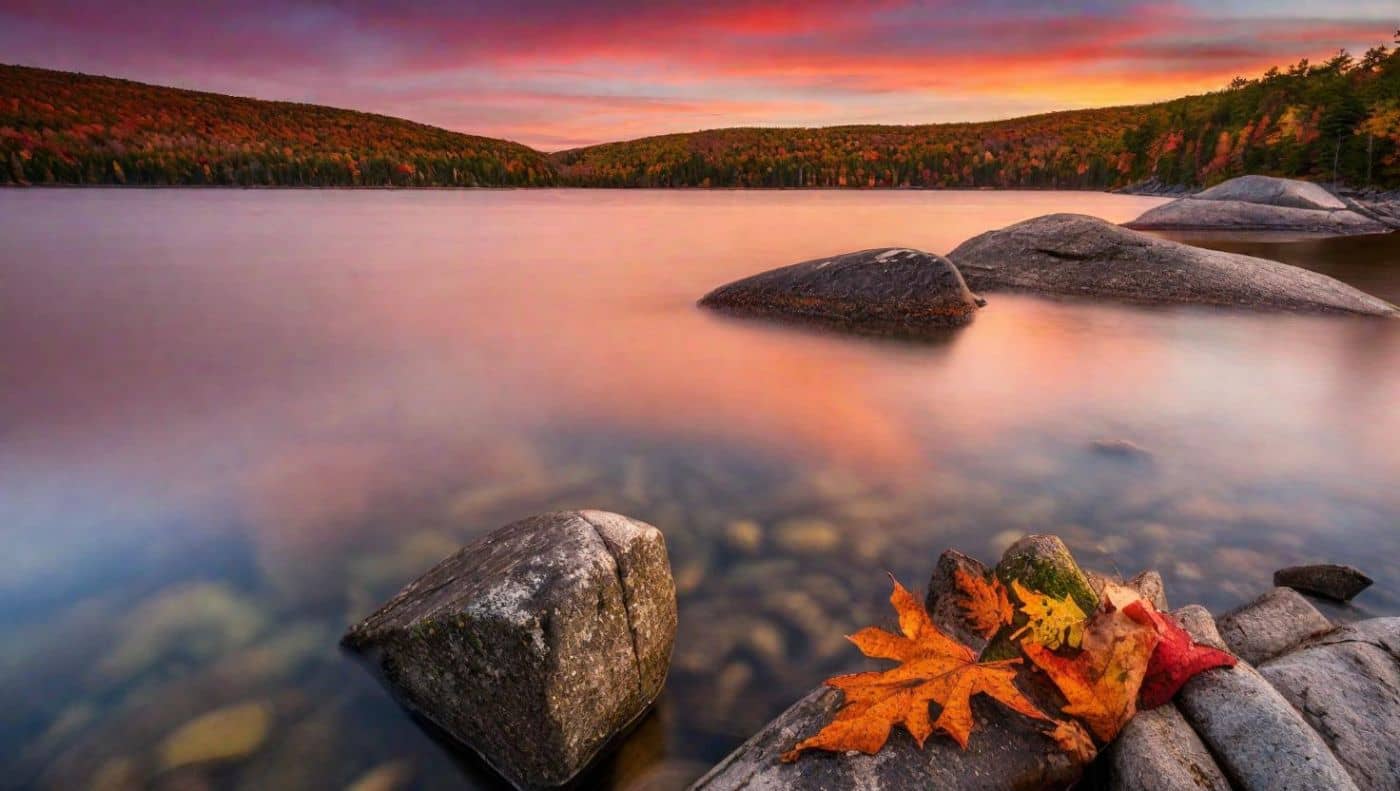
Aroostook County lake country - bald-eagle spotting, summer camps, and snowmobile trail access to northern Maine wilderness.
Hotels
Where to stay in Aroostook County
$$$
Hotel
Caribou
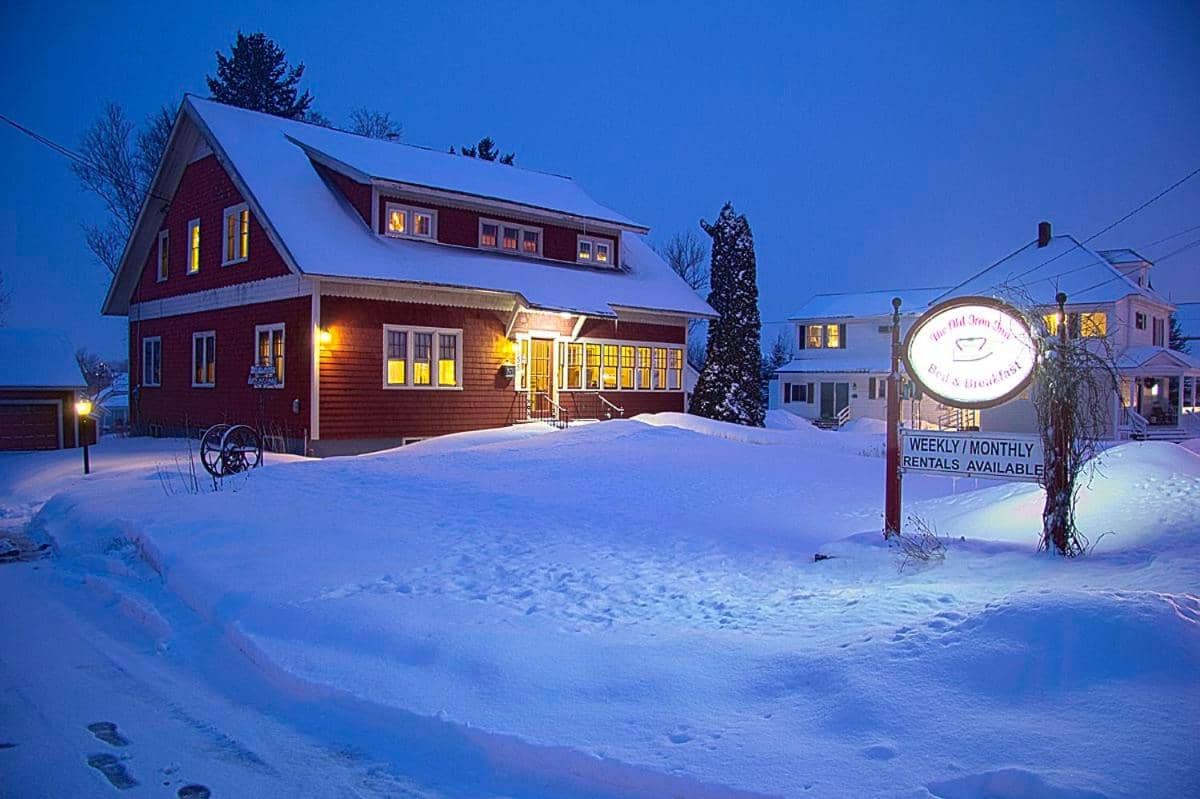
Old Iron Inn Bed and Breakfast
Intimate B&B in Caribou with exceptional homemade breakfast, antique iron collection, and warm hosts Kevin & Kate. Perfect for couples and families.
$$$
Hotel
Weston
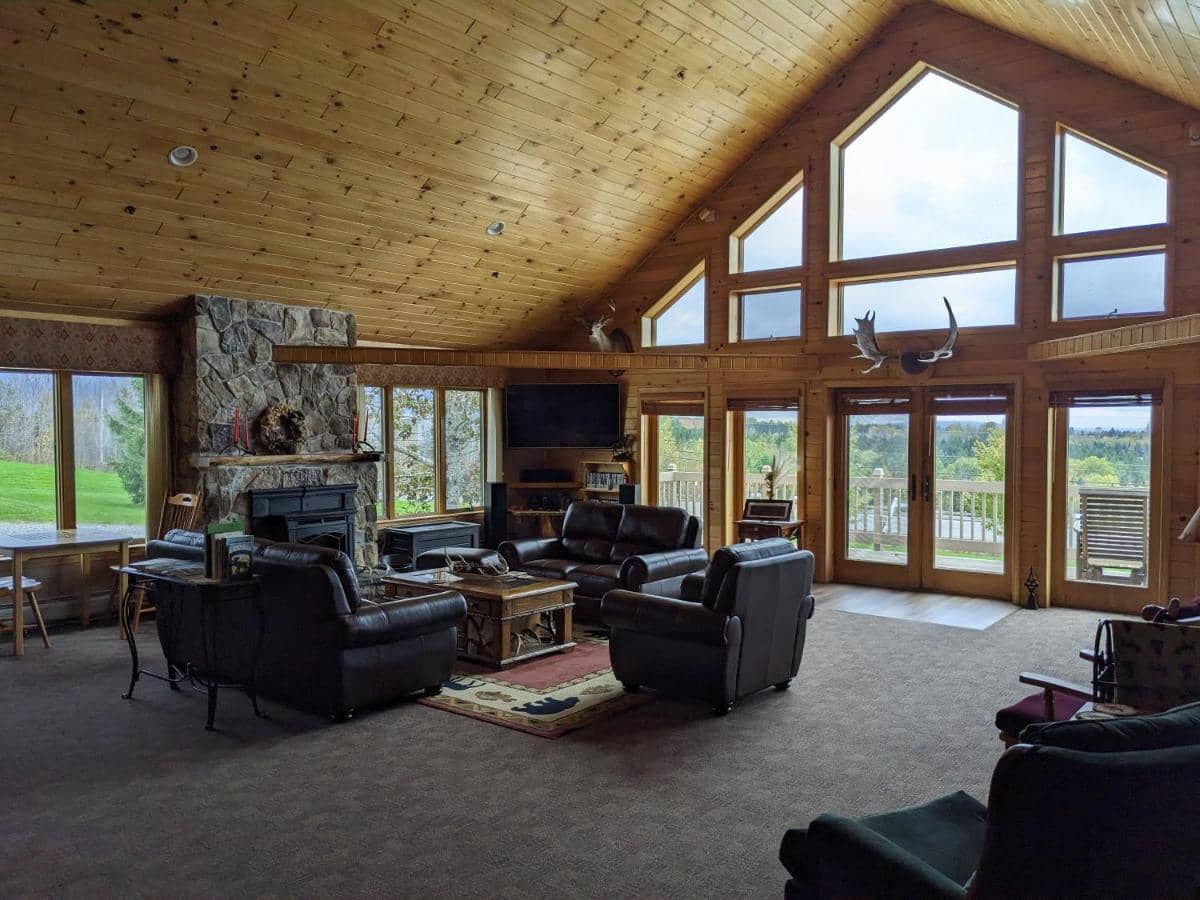
First Settlers Lodge
Family-owned lodge on East Grand Lake near Mt. Katahdin. Mountain views, made-to-order breakfast, on-site dining. Couples and families rate it 9.6/10.
$$$
Hotel
Island Falls
Mattawamkeag River Cottage
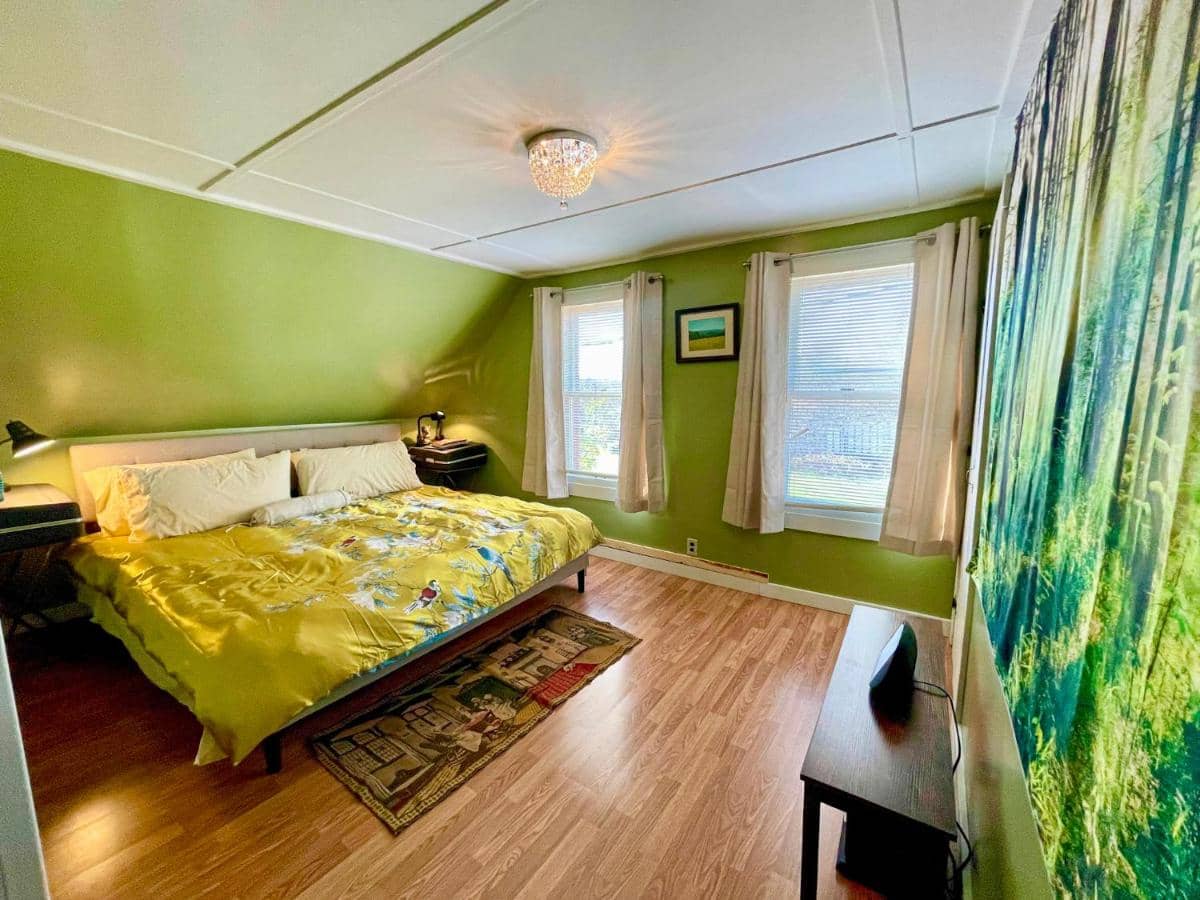
Spacious 3-bedroom riverside cottage in Island Falls with full kitchen, garden, and free parking. Ideal for families and groups exploring the Penobscot Valley.
Which part of Aroostook should anchor your stay?
Choose between a central-County base, an upper St. John Valley heritage trip and a Fish River lakes stay before collecting attractions. Presque Isle and Caribou support a different pattern of days from Fort Kent or Madawaska. Houlton belongs to the southern part of the county, while Portage Lake introduces another lake-centered setting.
Keep those branches distinct. The County’s towns occupy distinct, widely separated areas. For a first visit, choose the part of the county that matches the main activity and give a second area its own time in the stay.
| Your priority | Area to consider | A specific outing |
|---|---|---|
| A city base and a park day | Presque Isle and central Aroostook | Aroostook State Park. |
| Road-end landmarks and a riverfront town | Fort Kent | First Mile, the blockhouse and the riverside trail network. |
| Acadian history | Madawaska–St. David and Van Buren | Choose a museum or village site as an actual visit, not just a photo stop. |
| A local-history stop from central Aroostook | Fort Fairfield | The replica blockhouse museum. |
| A Fish River lakes outing | Eagle Lake in Aroostook County | The lake's Lower Main Street boat-access area. |
What makes Fort Kent a distinct stop?
Fort Kent offers a riverfront town visit at the northern end of the Route 1 story. The town identifies the First Mile monument beside the St. John River and the blockhouse near the meeting of the Fish and St. John rivers. Those landmarks give a road journey a specific finish, rather than a vague instruction to drive as far north as possible.
The municipality also describes a three-mile riverside trail network in the downtown area. That adds a walking option to the landmarks, so the visit need not consist only of arriving at a sign and leaving. Choose the town walk when the riverfront is the interest; choose an interior history visit when museum access is part of the day's arrangement.
Our Route 1 guide places Fort Kent in the larger road journey. Treat it as a northern chapter with its own time, rather than appending it to an already full coastal itinerary.
Where should you focus an Acadian-history visit near Madawaska?
Start with St. David when the purpose is local Acadian history. The Madawaska Historical Society identifies the Tante Blanche Museum grounds on Route 1 beside St. David Church. Use St. David as the destination for the museum visit.
The museum setting is a different kind of stop from Madawaska's Four Corners Park. The park can serve a road-trip landmark visit; the heritage site deserves time for its historical subject. Choose the heritage site for Acadian history or Four Corners Park for a road-trip landmark, with the other as an optional second stop.
A heritage-led stay can combine this part of the valley with Van Buren, but allow each site to stand on its own. The Maine history museums guide supplies context for adding other local collections to a wider holiday.
What does Acadian Village add to a Van Buren visit?
Acadian Village is a multi-building history visit at 859 Main Street on Route 1, north of downtown Van Buren. The operator describes 17 buildings, including historic structures, rather than a single exhibition room. Choose it when you want the built setting to be part of the history you encounter.
The grounds and buildings need different kinds of movement. The operator identifies unpaved paths and steep stairs in some interiors, so a visit across the site is not equivalent to a step-free modern museum. That physical character should shape which parts of the village a group chooses to explore.
Keep the site separate from a general town stop. A drive through Van Buren and a visit to Acadian Village are two different commitments; the latter deserves a place in a heritage itinerary rather than being treated as a sign passed along the road.
When does Fort Fairfield fit the route?
Fort Fairfield makes a useful local-history branch from a central-Aroostook stay. Its municipal visitor information identifies the Blockhouse Museum on Main Street, across from the library. The building is a replica constructed in 1976.
The Frontier Heritage Historical Society's museum gives the stop a specific purpose. Choose it for a focused history visit, rather than adding the town simply because its name appears among the County's communities. It belongs to a different branch of the regional plan from an upper-valley sequence through Fort Kent, Madawaska and Van Buren.
It is also Fort Fairfield, in Aroostook County, not Fairfield in the Kennebec Valley. Keeping the full name with the destination avoids a particularly unhelpful navigation mistake when arranging a longer Maine road trip.
Which Eagle Lake belongs in this Aroostook plan?
This section concerns Eagle Lake in the Aroostook County town of Eagle Lake, part of the Fish River lakes region. It is not the Eagle Lake in Acadia, and it is not an interchangeable label for another northern water body.
Maine's fisheries agency identifies an improved trailered-boat access on Lower Main Street for this lake. That is a concrete starting point for a lake-oriented plan. A launch location, however, serves a different purpose from a swimming beach or a hiking trail; choose it because the activity involves that water access.
Use the Maine lakes guide to compare a lake-centered holiday with the region's town and heritage stops. Eagle Lake and Portage Lake should keep their own names in the itinerary, even when both appear in a broader northern-lakes stay.
How should the season change the plan?
Choose the season around the intended activity rather than around a general northern-Maine image. Museum visits, a lake outing and a snowmobile stay need different arrangements. The winter guide and snowmobiling guide explain how a snow-based holiday differs from a town-and-history trip.
For autumn, the foliage guide and foliage tool help place regional scenery alongside the day's main activity. Lay out the chosen branch in the trip planner before adding another: central Aroostook, the St. John Valley and the Fish River lakes are alternatives to combine deliberately, not one compact loop.
Sources reviewed October 10, 2026: fortkent.org; madawaskahistorical.com; madawaskafourcorners.org; acadianvillagemaine.org; fortfairfield.org; maine.gov.
Common questions
Which Aroostook town makes a useful first base?
Presque Isle is a practical starting point if city services and nearby outdoor visits matter. Choose Portage Lake or another sporting base when the lake or woods are the main purpose of the stay.
Can you cover Aroostook as a quick coastal day trip?
It is better treated as a distinct northern Maine leg. Choose a manageable area and allow time for the journey, rather than adding several far-apart towns to an already full coastal day.