
1
Portland
See main listingMaine's largest city - a working waterfront, Old Port cobblestones, and a food scene that punches well above its weight.
Details

Guide
Historic places around Portland, Maine, include forts, lighthouses, mansions and museums, with distinct harbor settings and buildings to visit.
Portland's historic sites span from colonial-era forts to Cold War relics. Explore lighthouses, mansions, and maritime defenses that shaped Maine's past.
Portland packs more history into its compact downtown and waterfront than you'd expect for a city its size. You can walk from a 19th-century Italian villa to a piece of the actual Berlin Wall in under an hour. This guide covers ten historical spots worth your time, including Portland Head Light, one of Maine's most photographed landmarks, plus lesser-known sites like Battery Steele and Fort Gorges that take real effort to reach but reward you with stories and views most tourists miss. Whether you're into architecture, military history, or just want to understand how Portland became what it is, there's something here.
Portland's historic sites are spread across downtown, the waterfront, and nearby neighborhoods, so plan your route based on proximity. Battery Steele and Fort Gorges require ferry access, so check schedules ahead of time and budget travel time. Fall is peak season for Fort Williams Park and Portland Head Light, with clear weather and fewer crowds than summer. Bring good walking shoes and a flashlight if you're visiting Fort Gorges or Battery Steele, since the interiors are dark and the terrain is uneven. Street parking downtown is limited, especially near Victoria Mansion and the Maine Historical Society, so arrive early or use a lot. Most sites are free or have modest admission fees; check individual websites for current hours, as some sites are seasonal or have limited staffing.
Maine's largest city - a working waterfront, Old Port cobblestones, and a food scene that punches well above its weight.
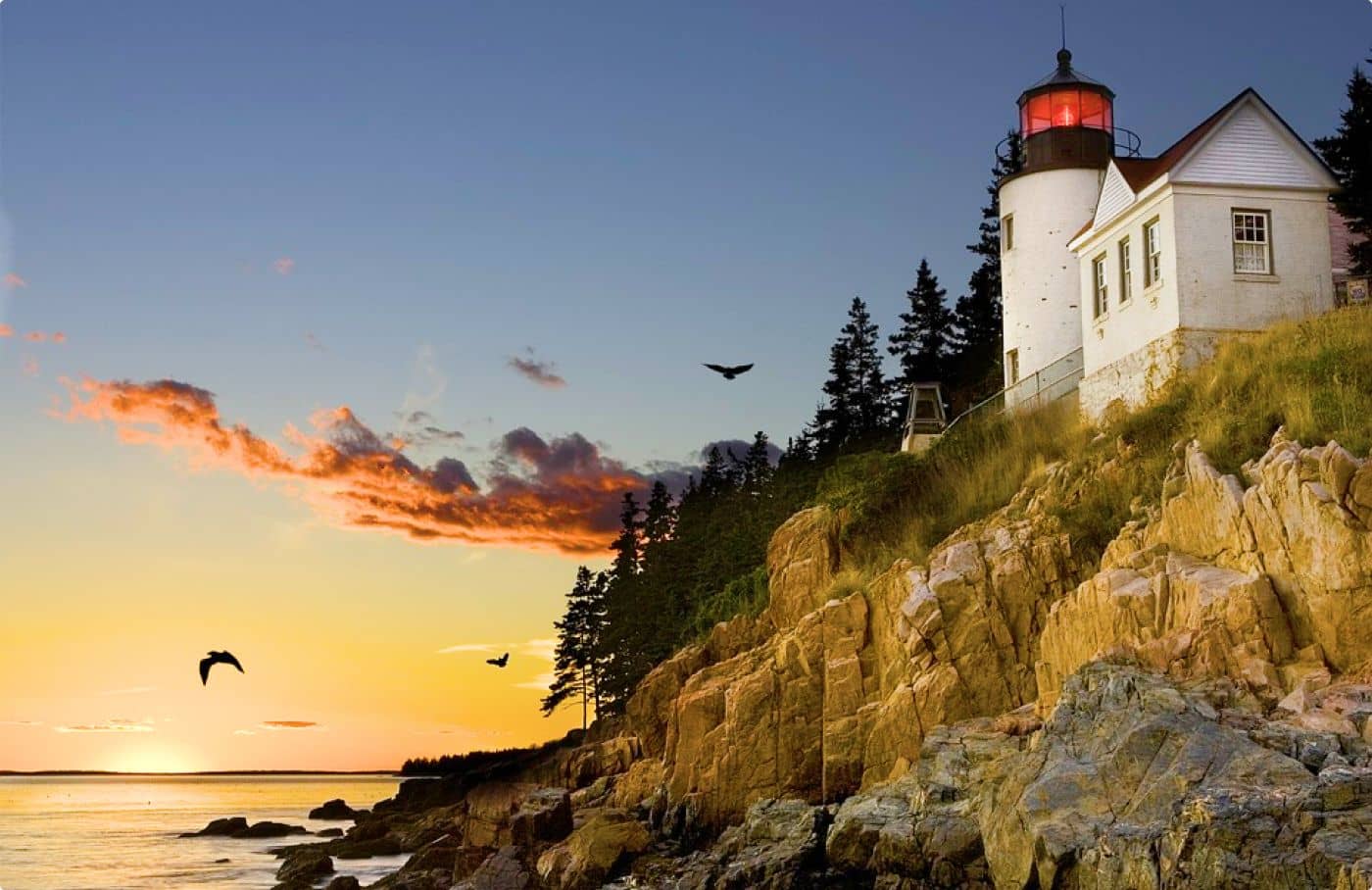
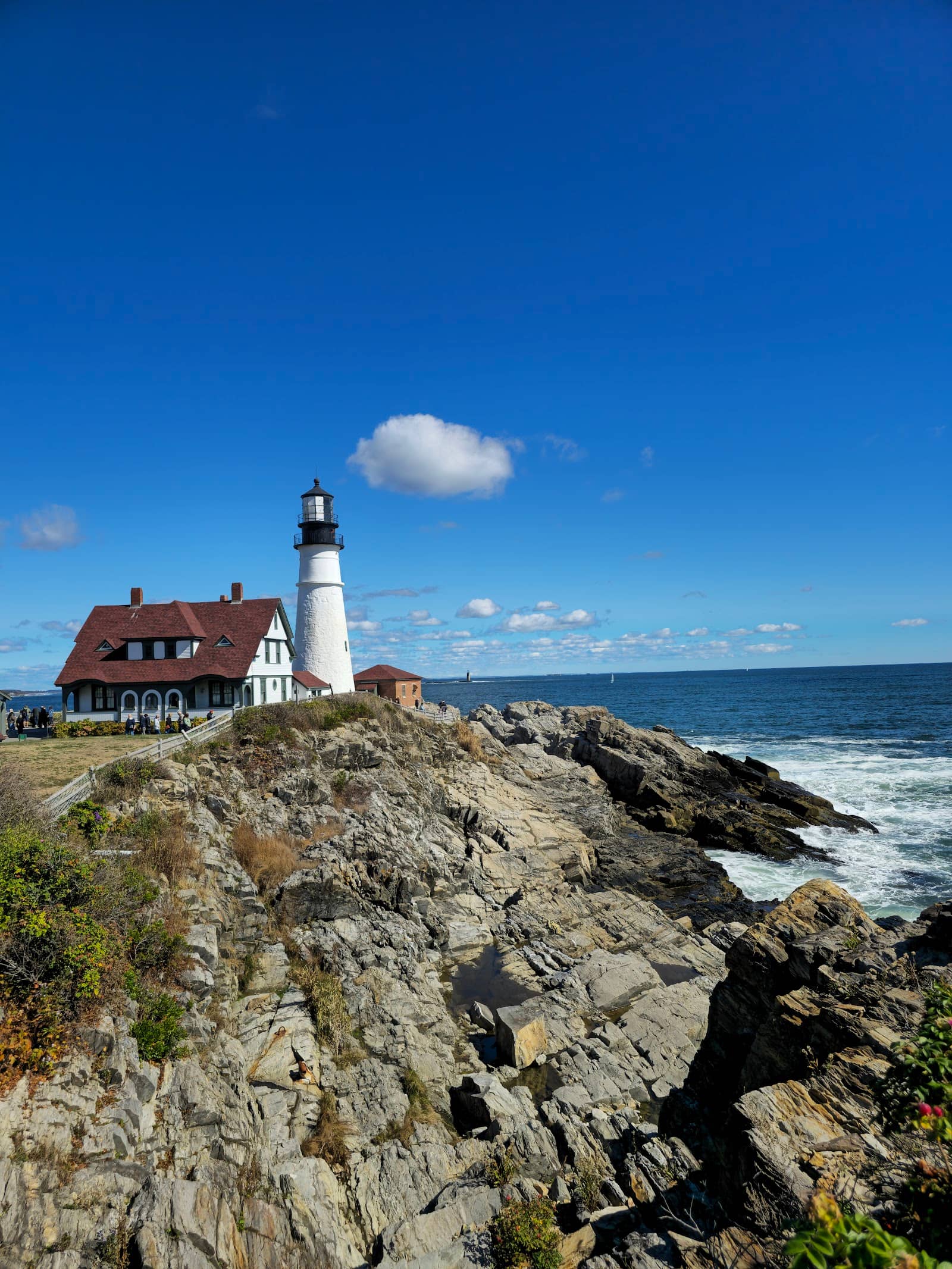
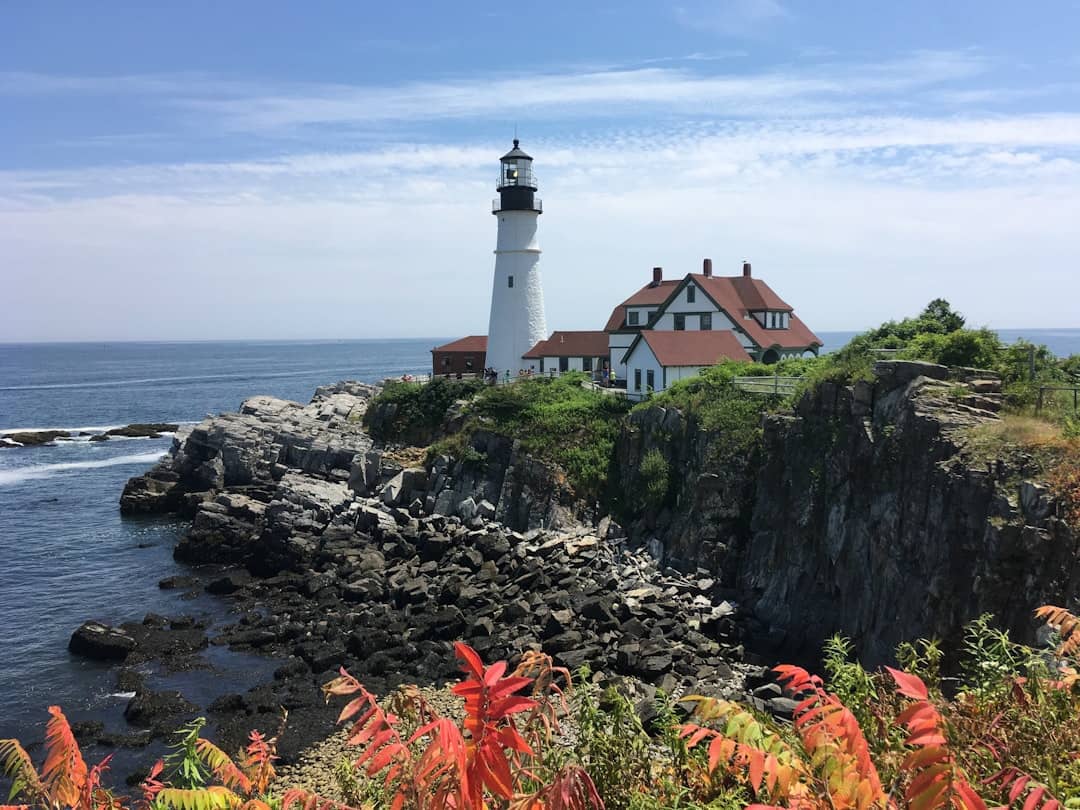
This 1791 lighthouse still operates and sits on dramatic rocky cliffs inside Fort Williams Park in Cape Elizabeth. It's the working navigation light you'll see in countless Maine postcards, and it's still functional after more than 230 years. The lighthouse grounds include a small museum, and the park itself has trails along the bluffs that are worth exploring if you want views without crowds.
Visitors consistently praise how well-maintained the grounds are. Fall is peak season for photography here. The park has ample parking, though there's a small fee. A food truck typically operates on-site during summer months. The main disappointment some visitors mention is the safety fencing around the cliffs, which is necessary but does limit certain vantage points.
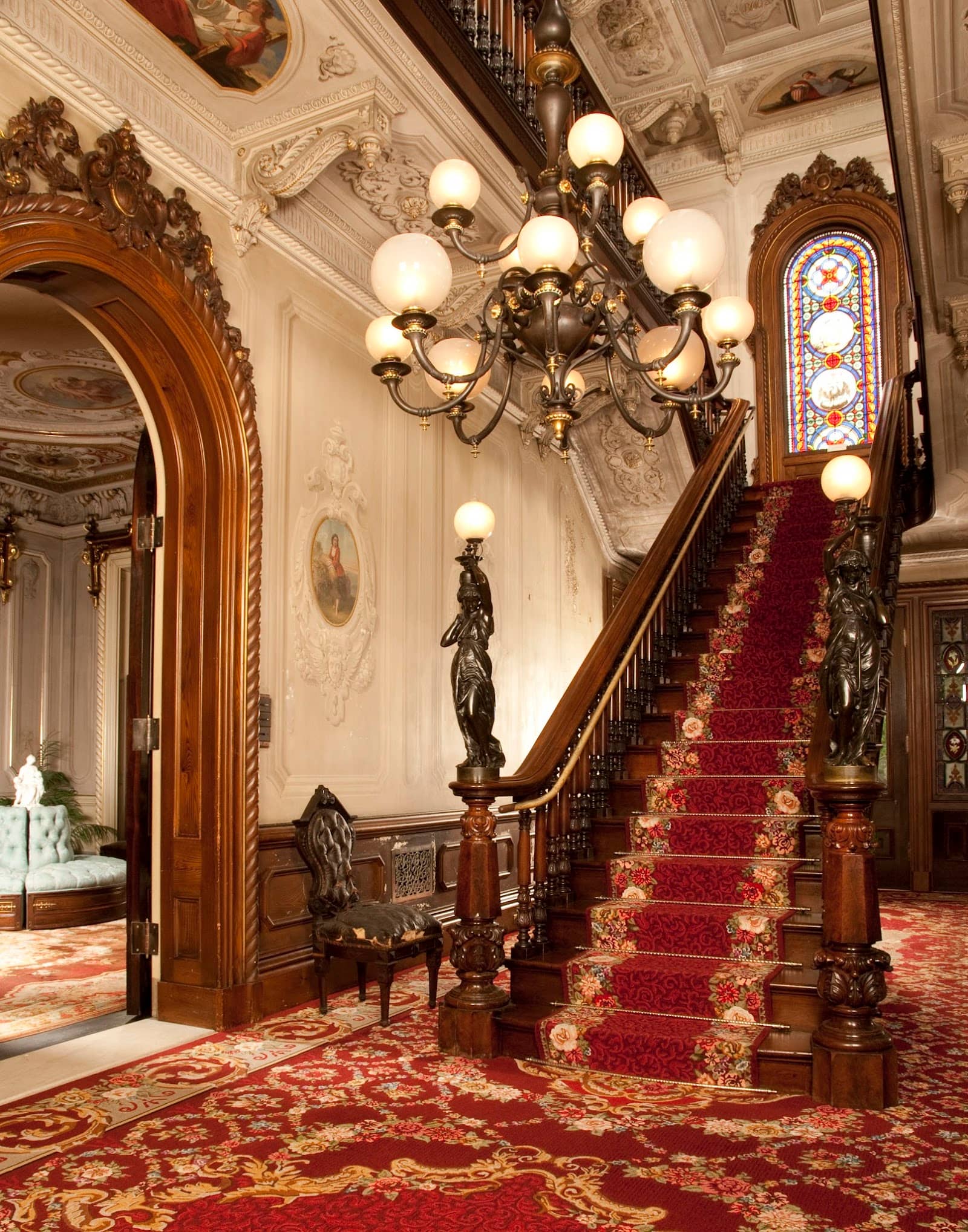
This ornate Italian villa-style mansion from the 1800s sits on Danforth Street and offers guided tours through rooms filled with period furniture and lavish decor. The restoration work is meticulous, and the docents who lead tours are genuinely passionate about the place, offering detailed explanations that bring the history to life. You'll spend roughly an hour here, depending on how much you chat with staff.
The mansion is particularly worth visiting during its Christmas season, when local artists deck the halls with festive displays. Street parking in the area is limited and the neighborhood is congested, so arrive early. The staff are generally knowledgeable and friendly, eager to answer questions about specific rooms and the mansion's restoration.
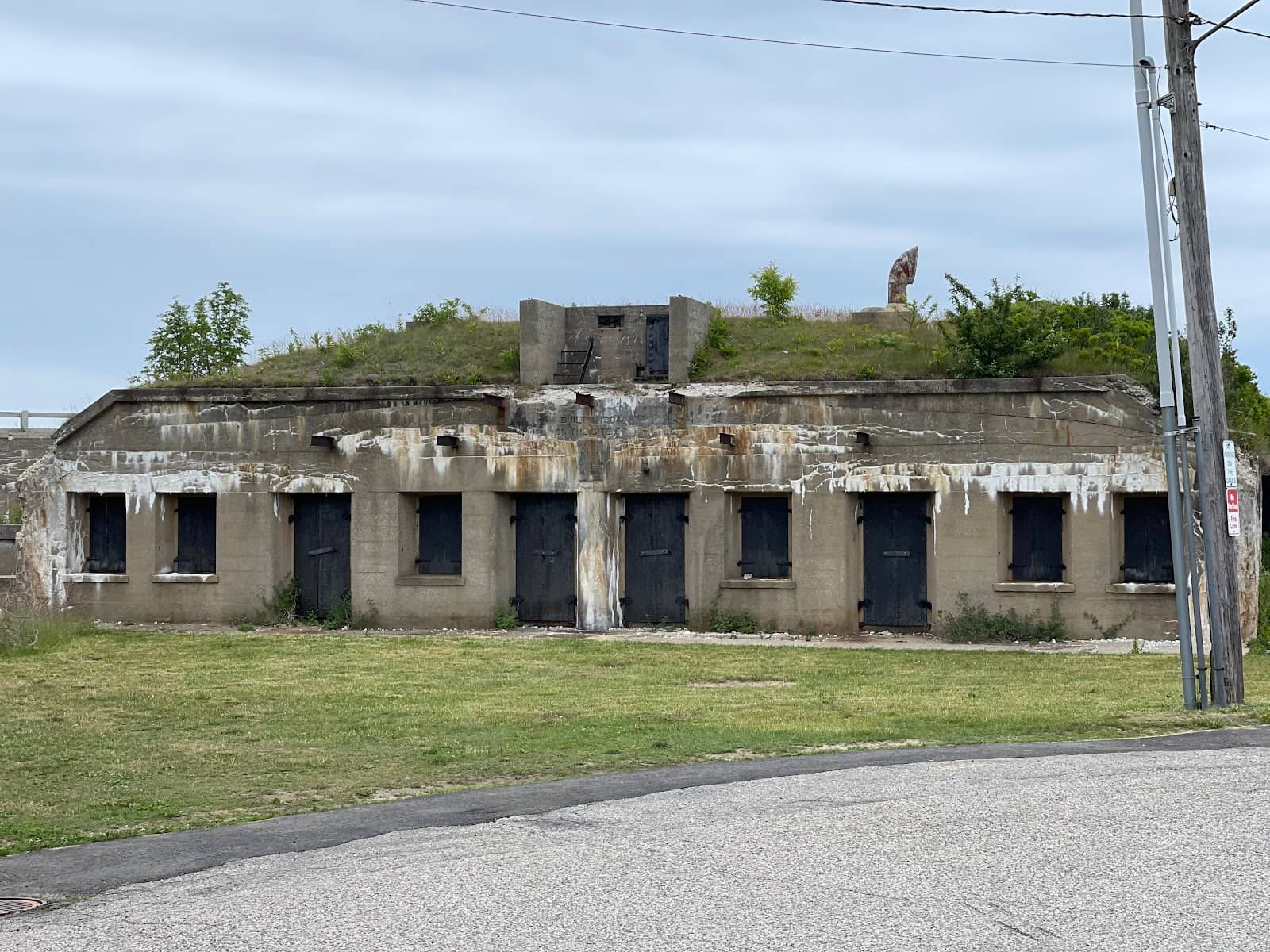
Located on Bunker Lane in South Portland, Fort Preble is now mostly a college campus, but you can still walk out to the lighthouse and explore what remains of the 19th-century fort. It's not a grand, pristine attraction. The fort is dilapidated, and there's limited signage explaining what you're looking at, so it takes some imagination to picture its original purpose.
The walk out to the lighthouse is interesting, taking you across huge boulders that form a natural breakwater. The terrain is mostly flat but uneven underfoot, so watch your step. It's the kind of place that works best as a short addition to a larger day of exploring rather than a standalone destination.
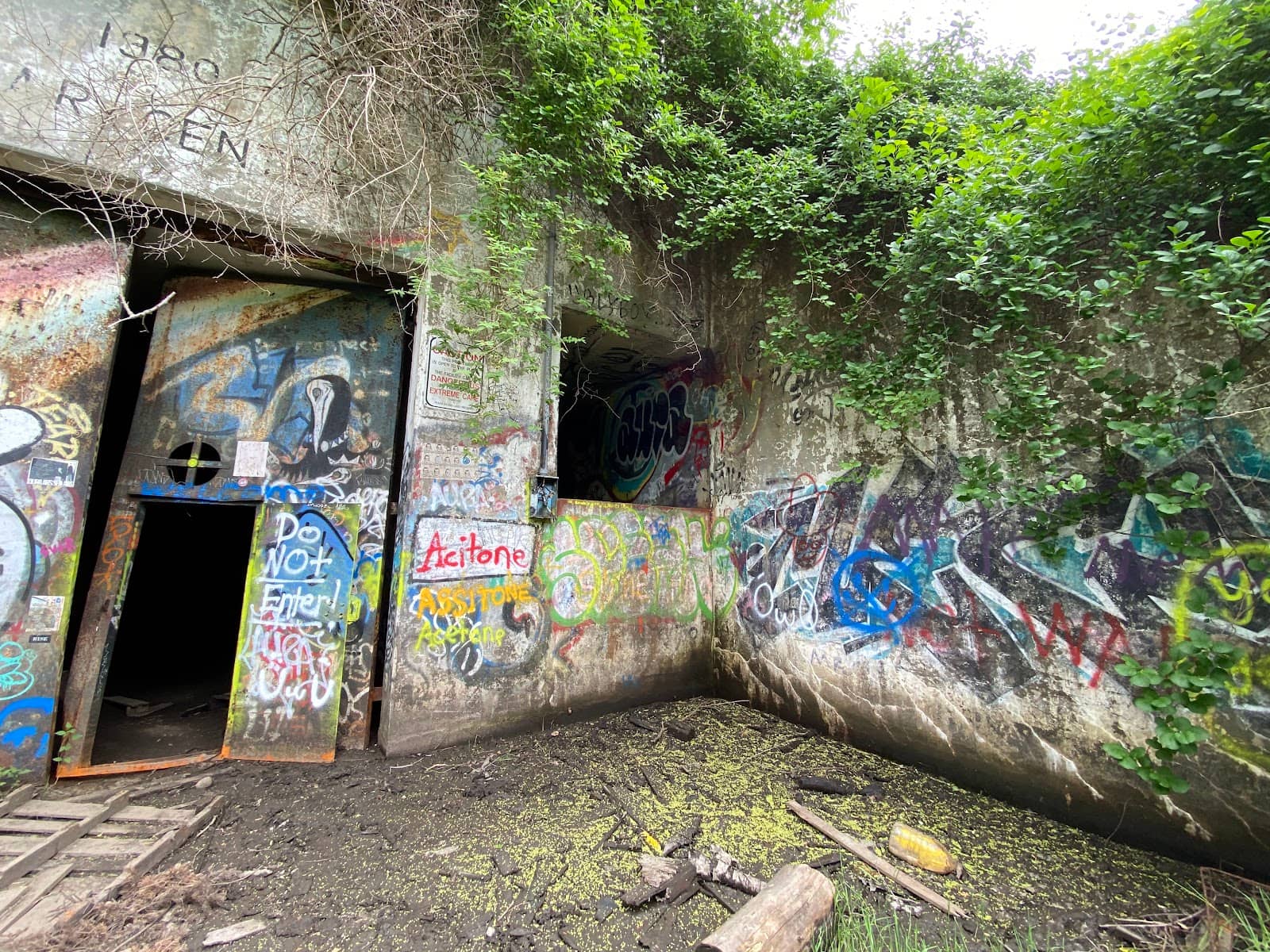
This WWII-era fortress on Peaks Island is accessible only by ferry, making it feel removed from the rest of Portland despite being just offshore. The site is now part of a nature preserve and is free to explore, though it's unmanned and unmanicured. Inside, you'll find dark tunnels and concrete bunkers covered in graffiti and street art, with plenty of spaces to investigate.
Bring a strong flashlight if you plan to venture deep into the interior. It's about a mile walk from the ferry dock, though you can also arrange for a taxi ride. The site takes roughly an hour to explore properly. Visitors describe it as genuinely creepy and atmospheric, with an otherworldly quality that makes it one of the most unique things to do on Peaks Island, especially during off-season when the island is quieter.
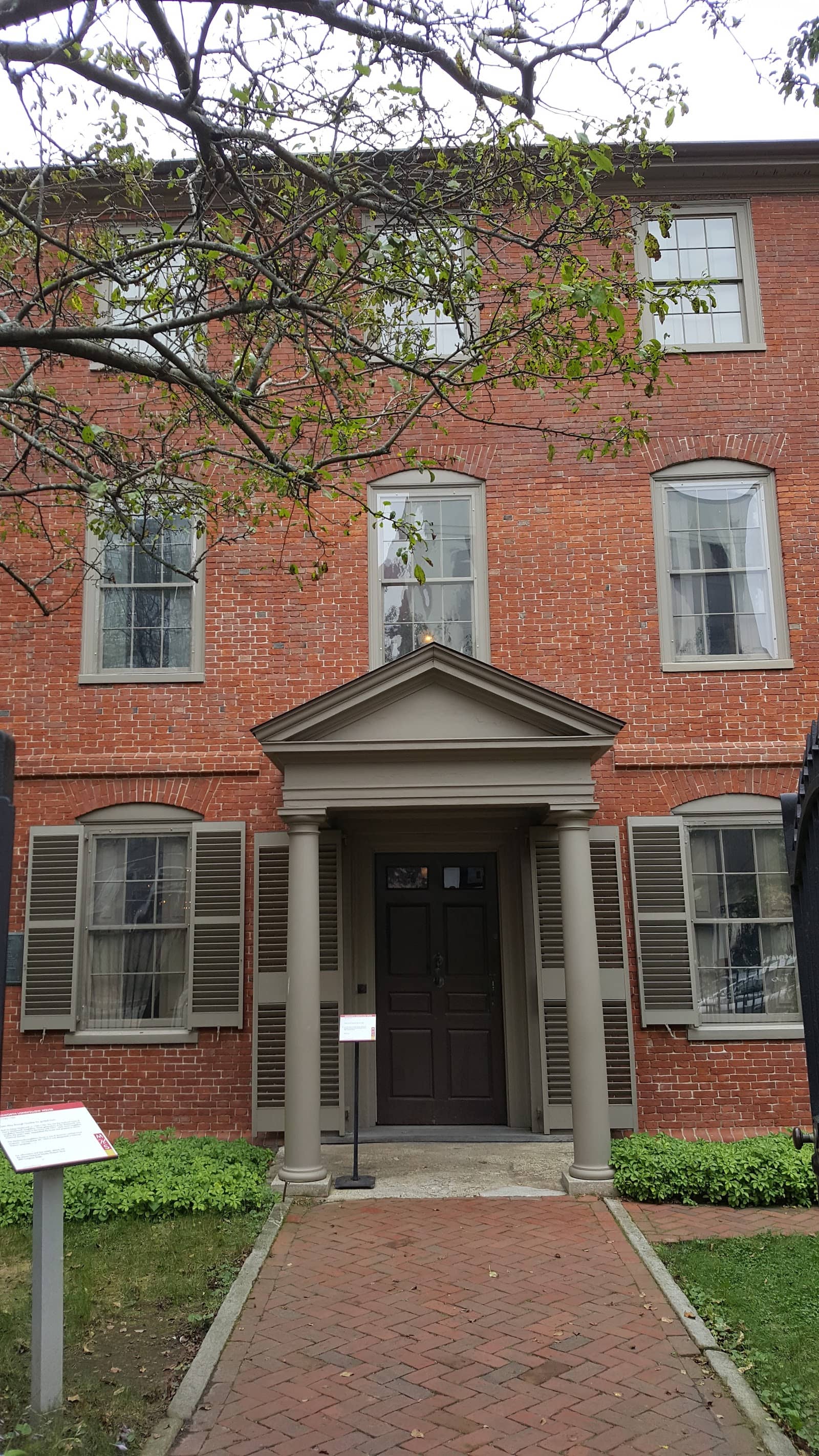
The Maine Historical Society occupies the 1800s home of poet Henry Wadsworth Longfellow at 489 Congress Street. The house itself is beautiful and period-furnished, with a garden. The museum rotates exhibits that cover Maine-specific history, from the quirky (Maine's vegetarian past, Mainers and their pets) to the grim (crime in Maine from 1690 to 1940). It's a good escape on a rainy afternoon and a quick, engaging visit.
The staff here has a sense of humor, sneaking clever or funny messages into their "do not touch" signs throughout the rooms, which adds character. Guides are knowledgeable and personable. The museum is designed to feel like a treasure hunt, which makes exploring the rooms engaging rather than stuffy.
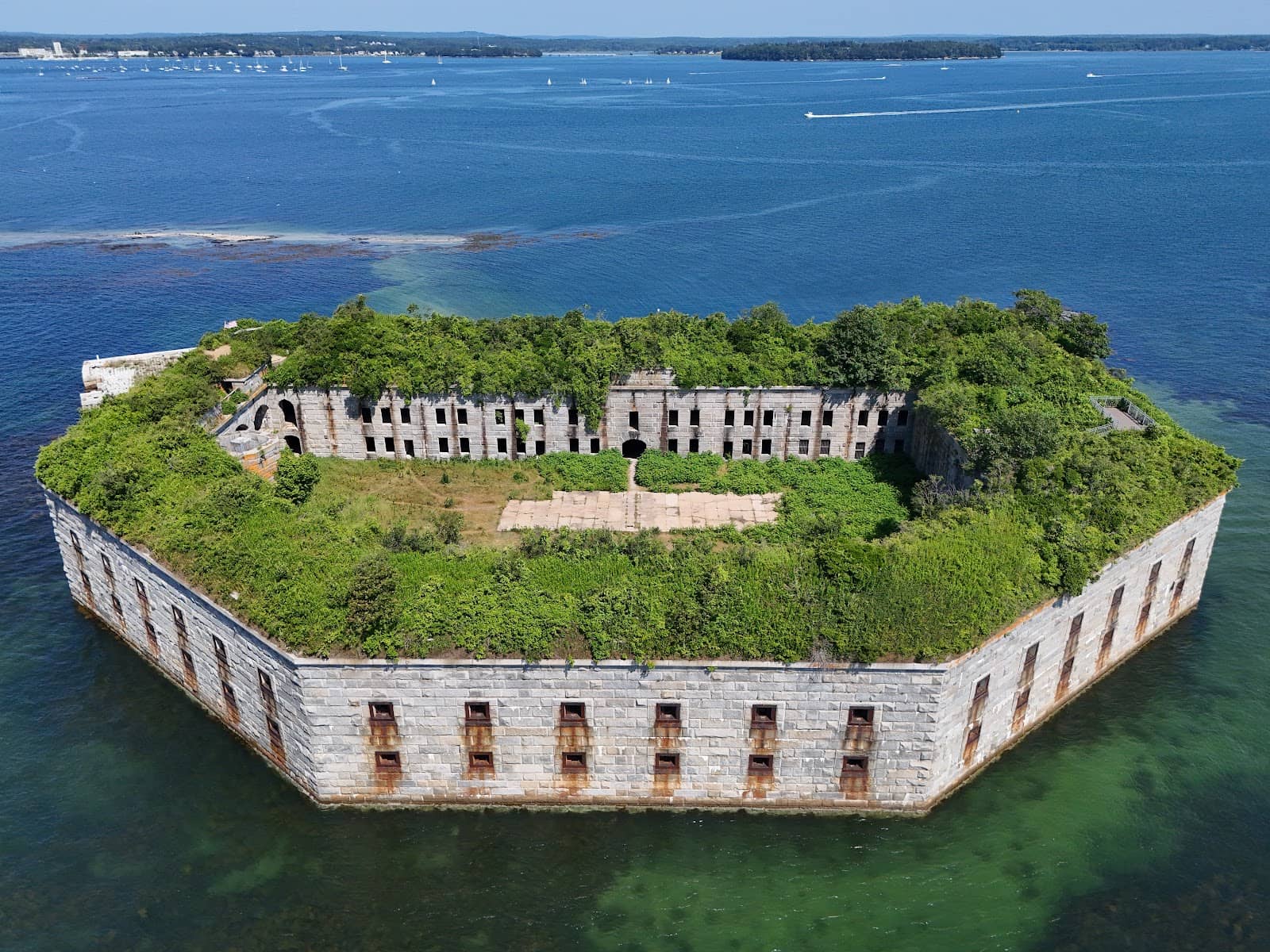
This 19th-century military fort sits on an island in Casco Bay and is accessible only by boat. You can reach it by kayak from East End Beach (about 15 minutes one-way), by water taxi, or as part of a guided tour. The fort is open and free to explore, but it's unstaffed and only partially maintained, so go in with appropriate expectations.
Bring a flashlight because the interior is dark and cramped. Good shoes or boots are essential since the terrain is uneven and you'll be clambering over aged concrete. There's no electricity, facilities, or camping allowed. The kayak approach is popular with adventure-minded visitors who want a scenic paddle as part of the experience. It's the kind of place where you're genuinely exploring rather than being guided through.
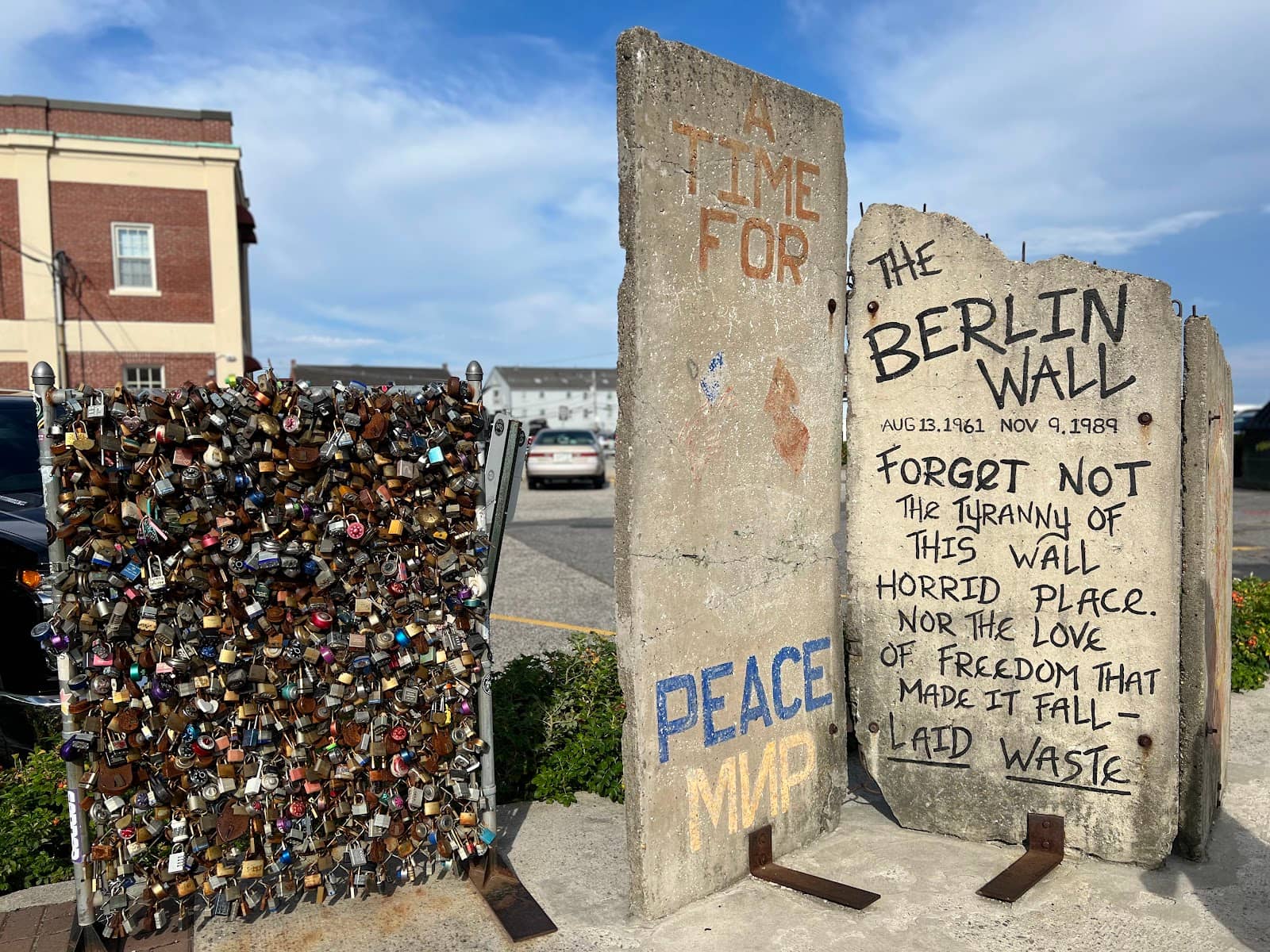
Three painted segments of the actual Berlin Wall sit at Long Wharf in Portland. It's a modest but genuinely historic artifact, brought to Maine as a symbol of Cold War divisions overcome. If you've seen the larger portions still standing in Berlin, it's interesting to encounter fragments here as a reminder of that moment in history.
The segments are painted and weathered from decades of outdoor exposure. One common wish from visitors is that a plaque with historical context was posted alongside. It's easy to walk past without realizing what you're looking at, so it works best as part of a waterfront stroll rather than a dedicated stop.
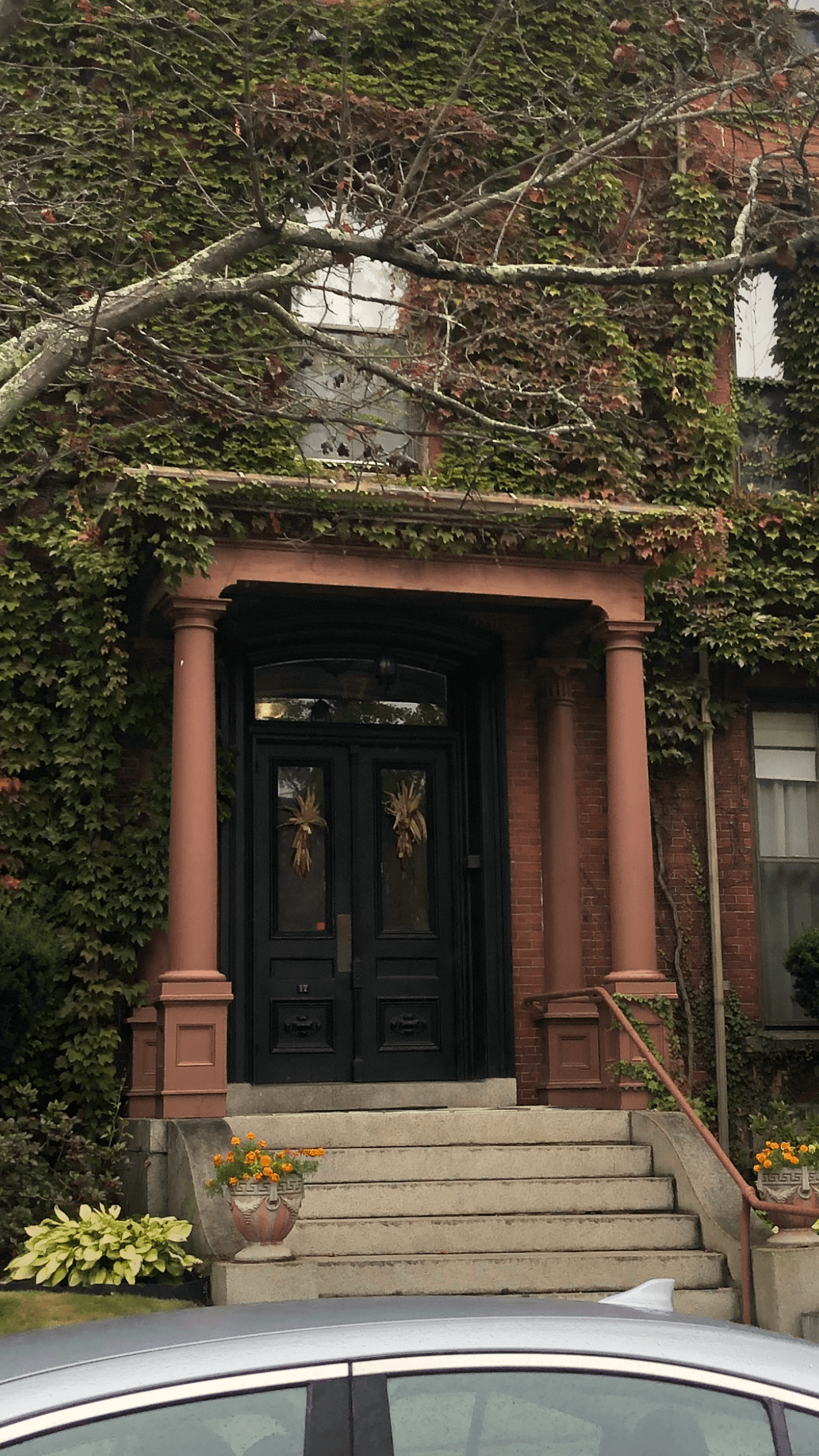
This neighborhood near State Street is worth a quiet walk if you enjoy historic architecture and tree-lined streets. The houses are beautifully preserved, and the area has a peaceful, residential character that's charming but not overly dramatic. It's not a museum or formal attraction, just a place to wander and appreciate Portland's architectural heritage.
Visitors describe it as pleasant and atmospheric. It's the kind of stop you might pair with lunch or coffee nearby rather than plan a full trip around.
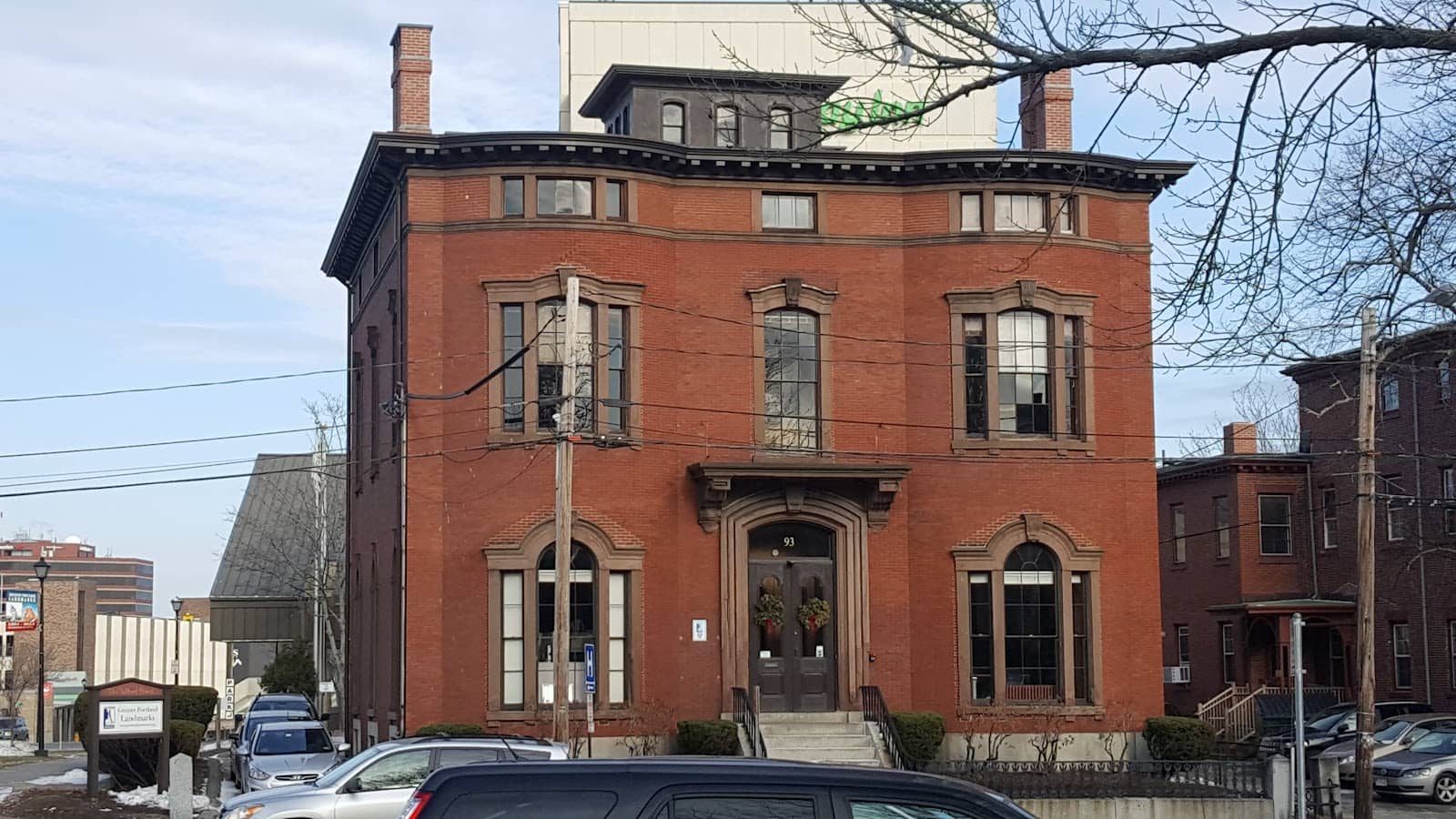
This nonprofit organization at 4 Milk Street offers guided tours and maintains an observatory. They're known for their custom tours of Portland's architectural heritage, with experienced guides who draw on deep local knowledge. Private tours can be arranged, and the organization offers everything from the Golden Age of Portland tours to specialized walks focused on specific neighborhoods or themes.
The staff includes longtime educators and historians who are genuinely knowledgeable and generous with their time. Tours are frequently described as standout experiences that bring the city's history to life in ways you won't get on your own. They occasionally offer free admission days or special events, like their Flag Day celebration, so checking ahead can pay off.
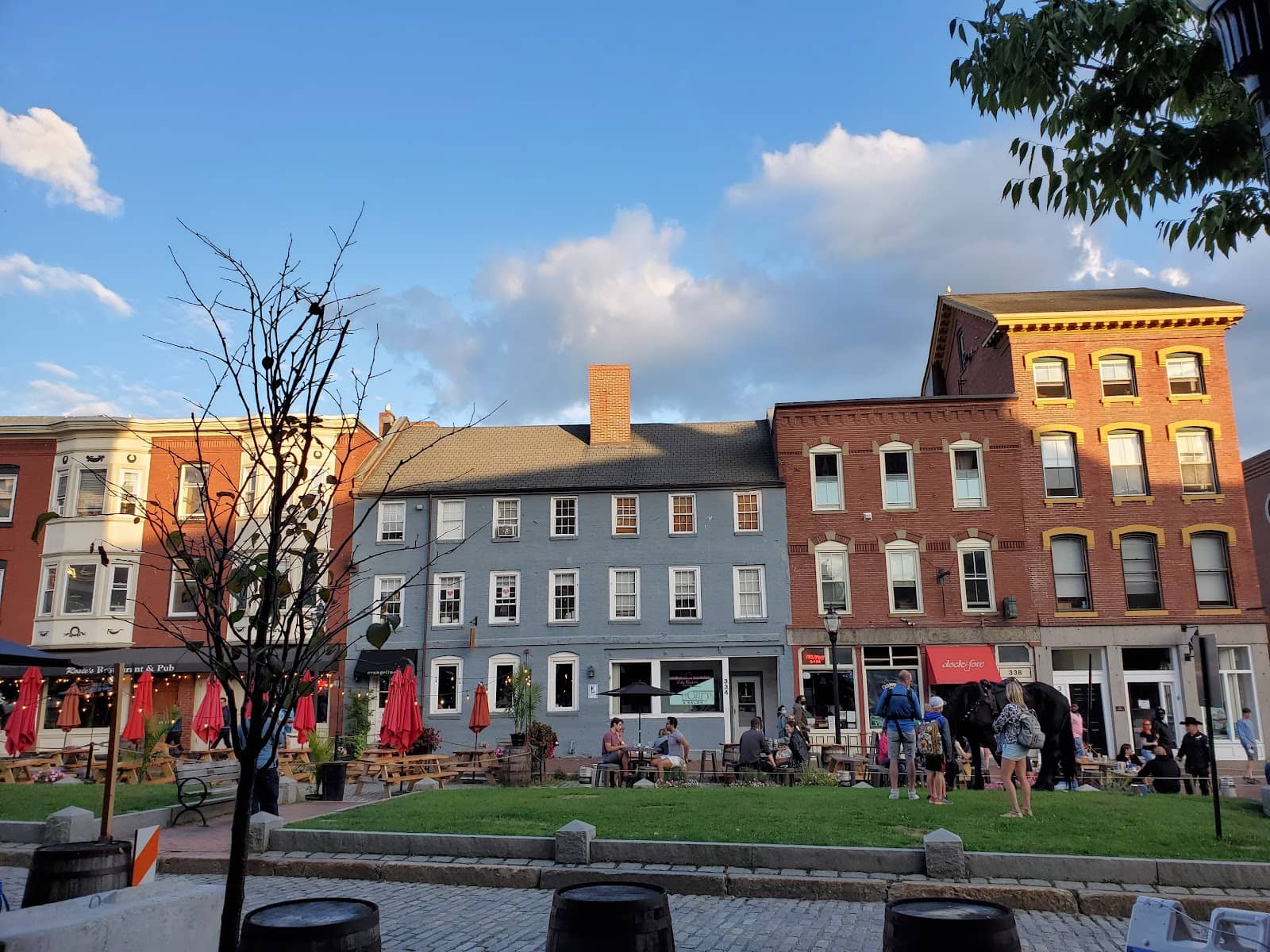
This small public square in the Commercial District is named after Frederic E. Boothby, Portland's mayor from 1901 to 1904. The area features cobblestone streets (still open to vehicles) and a compact park where you can sit and rest. It's more of a neighborhood feature than a destination attraction, but if you're downtown, it's worth noticing for its architectural character and the way the historic streetscape differs from modern development around it.
Visitors describe it as beautiful and interesting, reminiscent of old European street designs. It's a pleasant spot to linger between other downtown stops.
Guides




Destinations

Downeast & Acadia
Gateway to Acadia National Park - Cadillac Mountain, puffin cruises, and a harbor town that fills with cruise ships from May to October.
Southern Maine Coast
Dock Square boutiques, Goose Rocks Beach, and the Bush family's Walker's Point - the quintessential coastal Maine summer town.
Greater Portland
Maine's largest city - a working waterfront, Old Port cobblestones, and a food scene that punches well above its weight.
Midcoast Islands
Shipbuilding heart of Maine since 1743 - Bath Iron Works still launches destroyers past the Maine Maritime Museum on the Kennebec.
Midcoast Islands
A Midcoast harbor town built around boat trips, with the Coastal Maine Botanical Gardens just up the road.
Midcoast Islands
Where the mountains meet the sea - windjammer harbor, Mount Battie summit views, and an independent village with real soul.
Greater Portland
Flagship home of L.L. Bean, open 24/7 - outlets, a tidal river, and surprisingly good eating between the shopping.
Southern Maine Coast
Postcard-perfect village of sea captains' mansions, Lower Village shops, and easy walks to Mother's Beach and Gooch's Beach.