1
Bar Harbor
See main listingGateway to Acadia National Park - Cadillac Mountain, puffin cruises, and a harbor town that fills with cruise ships from May to October.
Details

Guide
Acadia National Park in Maine grew from donated land, with separate park areas, village connections and unusual boundaries shaping how visitors travel.
Most national parks were carved out of land the federal government already owned. Acadia was not. Nearly every acre was bought or begged from private hands by a handful of summer residents who thought Mount Desert Island was about to be logged and subdivided out of existence. That single difference explains most of the interesting facts about Acadia National Park: the missing entrance gate, the patchwork boundary, the forty-five miles of carriage road that no government agency ever planned.
Acadia is the only national park in New England, and it exists because a Harvard president and a Boston heir spent thirty years talking landowners into giving their property away. If you want the practical side (where to go, what to skip) start with the Acadia National Park guide. What follows is the backstory, and the handful of facts that actually change how you see the place once you are standing in it.
The park today protects roughly 49,000 acres. It has grown by donation and purchase ever since 1916, in parcels, which is why the boundary on a park map looks less like a border and more like a jigsaw.
Drive into most national parks and you pass a booth. Acadia has none, because the park is interleaved with private land, town roads, and four working villages. Route 3 runs straight through it. You can be in the park, out of it, and back in it inside two miles without noticing. Passes are sold at visitor centers, in town, and online instead, and the checking happens at parking lots and on the Park Loop Road rather than at a gate.
Hulls Cove Visitor Center (4.5 from 2,546 reviews) is the closest thing to a front door, and it is where the park's own orientation film and the free ranger-program schedule live.
Eliot supplied the idea and the credibility. George B. Dorr supplied about forty years of his life and most of his inherited fortune. He bought parcels out of his own pocket when the Trustees had no funds, lobbied Congress personally, and became the park's first superintendent at a nominal salary. He died in 1944 with almost nothing left. Dorr Mountain carries his name, and the Dorr Mountain Trailhead (4.9 from 63 reviews) is the least crowded way to earn a summit view on the island's eastern side.
The George B. Dorr Museum of Natural History (4.7 from 160 reviews) on the College of the Atlantic campus in Bar Harbor is small, cheap, and the best half-hour introduction to the island's ecology you will find.
John D. Rockefeller Jr. summered on the island and disliked what the automobile was doing to it. Between roughly 1913 and 1940 he financed, routed, and closely supervised a 45-mile network of broken-stone carriage roads engineered for horses and carriages, and closed to motor vehicles then as now. He hired landscape architects and engineers, walked the routes himself, and insisted on grades gentle enough that a horse could keep an even pace.
The stonework is the part people underestimate. Each of the granite bridges was cut and faced by hand, in a different design, sited so that the crossing frames the water beneath it. Duck Brook Bridge (4.8 from 127 reviews) is the showpiece. Three arches, close to town, and reachable on foot. Eagle Lake Bridge (4.7 from 33 reviews) and the Jordan Pond Dam Stone Bridge (4.8 from 17 reviews) are easier to fold into a ride. The two gate lodges, at Jordan Pond and Brown Mountain, were designed by Grosvenor Atterbury in a French Romanesque style that looks imported and somehow is not out of place.
The whole network is now the best cycling in Acadia, which was not the intent but is the legacy.
The fire burned more than 17,000 acres on Mount Desert Island, around 10,000 of them inside the park, and destroyed dozens of the enormous shingled "cottages" that lined Bar Harbor's shore. The town's Gilded Age ended in about ten days.
The ecological aftermath is visible every October. Before the fire, the eastern side of the island was largely dark spruce and fir. What grew back was birch, aspen, and maple. Deciduous, fast, and brilliant in autumn. Stand on the Cadillac Mountain summit road (the mountain itself rates 4.9 from 1,528 reviews) in mid-October and the yellow-and-orange hillsides below you are a burn scar, not an accident of climate.
Most visitors only ever see one of them. Mount Desert Island holds the Park Loop Road, the carriage roads, Sand Beach (4.8 from 970 reviews), and Thunder Hole. The Schoodic Peninsula, an hour's drive around Frenchman Bay, holds a one-way loop road, far fewer people, and the Schoodic Institute (4.7 from 41 reviews), a research campus on a former Navy base. Isle au Haut, reached by mailboat from Stonington, holds a handful of trails, five campsites, and almost no day visitors.
The park also owns fragments most people never register: Baker Island, part of the Cranberry Isles, and scattered easements on the mainland.
It was proclaimed Sieur de Monts National Monument in 1916, made Lafayette National Park in 1919, and renamed Acadia National Park in 1929. Most sources use 1919 as the founding date, since that is when it became a national park.
The name comes from Acadie, the French colonial region that once covered this coast and the Canadian Maritimes. The park was renamed from Lafayette in 1929, the same year the Schoodic Peninsula land came in.
Yes. It was the first national park established east of the Mississippi River, in 1919. Several eastern national monuments and military parks predate it, but not a national park.
The federal government now, but almost none of it was federal to begin with. It was donated or bought parcel by parcel, largely through the Hancock County Trustees of Public Reservations and George Dorr, and the park still shares the island with private landowners and four towns.
Gateway to Acadia National Park - Cadillac Mountain, puffin cruises, and a harbor town that fills with cruise ships from May to October.
The working harbor on the quiet side of Mount Desert Island, with boatyards, Bass Harbor Head Light and easy Acadia access.
The quiet, moneyed side of Mount Desert Island, with a marina, two famous gardens, and fast access to Acadia.
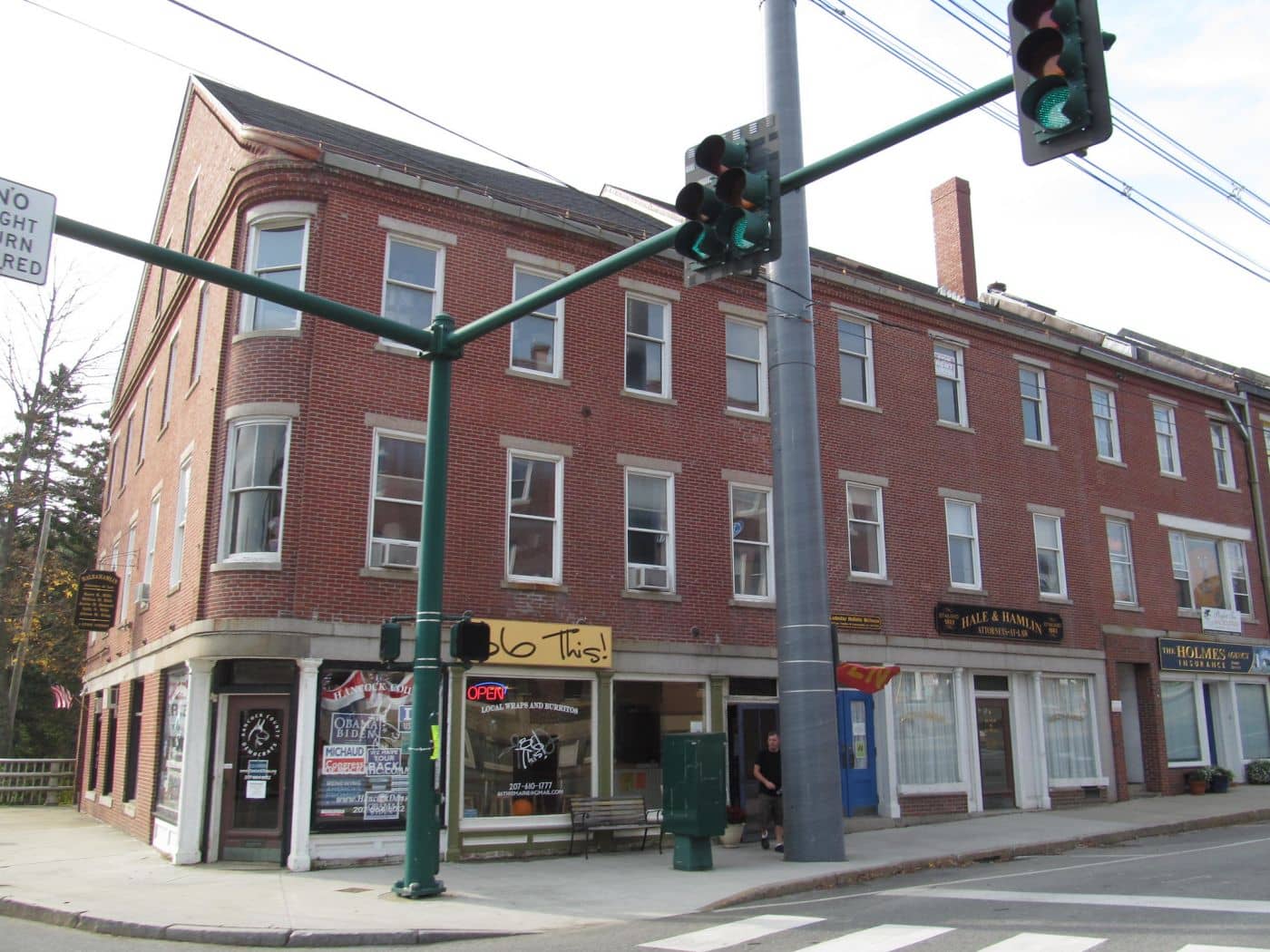
Gateway to Acadia - Main Street's shopping strip, the Colonel Black Mansion, and the scenic Union River dam walk.
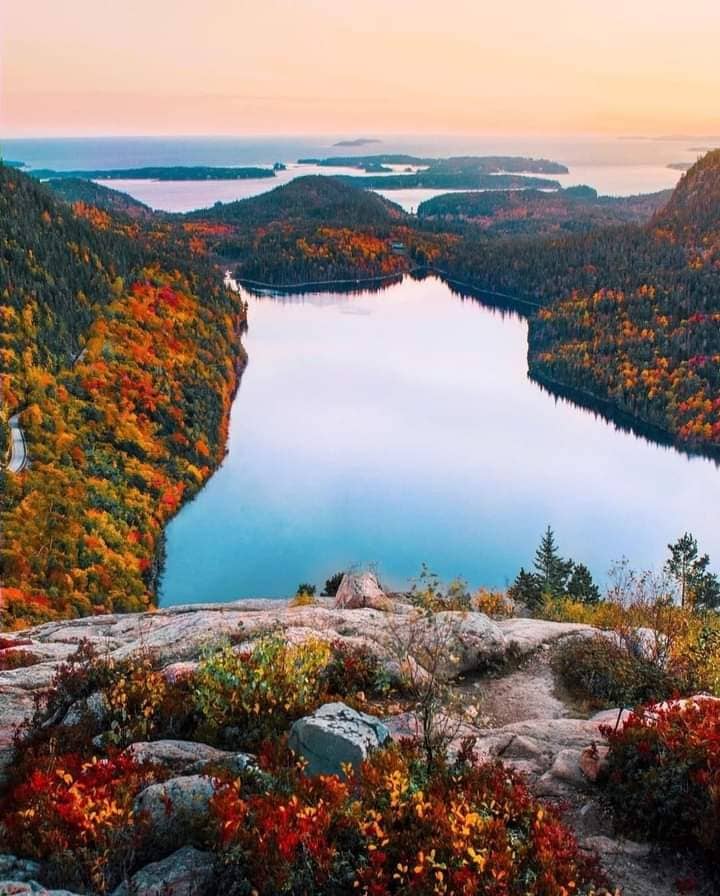
This 47,000-acre park is the backbone of the region, offering granite peaks, woodland trails, and rocky coastline. If you're hoping to visit between October and May, plan carefully: towns inside and around the park close for the season, and food and services become scarce. The park itself often stays accessible, though weather and daylight hours shift dramatically. One visitor drove through in February and still caught impressive views despite expecting closures.
The hiking here can be serious business. The Gorge Trail to Cadillac Mountain summit is a 5.4-mile route that includes rock climbing and earned a description of "a work out" from experienced hikers. Fall brings quintessential Acadia views: big breakers crashing against rocks and forests shifting to brilliant colors. Even a short drive to catch a cove or scenic pull-off rewards you with the park's iconic landscape.
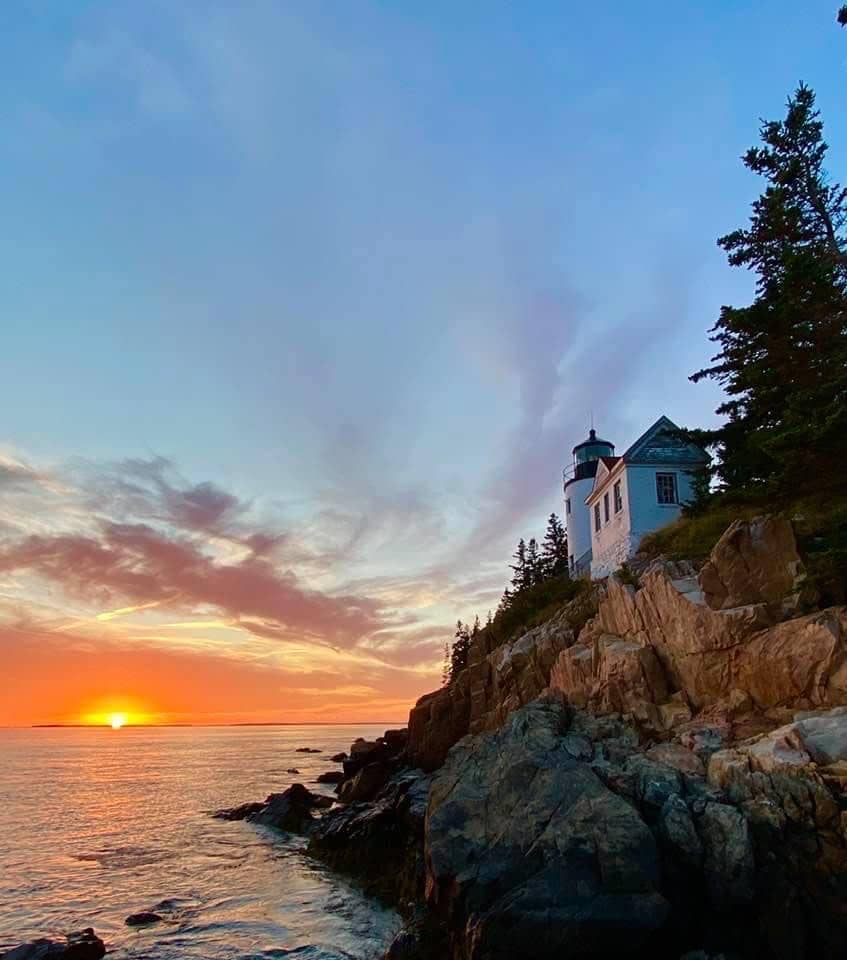
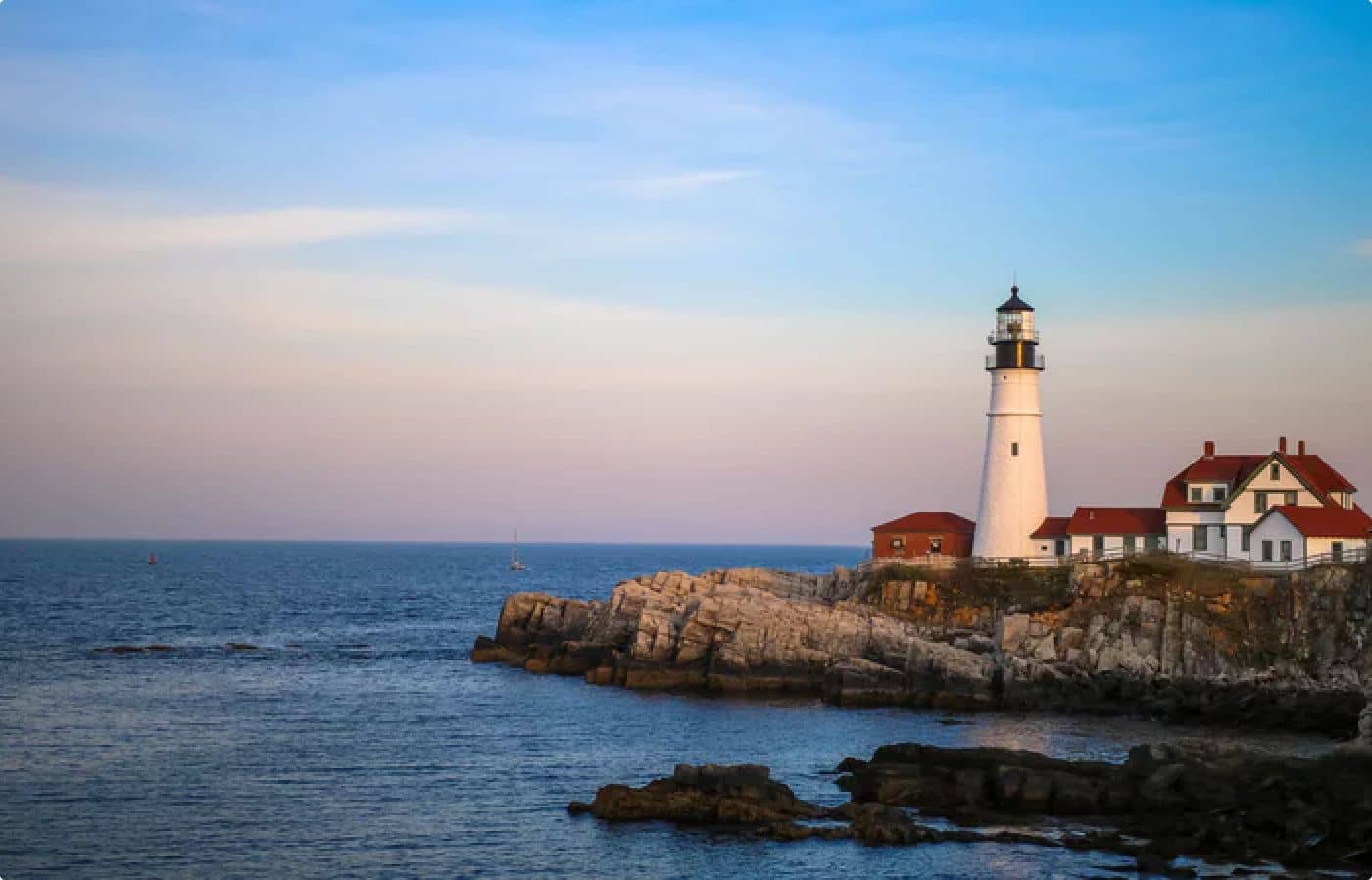
Built in 1858, this lighthouse sits on a sea cliff with rocky paths leading to photography spots and tide pools. Getting a clear view involves climbing stairs and picking your way across rocks, but visitors consistently say the effort pays off. The spot would be stunning at sunrise or sunset, though those prime times draw crowds.
Parking is tight, especially during peak season. Even in early November, which isn't considered busy, only two spots were open an hour before sunset. If you arrive mid-afternoon, you may find a space more easily. Plan to arrive early or off-season if you want to spend time among the rocks without a wait.
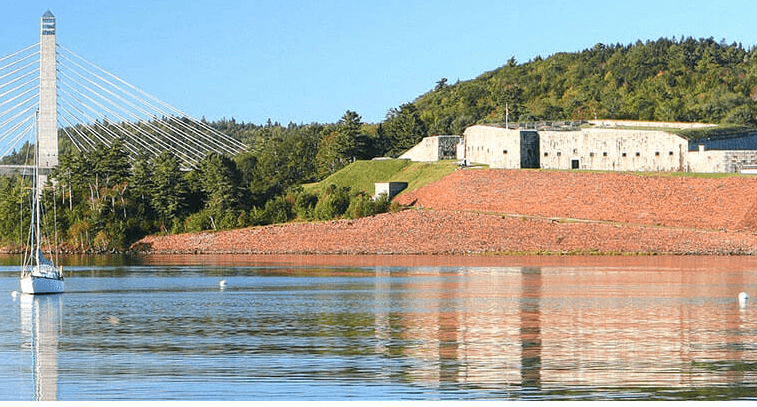
This 19th-century granite fort sits about an hour west of Bar Harbor along Route 1. The real draw for many visitors is the modern 420-foot observation tower attached to the nearby Penobscot Narrows Bridge. You can buy a ticket for the fort alone (around $6.50 for out-of-state visitors) or combine it with the bridge observatory.
The fort itself is well-preserved and dog-friendly, with staff members consistently described as welcoming. Visitors note the space works well for kids of all ages. If you're driving between Bar Harbor and points south, this stop breaks up the trip and offers both history and sweeping views from the tower.
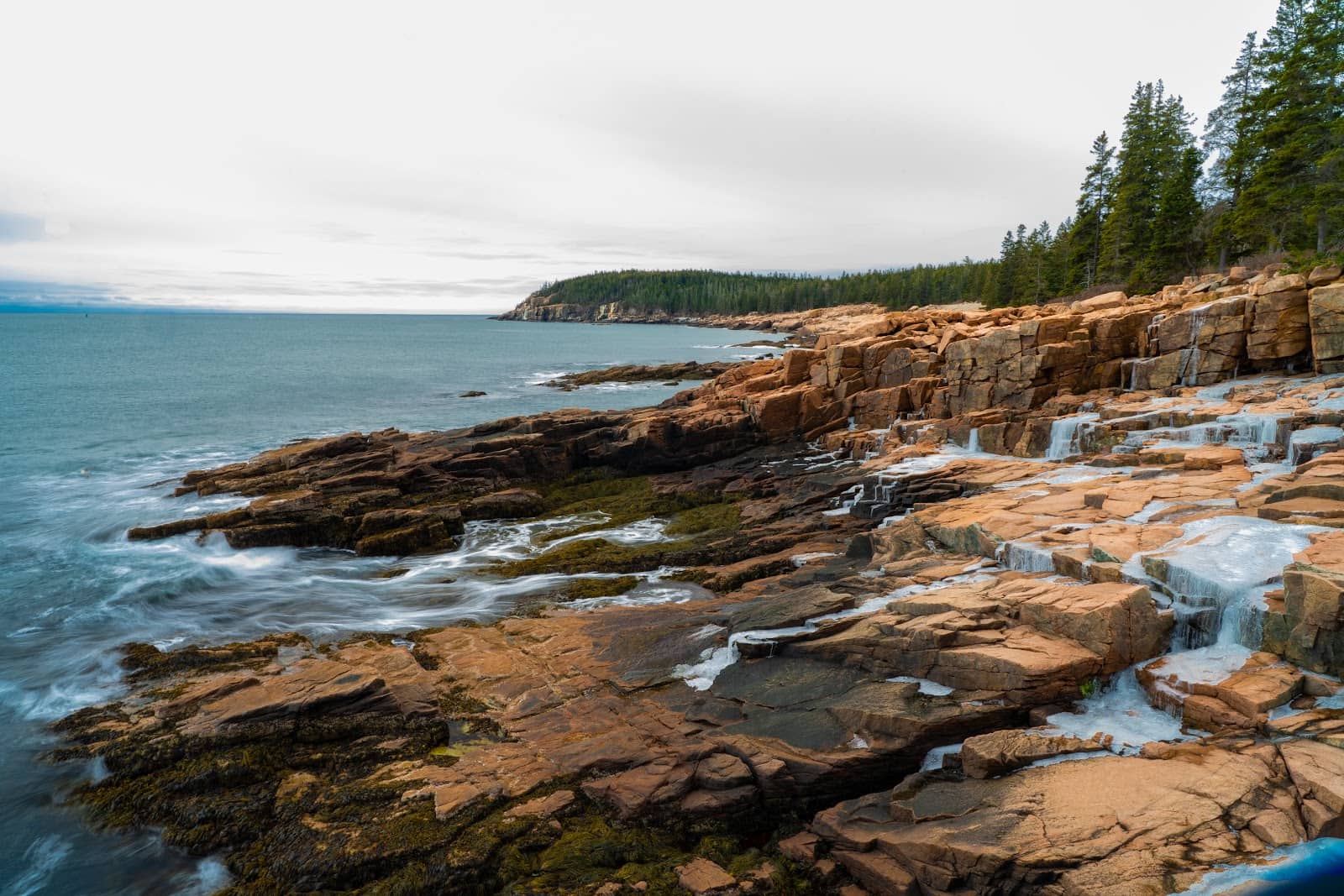
This natural rock inlet creates a thunderous boom when waves crash into it with enough force, sending foam high into the air. The effect depends entirely on timing and sea conditions. Visit one to two hours before high tide when waves are strongest. Come on a calm day and you might find it underwhelming, but catch it right and you'll witness the raw power of the ocean.
The spot also delivers dramatic ocean views, high cliffs, and excellent photo opportunities, whether or not the "thunder" effect is in full swing. It's one of Acadia's most popular natural attractions, so expect crowds, especially during peak season.
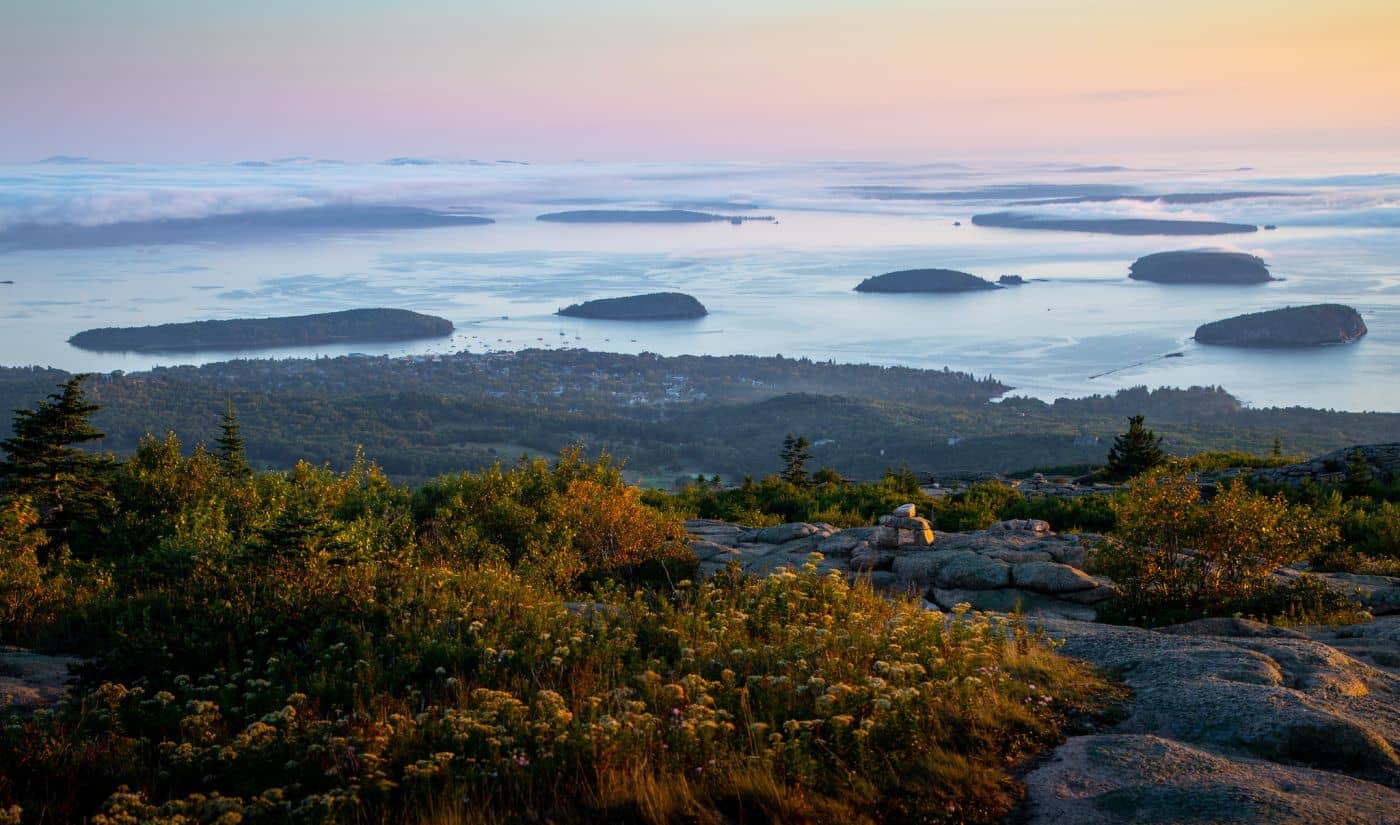
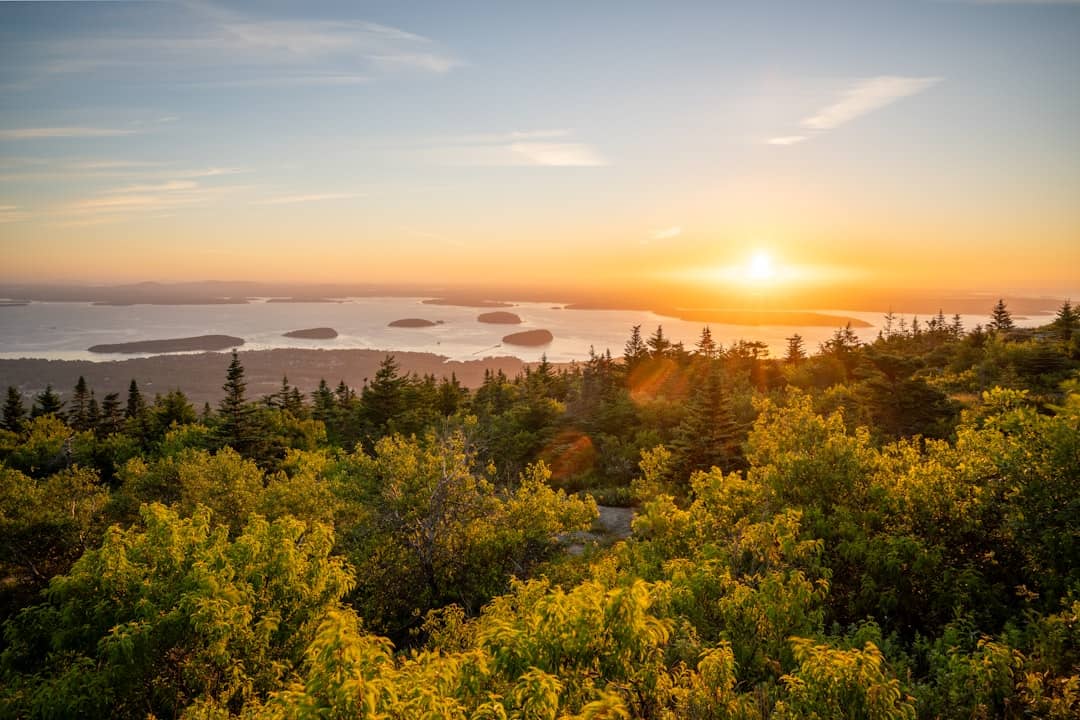
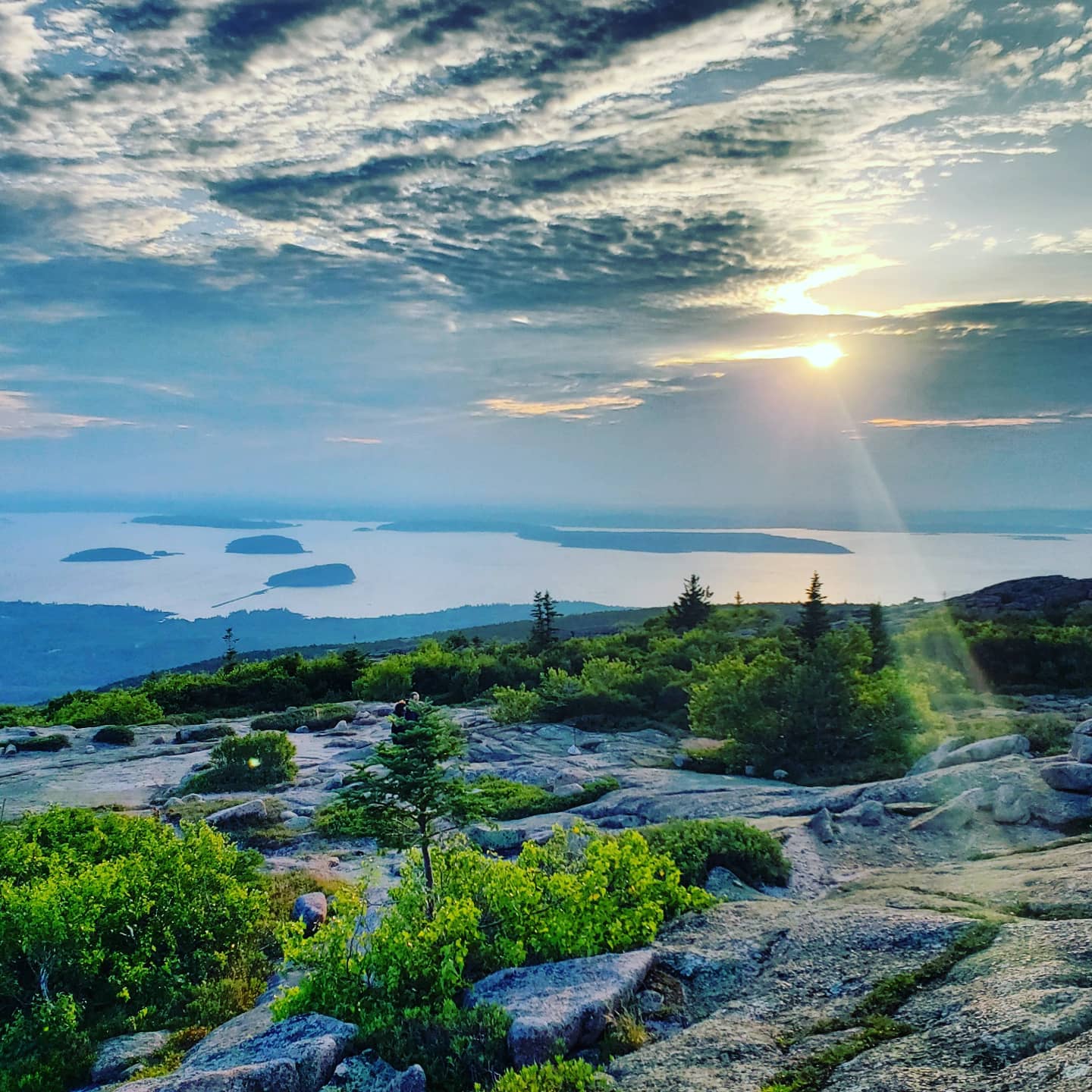
At 1,530 feet, Cadillac Mountain is one of the first places in the U.S. to see the sunrise each morning. The views from the summit sweep across the ocean, islands, and the entire expanse of Acadia National Park. You can drive to the summit, making it accessible to visitors who prefer not to hike.
Bring warm clothes. Visitors report that the mountaintop is windy and cold even on mild days, and fog can roll in quickly and obscure views. If clouds arrive, you can drive partway down to find clearer skies. The drive up offers spectacular views on its own, so the trip pays off regardless of conditions at the peak.
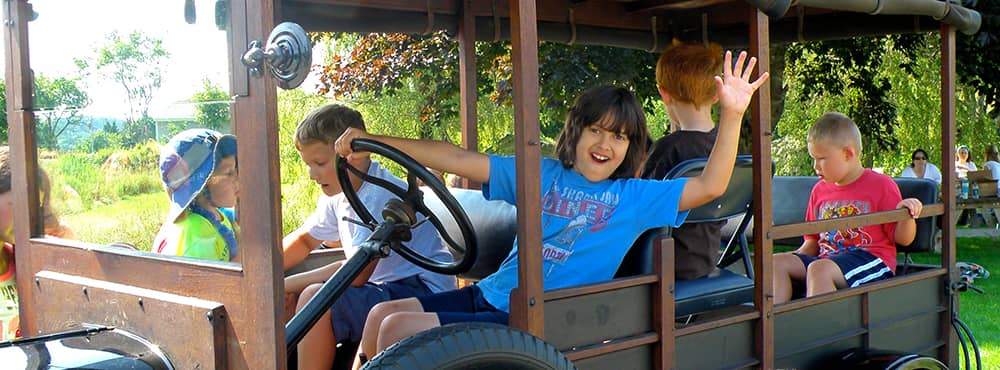
This museum focuses on brass-era automobiles, a collection rarely seen anywhere else in the country. Volunteers keep the collection immaculate and actively bring the museum to the community and local schools. The curators and staff are informative and often give private tours to groups.
Visitors, especially those with an interest in automotive or local history, praise the historical depth and the informative signage. The museum is about a half-hour drive from Bar Harbor. One visitor found machines built in Buffalo, New York, which added a personal connection to the experience. It's a good rainy-day option, though the collection equally rewards a leisurely visit on a beautiful day.
This hands-on aquarium features a lobster hatchery and an ecological marsh walk, housed in just three buildings. Ticket prices ($18 per person) are offset by the education you'll receive and the conservation work the facility supports. Staff are passionate about marine life and eager to share knowledge. They run exhibit talks and feedings throughout the day, so timing your visit around those events deepens the experience.
The young staff members are friendly and knowledgeable, and they'll happily explain the layout and answer questions. Families note that there's a lot to learn despite the small footprint, and repeat visitors return because of the personal touch and living exhibits.
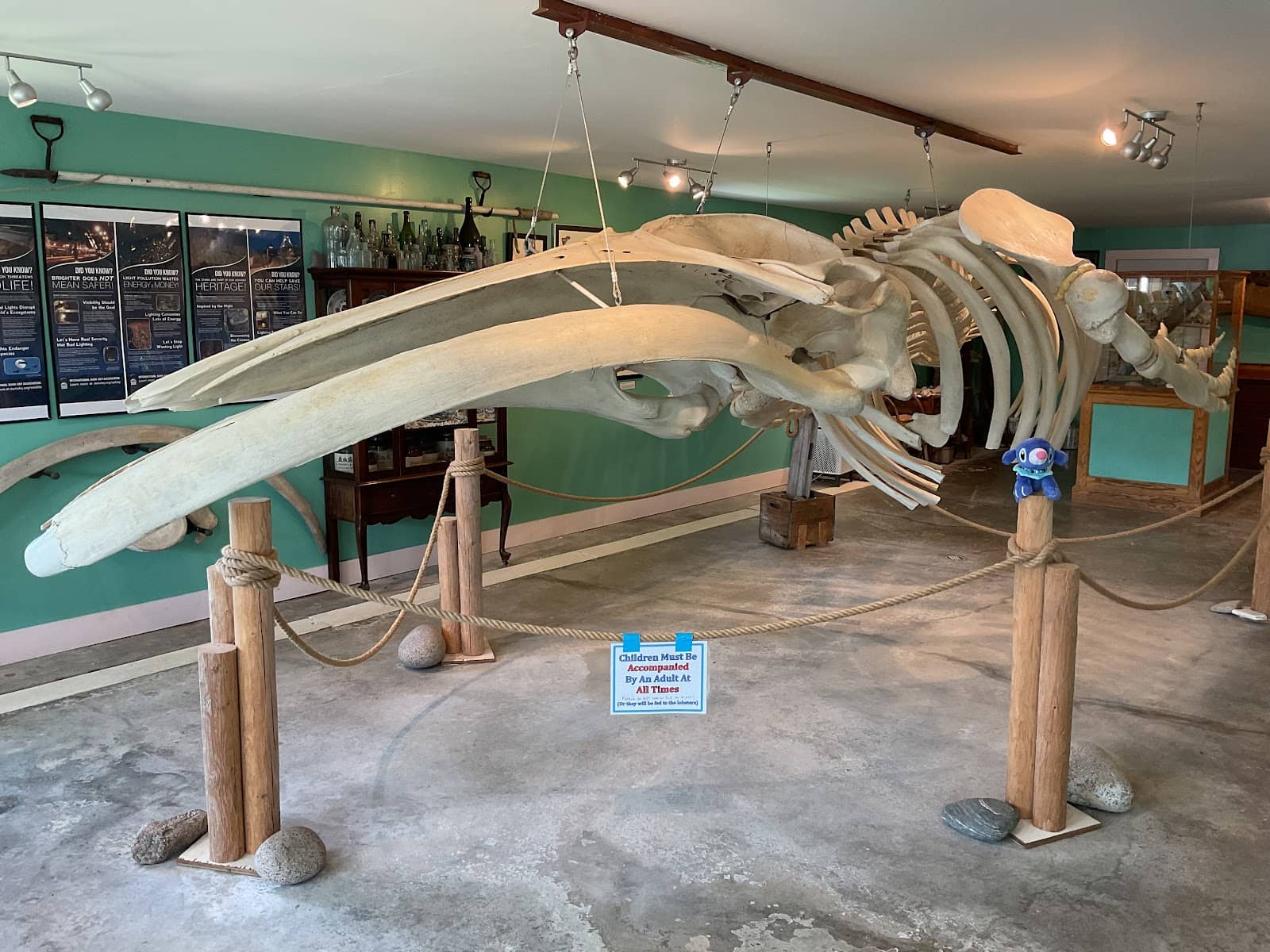
Somesville is home to one of the most photographed bridges in Maine, used in calendars and scenic publications. The bridge itself is a quick and free stop, worth a few minutes for photos. At just 20 feet long and rated for five people, crossing it is a slightly wobbly but safe experience.
The museum building is often closed, so call ahead before planning an extended visit. The bridge and surrounding area across the street, including a dam, make for an easy scenic pull-off if you're driving through Mount Desert Island. One visitor was even proposed to on the bridge, which tells you something about the spot's appeal.
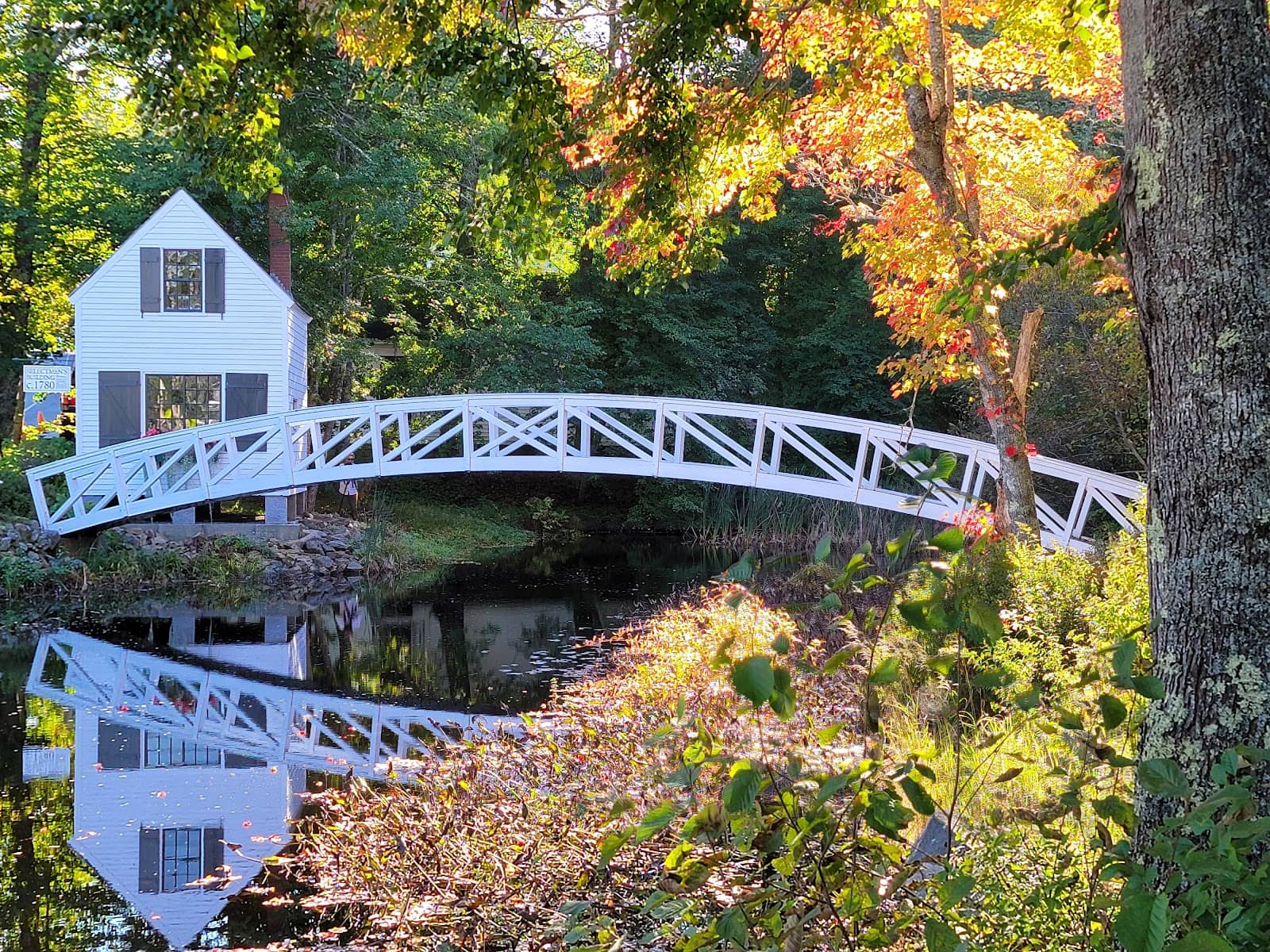
This compact museum is minutes from central Bar Harbor and runs on a pay-as-you-wish donation basis. The small footprint belies the care put into the exhibits, which feature regional animals, skeletons, and educational displays. The museum hosts the Touch Tank Talk program led by an Acadia Park ranger, a family-friendly offering that brings marine life and ranger expertise together.
Children consistently respond well to the space, and adults appreciate learning regional natural history. Visitors note the museum incorporates multiple disciplines and disciplines into its curation, making it feel more intentional than its size might suggest.
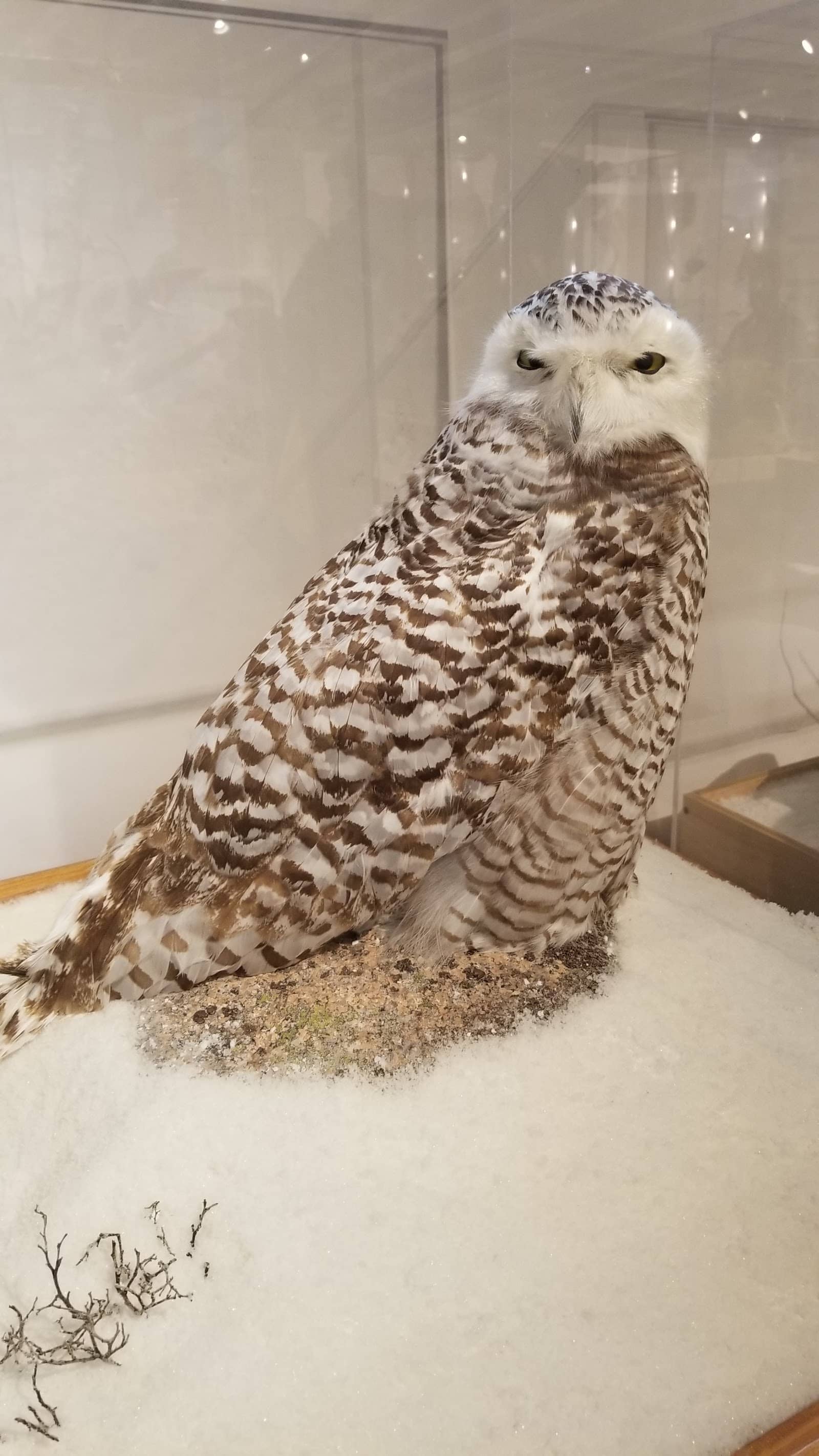
This historic lighthouse sits on a rocky outcrop and can't be visited without a permit, but you can view it up close on lobster or whale-watch tours leaving from Bar Harbor. A lobster tour will get you closer for photography and observation, while a whale-watch tour may only point it out from a distance. In June, visitors spotted seals and pups sunning on the rocks near the lighthouse, adding wildlife appeal.
The scenic boat tour experience combines the lighthouse's historic significance with views of the surrounding bay and wildlife, making it a worthwhile detour if you're interested in both maritime history and marine life.
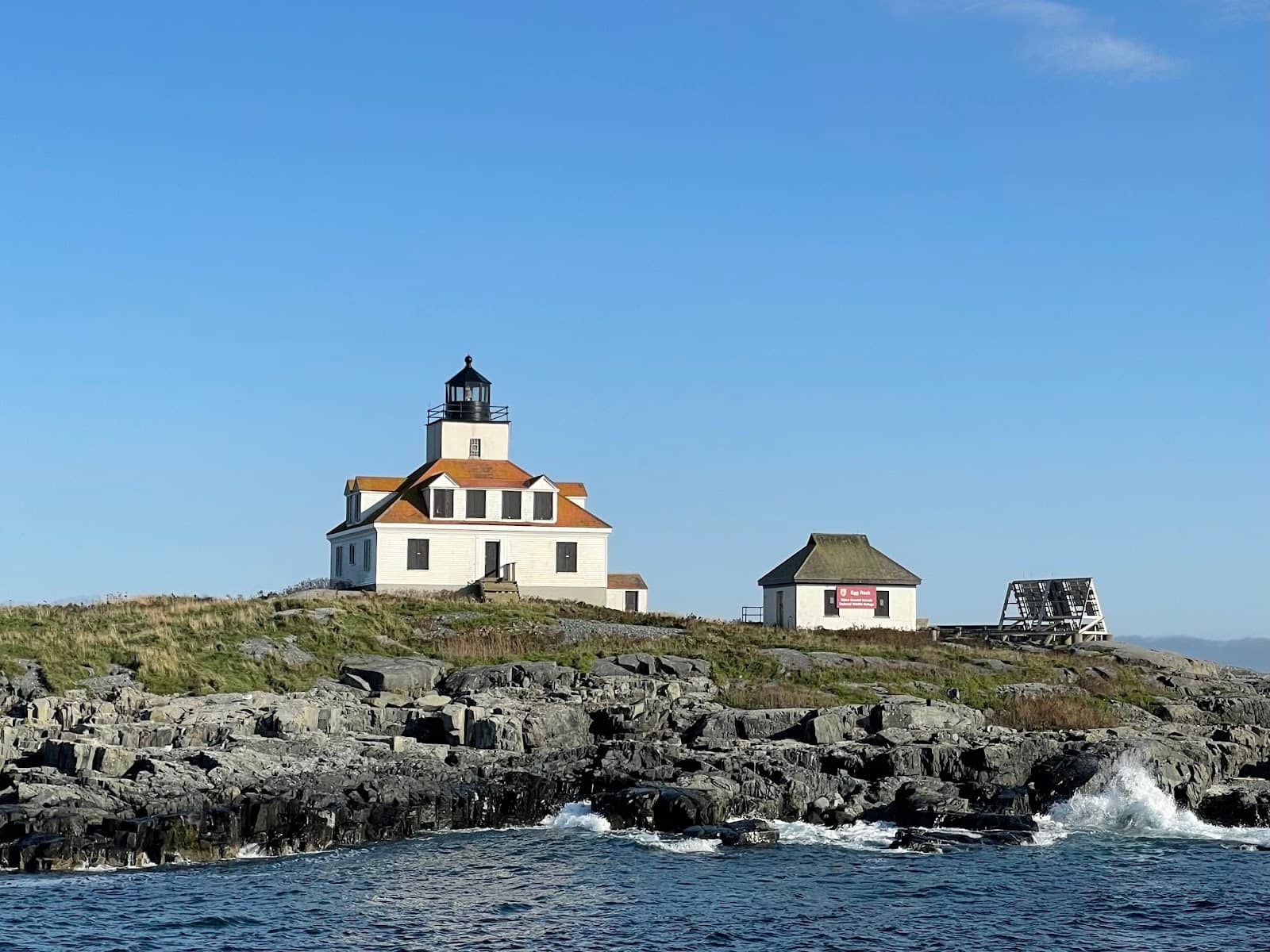
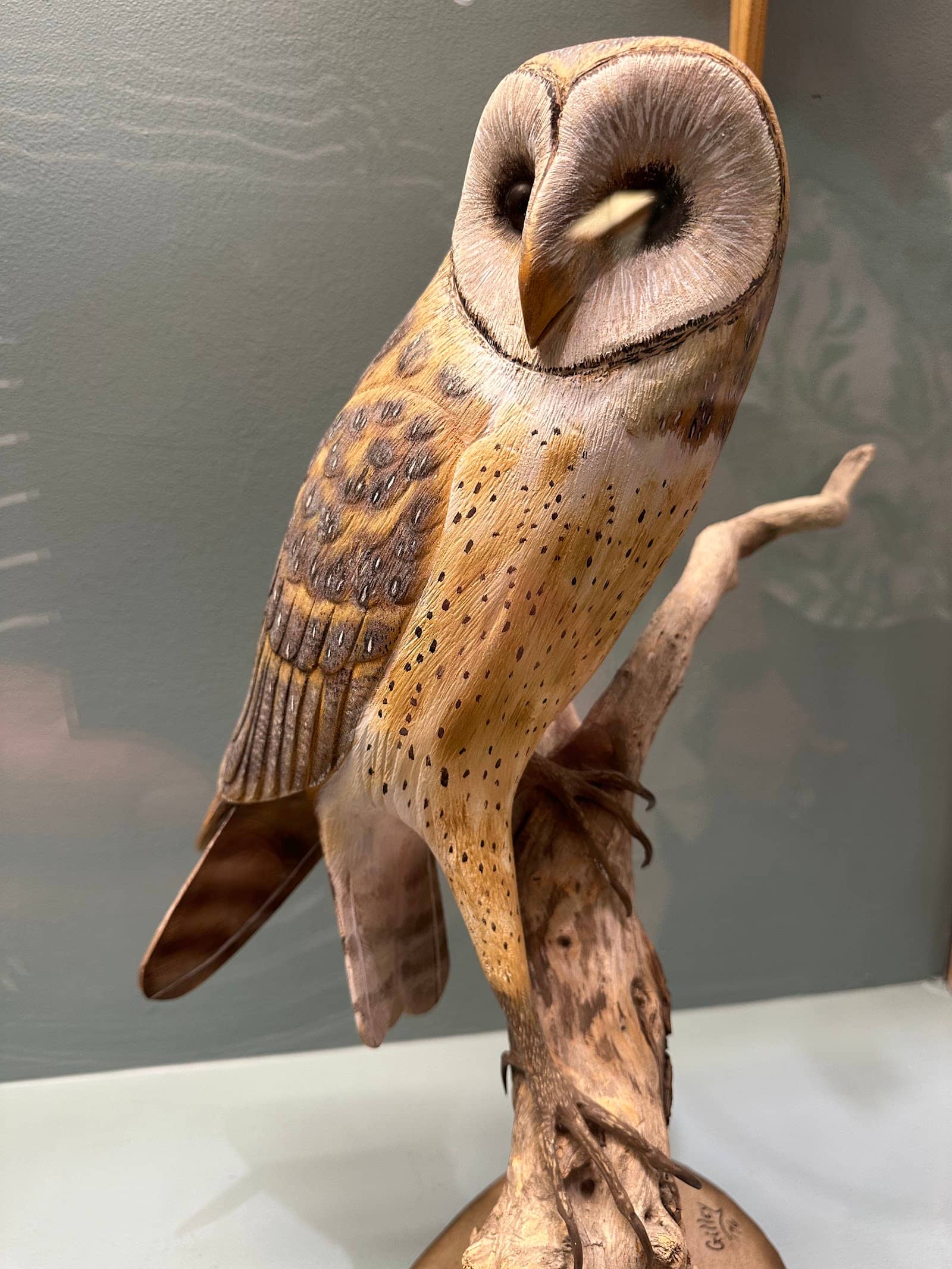
This museum in Mount Desert documents the granite industry that shaped the region, with exhibits broken down by quarrying location. You'll find demonstrations of quarrying techniques, collections of mineral specimens beyond granite, and tools used by local blacksmiths and machinists. The owner, Steve Haynes, is knowledgeable and passionate about sharing the geology and history of granite itself.
Visitors praise the organization and labeling of exhibits, and personal tours from Haynes himself are available. The collection of rock samples from around the region and local tools offers both educational depth and local character. It's a fascinating stop if you want to understand the economic and geological forces that shaped Mount Desert Island.
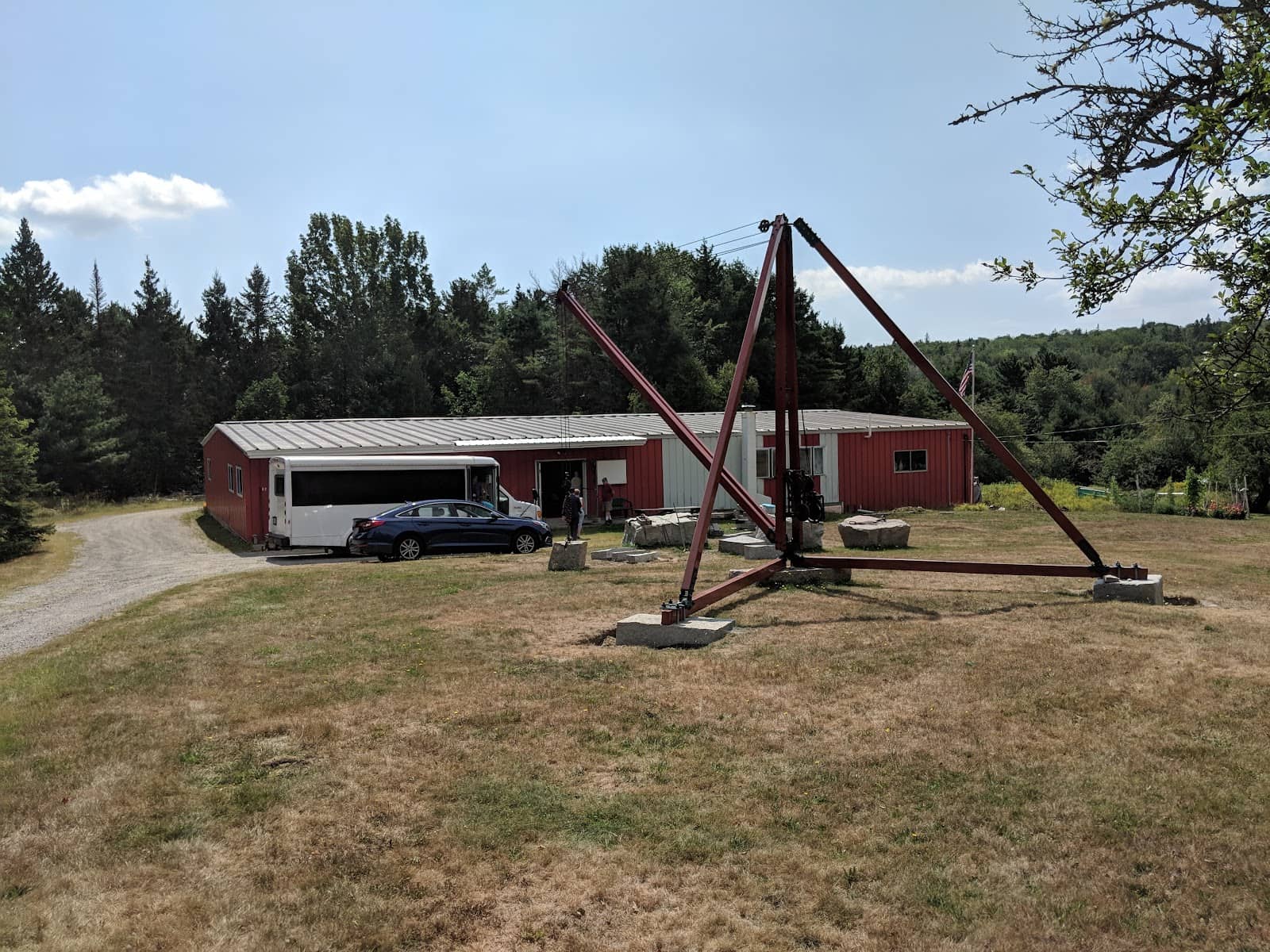
This small art museum in Southwest Harbor celebrates Wendell Gilley, a wood sculptor known for spectacular bird carvings. The museum runs rotating special exhibitions alongside the core collection, so repeat visits reveal something new. The staff are knowledgeable and genuinely care for the art and its presentation.
The museum also offers carving courses if you want to try your hand at the craft. Visitors describe the experience as delightful and intimate, full of love and care in both the artwork and its curation. Bird lovers, nature enthusiasts, and anyone who appreciates fine craftsmanship will find something to appreciate here.
Tools
Guides

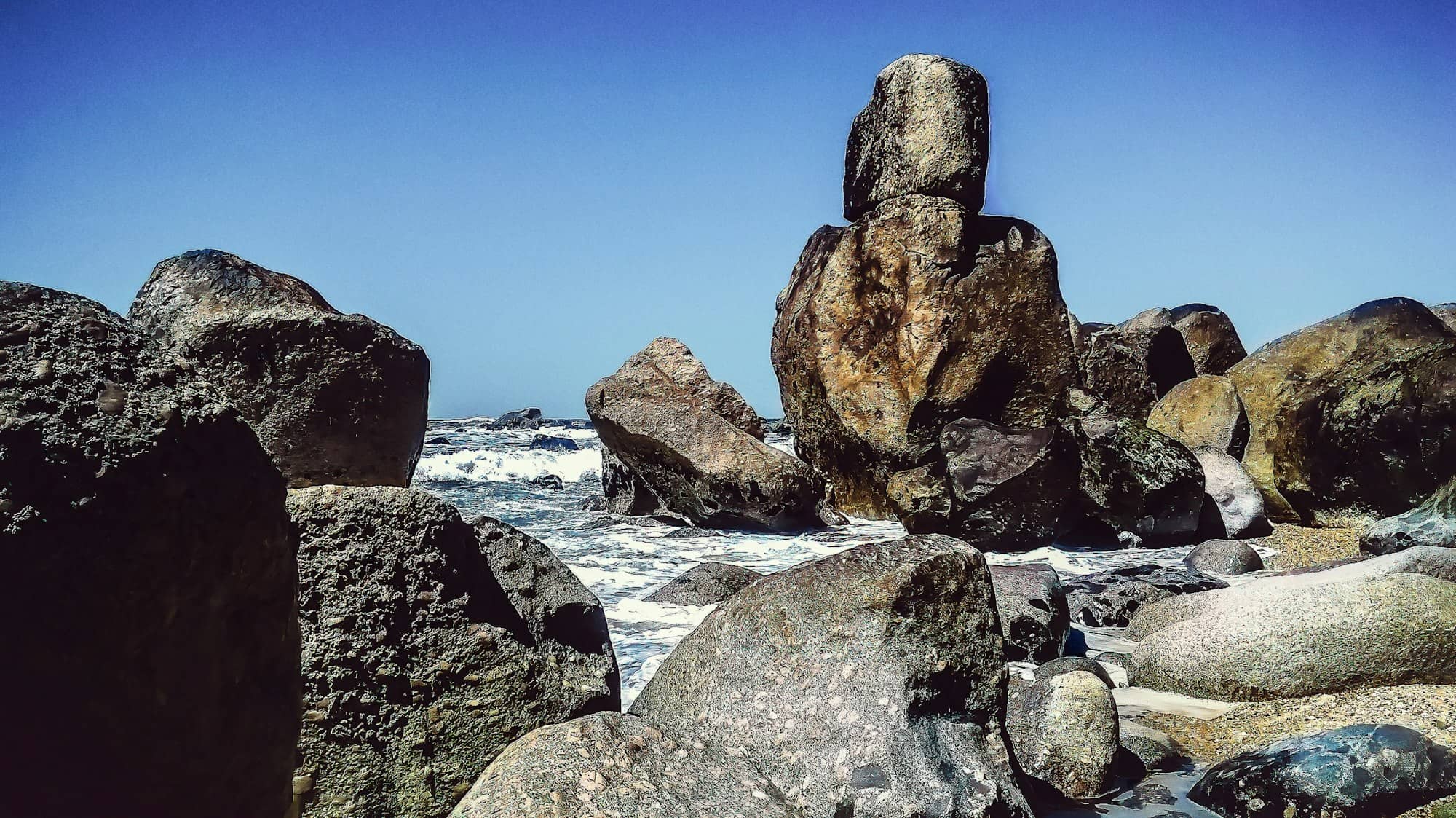
Destinations
Downeast & Acadia
Gateway to Acadia National Park - Cadillac Mountain, puffin cruises, and a harbor town that fills with cruise ships from May to October.
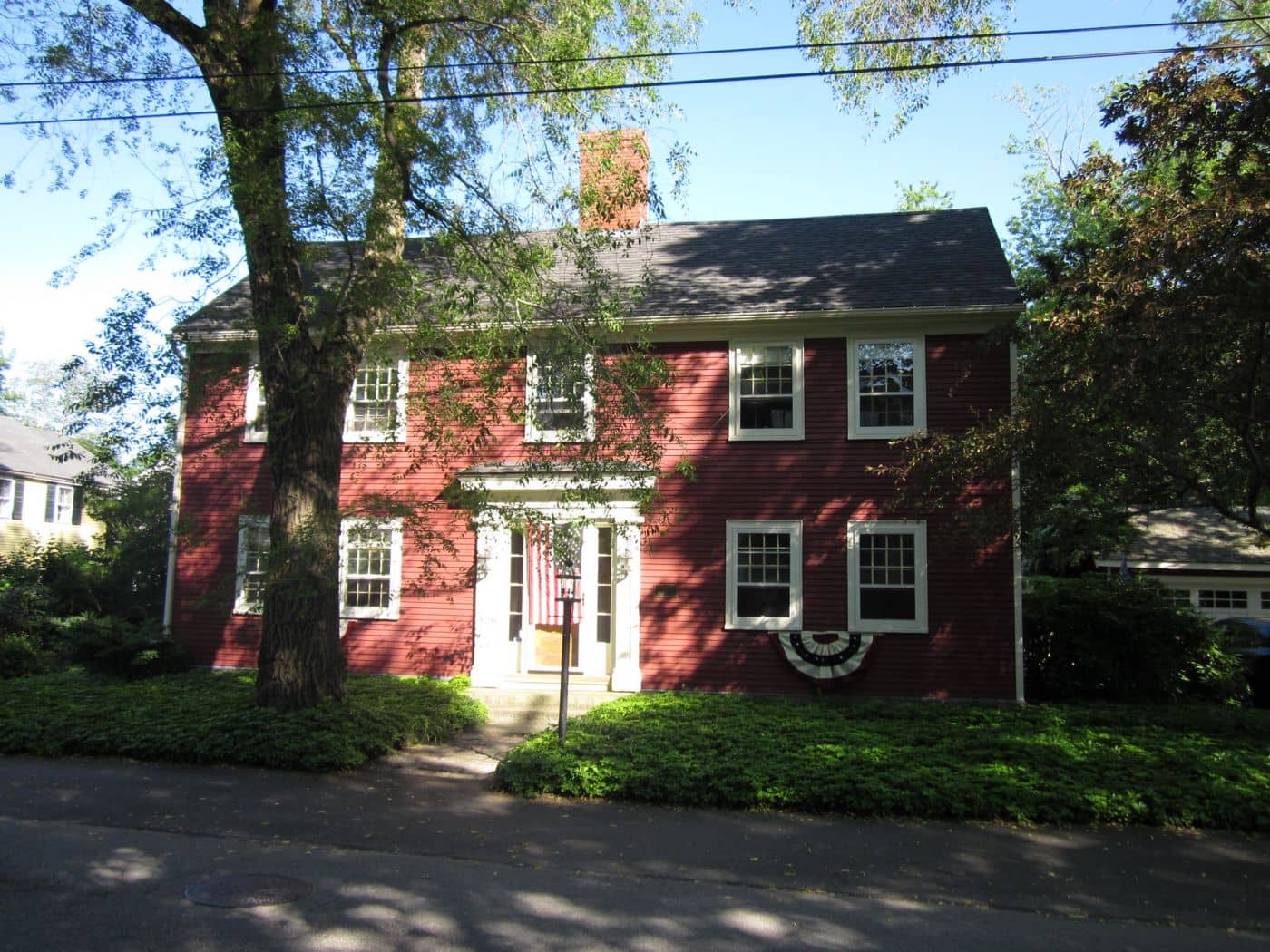
Southern Maine Coast
Dock Square boutiques, Goose Rocks Beach, and the Bush family's Walker's Point - the quintessential coastal Maine summer town.
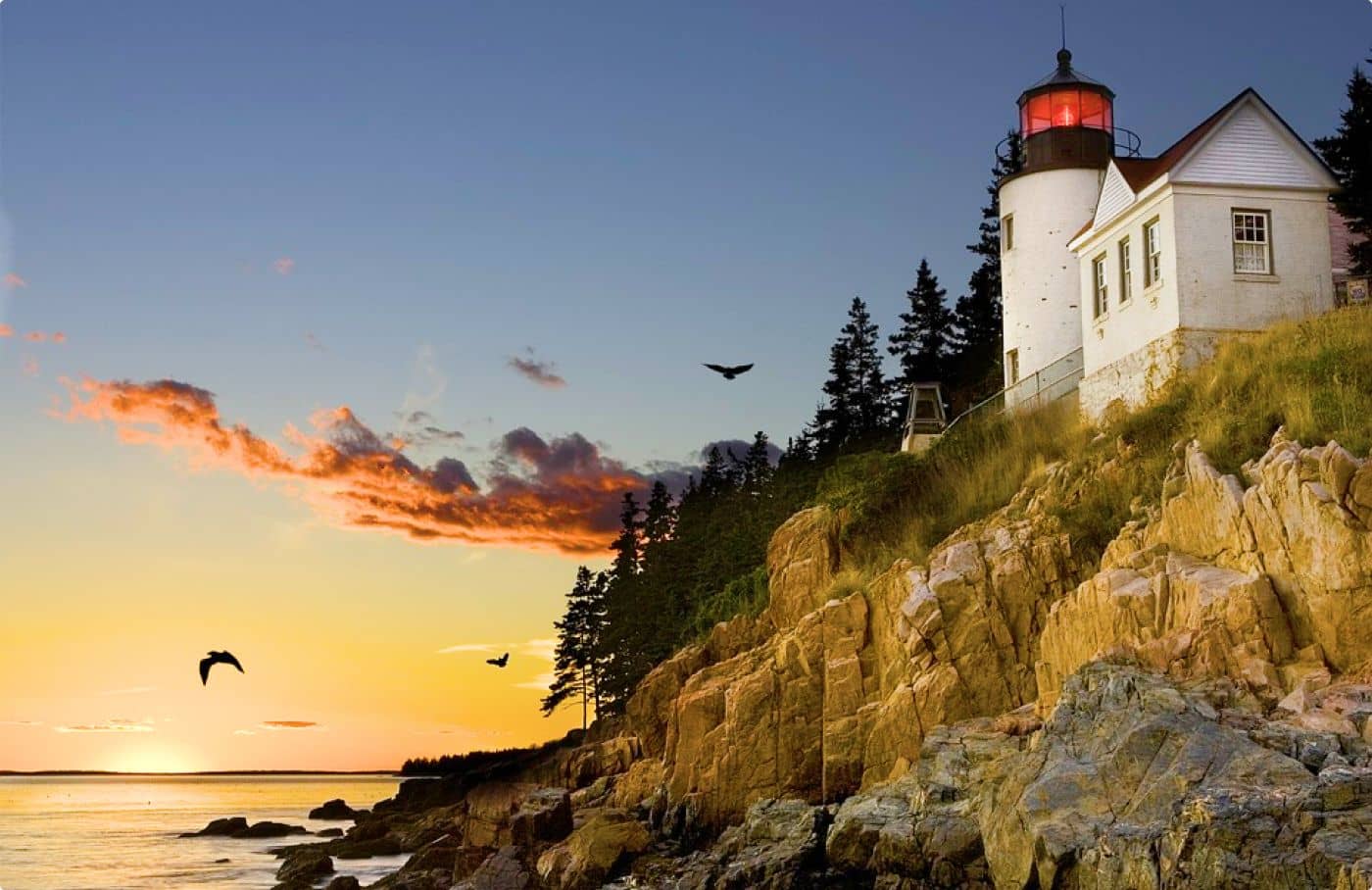
Greater Portland
Maine's largest city - a working waterfront, Old Port cobblestones, and a food scene that punches well above its weight.
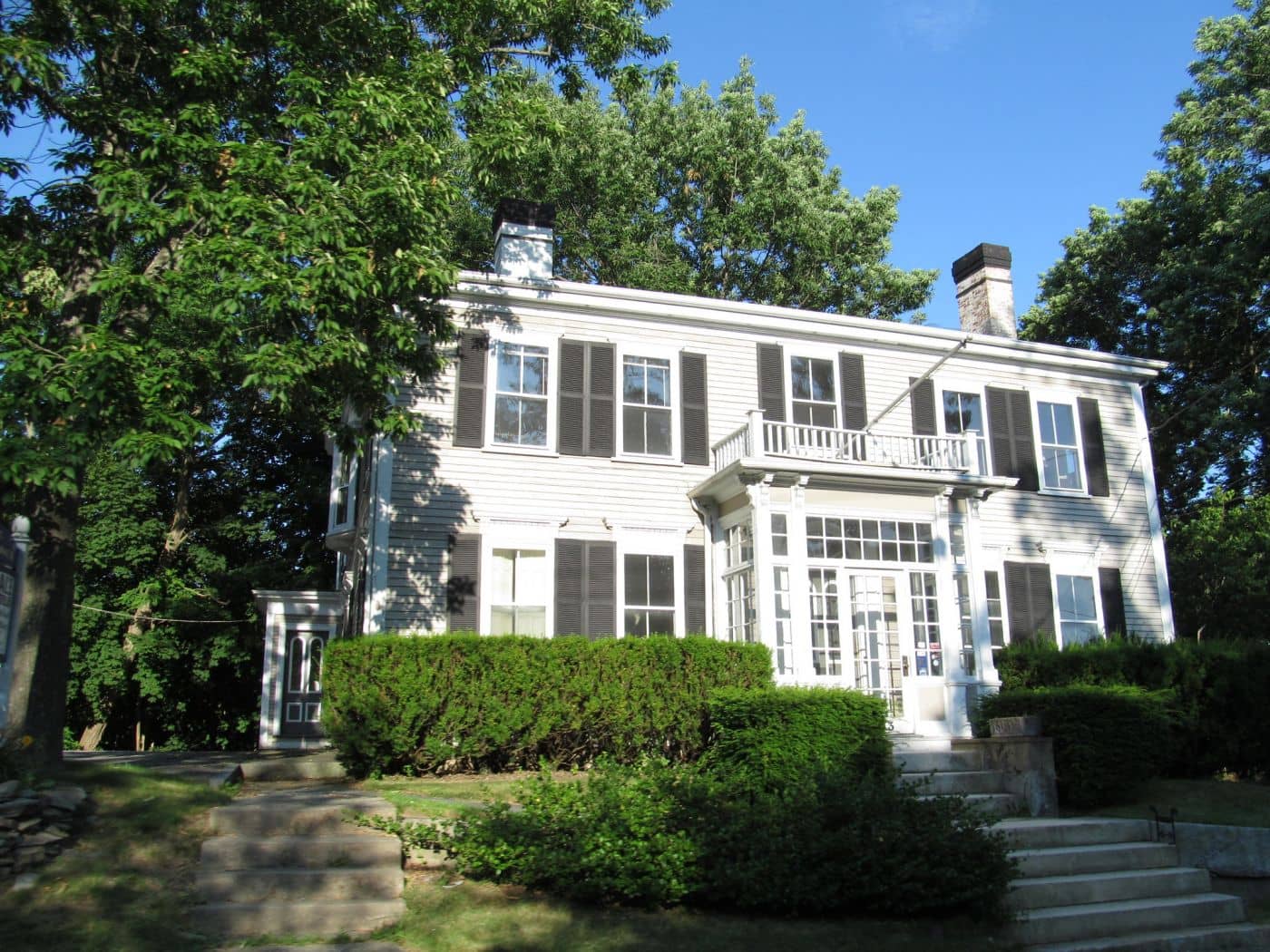
Midcoast Islands
Shipbuilding heart of Maine since 1743 - Bath Iron Works still launches destroyers past the Maine Maritime Museum on the Kennebec.
Midcoast Islands
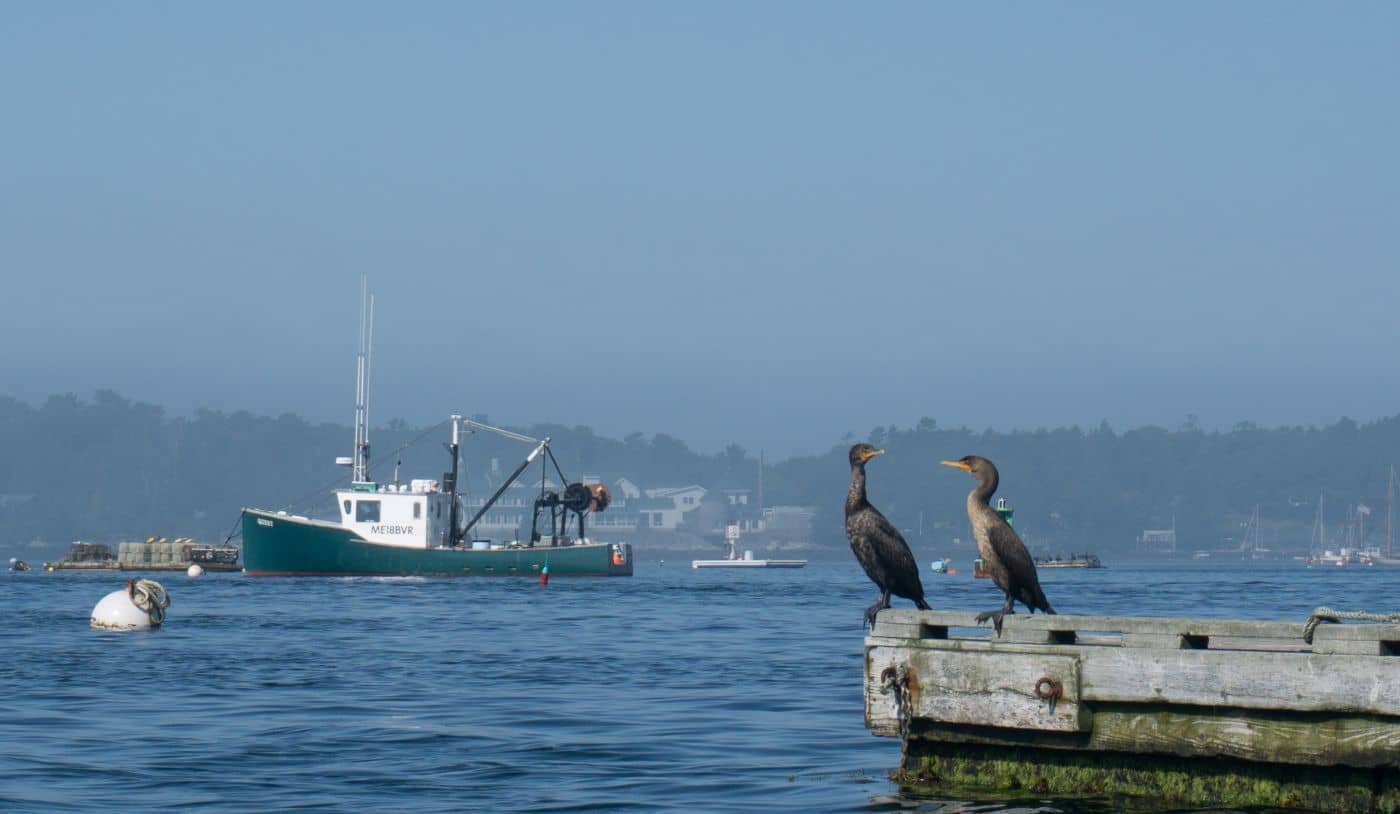
A Midcoast harbor town built around boat trips, with the Coastal Maine Botanical Gardens just up the road.
Midcoast Islands
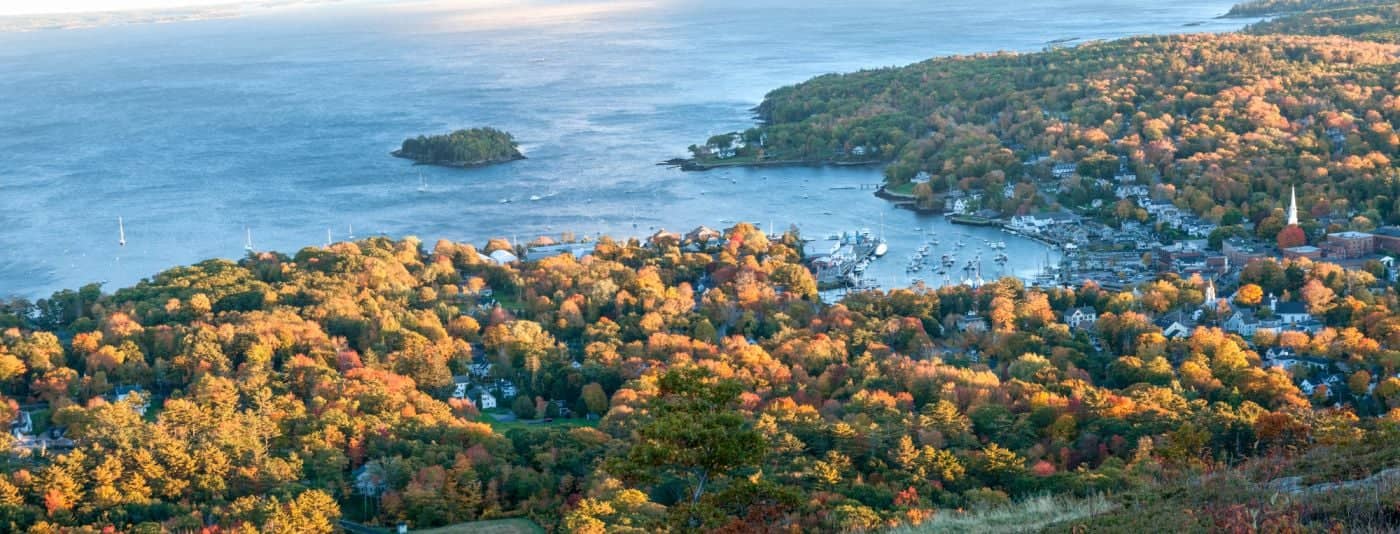
Where the mountains meet the sea - windjammer harbor, Mount Battie summit views, and an independent village with real soul.
Greater Portland
Flagship home of L.L. Bean, open 24/7 - outlets, a tidal river, and surprisingly good eating between the shopping.
Southern Maine Coast
Postcard-perfect village of sea captains' mansions, Lower Village shops, and easy walks to Mother's Beach and Gooch's Beach.