
1
Bar Harbor
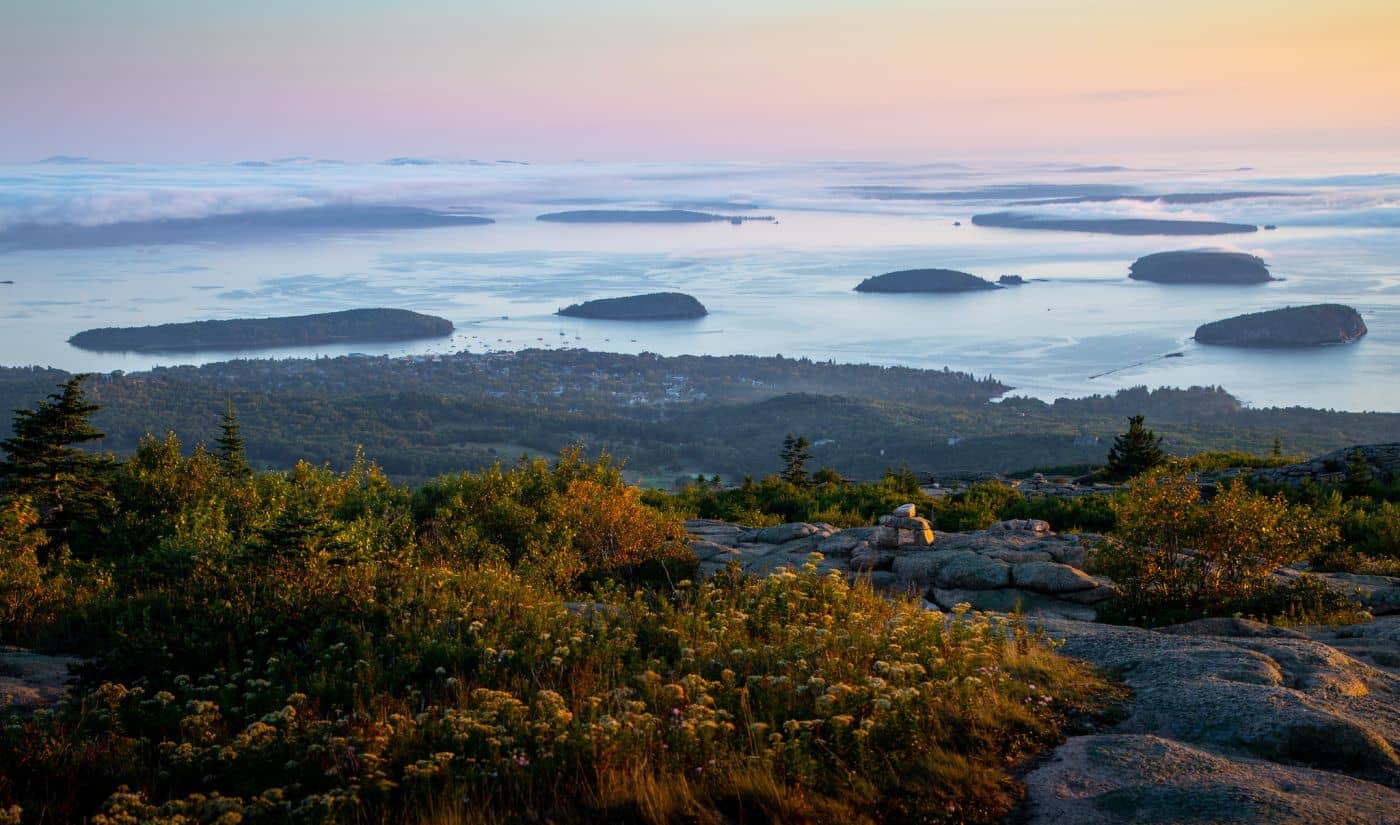
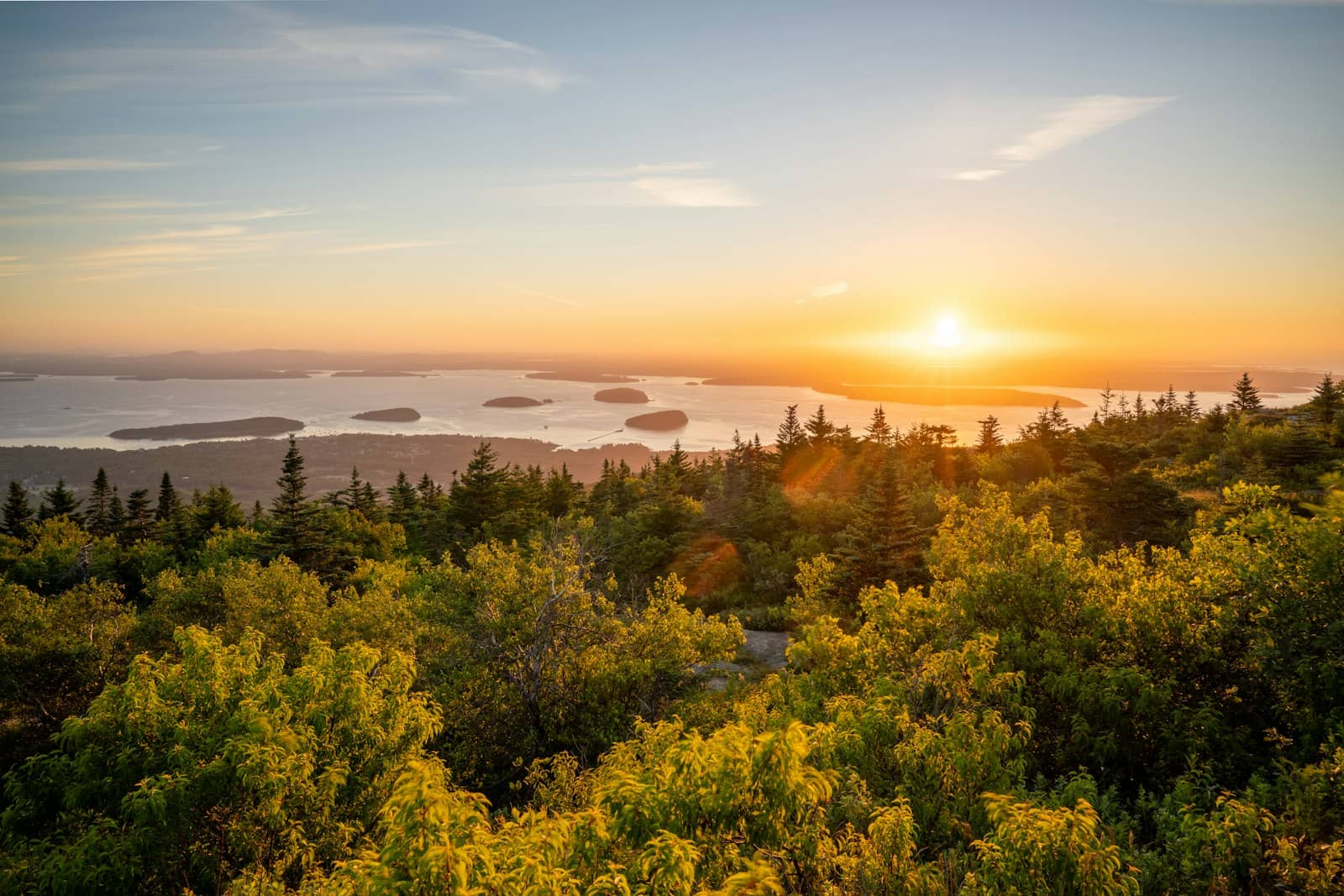
See main listingGateway to Acadia National Park - Cadillac Mountain, puffin cruises, and a harbor town that fills with cruise ships from May to October.
Details

Guide
Lighthouses in and beyond Acadia, Maine, include Bass Harbor Head and more distant coastal lights, with different driving distances and access.
Maine's lighthouses are iconic, and the Acadia region has some of the finest. Here's where to find them and what to expect when you visit.
The lighthouses around Acadia National Park are more than photo backdrops, they're working navigational aids with real history behind them. Bass Harbor Head Light Station, Pemaquid Point Lighthouse, and West Quoddy Head Lighthouse are among the most photographed, but each one rewards a visit with different scenery, trails, and amenities. This guide covers ten lighthouses across the region so you can plan a route that suits your time and interests.
Visit in shoulder seasons (May, September, October) to avoid summer crowds and find parking more easily. Wear sturdy, closed-toe shoes, especially if you plan to walk the Rockland Breakwater or explore rocky terrain at Bass Harbor Head or Pemaquid Point. Bring sunscreen and layers, lighthouses sit on exposed coastline where weather changes quickly. Some lighthouses close in winter or have limited hours, so call ahead or check websites before traveling. For lighthouses on islands (Egg Rock, Baker Island), book boat tours in advance, especially in summer.
Gateway to Acadia National Park - Cadillac Mountain, puffin cruises, and a harbor town that fills with cruise ships from May to October.
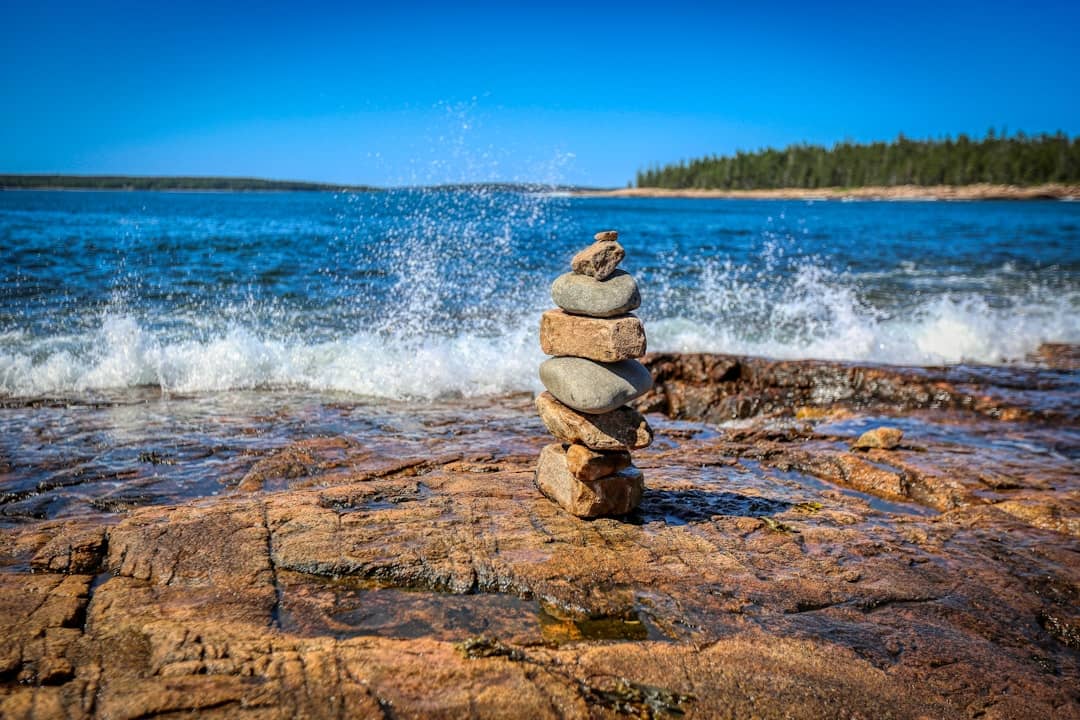
The working harbor on the quiet side of Mount Desert Island, with boatyards, Bass Harbor Head Light and easy Acadia access.
The quiet, moneyed side of Mount Desert Island, with a marina, two famous gardens, and fast access to Acadia.
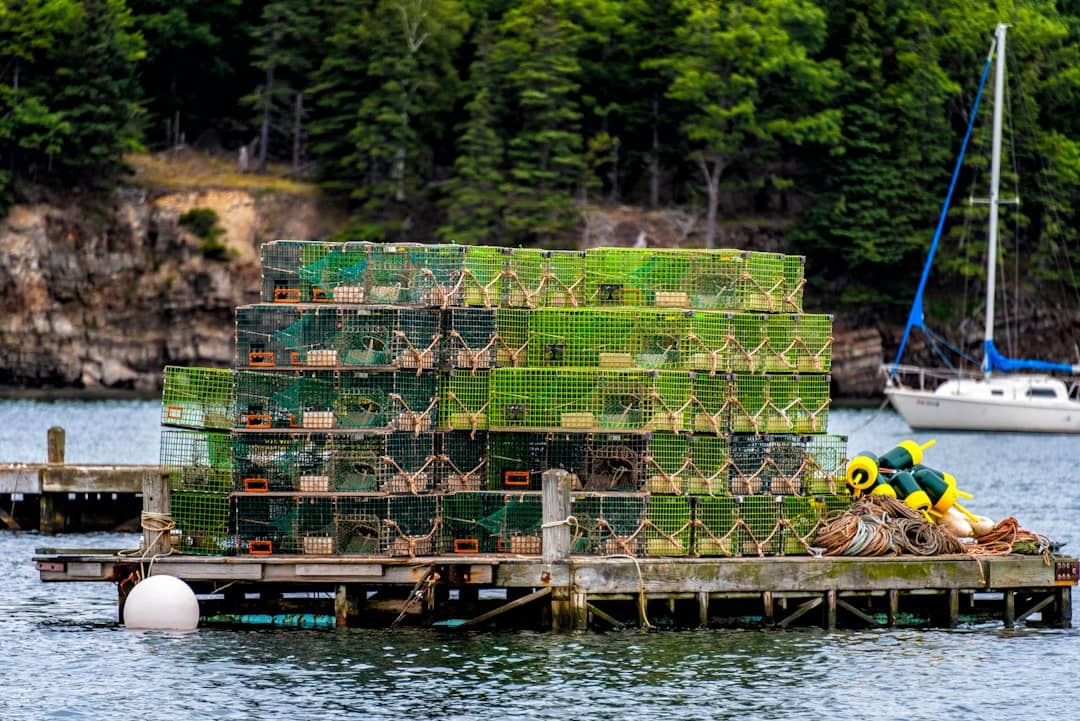
Gateway to Acadia - Main Street's shopping strip, the Colonel Black Mansion, and the scenic Union River dam walk.
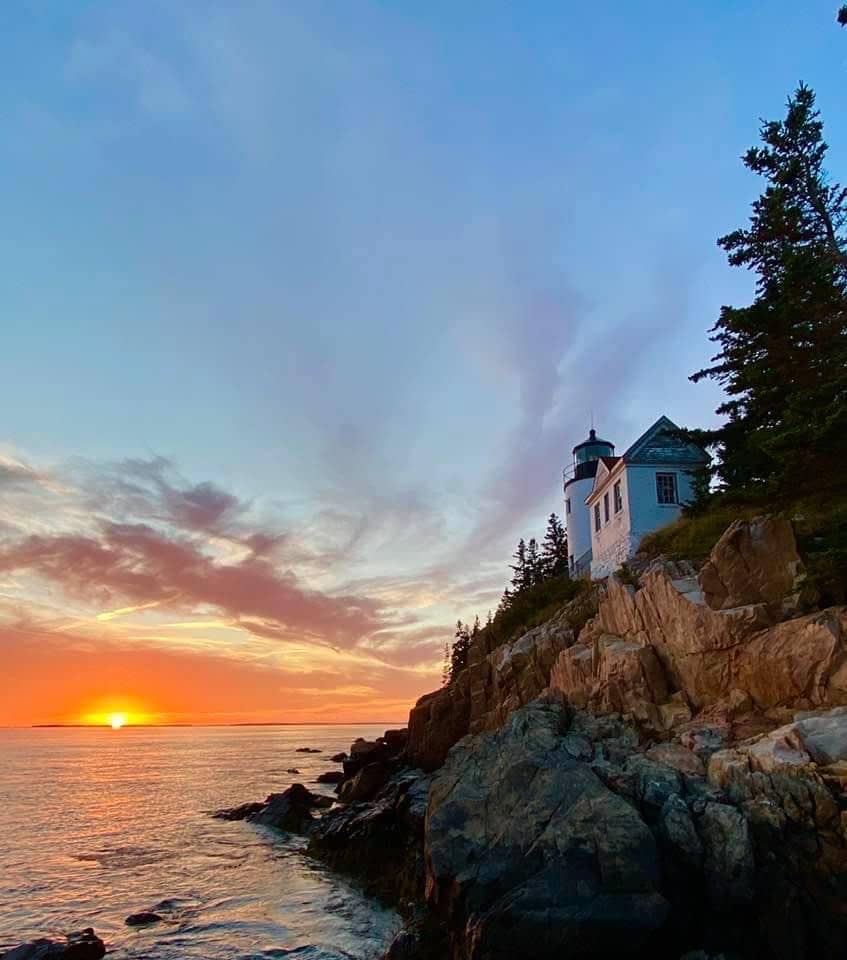
Built in 1858, this lighthouse sits on a sea cliff and is one of the most photographed in Maine. The rocky paths down to the overlooks are steep and a bit of a scramble, but they offer stunning views, especially at sunrise or sunset. Tide pools dot the rocks below, and you'll understand why people rave about the perspective once you make the short but steep walk.
Parking is the main challenge here. The lot is small, and during peak season (summer and early fall) it can fill up fast. Arriving early morning or in the shoulder seasons like November helps. One visitor noted arriving an hour before sunset on an early November weekend and finding only two spots open, so plan accordingly.
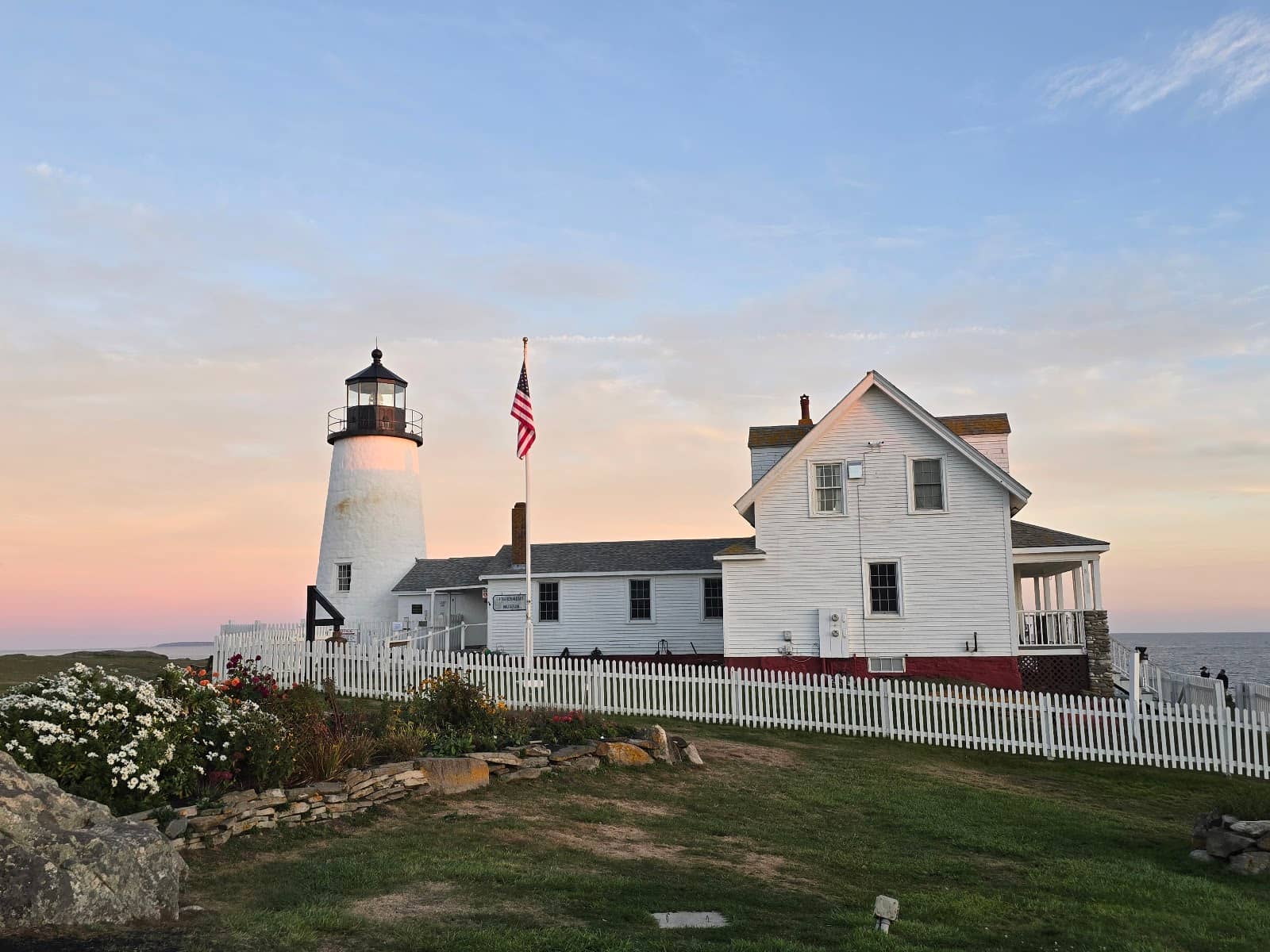
This 1827 lighthouse features panoramic views of the Atlantic and sits within a small park that includes a fisherman's museum, art gallery, and picnic tables. During the season, you can walk up the lighthouse for a small donation. A nearby learning center provides context about the site's history.
If the lighthouse line is long, don't skip the visit, many people find the views from the grounds just as rewarding as climbing the tower. Bring lunch, find a spot on the rocks, and spend time taking in the scenery. There is a small fee to enter the park.
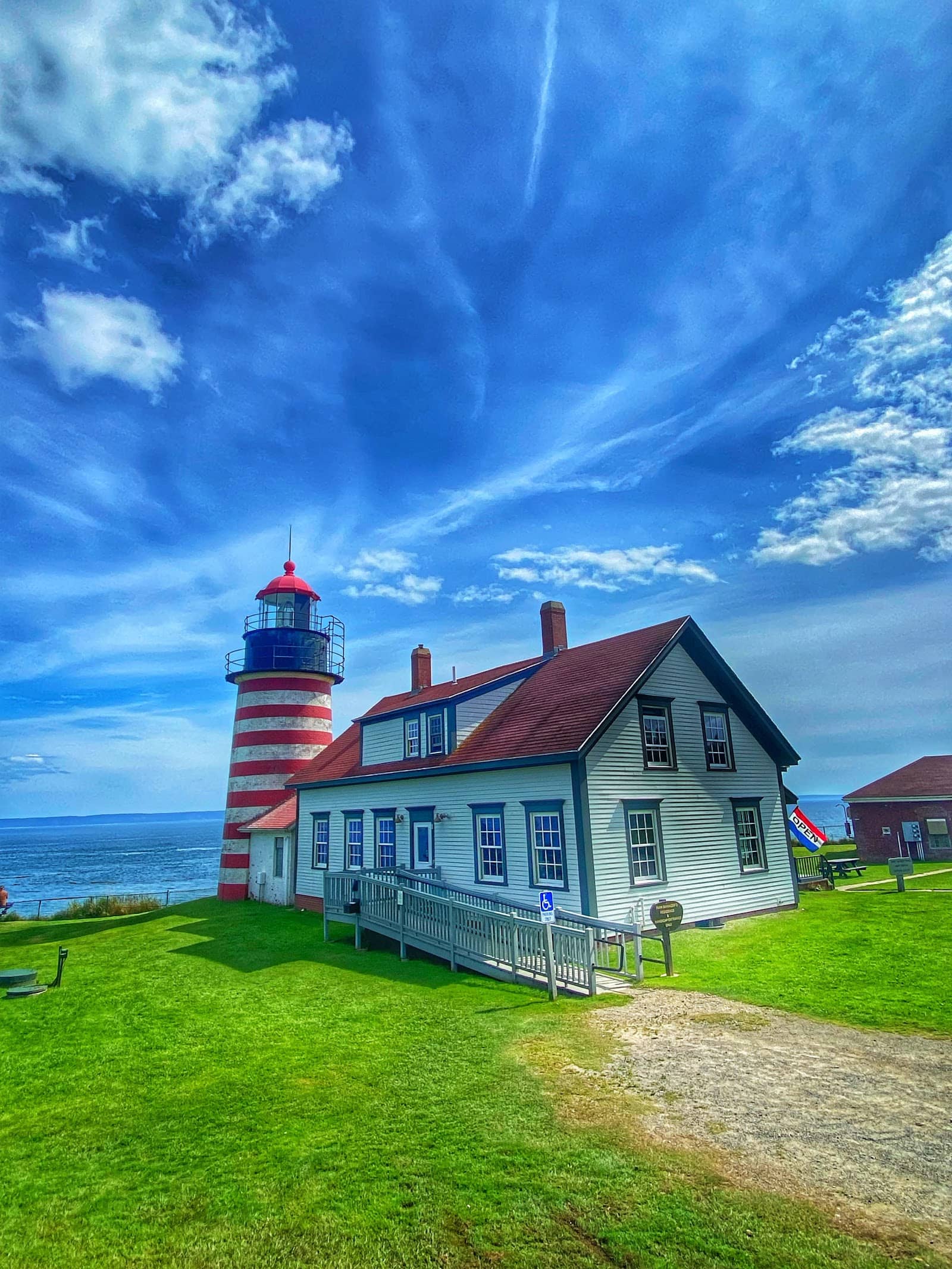
West Quoddy Head is the easternmost point in the contiguous United States, and this preserved historic lighthouse with its adjacent keeper's house is well worth the drive. The site includes a visitor center and miles of scenic, well-marked trails that range from easy to moderately challenging. Visitors love exploring these trails even if they don't go inside the lighthouse itself.
The location takes a beating from coastal weather, but volunteers keep it in excellent condition. Even in winter, the setting is dramatic and beautiful. The site is affordable and rarely feels crowded, making it a stress-free stop for families and solo travelers alike.
This white 1858 lighthouse in Port Clyde is famous for its appearance in the movie Forrest Gump. The keeper's house has been restored, and a summer-only museum and gift shop operate on-site. Knowledgeable volunteers staff the museum and are happy to share the lighthouse's history.
The grounds include a path with historical markers, and the views are classic New England coastline. Even if the museum is closed, the exterior is worth photographing and the rocky setting is peaceful. A visitor noted that a book about the lighthouse keeper's dog is available in the gift shop, a nice memento for lighthouse enthusiasts.
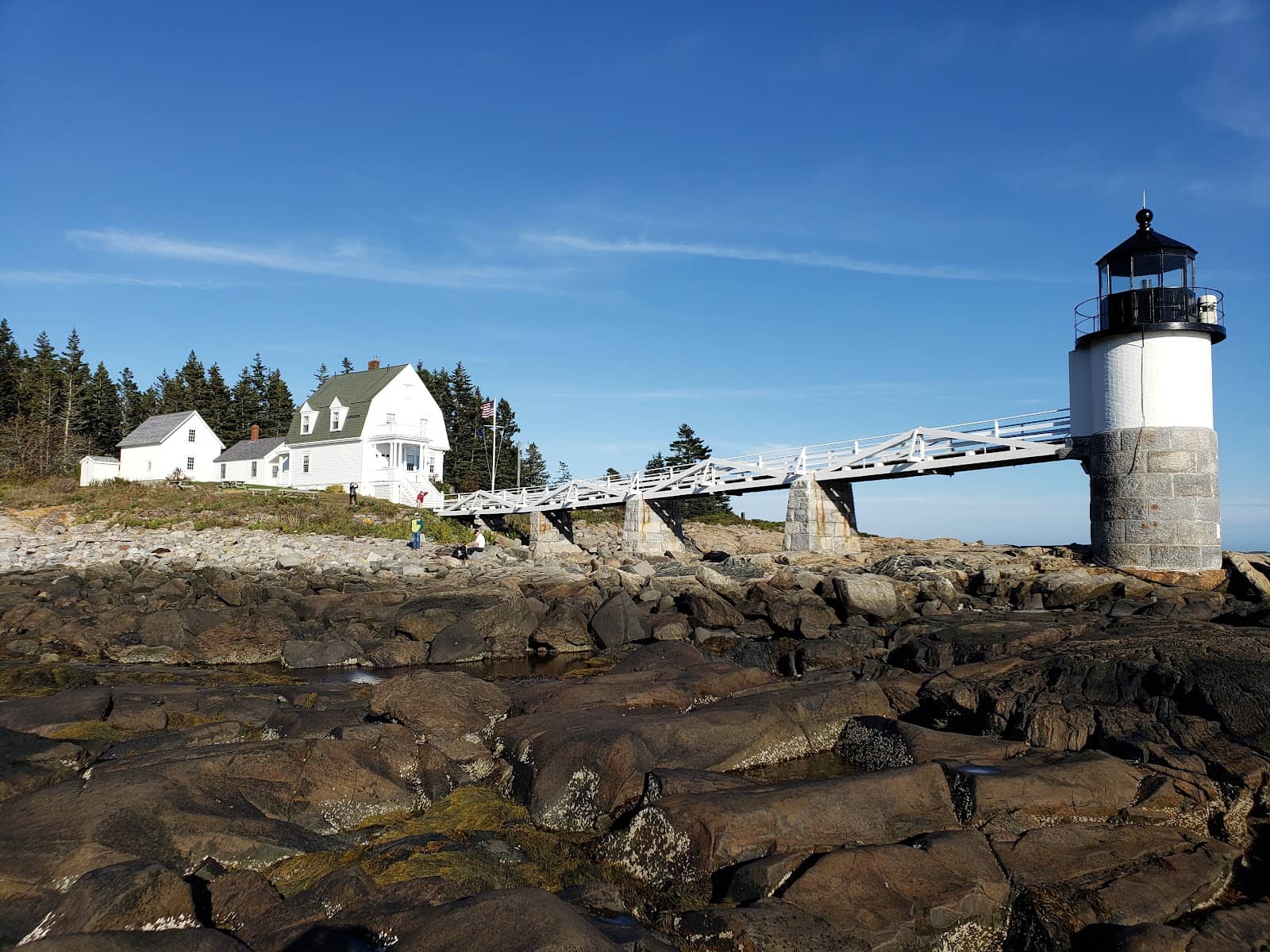
Built in 1902, this lighthouse sits at the end of a breakwater, which means you have to walk just under a mile on uneven stone slabs to reach it. The path is exposed and can be slippery, so sturdy shoes are essential, not flip-flops or heels. Families with children do make the walk, and the reward is a floating dock that gives you a perfect vantage point for photos.
Weather matters here. Windy or wet conditions make the rocks more treacherous. Early October and other shoulder seasons offer quieter visits with better footing conditions. Take your time, watch your step, and the views and experience are absolutely worth the effort.
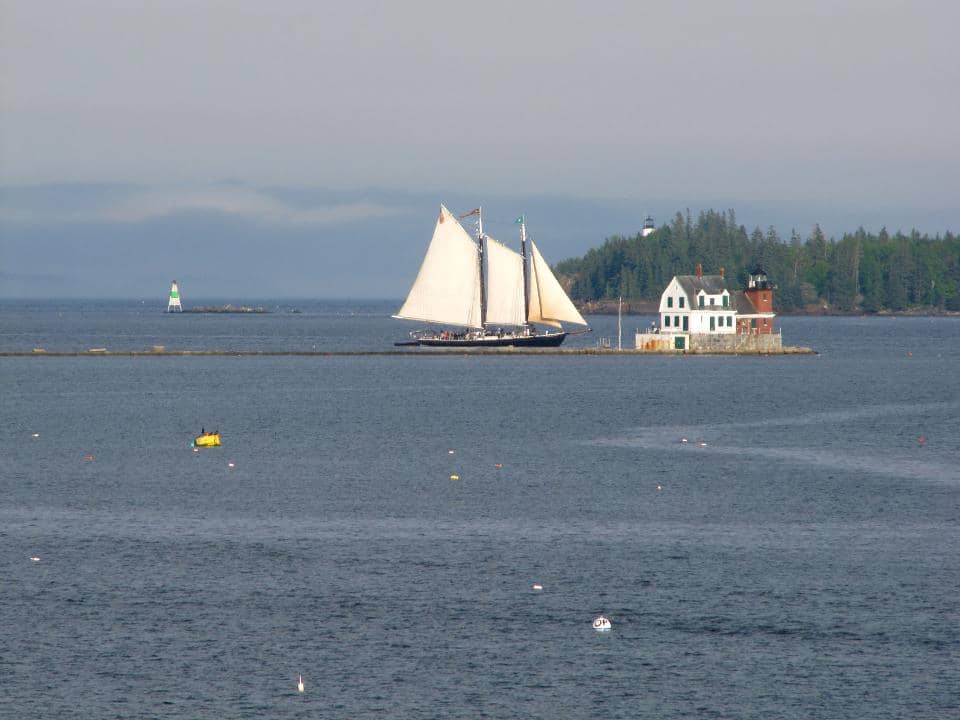
This small overlook in Camden offers a peaceful spot to watch boats and enjoy views of the harbor. The trail to the overlook is short and easy, making it perfect for a quick stop. Parking can be tricky to find, so arrive early or explore the side streets near Bay View Street.
It's an intimate setting that locals and visitors recommend as a must-stop while exploring Camden. Bring a lunch or a thermos of coffee and settle in for a quiet moment.
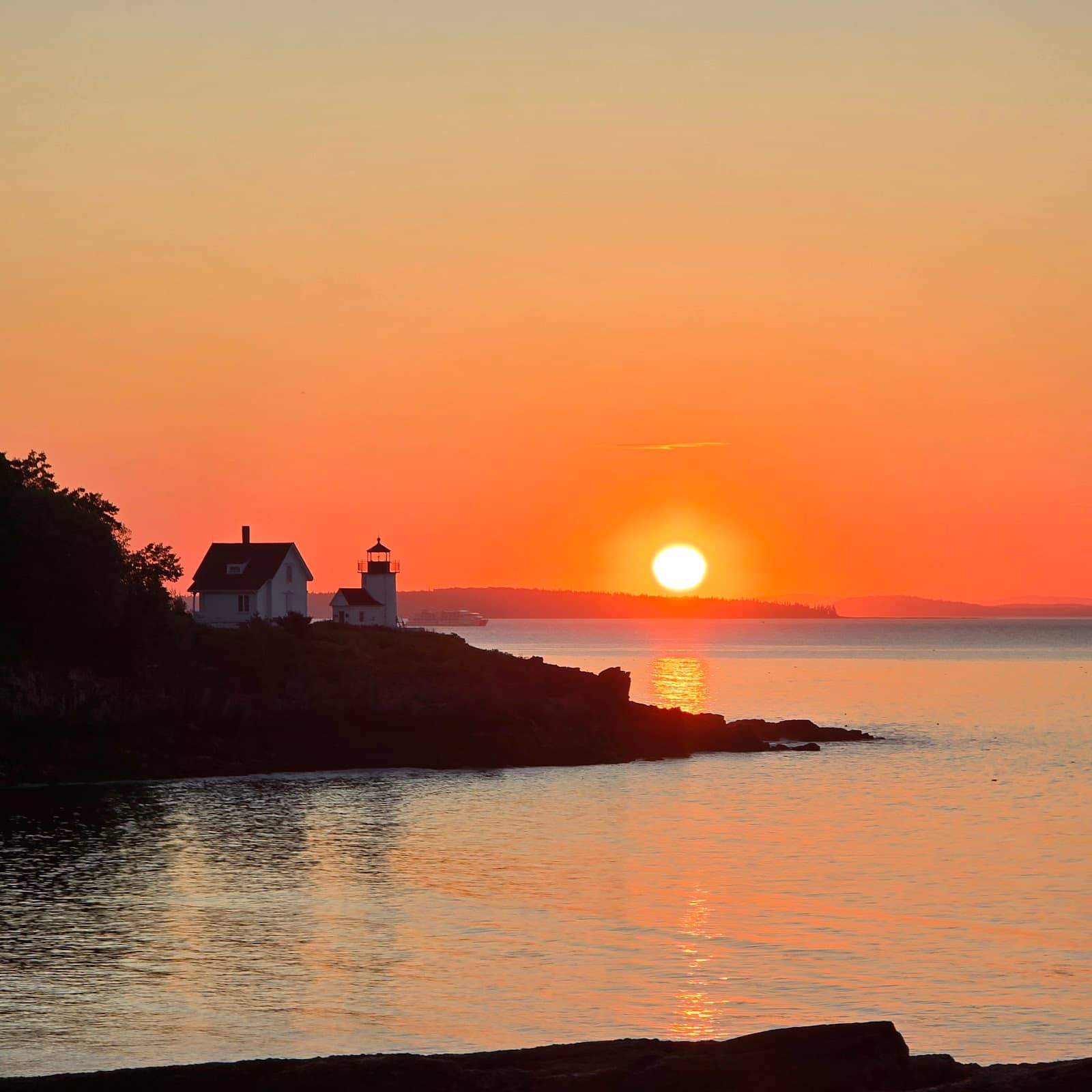
Egg Rock Lighthouse is a well-known historic site in Bar Harbor and the Acadia area, but you can't visit it on foot because it sits on an island. The best way to see it is from a boat tour, either a lobster tour or a whale watch. Lobster tours will take you closer for better photos, while whale watches tend to point it out from a greater distance.
In early summer, visitors often spot seals and seal pups lounging on the rocks near the lighthouse, adding another reason to book a tour. The scenic boat trip combines wildlife viewing with the lighthouse history.
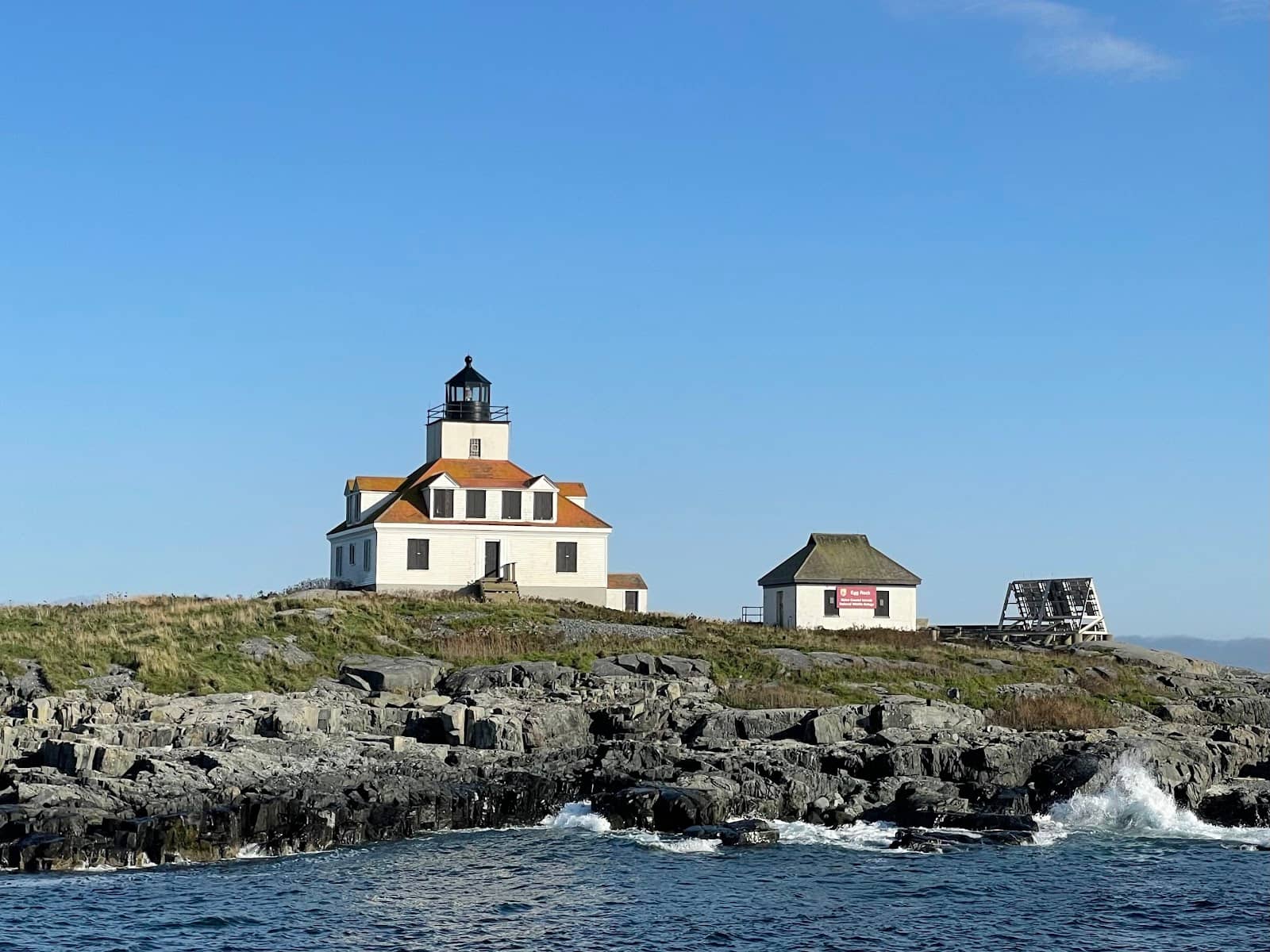
Located on Swans Island, this lighthouse is one of the few you can actually step inside. It opens at 11 a.m. for tours, which take about 10 to 15 minutes. Island residents and volunteers have done careful restoration work and maintain a museum inside the keeper's house. A gift shop sells items from local artists and accepts credit cards. Bathrooms are available on-site.
Getting to the lighthouse requires a ferry to the island and a vehicle or bike, since it's over 4 miles from the ferry landing. Plan your timing so you don't rush through the tour. Maine Open Lighthouse Day is a particularly good time to visit.
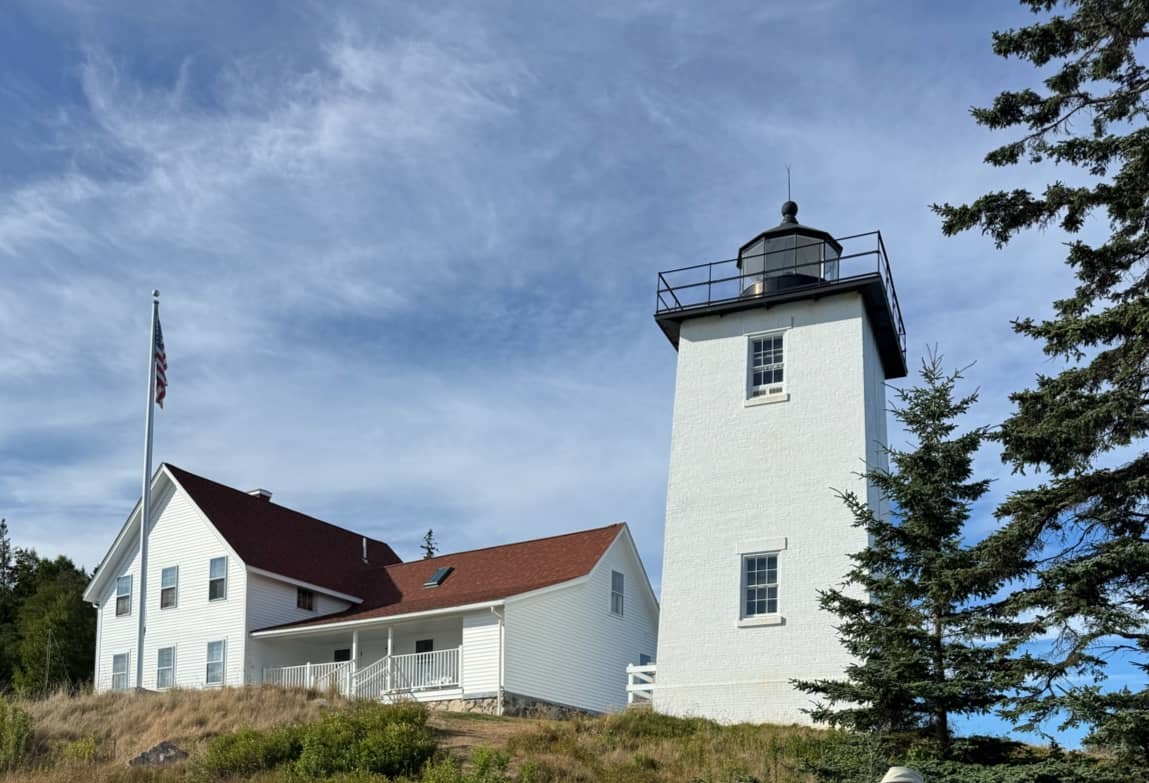
This brick lighthouse built in 1856 sits on Mark Island (also known as Mark's Island Light) and guards the entrance to Winter Harbor. You can view and photograph it from the west side of the Schoodic Loop Road, which is part of the mainland section of Acadia National Park. The setting is historically rich, and the views of the lighthouse across the water are striking.
Access by boat is possible but not always straightforward. Most visitors view it from the loop road or from boat tours in the area. The Schoodic Peninsula location makes it an easy addition to an Acadia visit.
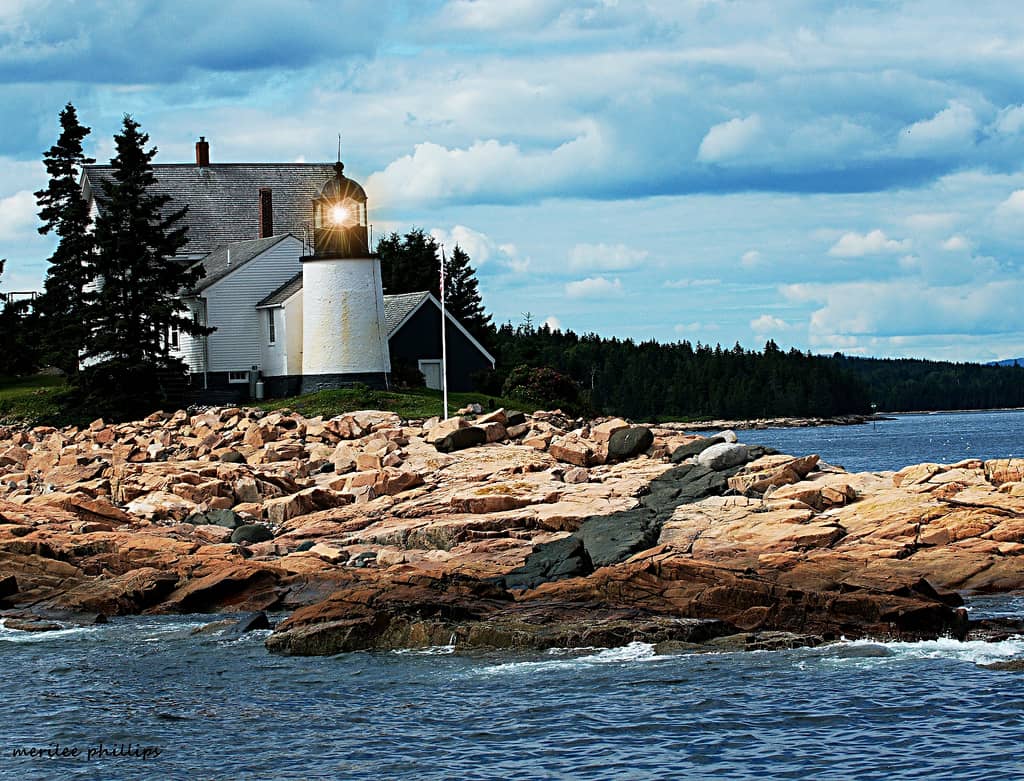
Baker Island Lighthouse is accessible via Islesford and is most often visited as part of a boat tour or excursion in the Acadia region. The lighthouse and its setting draw praise from visitors who make the journey, though getting there requires planning a boat trip rather than a simple drive-by.
If you're already exploring the islands around Mount Desert Island, Baker Island is worth adding to your itinerary.
Tools
All 40 visitable Maine lighthouses ordered by review volume, with the parking lots and viewpoint parks separated out.
Month by month for Acadia: measured sea temperature, computed daylight, the fly season and the foliage window on one axis.
Guides



Destinations
Downeast & Acadia
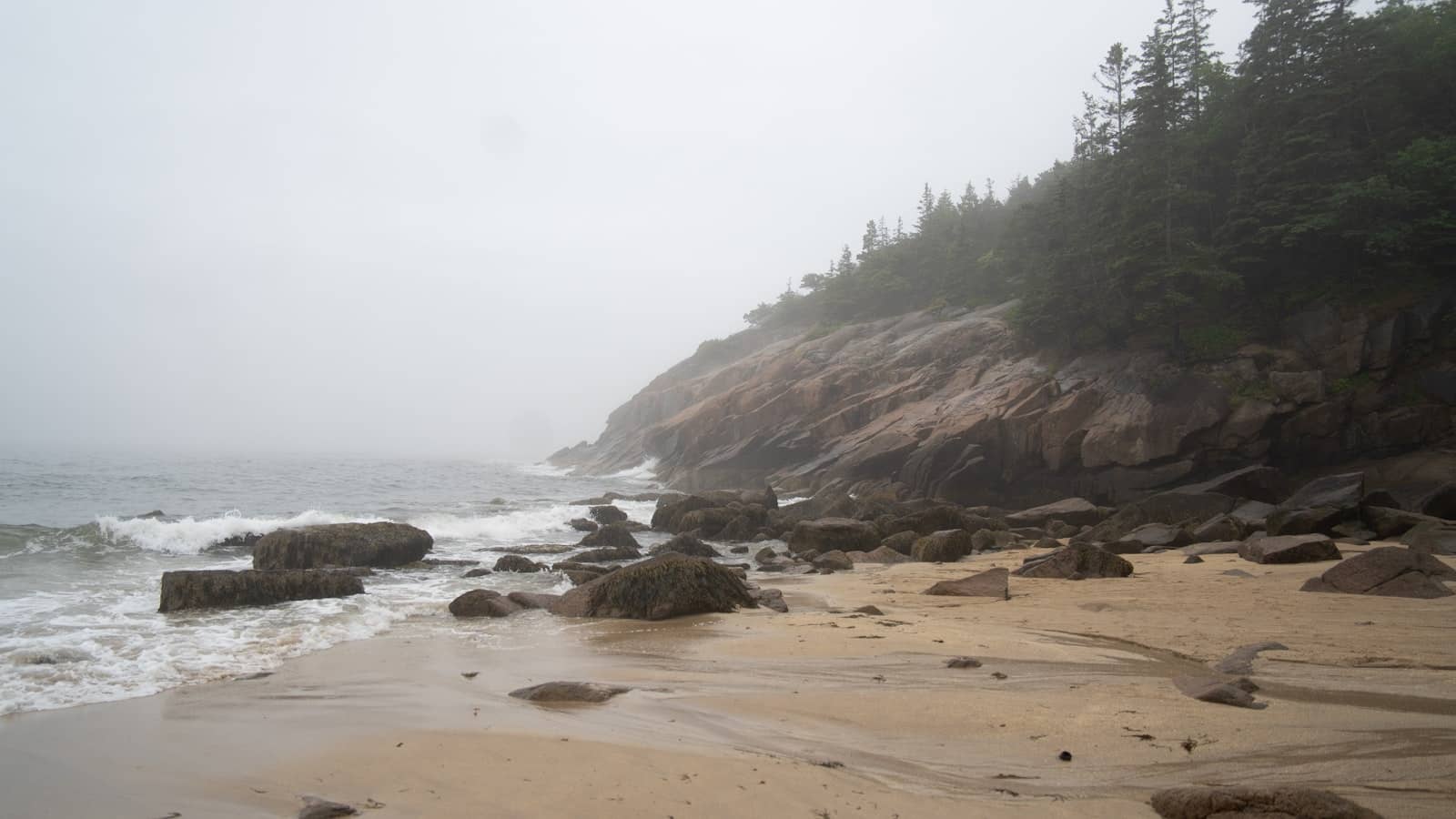
Gateway to Acadia National Park - Cadillac Mountain, puffin cruises, and a harbor town that fills with cruise ships from May to October.
Southern Maine Coast
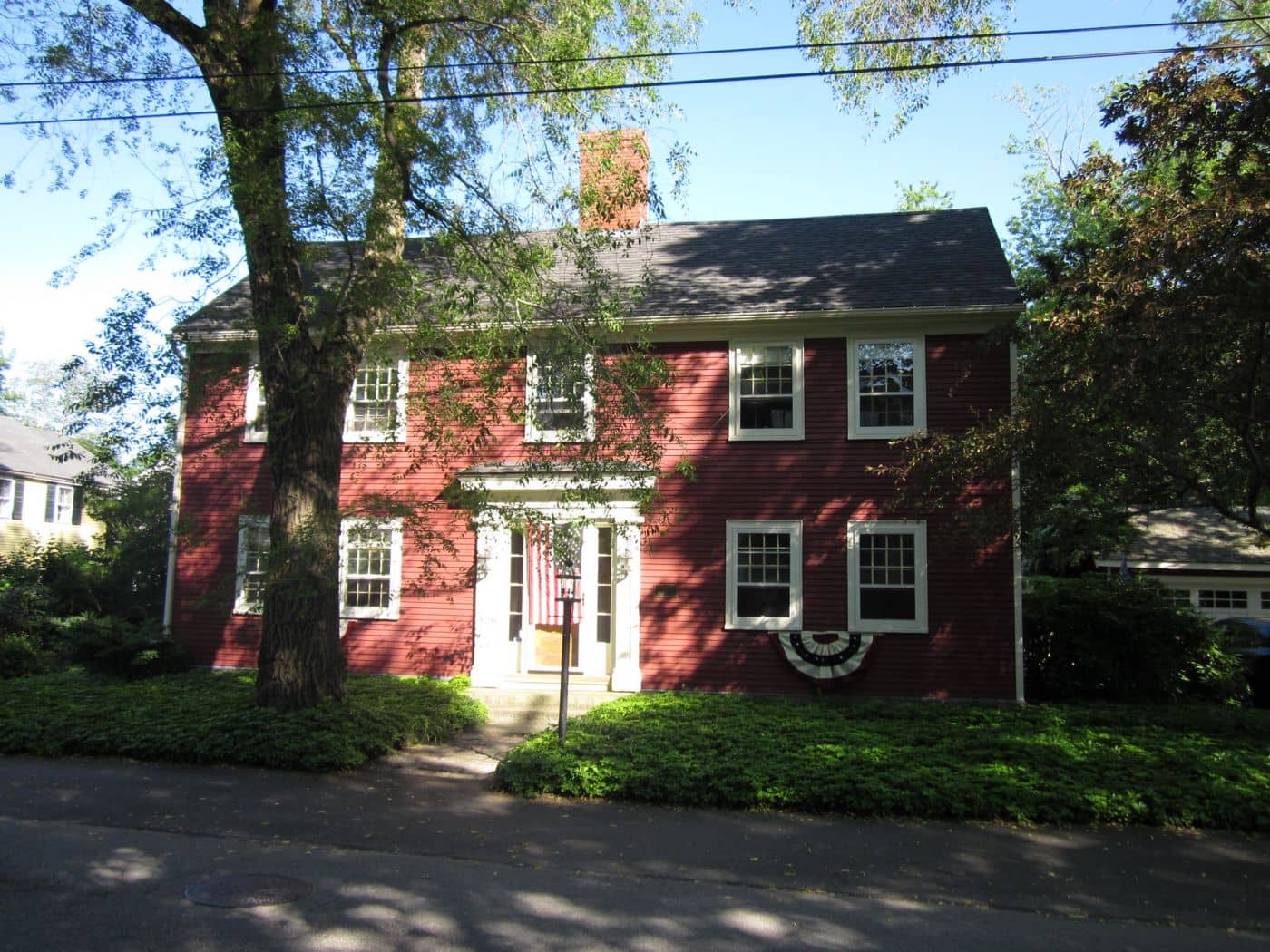
Dock Square boutiques, Goose Rocks Beach, and the Bush family's Walker's Point - the quintessential coastal Maine summer town.
Greater Portland
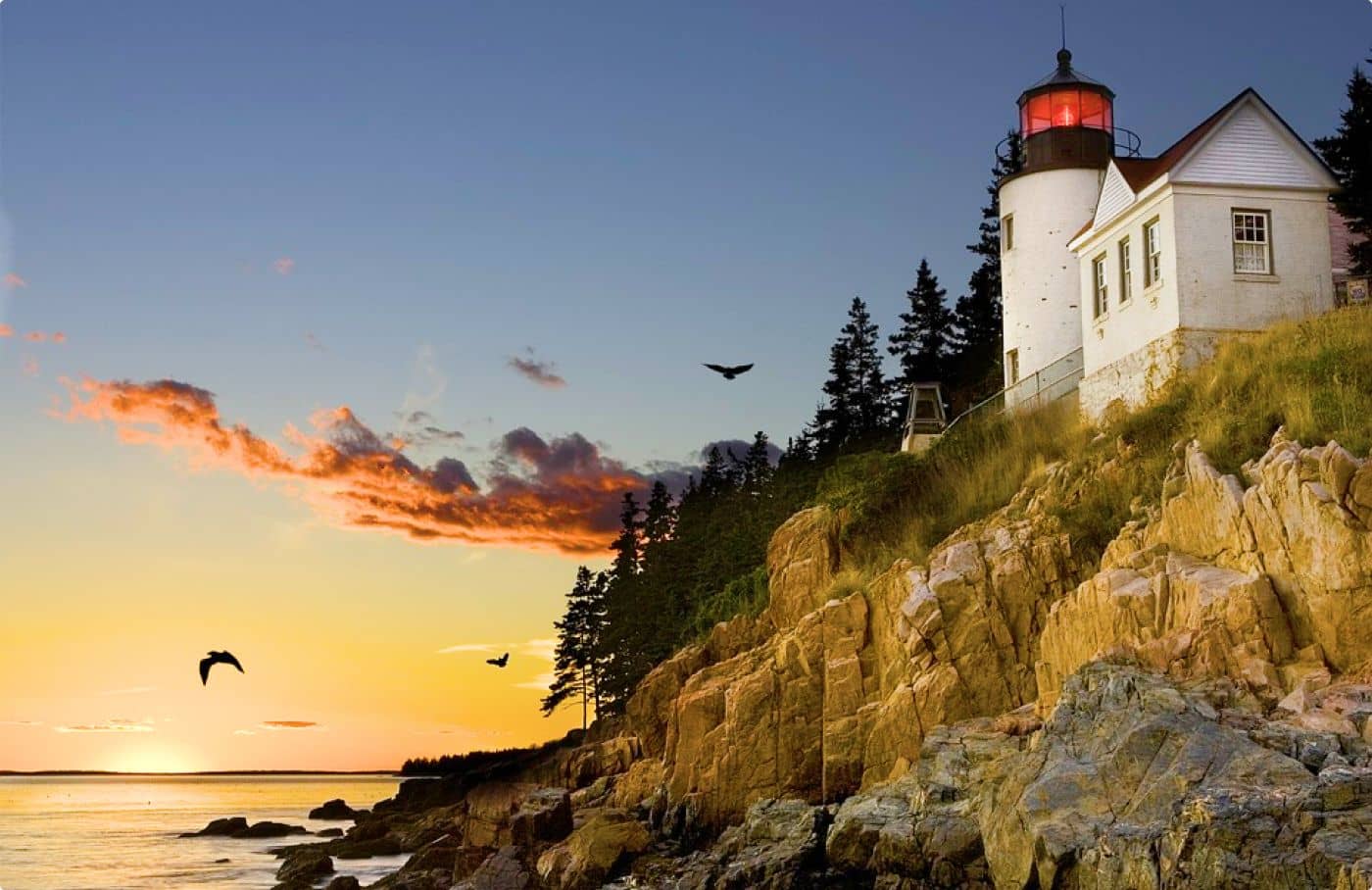
Maine's largest city - a working waterfront, Old Port cobblestones, and a food scene that punches well above its weight.
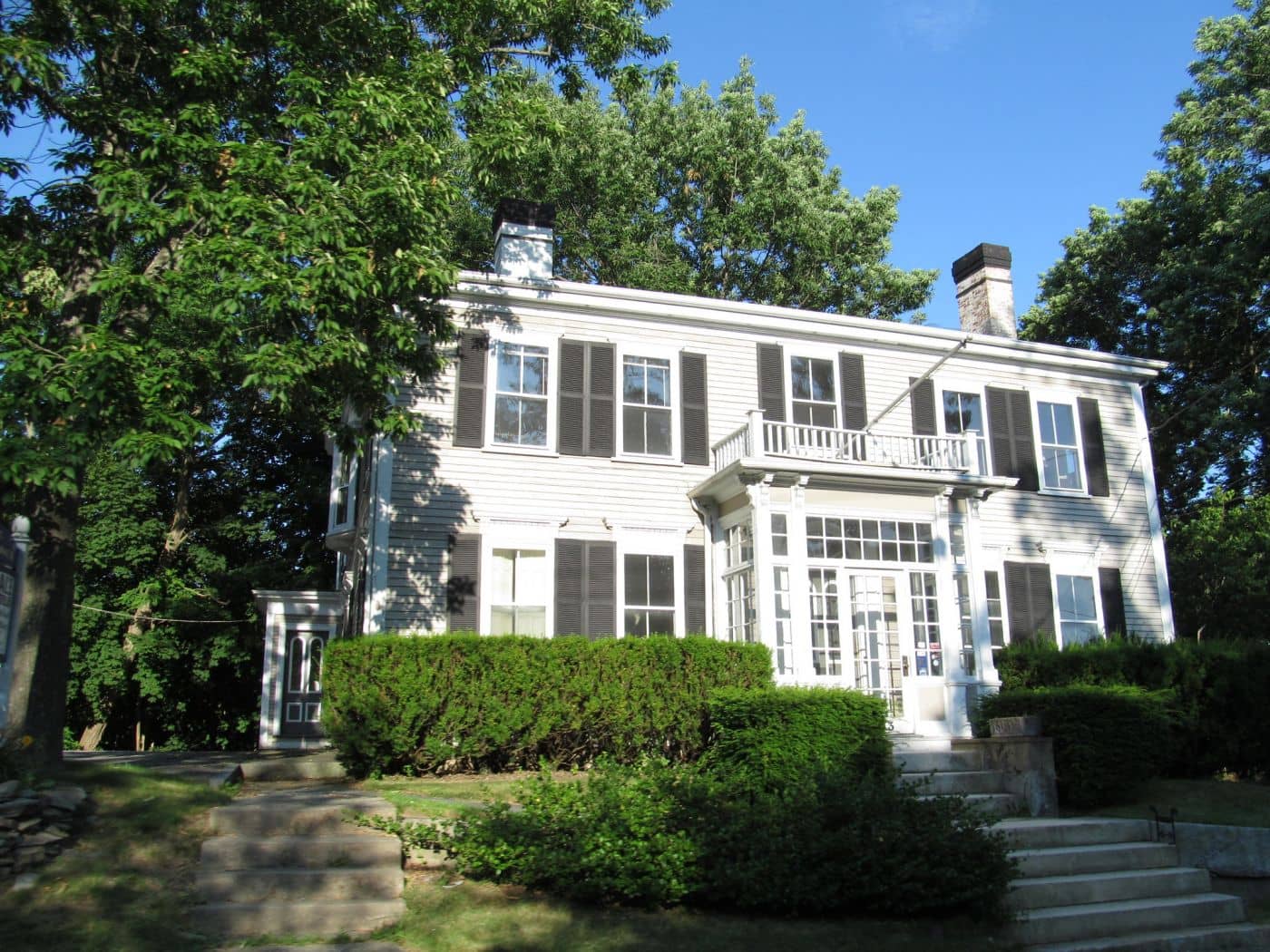
Midcoast Islands
Shipbuilding heart of Maine since 1743 - Bath Iron Works still launches destroyers past the Maine Maritime Museum on the Kennebec.
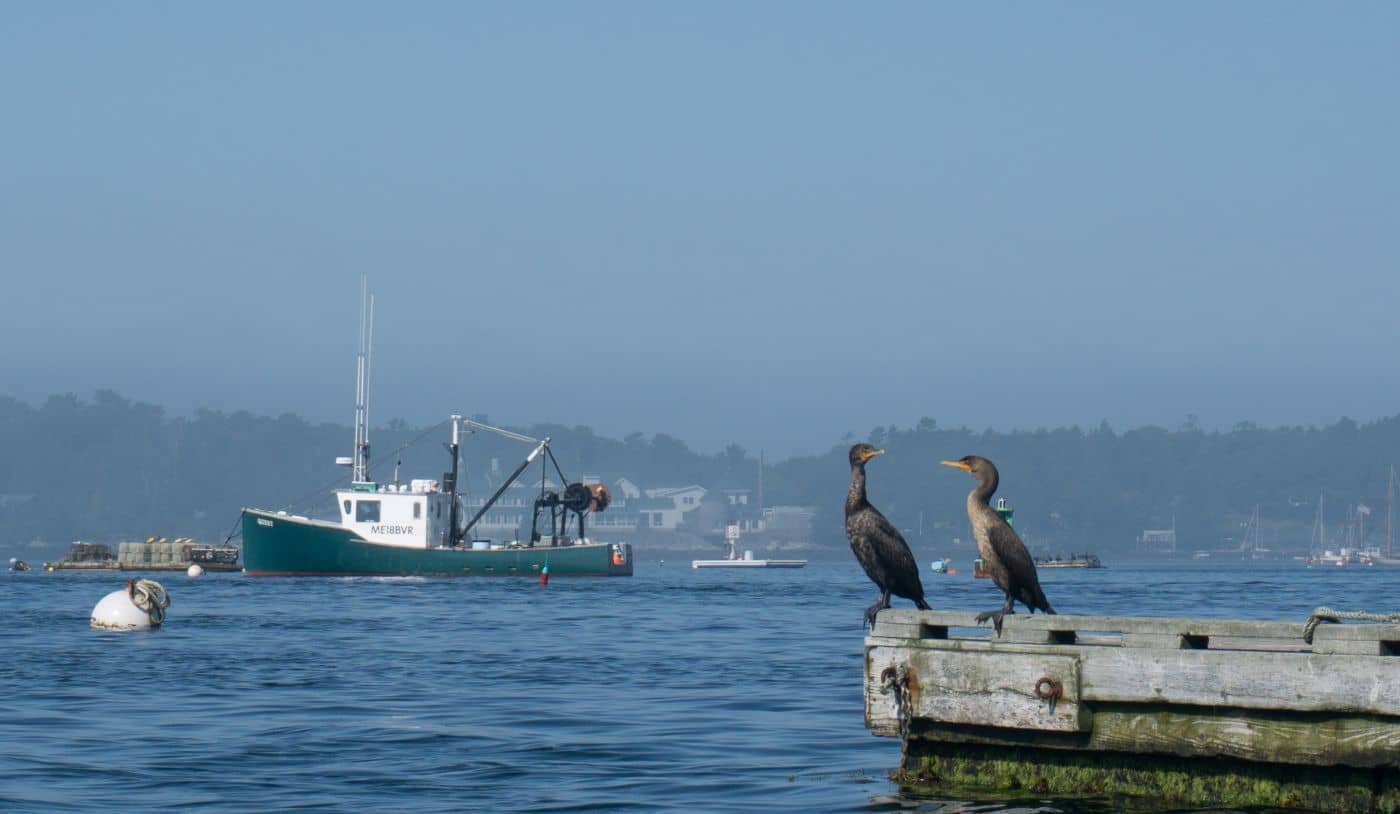
Midcoast Islands
A Midcoast harbor town built around boat trips, with the Coastal Maine Botanical Gardens just up the road.
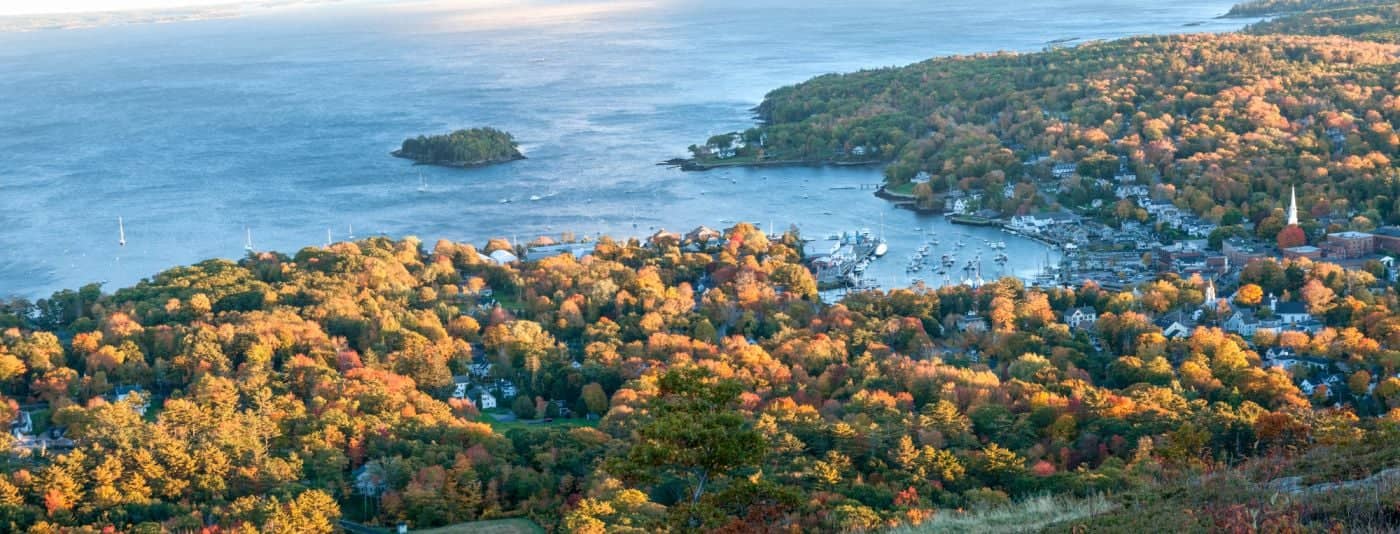
Midcoast Islands
Where the mountains meet the sea - windjammer harbor, Mount Battie summit views, and an independent village with real soul.
Greater Portland
Flagship home of L.L. Bean, open 24/7 - outlets, a tidal river, and surprisingly good eating between the shopping.
Southern Maine Coast
Postcard-perfect village of sea captains' mansions, Lower Village shops, and easy walks to Mother's Beach and Gooch's Beach.