
1
Wells
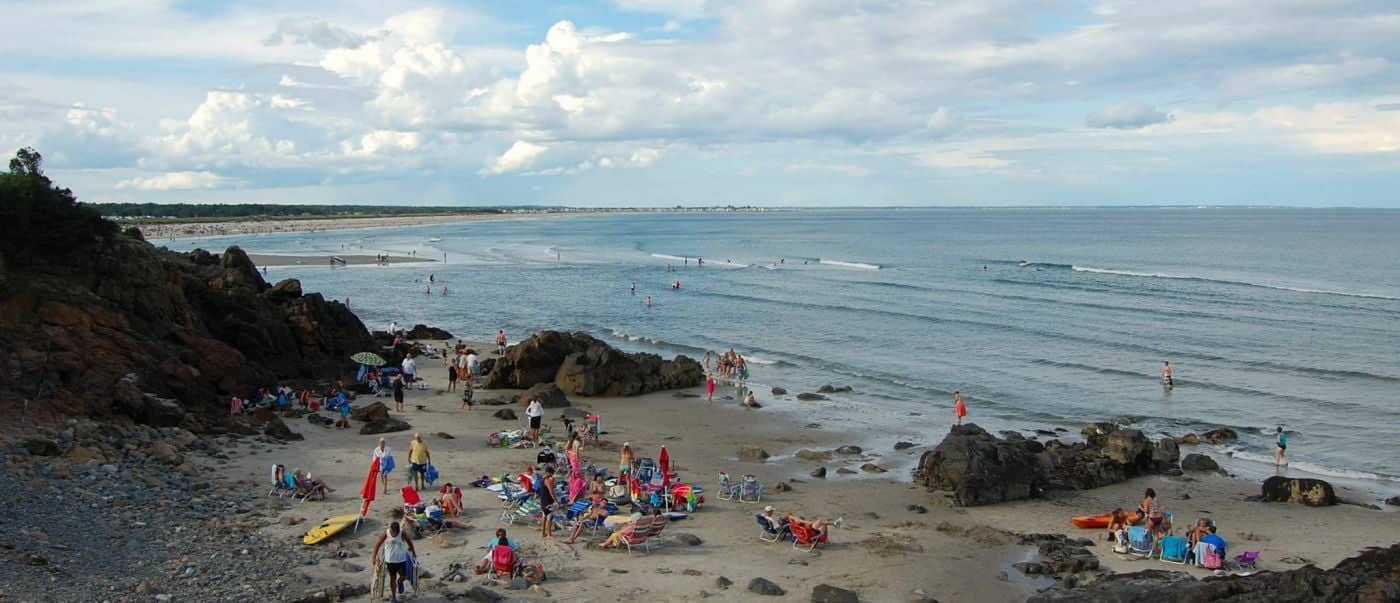
See main listingSeven miles of beach, a protected estuarine reserve, and the southern coast's densest run of seafood shacks.
Details

Guide
Wells Reserve at Laudholm in Maine offers estuary and woodland trails, with nearby protected land adding barrens and other habitats around Wells.
The Wells Reserve at Laudholm is the best walk in southern Maine that most visitors never hear about: a preserved saltwater farm at the head of an estuary, with trails running down through fields and pine woods to a beach you can only reach on foot. It carries 4.8 from 347 reviews, and it is a fundamentally different day out from the town's beaches.
Two things at once, which is why it confuses people. It is a nineteenth-century farm (Laudholm) with its barn, farmhouse and outbuildings preserved and used as a visitor center and gallery. And it is the field station for a National Estuarine Research Reserve, one of a national network of protected estuaries used for long-term coastal science. The trails you walk are the same ground the monitoring runs on.
That dual identity shows up in our places data as two separate entries at the same address: Wells Reserve at Laudholm (4.8 from 347 reviews) and Wells National Estuarine Research Reserve (4.8 from 308 reviews), both at 342 Laudholm Farm Rd. They are the same place. The identical 4.8 across two independent samples of roughly three hundred people each is about as consistent a verdict as this dataset produces.
From the farm buildings the trail network drops through hay fields, crosses into pine and mixed woods, and comes out on a boardwalk over the salt marsh where the Little River meets the sea. Keep going and you reach the shore: roughly a mile from the visitor center, which is far enough that the beach at the end of it is emptier on an August afternoon than any lot-served beach in town.
The loops interconnect, so you can make the walk anything from a twenty-minute turn around the fields to a couple of hours. The estuary overlooks are the point: this is one of the few places on the southern Maine coast where you see the whole system at once (upland, marsh, barrier beach, ocean) rather than just the sand at the end of it.
Practical structure: the Reserve charges admission during its main season and is free outside it, the gate closes at a set hour rather than at dusk, and the visitor center keeps shorter hours than the grounds. Current fees, hours and the trail map are on the Reserve's own site; do not plan a late-afternoon arrival without checking, because the parking area is inside the gate.
The Little River estuary is a working stopover on the Atlantic migration route, and the marsh, the fields and the shrub edges each hold a different set of species. Spring and fall migration are the two windows worth planning around; midsummer is quieter for birds and busier for everything else.
The beaches at the mouth of the estuary are also piping plover and least tern nesting habitat. In nesting season sections of shoreline get fenced and posted across this whole stretch of coast, including the town beaches, which is worth knowing before you set off with a plan to walk from Laudholm Beach down to Drakes Island, because in June and July that walk may not be open.
The other major protected land here, and a different beast: not one site but a chain of eleven divisions strung along fifty miles of coast, protecting salt marsh from Kittery up to Cape Elizabeth. Our data has it at 4.7 from 2,011 reviews (by far the largest sample of any preserve in the area) through its Kennebunk-side entry at 188 Brown St.
The piece most people mean is the refuge headquarters on Route 9 in Wells and the interpretive loop trail that leaves from it: about a mile, flat, gravel and boardwalk, with numbered stops and marsh overlooks. It is the easiest wheelchair- and stroller-friendly marsh walk in the region, it takes forty minutes, and it is free. If the Reserve's admission or hours do not work for your day, this is the substitute.
572 Wire Rd, inland from Route 1. A pitch pine and scrub oak barrens. Sandy, open, fire-adapted ground that looks like nothing much and is in fact one of the rarer habitats in New England, holding moths and butterflies that live nowhere else in the state. There are marked trails and a small lot.
Thirteen reviews is a very small sample, so treat the 4.5 as a signal rather than a verdict. Go for the habitat and the solitude, not for a view. There isn't one.
Greenhead flies. From roughly mid-July into August, the salt marshes of southern Maine produce a biting fly that is indifferent to insect repellent, comes in numbers, and is worst on warm still days at exactly the marsh overlooks you came to stand at. The upland and woodland trails at the Reserve are largely fine; the boardwalk and the beach edge, on the wrong afternoon, are not. A sea breeze fixes it. So does going in June or September.
The second thing, less dramatic: this is not a swimming trip. The beach at the end of the Reserve trail has no lifeguard, no facilities and a long carry back to the car, and the Reserve is not a place to spend a day with a cooler and an umbrella. For that, use the town beaches. Our Wells beaches guide covers the parking and the tide, which are the two things that actually determine how that day goes.
The pattern that works: Reserve or refuge in the morning when the light is on the marsh and the flies are down, town beach in the afternoon when the tide is falling and the sand is at its widest. That sequencing also solves the parking problem, because the beach lots that are full at eleven have turnover by three.
If the weather has closed in entirely, the Reserve is still the better call. A fogbound salt marsh is genuinely worth looking at, which is not true of a fogbound beach. More on the rest of the town in things to do in Wells and on our Wells page.
Walk. The Reserve has an interconnected network of trails running from the historic farm buildings through fields and woods to boardwalks over the salt marsh and out to a beach about a mile from the visitor center. There is also a visitor center and gallery in the restored barn, and a regular program of guided walks and talks. It carries 4.8 from 347 reviews across its two listings in our data.
Yes, during its main season, and no outside it. The Reserve sets its own rates and gate hours each year and publishes them on its site. Check there rather than relying on a figure in an article, and note that the parking area sits inside a gate that closes before dusk. The Rachel Carson refuge trail on Route 9 is free year-round if you would rather not pay.
Yes. The trail system reaches the shore roughly a mile from the visitor center, and that walk is why the beach at the end of it is quiet. There are no facilities there, no lifeguards, and sections may be fenced during piping plover and least tern nesting season. It is a beach for walking and looking, not for setting up an umbrella for the day.
Late May into June, and September into October. Those windows catch spring and fall bird migration, avoid the worst of the greenhead flies that come off the salt marsh from mid-July into August, and sit either side of the peak beach-town crowds. Early morning is better than midday in any month, for the light on the marsh and for the wildlife.
Seven miles of beach, a protected estuarine reserve, and the southern coast's densest run of seafood shacks.
This 5,000 acre refuge sits just outside Kennebunk and protects the salt marshes and estuaries that migratory birds depend on. It's been here since 1966. You'll find a visitor center and the Carson Trail, a one-mile loop with 11 interpretive stops along the way that explains what you're seeing. The path is flat and easy, with some boardwalk sections, so it's accessible for most fitness levels. Fall is particularly nice for a visit, though the trail stays relatively clear even in winter when the landscape takes on a quiet beauty. One recent visitor completed the full loop in under an hour.
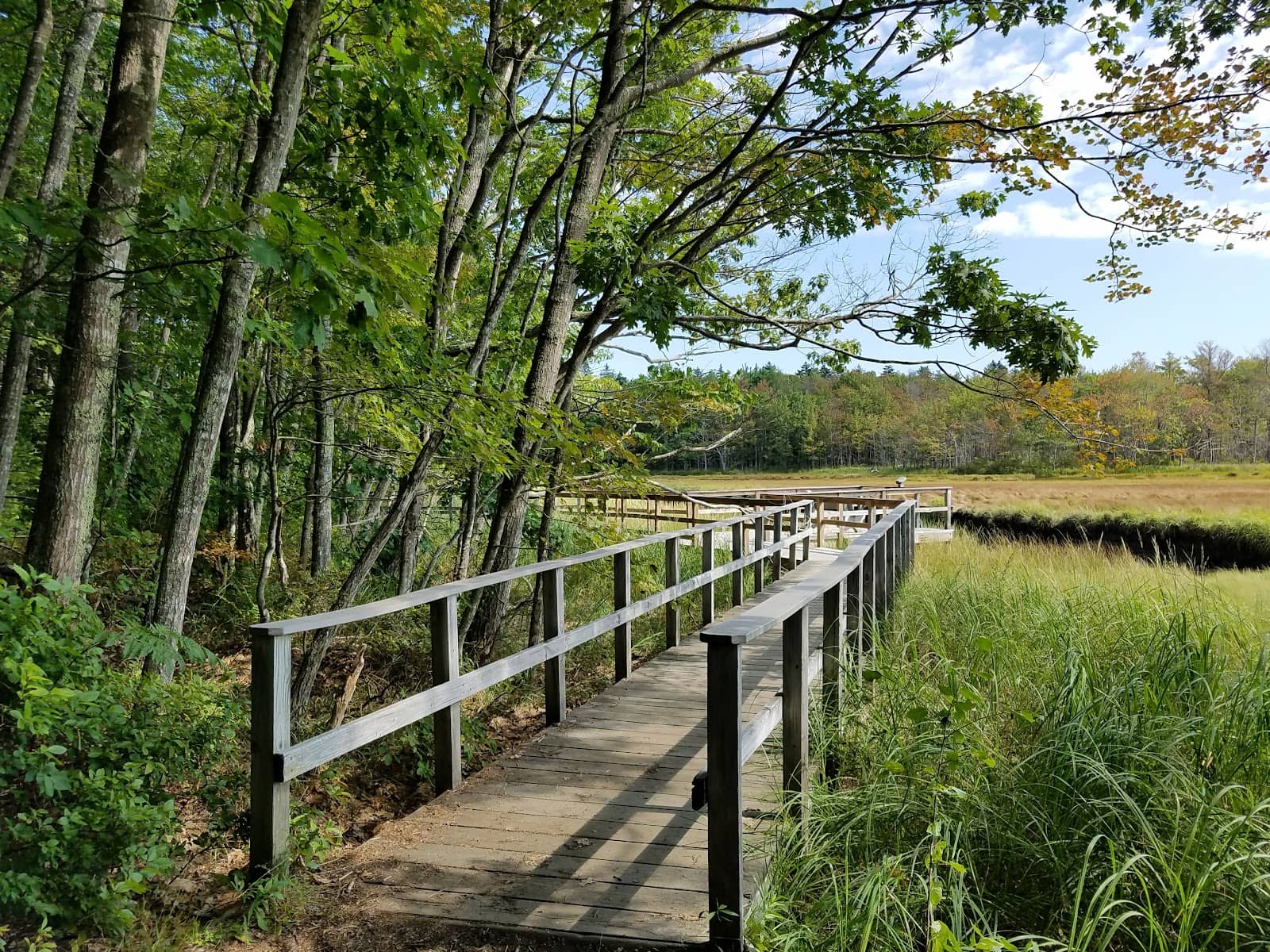
At 680 feet, Mount Agamenticus isn't the tallest peak in Maine, but the views are genuinely panoramic. You get ocean to the east and the White Mountains to the north from the top. The trails here range from a gentle gravel loop at the base to more serious ascents involving rock scrambles, so you can pick your own adventure. If hiking the whole network from Hill A through Hill C sounds like three hours well spent, go for it. Or drive to the summit for a picnic if you'd rather skip the elevation gain. There's a visitor center at the base with restroom facilities. Download the Park Mobile app before you go to handle parking.
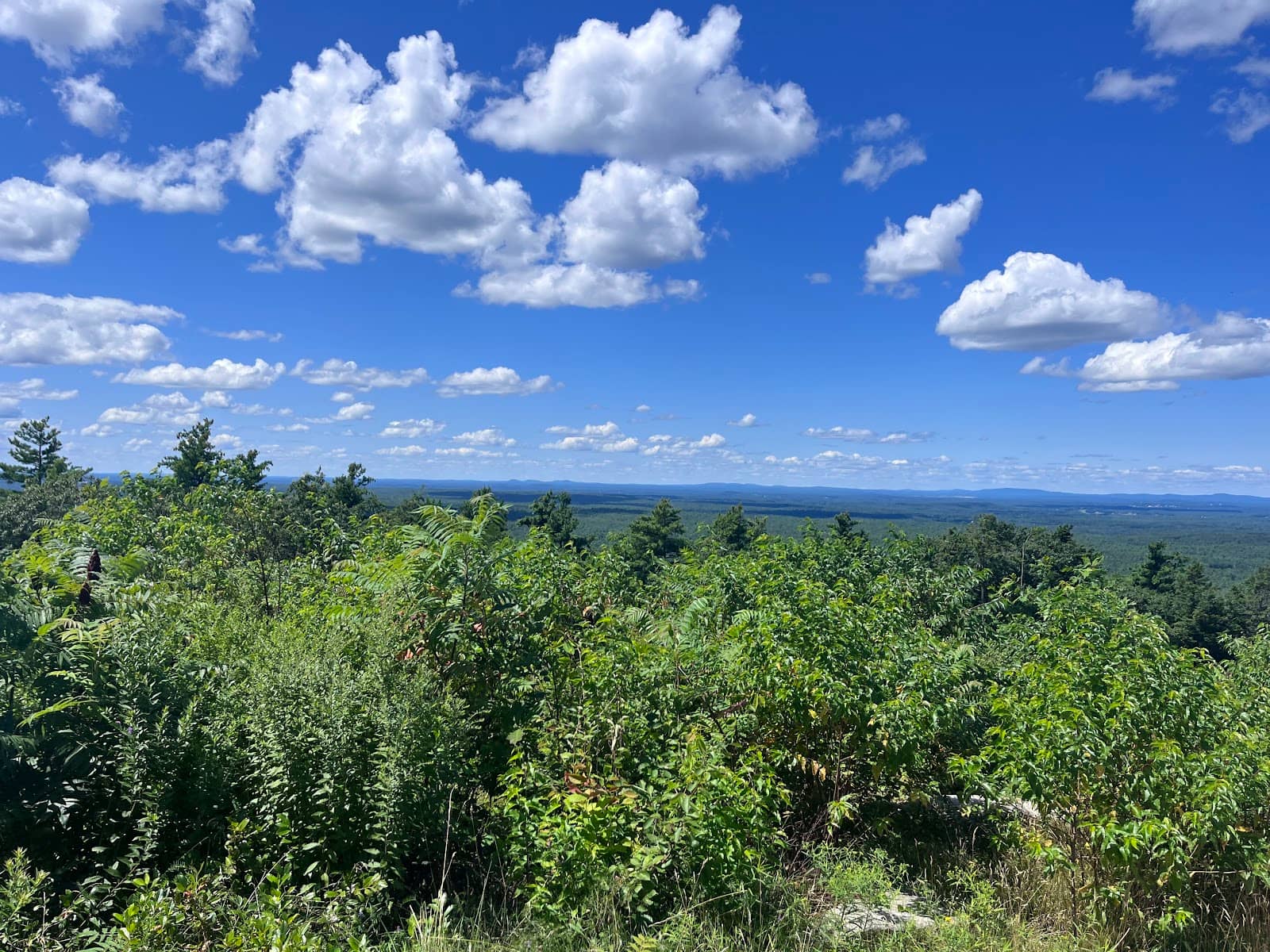
This small oceanfront park lives up to its name when waves crash into the rock formation and send spray into the air. The view stretches across the peninsula and out to sea, and it's the kind of place that makes you understand why some people fall in love with the Maine coast. Parking is tight (about six spots), so visit during off-peak hours if you can. You'll need to walk down from Ocean Avenue to see the cave, and it's a quick stop, but worth it if you're in the area. One visitor called it one of the most breathtaking places imaginable.

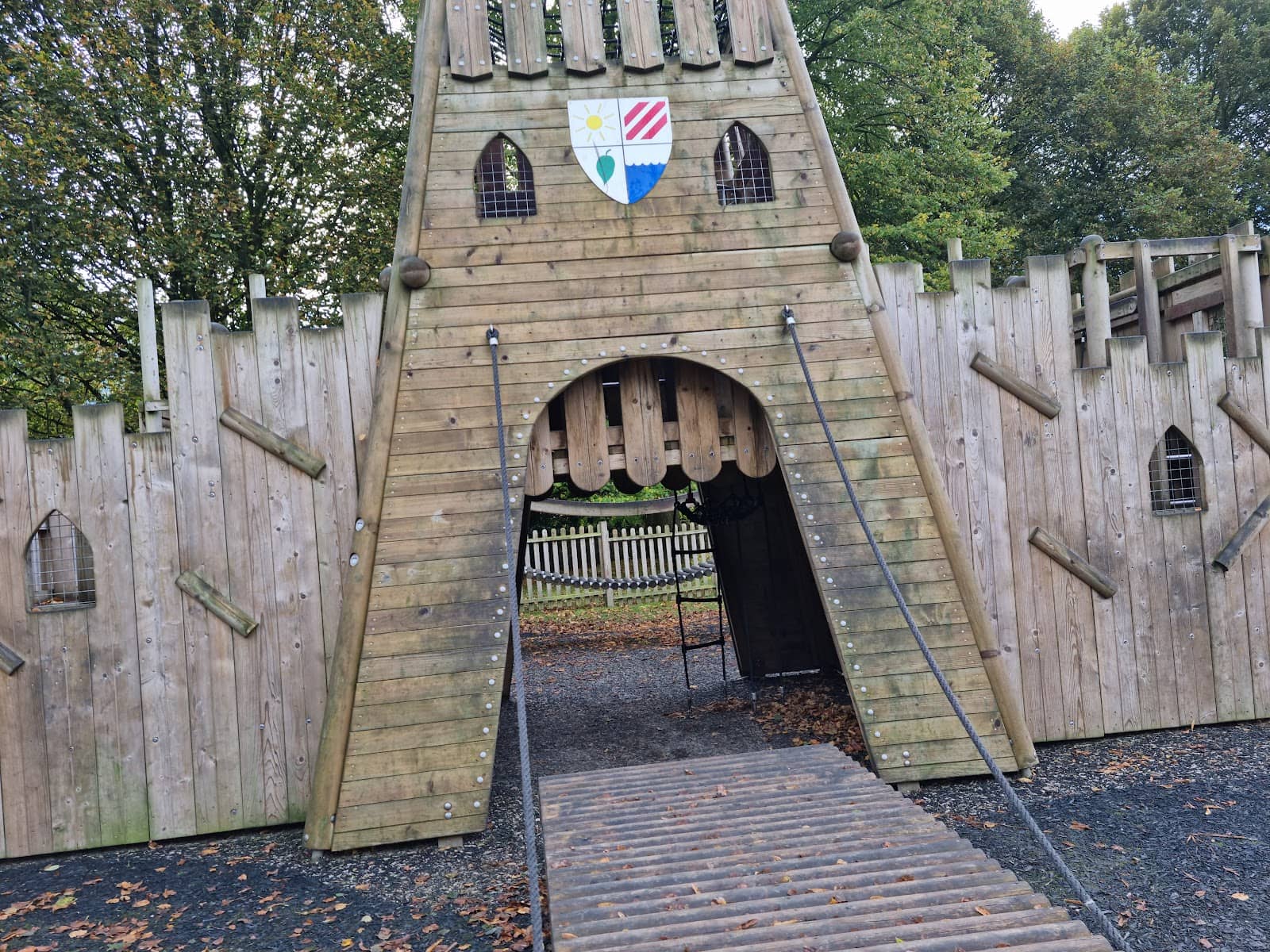
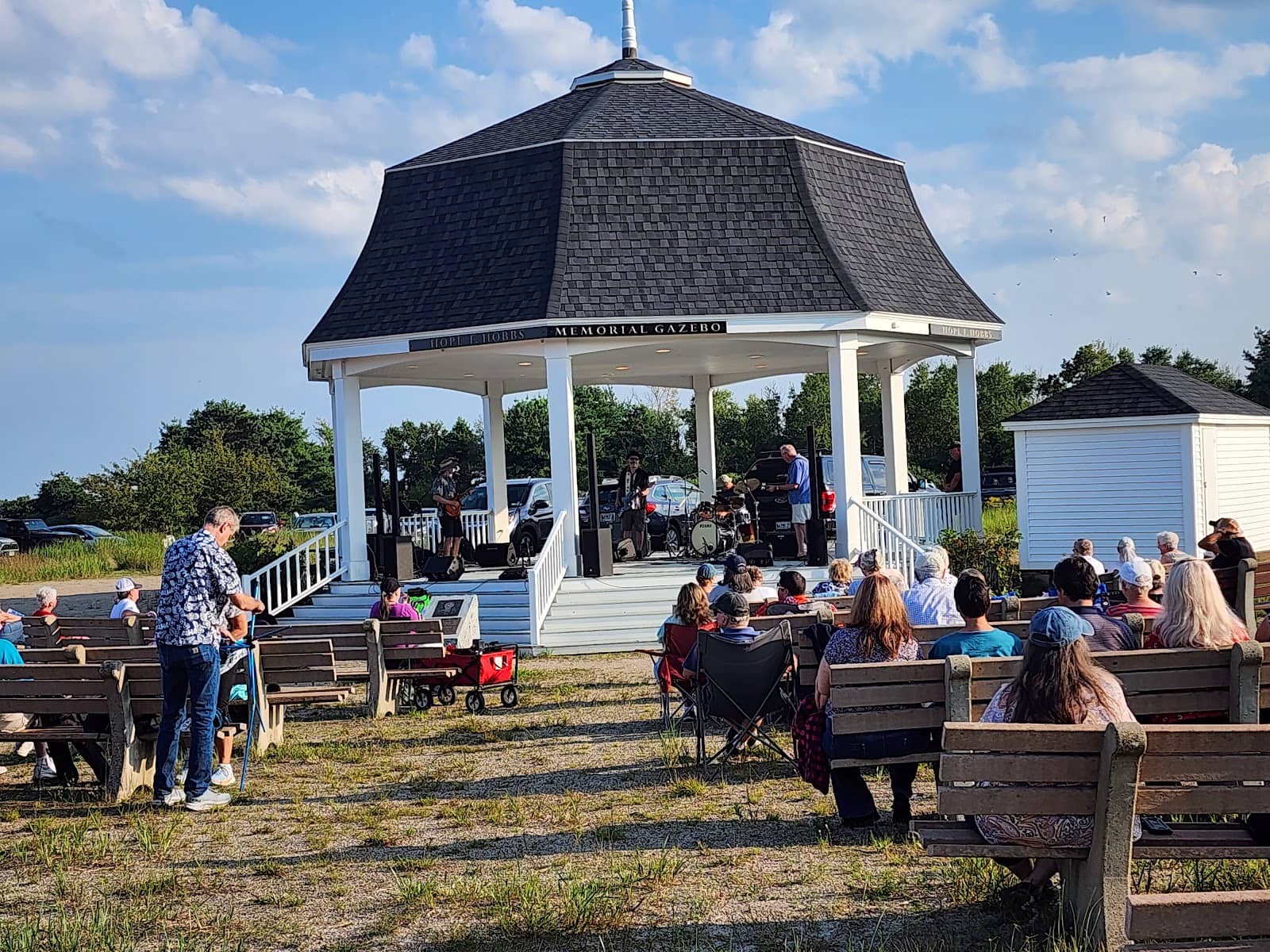
This is less of a wild nature preserve and more of a community gathering spot in the heart of Wells. There's a playground with swings and climbing structures (including a castle feature kids love), plenty of open grass for picnicking or relaxing, and a nice mix of sunny spots and shade. You'll find public restrooms and a bandstand on site. It's a good place to let kids burn off energy, spread out a blanket, and enjoy a low-key afternoon without worrying about tricky terrain.
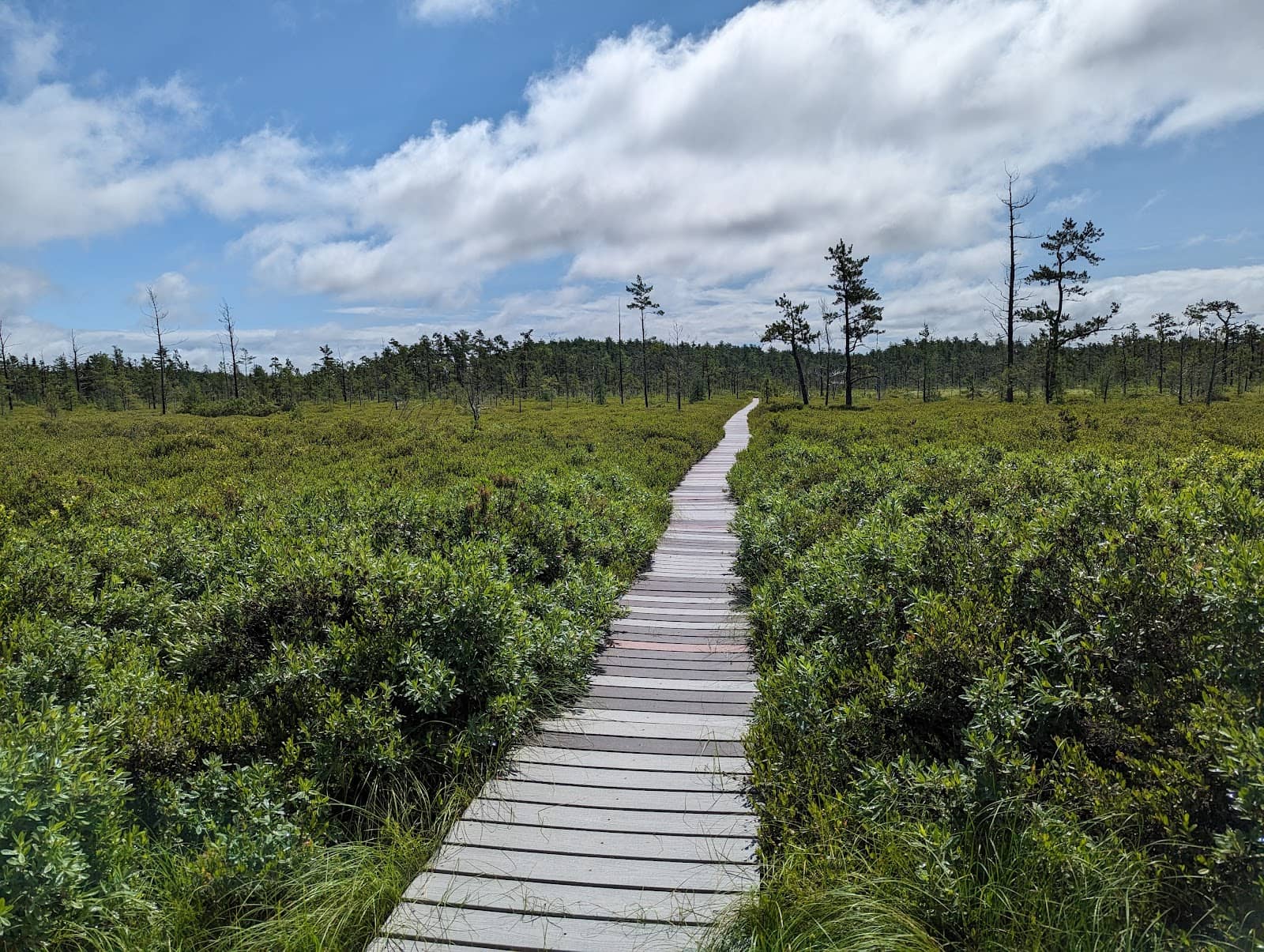
This is a unique walk through a rare ecosystem. A boardwalk carries you through terrain that feels almost otherworldly, with interpretive signs explaining what you're seeing. The landscape is very sunny, so pick a day that suits you. One visitor described the experience as dreamlike, and wildlife watchers will spot lots of dragonflies. The boardwalk is narrow in places, which adds to the intimacy of the experience. Benches let you stop and take it in. Sunday afternoons can get crowded, so arrive early if you're visiting on a weekend.
This 1,600 acre conservation center sits on a historic farm and gives you access to trails through woodlands, wetlands, and fields. It's a genuinely peaceful place to escape to, with plenty of birds and wildlife. The reserve offers guided field trips, workshops, and educational programs year-round if you want expert interpretation. You can also just wander on your own and enjoy the views and sea breezes. The reserve is open every day and doubles as a venue for weddings and special events, so the grounds are well maintained.

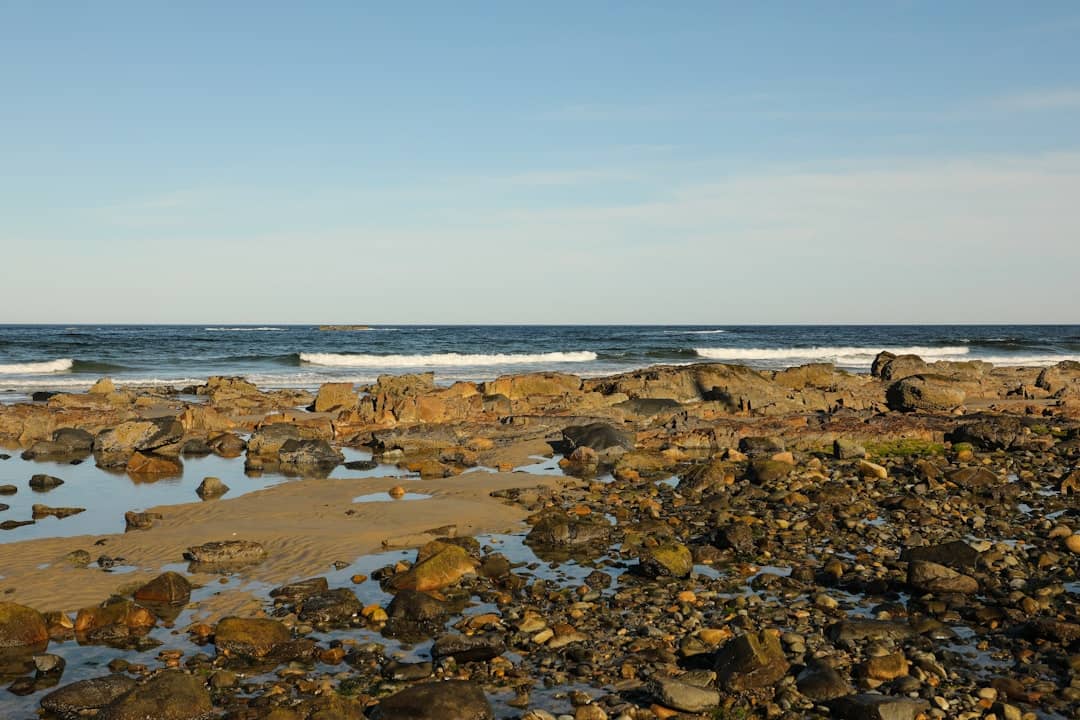
Located at the same address as Wells Reserve at Laudholm, this preserve focuses on the estuary system and includes a beach walk (small and rocky but interesting) and multiple trail options through woodlands and meadows. A one-mile hike from the parking lot gets you to the beach, or you can explore longer trails through meadows where butterflies and bees are abundant. Visitors say there's no place quite like it in southern Maine. The reserve runs educational workshops on a range of topics if you want to learn more. Visit off season if you prefer fewer crowds.
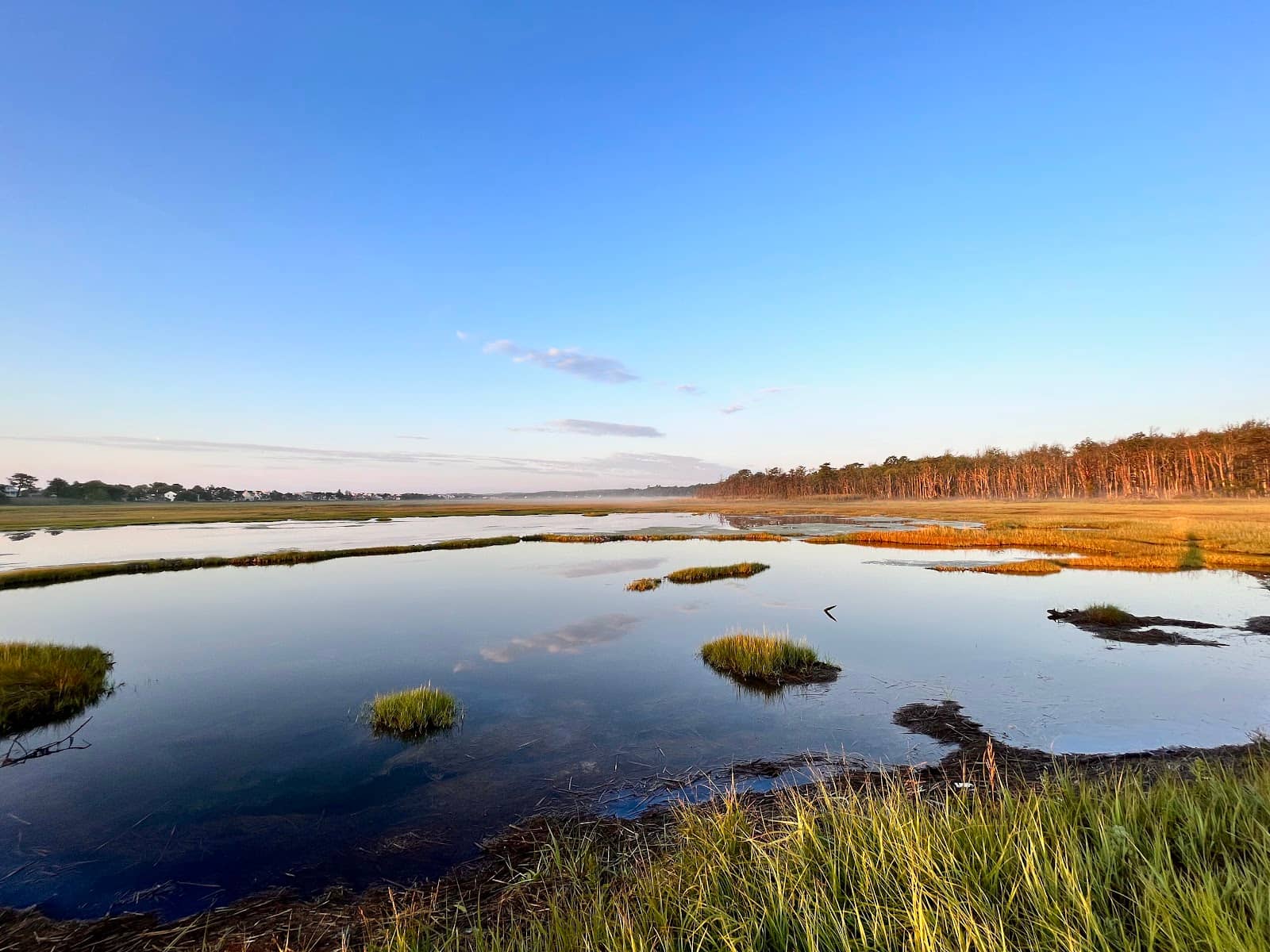
This is a friendly, well-maintained park right on the harbor. You get a dog and kid-friendly beach on the marsh, a small boardwalk, a good playground, charcoal grills, covered picnic areas, and open space for just sitting and watching the boats go by. The playground is always clean and the staff keeps things in order. Parking is usually ample. It's an easy spot for a casual afternoon with family or dogs, and locals note that the people who use it are incredibly friendly.
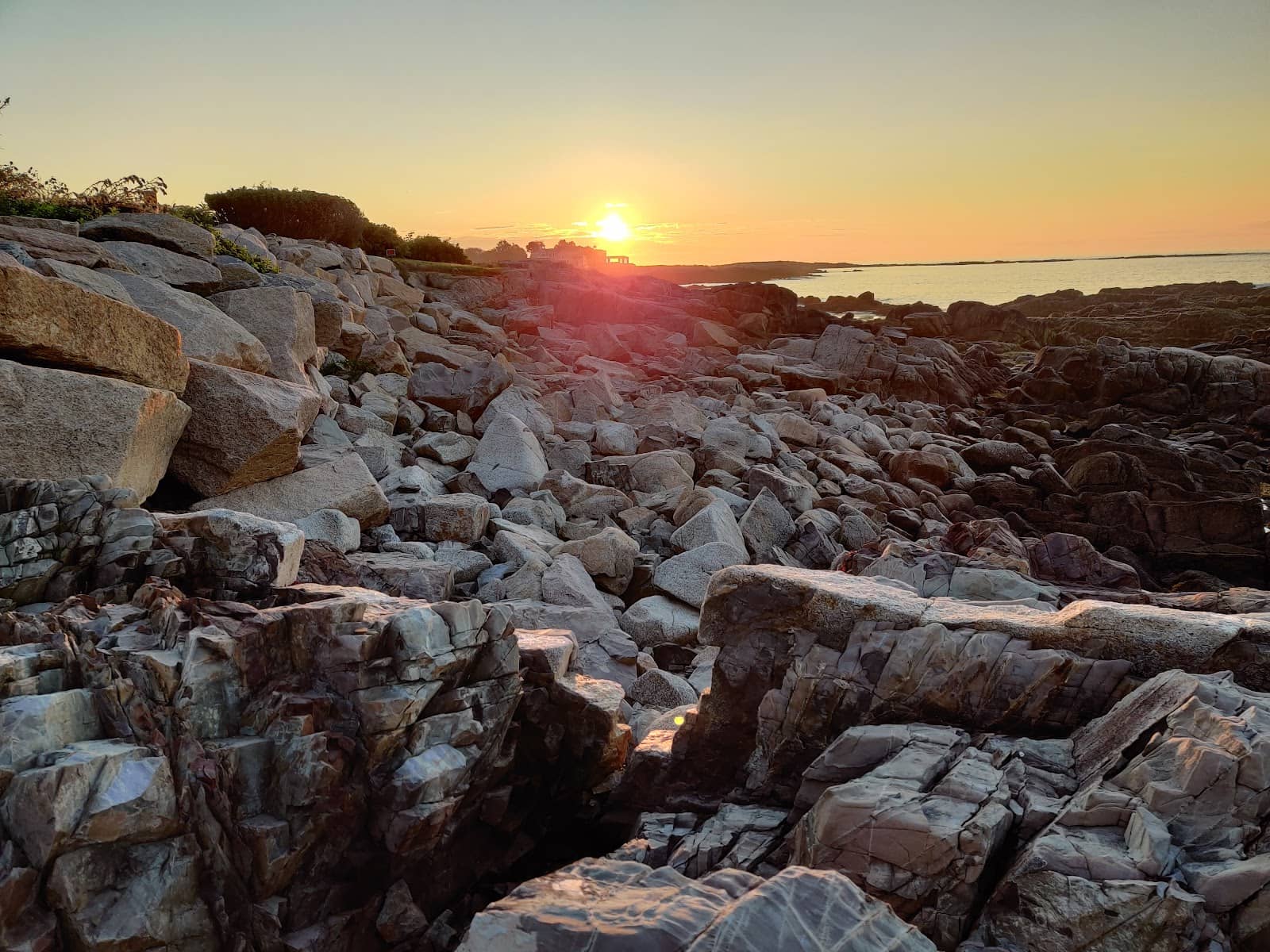
Don't let the name fool you. This park sits near the Bush Compound on the coast and offers fantastic views even from the small parking lot. There's a small beach area and trail access on both sides of the road (check the other side if you don't see the trail right away). It's underrated compared to some of the bigger preserves nearby, but the scenery makes it worth a stop. Winter or spring, spring or fall, the views hold up. The park can get busy, so go early if you want a quieter experience.
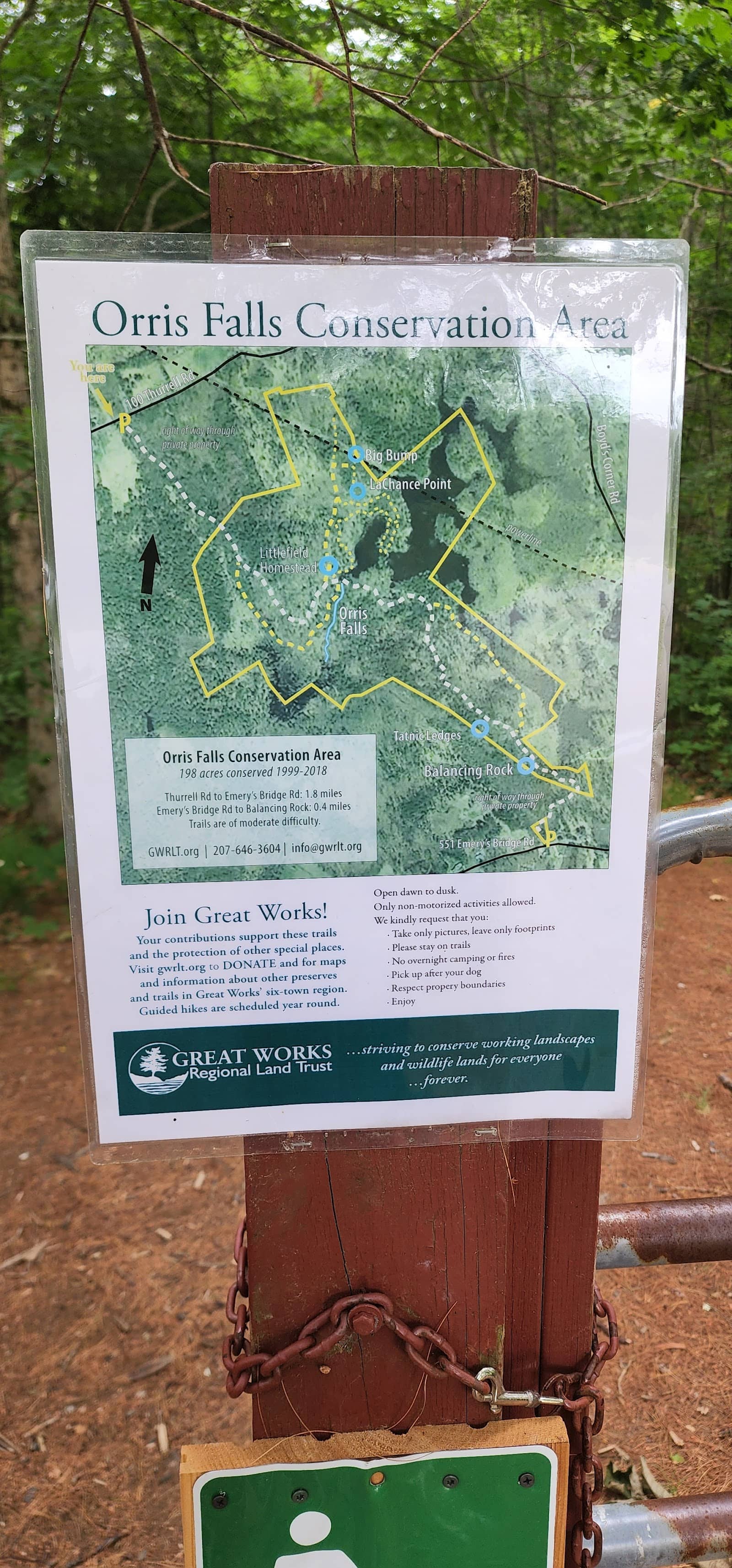
This hiking area near South Berwick offers some of the best-marked trails in the region. The main trail is well signed and leads to a scenic waterfall (though flow varies by season). You'll find benches along the way to rest and take in the views. Side trails branch off, so you can get turned around if you're not careful, but that's part of the fun for some visitors. Parking is limited at the main trailhead (room for one or two cars), though other entrances with more parking exist nearby. It's an easy hike that stays cooler in the woods than nearby beach areas, making it a nice alternative on warm days.
Guides



Destinations

Downeast & Acadia
Gateway to Acadia National Park - Cadillac Mountain, puffin cruises, and a harbor town that fills with cruise ships from May to October.
Southern Maine Coast
Dock Square boutiques, Goose Rocks Beach, and the Bush family's Walker's Point - the quintessential coastal Maine summer town.

Greater Portland
Maine's largest city - a working waterfront, Old Port cobblestones, and a food scene that punches well above its weight.
Midcoast Islands
Shipbuilding heart of Maine since 1743 - Bath Iron Works still launches destroyers past the Maine Maritime Museum on the Kennebec.

Midcoast Islands
A Midcoast harbor town built around boat trips, with the Coastal Maine Botanical Gardens just up the road.
Midcoast Islands
Where the mountains meet the sea - windjammer harbor, Mount Battie summit views, and an independent village with real soul.

Greater Portland
Flagship home of L.L. Bean, open 24/7 - outlets, a tidal river, and surprisingly good eating between the shopping.

Southern Maine Coast
Postcard-perfect village of sea captains' mansions, Lower Village shops, and easy walks to Mother's Beach and Gooch's Beach.