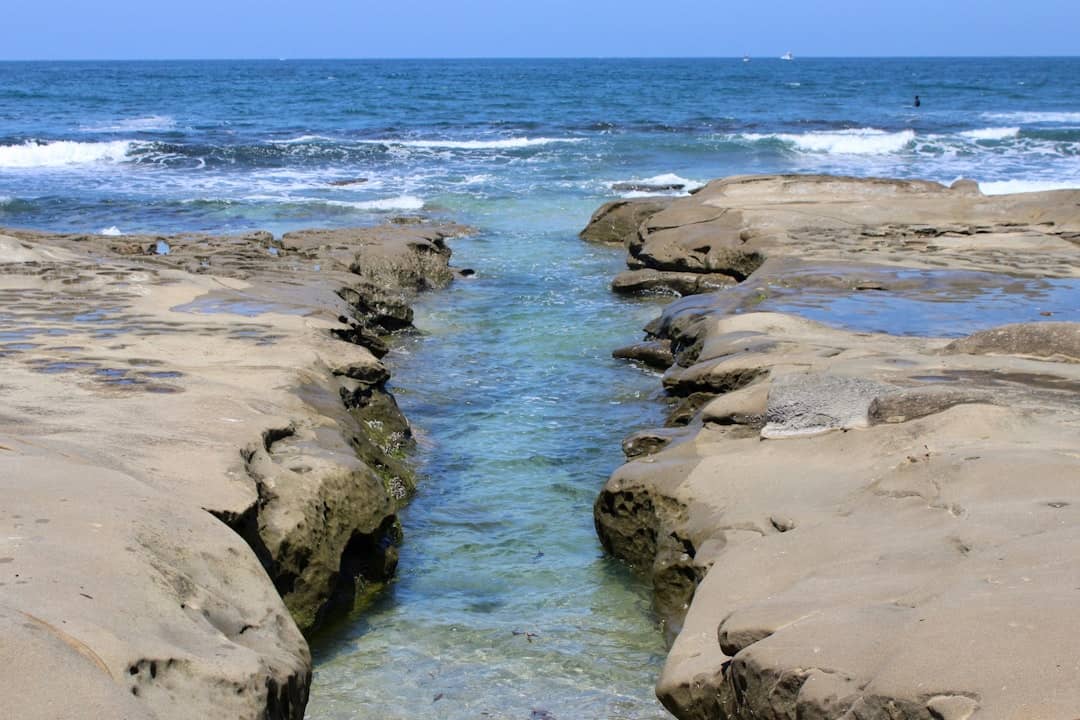
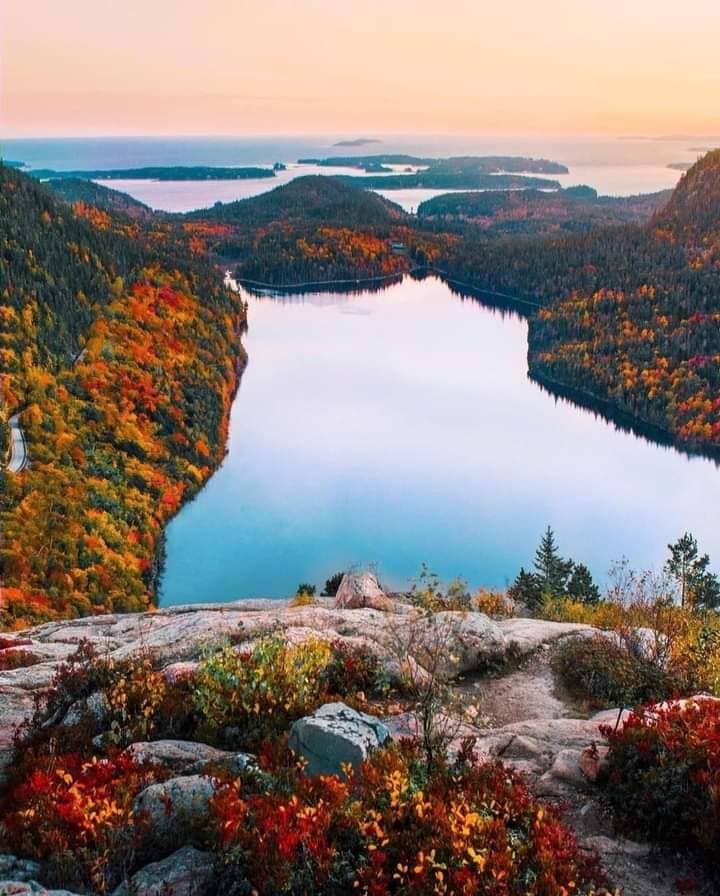
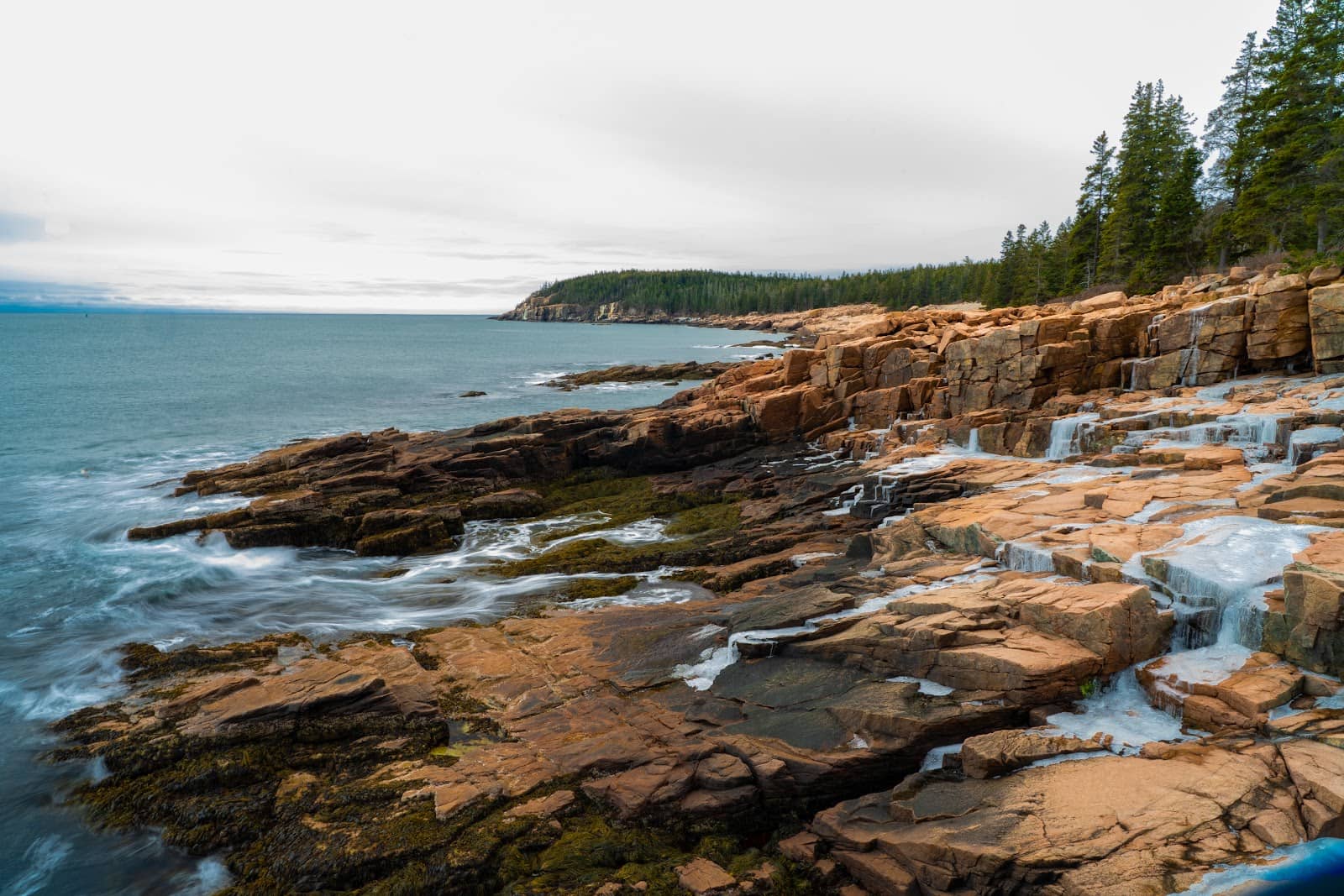
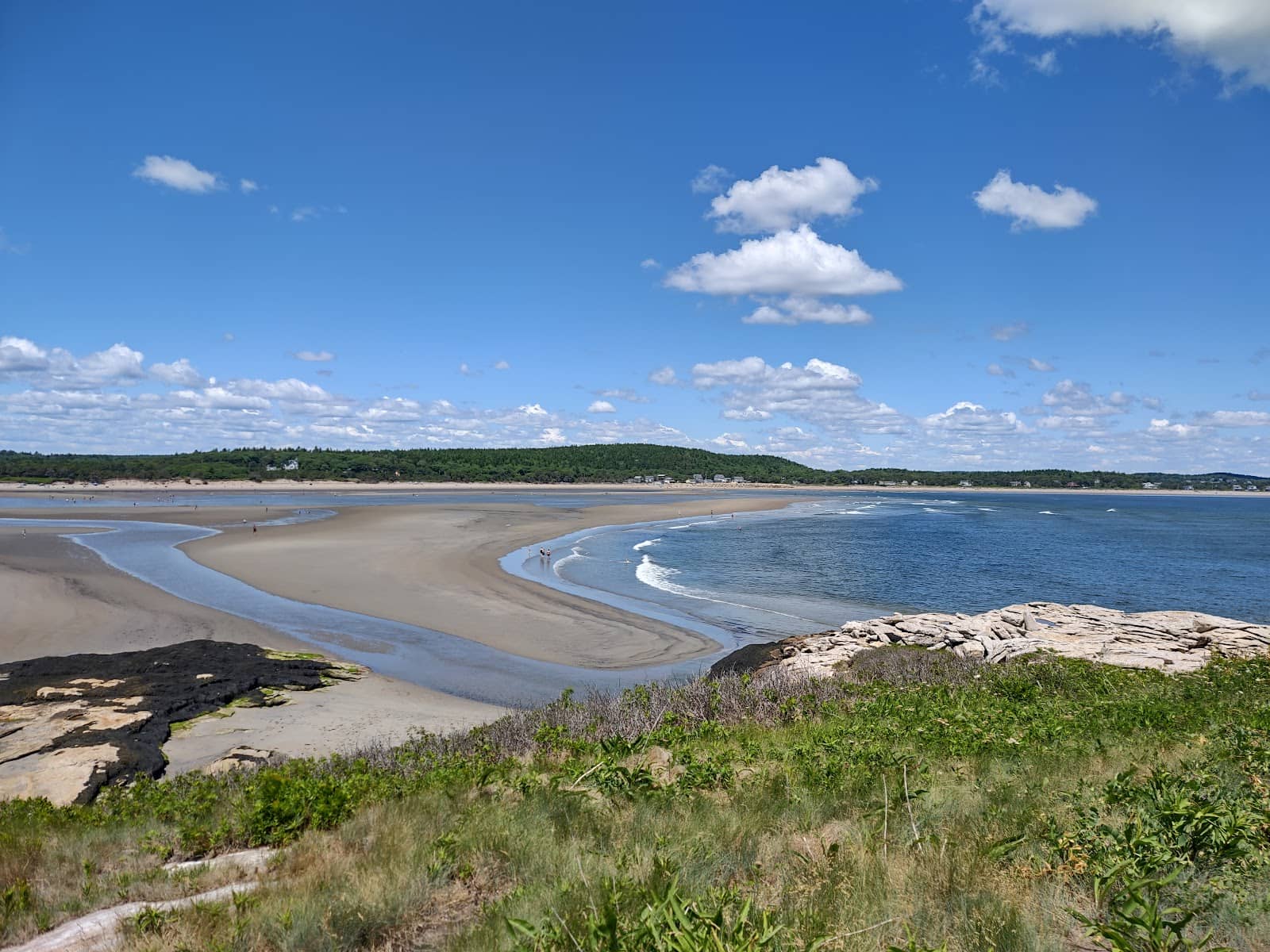
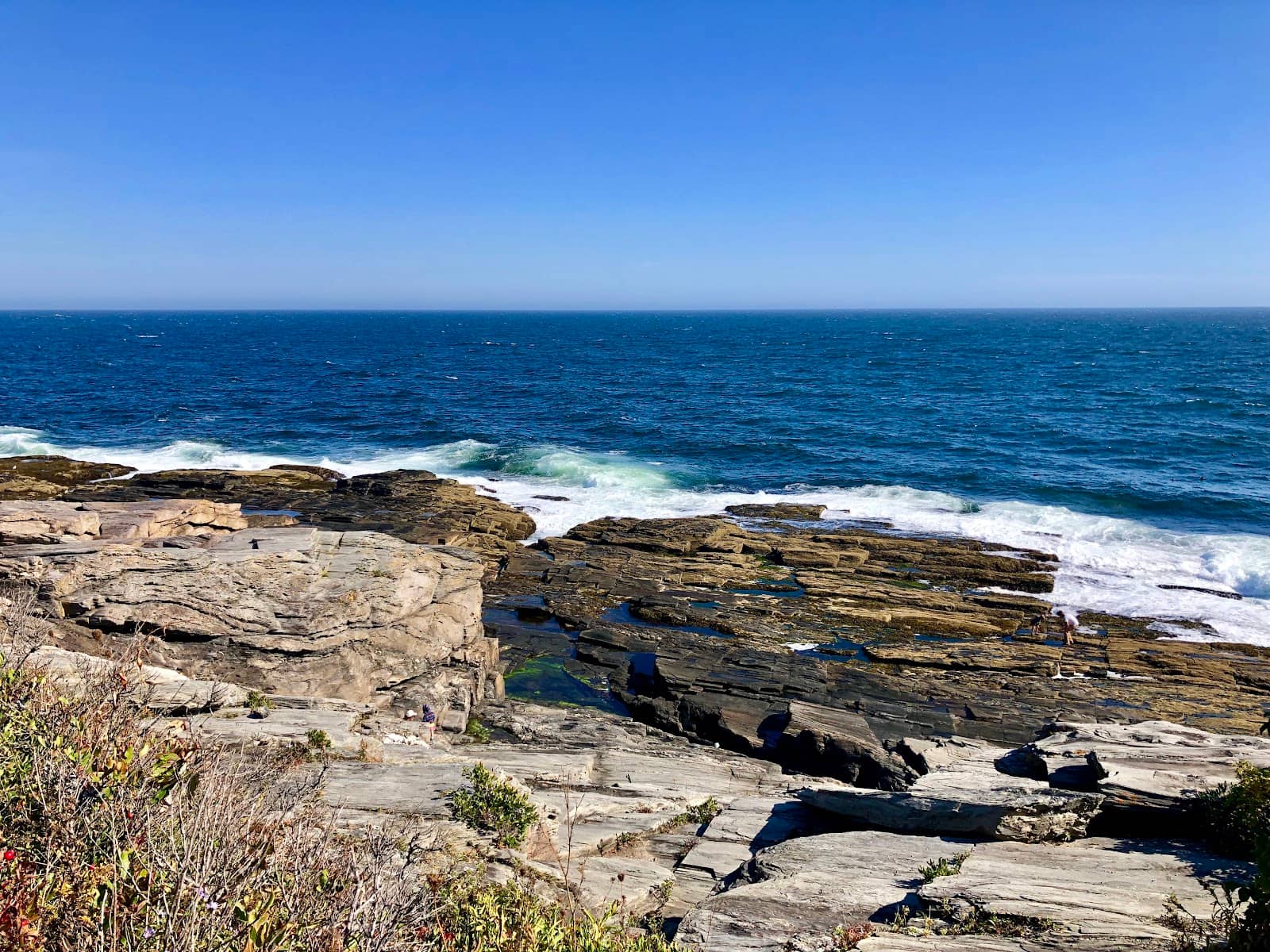
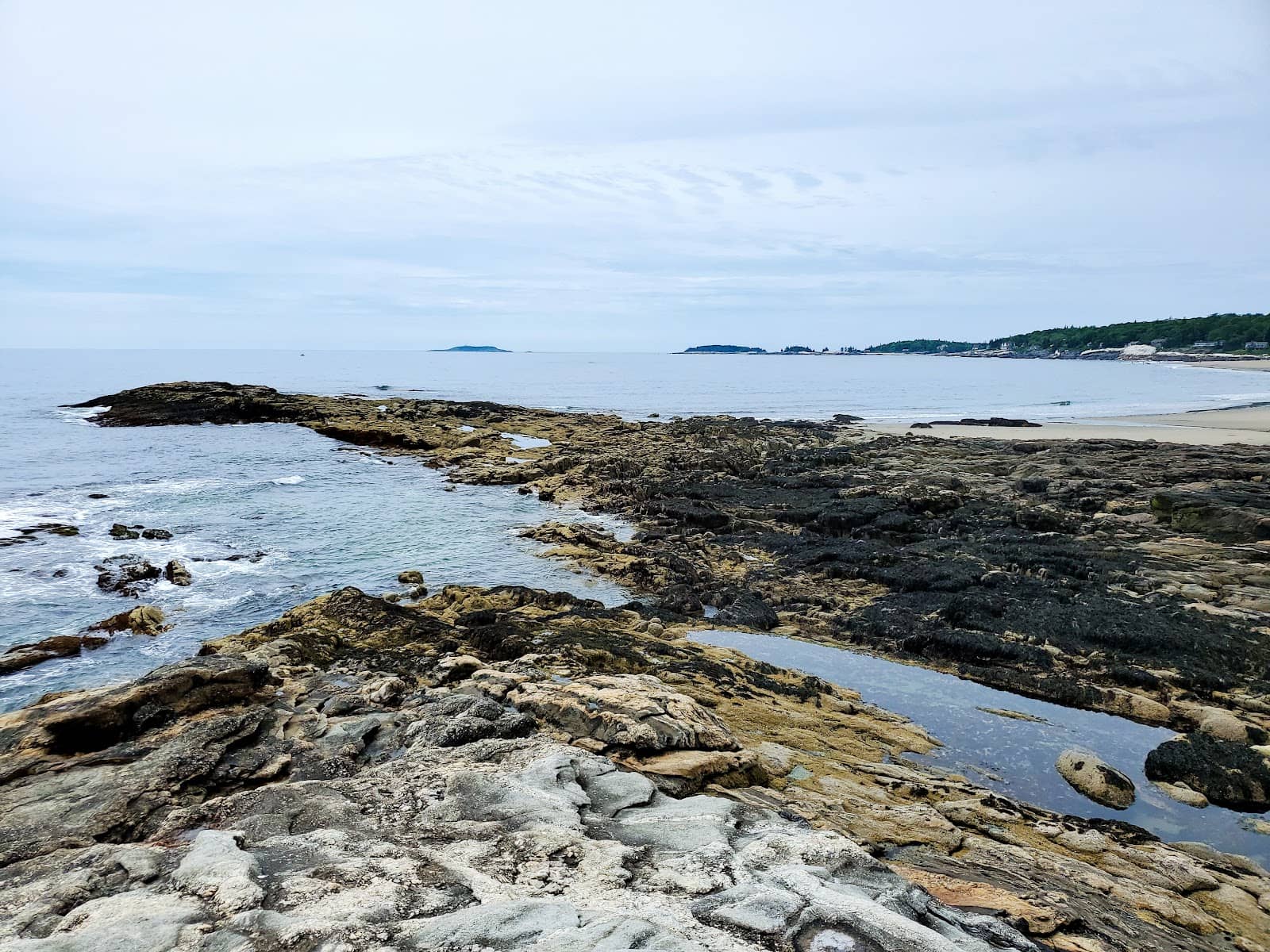
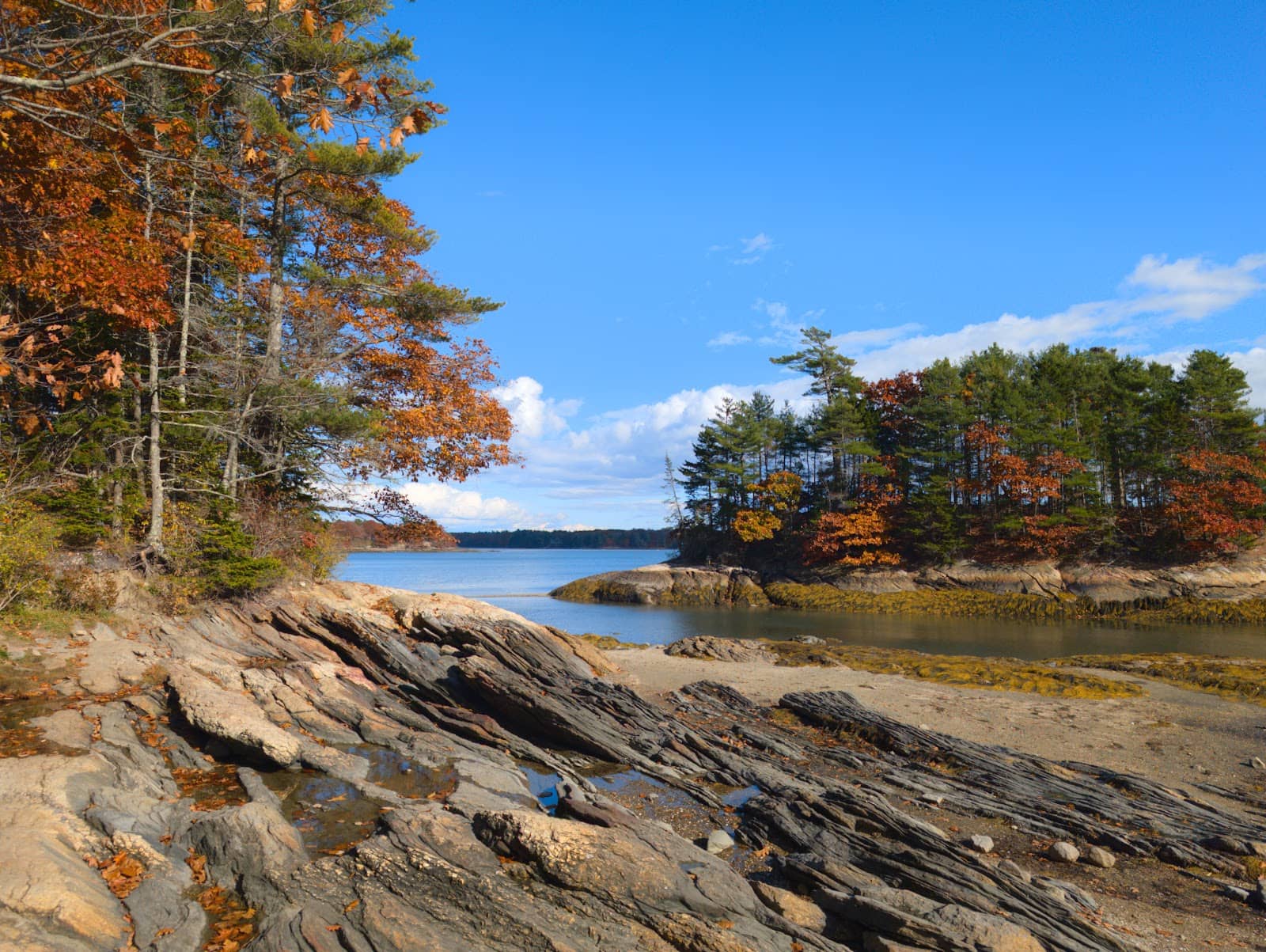
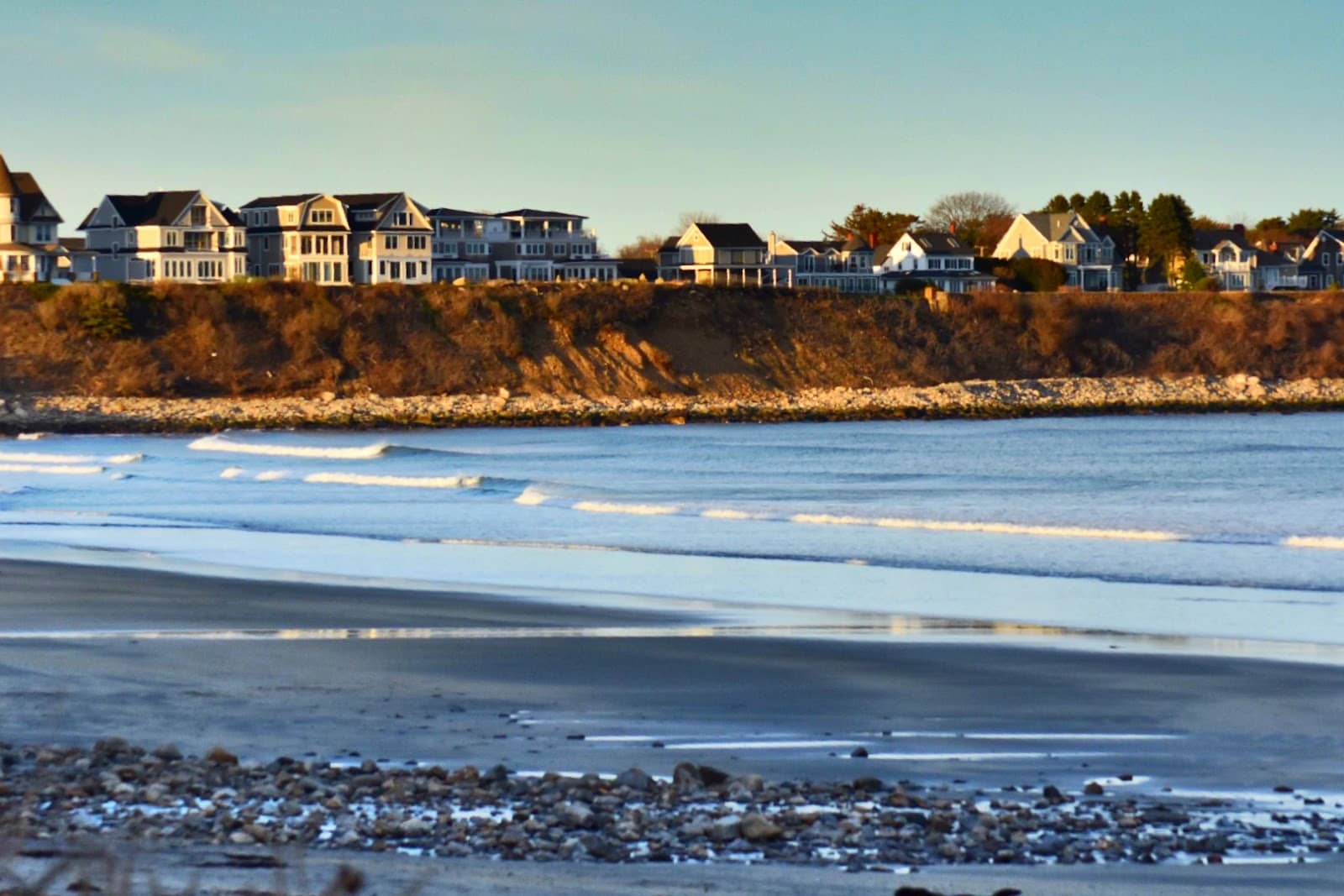
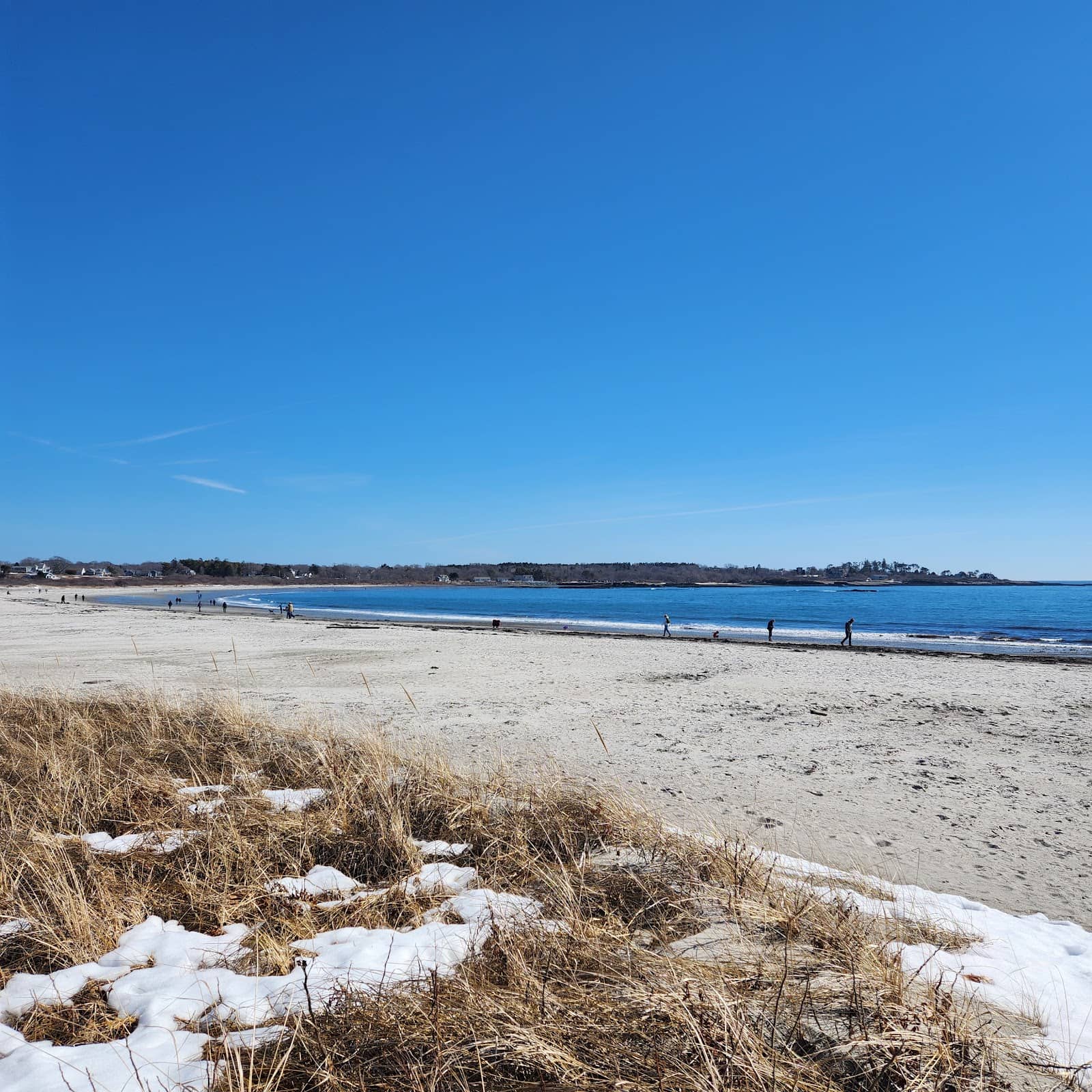
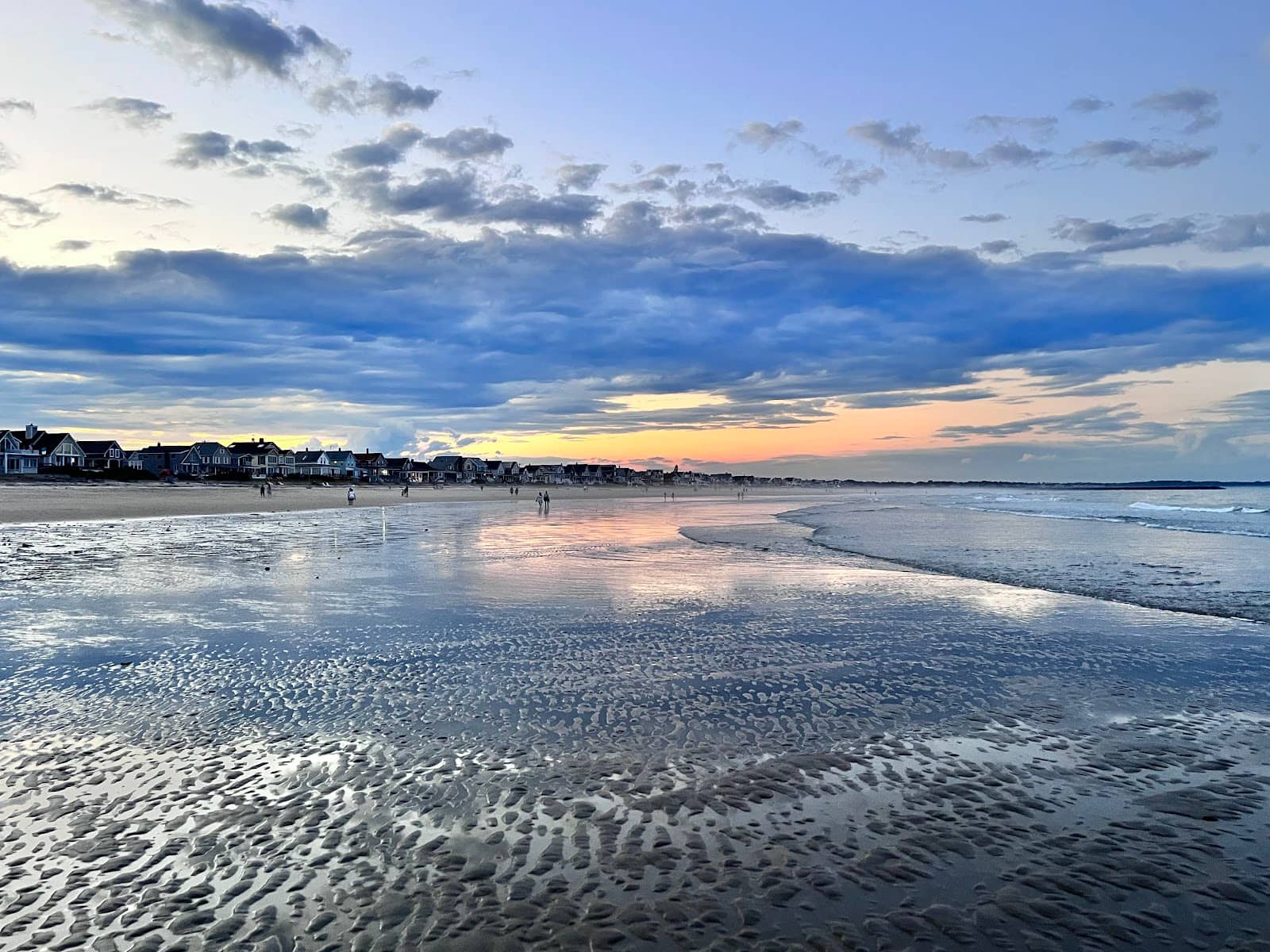
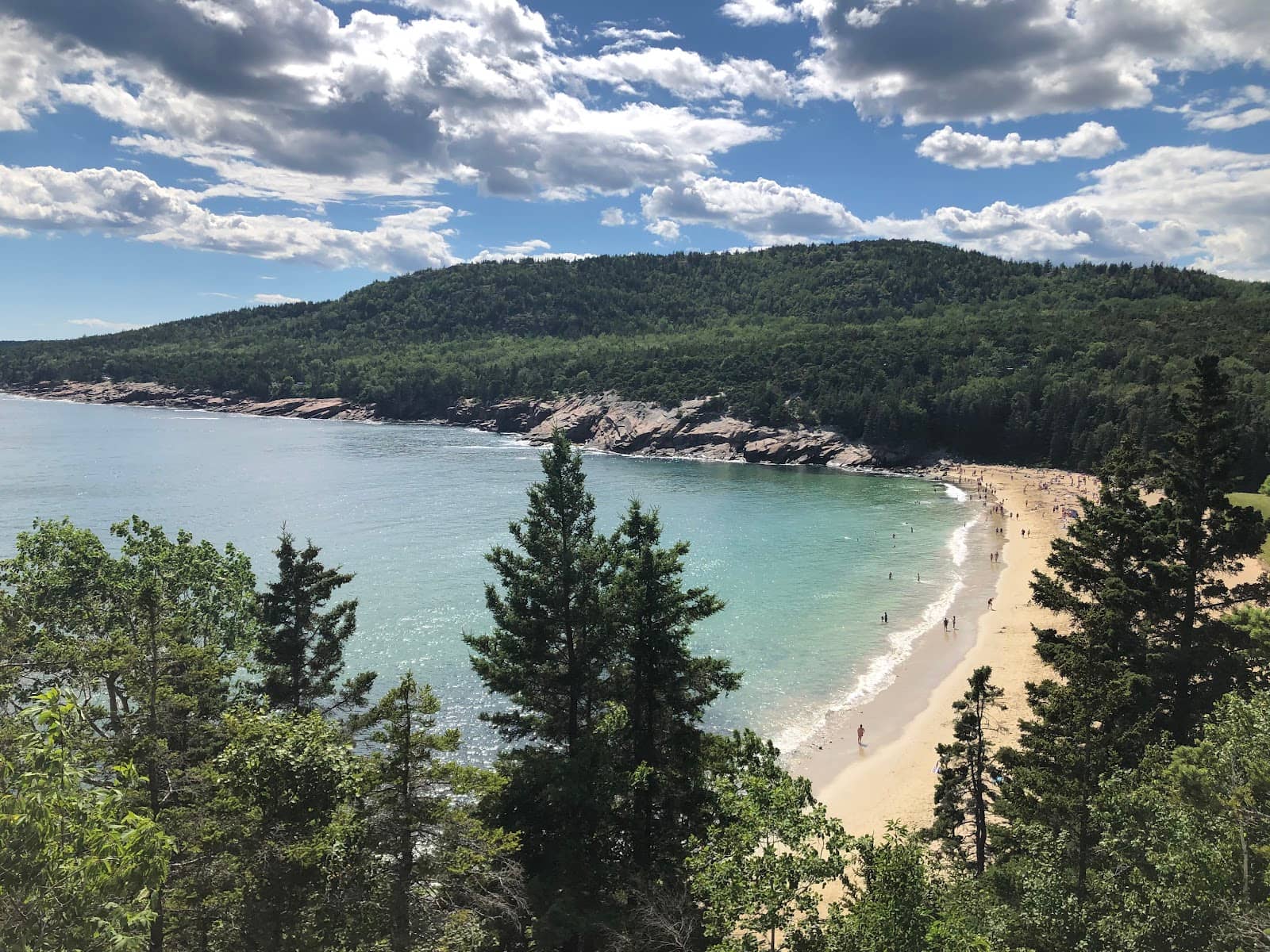
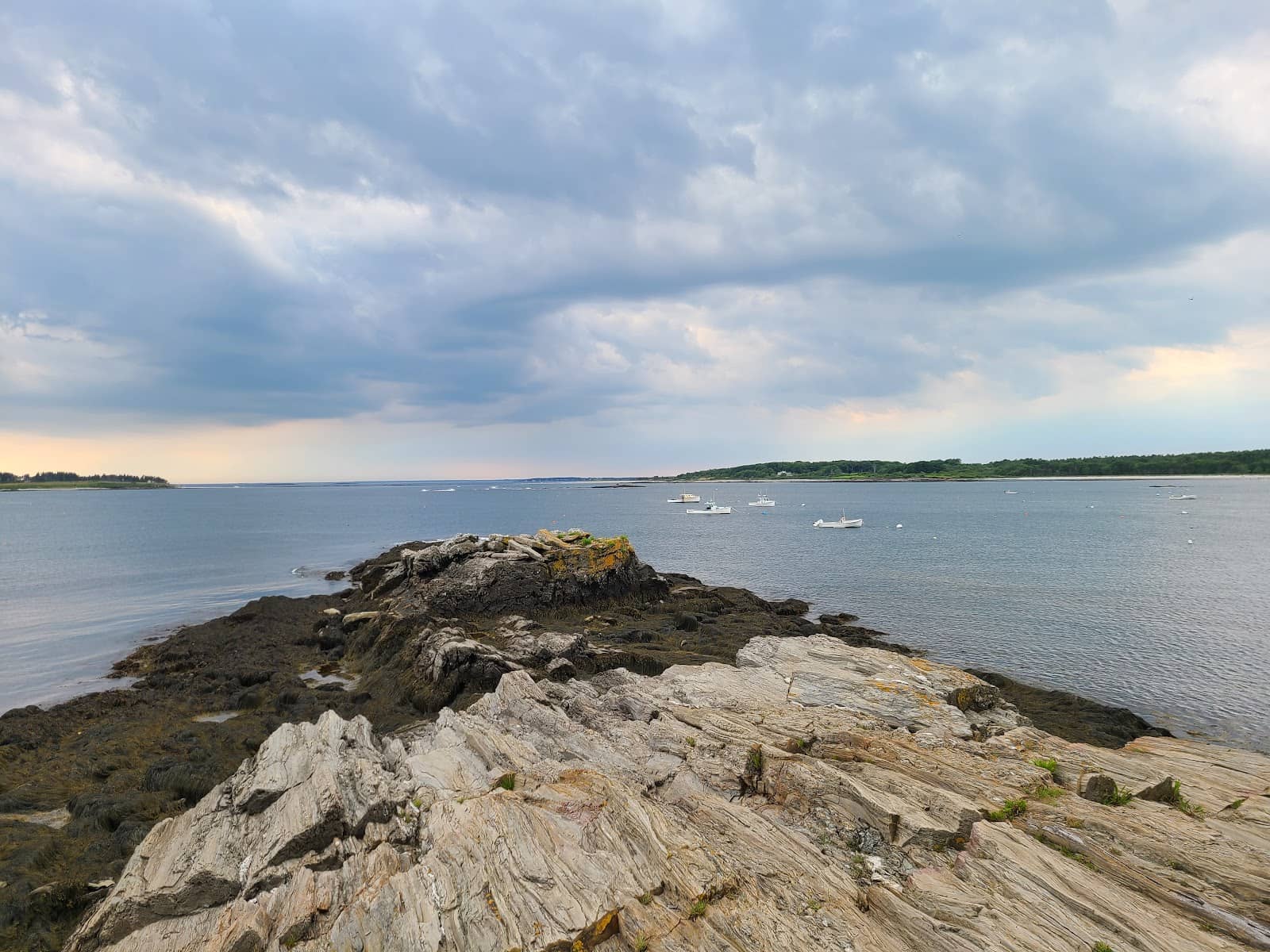
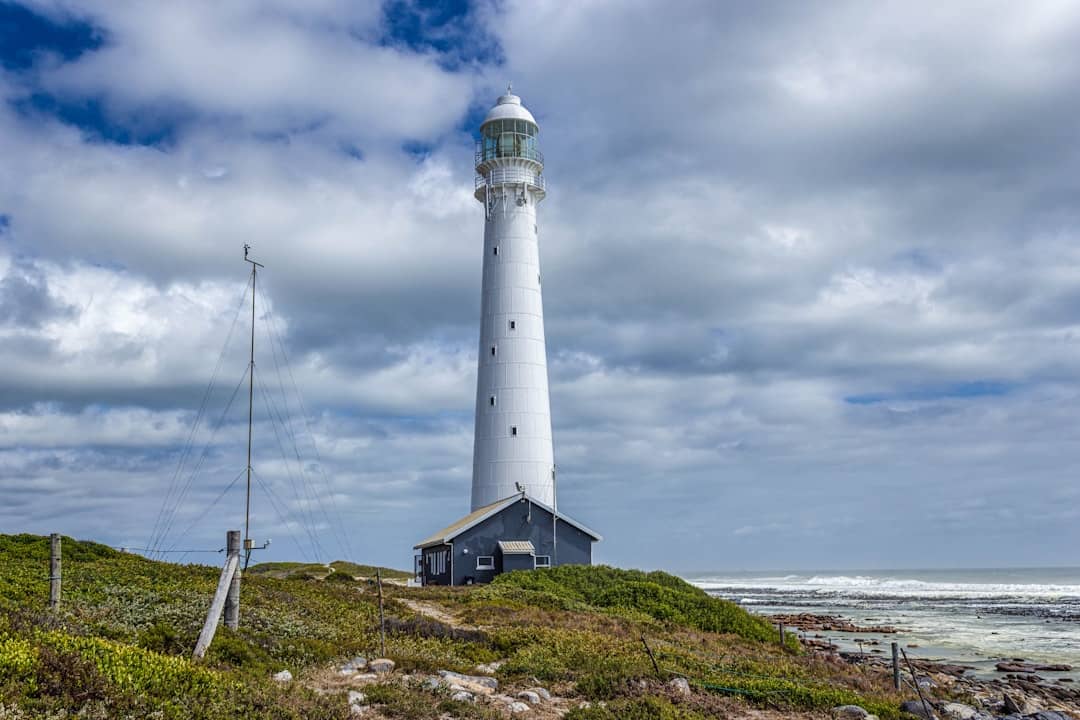
Maine's rocky shores and tide pools offer some of the most dramatic coastal scenery in New England. Here are the best spots to explore granite peaks, crashing waves, and hidden sea life.
Maine's coastline is defined by granite, not sand. From the massive park at Acadia to smaller coves tucked into the southern coast, you'll find tide pools teeming with starfish and sea urchins, dramatic rock formations, and views that stretch to the horizon. This guide covers twelve spots where you can walk the rocky intertidal zone, watch waves explode against stone, and experience the raw power of the Atlantic. Whether you're a serious hiker or just want to poke around in shallow pools, Acadia National Park, Thunder Hole, and Popham Beach State Park are essential anchors, but the smaller parks and beaches between Portland and York offer equally compelling geology and fewer crowds.
Tips for Your Visit
Timing is everything on Maine's rocky coast. Tide pools are richest at low tide; Thunder Hole and similar inlets roar at high tide with rough seas. Get a tide chart for your visit dates. Bring water shoes or sturdy footwear; rocks are slippery. Fall and early winter (September through November) offer the best balance of fewer crowds, reasonable weather, and dramatic ocean conditions. Many facilities close or reduce hours after October, and some towns near parks (like Bar Harbor near Acadia) shut down seasonally. Parking at state parks requires a fee; bring cash or download the parking app. Most parks have limited facilities in winter but stay open. Acadia and the larger parks allow camping; smaller beaches often have metered parking. Check weather and sea conditions before heading out; Maine's weather changes fast, and rough seas close some access points.
Choose a tidepool outing for a suitable low-tide window and calm enough conditions, with a known return route. In Acadia, use the park’s tidepool guidance; around southern Maine, compare the specific coastal park. Thunder Hole is a wave-viewing stop, and inland Baxter is a different landscape trip.
| Purpose | Choice | Key distinction |
|---|
| Tidepool observation | A designated shore outing in suitable conditions | Look without collecting or disturbing marine life |
| Wave viewing | Thunder Hole’s designated viewing areas | Respect railings, gates and surf advisories |
| Mixed sand and rock | A specific southern coastal park | Use its access and local tide information |
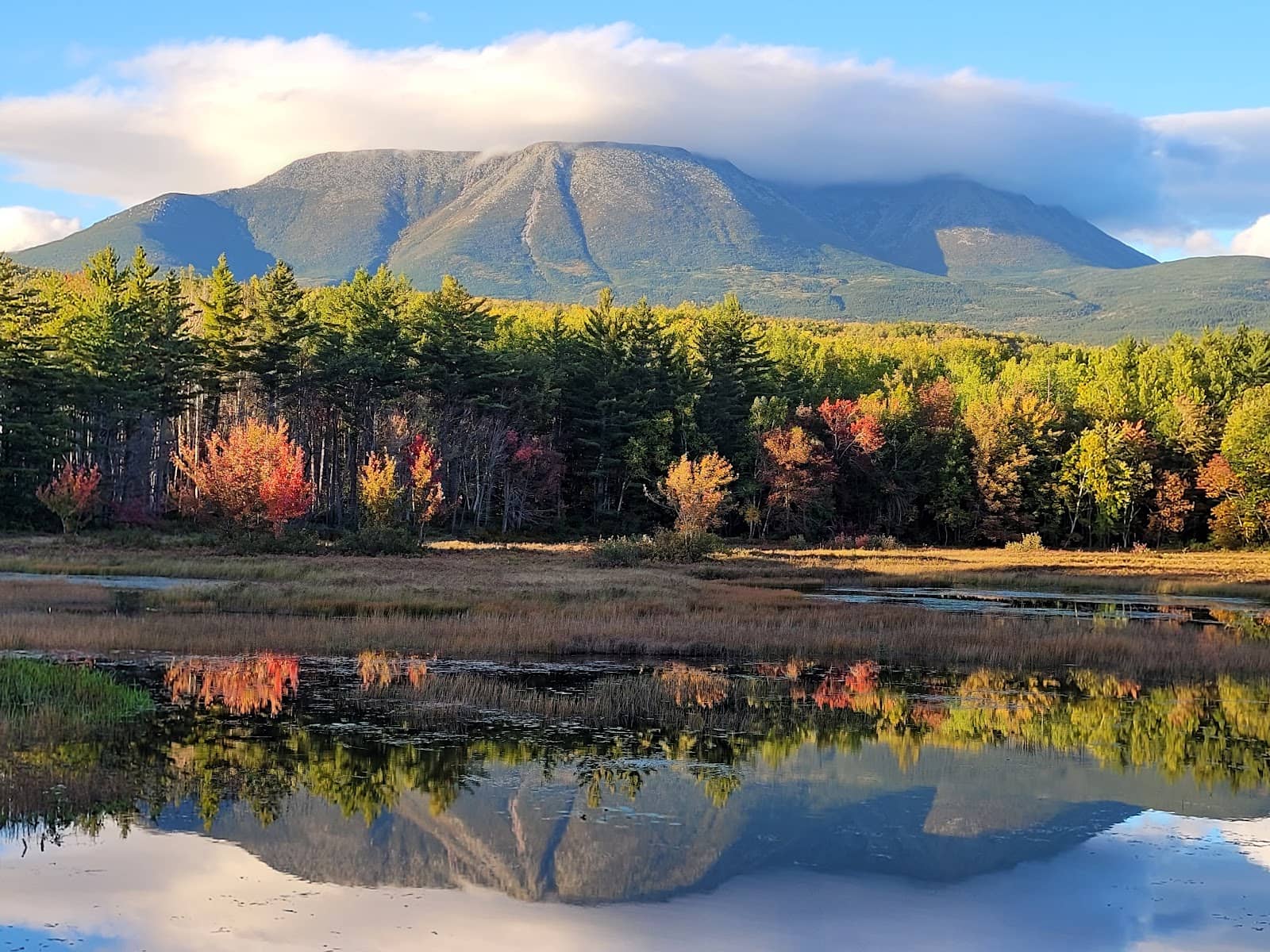
| Inland geology | Baxter State Park | Not an ocean tidepool destination |
The profiles below describe different settings, and their roles should stay distinct. A sandy park with some exposed rock, a designated wave overlook and an inland mountain park do not offer the same outing. Choose the shoreline experience first and use the relevant park information for the actual access.
For a family visit, make observation the purpose. A small pool can reward careful looking without handling the animals or moving closer to breaking surf. Leave time to return before the outing becomes a race against the tide, and choose another activity when conditions do not suit the shore.
How should you choose a tidepool outing?
The National Park Service tidepool guide recommends careful footing, watching surf, leaving marine life in place and keeping small children close. Start from the tide information for the actual shore, with the return considered before leaving dry land.
The Acadia itinerary, access guide and transport guide place a shore outing within the wider park visit. In the south, compare York, Ogunquit and the Wolfe’s Neck Woods setting.
Use the beach guide and coast comparison to choose the region. Portland, Freeport and Bar Harbor support different outings. Skip a storm-chasing plan: dramatic surf and close tidepool observation are different activities.
When should you look at tide pools?
Choose the local low-tide window and suitable sea conditions, then plan the return before the tide rises. Use the guidance for the actual shore you intend to visit.
Should you collect animals from Acadia tide pools?
No. Follow NPS guidance to leave marine life in place, avoid wading into pools and minimize disturbance.
Is Thunder Hole a tidepool destination?
Treat it as a wave-viewing stop with designated viewing areas. Follow the railings, gates and surf advice rather than seeking rougher conditions.
Is Baxter part of the coastal tidepool trip?
No. Baxter is an inland mountain and lake landscape. Its profile is a separate geology alternative, not an ocean-shore recommendation.
Does low tide make every crossing safe?
No. Conditions, channels and the returning water still matter. Use established access and do not improvise a tidal-river shortcut.
Sources and date
Existing source copy captured October 4, 2026; unchanged fields retain their source status. New decision facts come from the linked listing or guide. Specific corrections checked October 4 against NPS tidepooling, NPS Thunder Hole viewing guidance, Popham conditions, Two Lights and Wolfe’s Neck Woods.