1
Bar Harbor
See main listingGateway to Acadia National Park - Cadillac Mountain, puffin cruises, and a harbor town that fills with cruise ships from May to October.
Details

Guide
Acadia National Park photo spots in Maine include shoreline viewpoints and mountain vistas, with direction, light, tides and access shaping each image.
Most Acadia National Park images look the same because most people shoot the same six places at the same three hours. Acadia rewards knowing which direction a viewpoint faces and when the light gets there. The lighthouse everyone photographs is backlit all morning, the pond everyone photographs is best in the last hour of the day, and half the good spots have no sign at all. Here is where to stand, when, and which famous view is honestly overrated.
Mount Desert Island sits far enough east that sunrise comes early and the first light hits the eastern-facing cliffs (Cadillac, the Beehive, Otter Cliff, Sand Beach) while the western side of the island is still in shadow. The reverse holds at the end of the day: Bass Harbor, Somes Sound and the western ponds get the good light, and the ocean cliffs go flat. Sea fog is the wildcard. It rolls in without warning in summer, kills a sunrise in ten minutes, and produces the best pictures anyone takes here when it half-lifts.
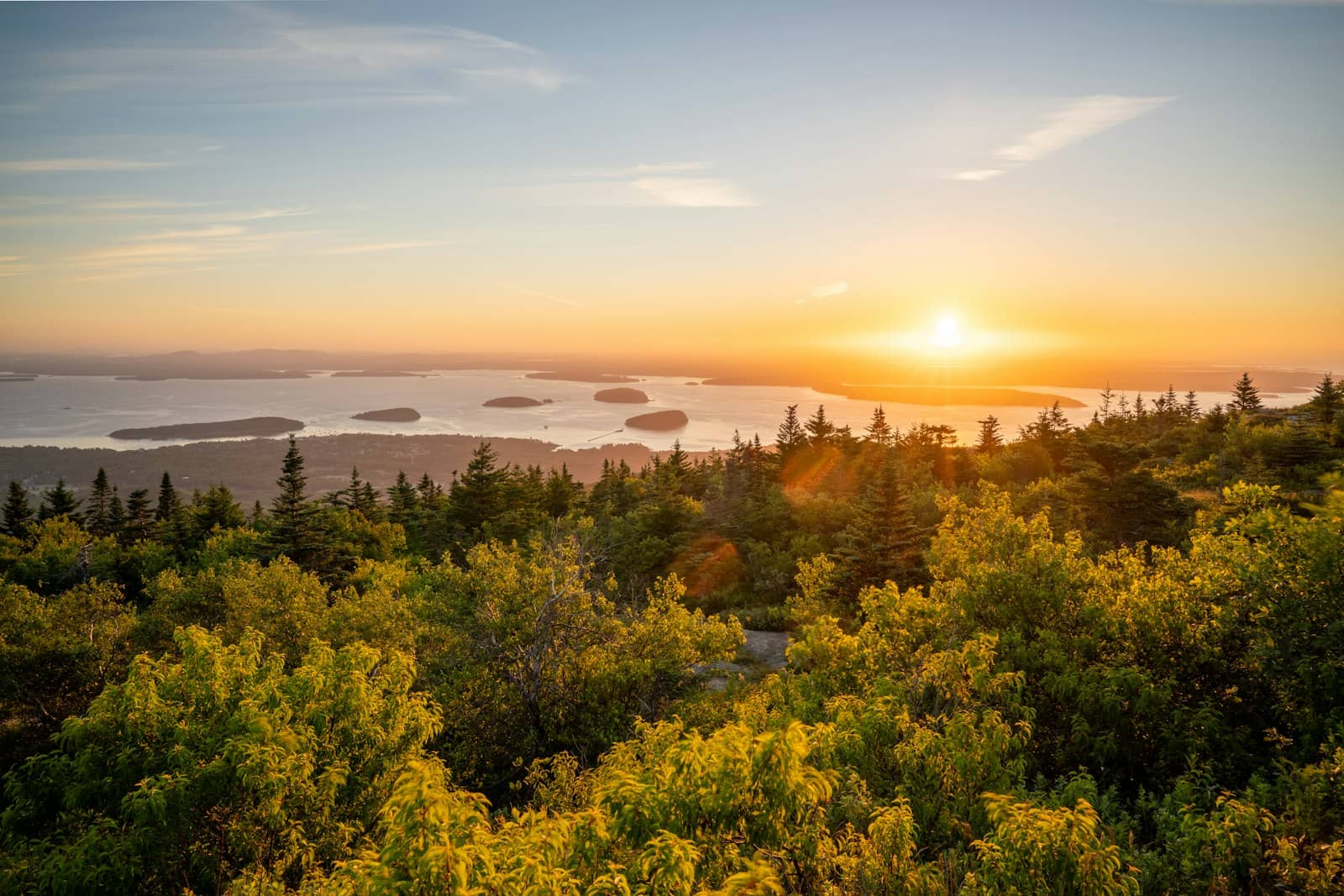
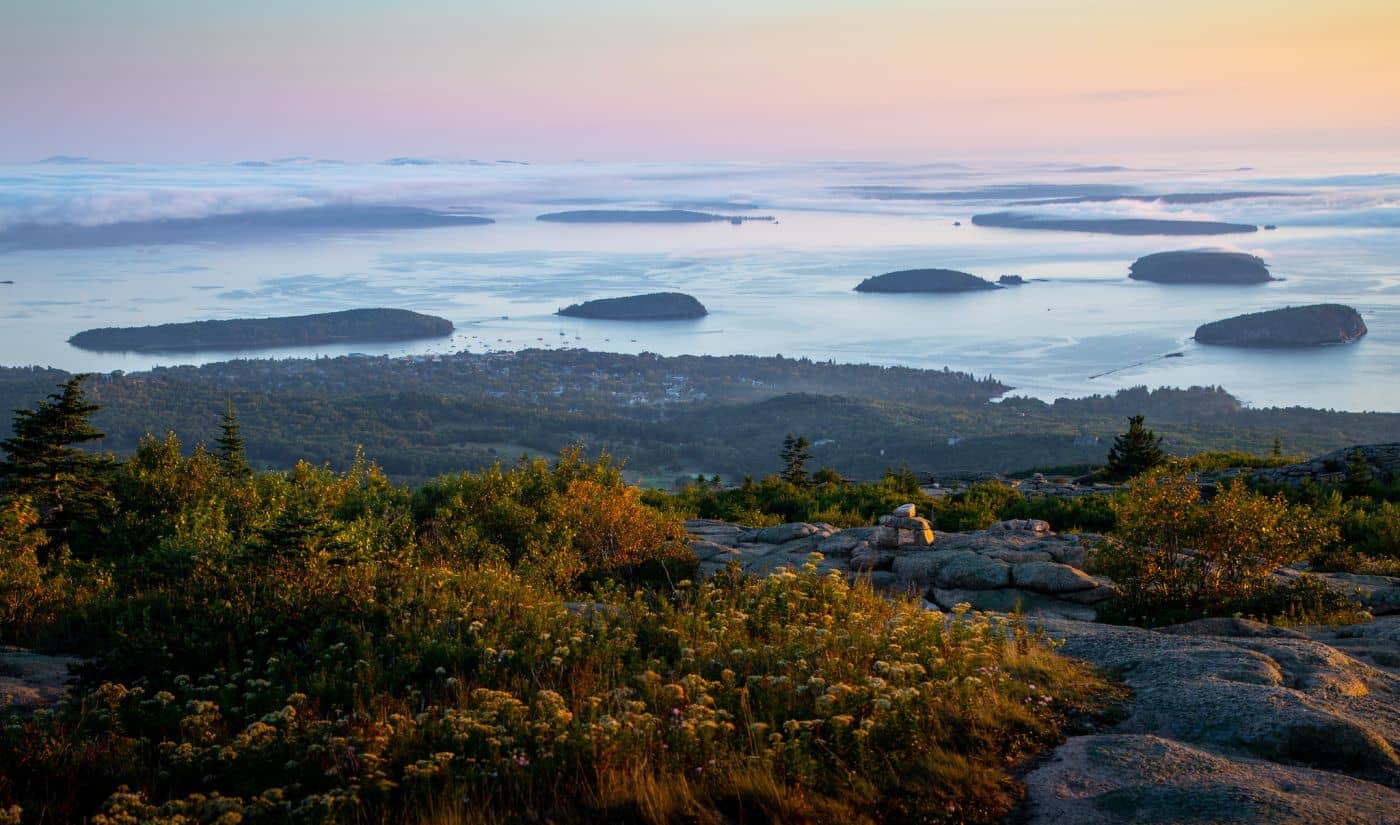
Cadillac Mountain (4.9 from 1,528 reviews) is the highest point along the North Atlantic seaboard and, for part of the year, one of the first places in the country to see the sunrise. That fact has consequences: the summit is crowded in the dark, the vehicle reservation for the summit road must be booked ahead on a rolling window, and the parking lot fills before the sun does anything.
The honest assessment: sunrise from Cadillac is a good photograph and an even better memory, but sunset from the same summit is the better light and a fraction of the effort. Shoot west from the Blue Hill Overlook rather than the summit lot for the evening, and if you do go up for sunrise, walk five minutes out onto the granite away from the crowd. Our Cadillac Mountain guide covers the reservation mechanics.
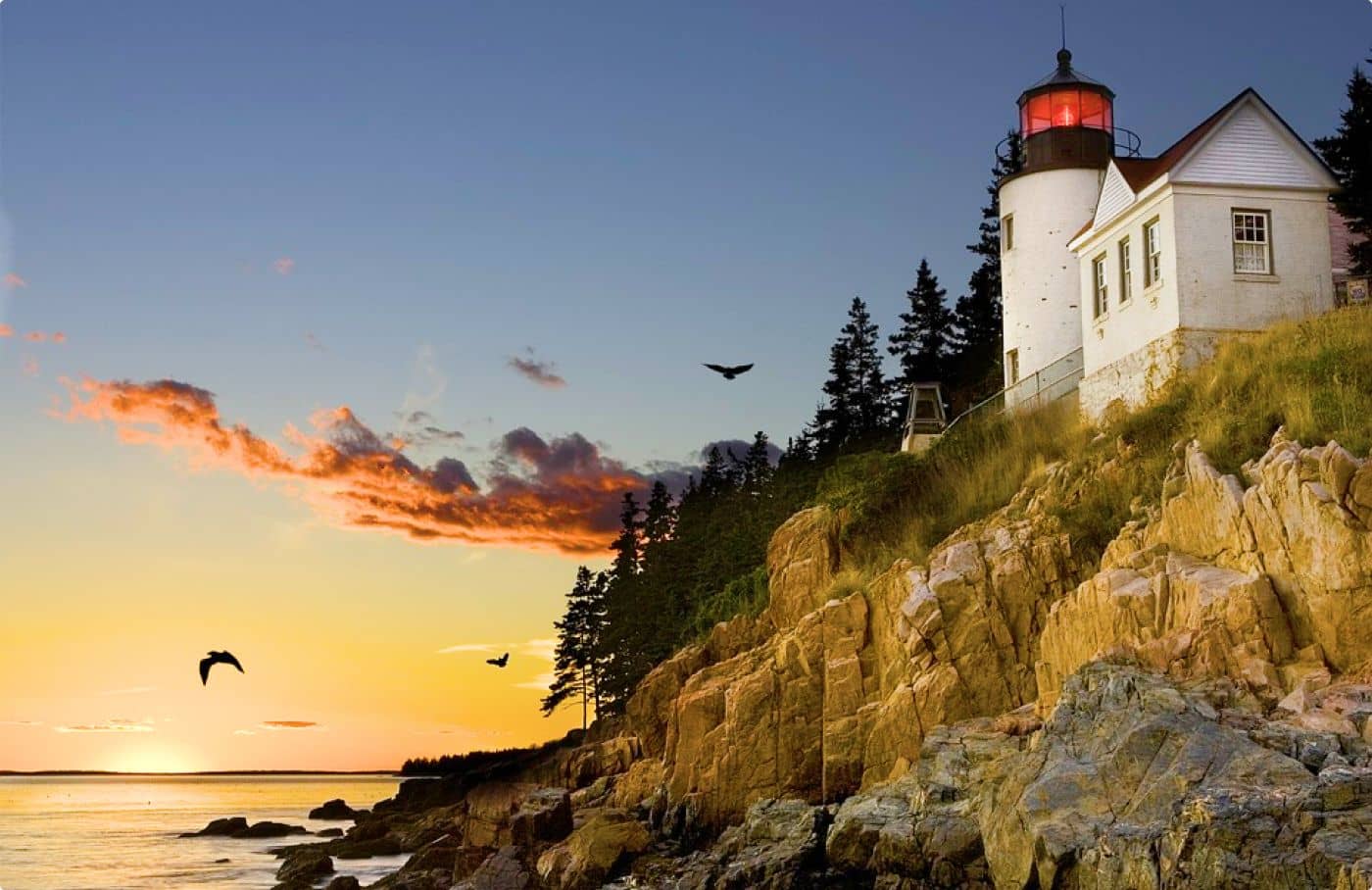
Bass Harbor Head Light Station pulls 4.4 from 4,616 reviews, more than any other single view in the park, and the 4.4 tells you something the 24,003-review park rating does not: plenty of people leave disappointed. The reason is timing and geometry. From the upper viewing platform you are looking down at the top of a lighthouse. The photograph everyone has in mind (the tower on its cliff with the sun behind it) is taken from the rocks reached by the staircase to the west, in the last hour before sunset, and it involves scrambling on uneven granite.
Go late in the day, go on a clear evening, and accept that the small parking lot is the limiting factor. In the middle of a summer day it is a queue for a view into the sun. Our Bass Harbor Head Light guide has the access details.
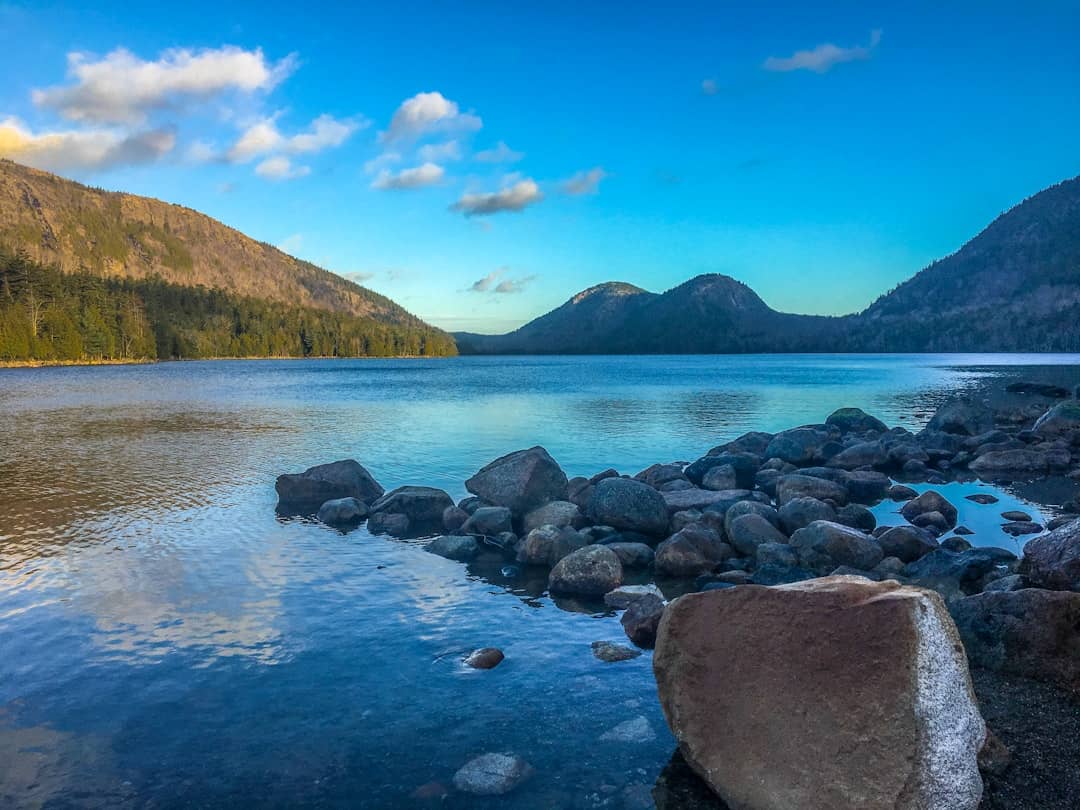
The view north up Jordan Pond to the two rounded hills called the Bubbles is the most reproduced landscape in the park, and it earns it. Shoot it from the south end near the boat launch, where the pond is calmest early and late; the reflection collapses as soon as the wind picks up, usually by mid-morning. The Jordan Pond Path Trailhead rates 4.8 from 569 reviews and the loop around the water gives you the same composition from a dozen angles, including several with nobody in them. Bubble Rock (4.8 from 378 reviews) (a glacial erratic perched at the edge of South Bubble, left behind by ice that carried it dozens of miles) is the other shot here, and the climb to it is short and steep. Our Jordan Pond guide covers the loop and the popovers.
The Ocean Path Trailhead (4.8 from 484 reviews) puts you on the best stretch of coastline in the park: Sand Beach, Thunder Hole, Monument Cove and Otter Cliff, all within two miles of level walking. Otter Cliff at sunrise, shot from the south with the cliff catching first light, is the classic. The Sand Beach Overlook (4.8 from 100 reviews) gives you the beach in its cove from above, and it is the one place where the mid-morning light actually works.
Just past Otter Cove, the Historic Otter Cove Stone Bridge & Causeway (4.8 from 69 reviews) is the most underused composition on the loop road: a low stone causeway across a tidal cove with mountains behind, at its best when the tide is high enough to fill the frame.
The Gorham Mountain Trailhead (4.9 from 274 reviews) begins the best hour of climbing in the park for photographers: an open ridge with the ocean below you the entire way and no crowd at the top. Go at sunrise if you cannot get a Cadillac reservation. The light is comparable and the summit is yours.
The Beehive Trail (4.9 from 583 reviews) delivers a view straight down onto Sand Beach that nothing else matches, but the iron rungs and open ledges are a bad place to be operating a camera, and it is not a trail for anyone uneasy with heights. On the quiet side, the Flying Mountain Trailhead (4.9 from 160 reviews) is a 20-minute climb to a ledge over the entrance of Somes Sound, the best evening view on the western half of the island for the least effort in the park.
The Bar Island Land Bridge (4.8 from 553 reviews) gives you the Bar Harbor skyline from the sea floor at low tide, with the island behind you and the mountains beyond the town. It is the single most distinctive photograph you can take in Bar Harbor, and it exists only for a few hours around low water. The Bar Harbor Shore path (4.8 from 474 reviews) runs along the waterfront past the old cottages, best in early morning when the harbor is still and the tour boats have not left.
Duck Brook Bridge (4.8 from 127 reviews) is the finest stonework in the park. A three-arch carriage road span you can shoot from the stream below, in shade most of the day, which makes it a good option when the sun is too high for anything else. Asticou Terraces (4.9 from 20 reviews) above Northeast Harbor climbs through a designed landscape of stone steps to a view over the harbor, and almost nobody is there. Wild Gardens of Acadia (4.6 from 725 reviews) is the wet-weather answer: a compact collection of the island's native plant communities, best photographed in exactly the drizzle that ruins everything else.
| Location | Best light | Why |
|---|---|---|
| Cadillac summit | Sunrise or sunset | Sunrise needs a booked vehicle reservation; sunset does not |
| Otter Cliff and Ocean Path | Sunrise to mid-morning | East-facing cliffs catch first light |
| Jordan Pond | Early morning | Still water for the Bubbles reflection, before wind |
| Bass Harbor Head Light | Last hour before sunset | The only time the tower is front-lit from the west rocks |
| Flying Mountain | Evening | Looks west down Somes Sound |
| Bar Island bar | Low tide, any hour | The bar is underwater the rest of the time |
| Duck Brook Bridge | Overcast or midday | Shaded stonework; harsh sun is not a problem |
If you are building a route around these, our Park Loop Road guide runs through the pullouts in the order the one-way road actually takes them.
Bass Harbor Head Light Station, which draws 4.4 from 4,616 reviews, and the view up Jordan Pond to the Bubbles. Cadillac Mountain at sunrise is the third, and it is the only one of the three that needs a vehicle reservation booked in advance.
Cadillac Mountain, if you have a summit road reservation. If you do not, the Gorham Mountain Trailhead starts a one-hour climb to an open ridge with comparable light and almost nobody on it, and the Ocean Path at Otter Cliff catches the same first light at sea level.
No. Launching, landing and operating drones is prohibited throughout the park, as it is in national parks generally. Plan on ground-level compositions.
Late September and early October: clear air, low sun, foliage on the ridges and thinner crowds than midsummer. Winter gives you empty roads and snow on granite if you are willing to walk in, since much of the loop road closes to cars.
Gateway to Acadia National Park - Cadillac Mountain, puffin cruises, and a harbor town that fills with cruise ships from May to October.
The working harbor on the quiet side of Mount Desert Island, with boatyards, Bass Harbor Head Light and easy Acadia access.
The quiet, moneyed side of Mount Desert Island, with a marina, two famous gardens, and fast access to Acadia.

Gateway to Acadia - Main Street's shopping strip, the Colonel Black Mansion, and the scenic Union River dam walk.
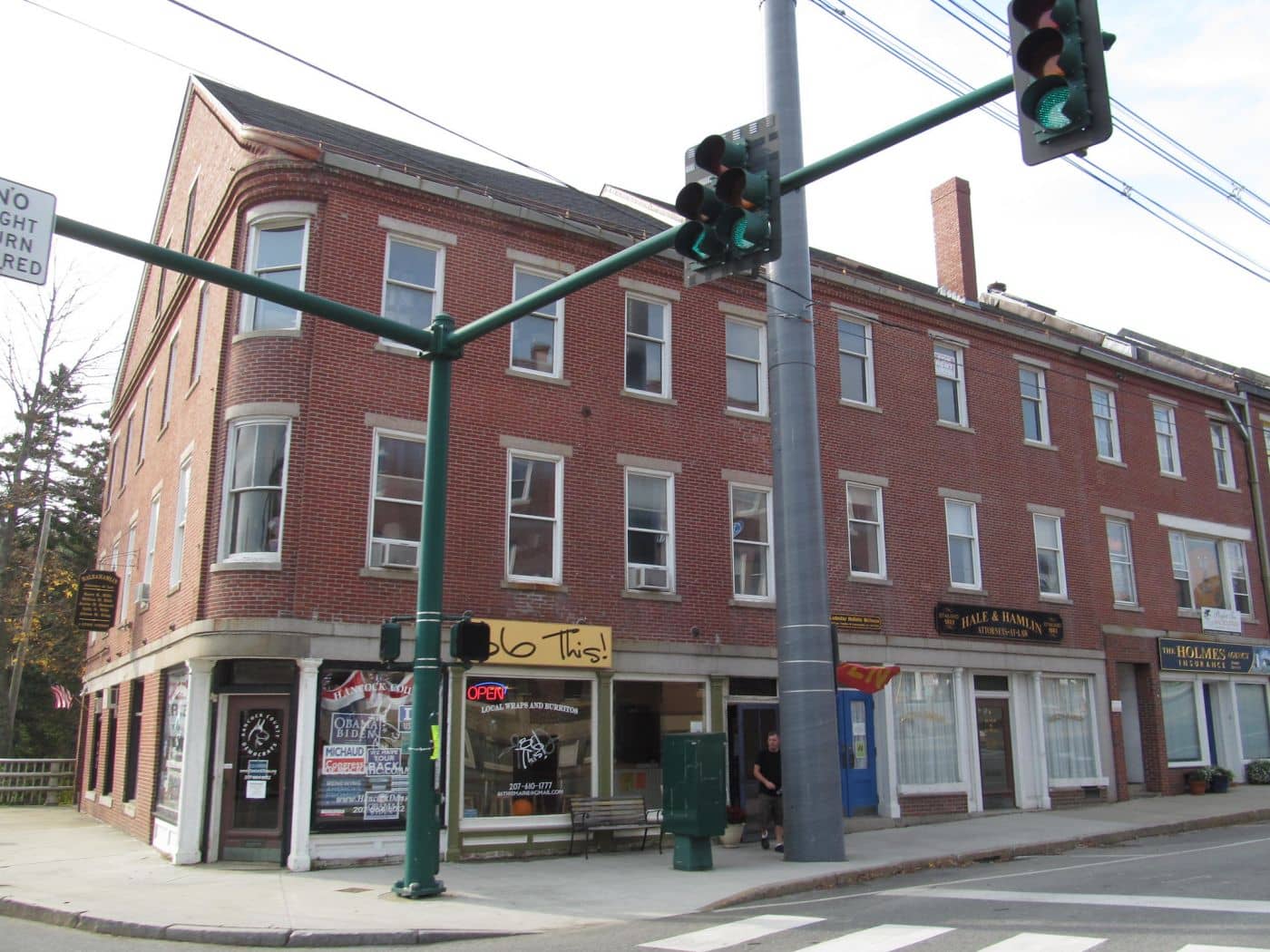
The 47,000-acre park is the heart of the region, covering woodland, granite peaks, and rocky shores. You can drive the perimeter even in shoulder seasons (October through May) when many services close, though expect limited food and lodging in nearby towns like Bar Harbor.
Hiking here ranges from casual strolls to serious work. The Gorge Trail and Cadillac North Trail combine for a challenging 5.4 mile loop with rock scrambling and steep pitches; visitors note it's a genuine workout that requires good knees and preparation. Even in winter, the park delivers cool views and friendly rangers who can guide your route. Rangers consistently get praise for being helpful and making visits smooth.
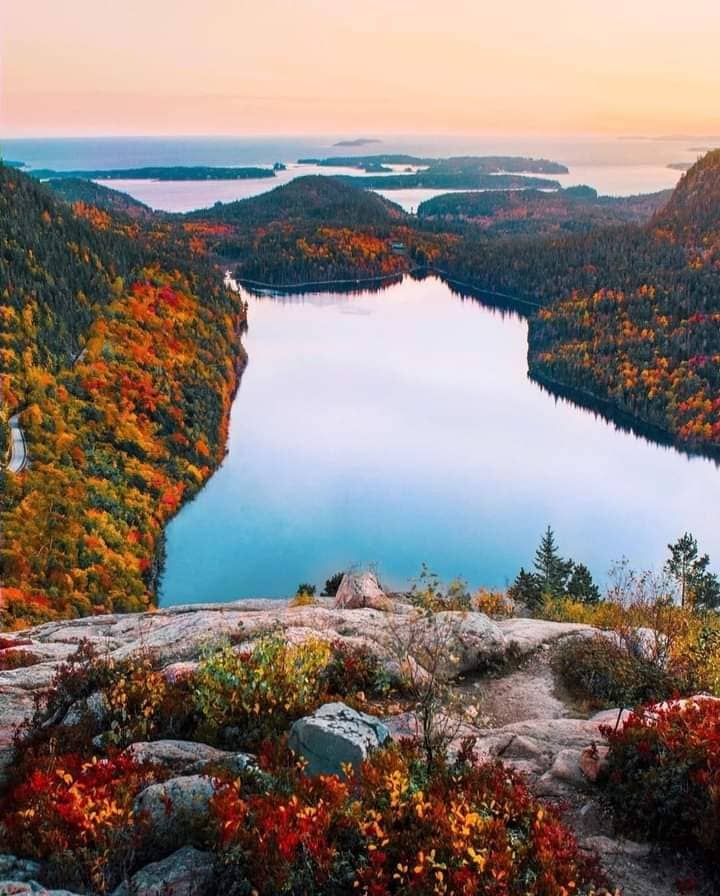
This 1858 lighthouse perches on a sea cliff and is one of Acadia's most photographed spots. A short walk leads to flights of stairs, then out onto rocky cliffs where tide pools and crashing waves frame the light station. The views are worth the scramble, especially at sunrise or sunset.
Parking is the main challenge. The lot is small and fills quickly, especially midday and in peak season. Arrive early or visit in the off-season (early November onward) for better odds of finding a spot. Even one hour before sunset on a slow November weekend, only two spots were open. Midweek mornings offer the most breathing room.
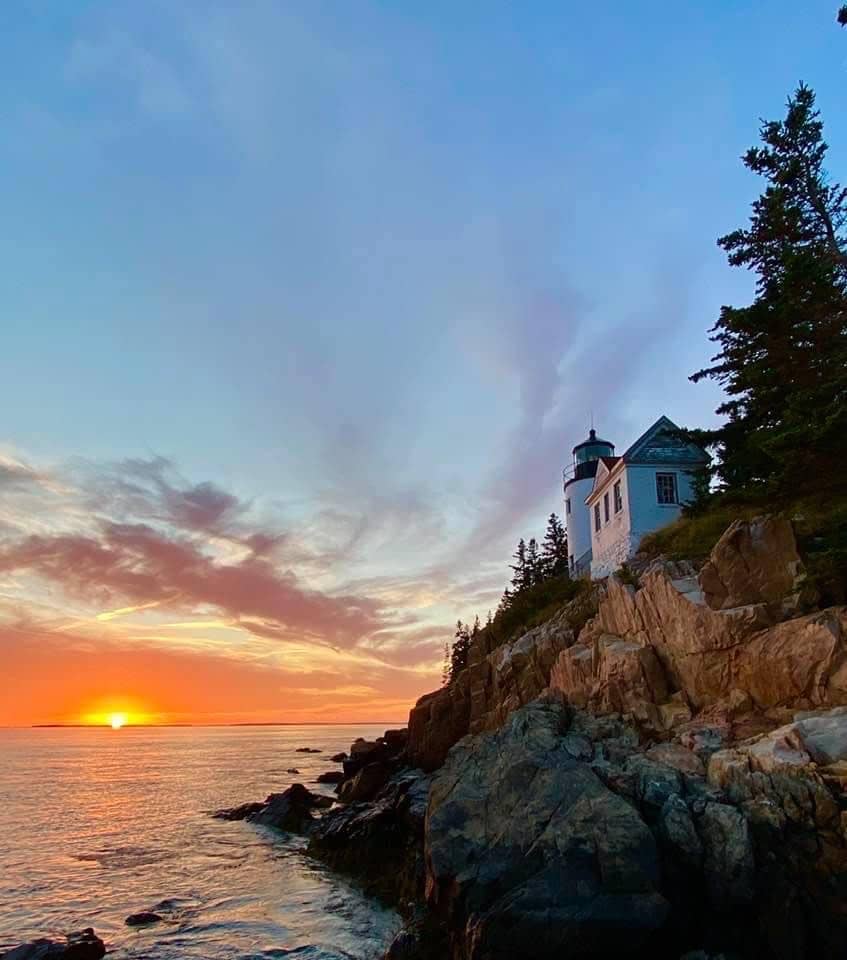
Built in 1827, this historic lighthouse features panoramic ocean views and sits on a rocky point that feels off the beaten path once you arrive. During open season, you can climb the light for a small donation. The grounds include a fisherman's museum, picnic tables, an art gallery, and plenty of area to walk around outside.
Staff demeanor varies, so temper expectations. If the line to climb is long, skip it and enjoy the views from the rocks instead. Bring lunch, find a spot on the rocks, and linger. The setting itself, without entering the lighthouse, delivers gorgeous views that justify the detour.
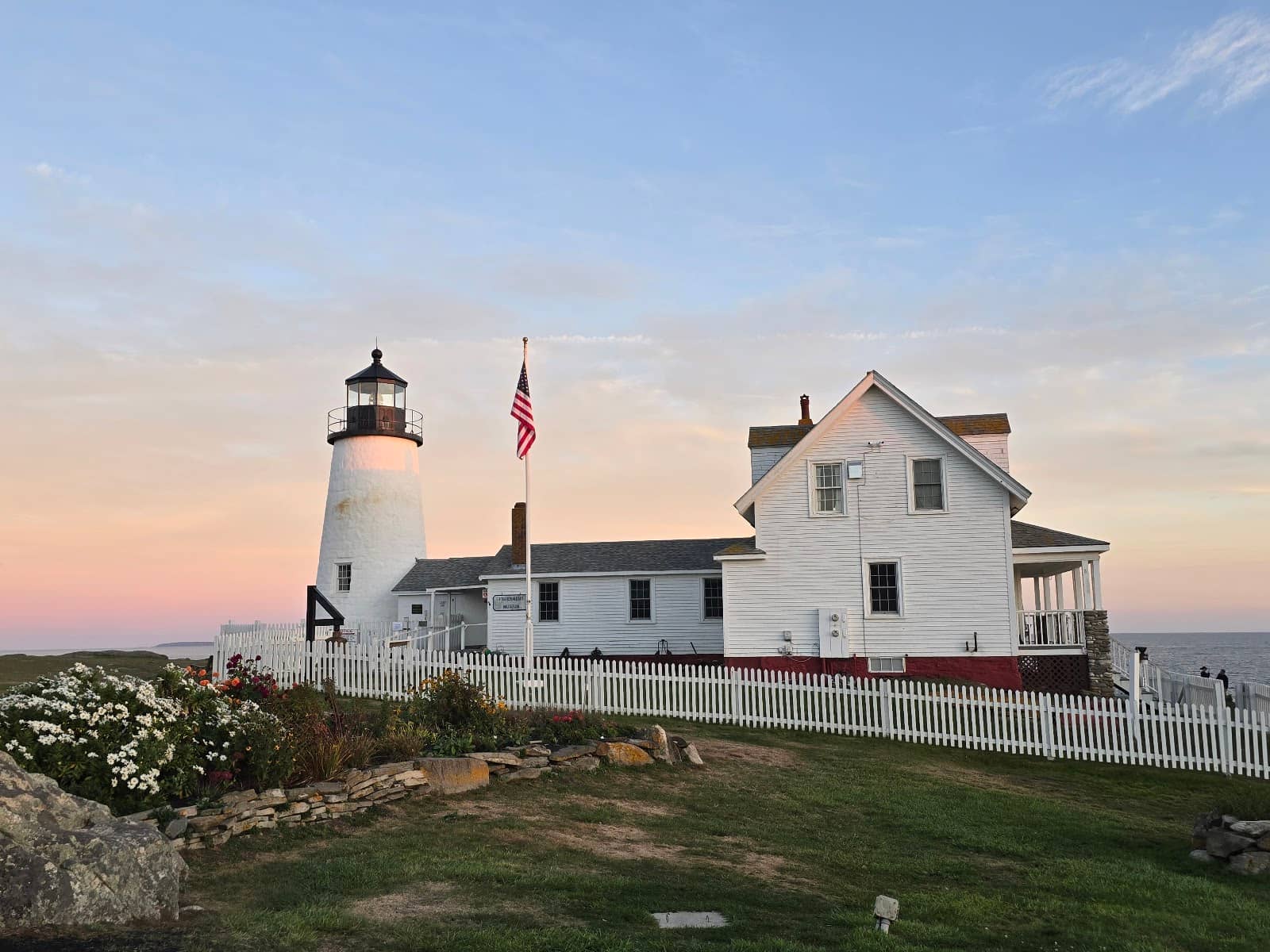
A natural rock inlet where waves crash with a thunderous boom and shoot up high in a spray of foam. The sound and sight are genuinely unique and show off the raw power of the ocean.
Timing is critical. Visit about one to two hours before high tide when the waves are strongest and the effect is most dramatic. In calm winter seas, you'll find it underwhelming no matter when you go. Plan your visit around the tide chart, and bring a weather eye. The dramatic cliffs and ocean views are worth the stop even if the waves are modest.
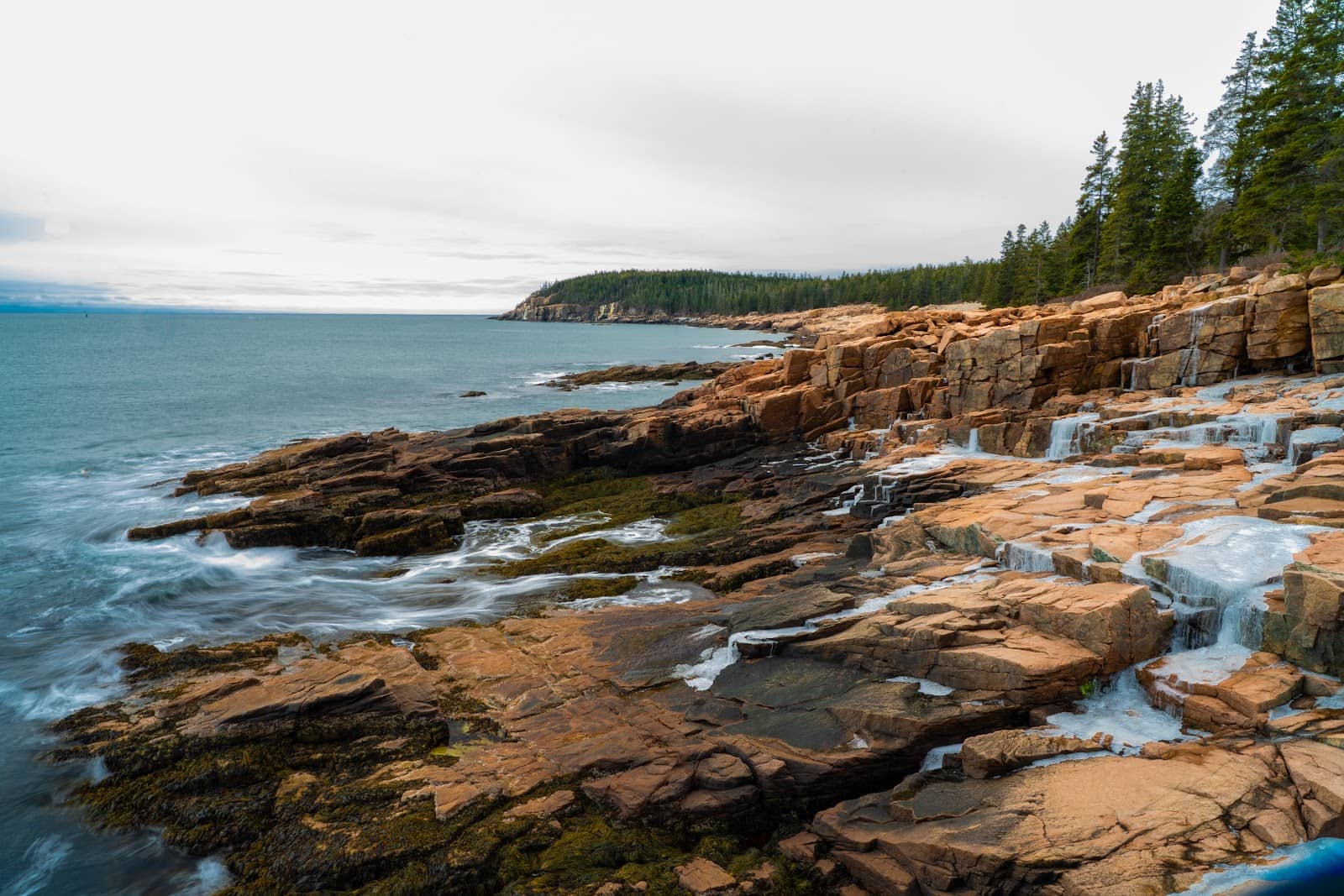
At 1,528 feet, Cadillac Mountain is famous as one of the first spots in the U.S. to see the sunrise, with breathtaking views over the ocean, islands, and the wider park in every direction. The drive to the summit winds through changing scenery, and the vistas are spectacular even in afternoon light.
Bring warm clothes. Winds at the summit are real, and fog can roll in fast. Dress in layers so you can shed them if you get moving around or adjust as conditions change. The effort pays off. Visitors who've seen it multiple times describe the experience as magical, and even a quick afternoon visit delivers views that feel surreal.
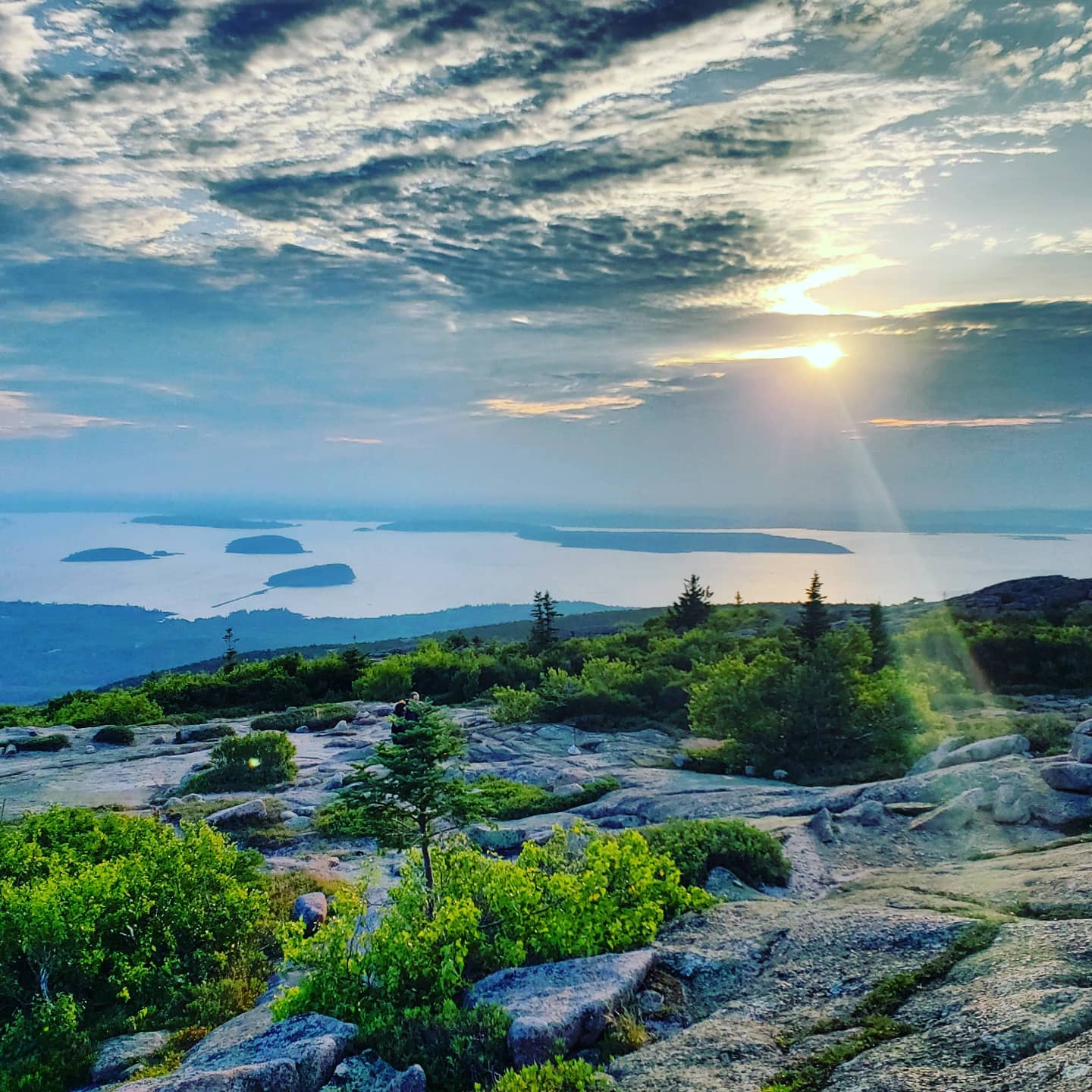
Maine's easternmost point, this picturesque preserved lighthouse and keeper's house sit at the edge of a vast, sometimes ominous sea. The on-site visitor's center provides context, and miles of scenic, well-marked trails wind through the grounds for easy wandering.
The whole family can enjoy it affordably without feeling stressed or crowded, even on busy days. The drive up can be treacherous in bad weather, so check conditions before heading out. Recent visitors raved about seeing the lighthouse freshly painted and described the January views after a snowstorm as surreal. The vastness of the ocean from this eastern edge is the real draw.
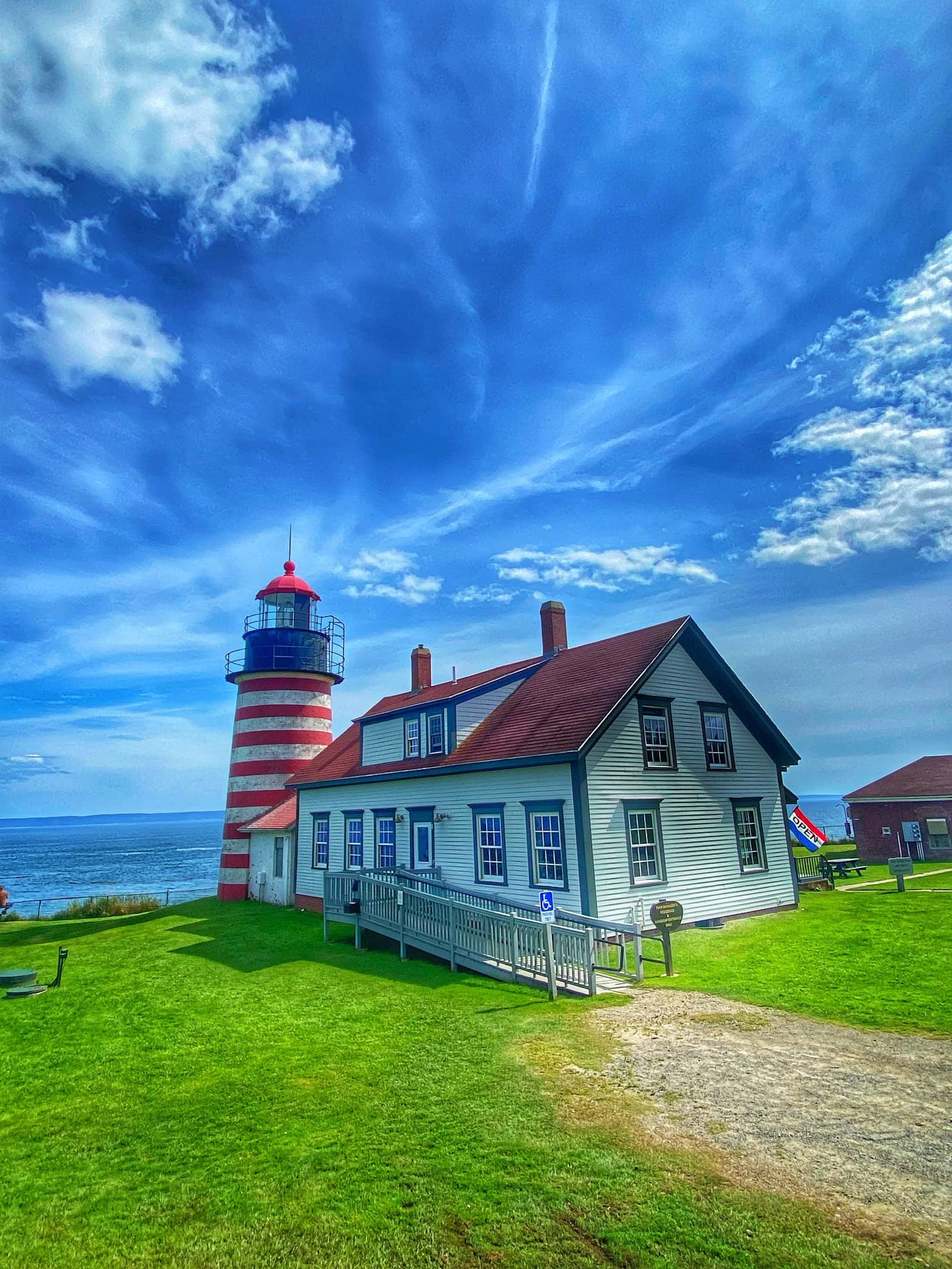
This iconic white 1858 lighthouse at Port Clyde is famous from the Forrest Gump film and offers everything you'd want from a classic New England lighthouse: beauty, history, and serenity. The keeper's house and summer-only museum and gift shop provide context and take advantage of the grounds.
Friendly, knowledgeable volunteers staff the site and genuinely enjoy talking with visitors. A path winds through the grounds with historical plaques. Even on a busy July afternoon, the experience feels special. Families love the local book about the lighthouse keeper's dog that's sold in the gift shop. The views and the spot's movie fame draw crowds, but they're manageable.
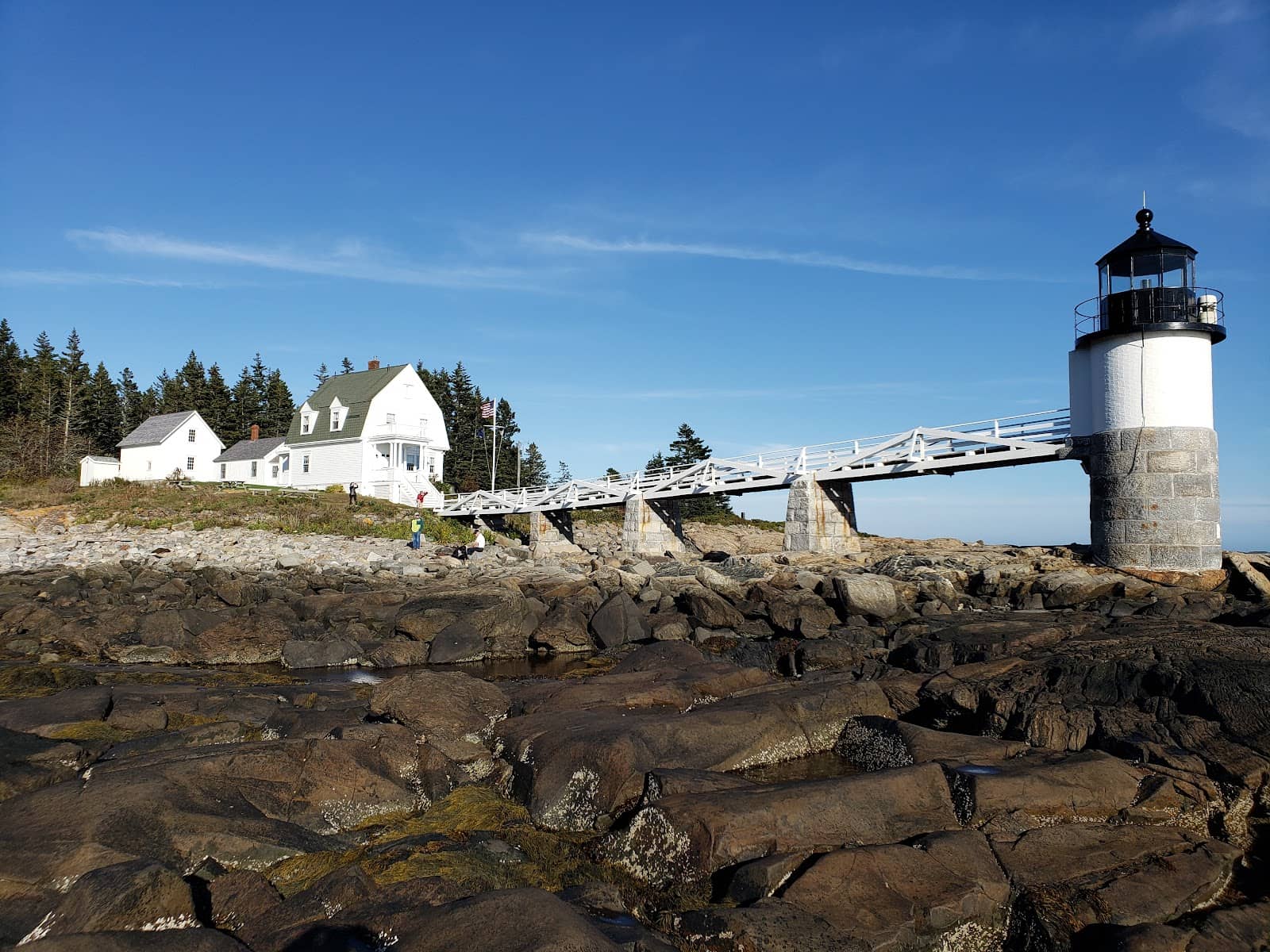
Built in 1902 at the end of a breakwater, this 1,000-foot walk out on uneven stone slabs rewards you with a charming lighthouse, keeper's house, and a floating dock for perfect views. It's a moderate walk, just under a mile, that demands sturdy shoes and your full attention on the stones underfoot.
Visit in early October or other off-seasons for a quiet experience. Weather matters here, so check conditions before you go and move slow and steady, paying attention to your footing. Families with kids do it regularly, and even jogging tourists have made the trek. The seagulls will judge you if you stumble, but the view is absolutely worth it.
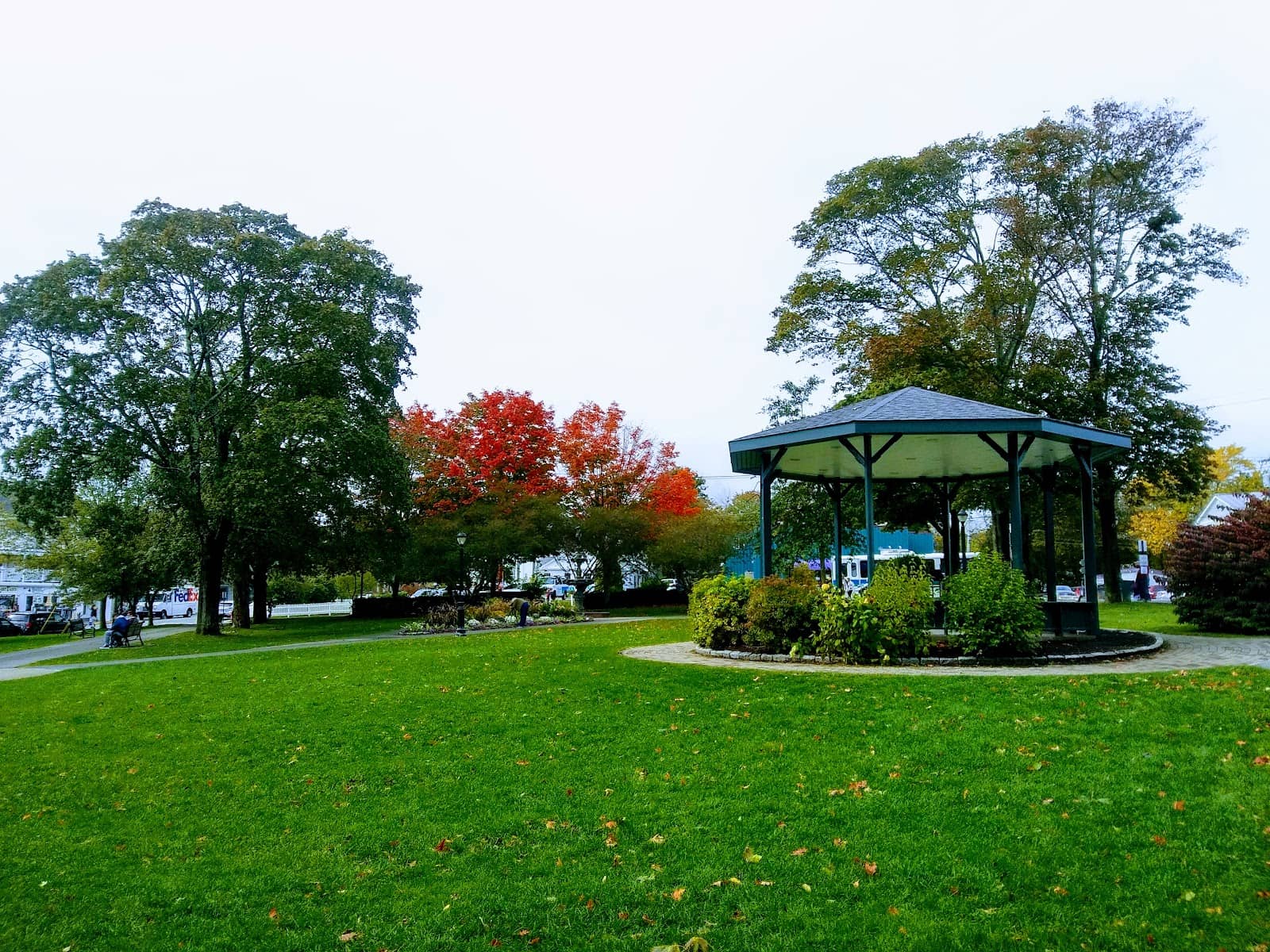
A grassy town square in downtown Bar Harbor with benches, a gazebo, and a national park info center. It's a perfect rest stop after walking the main street shopping or wandering nearby attractions.
The park hosts free summer music events and concerts. One recent visitor caught a street musician performing there on a warm afternoon. Another attended a community band concert that drew groups dancing and marching to the beat. It's a genuine community gathering spot, not a tourist-only space, so you'll mix with locals.
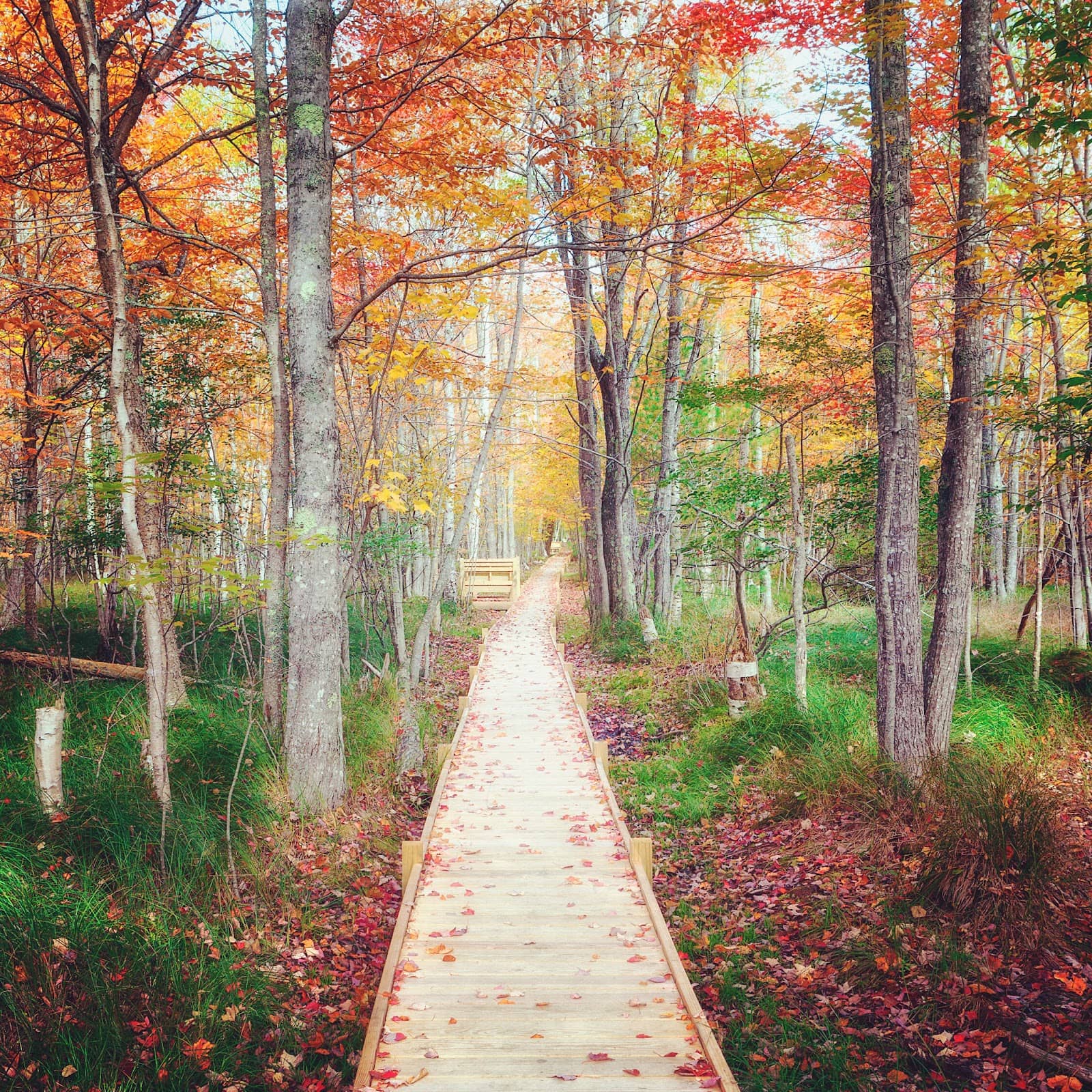
Native trees, wildflowers, and ferns are organized into separate biomes, each well-labeled so you learn what you're looking at. The Jesup Trail and other paths wind through a rustic setting with a stream, offering choices for easy strolls or steeper hikes.
The nature center runs 9 to 5 and the gardens close at 6. Early morning walkers find the paths nearly empty and rewarding, with chances to spot wildlife like bullfrogs and porcupines. Visitors rave about the Emory and Homan paths, which climb steeply but deliver views that justify every step. Choose your trail by energy level and interest.
Tools
Guides



Destinations
Downeast & Acadia
Gateway to Acadia National Park - Cadillac Mountain, puffin cruises, and a harbor town that fills with cruise ships from May to October.
Southern Maine Coast
Dock Square boutiques, Goose Rocks Beach, and the Bush family's Walker's Point - the quintessential coastal Maine summer town.
Greater Portland
Maine's largest city - a working waterfront, Old Port cobblestones, and a food scene that punches well above its weight.
Midcoast Islands
Shipbuilding heart of Maine since 1743 - Bath Iron Works still launches destroyers past the Maine Maritime Museum on the Kennebec.
Midcoast Islands
A Midcoast harbor town built around boat trips, with the Coastal Maine Botanical Gardens just up the road.
Midcoast Islands
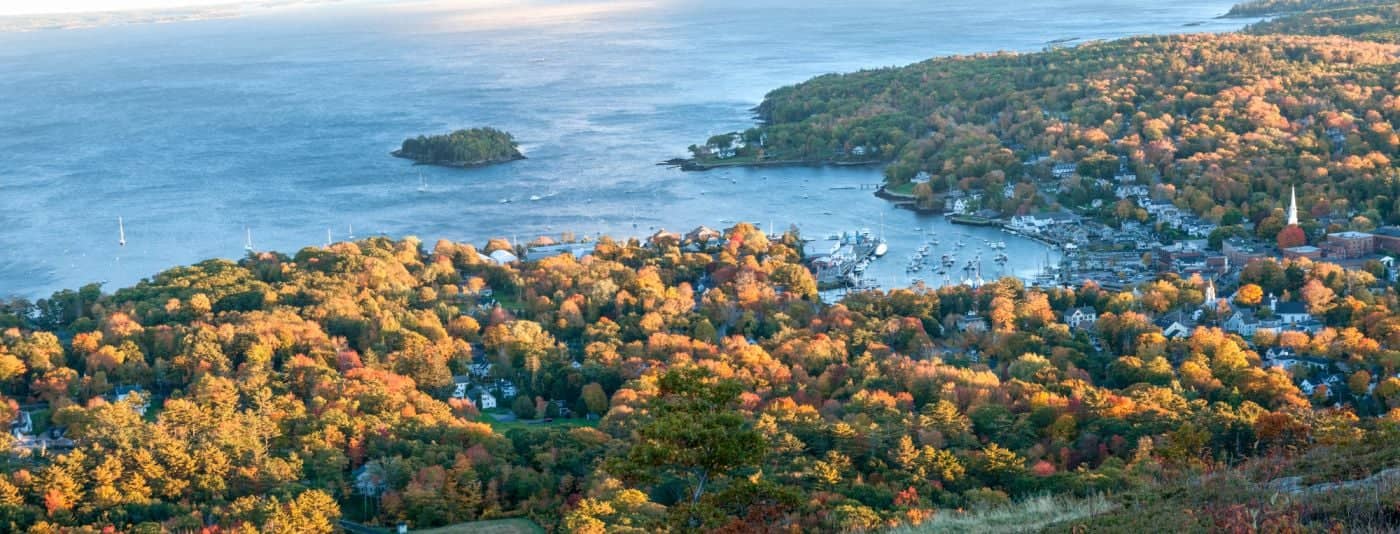
Where the mountains meet the sea - windjammer harbor, Mount Battie summit views, and an independent village with real soul.
Greater Portland
Flagship home of L.L. Bean, open 24/7 - outlets, a tidal river, and surprisingly good eating between the shopping.
Southern Maine Coast
Postcard-perfect village of sea captains' mansions, Lower Village shops, and easy walks to Mother's Beach and Gooch's Beach.