1
Bar Harbor
See main listingGateway to Acadia National Park - Cadillac Mountain, puffin cruises, and a harbor town that fills with cruise ships from May to October.
Details

Guide
Bar Harbor, Maine, outings include the Bar Island land bridge, coastal viewpoints and Acadia stops, with tides and driving distance shaping each trip.
Almost every list of things to do in Bar Harbor, Maine is really a list of things to do in Acadia National Park, and that is fair. The park surrounds the town on three sides. But Bar Harbor has a genuine town of its own, with a tidal path to an island, a shore walk, a 1932 movie house and the best restaurant density in eastern Maine. This ranking covers both.
Compiled from published reviews, official sites and our own research; assessed remotely without firsthand experience.
Everything below is scored on rating multiplied by review volume from our Bar Harbor places data. That combination is more honest than rating alone: a 4.9 from thirty people is a nice signal, a 4.9 from fifteen hundred is a verdict. It also explains why a few famous stops sit lower than you might expect, a place that disappoints a fraction of the enormous crowd it draws will still rank high on volume and take a hit on score.
The most-visited pullout on the Park Loop Road, where a wave compresses air in a rock chamber and blows it back out with a bang. The catch is that it only performs on a rising tide with real swell behind it; at slack water it is a quiet crack in the granite. The 4.6 is the sound of several thousand people arriving at the wrong hour.
25 Visitor Center Road. The main Acadia National Park entrance station north of town, with the relief map, the rangers and the current conditions board. Worth twenty minutes at the start of a first visit and skippable on a second.
Newport Drive. The green above the town pier, looking out over Frenchman Bay and the moored boats. It is small and it is the heart of the town: everyone passes through it, and the sunrise over the bay from the top of the lawn is free.
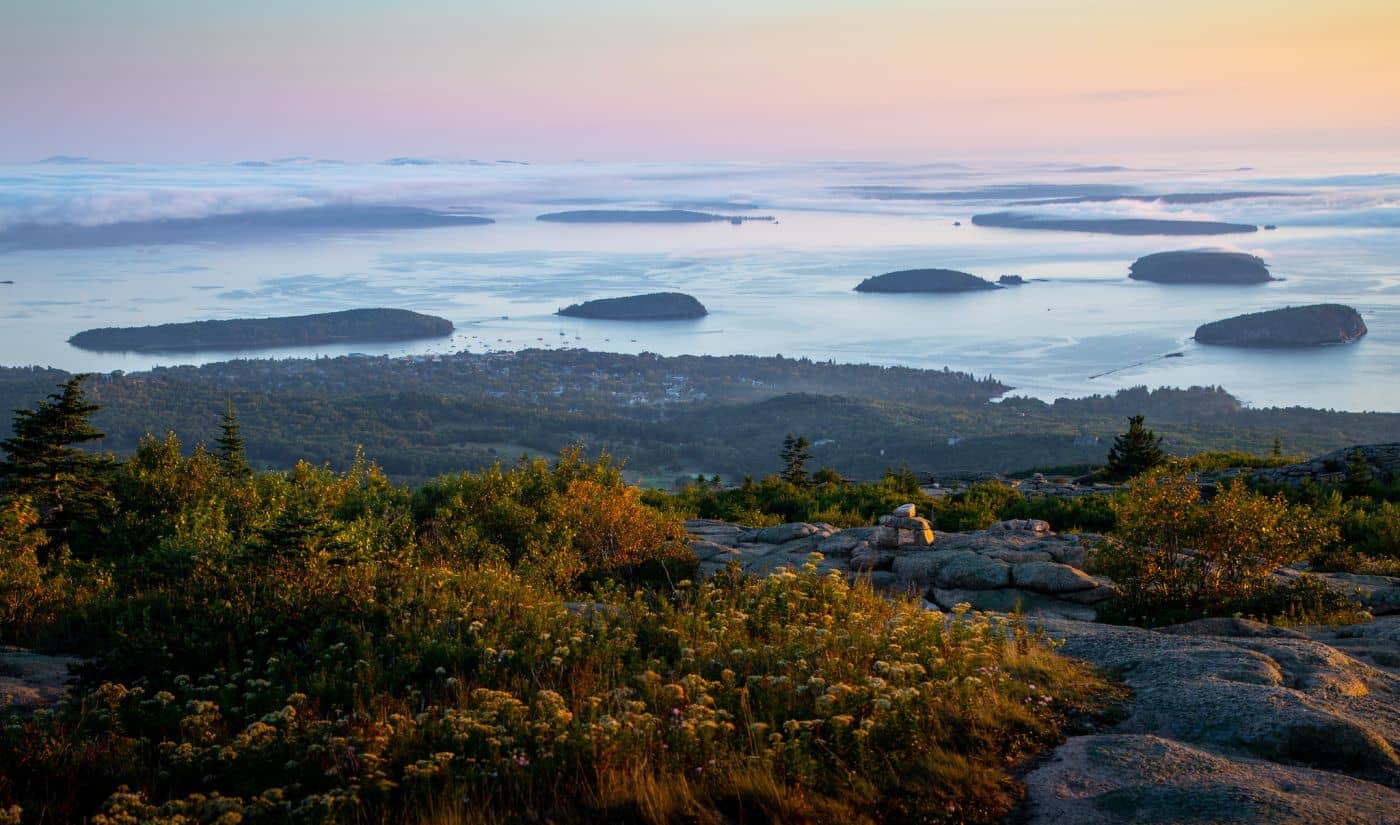
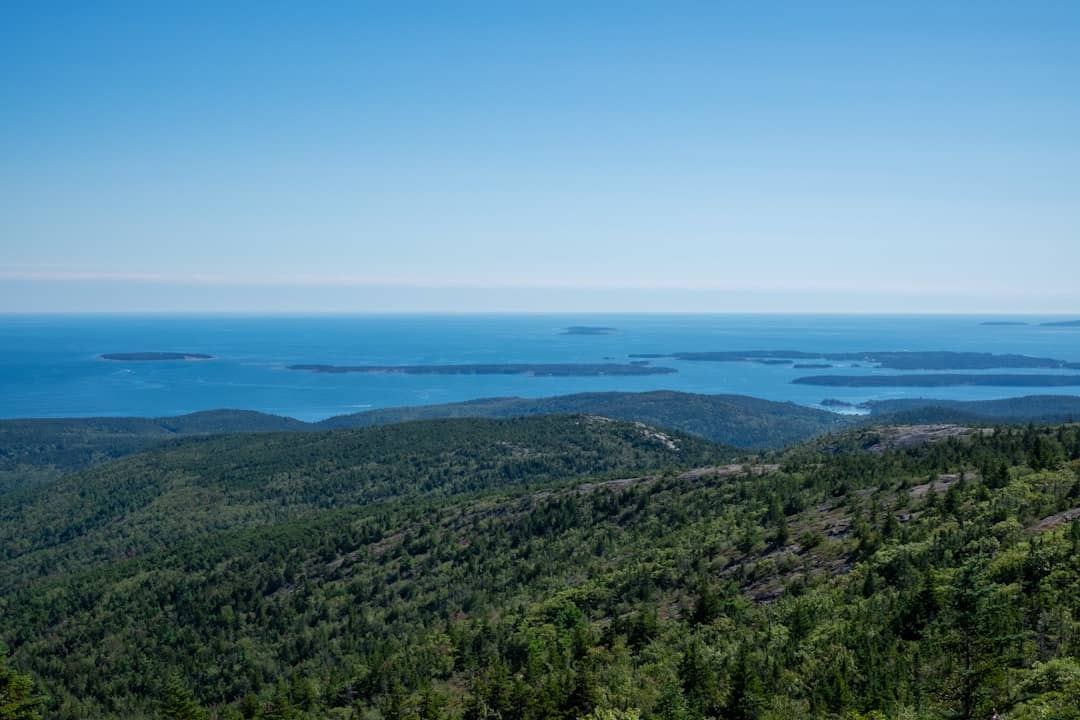
The highest point on the eastern seaboard and the highest-rated large attraction on the island. A timed vehicle reservation is required for the summit road during the busy season, released on a rolling window through the national recreation booking site. Plan for it rather than driving up and hoping. Full detail in our Cadillac Mountain guide.
9 Firefly Lane. The square in the middle of town, and more usefully the hub of the free seasonal Island Explorer shuttle. If you are going to leave the car anywhere, leave it near here.
A pocket of coarse shell-and-quartz sand between granite headlands on the Park Loop Road. The water sits somewhere in the fifties through the summer, so most people wade to the knee and retreat. The lot fills early; the shuttle does not care. See our Acadia beaches guide.
At Sieur de Monts. A compact botanical garden laid out by habitat, with the plant communities of the island represented in miniature. Half an hour, and the best shade on a hot afternoon.
The iron-rung climb above Sand Beach, and one of the two highest-rated things on this list. It is exposed, it involves ladder rungs bolted into a cliff, and it is genuinely not for anyone uneasy with heights or wet rock. Go up only. It is one-way for good reason.
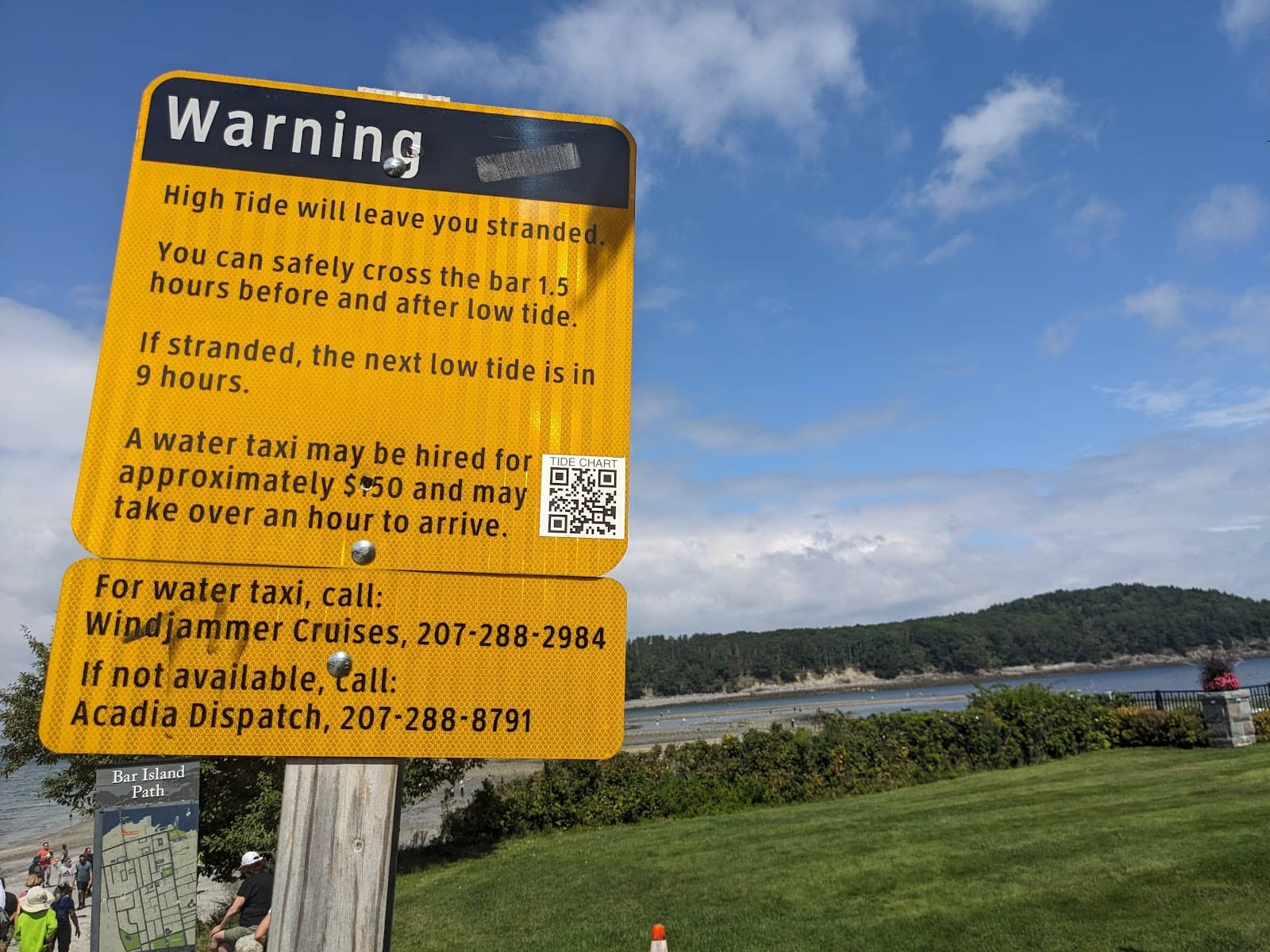
Bar Island Trail. A gravel bar that emerges from the harbor at low tide and lets you walk out to Bar Island from the end of Bridge Street. The window is roughly ninety minutes either side of low tide, and people do get stranded every summer. Check the tide table, then check your watch.
The flat shoreline path running from Sand Beach past Thunder Hole to Otter Cliff. Wide, easy, and the best value-per-effort walk in the park. Do it in the morning before the loop road traffic thickens.
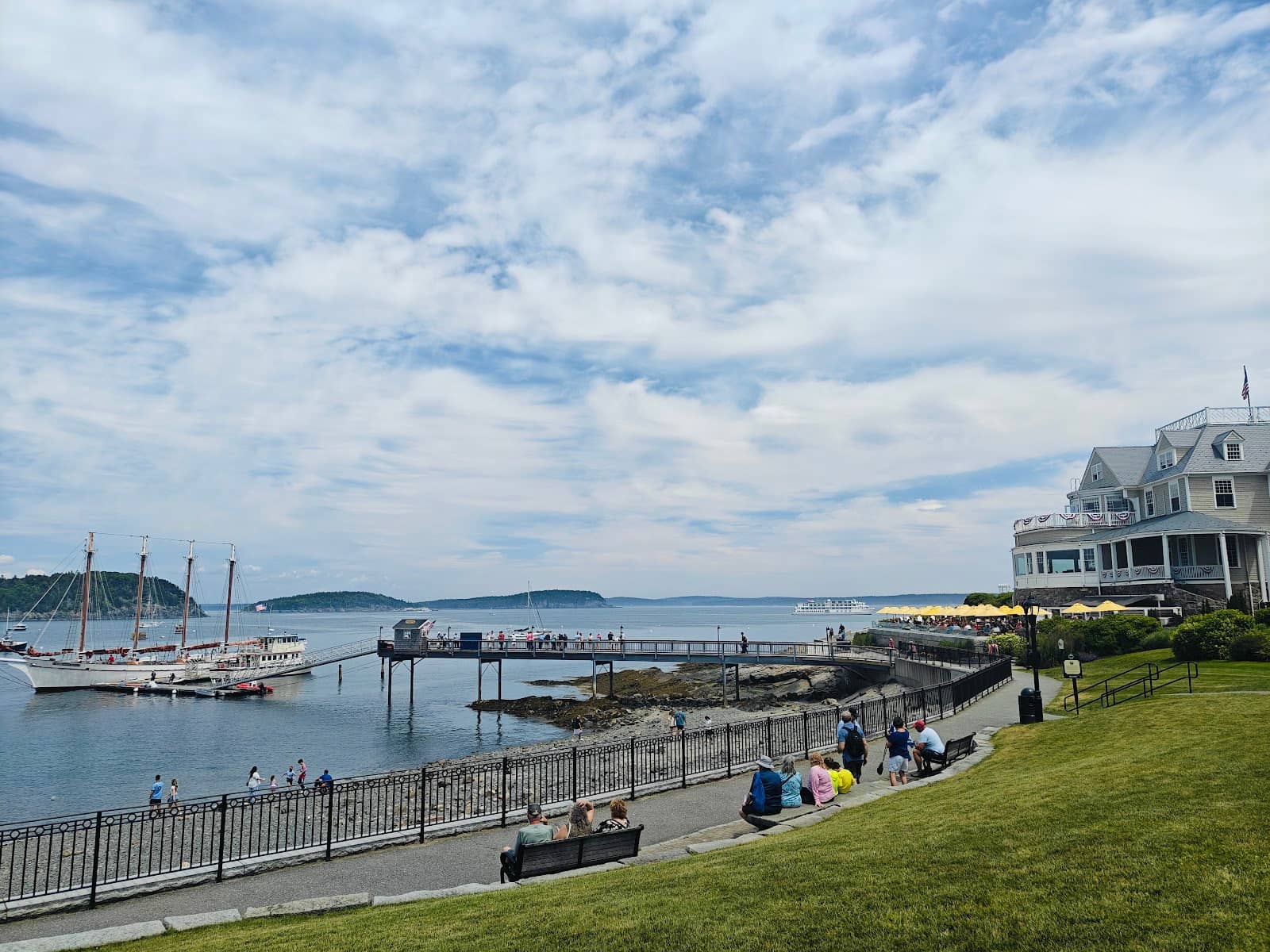
48–52 Hancock Street. A short gravel path along the waterfront below the old cottages, from the town pier around to Wayman Lane. Twenty minutes, flat, and the best thing in town that costs nothing.
35 Cottage Street, criteriontheatre.org. An art deco theater from the 1930s, restored and running films and live music. The obvious wet-weather move and a genuinely good room.
Park Loop Road. A moderate, mostly open climb with continuous ocean views and none of the exposure of the Beehive. If the Beehive is too much, this is the hike to do instead. More options in our Acadia hiking guide.
21 Albert Meadow. A small clifftop park off the Shore Path with benches, a playground and a direct view across Frenchman Bay. Locals call it Albert Meadow.
2 Sieur de Monts Road. The spring, the nature center and the Wild Gardens in one place, at the inland end of the park near the Jesup Path boardwalk. Quiet, shaded and largely bypassed by traffic heading for the coast.
Bar Harbor has more restaurants per resident than anywhere else in eastern Maine, and in August every one of them has a line. These are the highest-volume rooms in town with their ratings:
For the full-tablecloth-on-the-shore version, see our guide to lobster bakes in Bar Harbor.
The single best decision in Bar Harbor is to stop driving. The free Island Explorer shuttle runs from the Village Green to Sand Beach, Thunder Hole, Jordan Pond and most of the trailheads through the warm months, and it removes the parking problem entirely. Park lots on the loop road fill by mid-morning in July and August and stay full until late afternoon.
Two other timing notes. Cruise ships anchor in Frenchman Bay through the season and tender passengers into the town pier, which doubles the population of the village center for a few hours at a stretch. Check the port schedule if you want a quiet morning in town. And whale and puffin boats leave from the same pier; our Bar Harbor whale watching guide covers which trips are worth the crossing.
Shoulder season is the honest recommendation. Late September and early October have the foliage, open restaurants, an operating shuttle and perhaps a third of the August crowd.
Three is the sweet spot: one for the Park Loop Road and the coastal stops, one for a hike and Cadillac Mountain, one for the town, the Shore Path and a boat trip. Two works if you skip the boats. One day means the loop road and nothing else, which is still worth doing but leaves the best of Acadia untouched.
Walking out to Bar Island across the land bridge at low tide, which rates 4.8 from 553 reviews and costs nothing but attention to the tide table. The Bar Harbor Shore Path (4.8 from 474 reviews) and Agamont Park (4.7 from 1,775 reviews) are the other two, and all three start within a few minutes of the town pier.
You need one to get there, and then you are better off leaving it parked. The free Island Explorer shuttle covers the Village Green, the Park Loop Road stops and most trailheads through the summer season, and the lots at Sand Beach and Thunder Hole are full from mid-morning. A car is only genuinely necessary for the quiet western side of Mount Desert Island.
The 1932 Criterion Theatre on Cottage Street (4.7 from 293 reviews) is the best indoor room in town. The Wild Gardens of Acadia and the Sieur de Monts Nature Center are both worth an hour in light rain, and the Ocean Path is arguably better in fog than in sun. Thunder Hole also performs best in the kind of weather that keeps everyone else indoors.
For time in town, the Bar Harbor Parking, Maine: Rates, Lots and Day Plans compares standard and premium rates, the four-hour street limit and all-day options.
For a meal chosen by occasion and part of town, compare Best Restaurants in Bar Harbor, Maine: Ten Picks.
Gateway to Acadia National Park - Cadillac Mountain, puffin cruises, and a harbor town that fills with cruise ships from May to October.
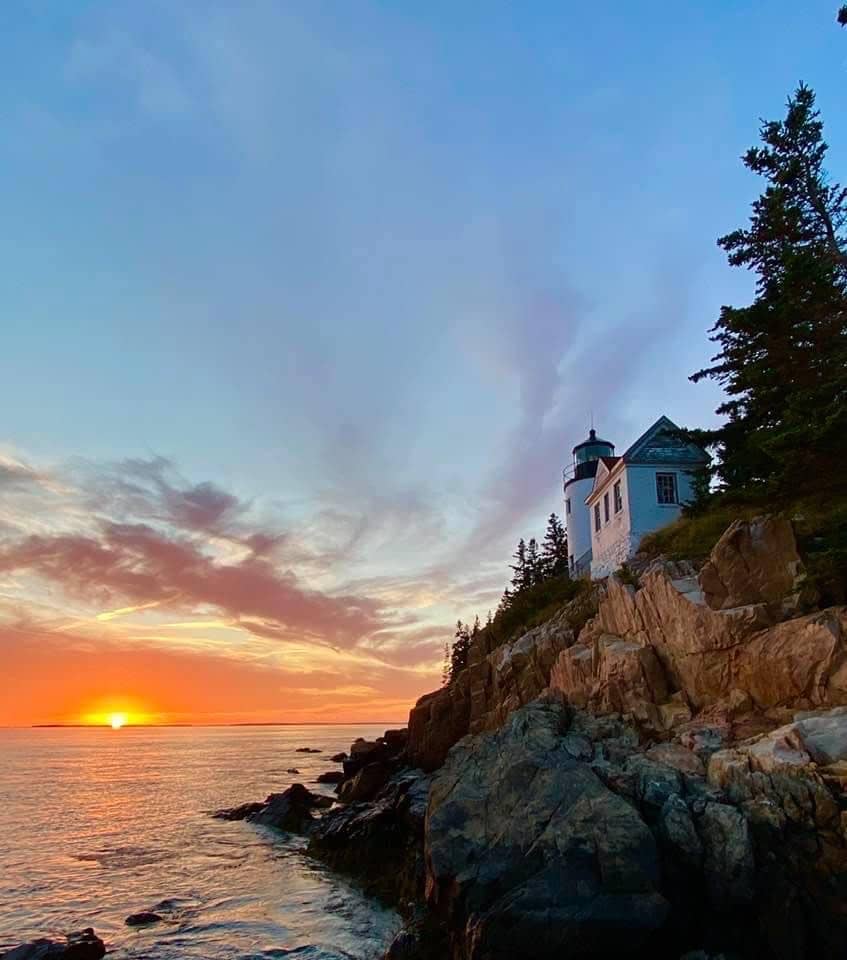
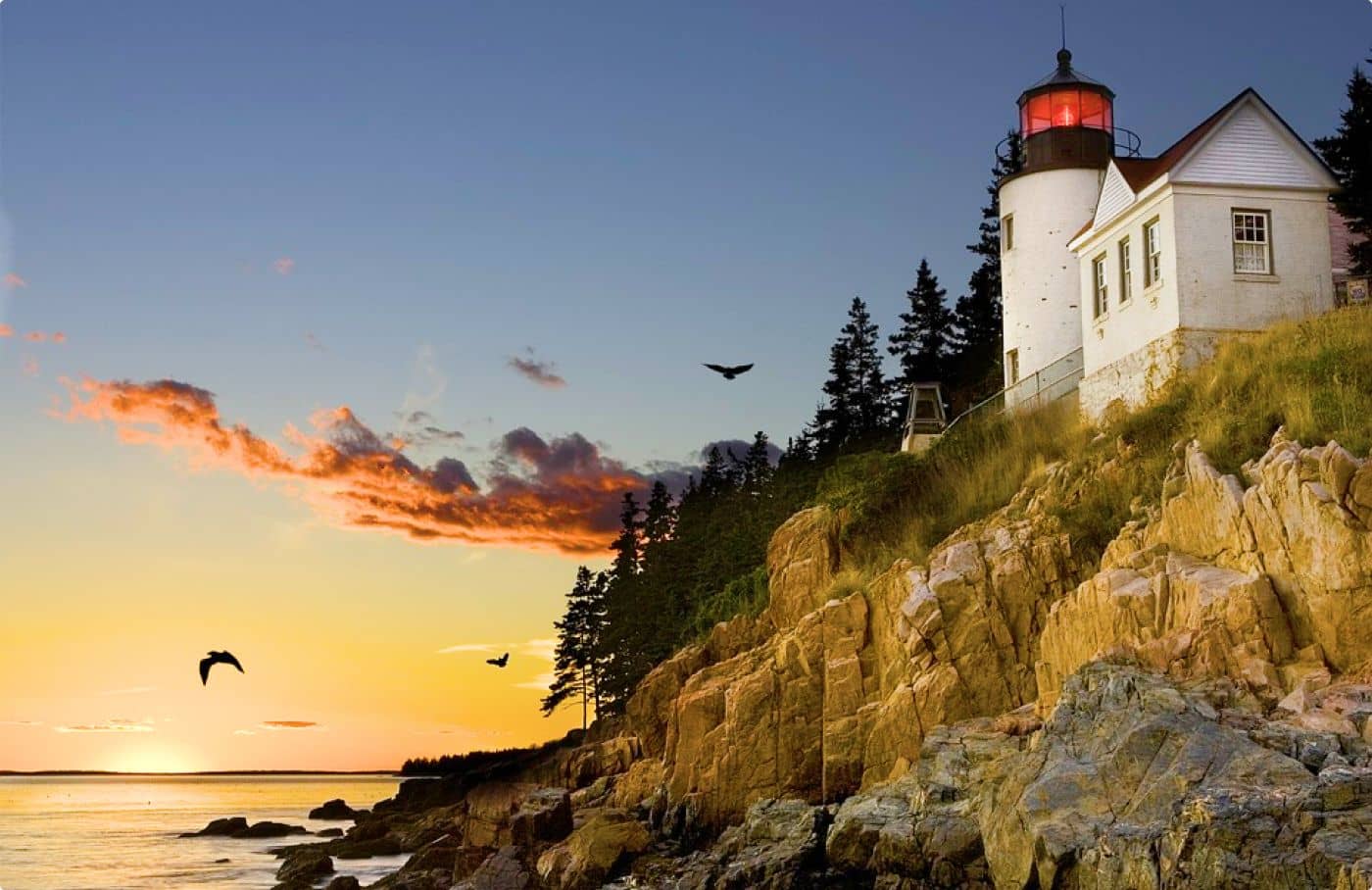
This 1858 lighthouse sits on a sea cliff and draws visitors for its rugged coastal views and photo opportunities. The walk involves a short climb down rocky paths and stairs to reach the best vantage points, and it's worth timing your visit for sunrise or sunset when the light hits just right.
Parking is the main challenge here, especially in peak season. Arrive early or go during shoulder months like early November. One recent visitor noted the lot fills fast even on quieter weekends. The reward for the effort is a genuine perspective on the lighthouse and the rocky shoreline that most casual visitors don't get.
This natural rock inlet in Acadia is famous for the thunderous boom when waves crash into it just right, sending spray high into the air. The effect is all about timing and conditions. Visit one to two hours before high tide when seas are strongest, and you'll hear and see the power of the ocean at its most dramatic.
Come on a calm day and you might find it underwhelming, so check tide charts and wave forecasts before you go. When conditions align, the sight and sound are genuinely impressive, and the area offers ocean views and dramatic cliffs worth the visit regardless.
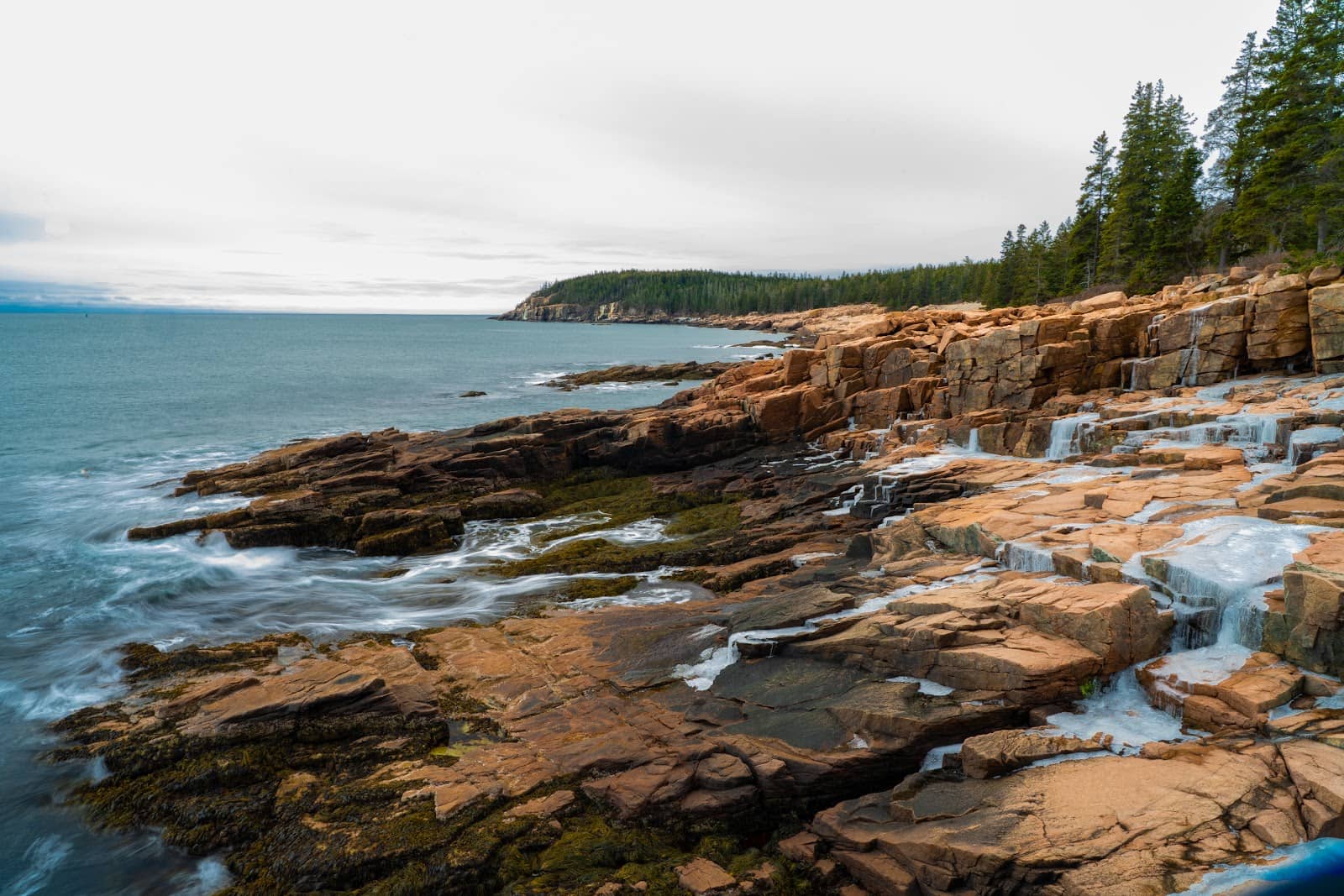
This oceanside green space in downtown Bar Harbor is large enough to spread out, with benches, walking paths, and views of the water and fountain. It's an easy place to sit down for a lobster roll or ice cream, watch people and boats, or catch your breath between shopping trips down Main Street.
The park draws locals and visitors alike, especially for sunset views. Walking paths wind through the park and keep you close to the water. It's quiet enough to feel like a genuine rest stop, not just another tourist attraction.
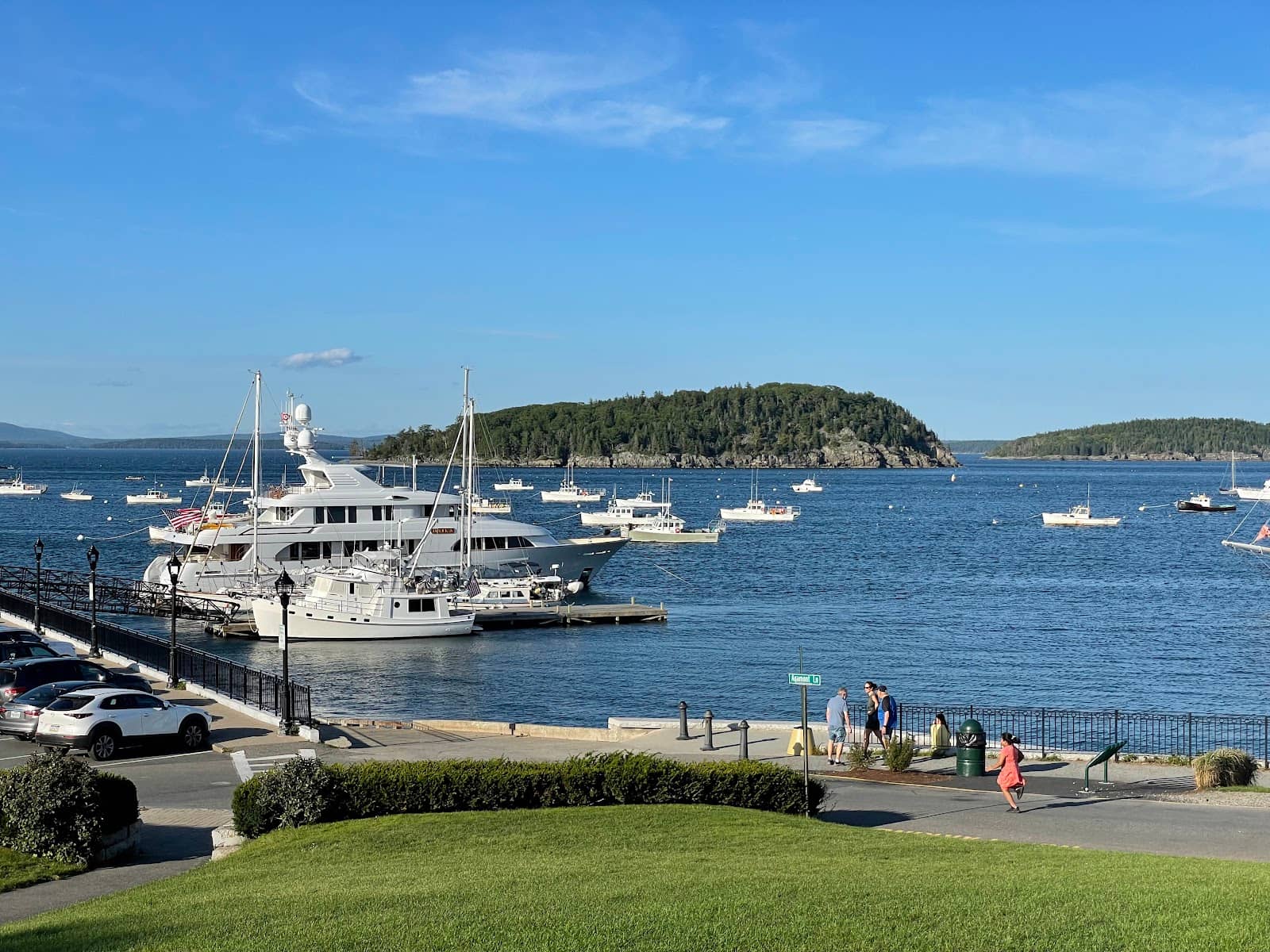
Built in 1825, this 30-foot lighthouse sits in a state park with panoramic views of the bay. The lighthouse itself is small but picturesque, and its location on the rocky coastline makes it worth the trip. Free parking and no entry fee, though the lighthouse is only open for tours during the day.
There's an easy walk up to the lighthouse and surrounding area, with stairs to the entrance itself. Even if the lighthouse is closed, the views from the grounds are breathtaking, and you can explore picnic areas and the rocky beach. The parking lot is small, so arrive early if you're visiting during peak season.
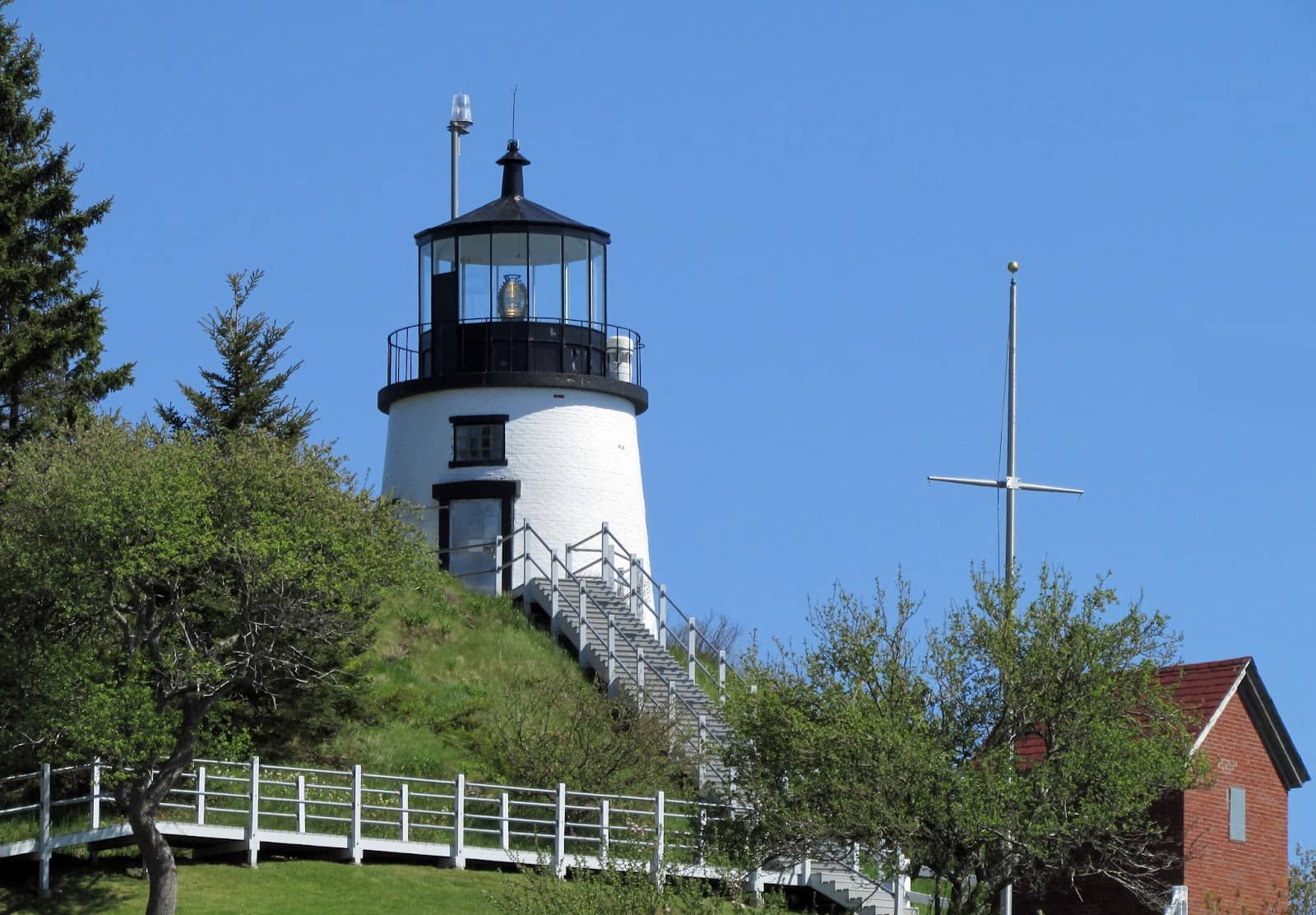
This summit is one of the first places in the U.S. to see the sunrise, and visitors who time it right report magical, unforgettable views over the ocean, islands, and the park. The drive to the top offers scenic views in every direction, though fog can roll in quickly. If you arrive in afternoon fog, drop down slightly for clearer skies.
The 3,530-foot elevation means it can be cold and windy even in summer, so bring layers even if the weather looks mild below. Parking is available at the summit, and a bathroom is on-site. The views are worth the climb, and the experience changes depending on time of day and season.
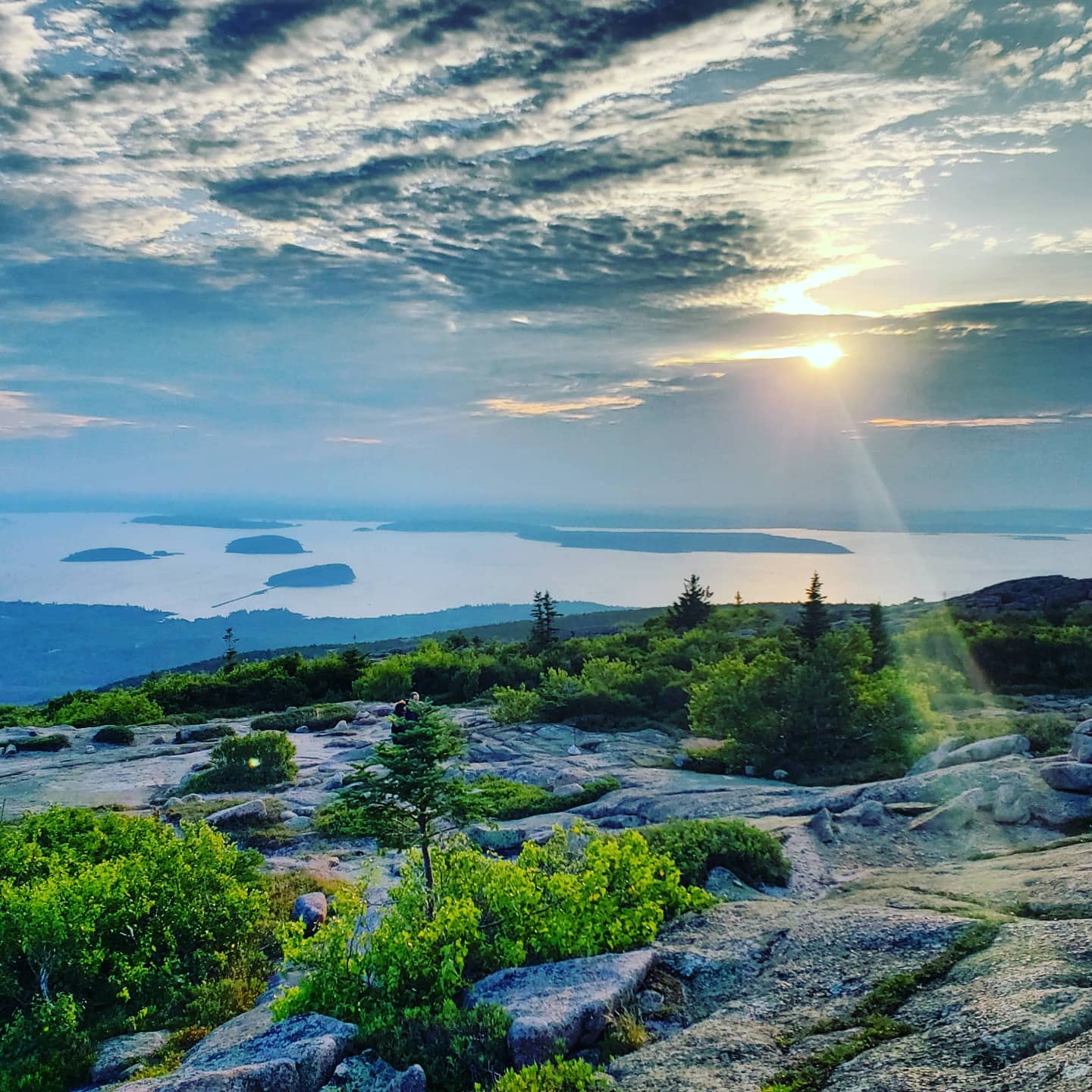
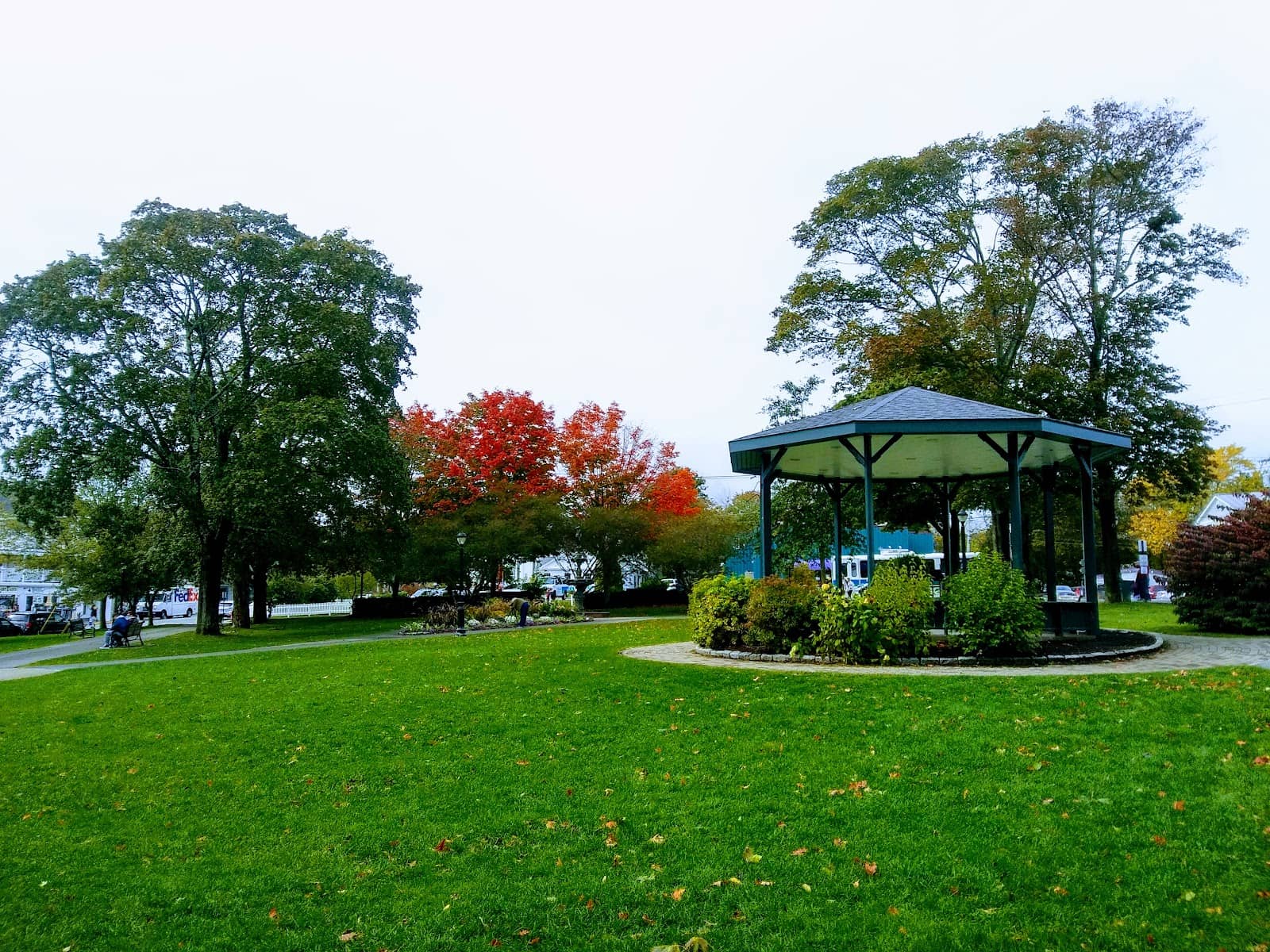
This grassy town square sits in central Bar Harbor with benches, a gazebo, and a national park info center. It's a natural rest spot after walking the main shopping street, and it regularly hosts summer concerts and live music events. Visitors often stumble onto musical performances and community gatherings here.
The park draws a mix of tourists and locals, and the vibe is relaxed. It's a free, easy place to sit and soak in the town atmosphere, or catch a band performance during the warmer months.
This is a tide-dependent hiking trail that only opens at low tide, when the ocean recedes and leaves a natural land bridge to Bar Island. The exposed path is lined with rocks and tide pools, and it's something to experience even if you don't make it all the way to the island.
Timing is everything. The bridge is safe to walk for about 1.5 hours before and after low tide. Miss that window and you'll be stuck, so check tide schedules carefully. Use metered parking along West Street with a credit card or Park Mobile App. One visitor recommended paying attention to the tide schedule to avoid being stranded until the next low tide. It's a unique experience that appeals to explorers.
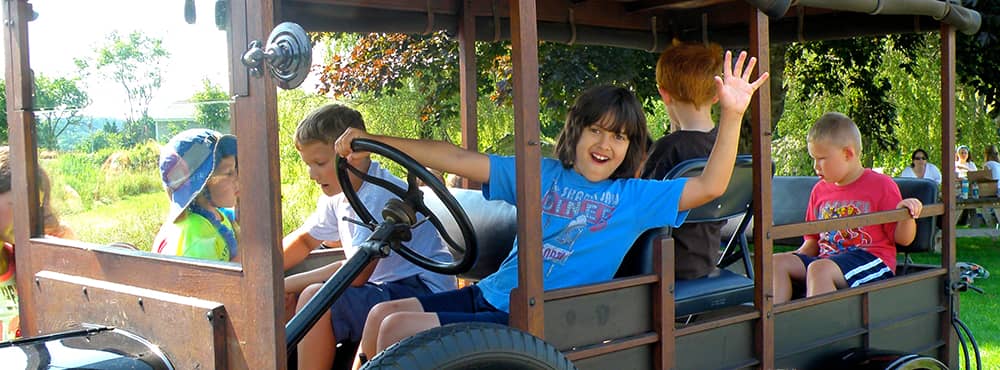
This museum showcases an impressive collection of brass-era cars and early automobiles rarely seen elsewhere in the country. The volunteers and staff are deeply invested in the collection and skilled at engaging visitors, including kids and families. A half-hour drive west of Bar Harbor, it's worth the trip for anyone interested in automotive history.
Visitors report that the staff give informative tours and are eager to share facts about the vehicles. The signage is clear and educational, covering cars built across the U.S. and telling the story of early motoring. It's a good choice for a rainy or chilly day, though it works just as well in nice weather.
This flat coastal path runs along the edge of Frenchman Bay and starts near the Bar Harbor Inn. It's one of those walks visitors remember long after they leave. The path winds along rugged Maine coastline with views of sailboats, islands offshore, rocky shores, and pine trees. At low tide, you can see colorful kelp-covered rocks that sit underwater the rest of the time.
The path is busy with walkers and dogs, and it's a sociable stretch that lets you take in the coastline without climbing. The scent of salt and pine and the sight of boats anchored in the bay make it feel like a postcard brought to life.
This visitor center is housed in the historic Spring House complex, the birthplace of Acadia National Park. Inside, exhibits cover the park's natural science and ecology. The site isn't heavily crowded, and there's ample parking plus bathrooms in a separate building. Two rangers typically staff the inside and are friendly and knowledgeable.
The real draw is the surrounding trails through natural habitat, which are short but rewarding. Kids can earn national park passport stamps here, and there are 'bark ranger' and 'junior ranger' programs available. One visitor noted that even the short climbs offer amazing views. It's a compact, education-focused stop that combines indoor exhibits with outdoor exploration.
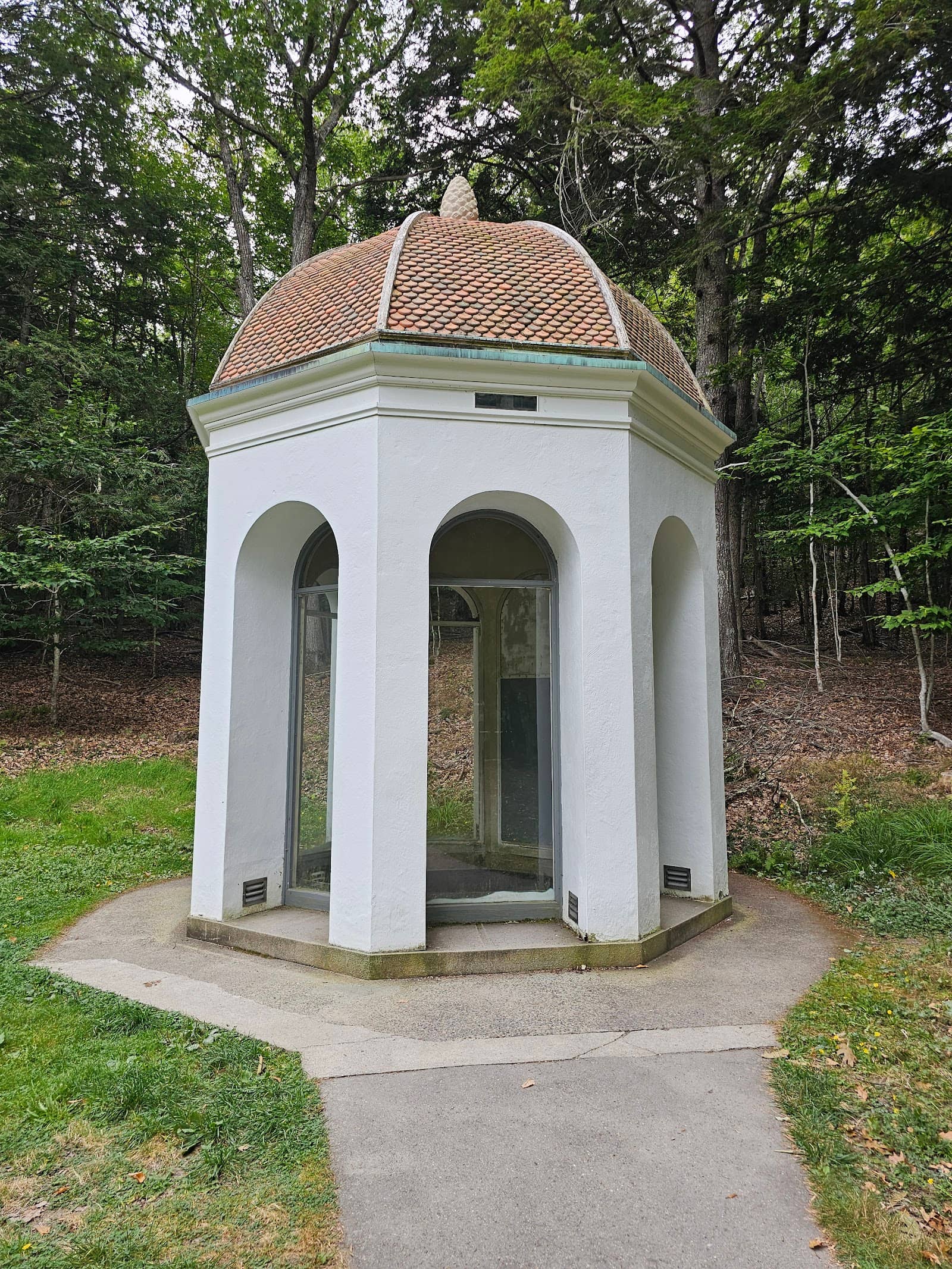
This hands-on aquarium features a lobster hatchery and an ecological marsh walk, with staff who clearly love their work and are eager to share knowledge. While admission is $18 per ticket, visitors note the facility upholds real conservation efforts. Talks and feedings happen throughout the day, and the young staff member at the desk will explain the layout and schedule.
The facility is small, with three buildings, but it packs a lot of learning into the space. Visitors report that the staff and environments make the experience feel personal and engaging, not like a factory-style tourist trap. Families especially appreciate seeing creatures in their habitats and learning from staff who care about what they do.
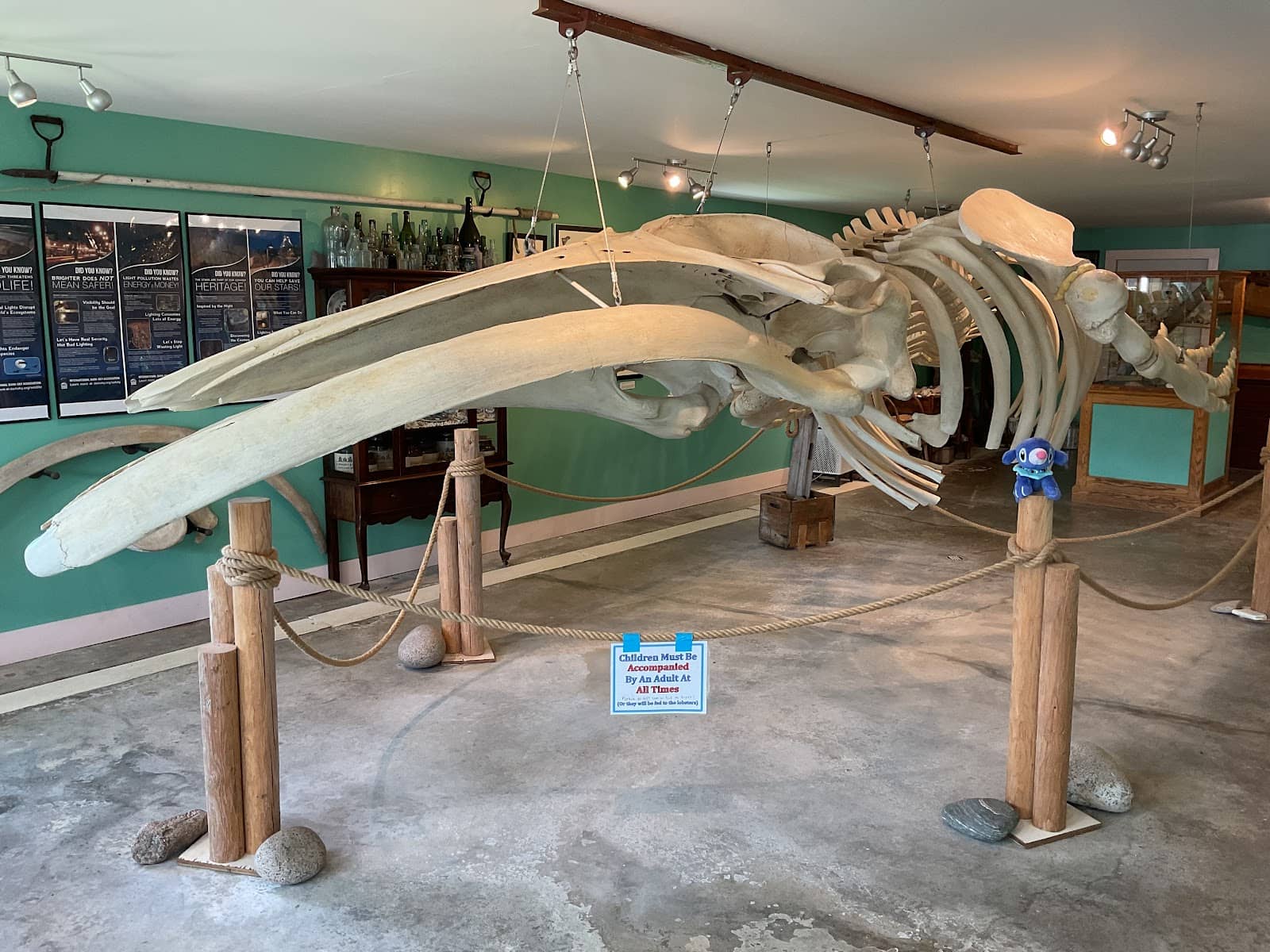
This compact nature museum is minutes from central Bar Harbor and features thoughtfully designed exhibits with animals, skeletons, and displays that appeal to kids and adults alike. Admission is pay-as-you-wish donation, making it accessible and low-pressure. The museum hosts a Touch Tank Talk family program led by an Acadia park ranger.
Despite its small size, the curatorial work is impressive. Exhibits incorporate multiple disciplines and are clearly crafted with care. Families with kids age 8 to 11 report that children engage deeply with the displays and learn new facts about local wildlife. It's a great rainy-day option or a quick cultural stop during a nature-focused visit.

Tools
Guides



Destinations
Downeast & Acadia
Gateway to Acadia National Park - Cadillac Mountain, puffin cruises, and a harbor town that fills with cruise ships from May to October.
Southern Maine Coast
Dock Square boutiques, Goose Rocks Beach, and the Bush family's Walker's Point - the quintessential coastal Maine summer town.
Greater Portland
Maine's largest city - a working waterfront, Old Port cobblestones, and a food scene that punches well above its weight.
Midcoast Islands
Shipbuilding heart of Maine since 1743 - Bath Iron Works still launches destroyers past the Maine Maritime Museum on the Kennebec.
Midcoast Islands
A Midcoast harbor town built around boat trips, with the Coastal Maine Botanical Gardens just up the road.
Midcoast Islands
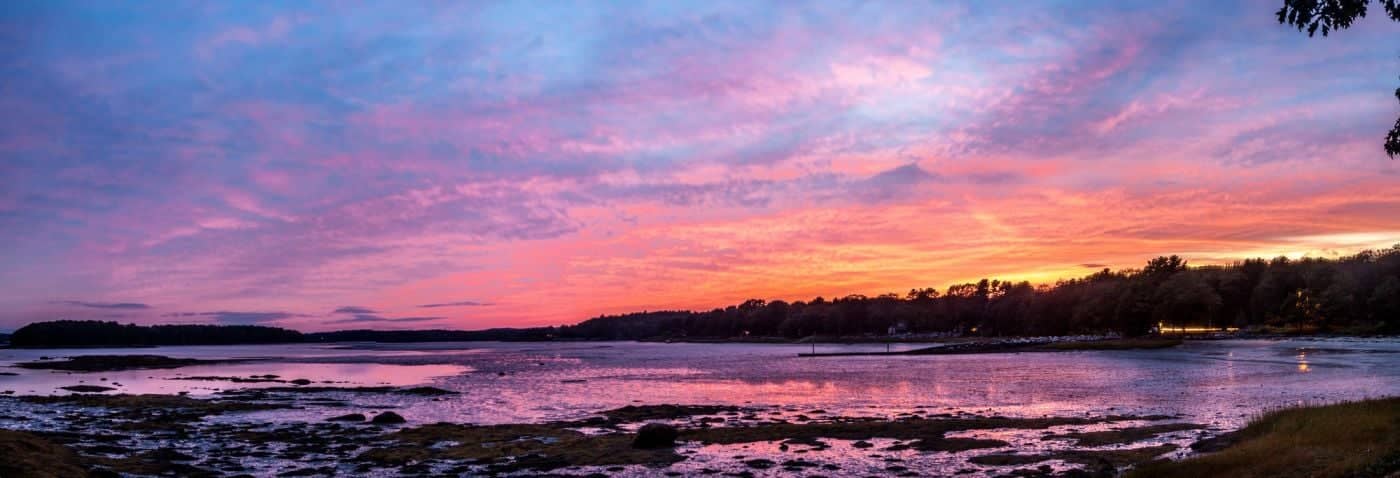
Where the mountains meet the sea - windjammer harbor, Mount Battie summit views, and an independent village with real soul.
Greater Portland
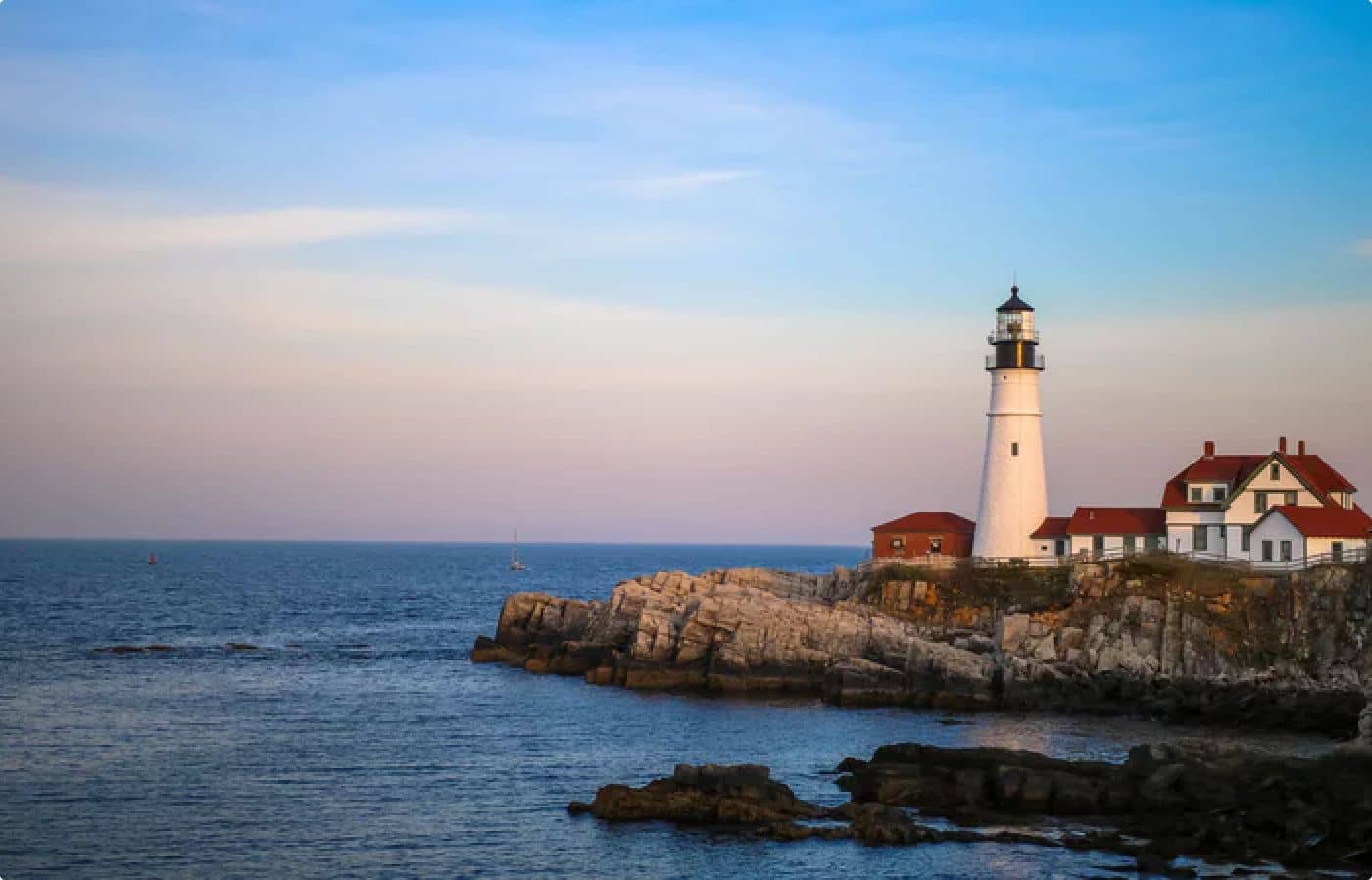
Flagship home of L.L. Bean, open 24/7 - outlets, a tidal river, and surprisingly good eating between the shopping.
Southern Maine Coast
Postcard-perfect village of sea captains' mansions, Lower Village shops, and easy walks to Mother's Beach and Gooch's Beach.