1
Bar Harbor
See main listingGateway to Acadia National Park - Cadillac Mountain, puffin cruises, and a harbor town that fills with cruise ships from May to October.
Details

Guide
Acadia National Park wildlife in Maine includes peregrines, seals and beavers, with habitat, season and offshore trips shaping what visitors may see.
The honest starting point for Acadia National Park animals: there are no moose worth planning around, bears are effectively absent, and the puffins are twenty miles offshore. What Acadia National Park does have is one of the best concentrations of accessible coastal wildlife in the eastern United States (peregrine falcons on the cliffs, harbor seals on the ledges, beavers in the marshes and finback whales offshore) if you know where and when to stand.
Mount Desert Island is an island, and that shapes the entire animal list. Species that need large unbroken territory are scarce or absent; species that thrive on edge habitat, marsh and shoreline do very well. The result is a park where you can reasonably expect to see a lot of wildlife without hiking into the backcountry, but where the famous Maine megafauna is somewhere else.
Moose. This is the correction most visitors need. Moose do occasionally swim to Mount Desert Island, but there is no resident population and no reliable place to look for one. If seeing a moose matters to you, that is a different trip entirely. Inland to the Moosehead Lake region or Baxter State Park, where the odds are genuinely good.
Black bears are in much the same category: present on the mainland, essentially not a factor on the island. There is no bear-canister requirement in the park's campgrounds, which tells you most of what you need to know. Bobcat and fisher exist but are seen by a handful of people a year.
Acadia's peregrine story is the best wildlife story in the park. The birds nest on the cliffs, and the park closes the trails beneath the active sites (typically the Precipice, Jordan Cliffs and Valley Cove) from spring until the chicks fledge in summer. That closure is not a suggestion, and it is the reason the population recovered here at all.
The upside for visitors: during nesting season, rangers frequently set up spotting scopes at the Precipice parking area so you can watch adults hunting and delivering food to the ledge. It costs nothing, takes twenty minutes, and it is the single best wildlife encounter in Acadia. Check current closures and scope times when you arrive. Our guide to the visitor centers covers where to ask.
Bald eagles nest around the island and are seen most reliably from the water, every scenic cruise operator in Bar Harbor points them out. Common eiders raft in the coves in large numbers, black guillemots work the rocky shoreline all summer, and ospreys fish the bays.
Acadia sits on a major migration corridor, and in the second half of May the woods fill with warblers moving through: more than twenty species in a good week. Birders consider this the park's peak season, and it lands well before the summer crowds. If wildlife is your reason for coming, plan around it rather than around July; see our guide to the best time to visit Acadia.
Atlantic puffins do not nest in the park. They nest on offshore ledges to the east, and the only way to see one is a boat trip during the nesting season, which ends in mid-August when the birds leave for open ocean. June and July are the window.
Harbor porpoises are common in the bays. Finback, humpback and minke whales feed thirty to fifty miles offshore in summer, which means a serious boat trip rather than a coastal viewpoint. The full picture is in our whale watching guide.
Closer in, the tide pools are the underrated attraction. The Ship Harbor Trail (4.8 from 115 reviews) on the western side of the island is the best set in the park: sea stars, green crabs, periwinkles, barnacles and anemones in accessible pools, but only near low tide. Check a tide table before you drive out there, because at high water the whole thing is underwater and there is nothing to see.
| Place | Look for | Best time |
|---|---|---|
| Sieur de Monts and the Jesup Path boardwalk | Beaver, deer, warblers | Dawn and dusk |
| Precipice parking area | Peregrine falcons | Nesting season, midday |
| Ship Harbor Trail | Tide pool life, shorebirds | Low tide |
| Indian Point Blagden Preserve | Harbor seals on the ledges | Low tide |
| Any Frenchman Bay boat trip | Seals, eagles, porpoises | Any |
| Carriage roads at first light | Deer, fox, hare | Early morning |
Indian Point Blagden Preserve (4.8 from 132 reviews), on the northwestern shore of the island, deserves special mention. It is a conservation preserve rather than parkland, quiet, and the seal ledges offshore are the most dependable haul-out you can reach on foot. Bring binoculars; without them it is a set of distant lumps.
The Wild Gardens of Acadia (4.6 from 725 reviews) at Sieur de Monts plants native species by habitat, which is a fast way to learn what you are walking through, and the adjacent Sieur de Monts Nature Center (4.5 from 239 reviews) covers the park's ecology. In town, the George B. Dorr Museum of Natural History (4.7 from 160 reviews) is small and well done, and the Oceanarium and Education Center (4.4 from 219 reviews) on Route 3 runs touch tanks and a marsh walk for younger children.
Just off the island, Stanwood Wildlife Sanctuary (4.6 from 196 reviews) in Ellsworth combines quiet woodland trails with a bird rehabilitation center. A good rainy-morning stop on the way in or out.
Keep your distance, and use optics rather than closing the gap. Never feed anything, the roadside foxes that have learned to approach cars in Acadia end up dead on the Park Loop Road. Stay on trails through nesting areas, respect cliff closures absolutely, and keep dogs leashed. If an animal changes its behavior because you are there, you are too close. Early mornings and the hour before dusk deliver more sightings than any amount of walking in the middle of the day, and quiet beats distance every time. Pick a spot along a marsh edge and wait rather than covering ground. Our hiking guide flags which trails run through the most productive habitat.
Effectively no. Moose occasionally swim across to Mount Desert Island but there is no resident population and no reliable place to look for one. Visitors who want to see a moose in Maine should head inland to the Moosehead Lake area, the Rangeley lakes or Baxter State Park, where sightings at dawn and dusk are genuinely likely.
The first hour after sunrise and the hour before dusk, without much competition. Deer, fox, beaver and hare are all crepuscular, the carriage roads are empty, and the light is better. Midday is the worst time for mammals: the exception being peregrine watching at the Precipice, which is good whenever the adults are hunting.
Black bears live in mainland Maine but are essentially absent from Mount Desert Island, and encounters inside the park are vanishingly rare. Standard food storage habits are still worth keeping at campgrounds, for raccoons and gulls more than for bears.
Not from the park itself. Atlantic puffins nest on offshore ledges well east of Mount Desert Island, and seeing one means booking a puffin cruise from Bar Harbor during the nesting season, which runs from spring to mid-August. After that the birds return to open ocean and no boat will find them.
Gateway to Acadia National Park - Cadillac Mountain, puffin cruises, and a harbor town that fills with cruise ships from May to October.
The working harbor on the quiet side of Mount Desert Island, with boatyards, Bass Harbor Head Light and easy Acadia access.
The quiet, moneyed side of Mount Desert Island, with a marina, two famous gardens, and fast access to Acadia.
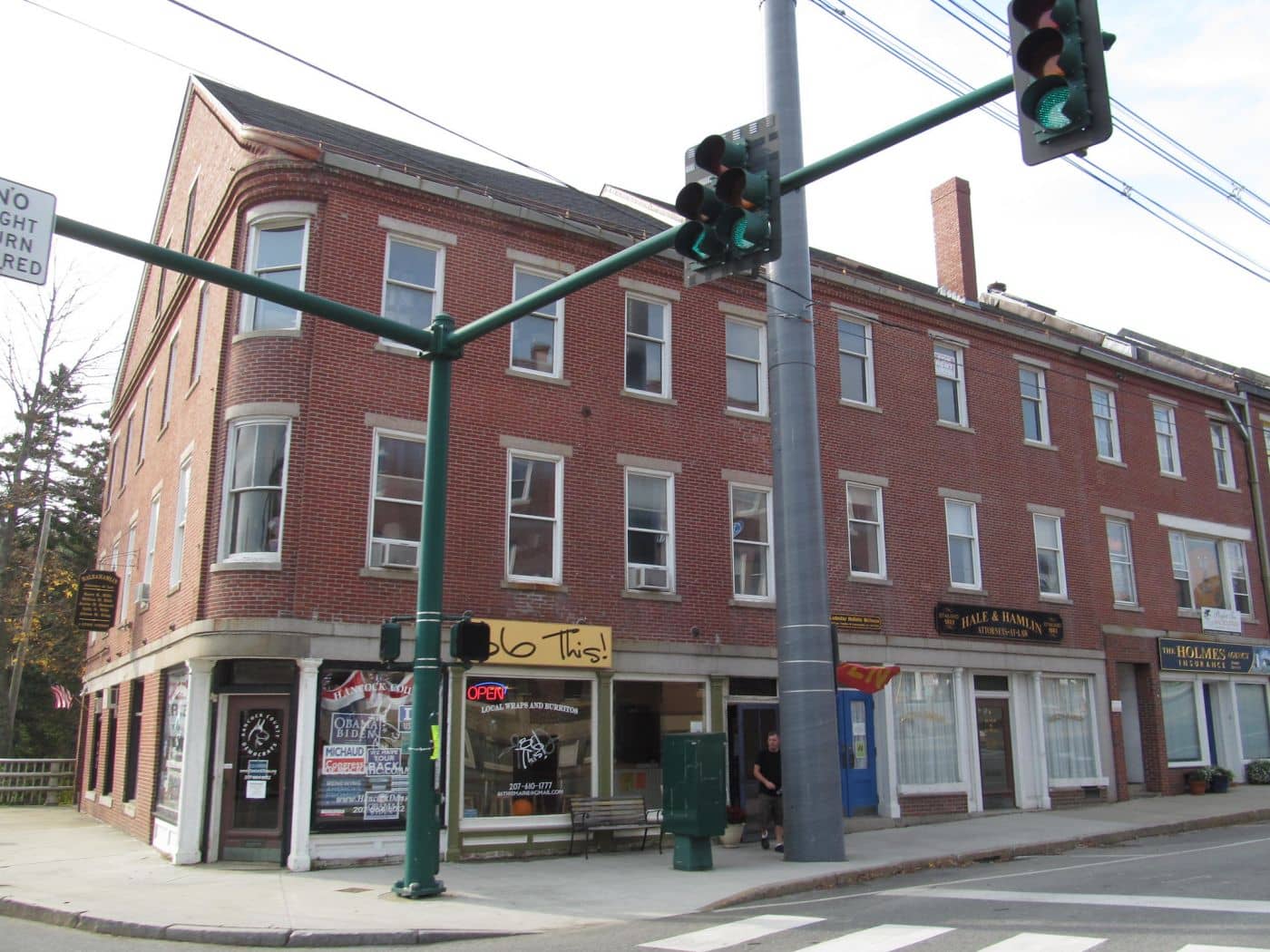
Gateway to Acadia - Main Street's shopping strip, the Colonel Black Mansion, and the scenic Union River dam walk.
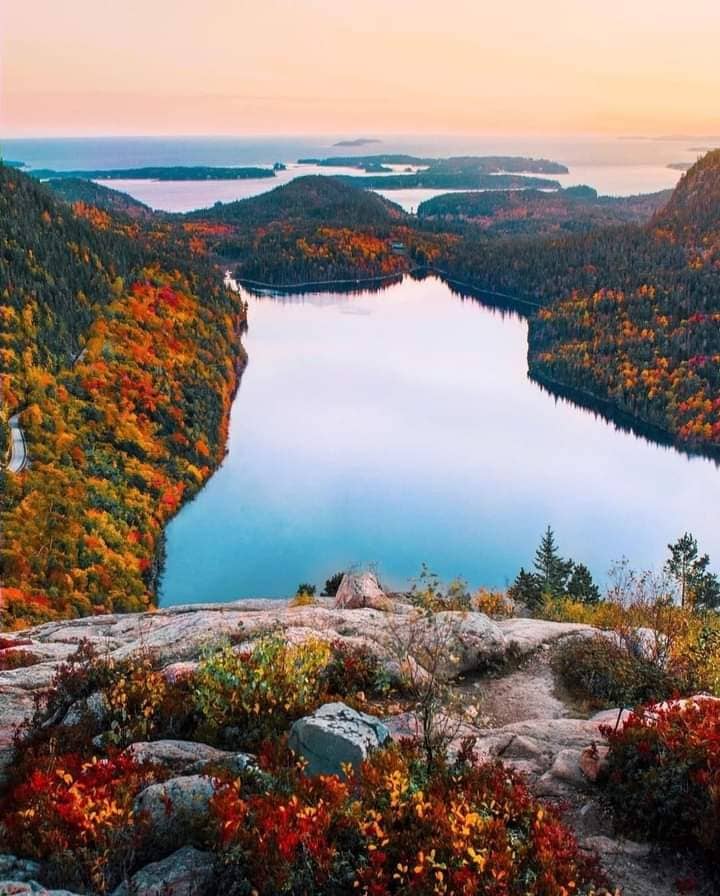
The centerpiece of this region, Acadia spans 47,000 acres with woodland, granite peaks, and rocky shores. Camping, hiking, and scenic drives are all available year-round, though keep in mind that many services and nearby towns shut down from October through May. A visitor in February found the park accessible even in off-season, with friendly rangers ready to help you navigate.
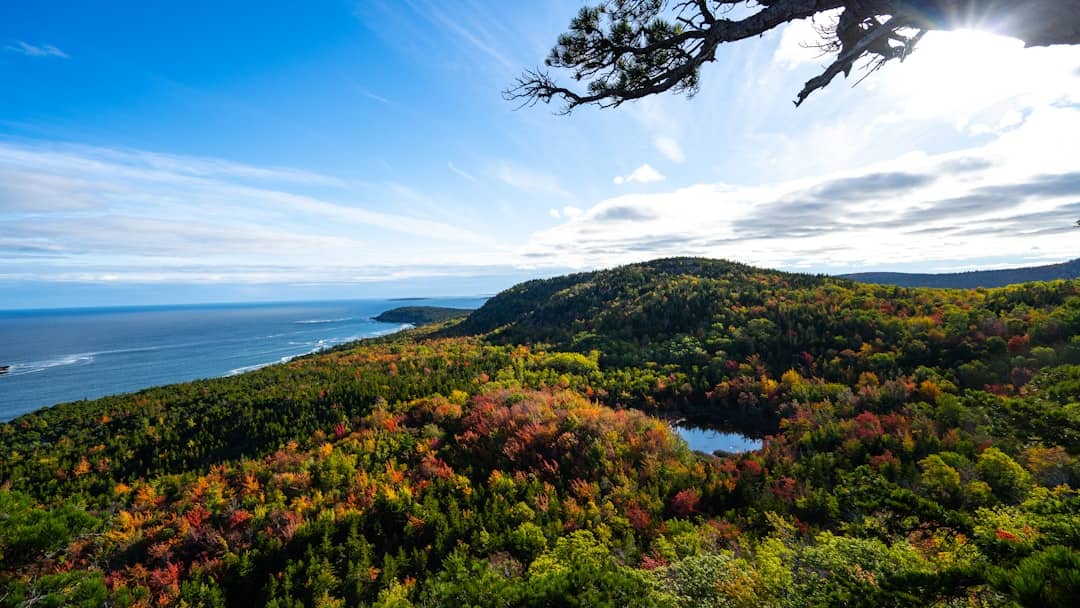
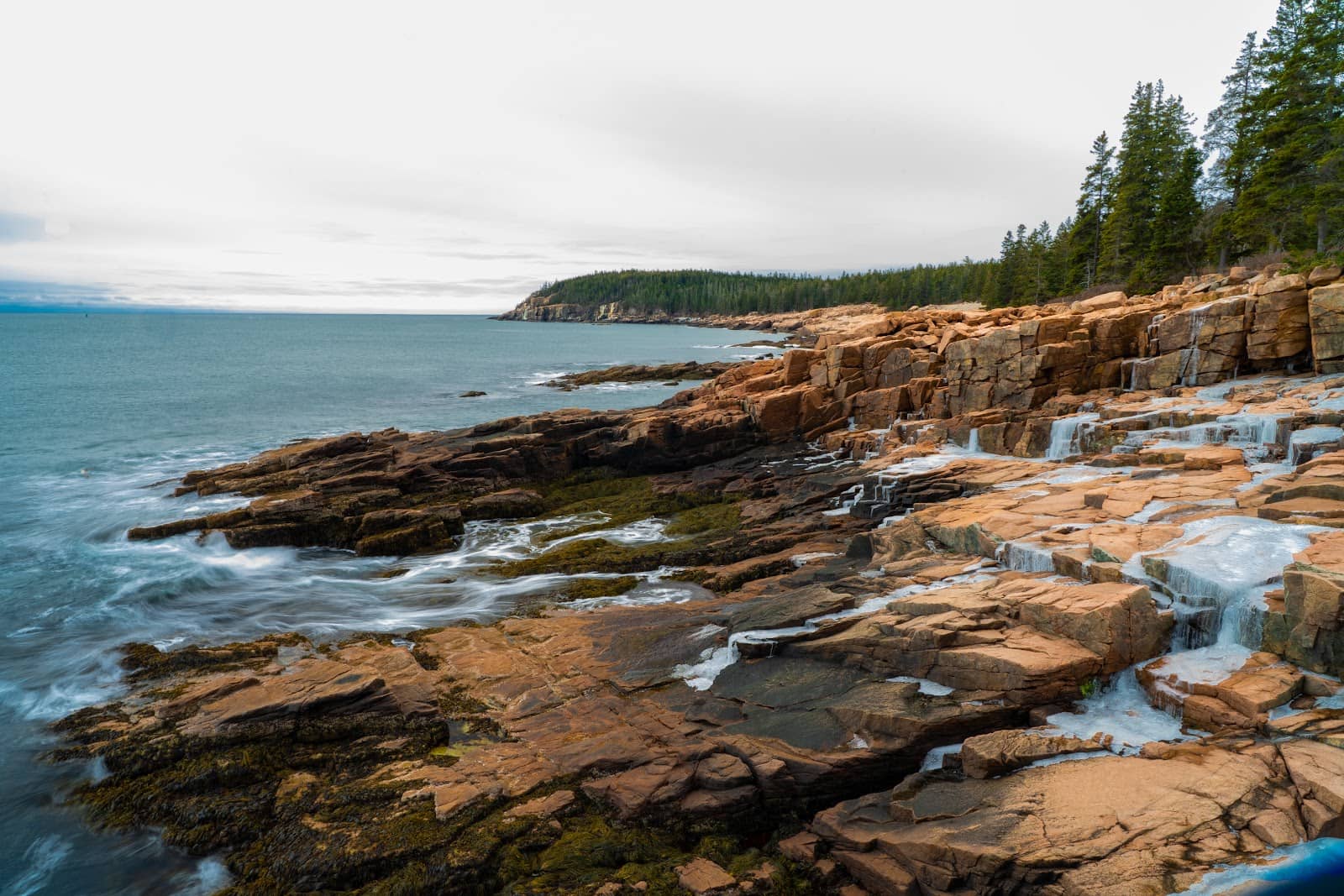
The park's range is huge. Some trails are serious undertakings: the Gorge Trail and Cadillac North Trail together make a 5.4-mile loop with rock climbing sections that demands preparation and strong knees. Other visitors simply drive the park's perimeter for quintessential Acadia views: big breakers, lots of rocks, and beautiful fall colors. Plan ahead for what you want to do and bring food and supplies if you're visiting in shoulder seasons.
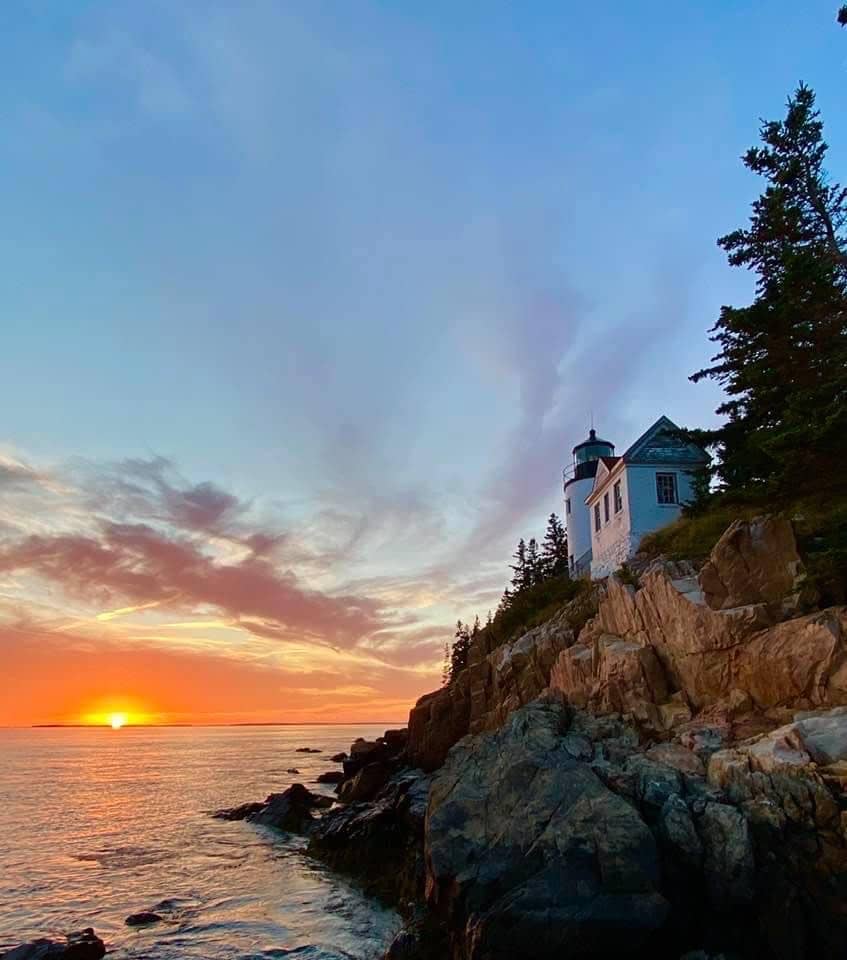
This 1858 lighthouse stands on a sea cliff, and getting to the best viewing spots involves a short walk, a few flights of stairs, and then a scramble out onto rocky cliffs. The path is a bit of work, but the perspective is worth it. Visitors suggest sunrise or sunset for the most dramatic light.
Parking is the main challenge here. The lot is small, and during busy seasons it can fill quickly. Even in early November, which isn't peak tourist time, you might find only two spots open an hour before sunset. If you're coming during summer or on weekends, plan to arrive very early or be prepared to wait. The tide pools and rocky paths offer good photo opportunities once you're there.
This natural rock inlet lives up to its name when conditions are right: waves crash into the rocks and shoot up with a loud boom like thunder, creating a dramatic display of the ocean's raw power. The area offers gorgeous ocean views, dramatic cliffs, and great photo opportunities regardless of the tide, but the thunderous effect is the main event.
Timing is everything. The best effect happens about one to two hours before high tide when the waves are strongest. If you visit during calm seas or poor timing, the hole can feel underwhelming. Visitors recommend checking tide schedules and wave forecasts before you go. This isn't the park's fault, it's just nature, but planning your visit to coincide with active seas makes all the difference.
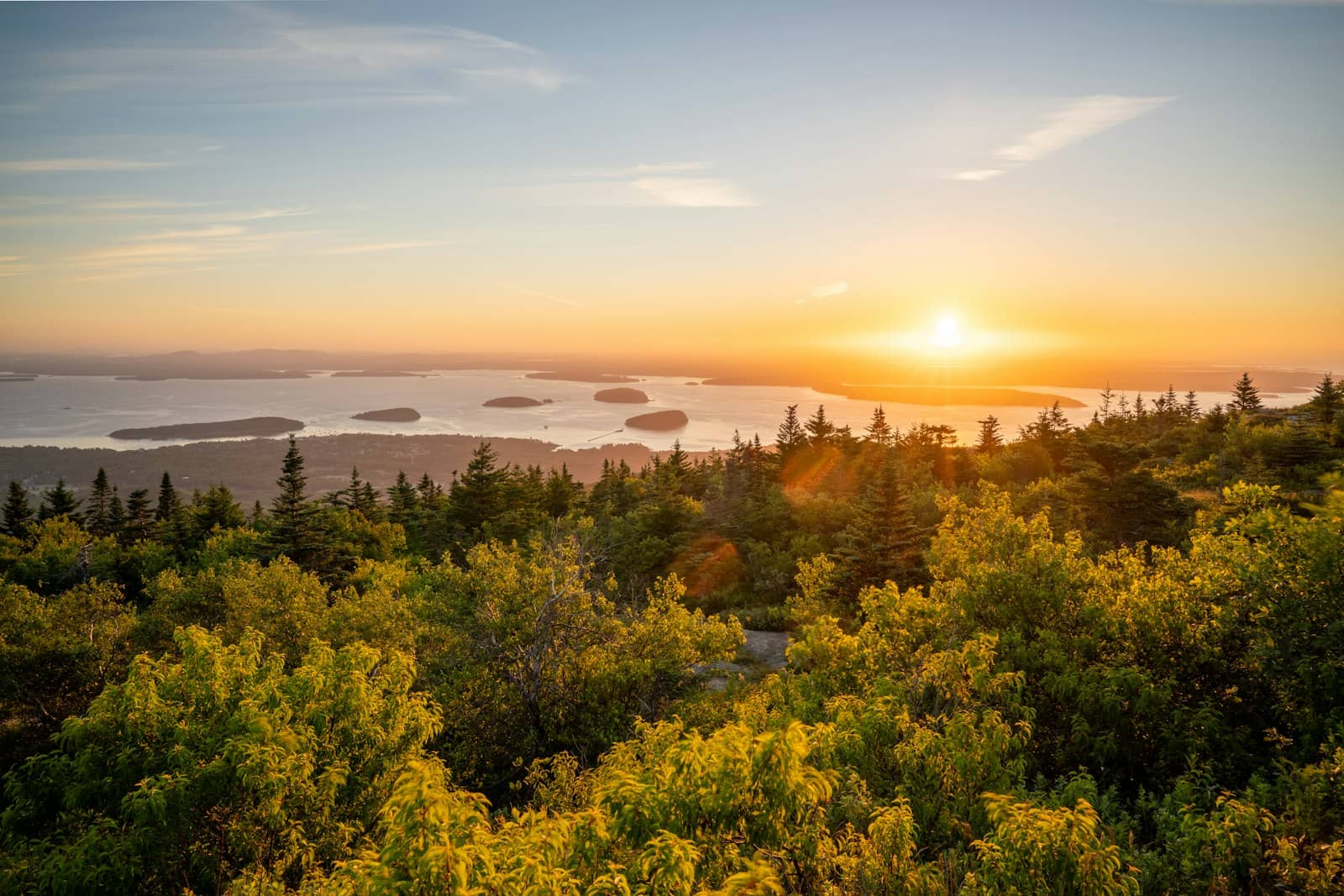
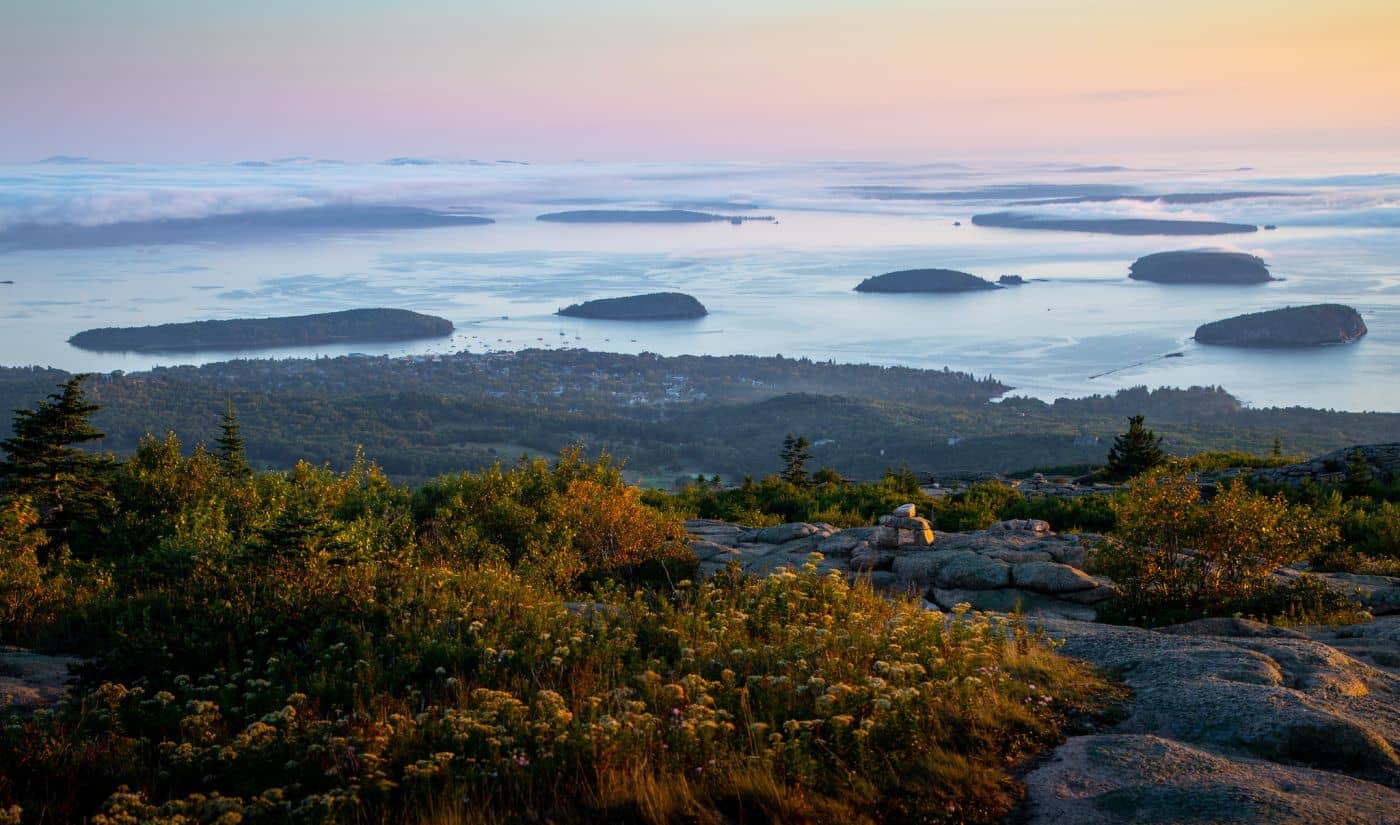
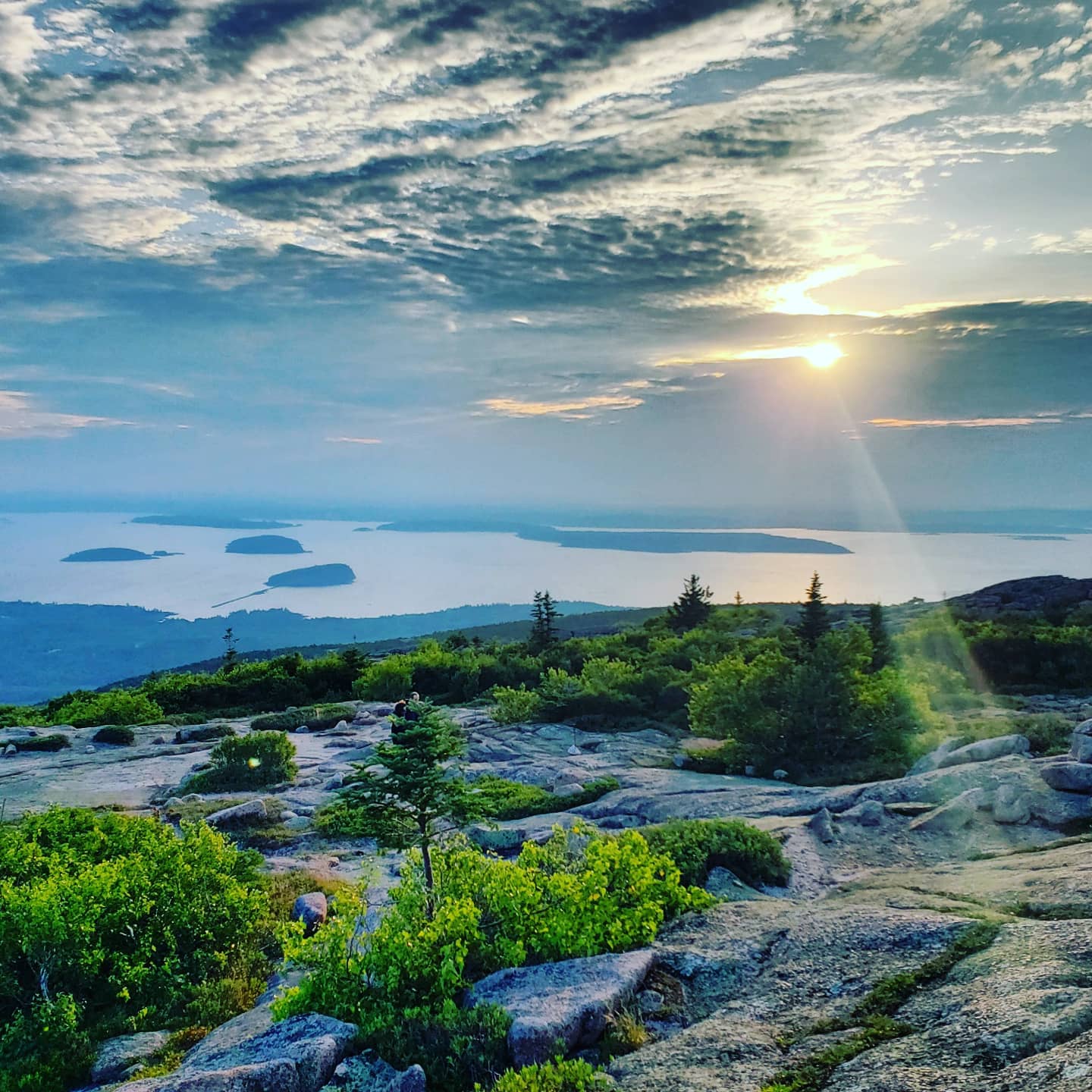
Cadillac Mountain is famous as one of the first places in the U.S. to see the sun each morning, and watching sunrise from the 1,530-foot summit is an unforgettable experience. The views over the ocean, islands, and the rest of Acadia National Park spread out in every direction as the sky shifts from deep blue to pink.
You don't have to go at sunrise. A 3 p.m. arrival offers spectacular views on the drive up, and the summit unveils beauty in all directions. Be warned: it's windy and cold up there even when the base is warm, so bring layers. The summit has public bathrooms and a parking lot. Fog can roll in unexpectedly, but even a brief clearing of the clouds reveals something magical.
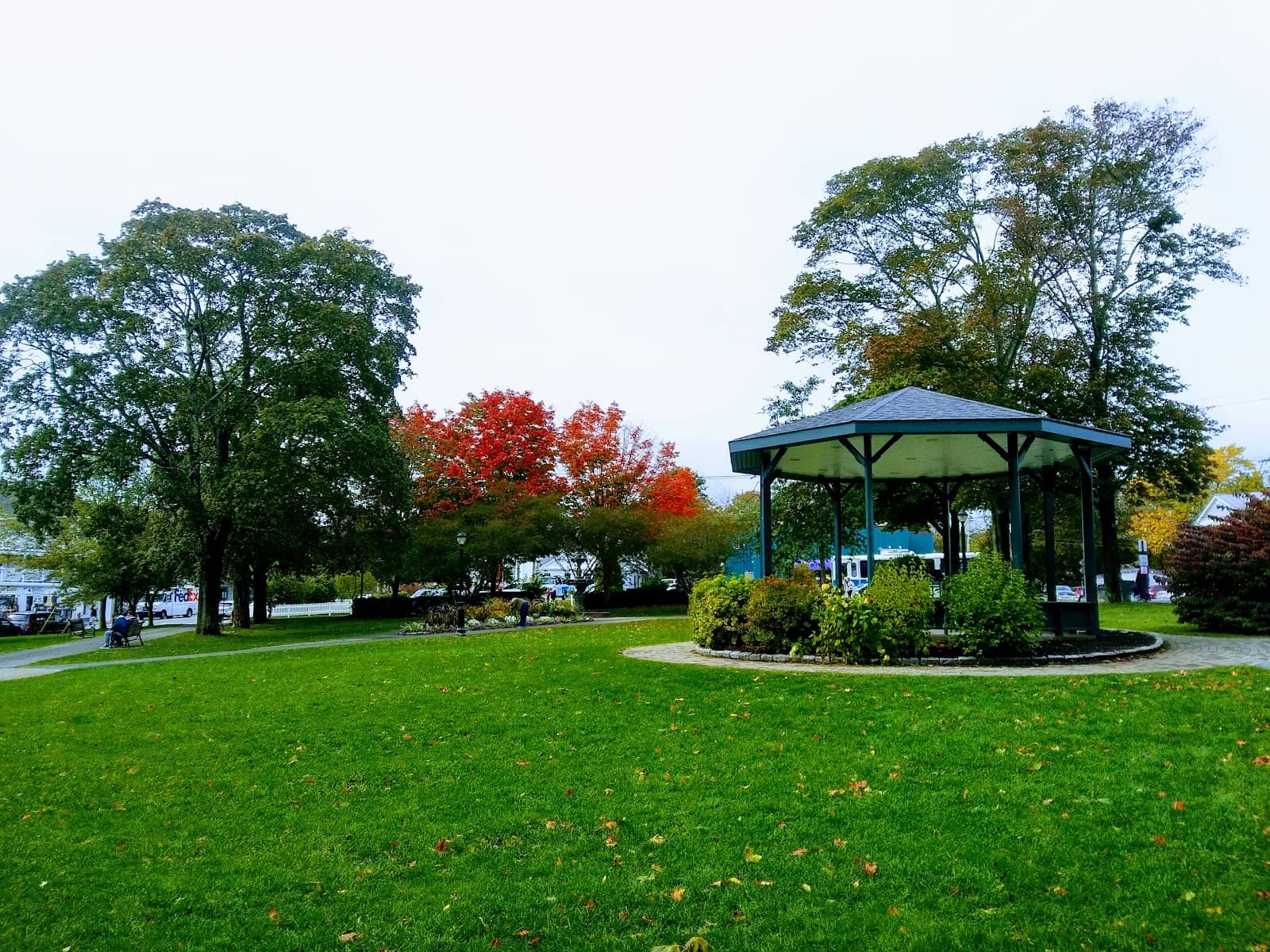
This grassy, central town square sits in downtown Bar Harbor with benches, a gazebo, and a national park info center. It's an easy rest spot after walking the main street shopping, and the park hosts summer concerts and musical events throughout the season. Visitors describe it as a perfect place to sit, listen, and soak in local community atmosphere.
The Village Green offers free entertainment on summer evenings. One recent visitor caught a band playing, and the crowd marched and danced along. It's a low-key way to experience Bar Harbor's social side and get park information all in one spot.
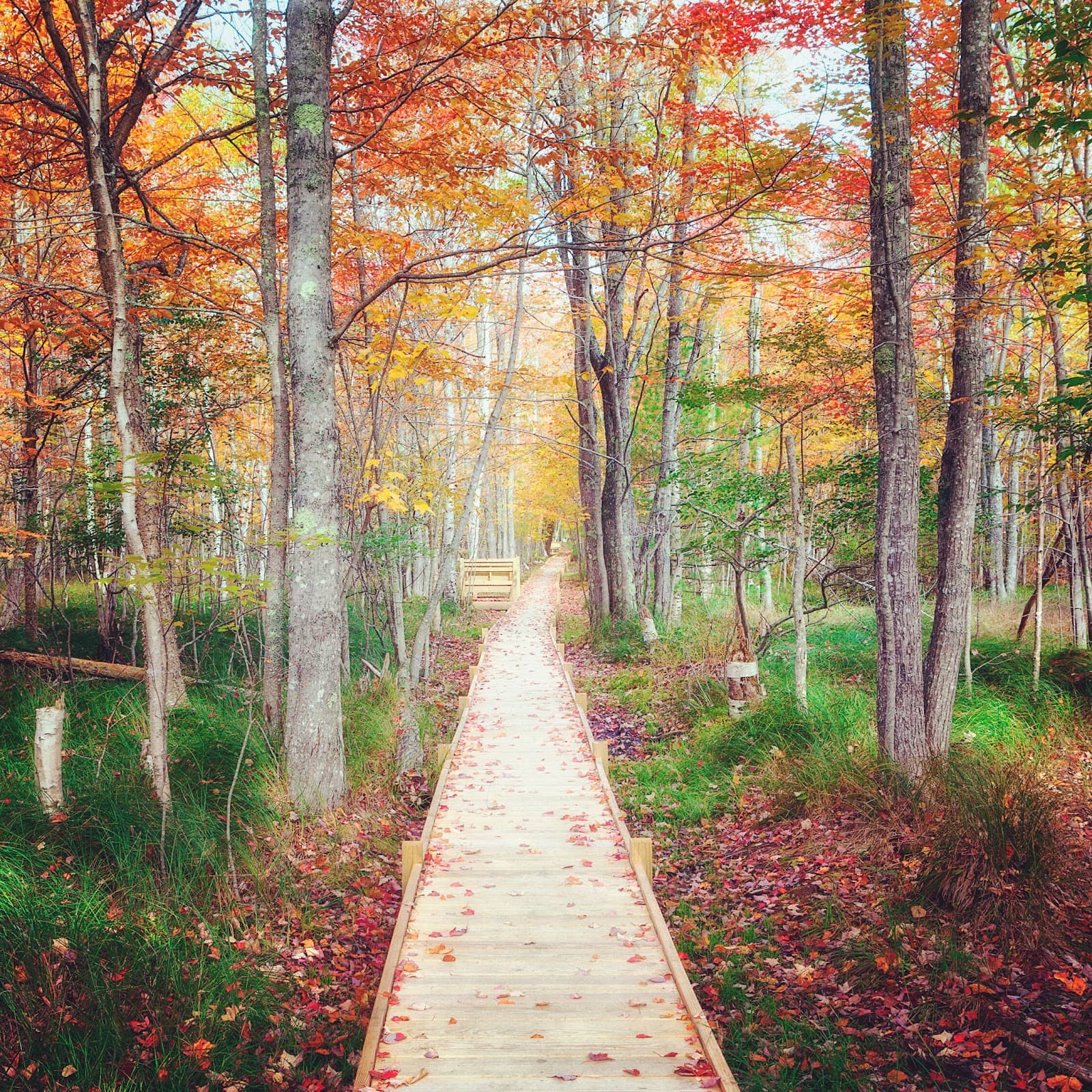
The Wild Gardens showcases native trees, wildflowers, and ferns arranged in separate biome areas, each one well-labeled so you can learn the plants around you. The rustic setting includes a stream and several trails, including the Jesup Trail. The nature center is open 9 a.m. to 5 p.m., and the gardens close at 6 p.m.
Early morning walks, even before official opening, are rewarding. One visitor spotted a bull frog and a porcupine while exploring the Jesup path. If you want more of a challenge, the Emory and Homan paths offer steep, demanding climbs with rewarding views. This is a good stop if you want to understand the ecosystems you're moving through in Acadia.
This nature preserve in Hancock showcases one of Maine's most dramatic natural phenomena: tidal rapids. As the tide turns, you'll watch the water shift from ripping rapids downstream to super calm, then ripping rapids back upstream. It's a constantly changing show that visitors describe as mesmerizing, some even close their eyes and drift off listening to the rushing water.
The park is well set up for viewing with benches, observation areas, and rocks to sit or climb on at low tide. In June and beyond, walk along the shore and keep your eyes open for starfish in the tide pools. Bring care and gentleness if you find any. This is the kind of spot that makes for an unforgettable Maine experience, and it works as a quick stop on the way to or from the main park.
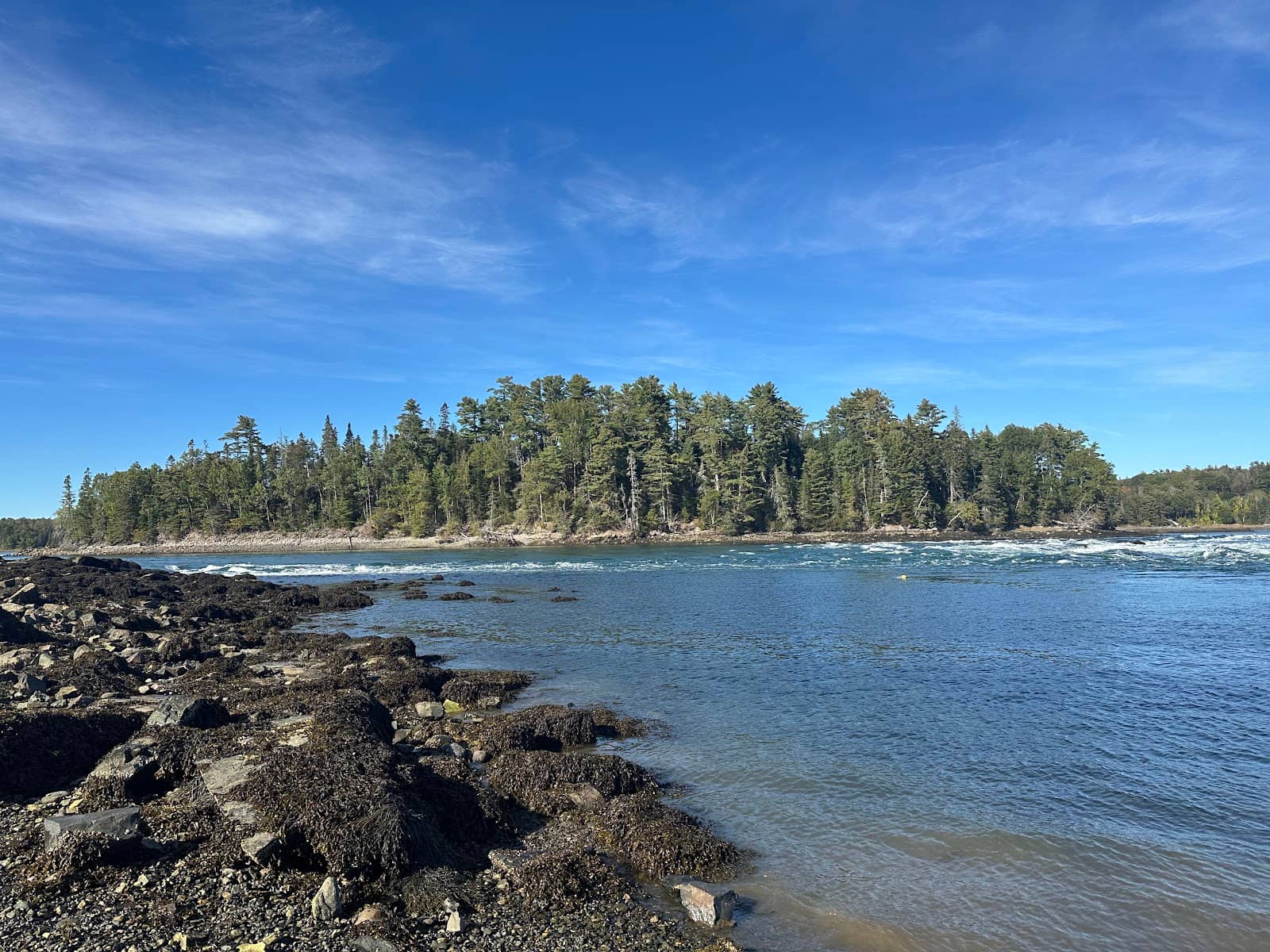
The Beehive Trail is Acadia's most thrilling short hike: a steep 1.4-mile loop with about 500 feet of elevation gain that ascends a granite face using iron rungs, handrails, and narrow ledges carved into the cliff. The climb is steep and exposed, with iron rungs serving as your primary grip as you work your way up. It's not for everyone, but hikers who aren't afraid of heights call it the best hike they've ever done.
The rock scramble and iron rungs create genuine thrills, and the views from the top are phenomenal. One visitor with a fear of heights found it manageable because the iron handholds give you something to grip. Start early, around 7 a.m., to avoid crowds and secure parking. This is best for avid hikers comfortable with exposure and heights. It's a short but heart-pounding experience.
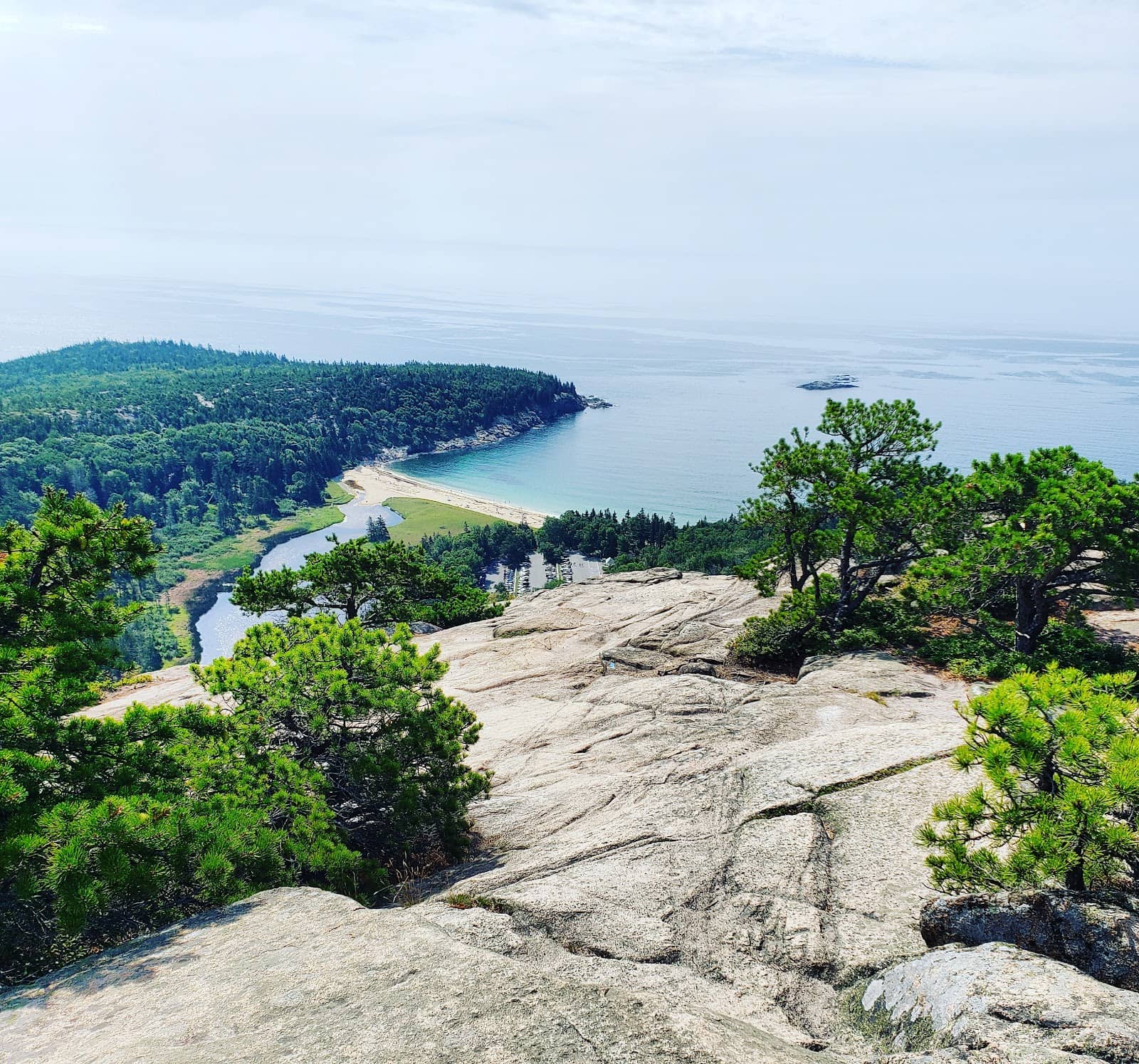
Jordan Pond is one of Acadia's most serene and picture-perfect destinations, with a trail circling the pond that feels untouched by time. The path is peaceful, well-maintained, and mostly level, making it accessible to families and casual hikers. Walking beneath tall evergreens, you'll catch glimpses of impossibly clear water where smooth stones shimmer beneath the surface.
This is one of Acadia's most trafficked trails because it's iconic and easier than many others. One visitor recommends walking counterclockwise for better aesthetics. The full loop takes about an hour without photos, but the lake is so beautiful that photos are almost guaranteed, adding time to your visit. Arrive at one of the two parking areas by 10 a.m. at the latest to secure a spot during busy seasons.
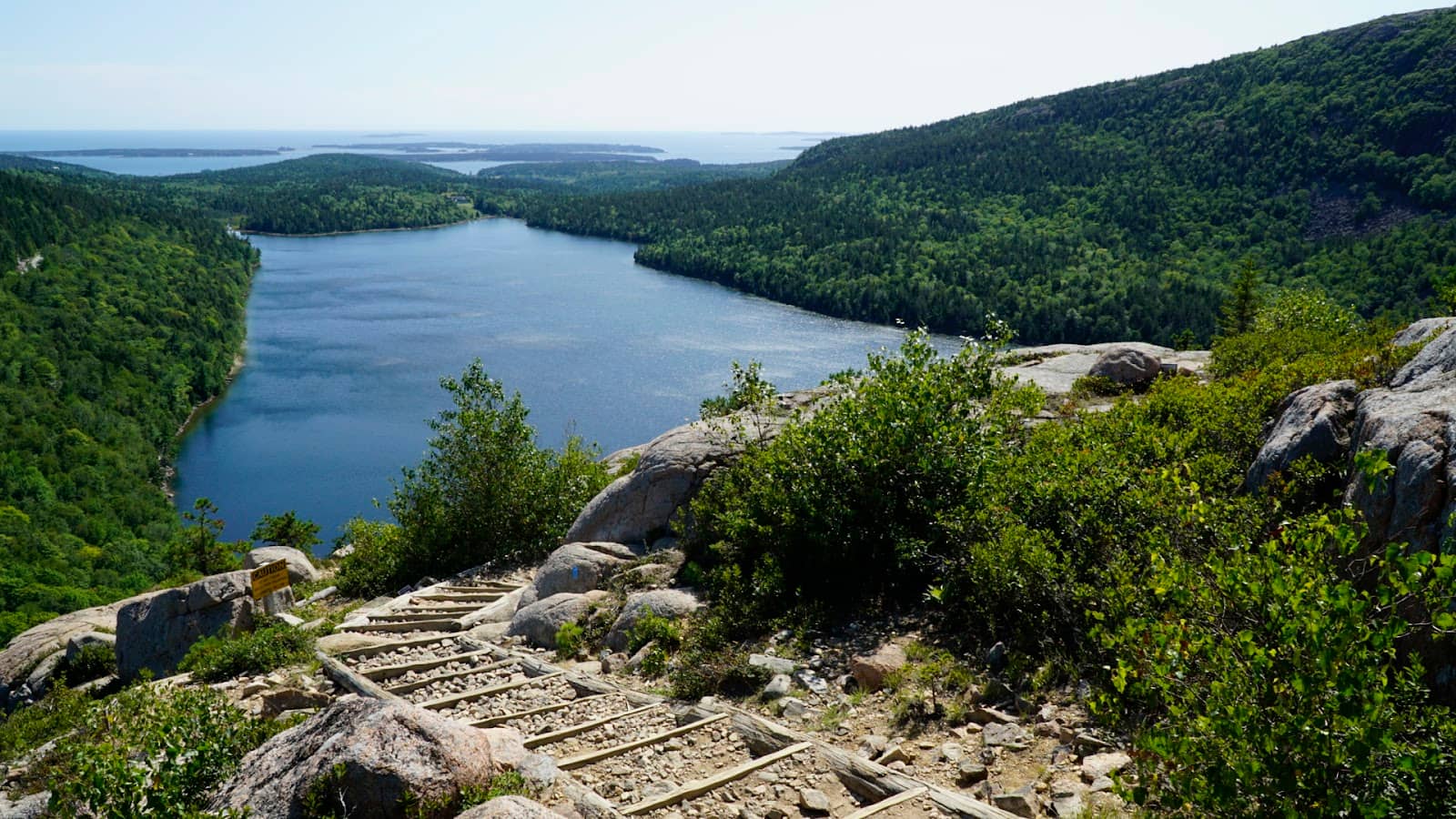
The Ocean Path traces the Acadia coastline for several miles with boulders, landmarks, and wild roses framing your walk. Much of the first half runs along the road, and it's mostly level, which makes it accessible. However, be prepared for crowds: this is one of the most popular trails in the park, with literally thousands of people walking the path on busy days. It's the Disneyland of national park trails, one visitor noted.
The trail offers beautiful scenery, forested and shaded sections, and plenty of stairs for a leg workout. The surrounding Bar Harbor area is quaint and picturesque, and if you park in the right spot, you can soak your feet in the cold ocean after your hike. Start early if you prefer a quieter experience, or embrace the crowd if you're looking for a well-maintained, scenic walk with plenty of company.
Tools
Guides



Destinations
Downeast & Acadia
Gateway to Acadia National Park - Cadillac Mountain, puffin cruises, and a harbor town that fills with cruise ships from May to October.
Southern Maine Coast
Dock Square boutiques, Goose Rocks Beach, and the Bush family's Walker's Point - the quintessential coastal Maine summer town.
Greater Portland
Maine's largest city - a working waterfront, Old Port cobblestones, and a food scene that punches well above its weight.
Midcoast Islands
Shipbuilding heart of Maine since 1743 - Bath Iron Works still launches destroyers past the Maine Maritime Museum on the Kennebec.
Midcoast Islands
A Midcoast harbor town built around boat trips, with the Coastal Maine Botanical Gardens just up the road.
Midcoast Islands
Where the mountains meet the sea - windjammer harbor, Mount Battie summit views, and an independent village with real soul.
Greater Portland
Flagship home of L.L. Bean, open 24/7 - outlets, a tidal river, and surprisingly good eating between the shopping.
Southern Maine Coast
Postcard-perfect village of sea captains' mansions, Lower Village shops, and easy walks to Mother's Beach and Gooch's Beach.