
1
Bangor
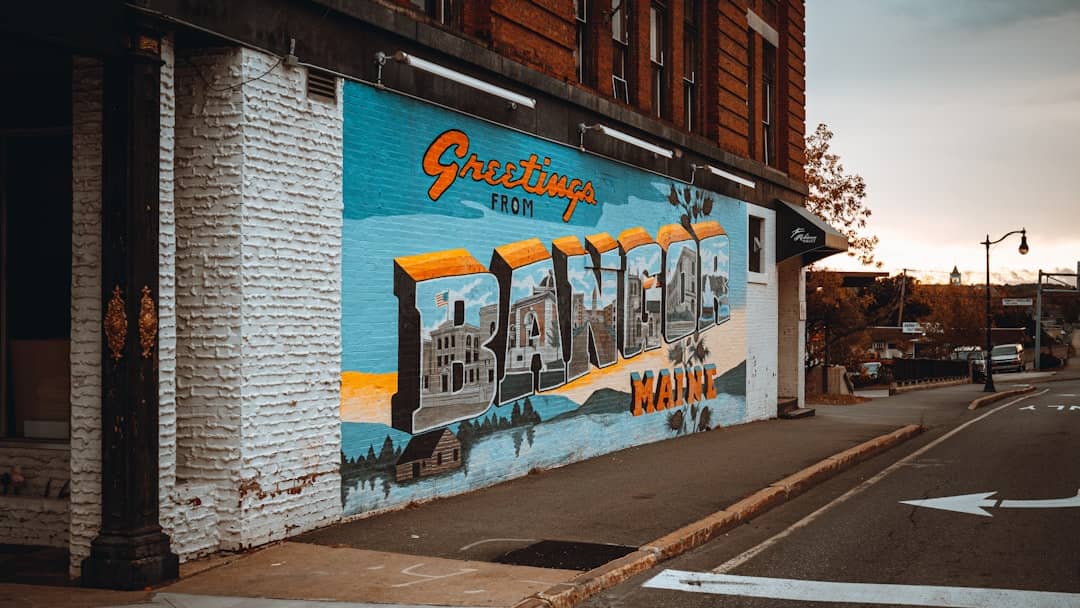
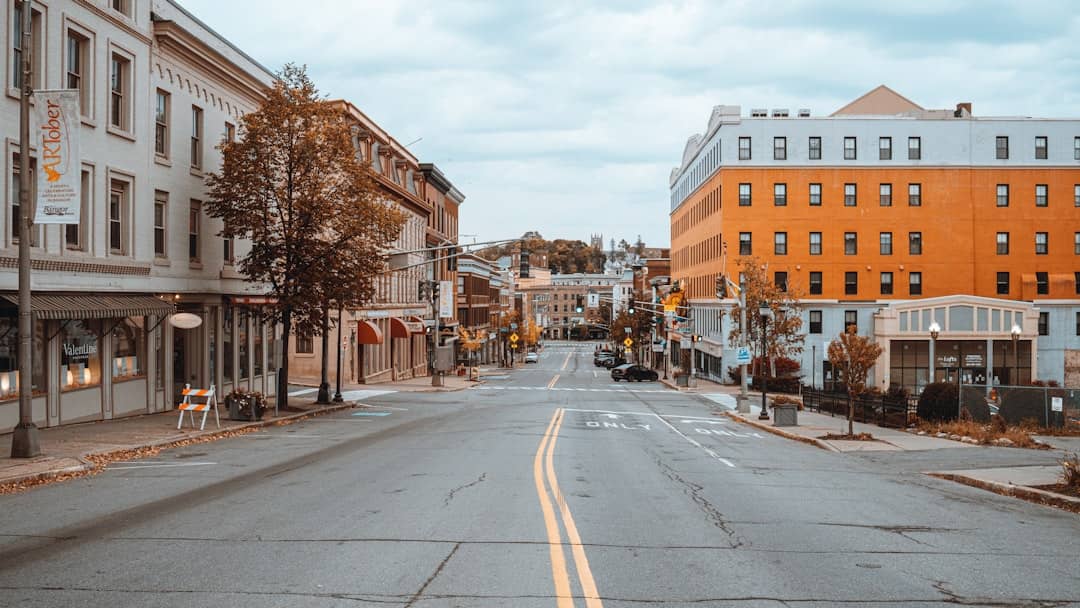
See main listingHub of eastern Maine - Stephen King's hometown, a riverfront reinvention, and your jumping-off point for Moosehead and Acadia.
Details

Guide
The Paul Bunyan statue in Bangor, Maine has stood on Main Street since 1959: 31 feet of lumberjack in fiberglass and steel, axe in one hand, peavey in the other, on a cobblestone base with a time capsule inside it. Visitors rate it 4.5 out of 5 across more than 950 reviews. It is a five-minute stop, and it is worth understanding before you take the photograph.
519 Main Street, Bangor, beside Bass Park at the south end of downtown. No gate, no fee, no schedule. It stands in the open and you can walk right up. Park on the street or in the adjacent lots. Interpretive panels cover the history and the folklore.
This is a photo stop, not an attraction. Plan five minutes, and plan what you are doing with the other three hours in Bangor.
Thirty-one feet tall, thirty-seven with the stone base, about 3,700 pounds. Light for its size, because it is fiberglass over a frame of metal and wood rather than anything cast. A Bangor artist, J. Normand Martin, designed it from a 22-inch clay-and-wire mock-up and was paid $137. A local committee raised roughly $20,000 to have the full-size figure built in New York by a firm that made parade floats. Exactly what it looks like once you know.
Look at what he is holding. The axe is obvious. The other tool is a peavey (a lever with a hinged hook, used to roll and steer logs) and it is not decoration. The peavey was invented by a Maine blacksmith, Joseph Peavey, in the Stillwater area just upriver, and became standard on log drives across the continent. Putting one in Paul Bunyan's hand is Bangor making a specific claim.
The base holds a time capsule sealed on December 31, 1959, with records of the city's 125th anniversary. It is not due to be opened until February 12, 2084: Bangor's 250th, and the same date the plaque assigns as Paul Bunyan's birthday. February 12, 1834 is the day Bangor became a city.
Several towns claim him and none can prove it, because Paul Bunyan was never a person. The tales came out of North American logging camps as bunkhouse humor; the character was made famous by an ad campaign: the Red River Lumber Company's booklets, from 1916, which fixed the giant lumberjack and the blue ox in the national imagination. Everything after that is marketing, this statue included.
What Bangor has instead is the real thing the myth is about. In the mid-19th century this was the busiest lumber shipping port in the world: the Penobscot brought logs down from the north woods to mills along the river, and ships carried the boards out to build cities elsewhere. Bangor called itself the Queen City, and the money is still legible in the mansions on West Broadway. By 1959 that timber economy was already a memory, which makes Tall Paul less a mascot than a monument to something that had ended.
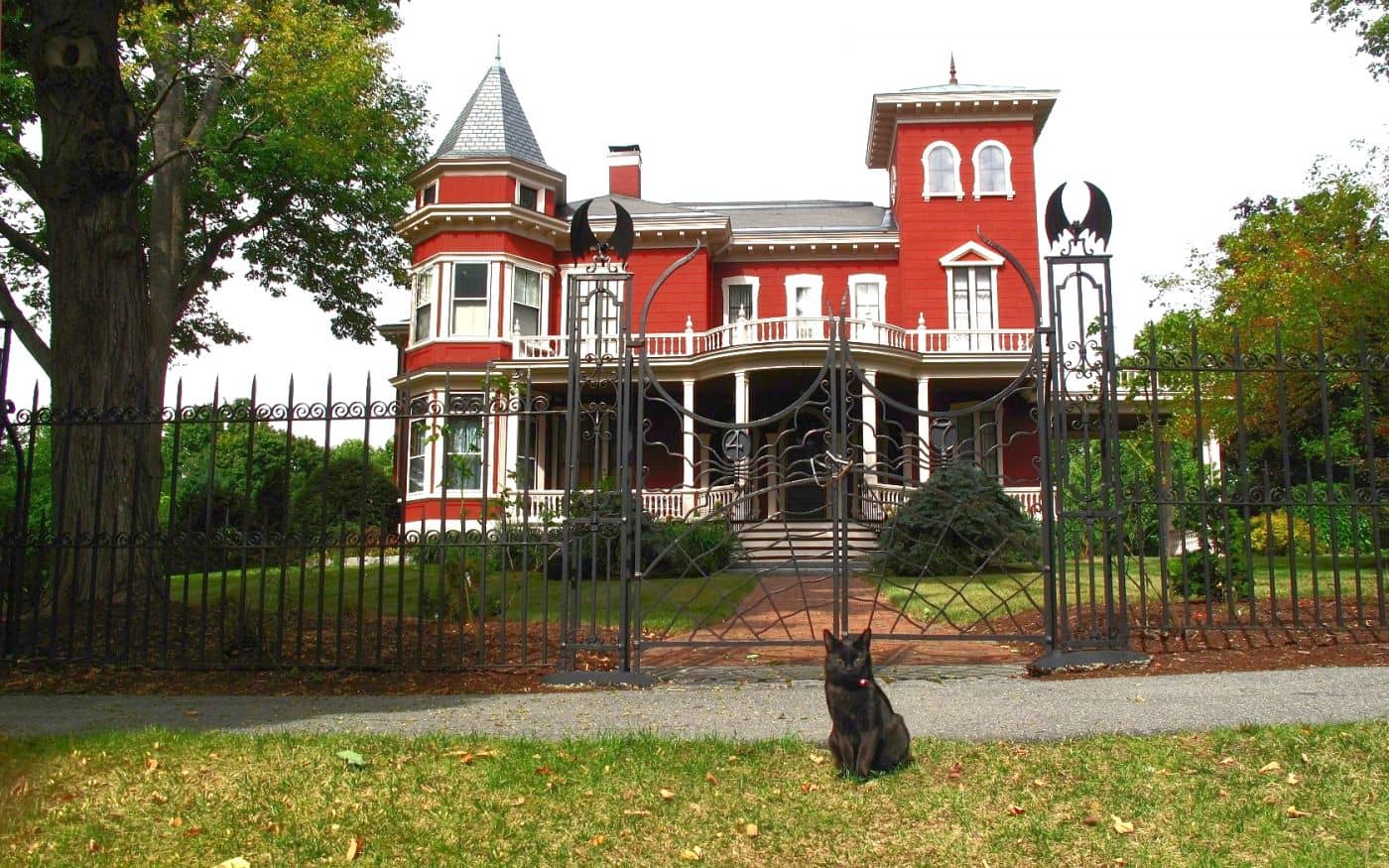
It picked up a second life in 1986, when Stephen King, who lived a mile from here, put it in It and had it come alive to attack a child. Bangor is the model for Derry, and a good share of the people photographing the statue today are here for that rather than the lumber.
The honest drawback: the setting is a parking area on a busy road, not a park. There is nothing else at the site and no shade. Anyone expecting a destination will be disappointed in ninety seconds. Treat it as one stop on a Bangor afternoon and it does its job.
For the rest of the city, see things to do in Bangor and downtown Bangor.
Thirty-one feet from foot to hat, thirty-seven counting the cobblestone base. It weighs about 3,700 pounds. Light for the size, because the body is fiberglass over a metal and wood frame.
Yes. It stands outdoors on Main Street with no admission, gate or hours. Park on the street or in the adjacent lots and walk up.
A time capsule sealed on December 31, 1959, holding records of Bangor's 125th anniversary. It is scheduled to be opened on February 12, 2084, the city's 250th. The same date the plaque gives as Paul Bunyan's birthday.
Yes. King lived in Bangor for decades and used the city as the model for Derry. In It, published in 1986, the Paul Bunyan statue animates and attacks one of the boys, the reason a fair number of visitors seek it out today.
Hub of eastern Maine - Stephen King's hometown, a riverfront reinvention, and your jumping-off point for Moosehead and Acadia.
Guides



Destinations

Downeast & Acadia
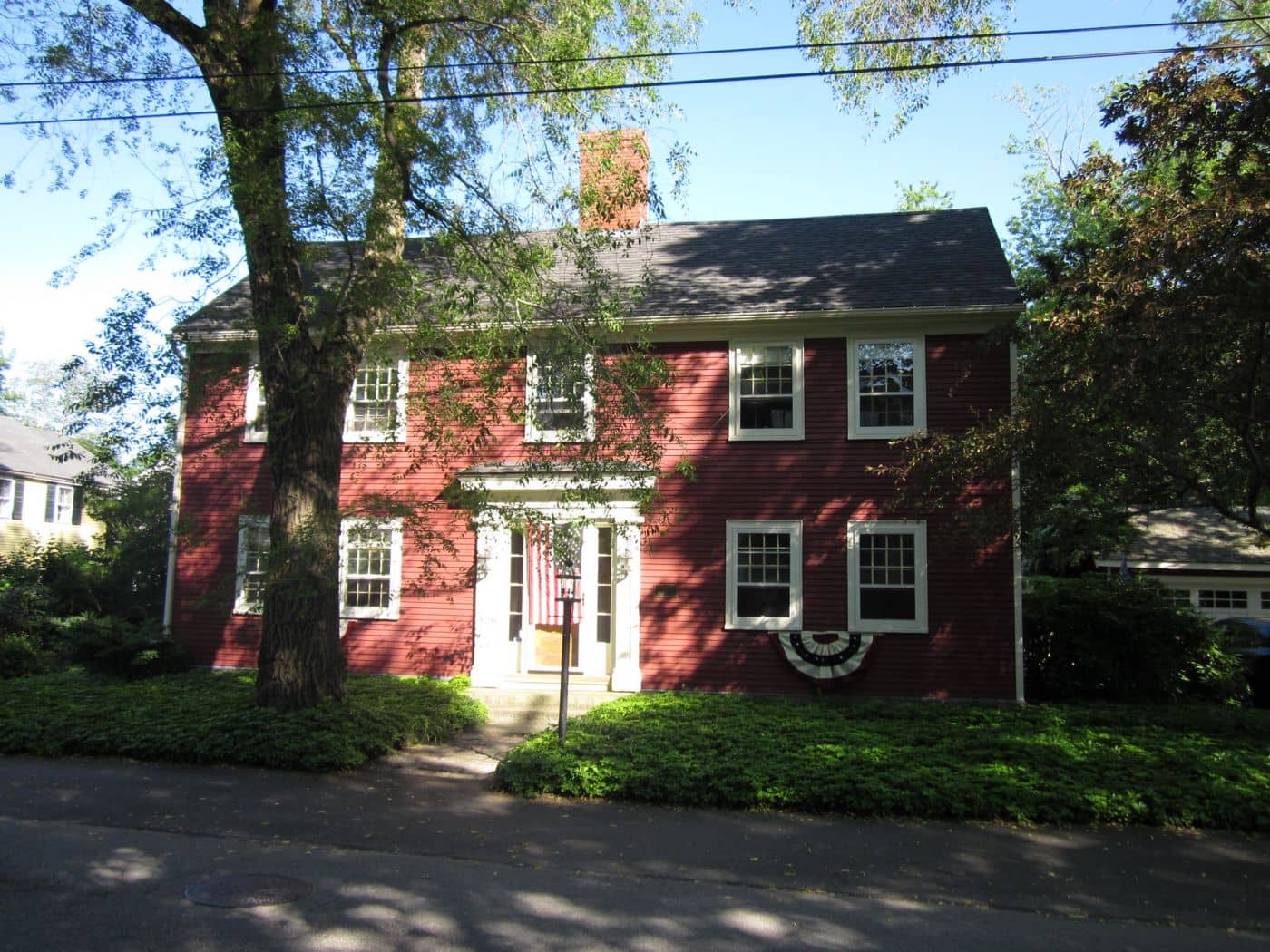
Gateway to Acadia National Park - Cadillac Mountain, puffin cruises, and a harbor town that fills with cruise ships from May to October.
Southern Maine Coast
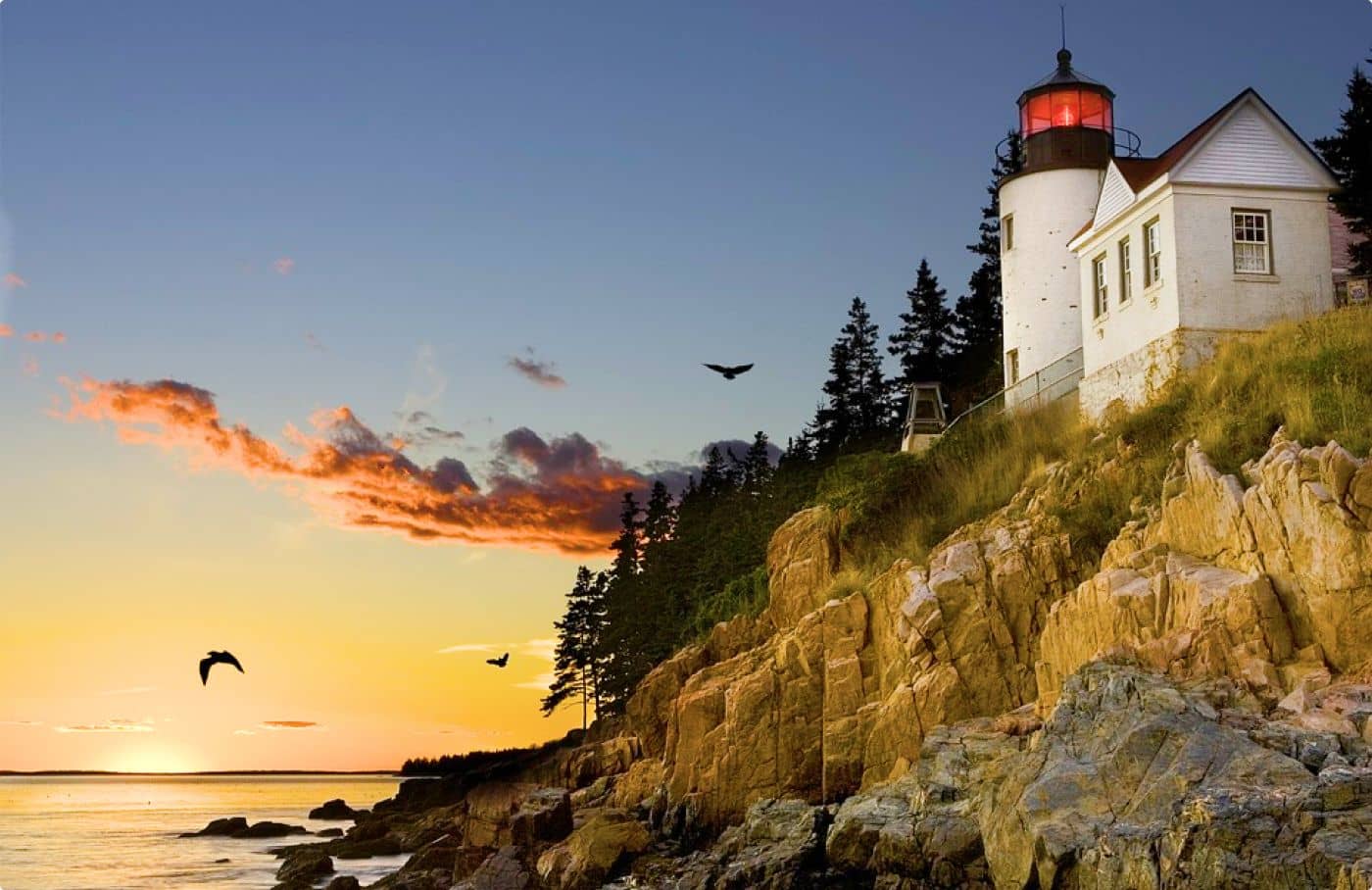
Dock Square boutiques, Goose Rocks Beach, and the Bush family's Walker's Point - the quintessential coastal Maine summer town.
Greater Portland
Maine's largest city - a working waterfront, Old Port cobblestones, and a food scene that punches well above its weight.
Midcoast Islands
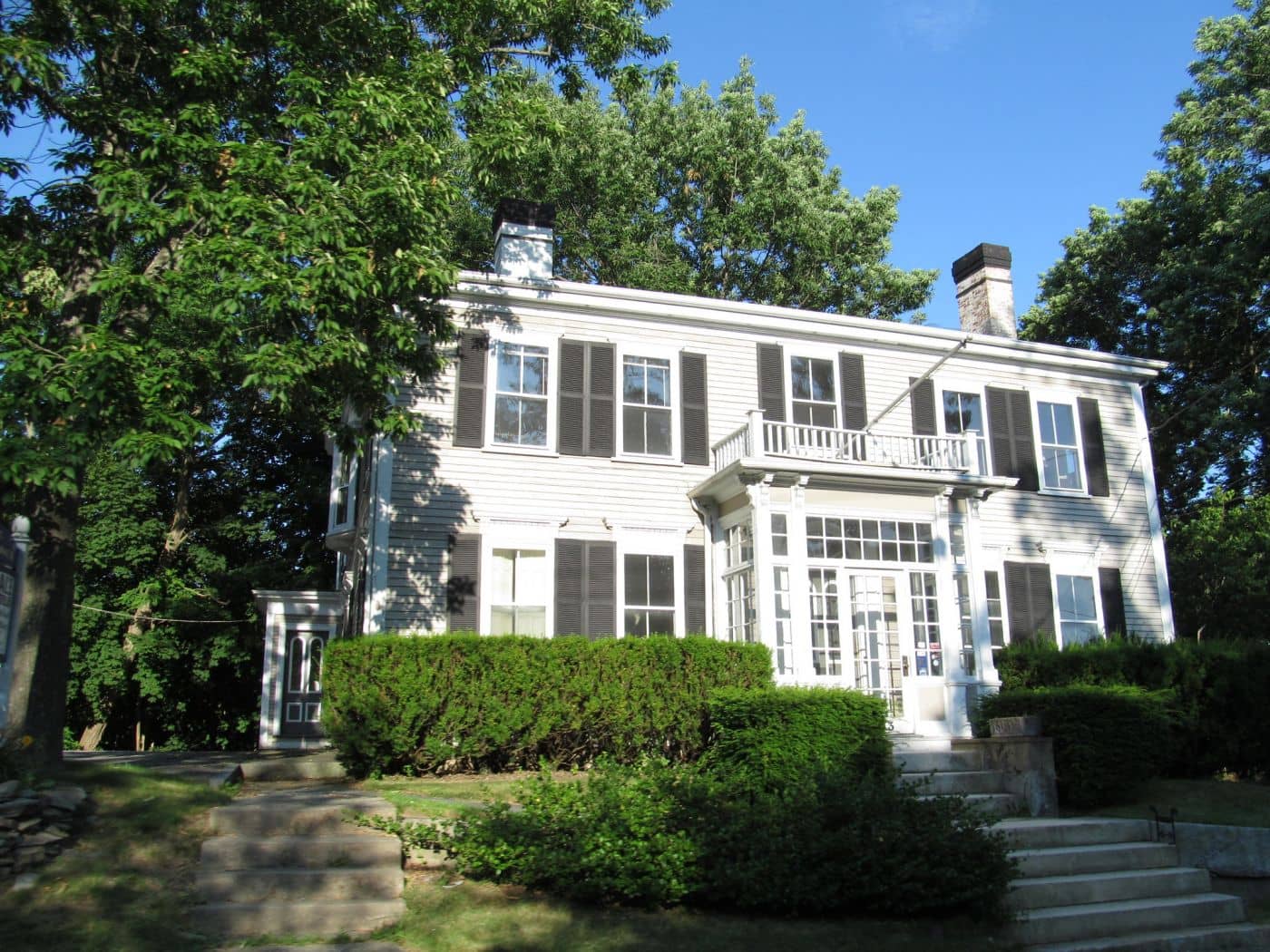
Shipbuilding heart of Maine since 1743 - Bath Iron Works still launches destroyers past the Maine Maritime Museum on the Kennebec.
Midcoast Islands
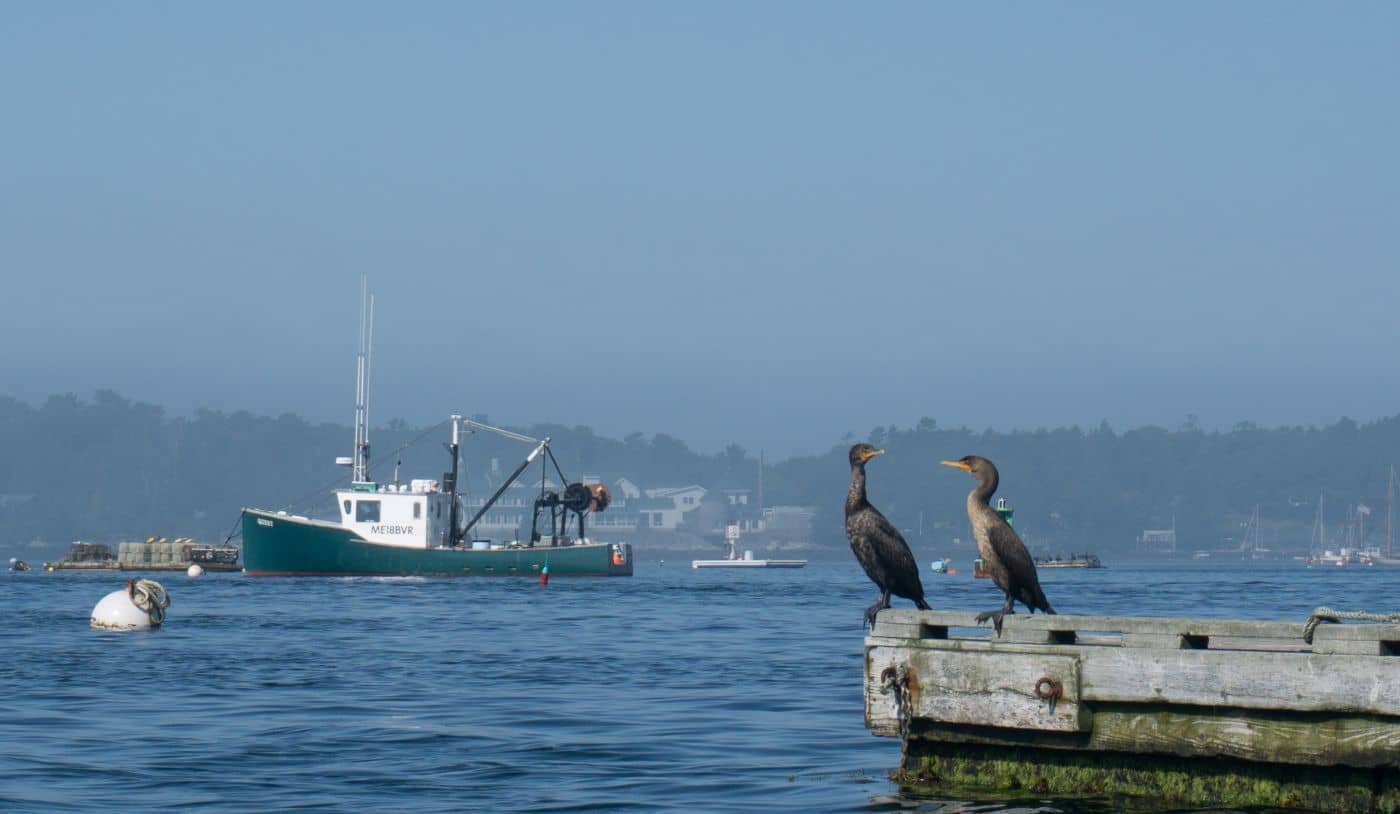
A Midcoast harbor town built around boat trips, with the Coastal Maine Botanical Gardens just up the road.

Midcoast Islands
Where the mountains meet the sea - windjammer harbor, Mount Battie summit views, and an independent village with real soul.

Greater Portland
Flagship home of L.L. Bean, open 24/7 - outlets, a tidal river, and surprisingly good eating between the shopping.
Southern Maine Coast
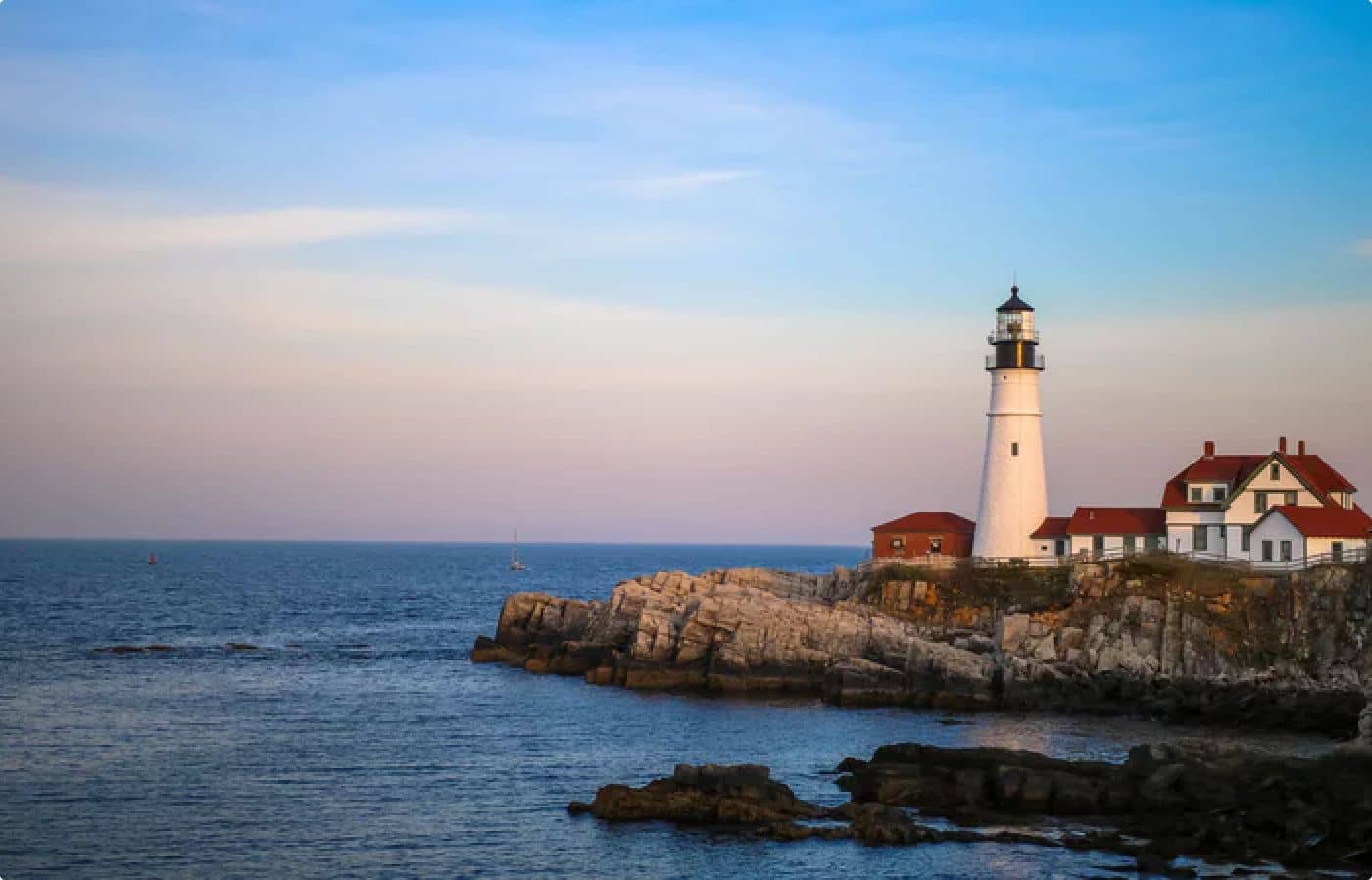
Postcard-perfect village of sea captains' mansions, Lower Village shops, and easy walks to Mother's Beach and Gooch's Beach.