
1
Freeport
See main listingFlagship home of L.L. Bean, open 24/7 - outlets, a tidal river, and surprisingly good eating between the shopping.
Details


Guide
The Desert of Maine sits three miles from L.L. Bean, and it is not a desert. The Tuttle family farmed this land in the nineteenth century. Logging, hay farming and livestock grazing by the Tuttles and others contributed to the erosion that exposed sand beneath the soil. Fields and pasture eventually gave way to the sandy landscape.
The Desert of Maine sits three miles from L.L. Bean, and it is not a desert. It is roughly 40 acres of pale glacial silt in Freeport, laid down by an ice sheet and uncovered in the 1800s when a farming family stripped the topsoil off it. It carries a 4.5 rating from 1,145 Google reviews, and how much you enjoy it depends almost entirely on whether you came for a landscape or for a story.
The Desert of Maine is a privately owned attraction at 95 Desert Road in Freeport, five minutes from the outlets and directly off I-295. What you see is a bowl of fine pale sand ringed by pine forest, with the buried remains of a nineteenth-century farm at its edge. It is not a climatic desert. Maine gets far too much rain for that. It is an erosion scar, and the sand is glacial.
Allow 90 minutes to two hours for the tour and the dunes, or a half day if children are doing the mini golf and the gemstone dig. If you only want to look at the sand, twenty minutes covers it. Worth knowing before you pay to go in.
This is a working attraction, not a public park. There is an admission charge and a staffed gate, and you cannot wander in off Desert Road for a free look. Current rates and dates are on desertofmaine.com; full operations run roughly May through October.
What you cannot do: swim, climb on the buried structures, or treat the sand like a beach. There is no water here, and almost no shade in the open sand, a real consideration on a bright July afternoon with small children.
A glacier made it. The last ice sheet ground bedrock into a flour-fine sediment and left the deposit behind as it retreated; meltwater sorted and stacked it. A thin skin of soil and forest grew over the top, and the sand sat buried. The same way it sits buried under a great deal of southern Maine that looks nothing like a desert.
The grains are the giveaway: finer and softer than beach sand, closer to talc, because they were ground rather than weathered. That texture is why the material drifts so easily, and why it swallowed a farm.
The Tuttle family worked this land through the 1800s, growing potatoes and hay and running livestock on it. They did what plenty of New England farmers did before soil science was a thing: cleared the trees, grazed the pasture hard, and planted the same ground season after season without rotating it. The thin topsoil held for a while. Then a bare patch opened, the wind got into it, and the sand underneath started to move.
Once it started it could not be stopped. The silt spread outward, drifted over pasture and then over the buildings, and the farm became unfarmable. What the family lost, the roadside economy gained: the property opened to the public as a paid attraction around the mid-1920s, at the exact moment automobile tourism was inventing the American roadside curiosity, and it has run as one ever since.
That century is the actual reason to come. The sand is interesting for ten minutes. A family farming itself out of existence, and the next owners selling the wreckage as a wonder, holds up much longer.
The desert is shrinking and will keep shrinking. Maine's rainfall means vegetation pushes in from the edges, stabilizing sand and converting dune back into forest, so the open area is smaller than mid-century postcards suggest. Visitors who arrive expecting a landscape and find a heritage site with mini golf attached are the ones who leave disappointed. Come for the story and it works.
For lunch, the town's heavyweights by review volume are Tuscan Brick Oven Bistro (4.6 from 2,303 reviews) and Buck's Naked BBQ (4.5 from 2,156). More in things to do in Freeport; Portland is 20 minutes south.
No. A desert is defined by how little precipitation it gets, and Freeport gets plenty. This is glacial silt exposed by soil erosion after nineteenth-century farming stripped the topsoil. The sand is real, the desert climate is not, and forest is growing back over the edges.
Ninety minutes to two hours covers the dune walk, the train and the farmhouse museum, and a half day if children add the gemstone dig and mini golf. Skip the extras and half an hour is enough, which is why the admission strikes some visitors as steep and others as fine.
It is one of the better options in Freeport for children who have run out of patience with shopping. The gemstone dig, train and mini golf are pitched at roughly ages 4 to 12; teenagers tend to be less impressed. Bring water and sun protection, because the open sand has no shade.
About two and a half miles, five minutes by car, straight out Desert Road from the village. It sits right off I-295, one of the easiest detours between Portland and the midcoast.
Flagship home of L.L. Bean, open 24/7 - outlets, a tidal river, and surprisingly good eating between the shopping.
Guides
Destinations
Downeast & Acadia
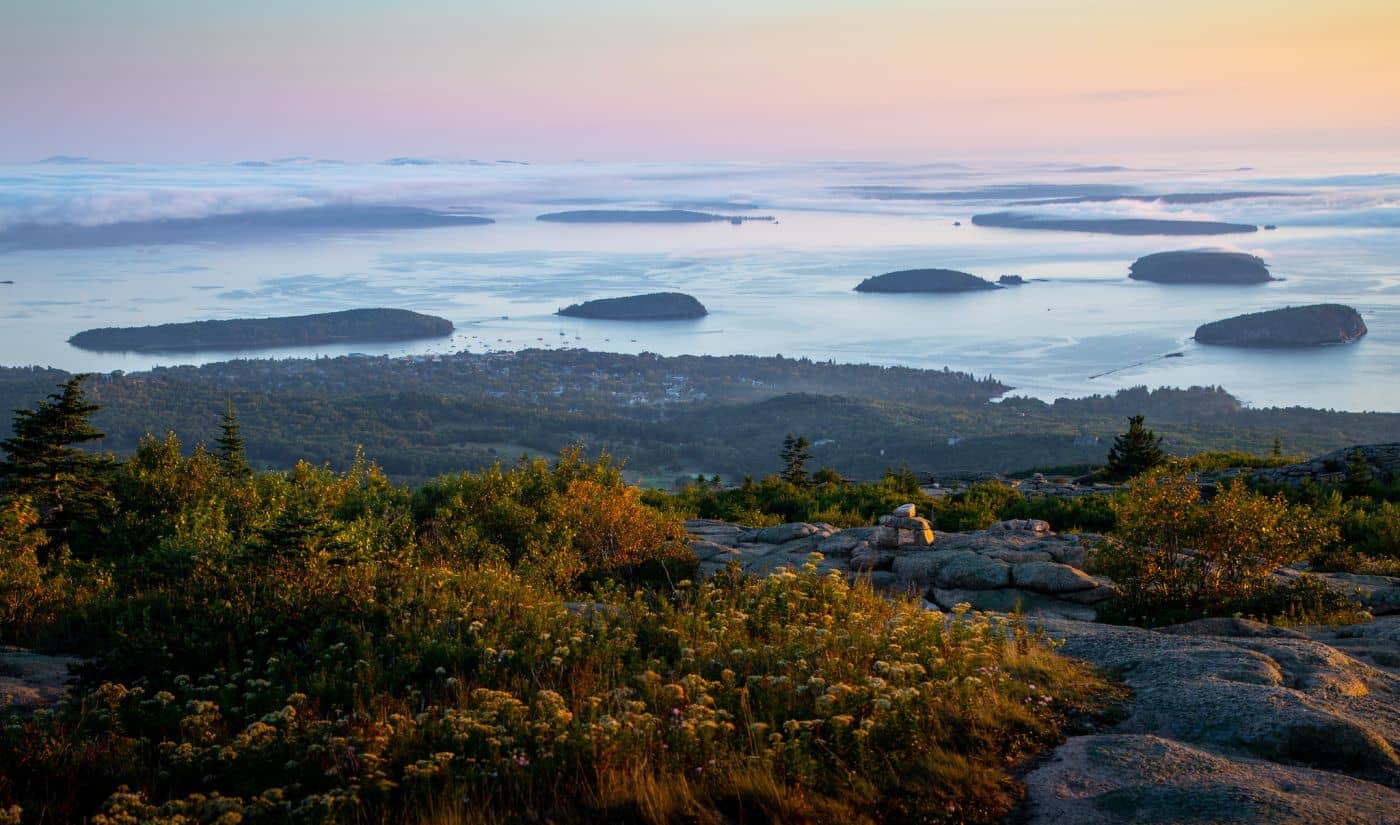
Gateway to Acadia National Park - Cadillac Mountain, puffin cruises, and a harbor town that fills with cruise ships from May to October.
Southern Maine Coast
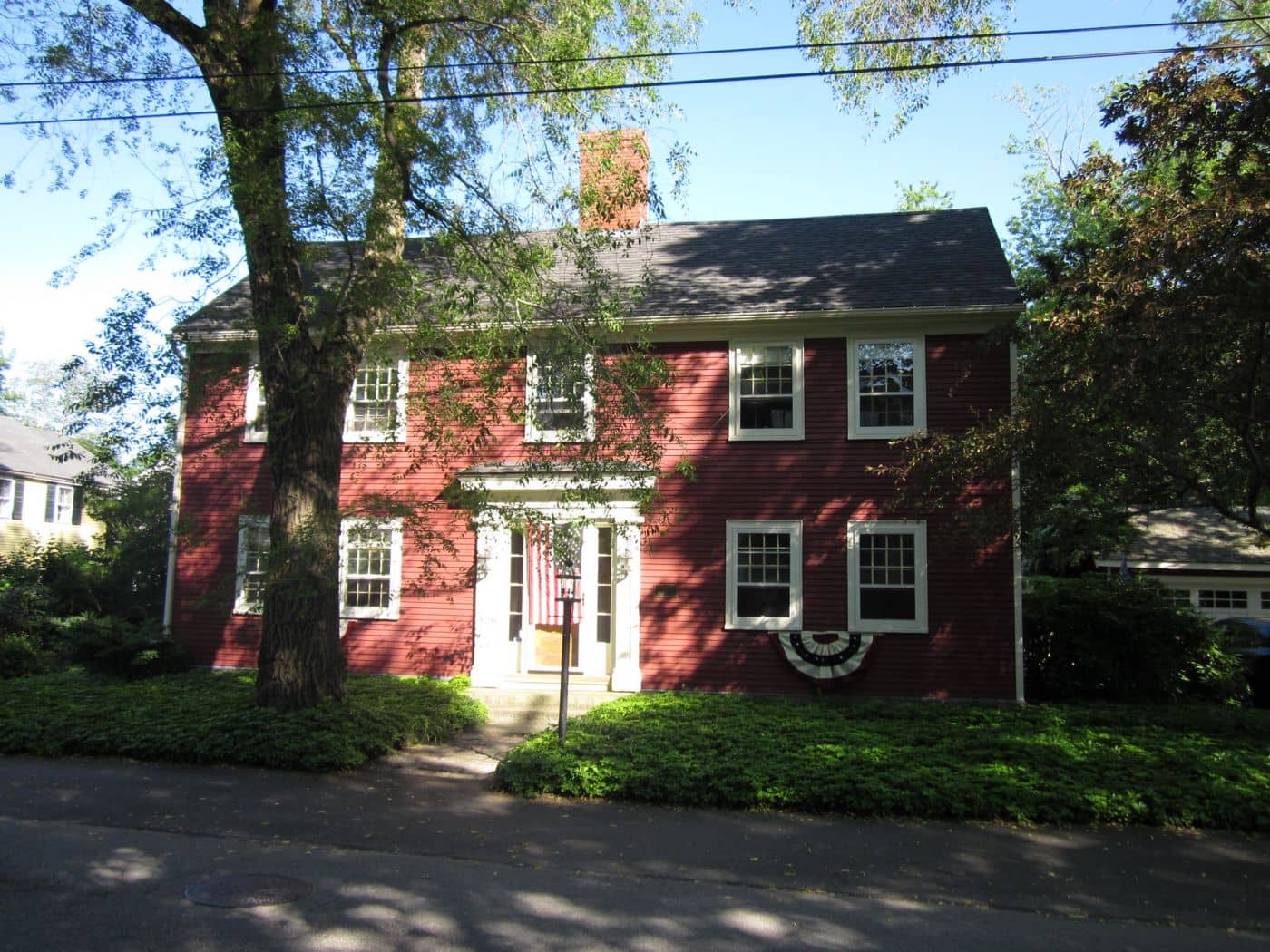
Dock Square boutiques, Goose Rocks Beach, and the Bush family's Walker's Point - the quintessential coastal Maine summer town.
Greater Portland
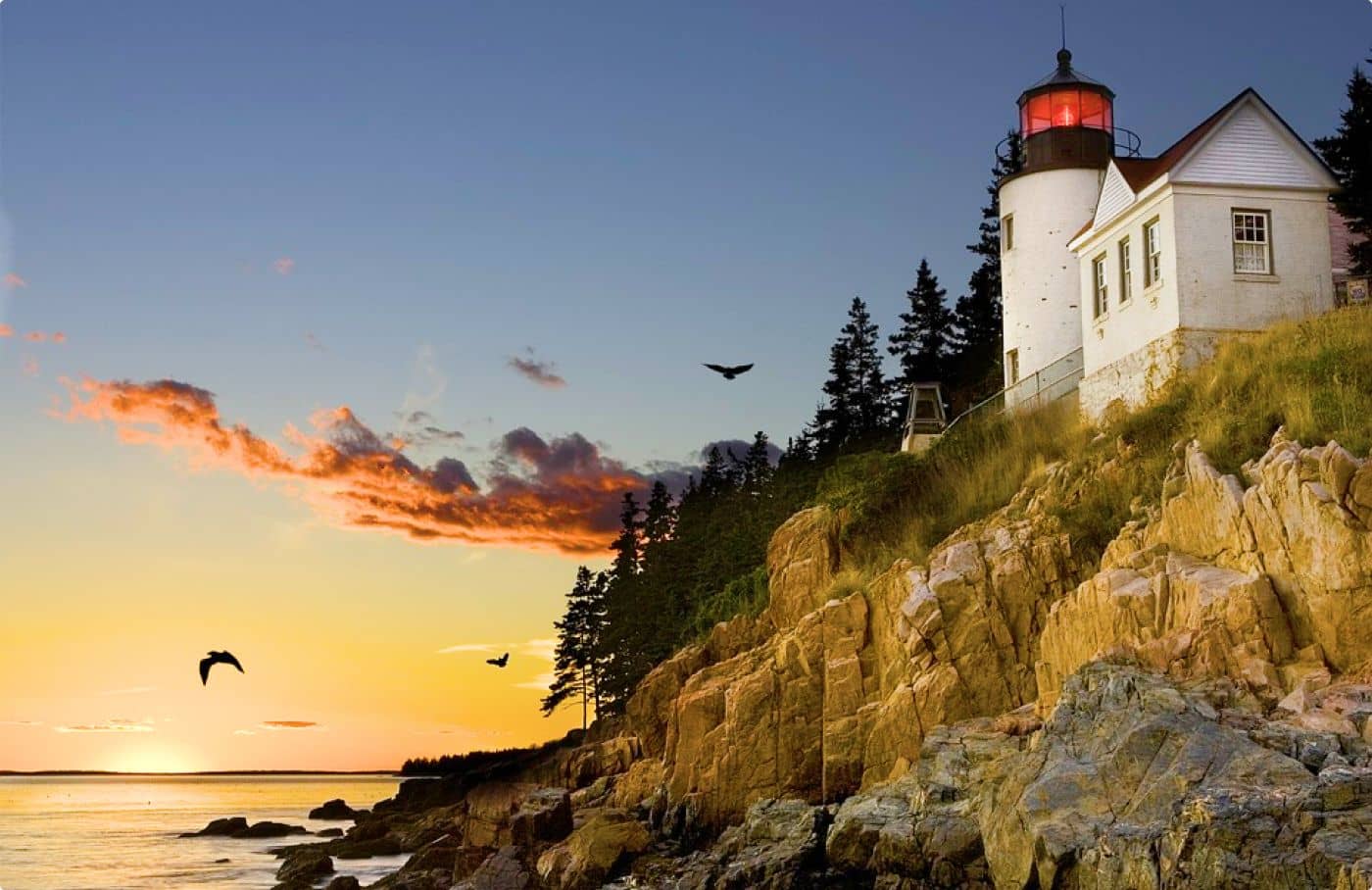
Maine's largest city - a working waterfront, Old Port cobblestones, and a food scene that punches well above its weight.
Midcoast Islands
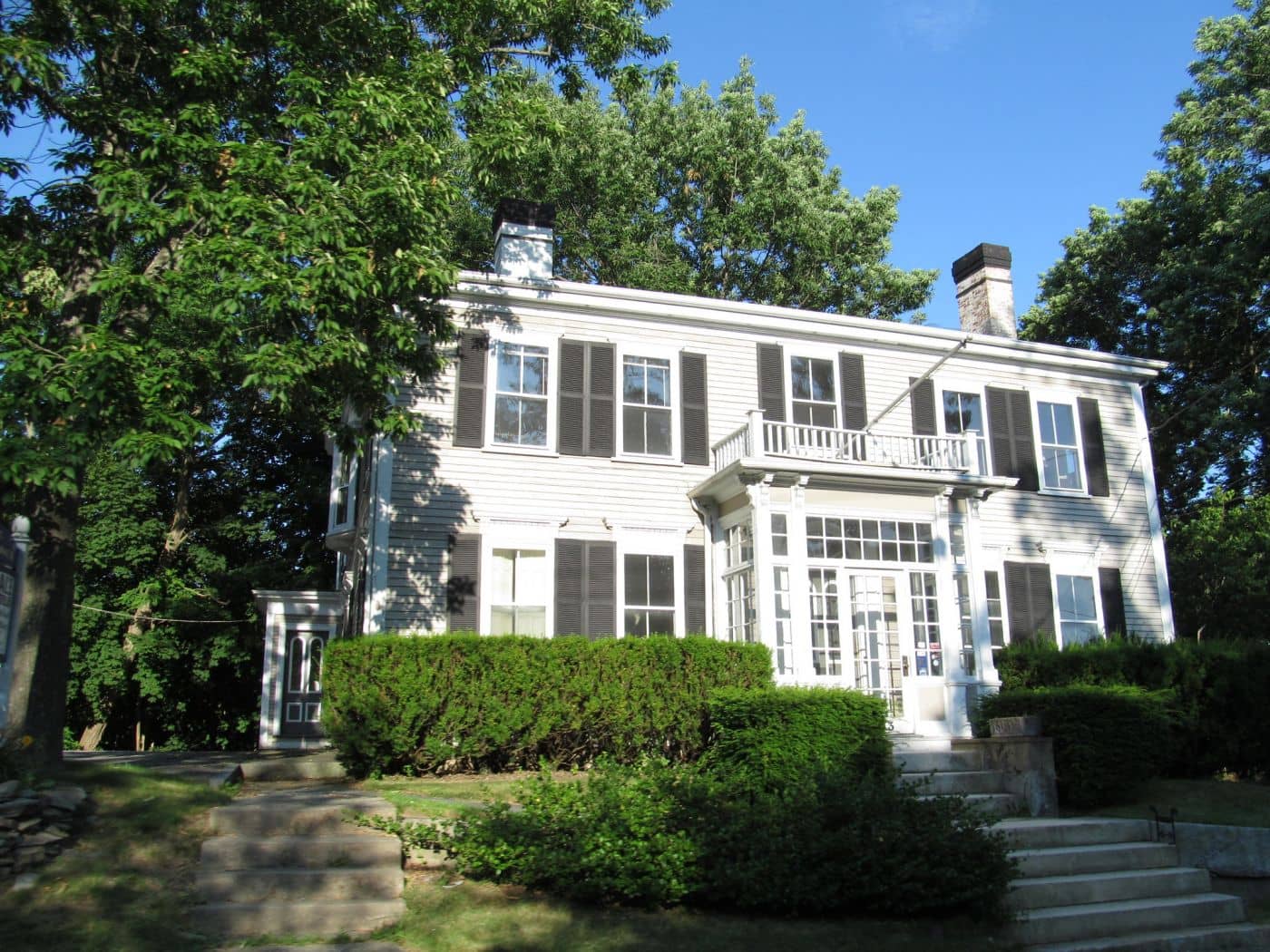
Shipbuilding heart of Maine since 1743 - Bath Iron Works still launches destroyers past the Maine Maritime Museum on the Kennebec.
Midcoast Islands
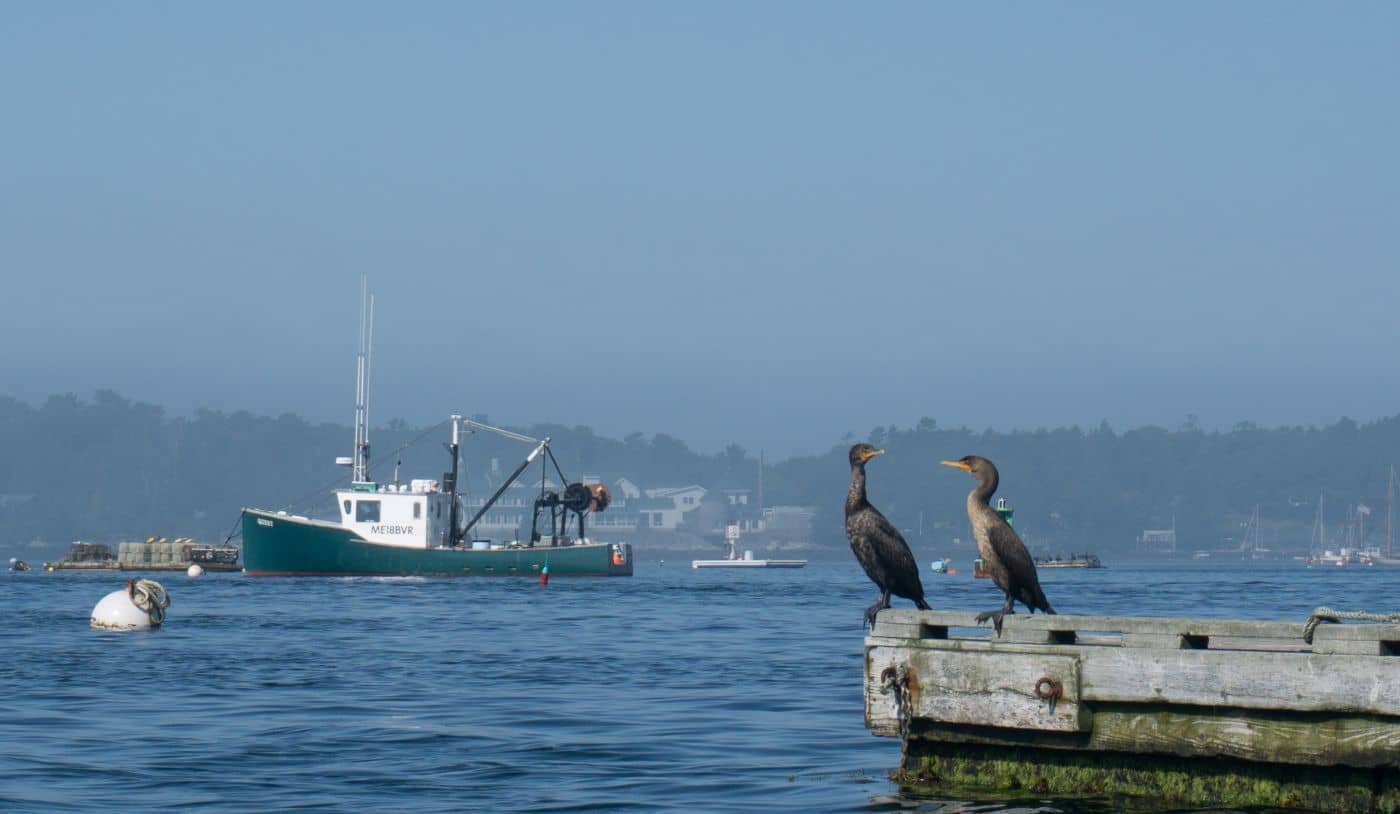
A Midcoast harbor town built around boat trips, with the Coastal Maine Botanical Gardens just up the road.
Midcoast Islands
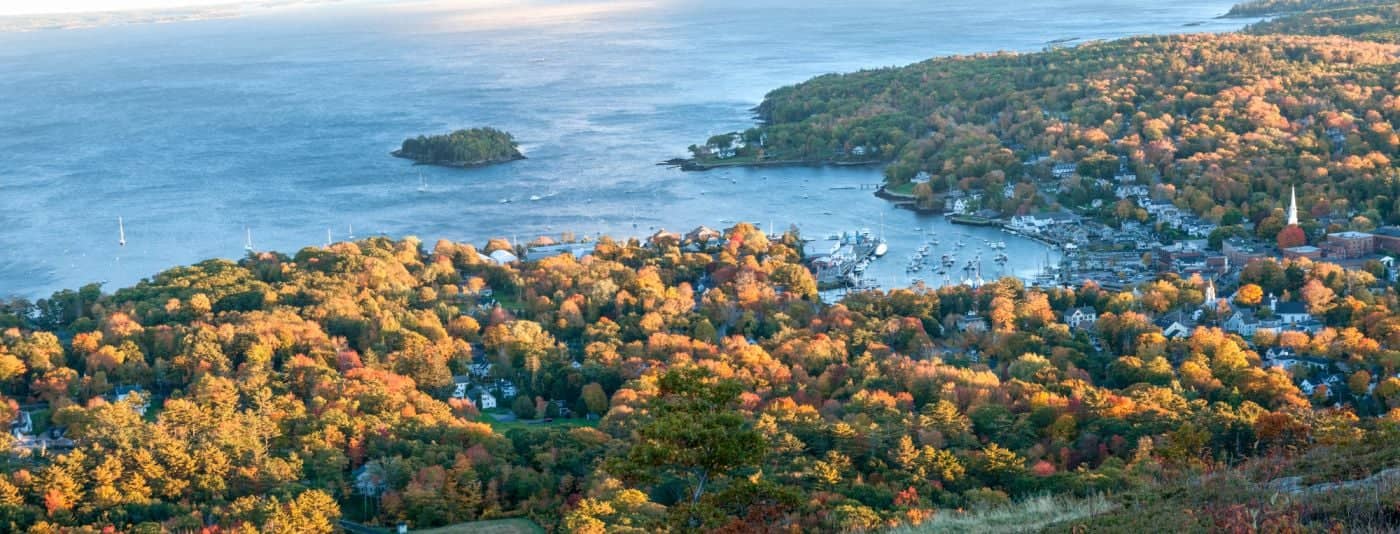
Where the mountains meet the sea - windjammer harbor, Mount Battie summit views, and an independent village with real soul.
Greater Portland
Flagship home of L.L. Bean, open 24/7 - outlets, a tidal river, and surprisingly good eating between the shopping.
Southern Maine Coast
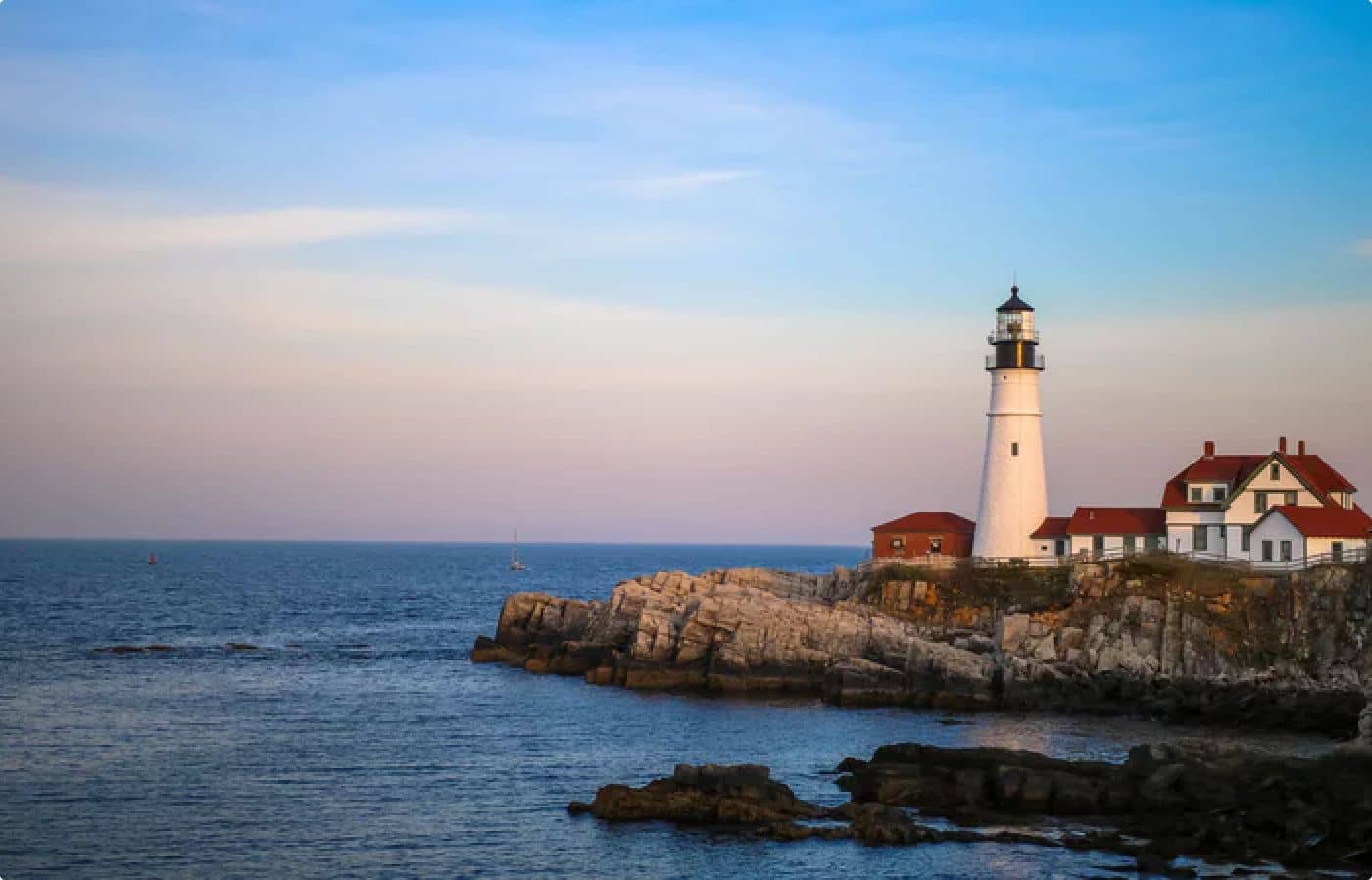
Postcard-perfect village of sea captains' mansions, Lower Village shops, and easy walks to Mother's Beach and Gooch's Beach.