
1
Freeport
See main listingFlagship home of L.L. Bean, open 24/7 - outlets, a tidal river, and surprisingly good eating between the shopping.
Details

Guide
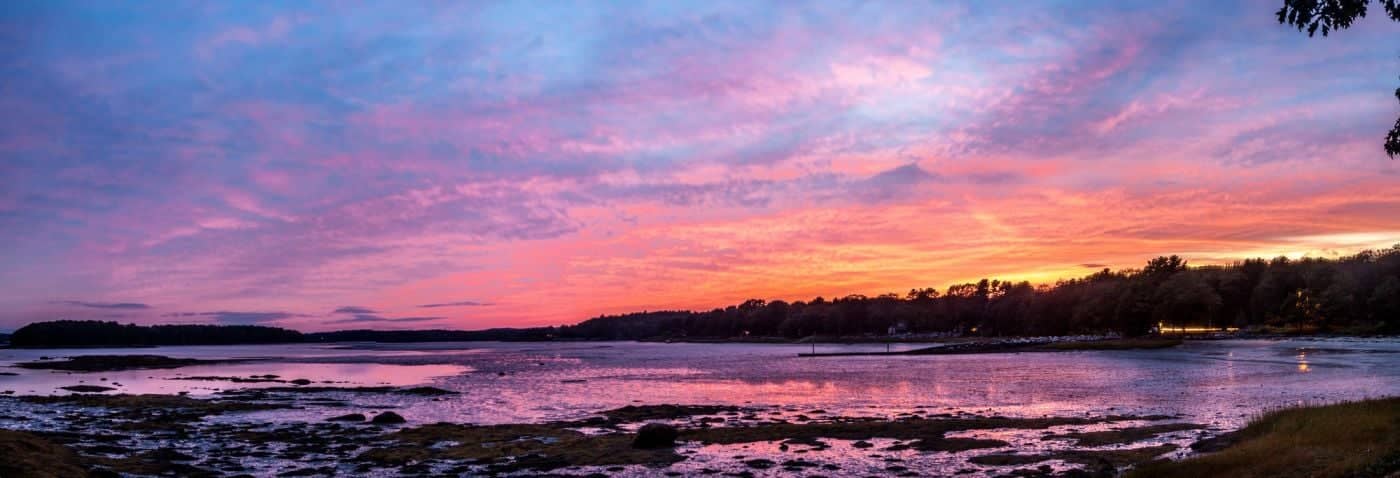
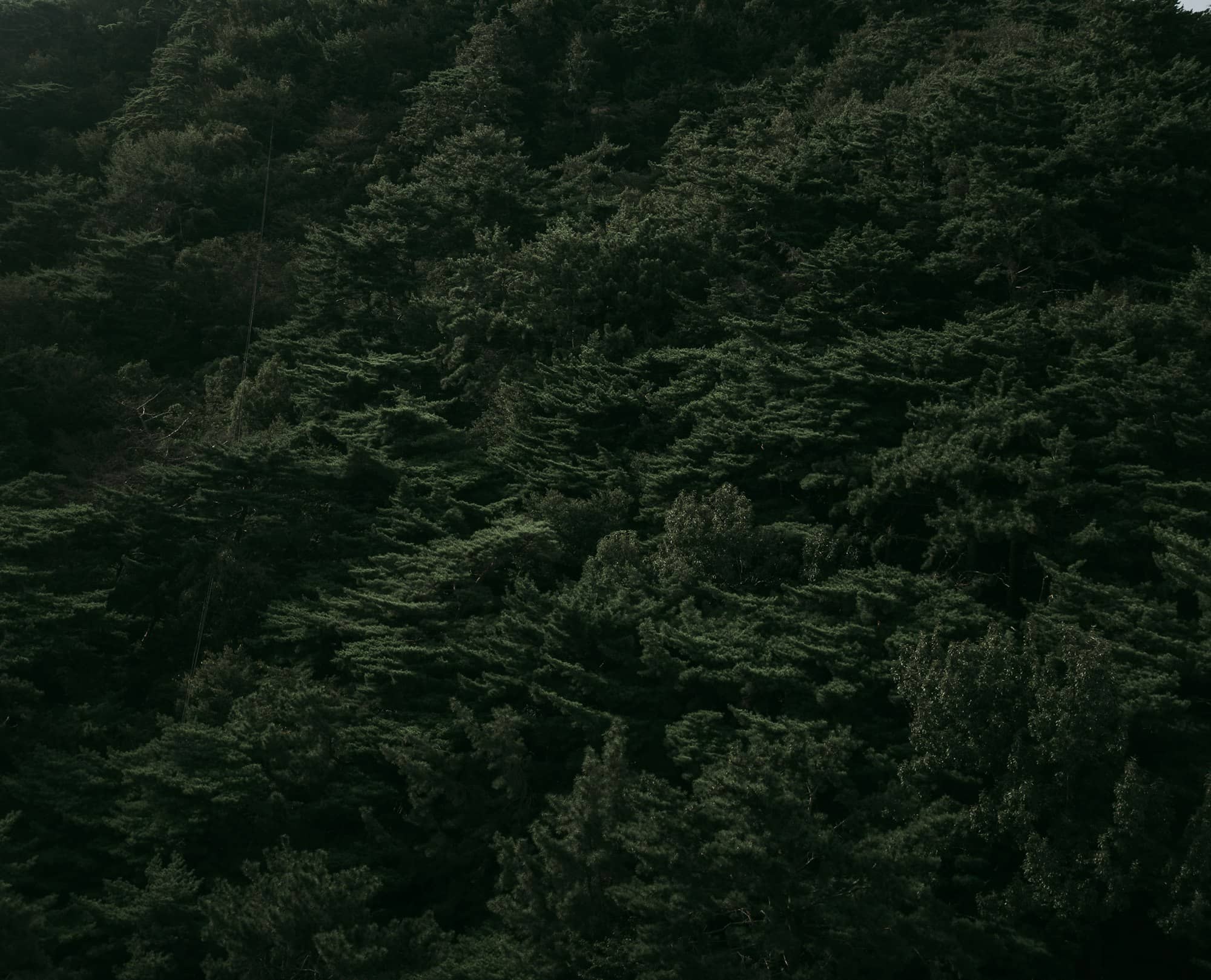
Wolfe’s Neck Woods State Park is a wooded coastal park in Freeport, Maine. Short trails connect white pine and hemlock forest with the rocky shores of Casco Bay and the Harraseeket River. Googins Island and its osprey nest add a wildlife focus to the shoreline walks.
Wolfe's Neck Woods State Park is 244 acres of white pine, hemlock, and rocky shore on a peninsula between Casco Bay and the Harraseeket River, five minutes from the L.L. Bean parking lot and a world away from it. The trails are short and easy. The osprey nest on Googins Island, forty yards offshore, is the reason most people come back.
Wolfe's Neck Woods State Park is at 426 Wolfe's Neck Road in Freeport, about four miles from the town center down a road that narrows steadily as it goes. It covers 244 acres on the neck between the Harraseeket River and Casco Bay, and it holds a 4.8 rating from more than 1,400 Google reviews. Among the highest for any park in the Maine system.
The terrain is not dramatic. There is no summit, no sand beach, no big water view that stops you in your tracks. What there is: a mature coastal forest of white pine and hemlock, a salt marsh estuary, several miles of well-graded trail, and a shoreline of ledge and cobble with the bay opening up through the trees. It is a walking park, and it is very good at being one.
The network is modest (you can cover the main loops in an hour to ninety minutes at a normal pace) and it is genuinely accessible in a way most Maine coastal trails are not. Wide, mostly level, well-maintained, with boardwalk over the wet sections. Families with strollers manage it. So do people who cannot do rocks and roots.
The shoreline route along Casco Bay is the one to prioritize; it runs above the water with intermittent openings to the bay and delivers you to the osprey overlook. A second loop swings inland toward the Harraseeket River and the salt marsh, quieter and more sheltered. Signage is decent, and the whole thing is small enough that getting genuinely lost takes effort.
The osprey are the main event. Googins Island sits just offshore, close enough that you do not need binoculars to see the nest, though you will want them. Ospreys have used it for years, returning each spring, and there is a viewing point on the shore trail set up for exactly this. The island itself is a closed nesting sanctuary. No landing, at any time, by anybody. The birds are gone by autumn, so an October walk here is a quieter, plainer experience.
Two honest caveats. The parking area is small and does fill on summer weekends and during fall foliage. There is no overflow and Wolfe's Neck Road is not a place to leave a car. And in June the mosquitoes in the interior woods are serious. The shoreline trail catches enough breeze to be fine; the inland loop does not.
The park is run by the Bureau of Parks and Lands within Maine's Department of Agriculture, Conservation and Forestry. There is a day-use fee, lower for Maine residents, with reduced rates for seniors and children, collected at the entrance during the operating season and by self-service station outside it. Current amounts are on the park's listing at maine.gov.
Facilities are basic: restrooms, picnic tables, a group shelter. There is no camping and no swimming. Off-season the park stays open and the trails become cross-country ski and snowshoe routes; the services do not run. Dogs are allowed on leash, which makes this one of the better options in the area for anyone traveling with one, since the region's beaches restrict them through the summer.
The name goes back to Henry and Rachel Woolfe, recorded as the first permanent European settlers on the peninsula in 1733. But the reason there is a park here at all is much more recent, and it belongs to one couple.
In 1947 Lawrence M.C. Smith and Eleanor Houston Smith (he a lawyer, she from a Philadelphia family with money and a conservation habit) bought a farm on Wolfe's Neck as a summer place. What they did with it was unusual for the period. Through the 1950s they built an organic beef operation on land most people would have subdivided, explicitly as a demonstration: that Maine's pastures, open space, and unblocked sea views were worth keeping, and that farming could be the mechanism for keeping them.
In 1969 they gave 244 acres of the peninsula's woods to the State of Maine. The park opened to the public in 1972. Lawrence Smith died in 1975; Eleanor carried on the farm and the wider project for another decade, and in 1985 handed the farm itself to the University of Southern Maine. She had also helped start both The Nature Conservancy and the American Farmland Trust. It is difficult to overstate how much of the modern conservation architecture in this country traces back to a small number of people making decisions like these in the 1950s and 60s.
The farm side of the story is still running. It operates today as the Wolfe's Neck Center for Agriculture and the Environment (4.7, 259 reviews), a working farm and research operation on more than 600 acres just up the road from the park: climate and soil research, farmer training, a campground, and animals that children are allowed to look at closely. You can walk the park in the morning and be at the farm café by lunch.
For the rest of the town beyond the outlets, see things to do in Freeport and our guide to the L.L. Bean flagship. For comparable walks elsewhere in the system, Maine state parks.
The full network runs to a few miles and most visitors cover the main loops in an hour to ninety minutes. The trails are wide, mostly level, and boardwalked over the wet ground, so they suit strollers and anyone who cannot manage rock and root.
Yes, from a marked viewing point on the shoreline trail. Googins Island is close enough to see the nest with the naked eye and much better with binoculars. The birds are present spring through late summer and gone by autumn. Landing on the island is prohibited year-round.
Yes, a per-person day-use fee with a lower Maine resident rate and reduced rates for seniors and children, collected at the gate in season and at a self-service station otherwise. The state sets the amounts; check the park page on maine.gov for current figures.
No, though they share a peninsula and a family. The state park is the 244 acres of woods donated in 1969. The farm, now the Wolfe's Neck Center for Agriculture and the Environment, is a separate 600-plus-acre working operation a mile up the road with its own entrance, café, and campground.
Flagship home of L.L. Bean, open 24/7 - outlets, a tidal river, and surprisingly good eating between the shopping.
Guides

Destinations
Downeast & Acadia
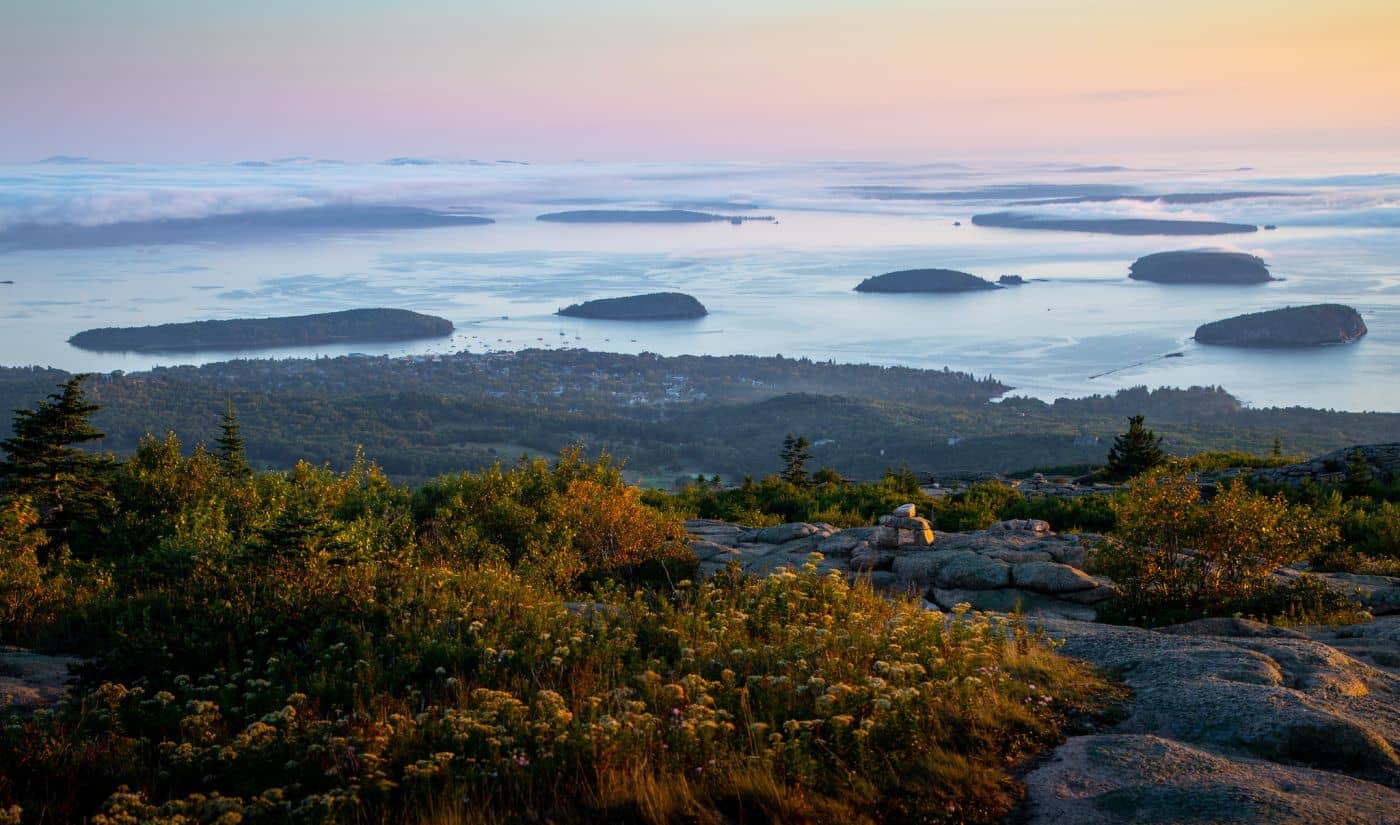
Gateway to Acadia National Park - Cadillac Mountain, puffin cruises, and a harbor town that fills with cruise ships from May to October.
Southern Maine Coast
Dock Square boutiques, Goose Rocks Beach, and the Bush family's Walker's Point - the quintessential coastal Maine summer town.
Greater Portland
Maine's largest city - a working waterfront, Old Port cobblestones, and a food scene that punches well above its weight.
Midcoast Islands
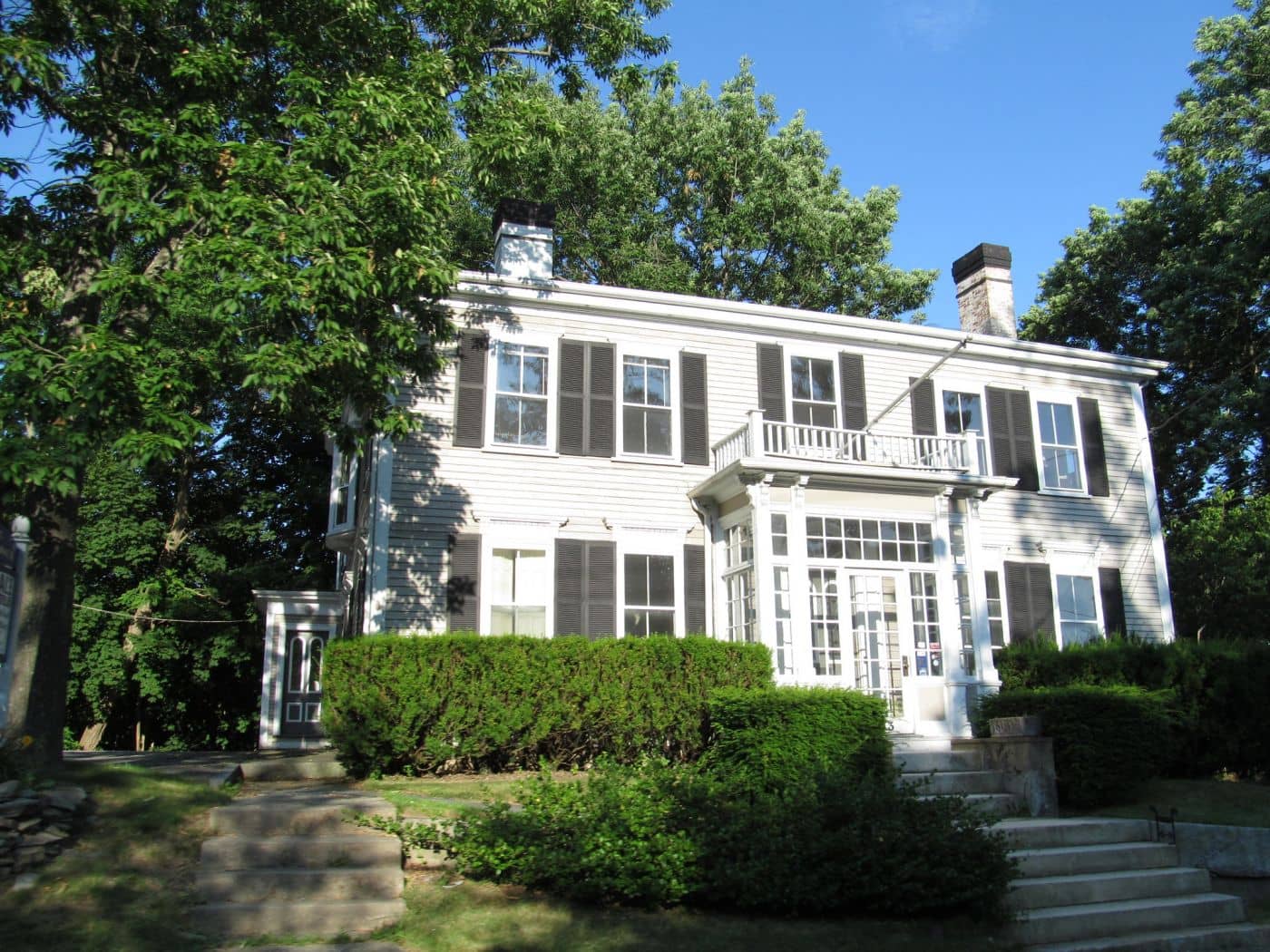
Shipbuilding heart of Maine since 1743 - Bath Iron Works still launches destroyers past the Maine Maritime Museum on the Kennebec.
Midcoast Islands
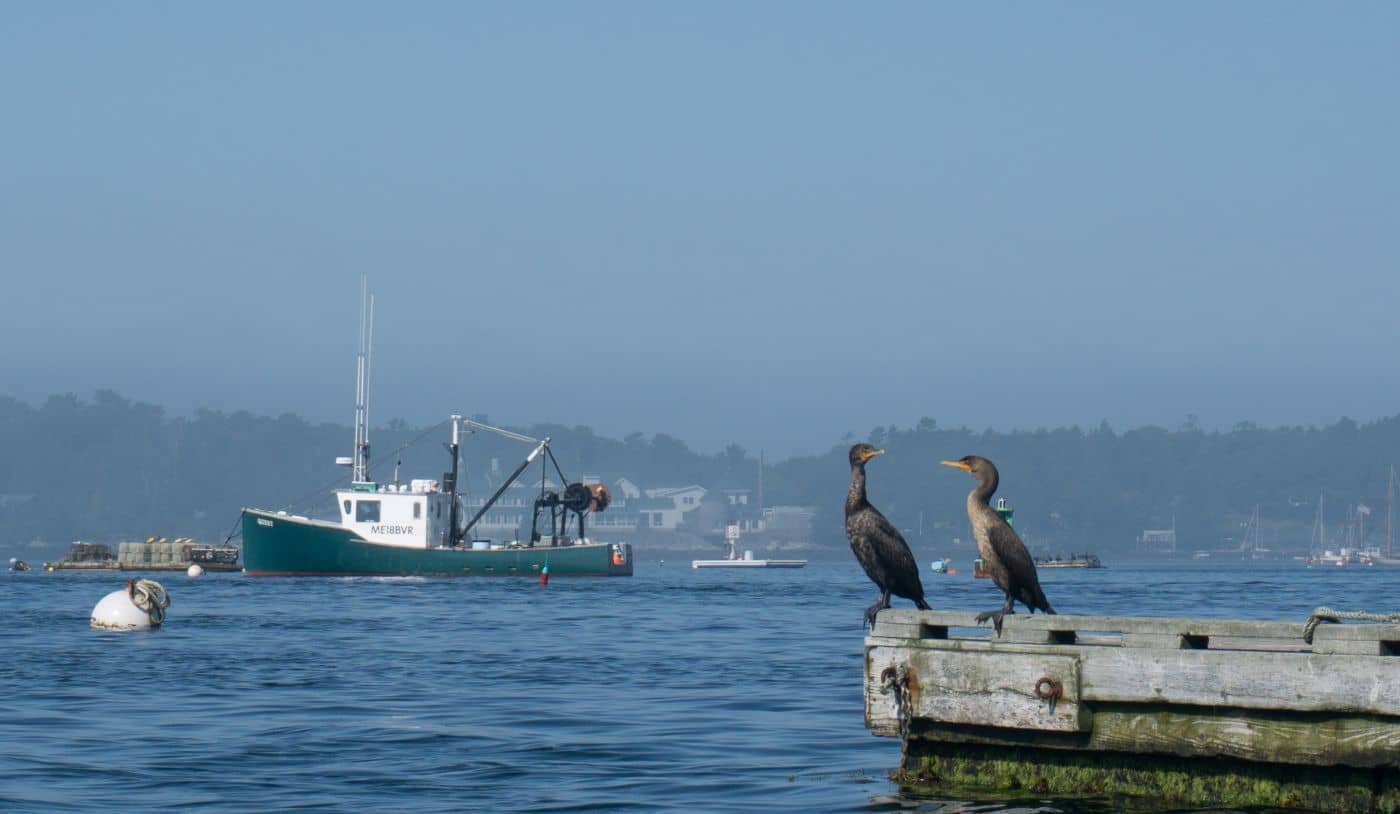
A Midcoast harbor town built around boat trips, with the Coastal Maine Botanical Gardens just up the road.
Midcoast Islands
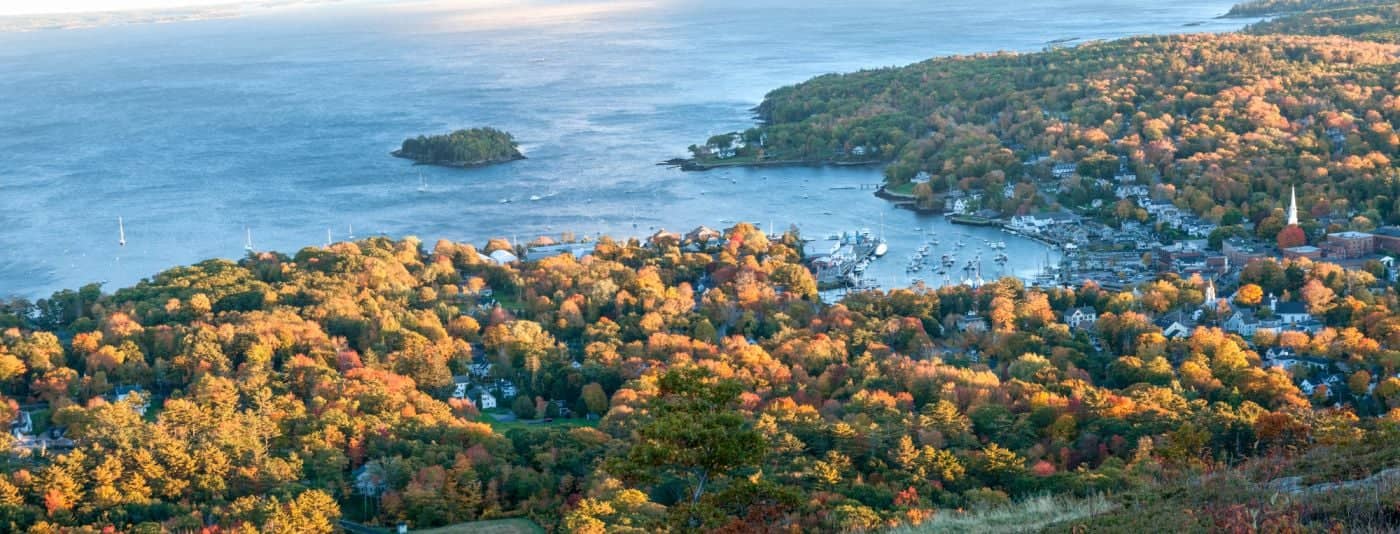
Where the mountains meet the sea - windjammer harbor, Mount Battie summit views, and an independent village with real soul.
Greater Portland
Flagship home of L.L. Bean, open 24/7 - outlets, a tidal river, and surprisingly good eating between the shopping.
Southern Maine Coast
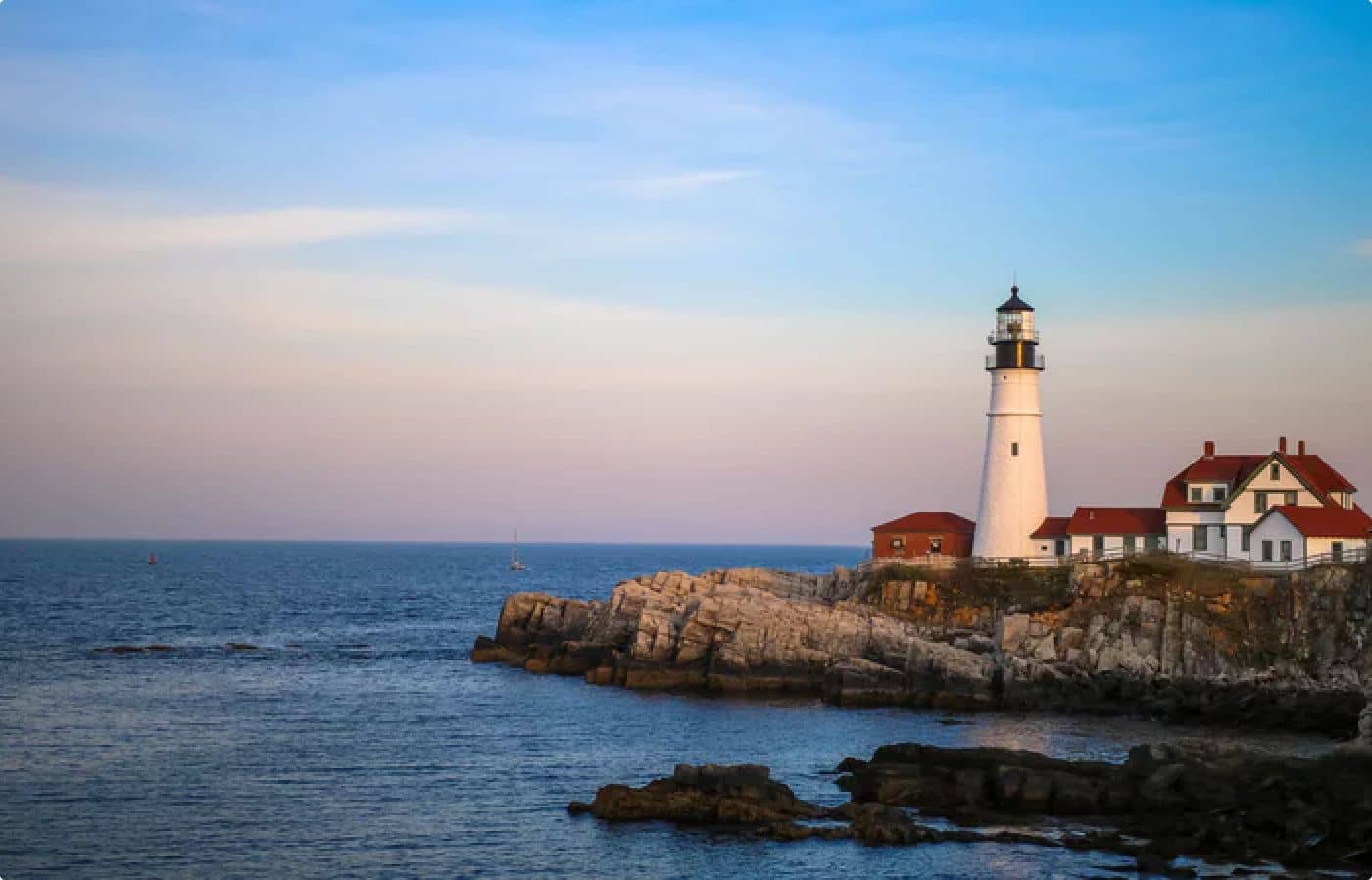
Postcard-perfect village of sea captains' mansions, Lower Village shops, and easy walks to Mother's Beach and Gooch's Beach.