
1
Greenville
See main listingThe town at the foot of Moosehead Lake, gateway to the North Woods and the 100-Mile Wilderness.
Details

Guide
Lily Bay State Park sits on Moosehead Lake north of Greenville, Maine. Two campgrounds, a swimming beach, boat ramps and a shoreline trail make it a practical base for time by the lake. Campground choice, seasonal services and the approach from Greenville shape a visit.
Lily Bay State Park is the only state park on the shore of Moosehead Lake, and for most visitors it is the simplest way to sleep within earshot of Maine's largest body of fresh water. Two campgrounds, a swimming beach, two boat ramps and a shoreline trail, set on a quiet cove under ten miles north of Greenville. It holds a 4.8 rating from 460 Google reviews, which is close to the ceiling for a Maine state park.
Lily Bay State Park occupies a wooded point on the eastern shore of Moosehead Lake, at 425 Lily Bay Road in Beaver Cove, Piscataquis County. Greenville (the nearest town with fuel, groceries and a bank) is a bit under ten miles south. The park runs to roughly 900 acres, built around two campground areas, Dunn Point and Rowell Cove, linked by a mile-and-a-half footpath along the water.
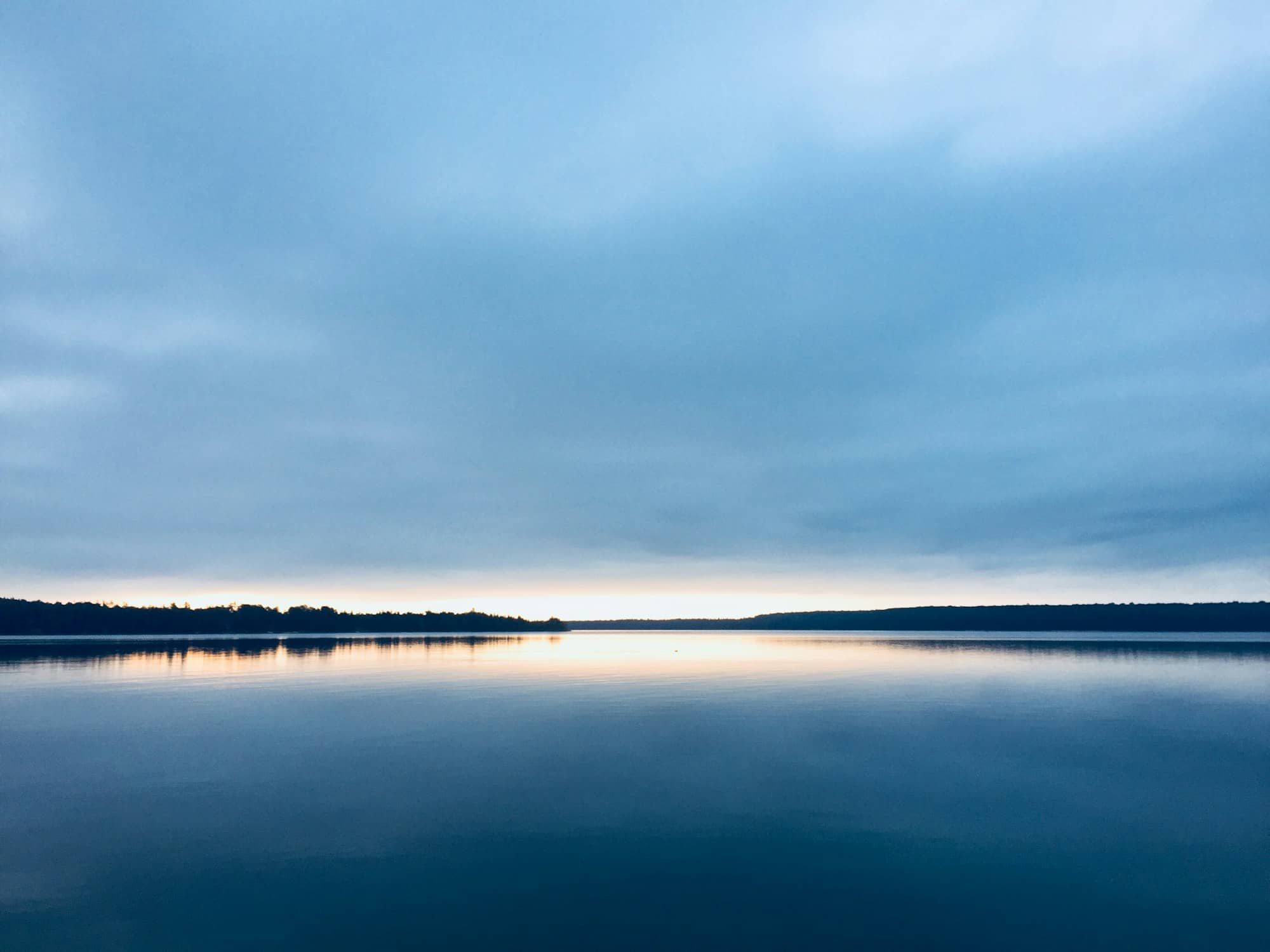
This is a lake park, not a mountain park: no summit trail, no big view to hike to. What there is instead is water: a shoreline of gravel and small stone facing forty miles of open lake, with Mount Kineo's cliff on the horizon on a clear day. People come to camp, launch a boat, fish, and get out of cell range.
The drive is the real barrier. Greenville is roughly two and a half hours north of Portland and an hour and three quarters from Bangor, the last stretch two-lane through working forest. Nobody visits Lily Bay en route to somewhere else.
Lily Bay is run by the Bureau of Parks and Lands, the division inside Maine's Department of Agriculture, Conservation and Forestry that manages the state park system. That means the familiar structure: a day-use fee at the gate, lower for Maine residents, and campsites booked separately through the state's central reservation system on a rolling window ahead of the season. Current fees live on maine.gov and change often enough that any number printed elsewhere is worth distrusting.
The two campgrounds differ. Dunn Point sits closer to the swimming beach and day-use area and is busier; Rowell Cove is further north, quieter, next to the second boat ramp. Together they hold around ninety sites, with water taps and showers rather than hookups: a drive-in campground, not an RV resort, better suited to tents and small trailers than large rigs.
Both ramps matter, because Moosehead is a serious lake with serious weather. Forty miles of fetch means a north wind builds real chop by afternoon, and small craft that were fine at breakfast are not fine at three o'clock. Locals launch early and come in before it. Fishing draws as many people as camping (salmon, brook trout, togue) and Maine requires a license, sold online.
Bugs and season, honestly. Late spring here means blackflies, and they are not a rumor; June can be genuinely unpleasant without a headnet. Late September into early October is the best window. Foliage, cold nights, almost no insects, a lake gone quiet.
Moosehead Lake has about 400 miles of shoreline, and almost none of it is publicly owned. That is the fact that explains Lily Bay.
This was, and largely still is, industrial forest. For a century and a half the lake was a working conveyor: logs cut in the north woods were driven down the feeder rivers, boomed into rafts, and towed to the outlet at the southern end for the mills downstream. The steam towboats that did the hauling are why Greenville has a maritime museum in the middle of the woods. The Katahdin, built in 1914 and still running, towed log booms until the last drive on Moosehead ended in the 1970s. Among the last commercial log drives in the country.
Land that produces timber does not usually get given away. Most of Moosehead's shore stayed with paper and timber companies, and where it has been protected since, it has mostly been protected by conservation easement: privately owned, still logged, development rights extinguished, public access guaranteed. A real win, but not a park. It gives you somewhere to walk, not somewhere to pitch a tent, use a toilet and launch a boat.
Lily Bay is the exception: state ownership, developed for public use, on a lake where that is otherwise almost unavailable. Mount Kineo State Park across the water is state land too, but has no road. You reach it by shuttle from Rockwood, and it holds 25 reviews in our listings against Lily Bay's 460. That gap measures how much easier one is to actually use.
The human history here runs far deeper than the log drives. Mount Kineo's 700-foot cliff is rhyolite, a hard volcanic stone that fractures like flint, quarried by Native people for thousands of years. Tools of Kineo stone turn up across the Northeast, a trade network centered on a rock visible from the beach at Lily Bay.
See our Moosehead Lake guide and the Greenville town page for the wider region. Lily Bay Road north toward Kokadjo is one of the state's more reliable moose corridors at dawn and dusk. See moose watching in Maine. For context, Maine state parks and camping in Maine state parks.
Just under ten miles up Lily Bay Road along the eastern shore. Fifteen to twenty minutes. Greenville is the last place to buy fuel, food, ice or a fishing license, so stock up before you turn north.
Yes, at the Dunn Point day-use area, though the bottom is gravel and stone rather than sand. Moosehead is deep and warms late. July and August are the realistic months, and even then it is bracing.
For summer weekends, in practice yes. Sites book through Maine's central state park reservation system on a rolling window, and the Dunn Point waterfront sites go immediately. Midweek in June or late September you have a fair chance walking up.
The park itself is decent, but the productive ground is the road: Lily Bay Road north toward Kokadjo, and the bogs off it, at first light and in the last hour before dark. Drive slowly; the conditions that make moose visible also make them easy to hit.
The town at the foot of Moosehead Lake, gateway to the North Woods and the 100-Mile Wilderness.
Guides

Destinations
Downeast & Acadia
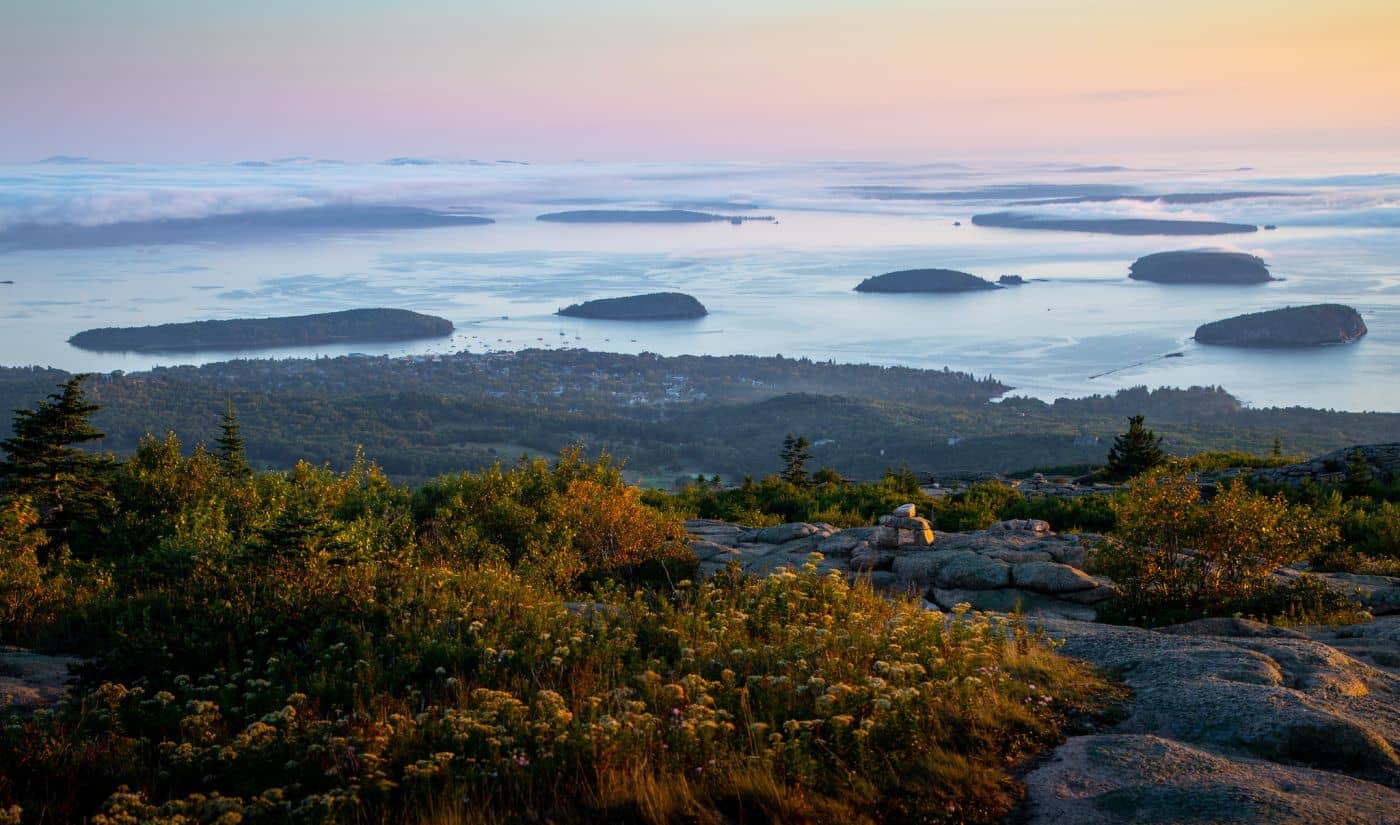
Gateway to Acadia National Park - Cadillac Mountain, puffin cruises, and a harbor town that fills with cruise ships from May to October.
Southern Maine Coast
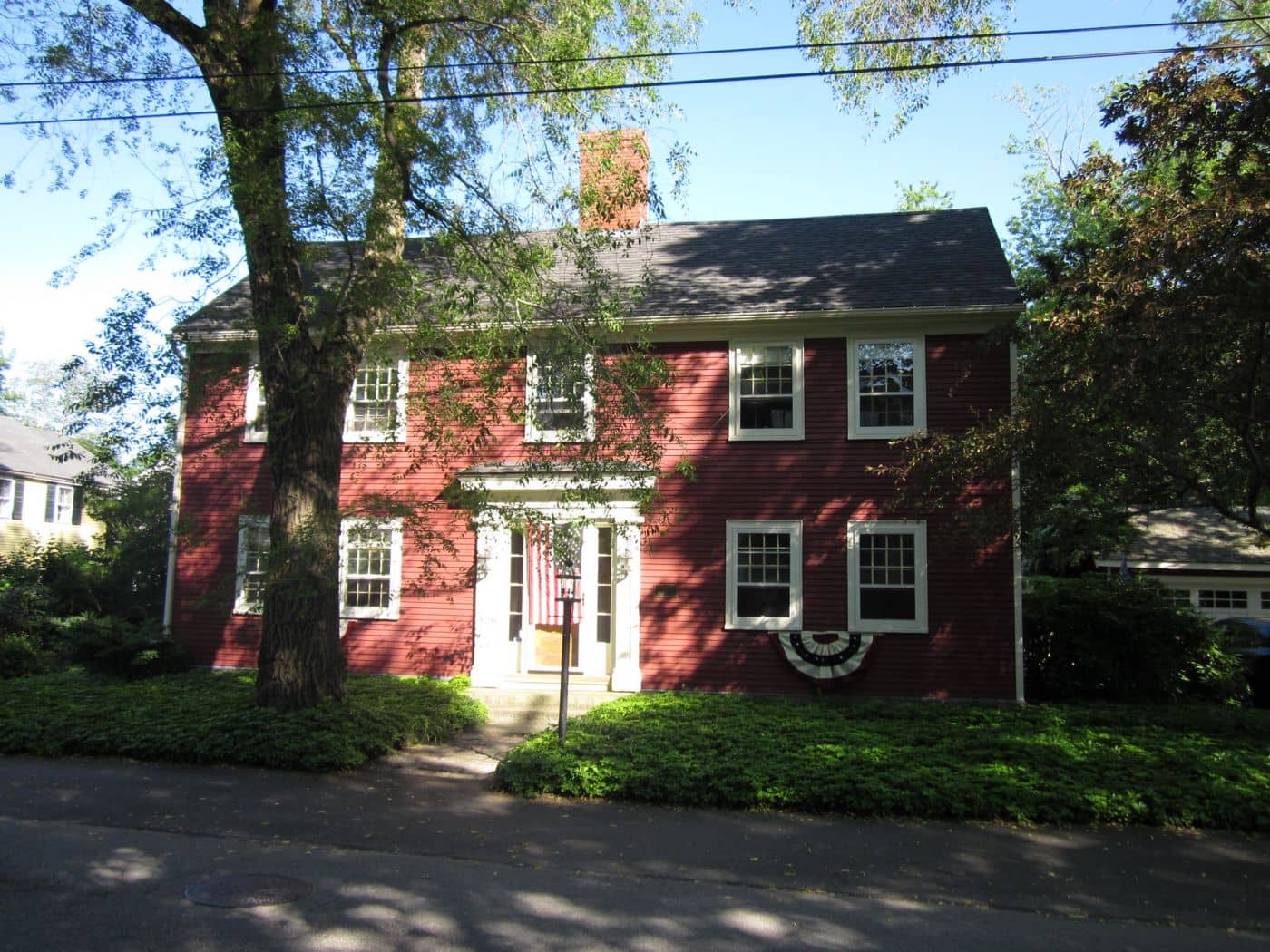
Dock Square boutiques, Goose Rocks Beach, and the Bush family's Walker's Point - the quintessential coastal Maine summer town.
Greater Portland
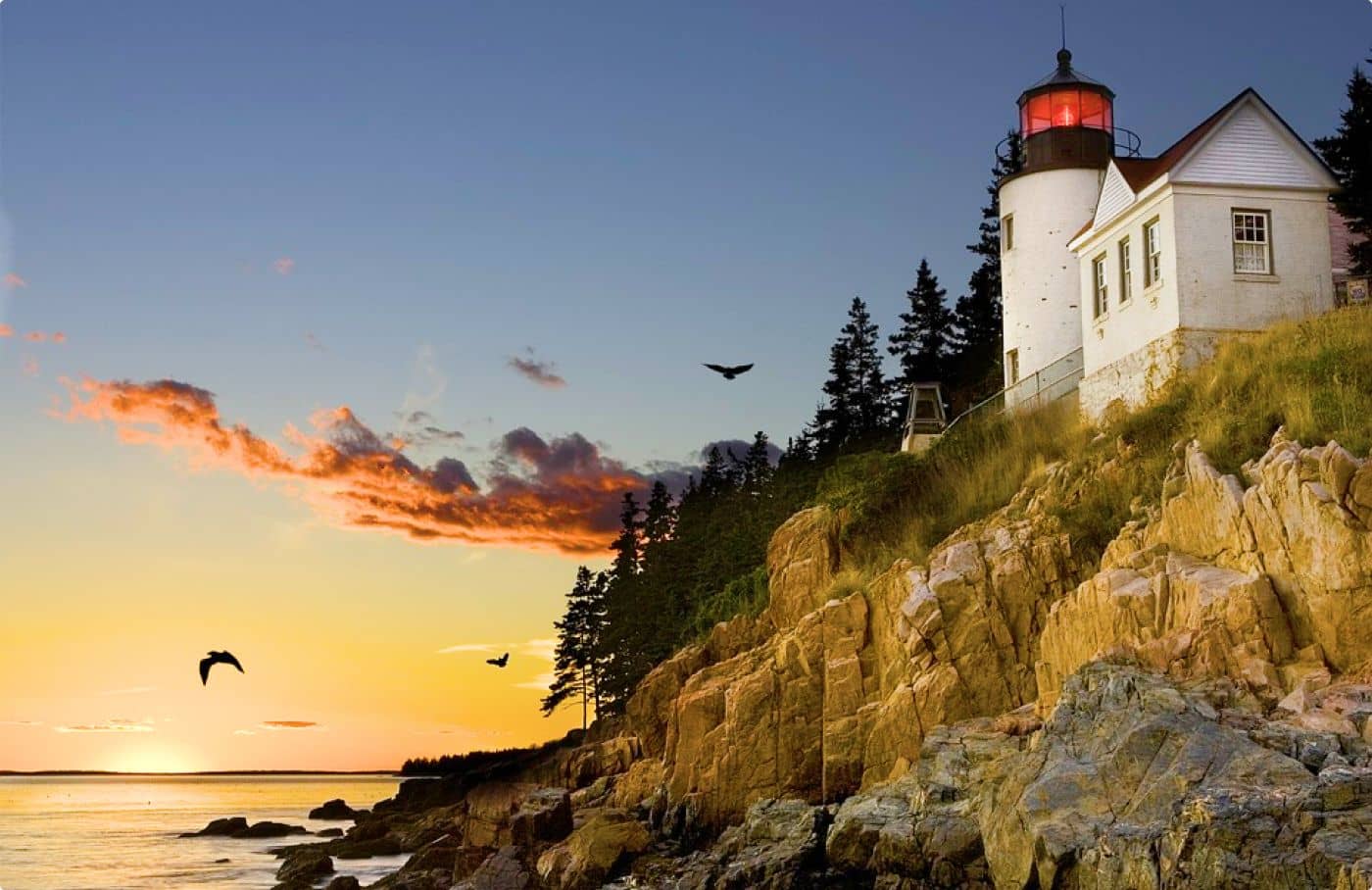
Maine's largest city - a working waterfront, Old Port cobblestones, and a food scene that punches well above its weight.
Midcoast Islands
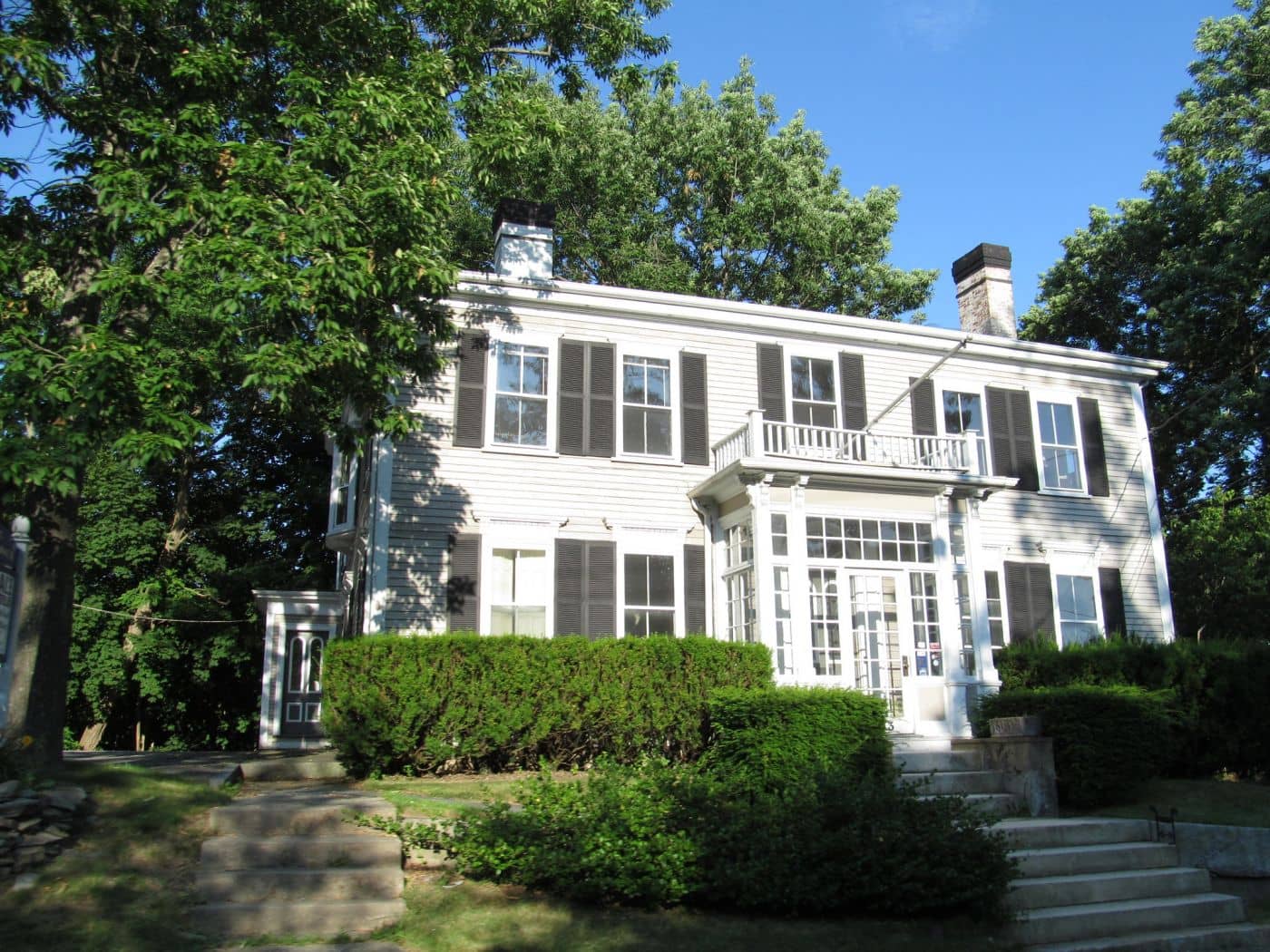
Shipbuilding heart of Maine since 1743 - Bath Iron Works still launches destroyers past the Maine Maritime Museum on the Kennebec.
Midcoast Islands
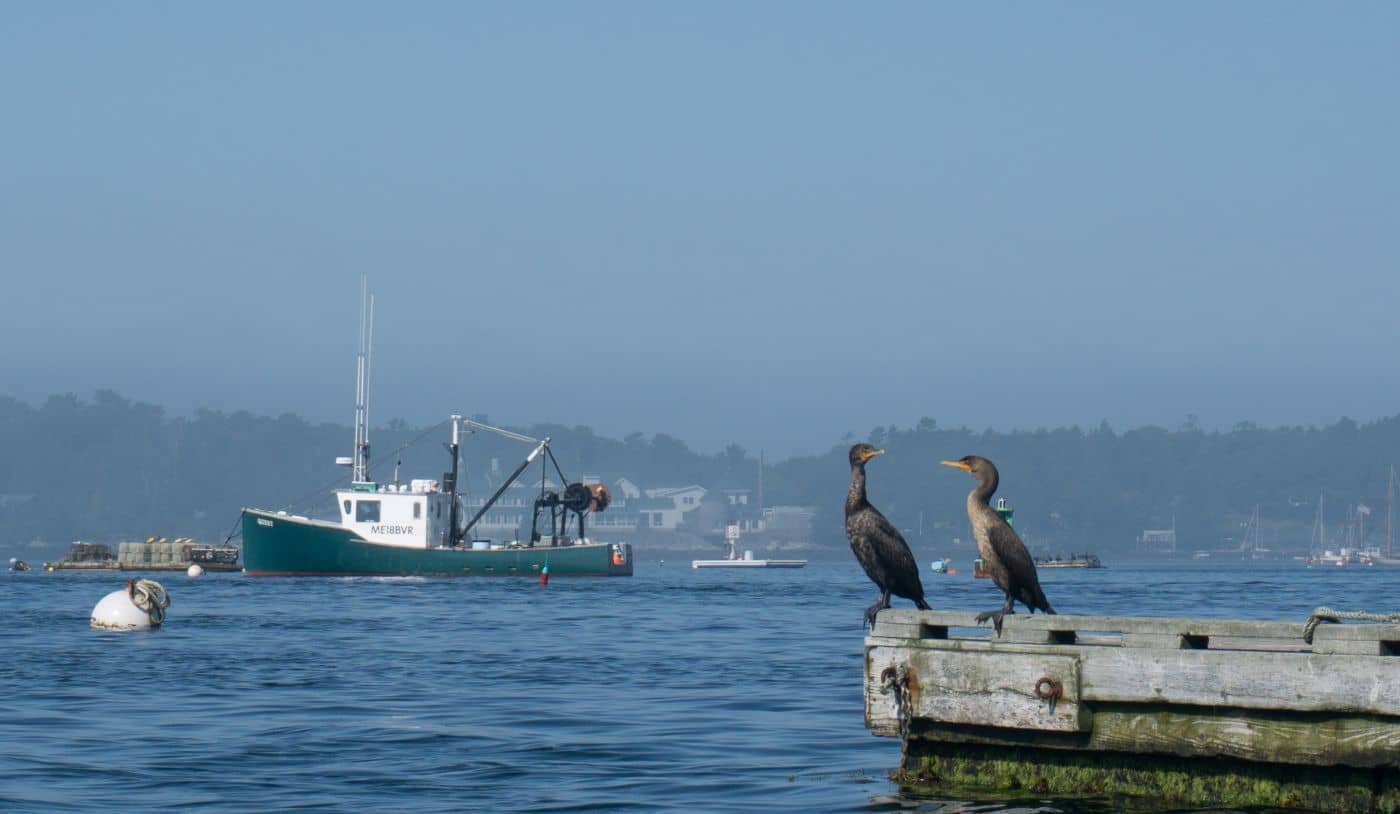
A Midcoast harbor town built around boat trips, with the Coastal Maine Botanical Gardens just up the road.
Midcoast Islands
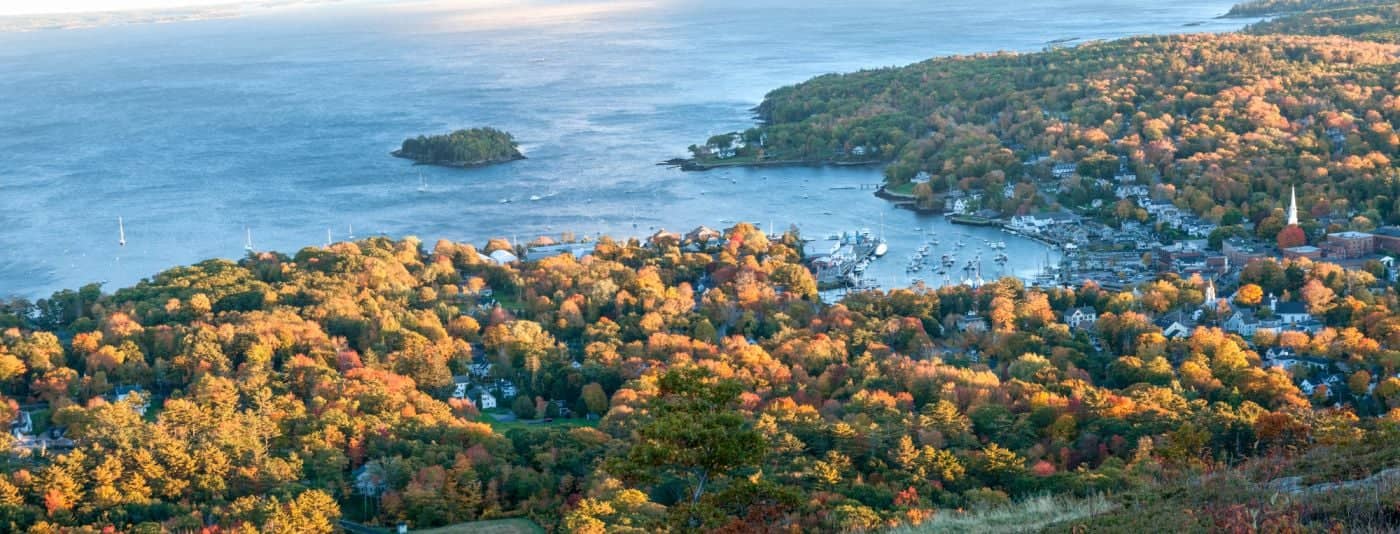
Where the mountains meet the sea - windjammer harbor, Mount Battie summit views, and an independent village with real soul.
Greater Portland
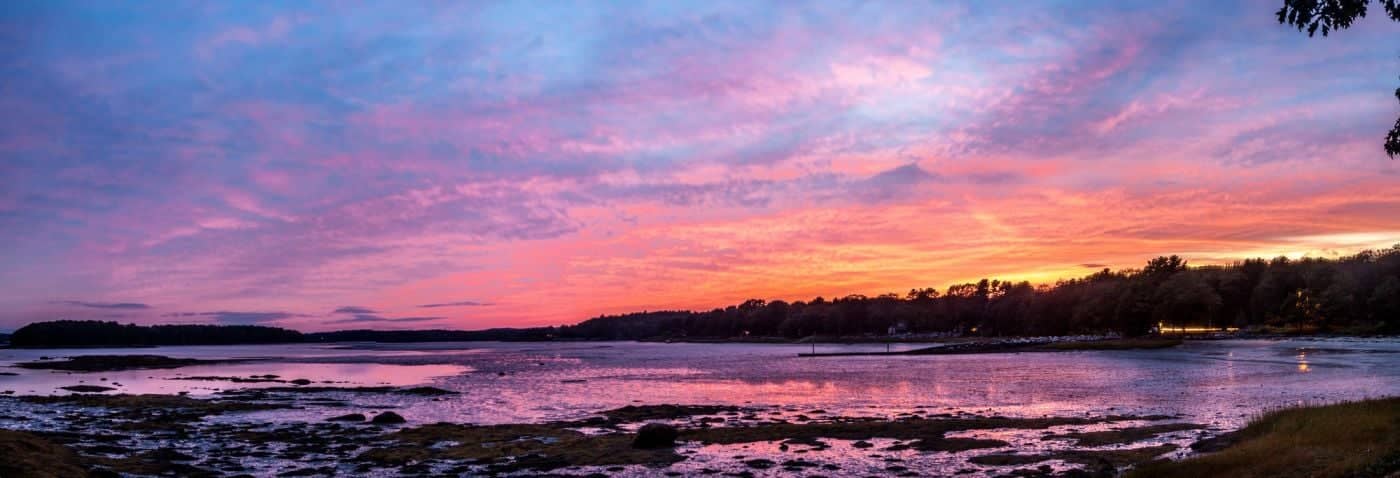
Flagship home of L.L. Bean, open 24/7 - outlets, a tidal river, and surprisingly good eating between the shopping.
Southern Maine Coast
Postcard-perfect village of sea captains' mansions, Lower Village shops, and easy walks to Mother's Beach and Gooch's Beach.