Stonington, Maine: Things to Do, Stay & Eat
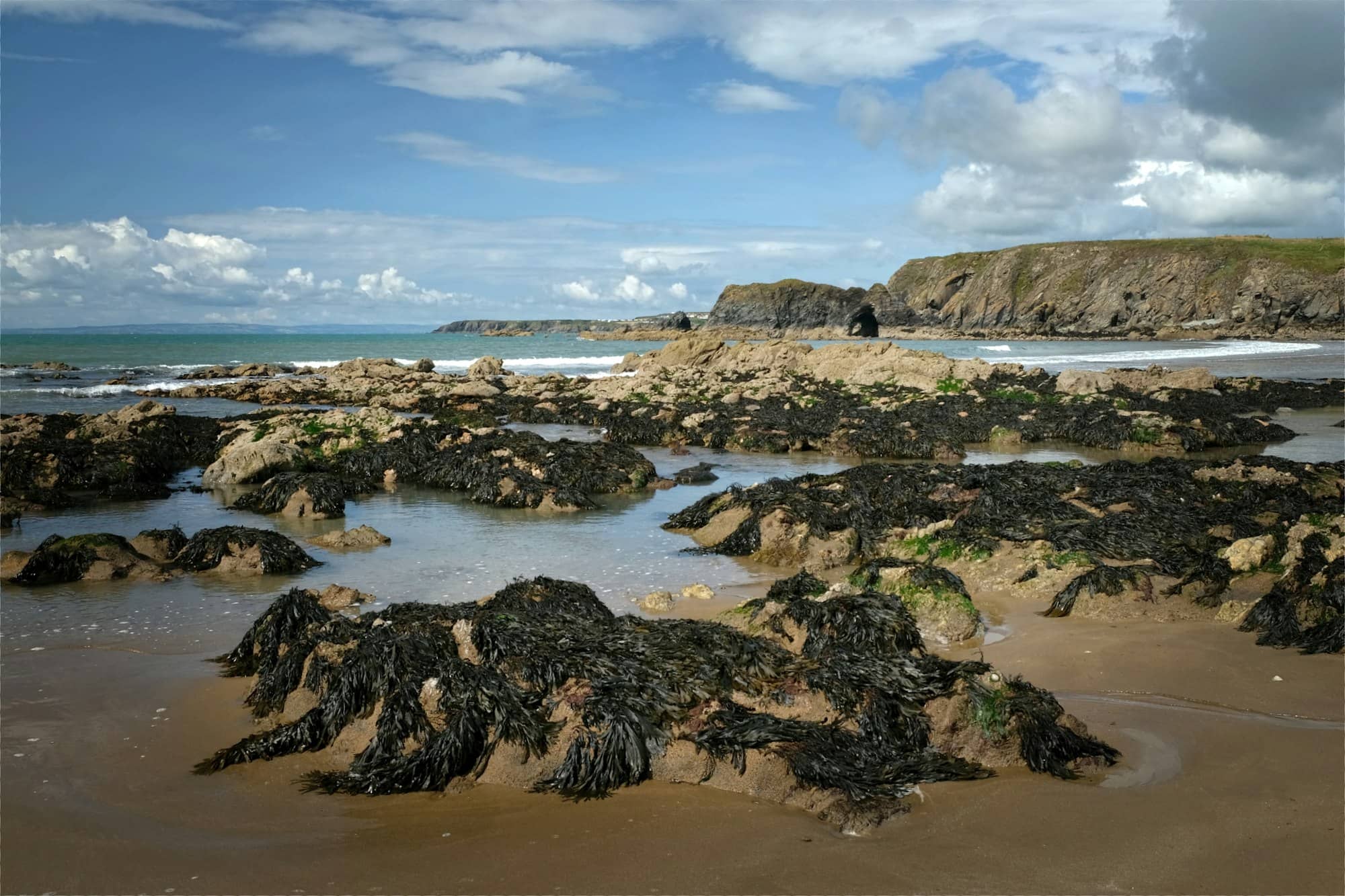
Stonington, Maine, climbs above a working harbor at the southern end of Deer Isle. Fishing boats, granite and steep village streets define the visit more than a conventional resort scene. Stay for the waterfront and island landscape, or plan carefully around a boat to Isle au Haut; the ferry destination and season make a real difference to the day.
Quick facts
- Region
- Downeast & Acadia, Maine
- Best months and seasons
- July and August are the busy months, and "busy" here means the restaurants have a wait, not that the streets are full.
- Nearest airport:
- Knox County Regional Airport (Rockland area) (RKD), about 22 miles in a straight line.
- Top draws
- Duck Harbor; Isle au Haut; Burnt Coat Harbor Lighthouse
- Nearby towns
- Deer Isle, Maine; Blue Hill, Maine; Castine, Maine
Stonington is a working harbor first and a destination second, which is exactly why people who find it tend to come back. It sits at the southern tip of Deer Isle, about an hour off Route 1, and it lands more lobster than any other port in Maine.
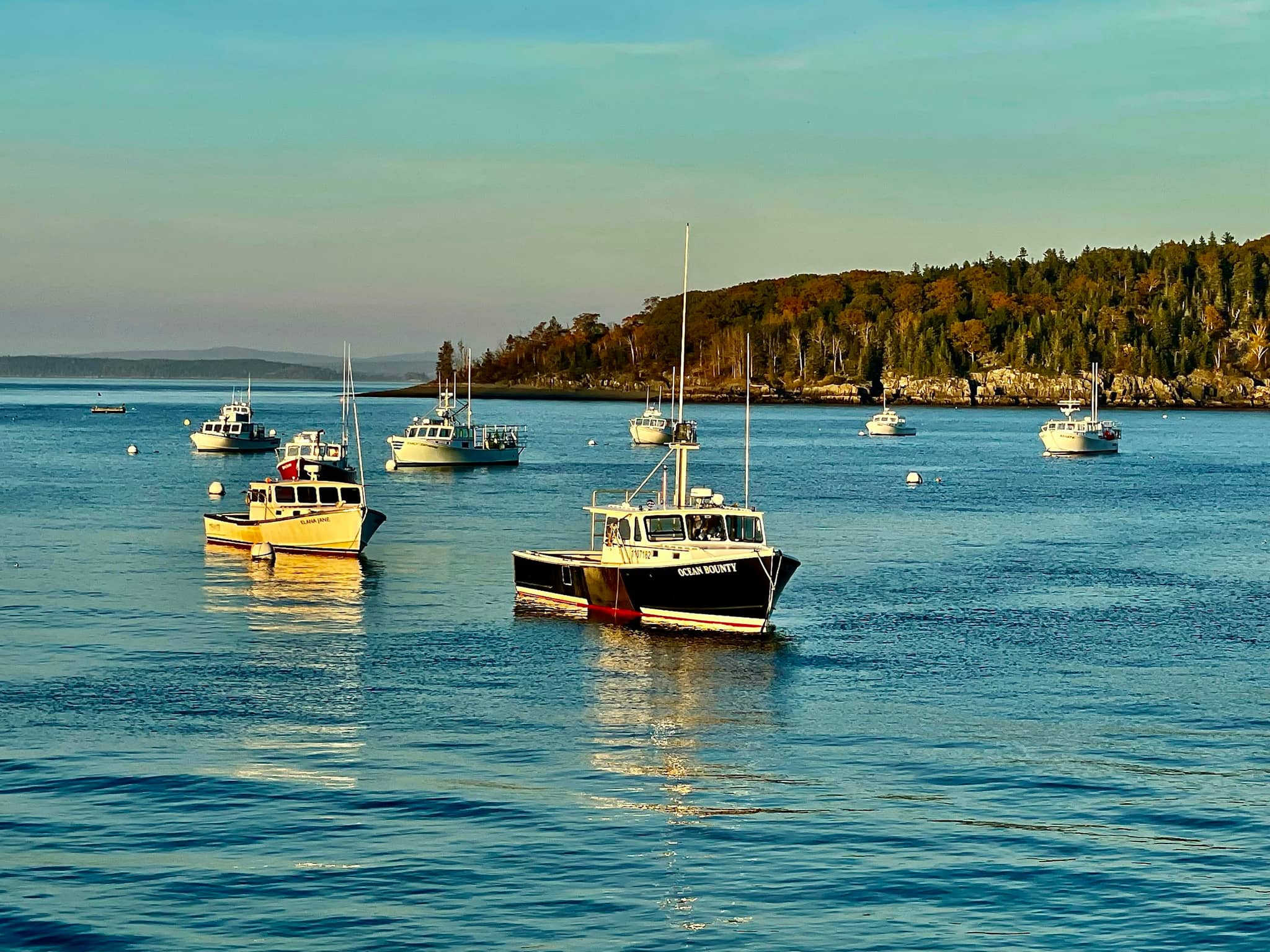
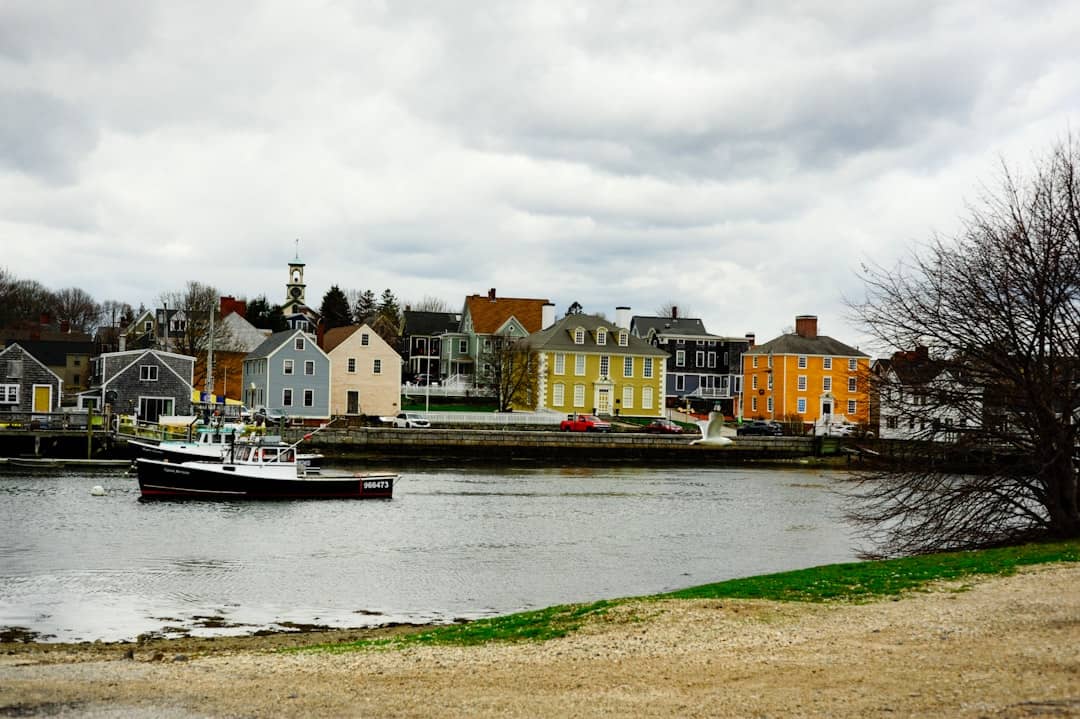
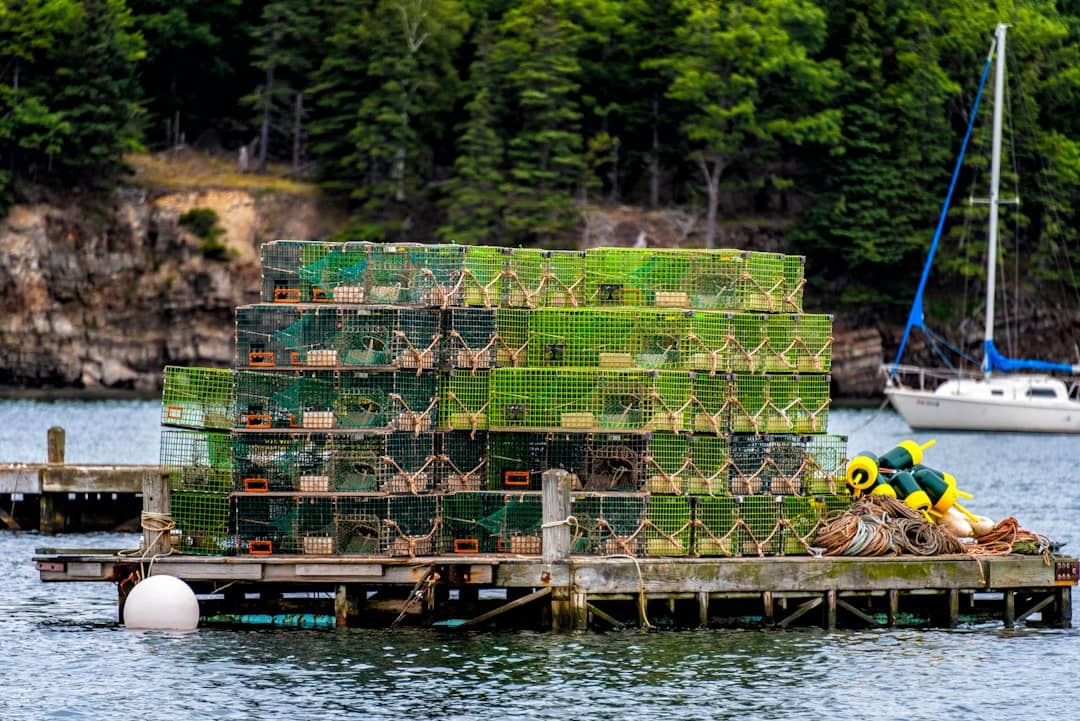
The town climbs a granite hillside above the water in tiers, so almost every street has a view down onto the harbor. That harbor is full, not with yachts, but with lobster boats, moored close and leaving early. If you want to see the industry that the rest of the coast puts on its postcards, this is where it actually happens, and it happens at five in the morning.
For this particular island, use the Isle au Haut trip planner to match the ferry landing, walking route and return boat.
Before the harbor day, give Deer Isle its own village, craft and preserve stops. The town guide distinguishes the tidal Barred Island walk from Settlement Quarry here in Stonington, so the two towns keep their separate places in an island itinerary.
What Stonington is known for
Two things: lobster and granite. The lobster fleet is the largest in the state by landings, and the co-op on the waterfront is a working operation rather than a visitor attraction. The granite came first: quarries on Crotch Island, just across the thoroughfare, supplied stone for buildings and bridges up and down the East Coast, and you can still see the cut faces from the water.
The town is also the mainland end of the mailboat to Isle au Haut, which carries the only regular passenger service to the remote half of Acadia National Park. That boat is the reason a lot of hikers pass through, and it is worth understanding before you plan a day around it: the crossing is weather-dependent, the schedule thins outside summer, and the Duck Harbor landing that puts you closest to the park trails does not run year-round.
Things to do
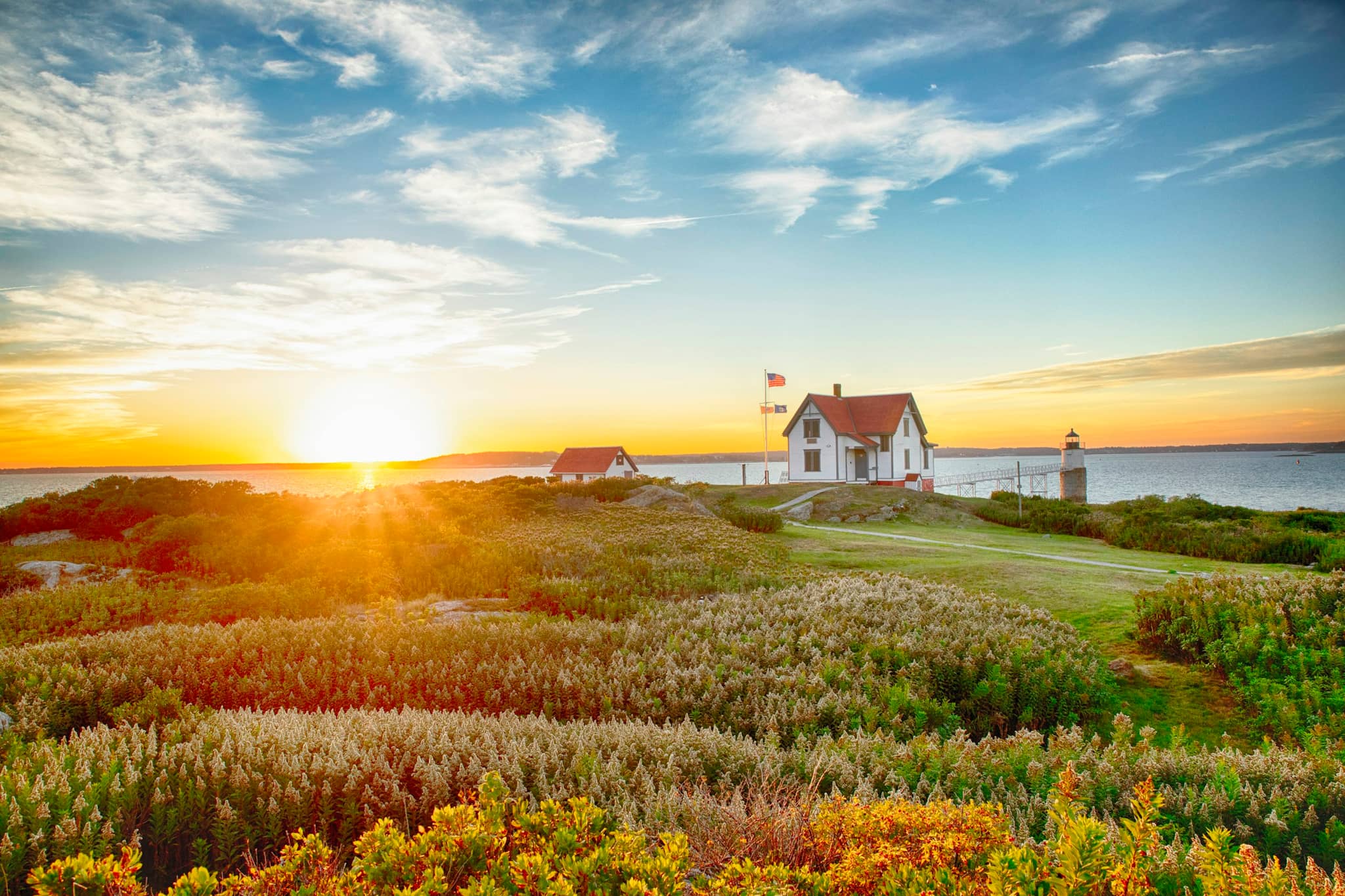
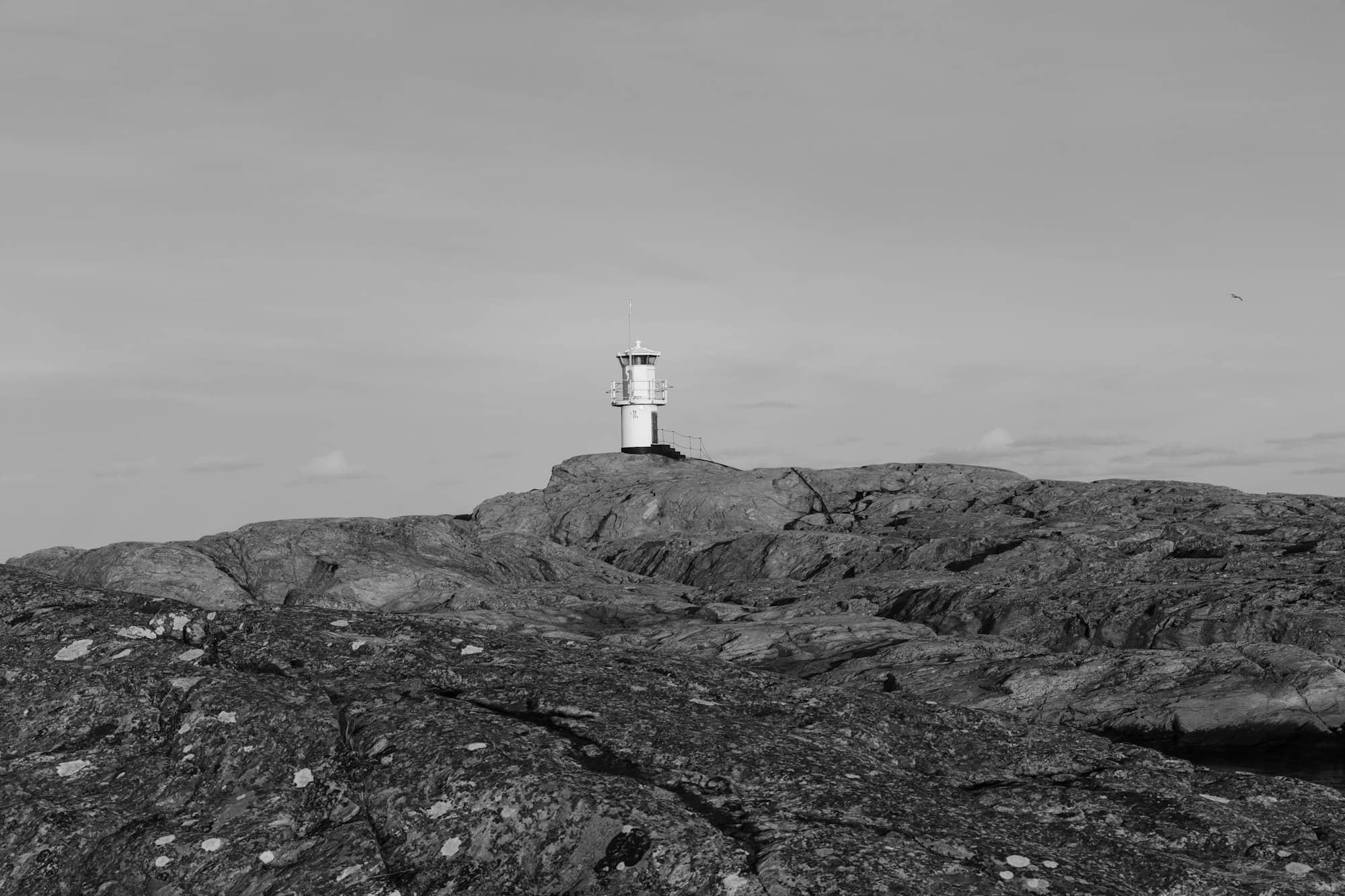
Walk the harbor and the side streets above it. The scale is small enough to cover on foot in an hour. The Burnt Coat Harbor Lighthouse (4.8 across 84 Google reviews) is over on Swan's Island, another ferry trip, and rewards the effort with one of the least-visited lights on the coast.
Boat trips out of the harbor are the best use of a day here: puffin and seal tours, sea kayaking through the Deer Isle Thorofare, and the crossing to Isle au Haut itself. On land, the Deer Isle peninsula has a dense concentration of studios and galleries, a legacy of the Haystack Mountain School of Crafts up the road.
Getting here and when to go
You reach Stonington by driving the length of Deer Isle, crossing the 1939 suspension bridge from Sedgwick: a narrow, high span that is an event in itself. Allow more time than the map suggests; the roads are slow by design.
July and August are the busy months, and "busy" here means the restaurants have a wait, not that the streets are full. Late September is quieter and the water is still workable for boat trips. Winter is genuinely closed: many businesses shut, and the town returns entirely to fishing.
Planning notes
Things to do
About Stonington
Stonington is a town in Hancock County, Maine. The 2020 Census municipal table records 1,056 residents for Stonington town. The Stonington municipal website provides town-office contacts, public records and community notices.
Walk the harbor and hillside streets
The compact village gives views over a working fishing port. Walk the public streets and waterfront spaces, keeping docks, vehicle access and gear areas clear. The slope is part of the setting, so a short distance through town can involve a climb when returning to a room or parked car.
Explore the granite and arts landscape
Quarrying helped shape Stonington before the modern visitor economy, with granite ledges and island views still part of the experience. Settlement Quarry offers a land-based way to explore that history. Studios and galleries elsewhere on Deer Isle add another interest, with each business setting its own public opening arrangements.
Choose the right Isle au Haut trip
The mailboat serves the Town Landing throughout the year, while Duck Harbor trips are seasonal. For Acadia's island trails, choose the landing and return sailing that fit the actual walking plan. A ticket to the town landing should not be treated as a boat arrival beside every park trail, and a day trip needs enough time to get back.
Getting there and around
You can drive to Stonington across the Deer Isle bridge from Sedgwick and along the island roads. No ferry is needed for that journey. Boats leave outward from Stonington; a trip to Swan's Island or its lighthouse requires a different transport plan and should not be added as though it were a walk near the village.
When to visit
Summer offers the broadest range of visitor services and boat excursions. Early fall can suit a quieter stay when the desired sailings and meals are available. Town Landing service and working island life continue beyond summer, but Duck Harbor and individual visitor businesses follow their own seasons.
Common questions
How do you get to Isle au Haut from Stonington?
By mail boat from the town dock.
The passenger ferry to Isle au Haut leaves from Stonington and is the only public way to reach the island, including the piece of Acadia National Park at its southern end.
It carries people rather than cars, and the timetable is short and seasonal.
Is Stonington the biggest lobster port in Maine?
Yes.
Stonington regularly lands more lobster than any other port in the state, and the harbor shows it: boats stacked with traps, wharves working before dawn, and a village built around the fishery rather than around visitors.
That is why the waterfront looks the way it does, and why the busiest hours here are early ones.
Do you need a ferry to get to Stonington?
No.
Stonington sits at the southern tip of Deer Isle, and Deer Isle is joined to the mainland by a bridge at Sedgwick, so you drive the whole way.
The road runs the length of the island to the harbor.
Ferries here go outward, to Isle au Haut and the smaller islands, never back to the mainland.
Is Stonington worth the drive?
Yes, if you want a working waterfront instead of a resort.
Stonington lies well off Route 1 at the end of a long island road, and getting there is a commitment.
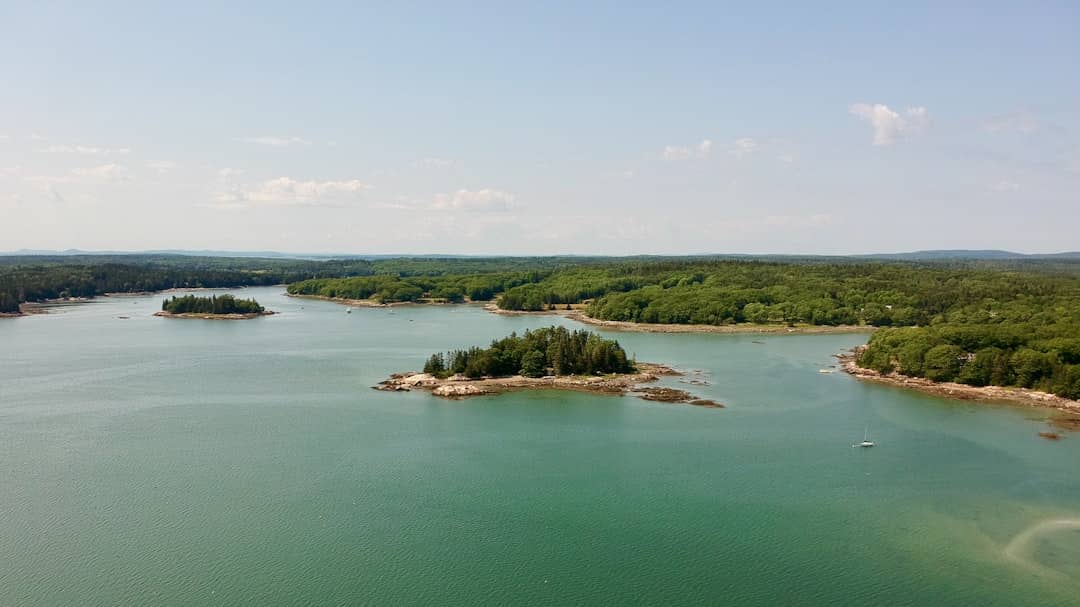
What you find is granite, steep streets, a harbor full of lobster boats and long views out into the island archipelago.
Dining and lodging are limited, and evenings are quiet.