Guide
Winter Hiking in Maine: How to Choose a Safer Trail

A Maine trail that feels straightforward in July can be an icy, exposed route in January. The best winter hike is the one that fits the day’s conditions and your group—not necessarily the one with the biggest view. Start with an objective you can shorten, check the forecast and trail advisories, and make a turnaround plan before you leave the trailhead.
Start by choosing the right kind of outing
Ask three questions: How much daylight do we have? What does the surface look like? Can every person in the group travel the route and return in changing weather?
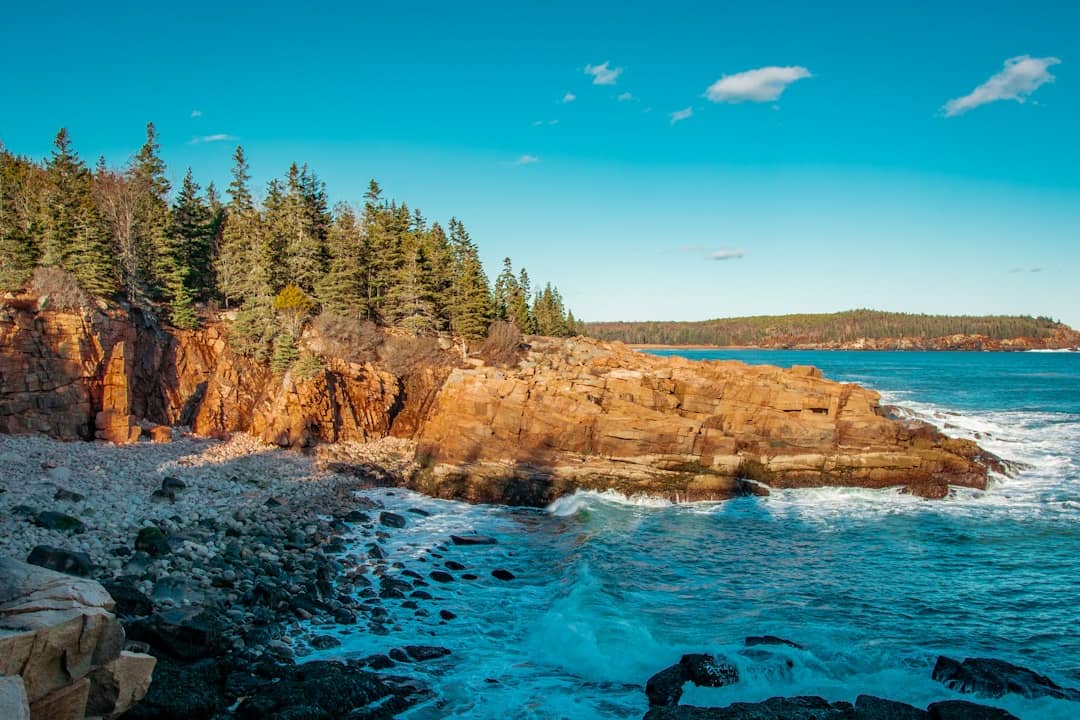
A modest, well-marked route with a straightforward return usually gives more options than a steep climb with exposed ledges. In Acadia, the National Park Service identifies Ocean Path, Ship Harbor and carriage roads as alternatives to more challenging winter trails. That is a starting point for research, not a guarantee that any particular route is clear or safe today. Review the park’s winter guidance before choosing.
Compare terrain as well as mileage. A short trail with icy rock, exposed coast or steep steps can take longer and demand more skill than a longer, flatter outing. Look at an official map, identify the return, and note where you can turn back without committing to a full loop.
Check the conditions that can change your plan
- Forecast and wind: Look for snow, freezing rain, wind and temperature changes during the entire outing, including the drive back.
- Recent trail reports: Check the land manager’s notices. A report from last weekend may not reflect today’s thaw or freeze.
- Daylight: Set a latest turnaround time that leaves a margin before dark. Carry a headlamp and spare power even on a short outing.
- Access and parking: Confirm that the approach road and lot are open and that a parked car won’t obstruct plowing or a gate.
- Your group: Match the plan to the least experienced or least comfortable person, including children and dogs.
If the route is closed or you cannot assess an icy section, choose a different plan. Conditions, not the calendar alone, decide whether to go.
What to bring
Use a printed map or downloaded map with a backup, and carry a charged phone without treating it as your only navigation or light source. Bring water, food, an insulating layer, a weather-resistant outer layer, gloves, a hat and a headlamp. Pack enough to remain warm during an unplanned stop.
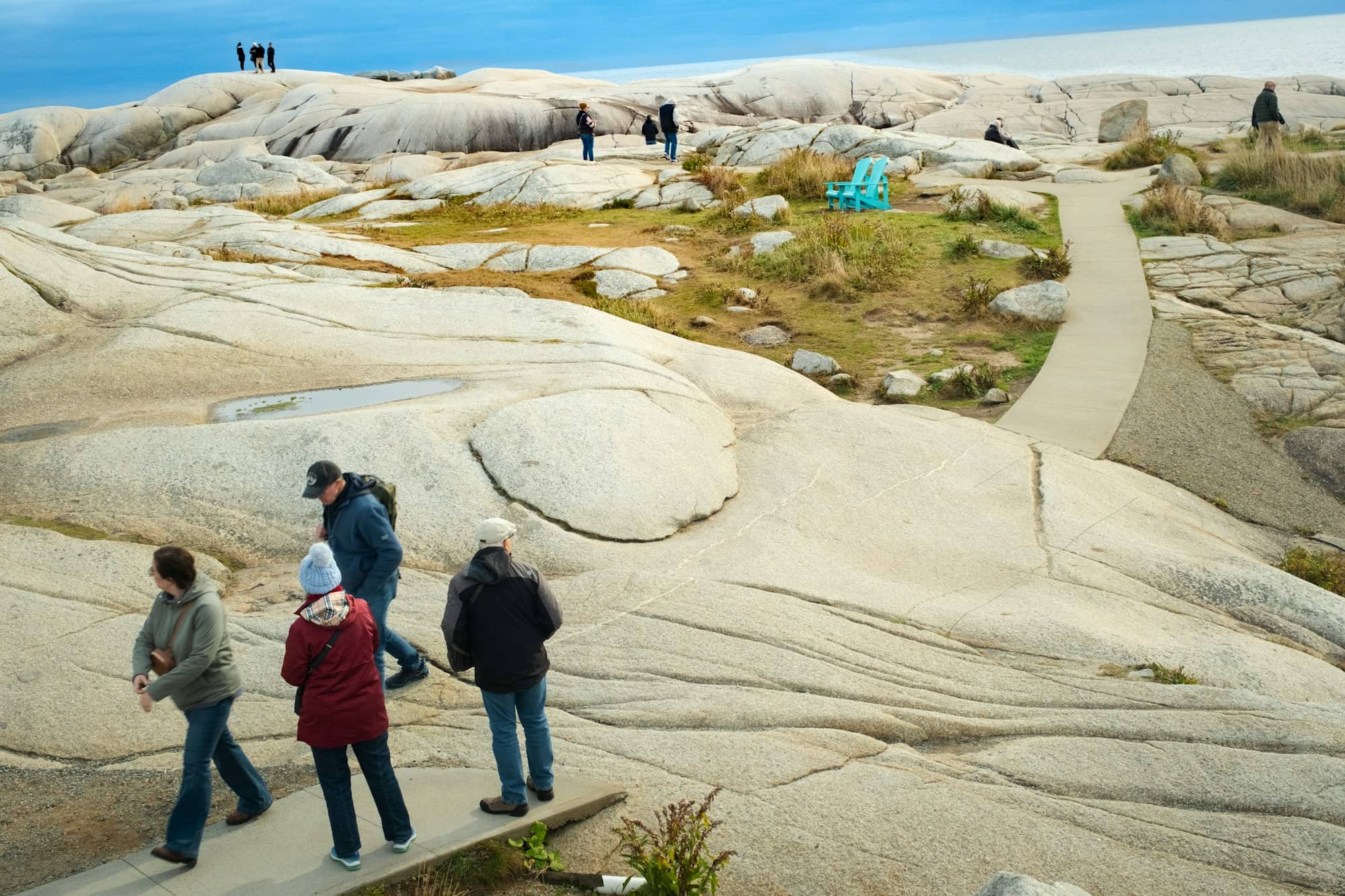
Traction aids may help on snow-packed or icy trails, but the right equipment depends on the terrain and the user’s experience. NPS cautions that traction devices can themselves be hazardous on slick granite. Trekking poles can help with balance; they do not remove fall risk. If an outing requires skills or gear beyond your experience, choose an easier route or go with a qualified local guide.
Decide when to turn around
Pick a specific turnaround time before setting out. Turn back earlier if someone is cold, tired or uncomfortable; if weather worsens; or if the surface becomes more difficult than expected. A summit is optional. A safe return is the plan.
For an Acadia-specific overview, see Acadia in winter. For the broader season, explore Maine in winter.
Sources
Details checked against each operator's website on November 10, 2026.