1
Bar Harbor
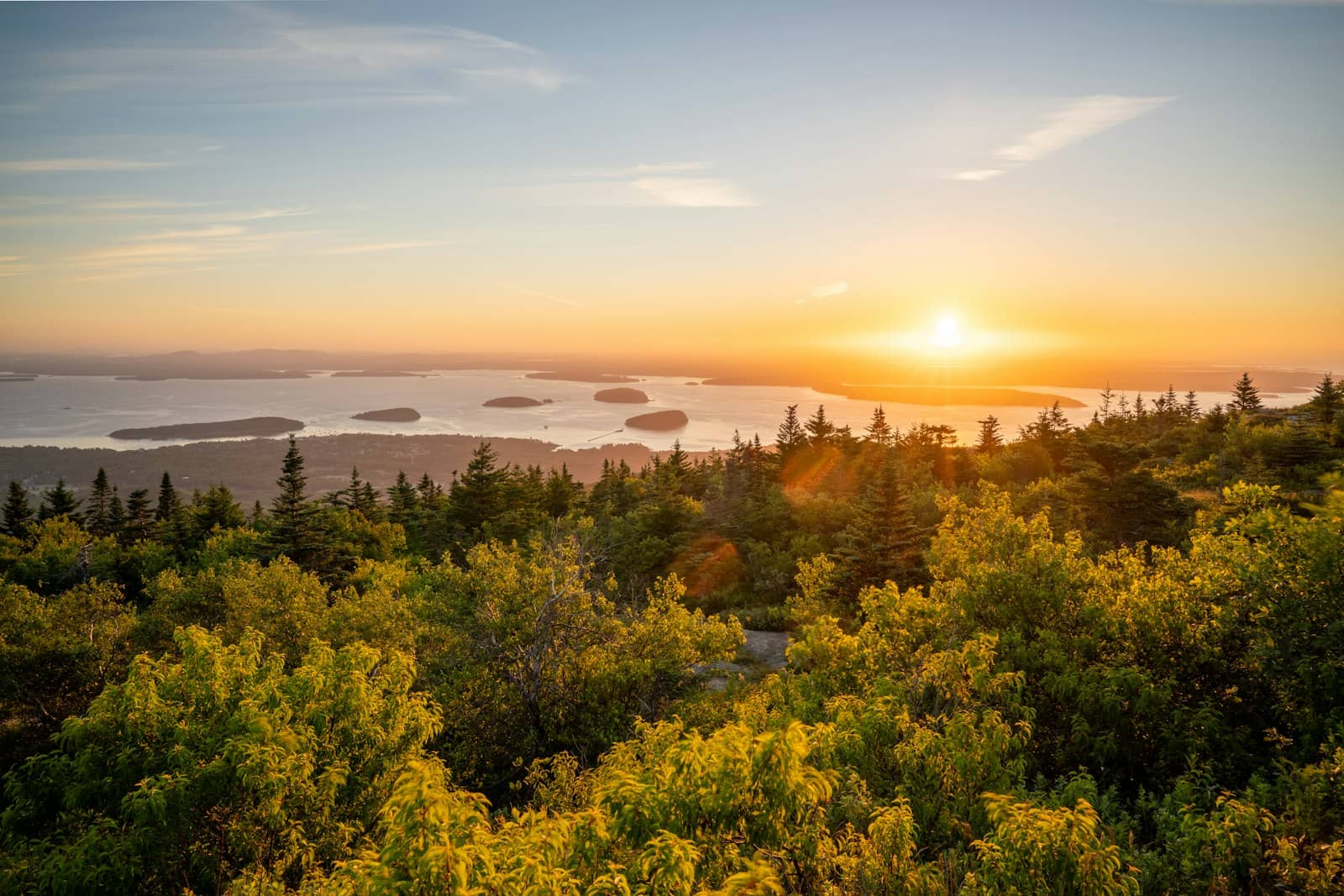
See main listingGateway to Acadia National Park - Cadillac Mountain, puffin cruises, and a harbor town that fills with cruise ships from May to October.
Details

Guide
Acadia National Park in winter offers skiing, snowshoeing and quiet coastal walks, while road closures and seasonal services shape a Maine visit.
Acadia National Park in winter is a different park with the same address. Most of the Park Loop Road closes to cars, the summit road shuts, the shuttle stops running and something like nine out of ten visitors stay home, which is exactly the point. What you get instead is a 45-mile carriage road network groomed for skiing, an empty coastline with sea smoke coming off the water, and a town you can park in. What you give up is nearly every service you would take for granted in July.
Start with the road situation, because it determines everything else.
Most of the Park Loop Road closes to vehicles for the winter season, typically from around the start of December until spring, with reopening driven by snow and maintenance rather than a date. A section at the Bar Harbor end (the stretch running past Sieur de Monts toward the Cadillac Summit Road junction) usually stays open year-round. The Cadillac Summit Road closes entirely, so the timed vehicle reservation system is irrelevant in winter and you cannot drive to the top by any means.
The Hulls Cove Visitor Center (4.5 from 2,546 reviews) closes for the season. Park headquarters on Route 233 takes over as the year-round information point. The park's four campgrounds are shut; if you are planning a tent trip, our guide to camping in Acadia covers the seasons they actually operate.
The Island Explorer shuttle does not run. Neither do the boat tours, most of the lobster pounds, or a good share of the restaurants and inns in Bar Harbor. Assume a car and check ahead for anything you are counting on.
What stays open: the park itself, every trail, the entire carriage road system, all the shoreline you can walk to, and enough of Bar Harbor to eat and sleep well.
For an off-season visit, the Maine in Winter: What Is Open and Where to Stay separates a Portland city break, selected coastal outings and a snow-focused inland stay.
The 45 miles of crushed-stone carriage roads, closed to cars year-round, are the best winter asset in the park. A portion is groomed for cross-country skiing by volunteers when snow depth allows, and the rest is open to skiing, snowshoeing and walking. Grades are gentle by design (these were built for horse-drawn carriages) so they suit beginners in a way that the hiking trails absolutely do not.
The Eagle Lake and Witch Hole Pond loops near the Bar Harbor end are the usual starting points, reached from the Duck Brook Bridge area (4.8 from 127 reviews) or the Eagle Lake Road lot. Stone bridges appear at intervals, and they look considerably better under snow than they do in August with forty people photographing them.
Grooming depends on conditions and volunteer effort, so it is not guaranteed on any given day. Friends of Acadia and the park post current status. Fat bikes are permitted on the carriage roads under certain snow conditions; the rules exist to protect the surface and they change, so check before you load the bikes.
The trails stay open, but the character changes sharply. Exposed granite ices over and the ladder routes become genuinely dangerous. The Beehive Trail (4.9 from 583 reviews) and the Precipice are not winter hikes for casual visitors, whatever the conditions look like from the road. Microspikes are close to mandatory on anything with elevation, and traction plus poles will do more for your day than any other gear.
The sensible winter objectives are the lower and shorter ones:
Cadillac Mountain (4.9 from 1,528 reviews) can be climbed on foot by the South Ridge Trail when conditions permit, and in winter it is a serious undertaking rather than a stroll: exposed, windswept, and often iced from partway up. Do it with proper traction, or not at all.
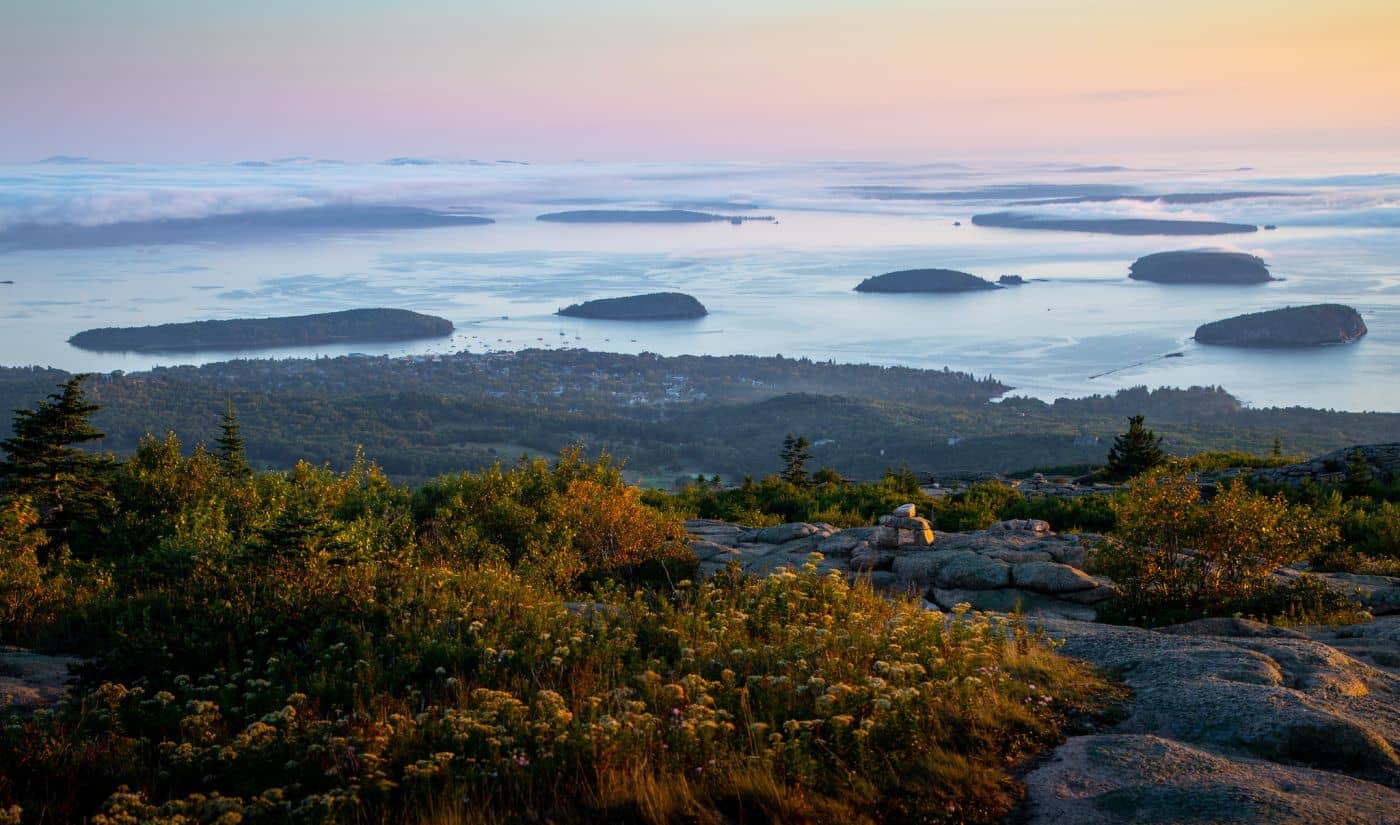
From roughly October into early March, Cadillac Mountain is the first place in the United States to see the sunrise. That claim shifts around the calendar. Mars Hill in northern Maine and West Quoddy Head near Lubec take the title at other times of year, but for the winter months it belongs to Cadillac.
The catch is that you cannot drive up. Winter sunrise from the summit means climbing the South Ridge in the dark on ice, which is a real mountaineering-adjacent outing, not a photo stop. Most people settle for sunrise from the Bar Harbor shore path or Schoodic Point across the bay, which is easier and, on a morning with sea smoke rising off the water, better.
The town does not shut down, but it thins out considerably. Enough restaurants stay open through the winter to eat well: Side Street Cafe (4.4 from 4,678 reviews) and Jordan's Restaurant (4.6 from 3,009 reviews) are among the reliable year-round options, though hours contract and it is worth calling. The 1932 Criterion Theatre (4.7 from 293 reviews) programs through the colder months.
Lodging is where winter pays off. Most of the seasonal inns close, but the hotels that stay open charge a fraction of their August rate, and you can book a week out. Ellsworth, half an hour up Route 3, keeps a full complement of year-round shops, groceries and restaurants. Helen's Restaurant of Ellsworth (4.3 from 2,329 reviews) among them, and is the practical resupply town.
Coastal Maine winters are milder than the interior and considerably less predictable. The ocean moderates temperature, so the island often gets rain or a rain-snow mix while Bangor gets snow, and the snowpack can vanish in a January thaw and rebuild in a week. Skiing conditions are genuinely variable year to year, which is why nobody should book a ski trip here without a fallback plan.
Daylight is the other constraint. Sunset comes mid-afternoon around the solstice, so a full day of activity is roughly six or seven usable hours. Plan one thing, not three.
Practical kit: microspikes, waterproof boots, layers you can shed on the uphill, and a headlamp you did not intend to use. Cell coverage is patchy in the park interior, and there is far less chance of someone happening past you on a trail than in summer. Tell somebody where you are going.
If you want the standard Acadia (the loop road, the popovers, the boat tours) no. Come in September instead, and read our guide to the Park Loop Road for how to do it.
If you want a park rated 4.9 from more than 24,000 reviews with almost nobody in it, and you are willing to work slightly harder for less, winter is the best value in Acadia by a wide margin. Skiing a carriage road between snow-covered stone bridges with no one else on it is a different experience from anything the summer offers.
Yes, the park is open year-round. Most of the Park Loop Road and the entire Cadillac Summit Road close to vehicles for the winter, the visitor center and campgrounds shut, and the Island Explorer shuttle does not run. All trails, the carriage roads and the shoreline remain accessible on foot or on skis. Park headquarters on Route 233 handles information out of season.
No. The Cadillac Summit Road closes for the winter season and no vehicles are permitted, which also means the timed reservation system does not apply. Reaching the summit means hiking, usually by the South Ridge Trail: a serious winter outing on exposed, frequently iced terrain that requires traction devices and proper cold-weather gear.
Yes, and it is the main winter draw. The 45 miles of carriage roads are closed to cars year-round and a portion is volunteer-groomed for classic skiing when snow depth allows. The gentle carriage-road grades suit beginners well. Grooming is weather- and volunteer-dependent, so check current conditions with the park or Friends of Acadia before traveling for it.
Coastal moderation keeps Mount Desert Island milder than inland Maine, but expect sub-freezing days, wind chill on exposed ridges, and a mix of snow and rain that can strip the snowpack in a single thaw. Snow cover is genuinely unreliable from year to year. Daylight is short, with sunset in mid-afternoon near the solstice, so plan one objective per day rather than three.
Gateway to Acadia National Park - Cadillac Mountain, puffin cruises, and a harbor town that fills with cruise ships from May to October.
The working harbor on the quiet side of Mount Desert Island, with boatyards, Bass Harbor Head Light and easy Acadia access.
The quiet, moneyed side of Mount Desert Island, with a marina, two famous gardens, and fast access to Acadia.
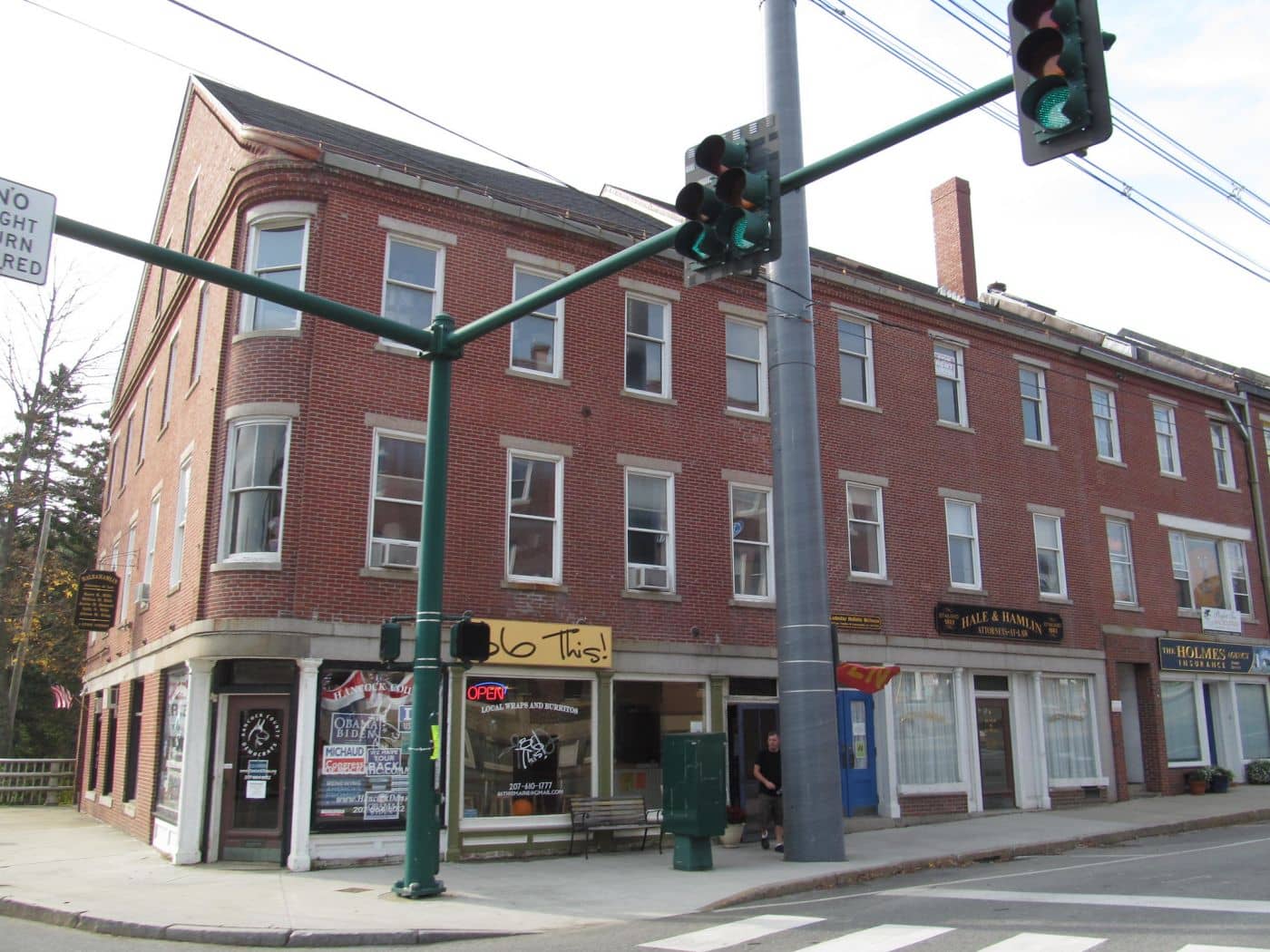
Gateway to Acadia - Main Street's shopping strip, the Colonel Black Mansion, and the scenic Union River dam walk.
Tools
Guides


Destinations
Downeast & Acadia
Gateway to Acadia National Park - Cadillac Mountain, puffin cruises, and a harbor town that fills with cruise ships from May to October.
Southern Maine Coast
Dock Square boutiques, Goose Rocks Beach, and the Bush family's Walker's Point - the quintessential coastal Maine summer town.
Greater Portland
Maine's largest city - a working waterfront, Old Port cobblestones, and a food scene that punches well above its weight.
Midcoast Islands
Shipbuilding heart of Maine since 1743 - Bath Iron Works still launches destroyers past the Maine Maritime Museum on the Kennebec.
Midcoast Islands
A Midcoast harbor town built around boat trips, with the Coastal Maine Botanical Gardens just up the road.
Midcoast Islands
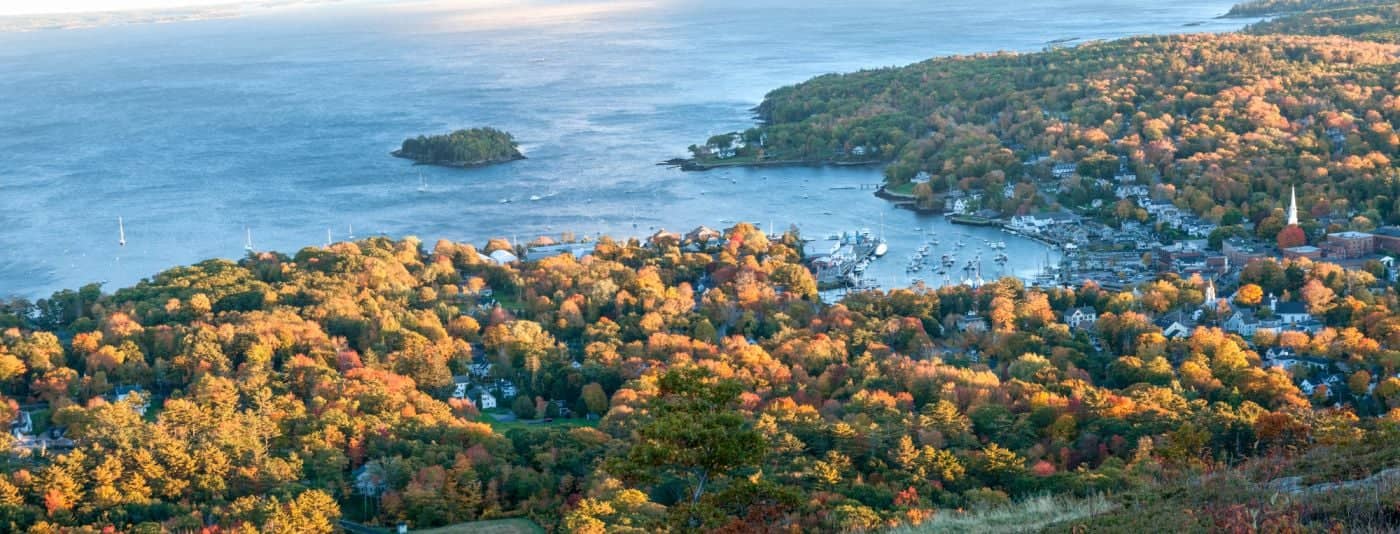
Where the mountains meet the sea - windjammer harbor, Mount Battie summit views, and an independent village with real soul.

Greater Portland
Flagship home of L.L. Bean, open 24/7 - outlets, a tidal river, and surprisingly good eating between the shopping.
Southern Maine Coast
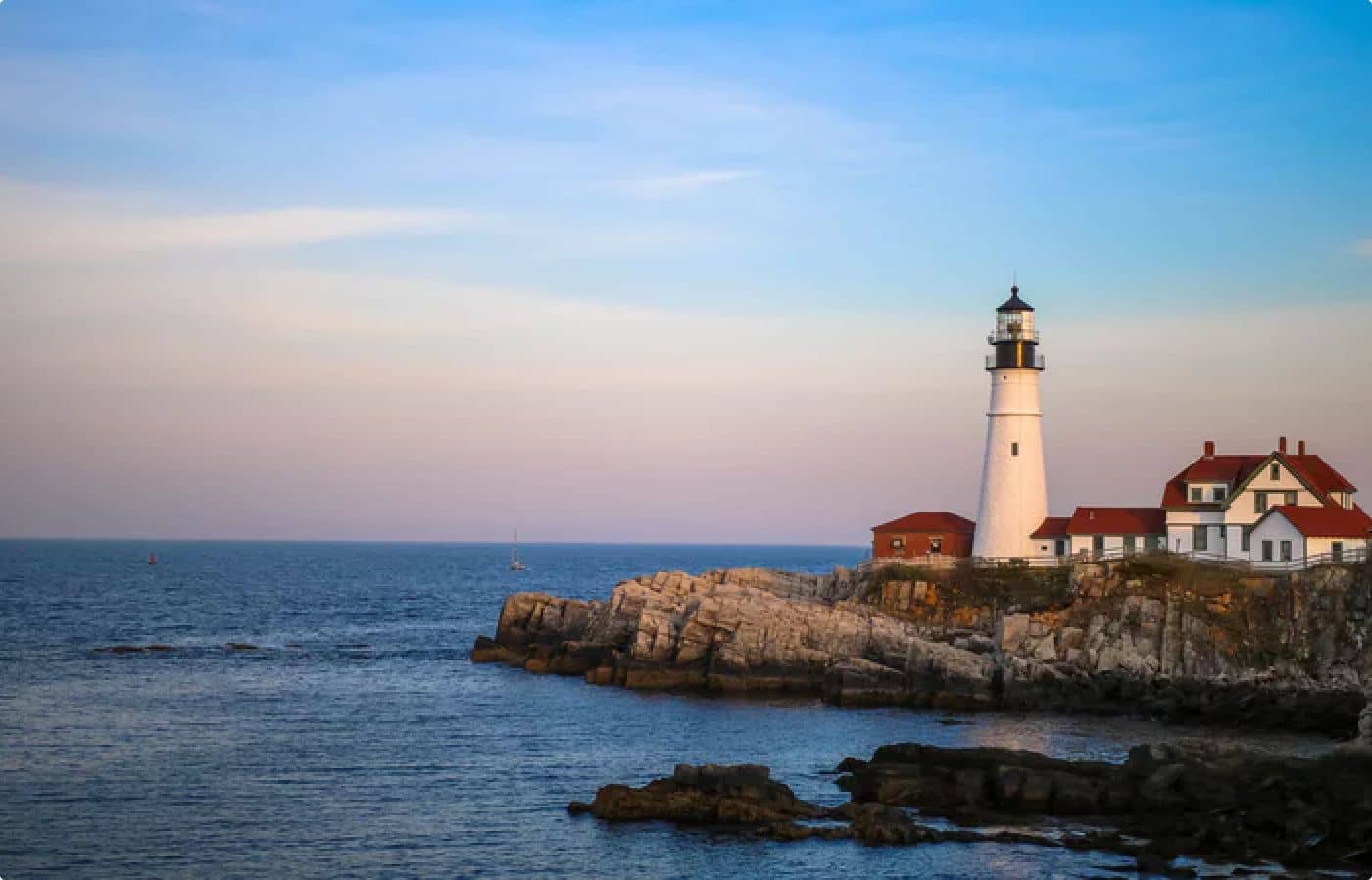
Postcard-perfect village of sea captains' mansions, Lower Village shops, and easy walks to Mother's Beach and Gooch's Beach.