1
Boothbay Harbor
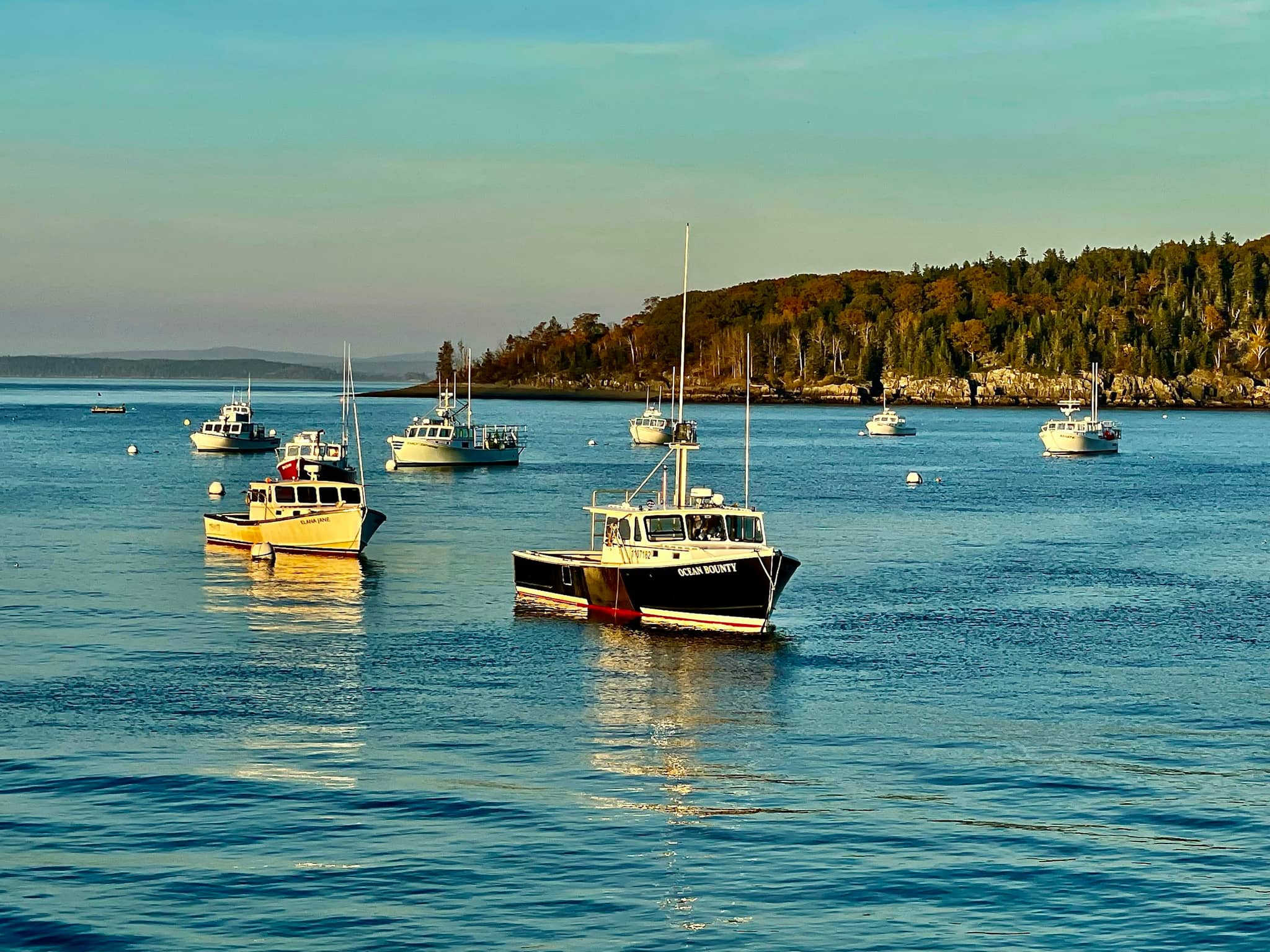
See main listingA Midcoast harbor town built around boat trips, with the Coastal Maine Botanical Gardens just up the road.
Details

Guide
Monhegan Island off Maine’s Midcoast combines an artists’ village, walking trails and a lighthouse, with ferry routes shaping the time available ashore.
Monhegan Island is a mile and a half of granite, spruce and painted clapboard sitting roughly ten miles off the midcoast, and it is the rare Maine destination that has not been softened for visitors. There are no cars for you to use, no camping, no chain anything, and no bridge. You arrive by mail boat, you walk, and you leave on a schedule set by someone else. That constraint is the whole appeal.
Monhegan is a small offshore island in Lincoln County, about ten nautical miles out from the nearest mainland harbor and visible on a clear day from headlands all along the midcoast. It runs roughly a mile and a half end to end and well under a mile across, with fewer than a hundred year-round residents. There is one village, clustered around the harbor on the western shore, and behind it a wall of spruce that rises to open headland cliffs on the eastern side.
Most of that back half is not developed and never will be. Monhegan Associates, a land trust founded in the 1950s by Theodore Edison, holds the majority of the island as wildlands, laced with something like a dozen miles of footpaths. The trails are numbered rather than named, which sounds clinical until you are standing at a junction in fog and grateful for a system.
The practical shape of a visit: boat in, walk everywhere, boat out. Day visitors cannot bring a vehicle. Camping is not permitted anywhere on the island. If you want to stay the night you need a room, and the handful of inns and guesthouses run a short season and fill early.
Three mainland harbors send passenger boats to Monhegan, and which one you choose shapes the trip more than anything you do once ashore.
| Departure | Crossing | Best for |
|---|---|---|
| Port Clyde (St. George) | Shortest and the only year-round service | Overnight stays, shoulder season, anyone prone to seasickness |
| New Harbor (Bristol) | Short, seasonal | Pairing the island with the Pemaquid peninsula |
| Boothbay Harbor | Longest, seasonal | Travelers already based in a town with hotels and restaurants |
Schedules, fares and parking all shift year to year, so confirm with the operator directly. What does not change is the arithmetic: the crossing eats real time in both directions, and the return boat does not wait.
The Boothbay run is operated by Balmy Days Cruises, based at 42 Commercial St and carrying a 4.7 rating from 175 Google reviews. If you are sailing from there, Boothbay Harbor gives you the most substantial base town of the three. Port Clyde is the opposite: a working village at the end of a long peninsula, with Marshall Point Lighthouse & Museum (4.8 from 1,458 reviews) a few minutes from the dock and very little else. New Harbor puts you within a short drive of Pemaquid Point Lighthouse, which at 4.8 from 3,243 reviews is one of the most-reviewed lighthouses in the state.
Day boats give you a few hours on the island, not a full day, and that budget forces one honest decision: village or headlands. Trying to do both properly is how people end up jogging back down Lighthouse Hill with a boat horn sounding.
The village option is the museum, the galleries, lunch, and the walk up to the light. It is easy, and it is genuinely good. The headland option is Trail 1 south to Lobster Cove, where the rusted hull of a tug wrecked in the 1940s still sits on the rocks, or the eastern cliff path out to Burnt Head, White Head and Black Head: the highest sea cliffs on the Maine coast, dropping away with no railings and no lifeguard-flavored infrastructure of any kind.
Be realistic about the walking. These are not groomed park paths. They are rooty, frequently wet, and steep enough in places that the descent is harder than the climb. Sneakers do it in dry weather; after rain you want proper shoes. Fog rolls in fast and can strip visibility on the cliff trail to a few yards, which is exactly where you least want it.
Cell coverage is patchy at best. Bring water and a layer more than the forecast suggests, because the temperature offshore is not the temperature you left on the mainland.
The light stands on the high ground behind the village, a steep ten-minute climb up from the harbor on a dirt road. First established in the 1820s and rebuilt in granite at mid-century, it was automated in the 1950s. The tower sits high enough on the island's spine that its focal plane is among the loftiest on the Maine coast, which is why it is visible so far out.
The old keeper's house beside it now holds the Monhegan Museum of Art and History: island artifacts downstairs, a serious collection of Monhegan paintings upstairs, and a short season tied to the boat schedule. It is the single best hour on the island for understanding why the place looks the way it does.
Monhegan Lighthouse holds a 4.8 rating in our dataset, but from only 45 reviews. Compare that to Pemaquid Point's 3,243 and you have a fair measure of the difference an hour of open ocean makes. The rating is not what separates these places; the effort is.
This is the part of Monhegan that no amount of scenery explains on its own. Artists have worked here since the mid-1800s, but the turn came in 1903, when Robert Henri arrived and started bringing students. George Bellows followed. So did Rockwell Kent, who built a house and studio on the island and made some of his best-known American work there. Edward Hopper painted a run of small, hard-edged oil panels of the headlands in the years around the First World War. Later, Jamie Wyeth took over Kent's old property.
The reason is partly light and partly geometry. Monhegan's cliffs face east and south, so they take direct sun at both ends of the day rather than the flat gray that swallows much of the coast. The island is small enough to circle on foot in an afternoon, which means a painter can carry a panel to a dozen distinct subjects without a car. And the village is a working one, not a set. The fish houses, the hauled boats and the laundry lines gave a century of realists something to paint that was not a postcard.
That lineage is still live. Working artists keep summer studios on the island, some with posted open hours, and the galleries in the village show current island work rather than imported inventory. If the tradition interests you, the mainland companion is the Farnsworth Art Museum in Rockland (4.6 from 189 reviews), which holds Maine painting in depth.
If you visit in July and wonder why the harbor is not stacked with traps, this is why. Monhegan fishes a state-recognized conservation zone with a season that is closed through the summer and opens in the fall, on the day the island calls Trap Day, running through late spring. The village fills with work exactly when the rest of the coast is winding down, one of the few places in Maine where the tourist calendar and the fishing calendar do not collide.
Because the boat schedule rarely fills a whole day, most people pair Monhegan with something on the peninsula they sailed from. These are all real stops within a short drive of one of the three departure harbors:
For how Monhegan compares with the rest of Maine's inhabited offshore islands, see our roundup of Maine islands, and for the wider tower circuit, Maine lighthouses.
Only by passenger boat. Ferries run from Port Clyde in St. George, New Harbor on the Pemaquid peninsula, and Boothbay Harbor. Port Clyde has the shortest crossing and is the only year-round service; the other two are seasonal. No vehicles are carried for day visitors, and there is no bridge or airstrip, so book the boat before you build the rest of the day around it.
Yes, and most people do, but the day boat gives you a few hours ashore rather than a full day. That is enough for either the village, the museum and the lighthouse, or a loop out to the eastern cliffs, not comfortably both. If you want the island in the early morning and evening, when the light is worth the trip and the day crowd has gone, you need to stay overnight.
Effectively no. A few working trucks serve the island, but visitors do not bring or rent vehicles and the roads are dirt. Everything is reached on foot, and luggage typically moves by handcart. Plan on carrying what you bring, and pack lighter than you would for a mainland trip.
June through September is when the boats run most often and the museum, galleries and inns are open. Early summer brings migrating birds and fewer people; September gives you the warmest water, the clearest air and a village that has stopped being busy. Late fall through spring the island turns inward. The lobster season opens, most visitor services close, and only the Port Clyde boat keeps running.
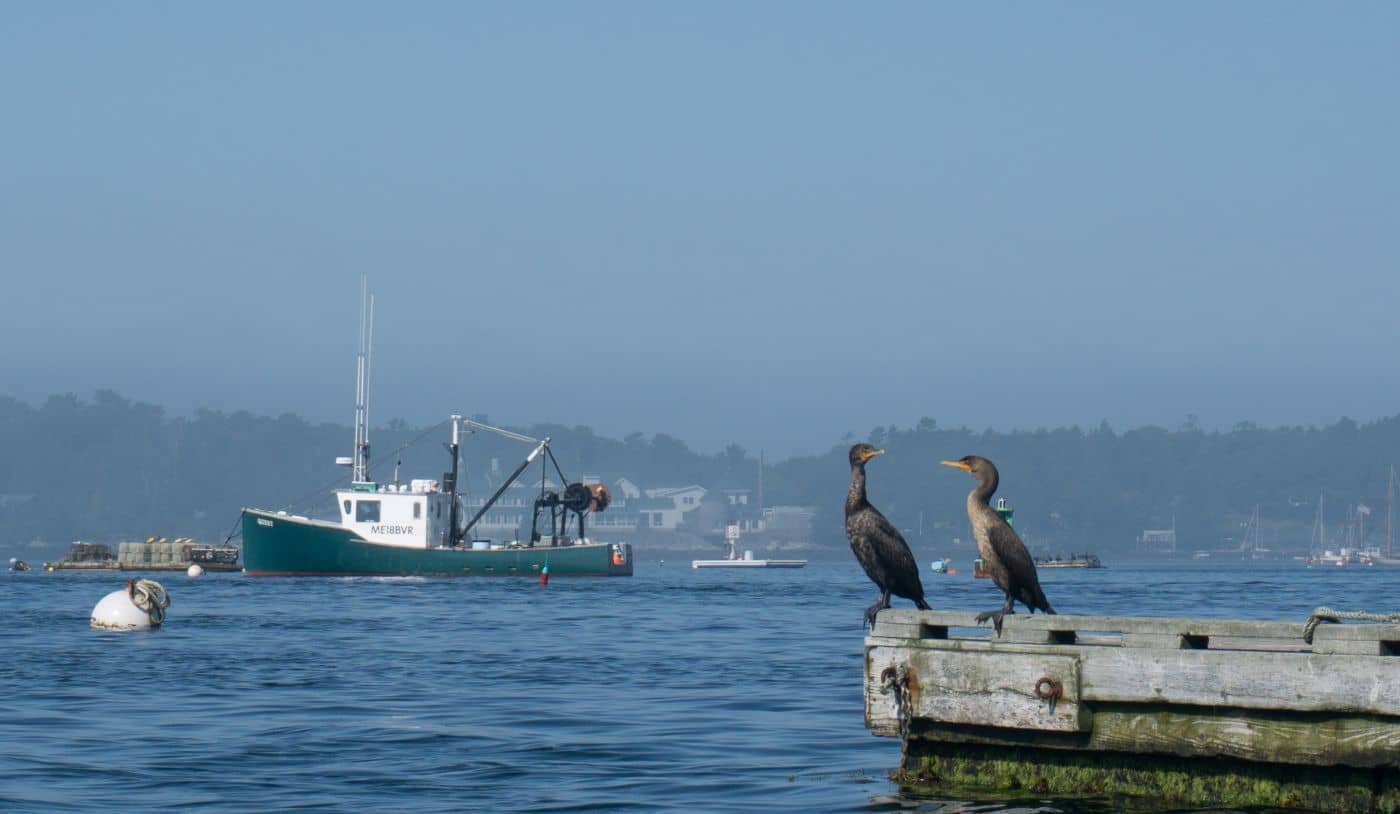
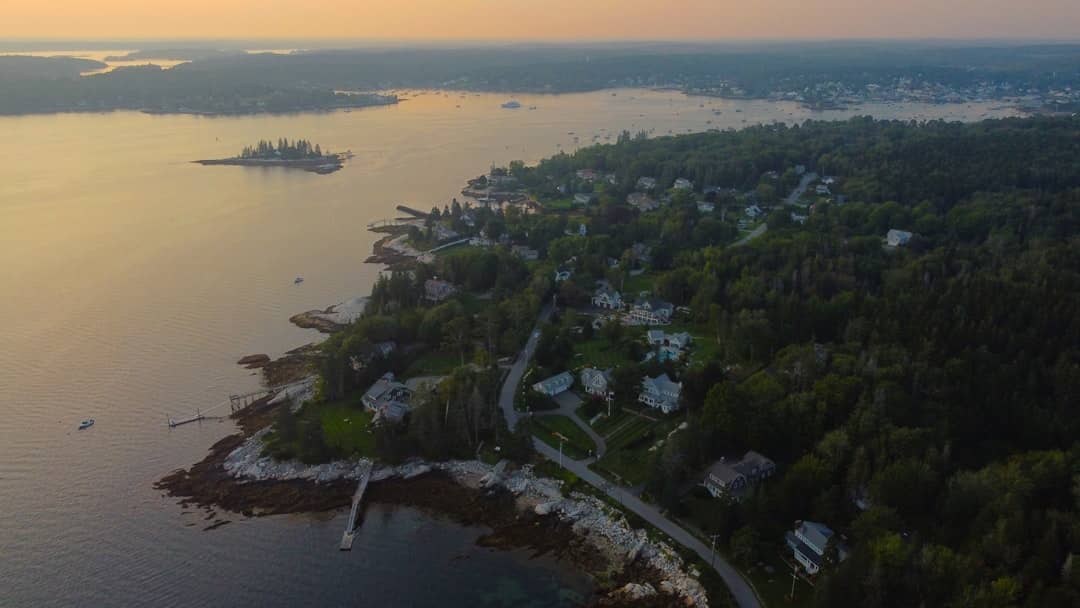
A Midcoast harbor town built around boat trips, with the Coastal Maine Botanical Gardens just up the road.
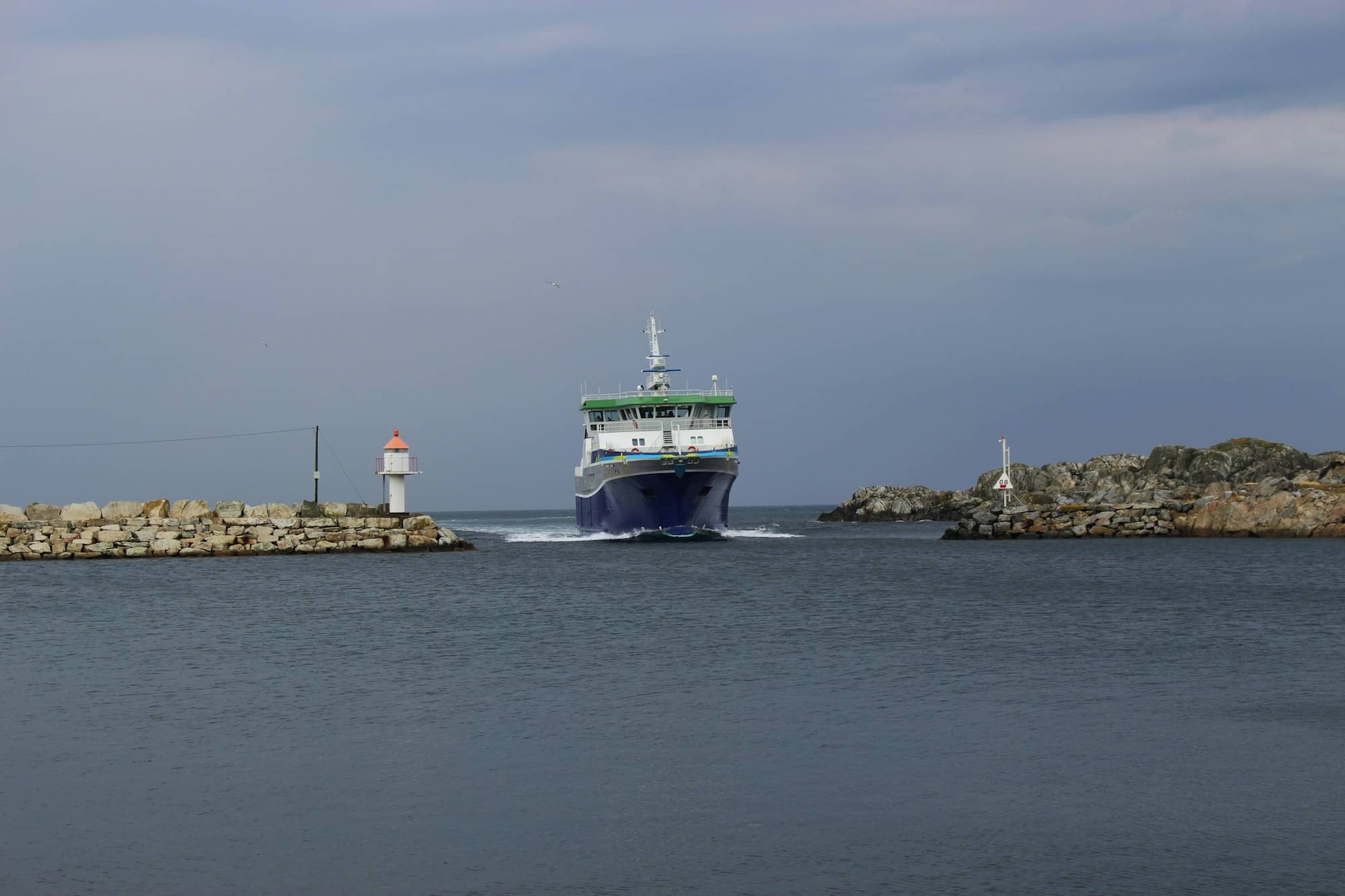
A working fishing village on the Pemaquid peninsula, near Pemaquid Point Light and the boat to Monhegan.
Tools
Guides
Destinations
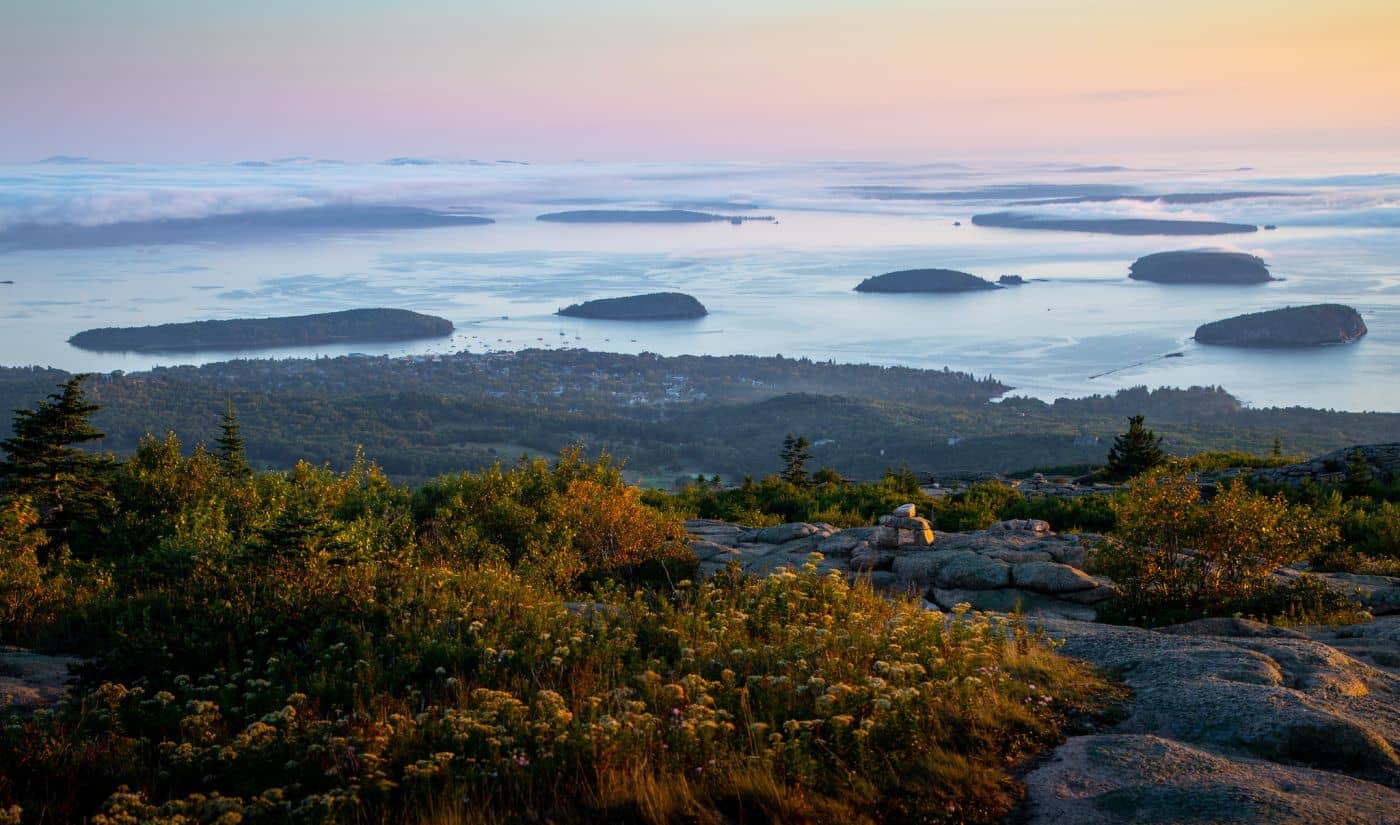
Downeast & Acadia
Gateway to Acadia National Park - Cadillac Mountain, puffin cruises, and a harbor town that fills with cruise ships from May to October.
Southern Maine Coast
Dock Square boutiques, Goose Rocks Beach, and the Bush family's Walker's Point - the quintessential coastal Maine summer town.
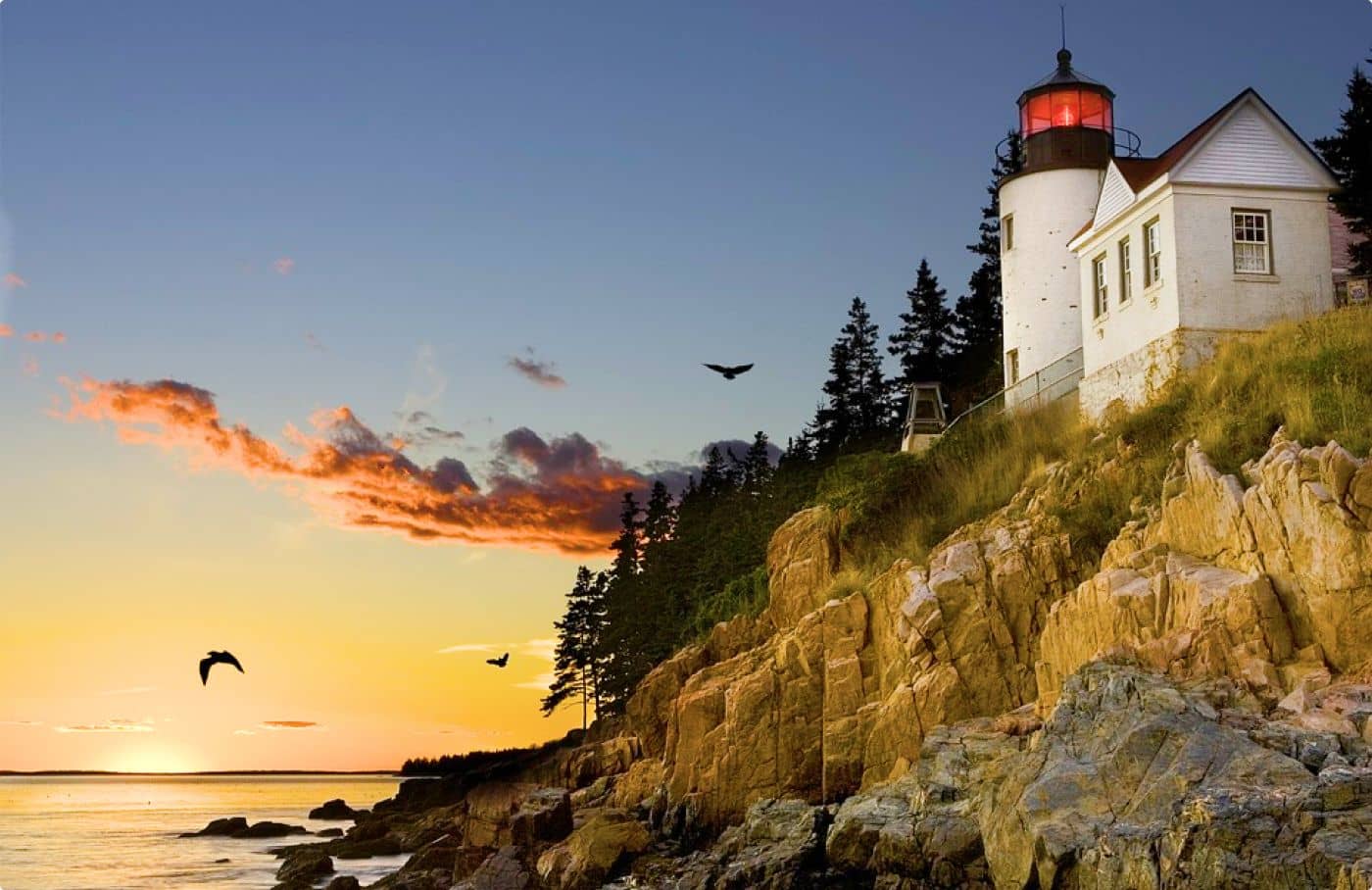
Greater Portland
Maine's largest city - a working waterfront, Old Port cobblestones, and a food scene that punches well above its weight.
Midcoast Islands
Shipbuilding heart of Maine since 1743 - Bath Iron Works still launches destroyers past the Maine Maritime Museum on the Kennebec.
Midcoast Islands
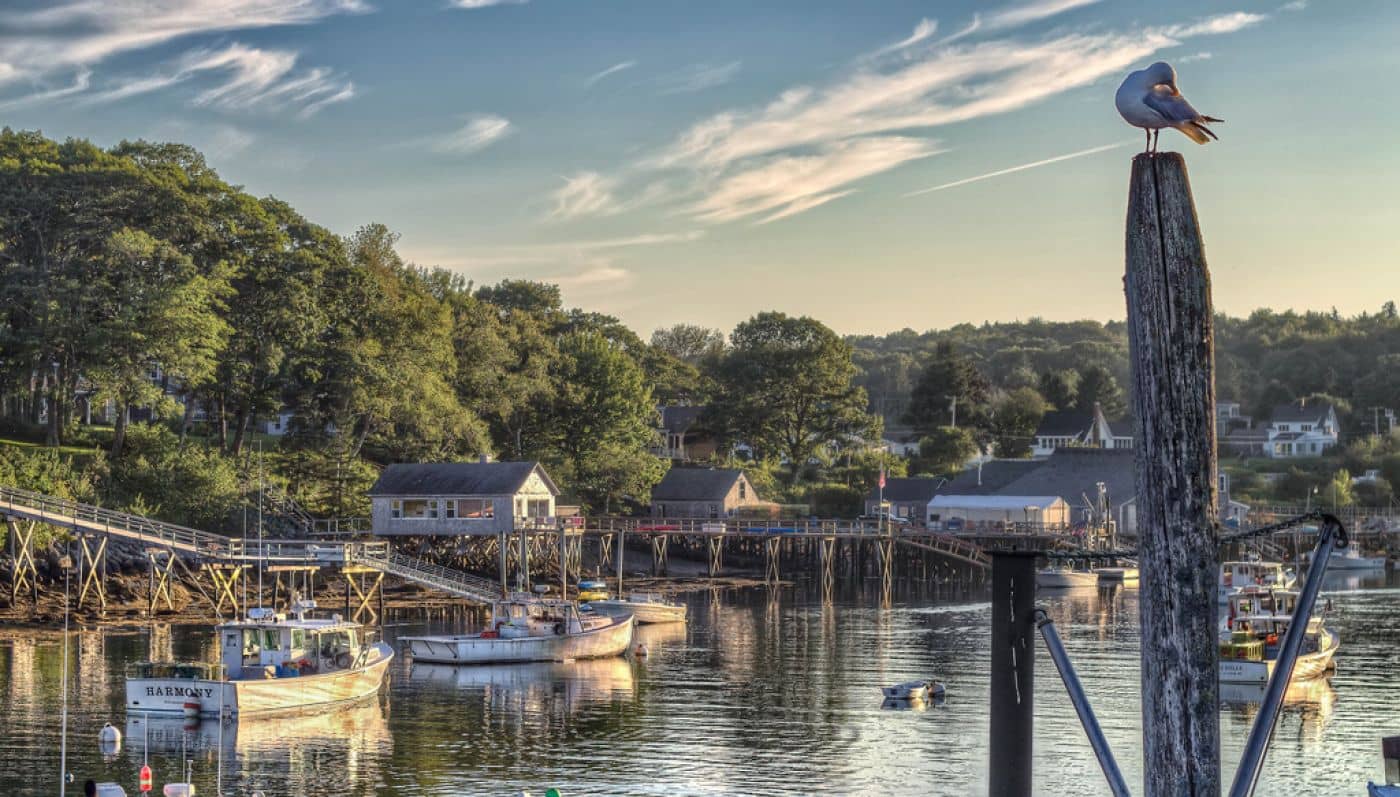
A Midcoast harbor town built around boat trips, with the Coastal Maine Botanical Gardens just up the road.
Midcoast Islands
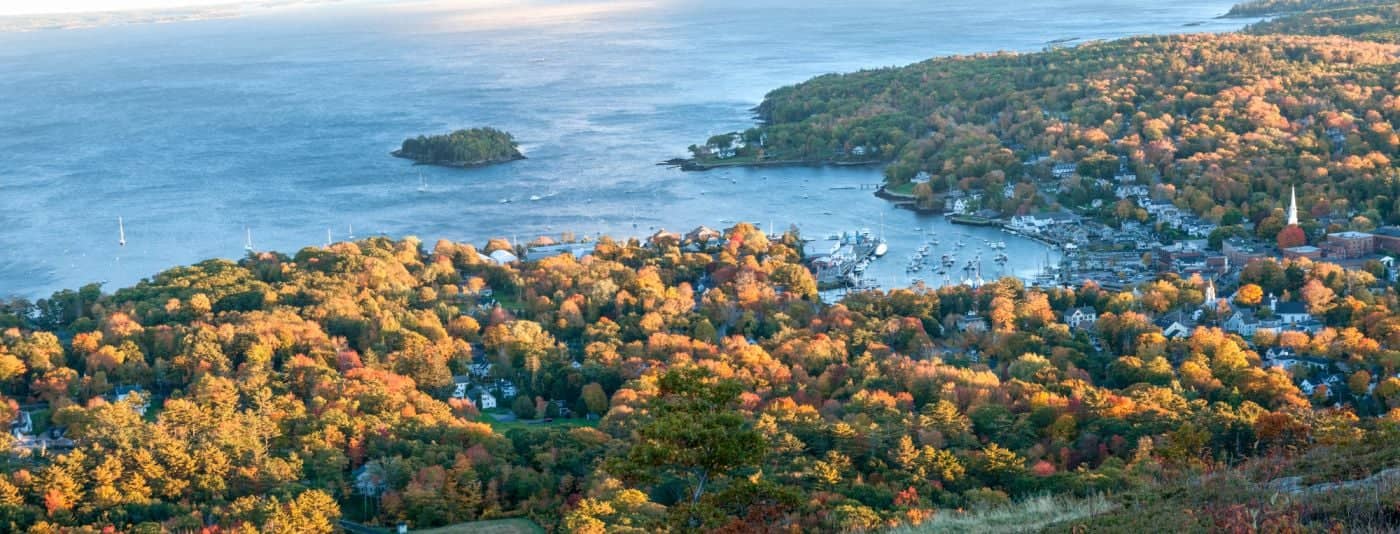
Where the mountains meet the sea - windjammer harbor, Mount Battie summit views, and an independent village with real soul.
Greater Portland
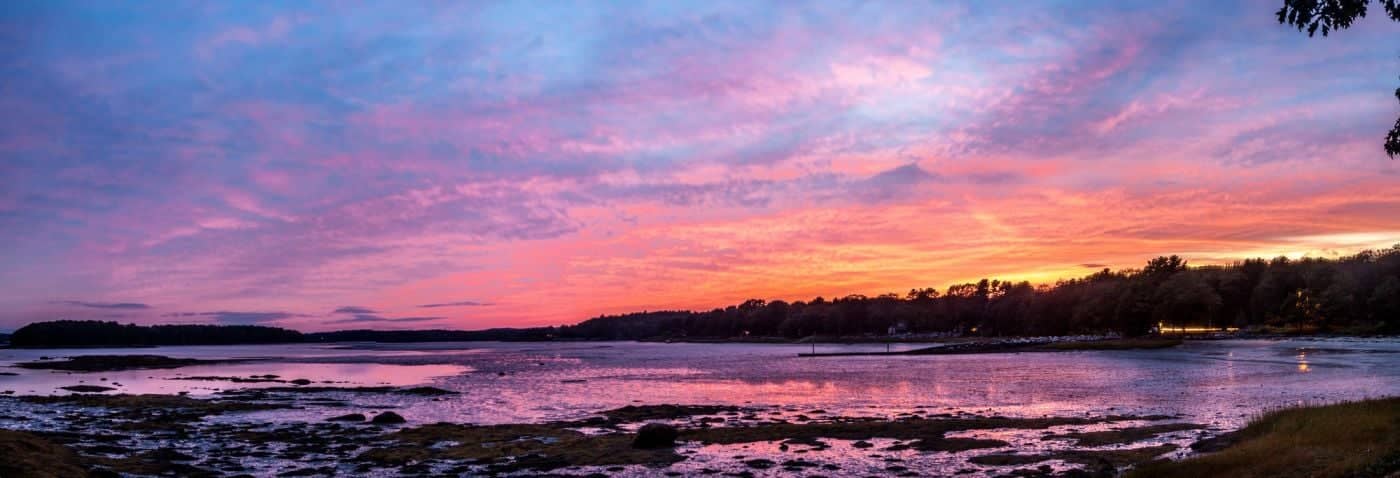
Flagship home of L.L. Bean, open 24/7 - outlets, a tidal river, and surprisingly good eating between the shopping.
Southern Maine Coast
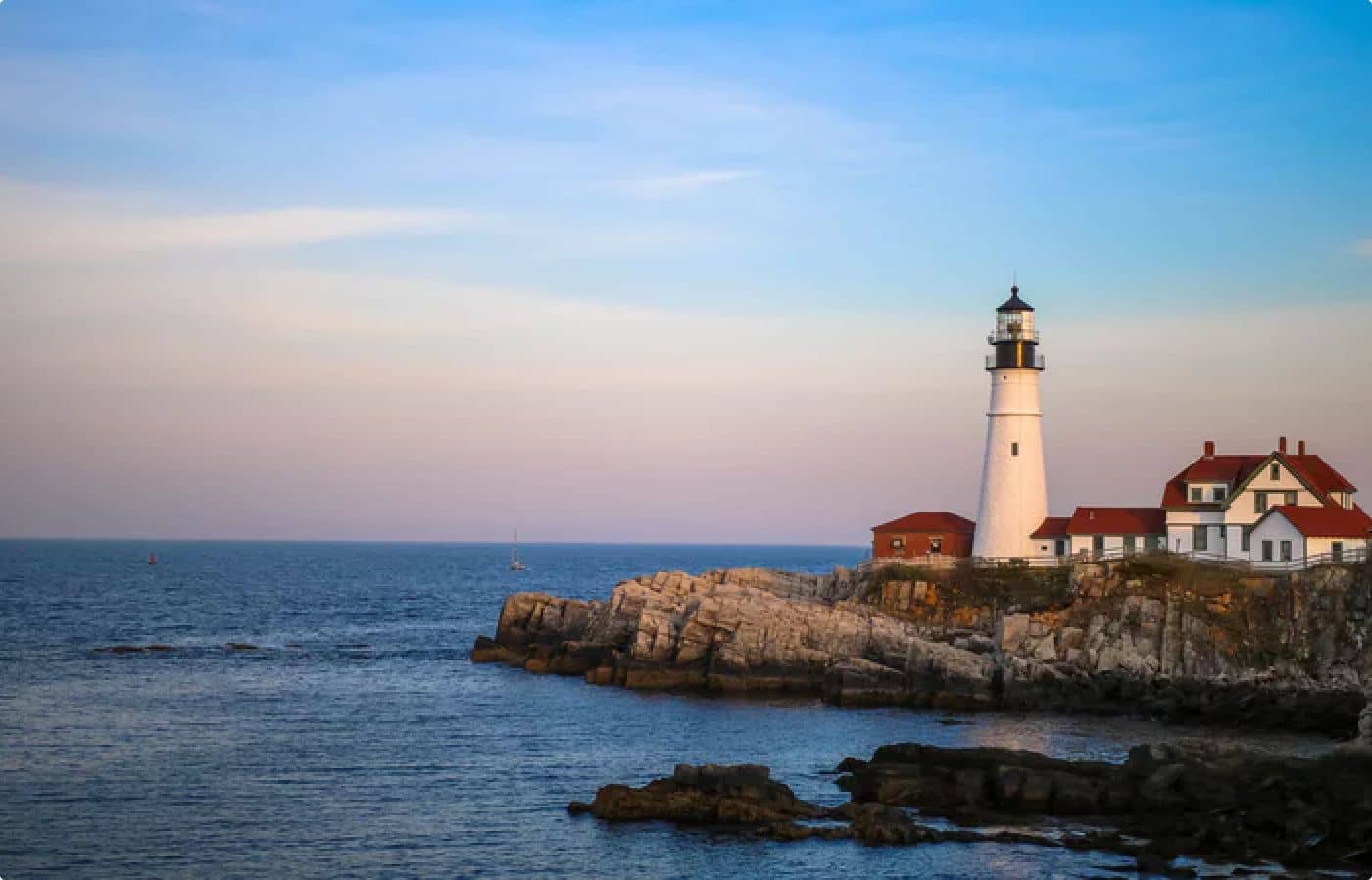
Postcard-perfect village of sea captains' mansions, Lower Village shops, and easy walks to Mother's Beach and Gooch's Beach.