Guide
Belgrade Lakes Conservation: Water Quality, Wildlife and How to Help

A morning on Great Pond or Long Pond can make the Belgrade Lakes feel timeless. Keeping those experiences possible takes work beyond the water’s edge. Runoff can carry pollutants into a lake, and invasive aquatic species can spread between waterways on boats and equipment.
This guide explains the watershed, where to find lake data and how visitors can help. For places to stay and local attractions, see our Belgrade Lakes Region guide. For other waters to explore, read our guide to Maine lakes.
The Belgrade Lakes: a connected watershed
The 7 Lakes Alliance identifies seven interconnected lakes in the Belgrade Lakes watershed: Great Pond, Long Pond, North Pond, East Pond, McGrath Pond, Salmon Lake and Messalonskee Lake. Each lake has its own characteristics, so an observation from one lake does not describe the whole chain.
What happened to the Maine Lakes Resource Center?
The Maine Lakes Resource Center helped bring lake education and conservation work into the community. In late December 2017, it combined with the Belgrade Regional Conservation Alliance to create 7 Lakes Alliance, according to the alliance’s history.
Maine.com is independent of 7 Lakes Alliance. Check the organization’s website for current programs and visitor information before making a special trip.
How healthy are the Belgrade Lakes?
There is no single answer for all seven lakes, and a single observation cannot tell you every part of a lake’s story. For a historical picture, start with Lake Stewards of Maine’s data page and select a particular lake. Lake Stewards distinguishes its reviewed long-term data from near-real-time volunteer submissions that have not been quality assured.
Look for the lake name, sampling location and date, and consider the data over time. Historical data cannot certify conditions at a beach right now. Follow local notices and avoid entering water that appears unsafe.
Invasive plants and clean boating
Equipment can move aquatic invasive species between waters. An October 2026 7 Lakes Alliance report describes work addressing curly-leaf pondweed in North Pond and variable-leaf milfoil in Messalonskee Lake. That report describes a particular season; check the latest notices for current conditions.
Maine’s Clean, Drain, Dry information explains how boaters can reduce the spread of aquatic invasive species. Inspect and clean your boat, trailer and gear, drain water away from inland waters, and dry equipment before using it elsewhere. Read the state’s guidance for the requirements and exceptions.
What lakefront owners and visitors can do
Slow runoff before it reaches the lake
Ask about LakeSmart, a voluntary program that offers lakefront property owners advice on water-friendly practices. Before changing a shoreline or doing ground work, check applicable local and state requirements.
Give wildlife space
Watch wildlife from a distance and collect fishing line and tackle. Maine’s inland fishing guidance explains restrictions on lead tackle and options for fishing lead-free.
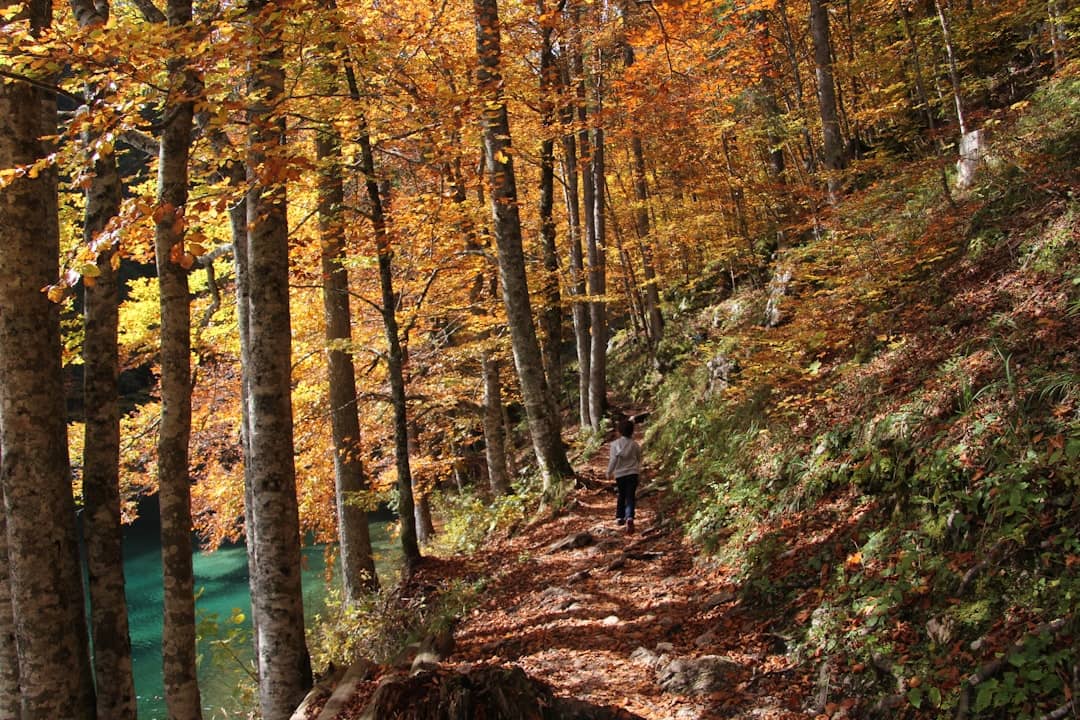
Spend time on a maintained trail
The alliance’s trail directory lists routes on conserved lands and provides trail etiquette. Check directions and permitted uses before setting out, and carry out what you bring in.
Take part in local work
The alliance lists volunteer opportunities including trail work and invasive-plant surveys. Lake Stewards of Maine offers information about volunteer monitoring and training. Contact the organization about current opportunities before traveling.
Belgrade Lakes conservation FAQ
What was the Maine Lakes Resource Center?
It joined the Belgrade Regional Conservation Alliance in 2017 to form 7 Lakes Alliance. Read the alliance’s history for the transition.
Which lakes make up the Belgrade Lakes?
The seven principal lakes are Great Pond, Long Pond, North Pond, East Pond, McGrath Pond, Salmon Lake and Messalonskee Lake. Our Belgrade Lakes Region guide gives an overview for visitors.
How do I find water-quality data for a specific lake?
Start with Lake Stewards of Maine’s data resources. Check the sampling date and whether data is quality assured.
How can I help protect the lakes as a visitor?
Clean, drain and dry boats and equipment between waterbodies; follow launch signs; leave wildlife undisturbed; and carry out fishing line and litter.
Details checked against each operator's website on November 10, 2026.