
1
Bath
See main listingShipbuilding heart of Maine since 1743 - Bath Iron Works still launches destroyers past the Maine Maritime Museum on the Kennebec.
Details

Guide
Fort Popham is a crescent of unfinished granite at the mouth of the Kennebec River in Phippsburg, Maine, fifteen miles down a dead-end road from Bath. | Planning detail | What to use | |---|---| | Location | 219 Popham Road, Phippsburg, near the end of Route 209 | | Main interest | Unfinished granite coastal fort and Kennebec River views | | Regular gate season | April 15–October 30 | | Regular visiting hours | 9 a.m. to sunset, with site restrictions taking precedence | | A separate beach outing | Popham Beach State Park |
Fort Popham is a crescent of unfinished granite at the mouth of the Kennebec River in Phippsburg, fifteen miles down a dead-end road from Bath. It was begun in 1861, never completed, never fired on an enemy, and is now one of the most-visited historic sites in midcoast Maine, 4.7 out of 5 across more than 1,100 reviews. You can walk almost all of it.
219 Popham Road, Phippsburg, at the end of Route 209 where the Kennebec meets the sea. The fort is a semicircular granite work facing the river channel: two tiers of casemated gun rooms, spiral stairs in the flanking towers, a grassy parade behind. Half an hour covers it, an hour with a camera or a child. Season and fees are on the Maine Bureau of Parks and Lands pages.
Pair it with Popham Beach State Park a mile and a half back up the road for a full day at the end of the peninsula.
What makes Fort Popham good is how little of it is roped off. You walk into the casemates (vaulted granite chambers built to hold the guns) and follow them around the curve of the wall, the river filling each embrasure like a framed picture. The masonry is superb: tight-jointed granite still square after a century and a half of freeze and thaw.
The spiral staircases in the flanking towers are the best feature, and they are not lit. Upper-level access varies with maintenance, so take the stairs you find open.
Outside the walls, the shoreline is one of the better-known striper spots on the coast. In summer, anglers work the rip where the Kennebec pushes against the tide, worth ten minutes just watching how hard that water moves.
The Kennebec is the reason. Upriver sat Bath, one of the great shipbuilding towns of the 19th century, and beyond it the state capital at Augusta and its arsenal. A ship past this headland had a clear run at both, so when the Civil War began Washington decided the river needed a modern masonry work.
Construction started in 1861. The design called for three tiers of guns; two were built. Then rifled artillery arrived, shells that could crack thirty feet of granite made masonry forts obsolete before this one was done. Congress stopped funding masonry construction in 1869 and Fort Popham simply stopped, mid-course, top tier never raised. That is what you are looking at when the wall ends in an oddly flat line.
It was garrisoned in the Civil War and again in the Spanish-American War, and the headland was refortified for the 20th century: that work is Fort Baldwin, on the hill behind. Neither fort ever fired at an enemy, the standard outcome for coastal defense and not a failure.
The better story here is 250 years older than the fort. In August 1607 (the same year as Jamestown) about a hundred English colonists landed on this headland and built a settlement called Fort St. George. It was the Plymouth Company's try at an English foothold in New England, led by George Popham and Raleigh Gilbert, and the source of the fort's name.
They lasted roughly a year. Popham died over the winter, Gilbert inherited an estate and sailed home, and the survivors abandoned the site in 1608. Before they left they built a pinnace called the Virginia: the first ocean-going vessel the English built in North America, and the start of a shipbuilding tradition that produced Bath Iron Works upriver.
For centuries nobody knew where the colony had stood. Archaeologists located it in the 1990s on the slope below Fort Baldwin, matching a plan one of the colonists drew in 1607. Little shows above ground, which is why almost nobody at the granite fort realizes what happened here.
The honest drawback: parking. The lot is tiny, the road is narrow, and on a hot Saturday cars line the shoulder while an attendant turns people away at Popham Beach up the road. Arrive before ten or after four. The interior is bare, too. A stripped granite shell, not a furnished museum. Read the history first; the walls will not explain themselves.
Thirty to forty-five minutes covers the fort. Add fifteen for the walk up to Fort Baldwin, and make a day of it with Popham Beach State Park a mile and a half away.
It is a Maine state historic site rather than a fee-gated state park, running on a seasonal schedule. Policies and season dates change, so check the Maine Bureau of Parks and Lands listing before you go.
Yes. The lower casemates are open to walk through and the spiral staircases are usually accessible, though upper-level access depends on maintenance. Bring a flashlight: the chambers and stairwells are dark and the steps uneven.
An English settlement founded on this headland in August 1607, the same year as Jamestown, and abandoned a year later. Its colonists built the Virginia, the first ocean-going ship the English built in North America. Archaeologists located the site in the 1990s below Fort Baldwin; little shows above ground.
Shipbuilding heart of Maine since 1743 - Bath Iron Works still launches destroyers past the Maine Maritime Museum on the Kennebec.
Guides


Destinations
Downeast & Acadia
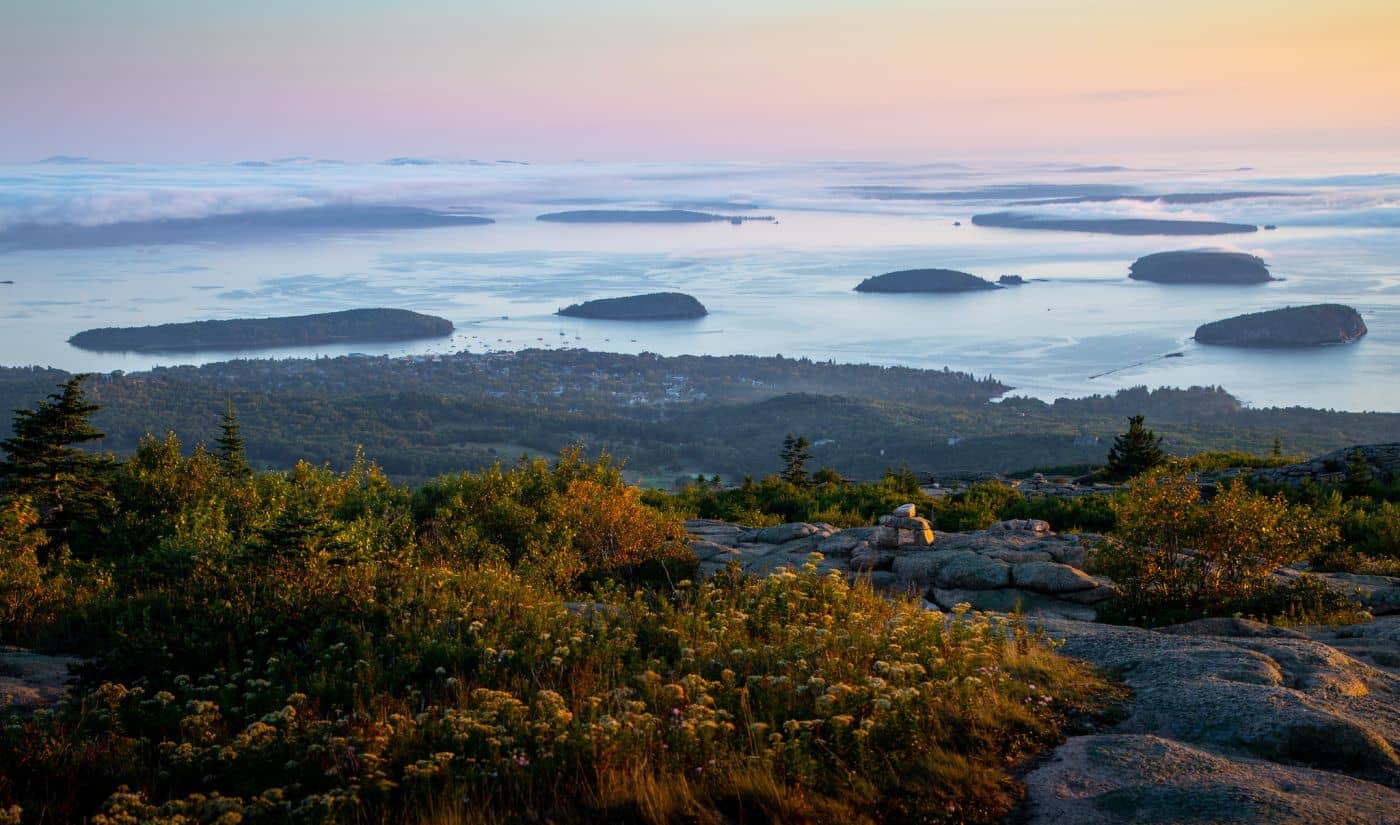
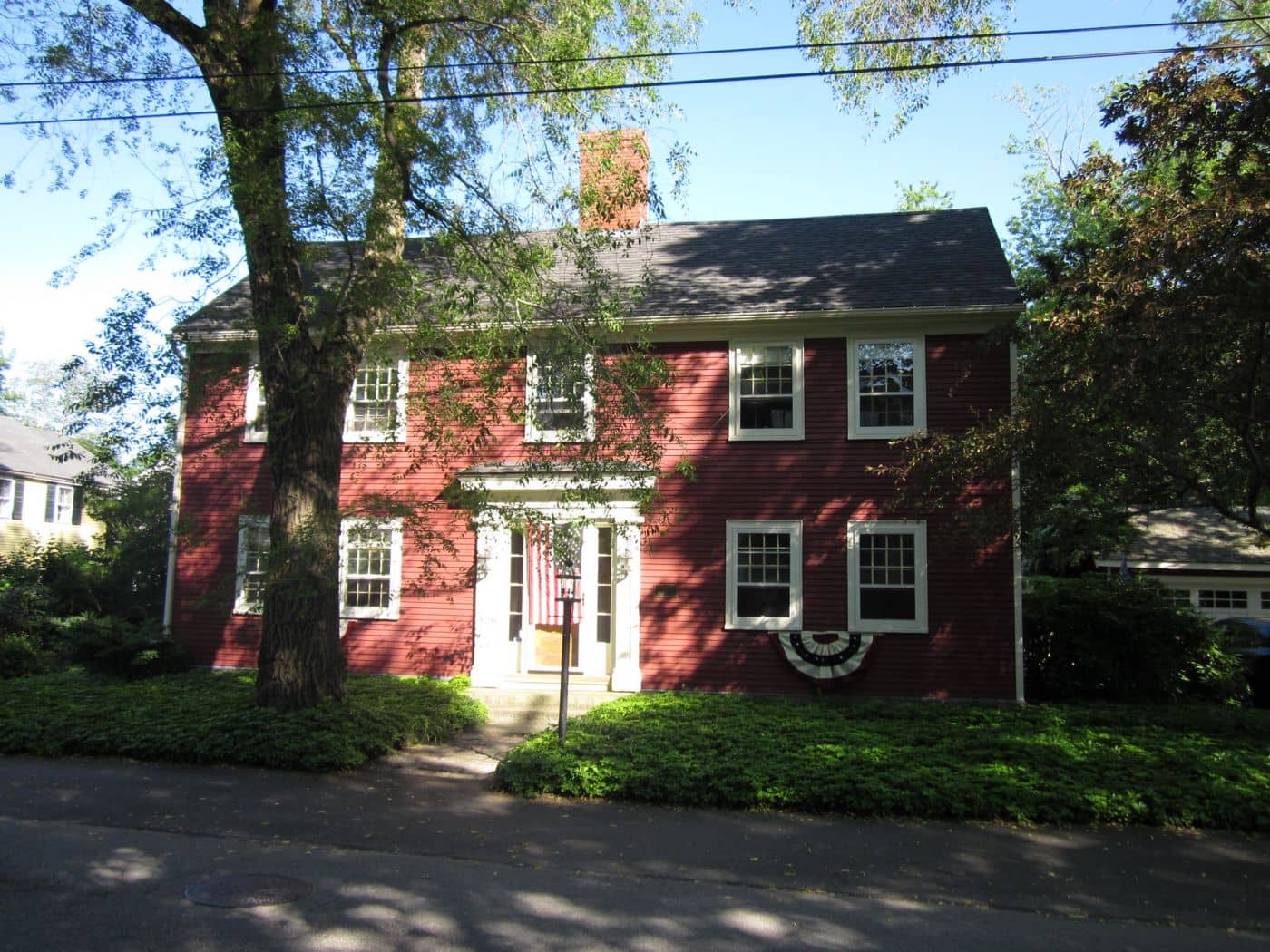
Gateway to Acadia National Park - Cadillac Mountain, puffin cruises, and a harbor town that fills with cruise ships from May to October.
Southern Maine Coast
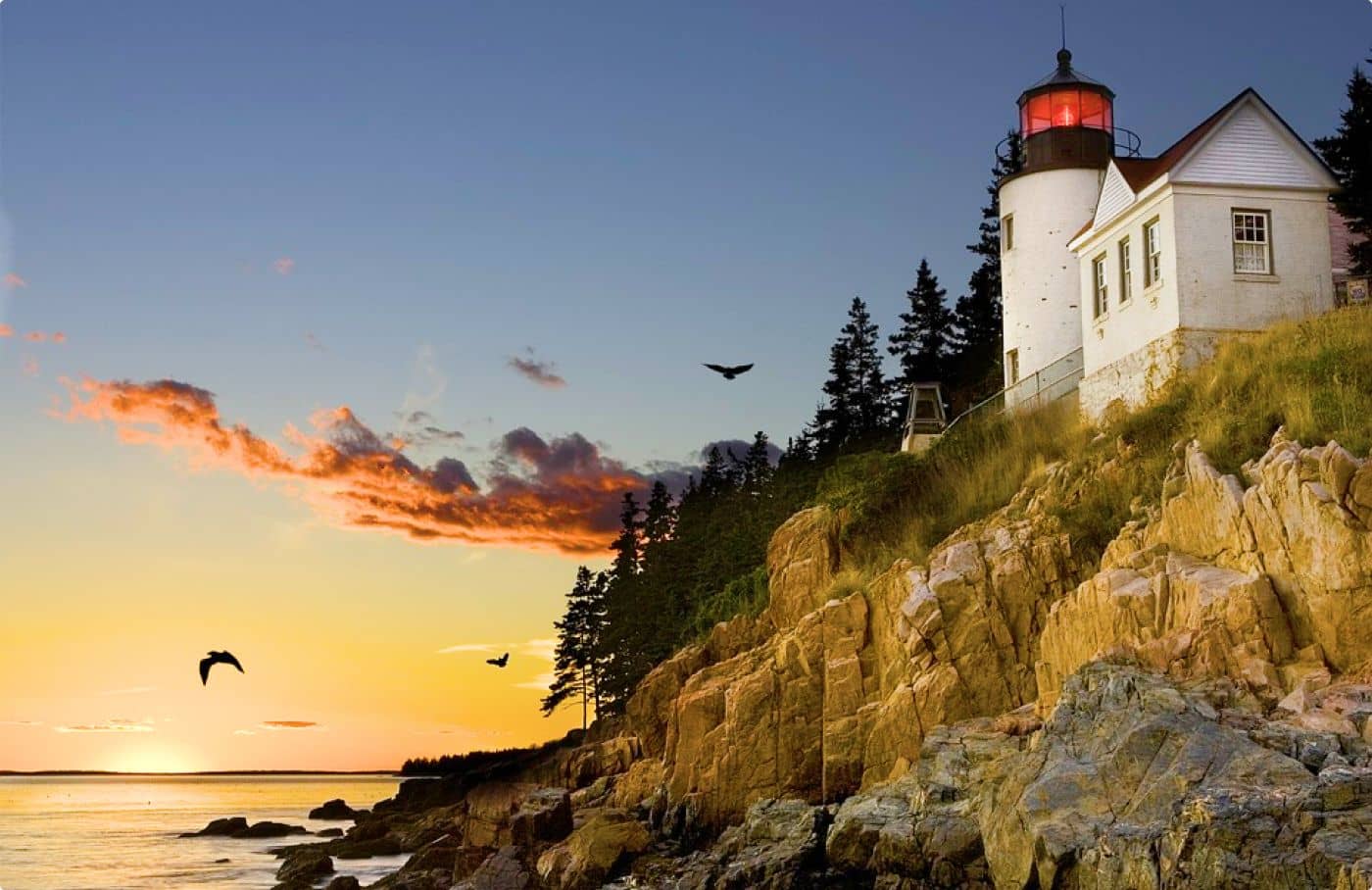
Dock Square boutiques, Goose Rocks Beach, and the Bush family's Walker's Point - the quintessential coastal Maine summer town.
Greater Portland
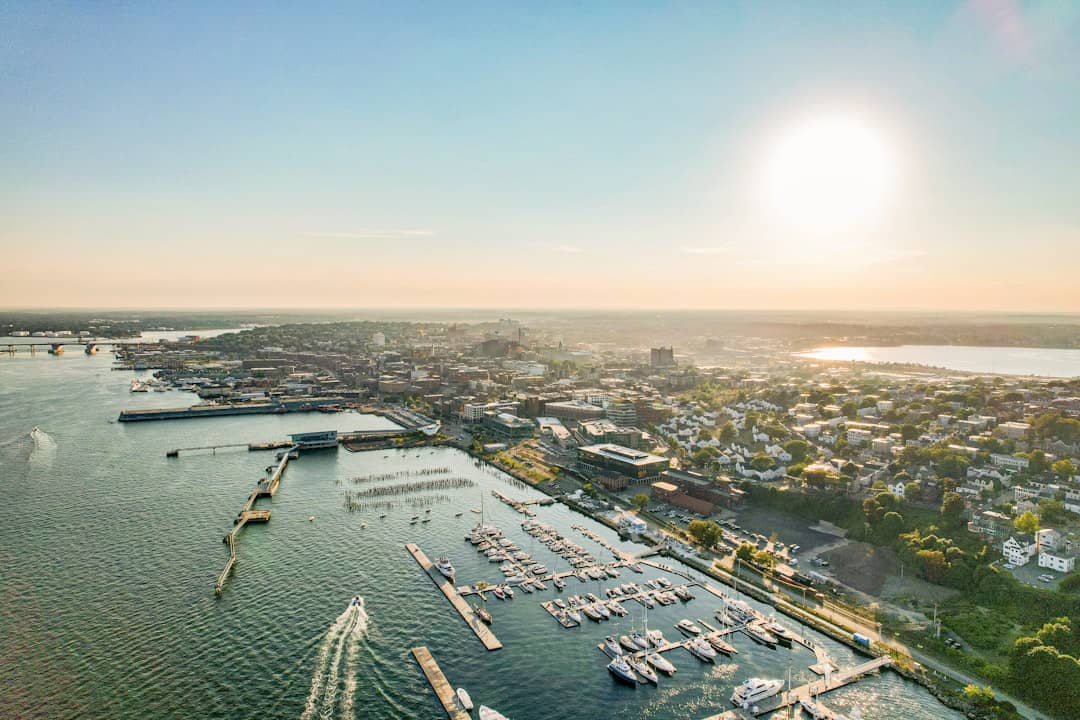
Maine's largest city - a working waterfront, Old Port cobblestones, and a food scene that punches well above its weight.
Midcoast Islands
Shipbuilding heart of Maine since 1743 - Bath Iron Works still launches destroyers past the Maine Maritime Museum on the Kennebec.
Midcoast Islands
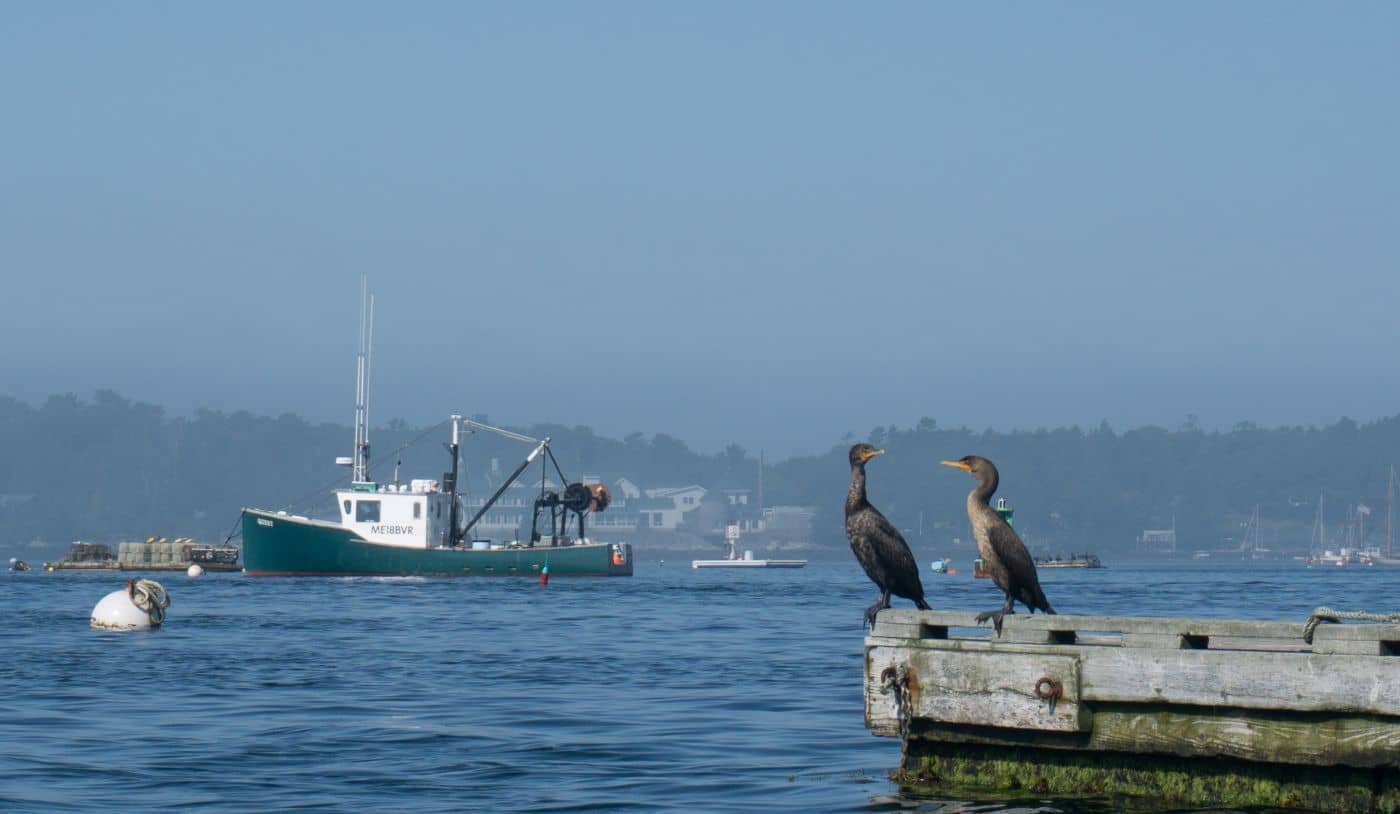
A Midcoast harbor town built around boat trips, with the Coastal Maine Botanical Gardens just up the road.
Midcoast Islands
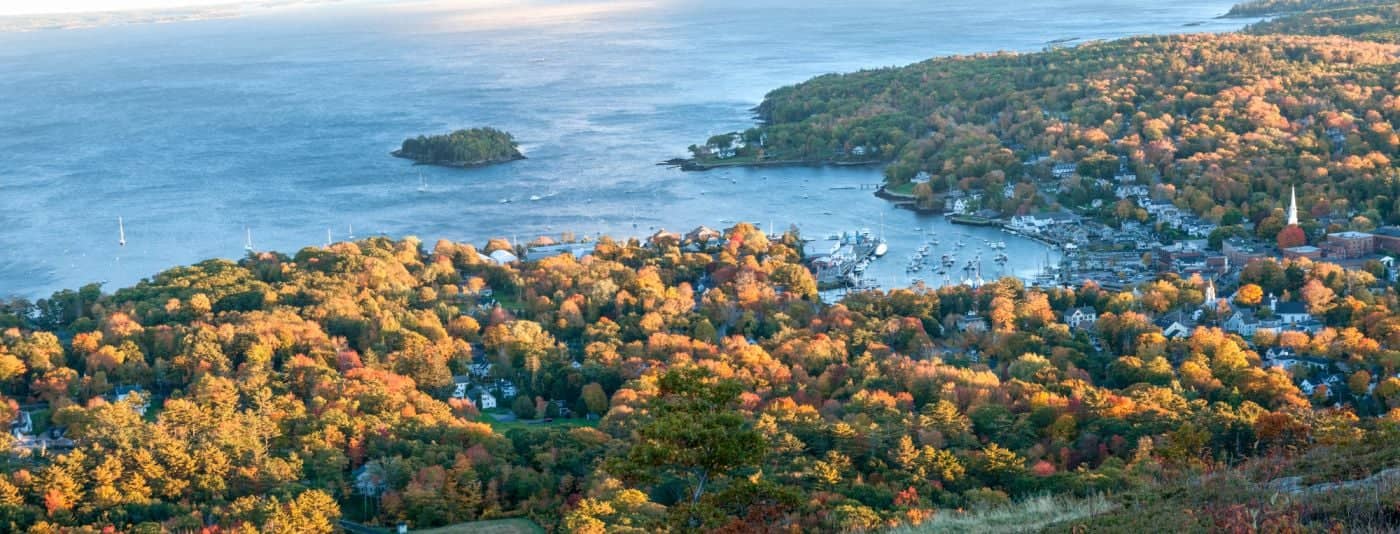
Where the mountains meet the sea - windjammer harbor, Mount Battie summit views, and an independent village with real soul.
Greater Portland
Flagship home of L.L. Bean, open 24/7 - outlets, a tidal river, and surprisingly good eating between the shopping.
Southern Maine Coast
Postcard-perfect village of sea captains' mansions, Lower Village shops, and easy walks to Mother's Beach and Gooch's Beach.