1
Bath
See main listingShipbuilding heart of Maine since 1743 - Bath Iron Works still launches destroyers past the Maine Maritime Museum on the Kennebec.
Details

Guide
Reid State Park sits at the bottom of Georgetown Island, and it is the beach Mainers name when they want sand without the Popham crowds. Two ocean beaches, a rare dune system, a rocky headland with three lighthouses visible from the top, and a tidal lagoon that runs meaningfully warmer than the Atlantic ten yards away. Getting there takes commitment.
Reid State Park is at 375 Seguinland Road in Georgetown, at the southern tip of Georgetown Island in Sagadahoc County. It covers 770 acres and holds a 4.8 rating from more than 1,550 Google reviews. One of the strongest scores of any coastal park in Maine's system.
The drive is the first thing to understand. Georgetown is an island town reached by a single road off Route 1 near Woolwich, and it is roughly 14 miles of two-lane from the turn to the gate. From Bath that is about half an hour. There is no shortcut, no back way, and no through route. You come in the way you leave. Plan the day around one destination rather than treating Reid as a stop on a coastal drive.
Inside the park there are two beaches. Mile Beach is the long one, running southwest from the headland; Half Mile Beach is shorter and quieter, at the other end. Between and behind them sit dunes, salt marsh, tidepools, and The Lagoon: a tidal inlet where the water is trapped and sun-warmed at low tide, and typically runs 10 to 15 degrees warmer than the open ocean. For anyone who has tried to swim in the Gulf of Maine in June, that is not a small detail.
Reid is run by the Bureau of Parks and Lands within Maine's Department of Agriculture, Conservation and Forestry. There is a day-use fee at a staffed gatehouse, lower for Maine residents, with reduced rates for seniors and children. The state revises the schedule periodically, so check the park's page on maine.gov rather than a number from a travel blog.
Two parking areas serve the park. One beneath Griffith Head at the northeast end, one further down the road toward Half Mile Beach. Both fill on hot summer weekends, and when the park hits capacity the gate closes until cars leave. Given the 14-mile approach, that is a genuinely expensive mistake. Arrive before mid-morning in July and August.
Facilities are seasonal and basic in the good way: bathhouses with changing rooms and cold showers, restrooms, picnic tables, and grills. There is no campground at Reid. Maine's state park campgrounds book through the state's central reservation system on a rolling window that opens well ahead of the season, and the coastal sites are the first to go.
Nesting closures are real here. Reid's beaches are among the few Maine sites supporting endangered least terns and piping plovers. Sections of dune and upper beach get roped off through the nesting season, and the fencing is not advisory. The trade-off is that you are on one of the last functioning barrier-beach systems in the state. Walk below the wrack line, keep off the marked dune, and the birds and the beach both survive the summer. Maine also applies a seasonal dog ban on its saltwater state park beaches, Reid included, running from early spring through the end of September.
The water on the ocean side is cold and the surf is real. This is open Atlantic with no barrier islands offshore. There is undertow at both ends. Lifeguard coverage is limited and seasonal. Families with small children generally end up in the lagoon, which is the correct call.
Reid exists because of a single donation, and it changed what public access on the Maine coast looked like.
Walter E. Reid grew up in Georgetown and made his money away from it, in business. In 1946 he gave the land at the island's southern tip to the State of Maine to be held permanently as public ground. The park that opened on it became Maine's first state-owned saltwater beach. Before Reid, essentially all of Maine's ocean frontage was in private hands or under municipal control, and the state's park system was an inland and forest affair.
That matters more than it sounds. Maine has one of the longest coastlines in the country and one of the smallest proportions of publicly owned sand. Sand beaches are rare here to begin with (most of the coast is granite ledge) and dune systems rarer still. Reid protected a full, intact example of both at a moment when nobody was yet worried about losing them. The state parks that followed on the coast, Popham and Crescent Beach among them, came later and mostly through purchase or lease.
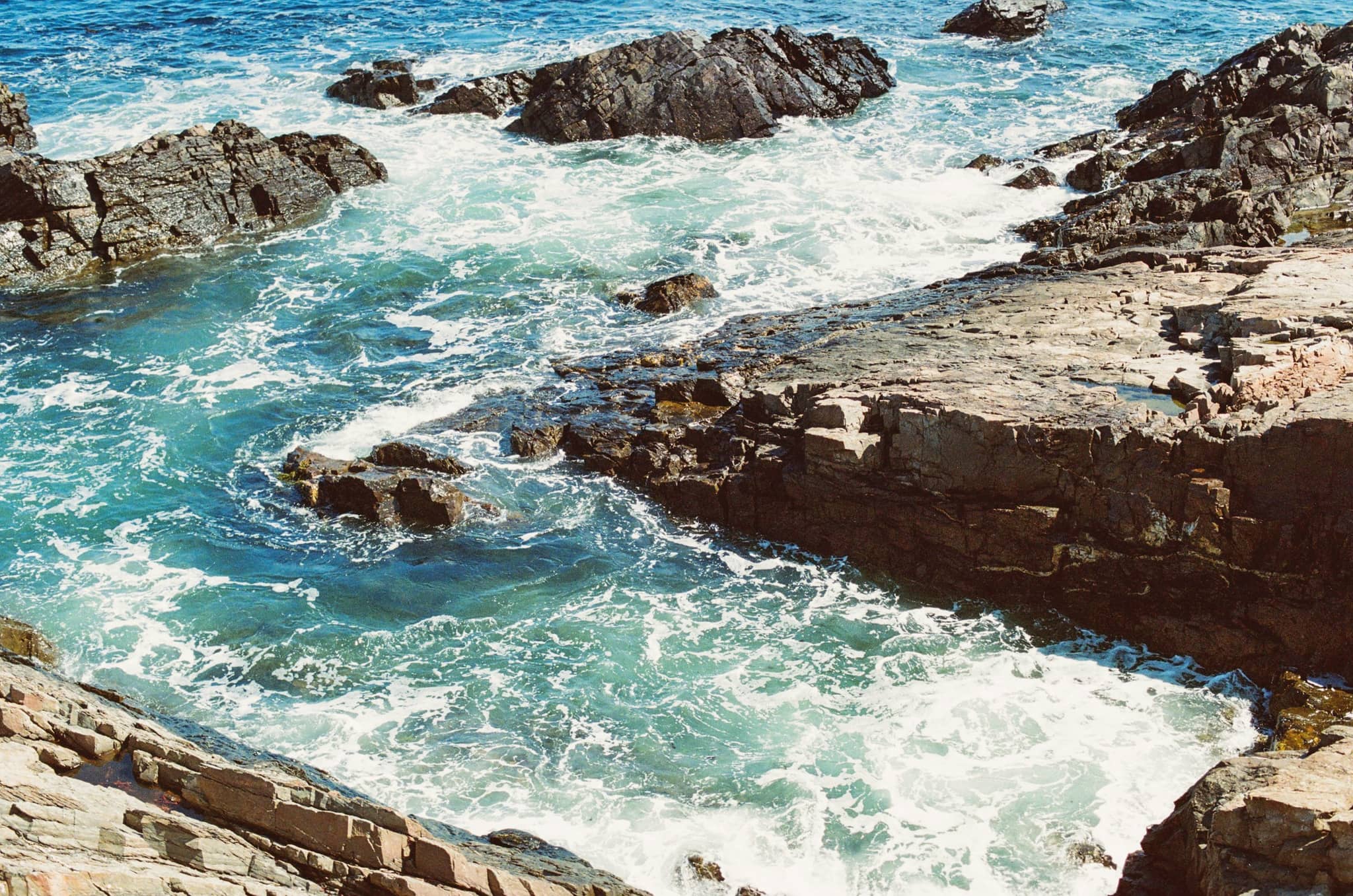
Climb Griffith Head, the rocky bluff at the northeast corner, and the reasoning becomes obvious. On a clear day the view takes in three lighthouses: Seguin Island Light on its offshore hump to the southwest, The Cuckolds off Southport to the east, and Hendricks Head further up. Seguin's station carries a 5.0 rating in our listings, from a small pool of 38 reviews; Hendrick's Head Lighthouse, viewed mostly from a distance and hard to approach, rates 3.6 from 36, a fair reflection of the fact that it is beautiful and largely inaccessible.
For the coast's other sand, see Maine beaches; for the wider park system, Maine state parks. Boothbay Harbor is the nearest town with a full range of places to eat and sleep.
Budget about 30 minutes from Bath, an hour and a quarter from Portland, and closer to two hours from Portsmouth. The last 14 miles are slow two-lane road down Georgetown Island with no alternative route, so add time on summer weekends and do not count on making it up.
Mile Beach is the long, open one with the biggest surf and the best walking. Half Mile Beach is quieter and shorter. If you are swimming with young children, skip both and use The Lagoon, the tidal inlet that sits well above ocean temperature at low tide.
Reid rates marginally higher and is usually less crowded, with more varied terrain. Headland, dune, lagoon, and tidepools rather than one long sweep of sand. Popham is bigger, more dramatic, and easier to reach. If you want a beach day, Reid. If you want the view, Popham.
Not onto the beaches during the main season. Maine restricts dogs on its saltwater state park beaches from early spring through the end of September, in large part to protect nesting plovers and terns. Outside that window the rules relax; check the park page before you drive down.
Shipbuilding heart of Maine since 1743 - Bath Iron Works still launches destroyers past the Maine Maritime Museum on the Kennebec.
Tools
Guides

Destinations
Downeast & Acadia
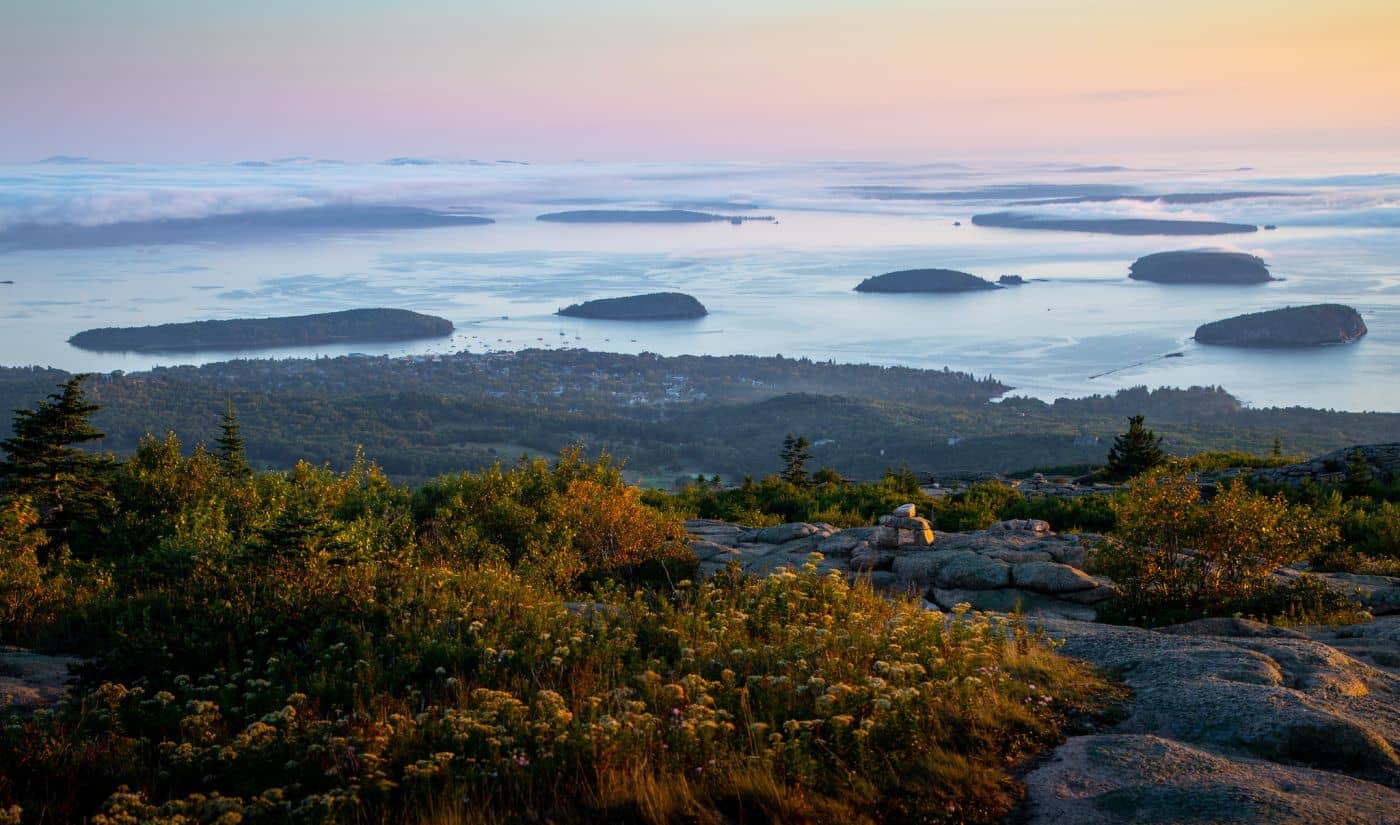
Gateway to Acadia National Park - Cadillac Mountain, puffin cruises, and a harbor town that fills with cruise ships from May to October.
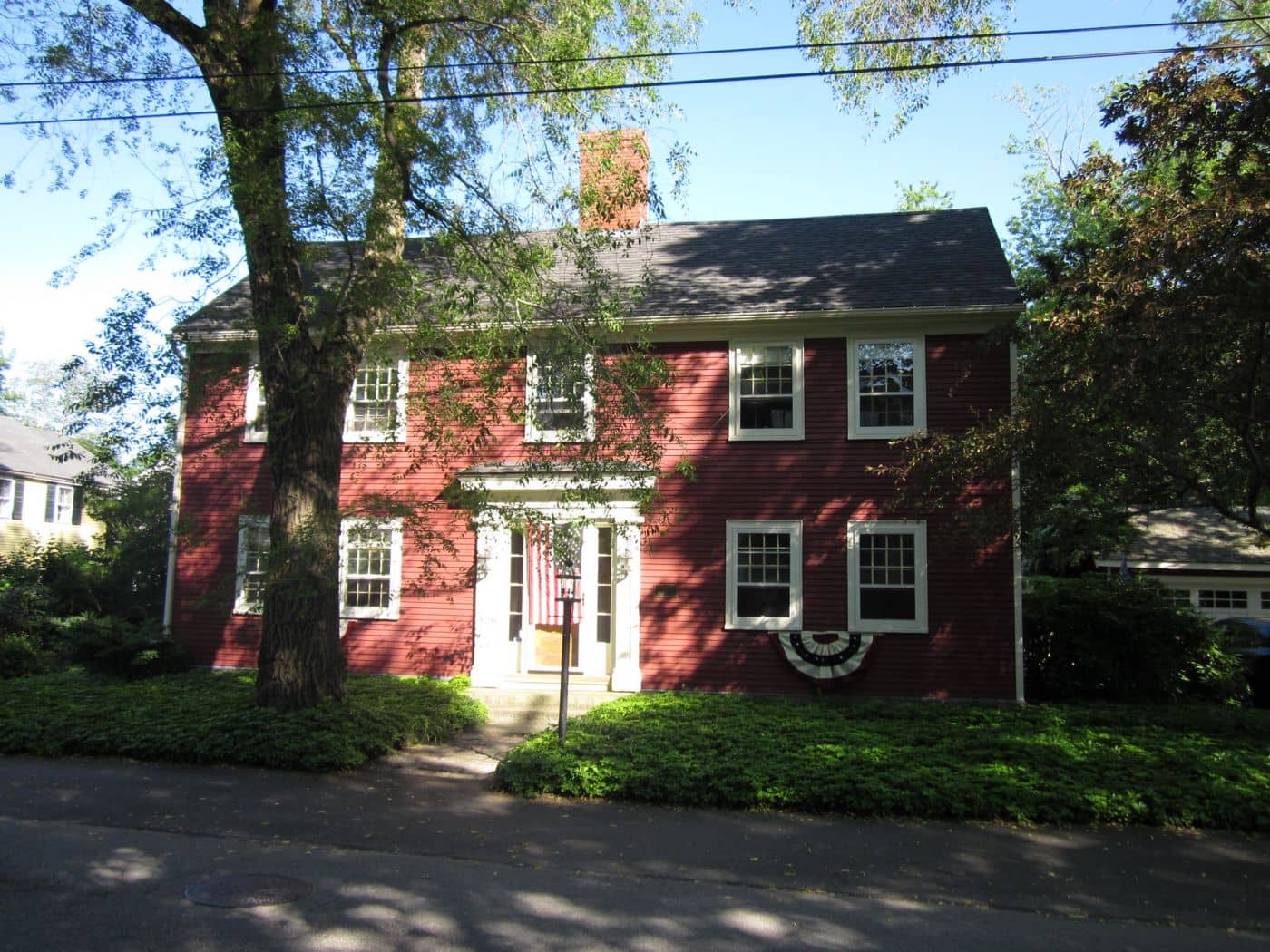
Southern Maine Coast
Dock Square boutiques, Goose Rocks Beach, and the Bush family's Walker's Point - the quintessential coastal Maine summer town.
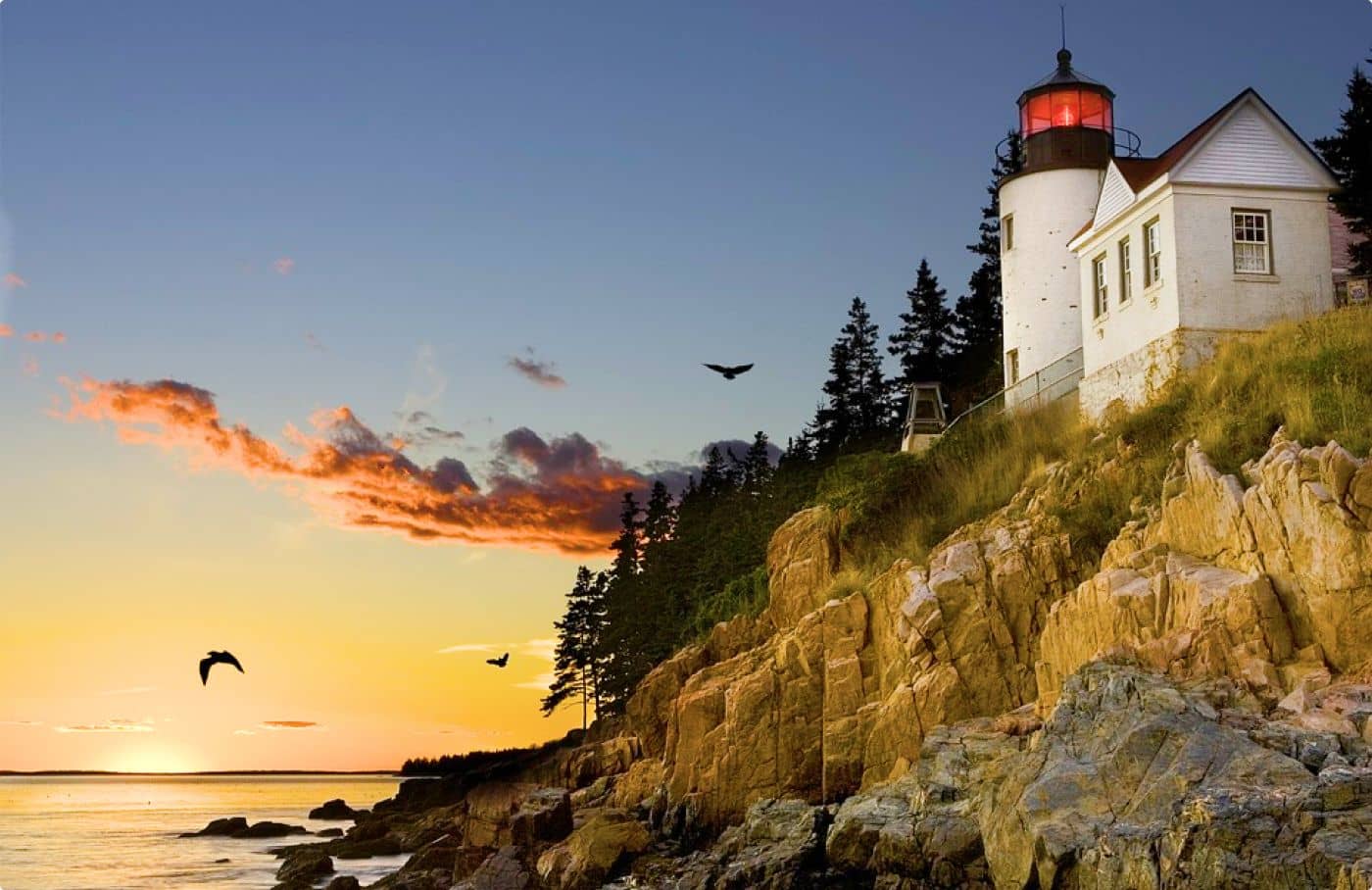
Greater Portland
Maine's largest city - a working waterfront, Old Port cobblestones, and a food scene that punches well above its weight.
Midcoast Islands
Shipbuilding heart of Maine since 1743 - Bath Iron Works still launches destroyers past the Maine Maritime Museum on the Kennebec.
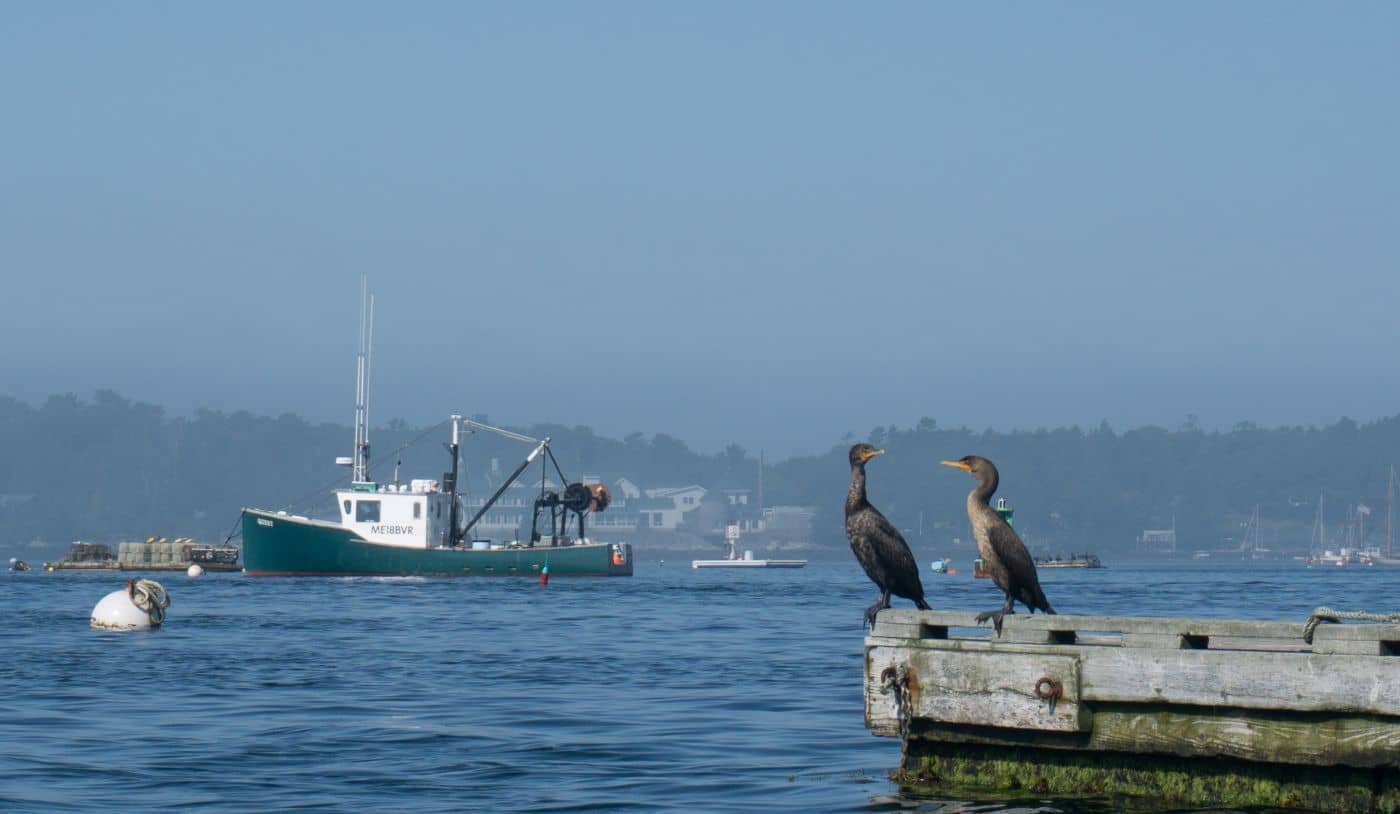
Midcoast Islands
A Midcoast harbor town built around boat trips, with the Coastal Maine Botanical Gardens just up the road.
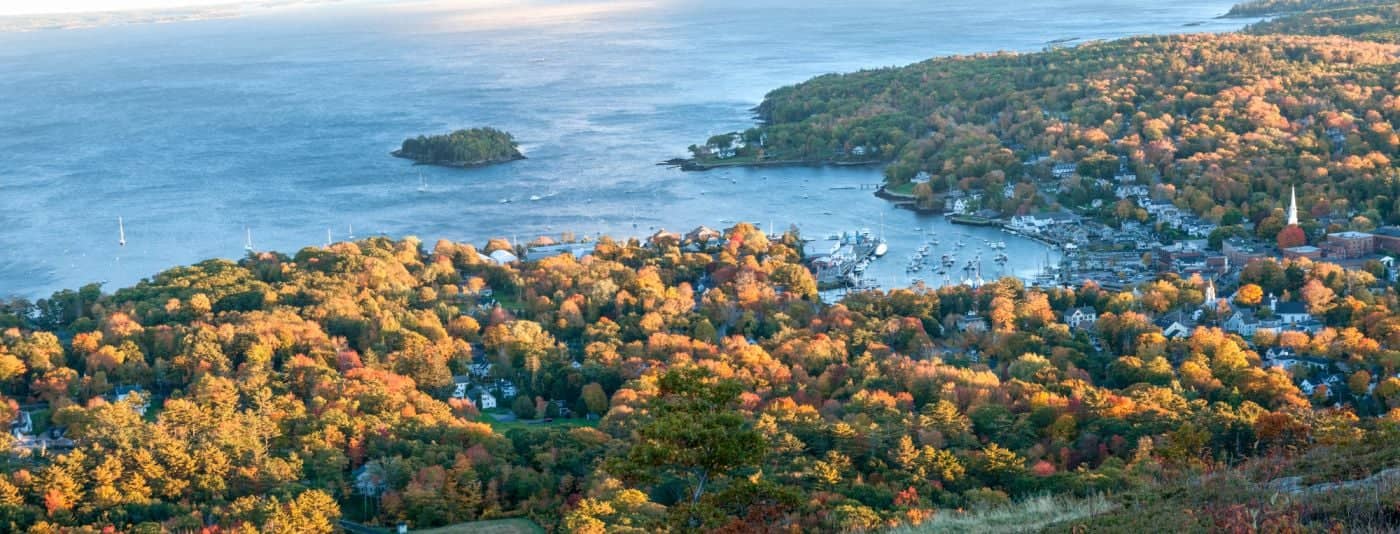
Midcoast Islands
Where the mountains meet the sea - windjammer harbor, Mount Battie summit views, and an independent village with real soul.
Greater Portland
Flagship home of L.L. Bean, open 24/7 - outlets, a tidal river, and surprisingly good eating between the shopping.
Southern Maine Coast
Postcard-perfect village of sea captains' mansions, Lower Village shops, and easy walks to Mother's Beach and Gooch's Beach.