
1
Bath
See main listingShipbuilding heart of Maine since 1743 - Bath Iron Works still launches destroyers past the Maine Maritime Museum on the Kennebec.
Details


Guide
Maine Maritime Museum in Bath, Maine, occupies the Percy & Small shipyard on the Kennebec River. Surviving shipyard buildings, waterfront grounds and maritime exhibits explain the scale and work of wooden shipbuilding. The indoor galleries and outdoor site reward time beyond a brief stop.
The Maine Maritime Museum in Bath is not a building with ship models in it. It is a shipyard. The Percy & Small yard, the only place left in the United States where you can walk through the surviving buildings of a yard that built big wooden sailing ships. That is why it earns a half day rather than an hour, and why it rates 4.7 from 1,489 Google reviews.
For more trip planning, see Things to Do in Bath, Maine: River, Ships and Downtown.
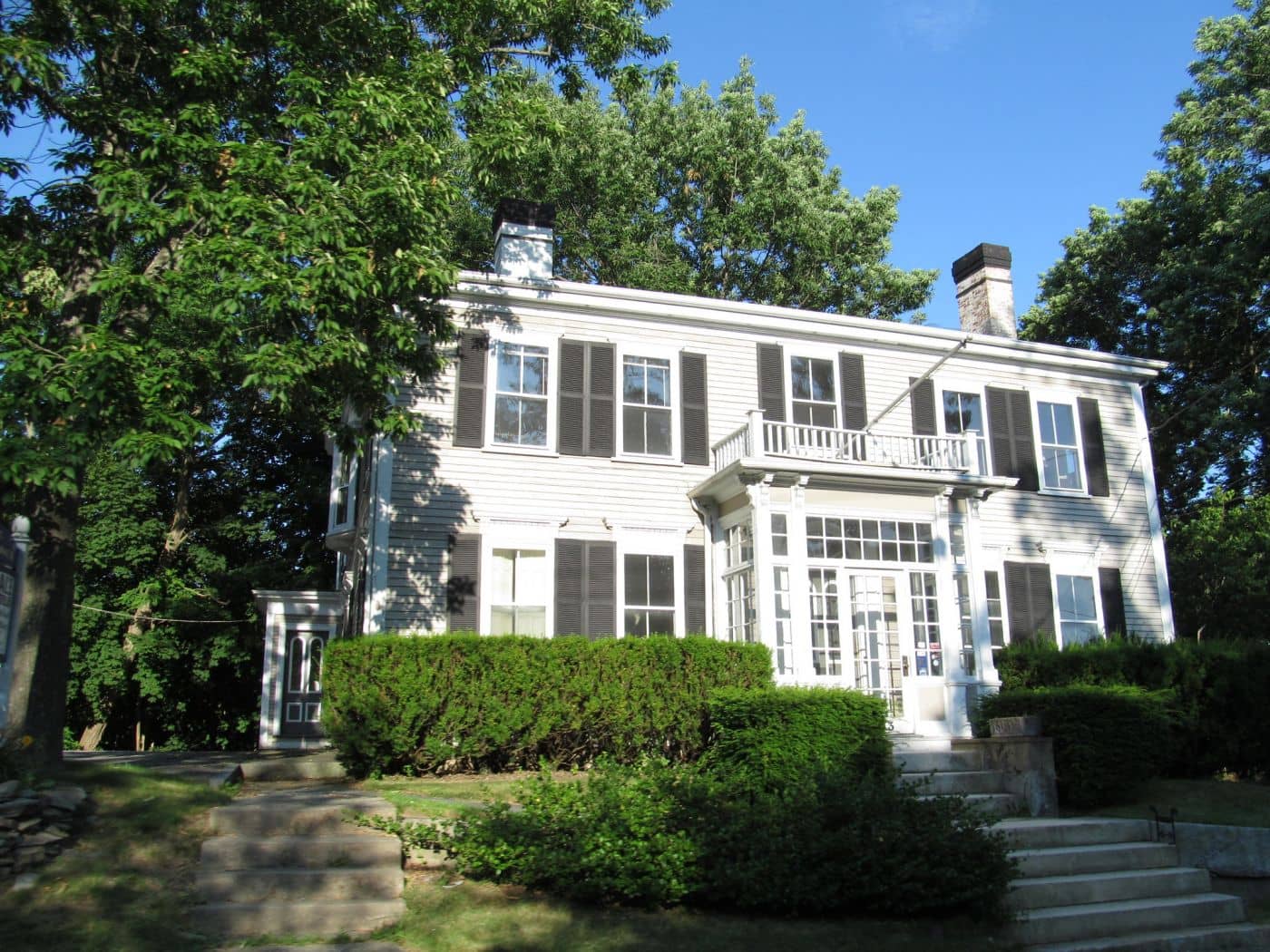
The museum sits at 243 Washington Street in Bath, on the west bank of the Kennebec about a mile south of downtown and just below the Bath Iron Works cranes. The riverfront campus runs to around twenty acres: a modern exhibition building, the preserved shipyard buildings behind it, lawns down to the water, a boat shop and a historic shipbuilder's house.
Allow two and a half to three hours for the museum itself. Allow five if you take one of the river cruises, which is the version of the visit most people should choose. Parking on site is free and generally not a problem, which is more than can be said for most coastal Maine attractions in August.
The exhibition building holds the galleries (lobstering, the coastal trades, shipbuilding) and is where you start. The shipyard is outside, and it is the part people remember: the mill, the mold loft where full-size ship lines were drawn on the floor, the blacksmith shop, the treenail shop where the wooden pegs that held these hulls together were turned. Original Percy & Small buildings on their original ground.
On the lawn between them and the river stands the outline of the schooner Wyoming, a full-size sculpture marking where she sat and how big she was. Walking her length is the most effective exhibit on the site, because no photograph conveys it.
The museum also runs seasonal boat trips on the Kennebec. River cruises, lighthouse trips toward the river mouth, and runs past the working Navy shipyard. They cost extra on top of admission and the lighthouse trips sell out well ahead, so book before you arrive rather than hoping at the desk.
The honest drawback is weather and expectation. Much of this museum is outdoors and spread across a big site, so a cold rainy day halves the experience. And visitors sometimes arrive expecting a large historic vessel tied up to board; the fleet changes and there is not always a big ship in the water. Check the pier before you build a day around it, and confirm hours on the museum's own site: the season varies.
Bath calls itself the City of Ships, and geography earned the claim. The Kennebec is deep, tidal and navigable well inland, and it drains a watershed of oak and pine. For most of the nineteenth century the town was one of the most productive shipbuilding places in the country.
Percy & Small set up in the 1890s, near the end of that story, and specialized in enormous wooden schooners. The economics were strange and briefly brilliant: coal had to move up the eastern seaboard in bulk, steamers were expensive to run, and a schooner rig could be worked by a small crew because steam donkey engines did the hauling that once took twenty men. So builders kept lengthening the hulls and adding masts (four, five, six) until the wood itself became the limit.
The yard's masterpiece was the Wyoming, launched in 1909: six masts, roughly 330 feet on deck and close to 450 counting bowsprit and spanker boom, the largest wooden sailing vessel ever built in America. She was also at the physical limit of the material. Hulls that long flex in a seaway, fastenings work loose, and the pumps become part of the daily routine. She was lost with all hands off the Massachusetts coast in 1924.
The trade then died fast. The First World War produced one last boom in wooden hulls, the postwar collapse killed the market, and steel, rail and tug-hauled barges took the coal. Percy & Small closed; the other Kennebec yards converted to steel or vanished. What preserved this one was ordinary luck. The buildings were repurposed rather than demolished, and by the time anyone noticed every comparable yard in the country had been cleared, these were the last standing.
The industry is not a museum piece here, which is the strange pleasure of the place. Look upriver: Bath Iron Works is still building destroyers for the Navy on the same water.
Bath is an easy base for the whole region: see our Bath guide, the wider midcoast Maine guide, and Boothbay Harbor across the river. If the fort appeals more than the museum, read up on Fort Popham first, and our Maine lighthouse tour covers what the river cruises pass.
Two and a half to three hours covers the galleries, the shipyard buildings and the grounds at a comfortable pace. Add a river cruise and it becomes most of a day.
The Percy & Small Shipyard, which built large wooden schooners in Bath from the 1890s until the trade collapsed after the First World War. It is the only shipyard in the United States that built big wooden sailing vessels and still has its original buildings standing.
Yes, if the weather is decent and you can get a seat. Seeing the river from the water is the point of the place, and the trips pass working shipyards and lighthouses you cannot otherwise reach. They run seasonally and sell out, so book ahead.
Reasonably. The outdoor shipyard, the boat shop and the full-size Wyoming outline hold attention better than the gallery cases, and there is a lot of lawn. Younger children get far more out of a fine day here than a wet one.
Shipbuilding heart of Maine since 1743 - Bath Iron Works still launches destroyers past the Maine Maritime Museum on the Kennebec.
Guides

Destinations

Downeast & Acadia
Gateway to Acadia National Park - Cadillac Mountain, puffin cruises, and a harbor town that fills with cruise ships from May to October.
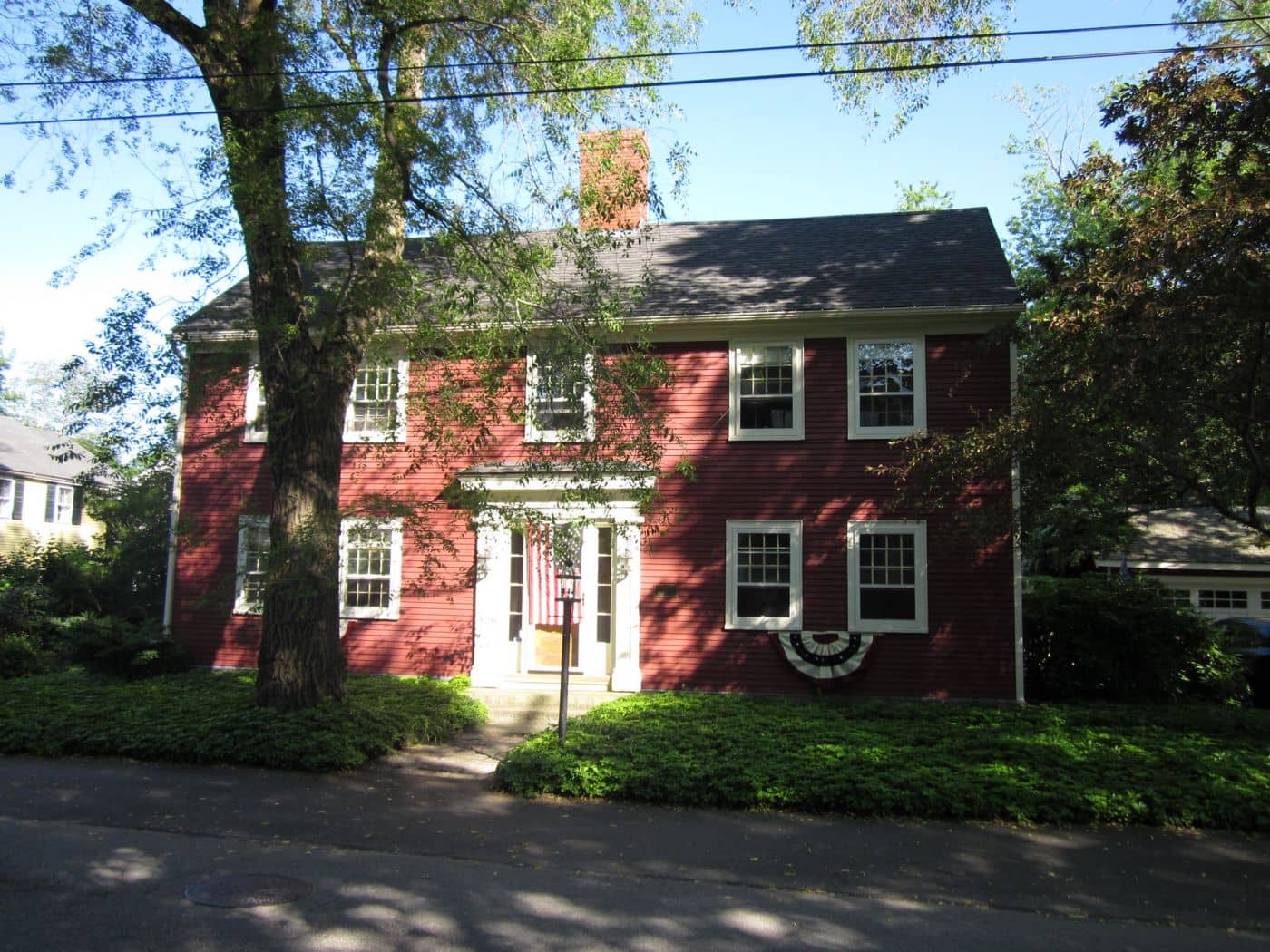
Southern Maine Coast
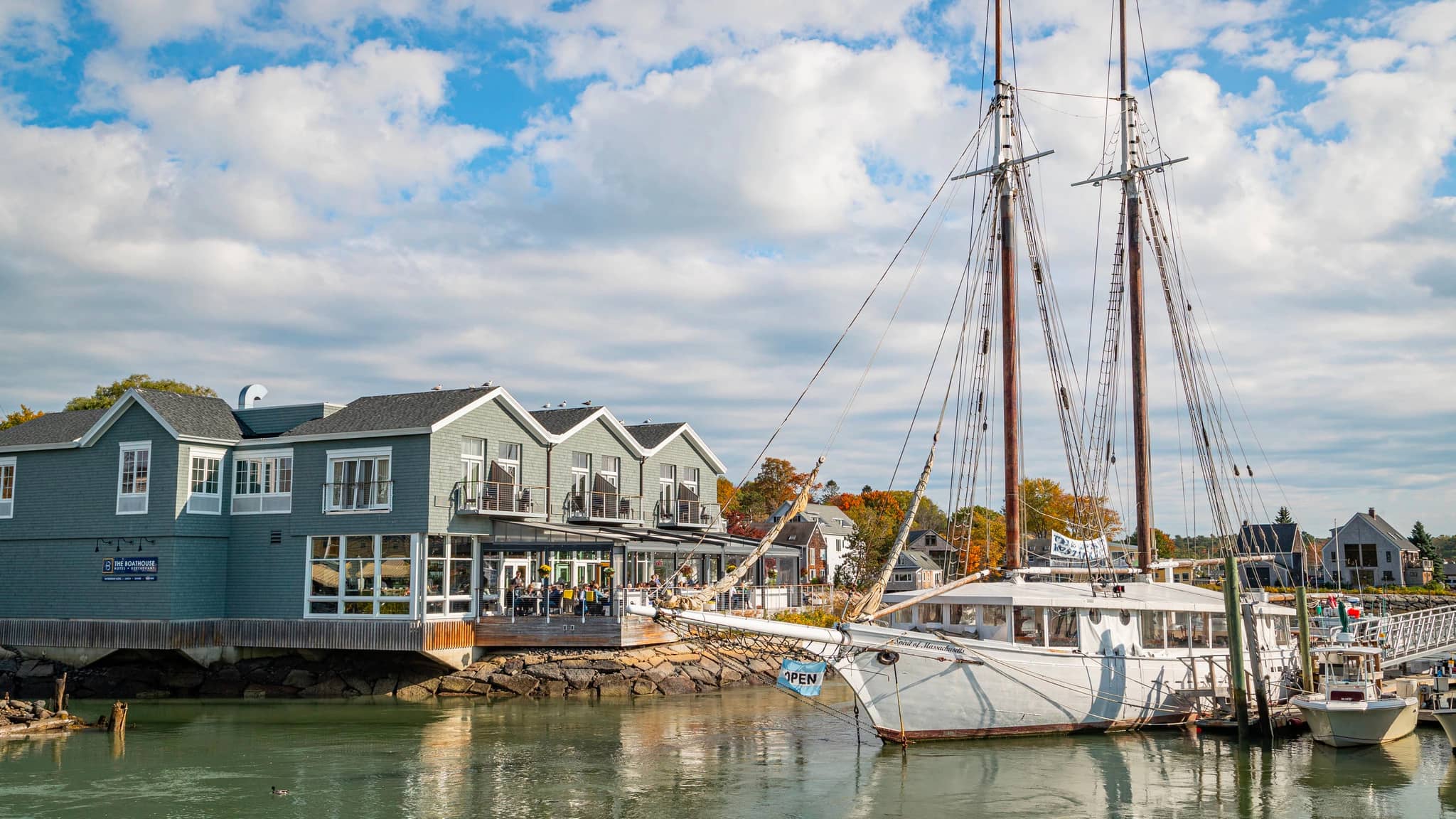
Dock Square boutiques, Goose Rocks Beach, and the Bush family's Walker's Point - the quintessential coastal Maine summer town.
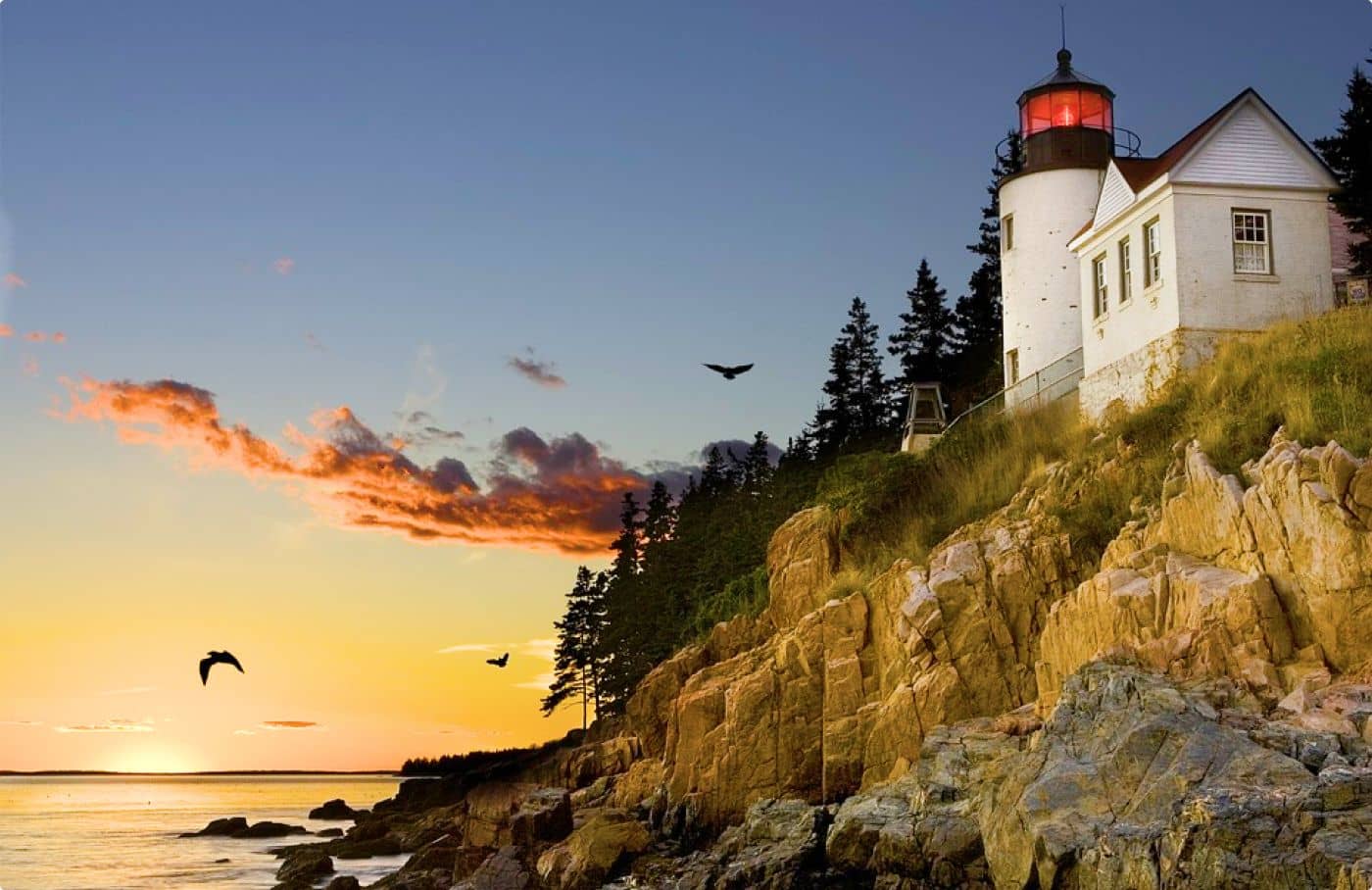
Greater Portland
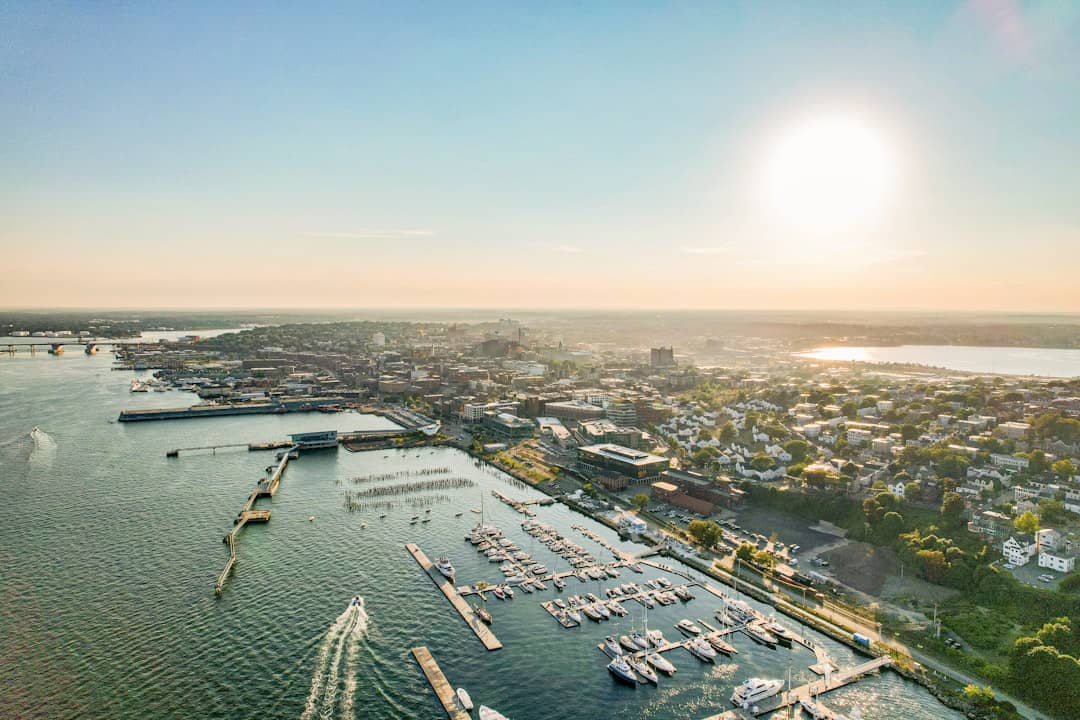
Maine's largest city - a working waterfront, Old Port cobblestones, and a food scene that punches well above its weight.
Midcoast Islands
Shipbuilding heart of Maine since 1743 - Bath Iron Works still launches destroyers past the Maine Maritime Museum on the Kennebec.
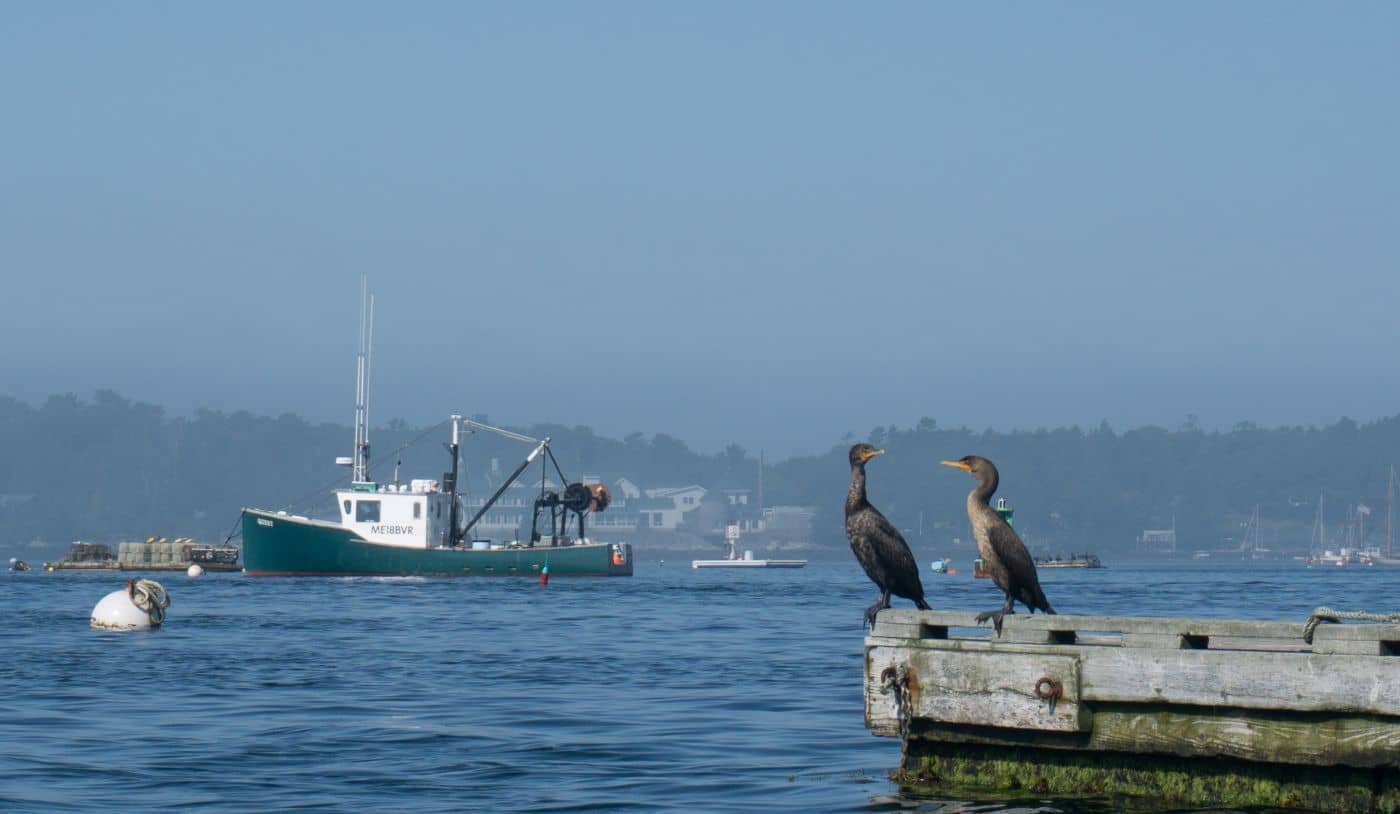
Midcoast Islands
A Midcoast harbor town built around boat trips, with the Coastal Maine Botanical Gardens just up the road.
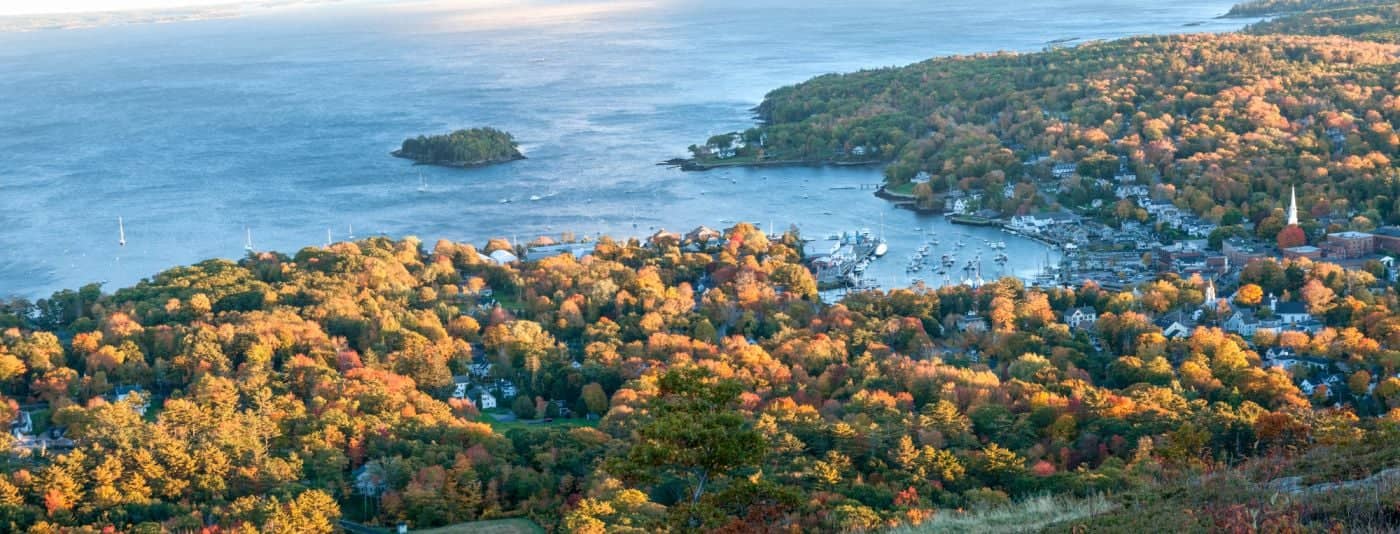
Midcoast Islands
Where the mountains meet the sea - windjammer harbor, Mount Battie summit views, and an independent village with real soul.

Greater Portland
Flagship home of L.L. Bean, open 24/7 - outlets, a tidal river, and surprisingly good eating between the shopping.
Southern Maine Coast
Postcard-perfect village of sea captains' mansions, Lower Village shops, and easy walks to Mother's Beach and Gooch's Beach.