Guide
Lobster Season in Maine: Shells, Meals and Timing

The honest answer to when is lobster season in Maine is that there isn't one, at least not in the way people expect. Maine lobster is available from a year-round fishery, subject to area-specific rules and haul-time restrictions, and there is no statewide closure. What actually changes through the year is which lobster you get, how much of it there is, and how many of the places that cook it are open. If you are planning a trip around eating lobster, the window you want is roughly July through October.
Maine lobster is harvested and sold year-round, while new-shell lobster is primarily a summer-and-fall choice. Plan a food trip around the market or restaurant you want to use, not a guaranteed cheapest month. Shell condition, the meal format and the seller’s actual season are separate decisions.
| Question | Useful answer |
|---|---|
| Can you buy lobster all year? | Yes; seller availability still varies |
| When should you look for new-shell lobster? | Primarily summer and fall |
| Is a summer price guaranteed to be lowest? | No; compare the actual product and quote |
| Can new-shell lobster be shipped? | Yes, with suitable supplier handling and packaging |
The buying decision is more useful than a single season label. Choose the product, the seller and the meal, then let the date shape the available options. A new-shell whole lobster and a restaurant roll are different purchases, and their prices should not be compared as though they were standardized servings.
The month descriptions below retain the guide’s seasonal context. Read them alongside the current quote and the actual seller’s operating calendar. The trip can be built around a memorable meal without promising that every pound is open, every shell is the same or a particular month always delivers the lowest price.
Planning choices
The Maine Lobster Marketing Collaborative buying guide distinguishes shell condition and year-round availability. Its buyer’s guide also explains that modern handling allows new-shell lobster to travel beyond Maine.
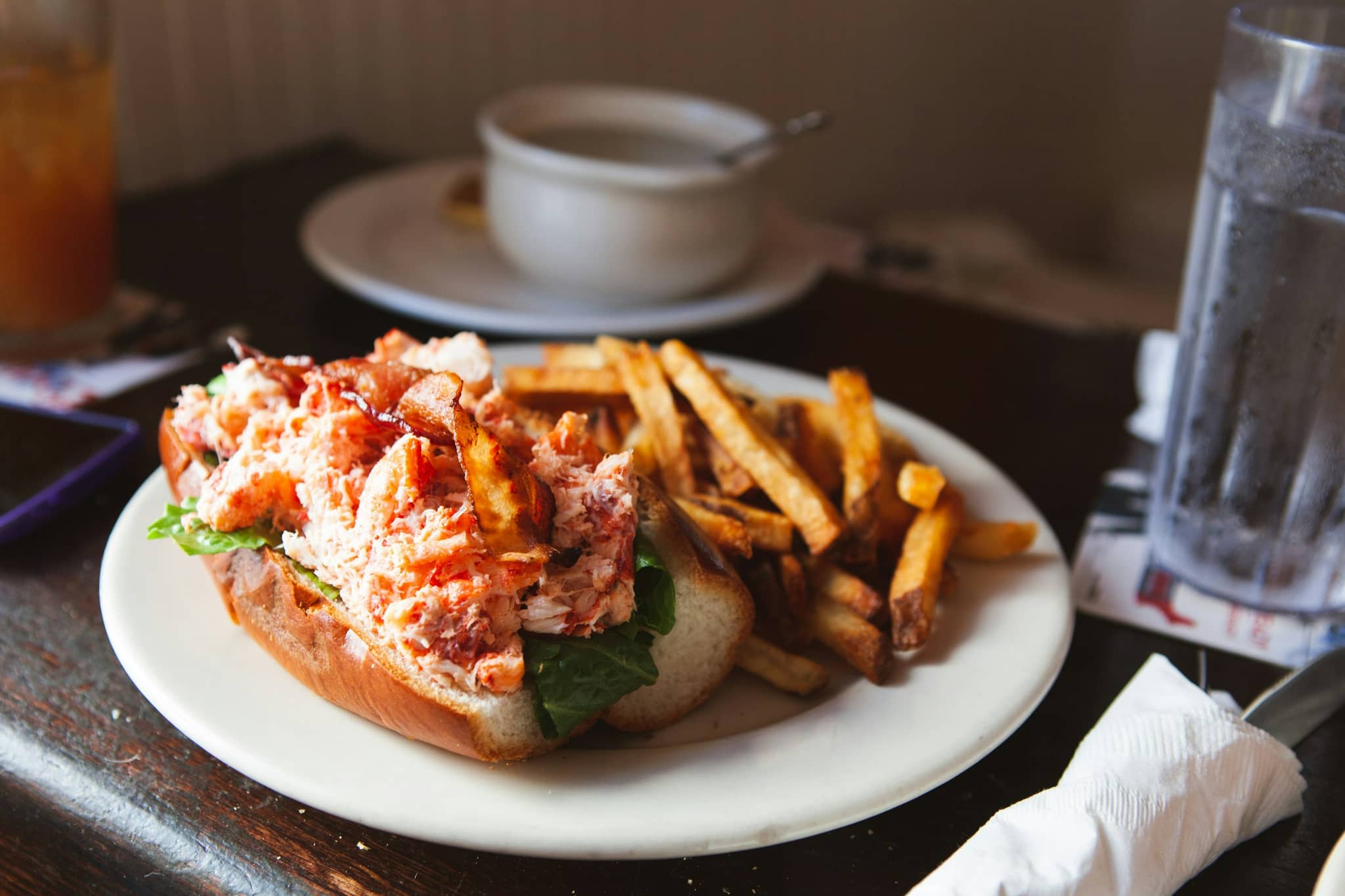
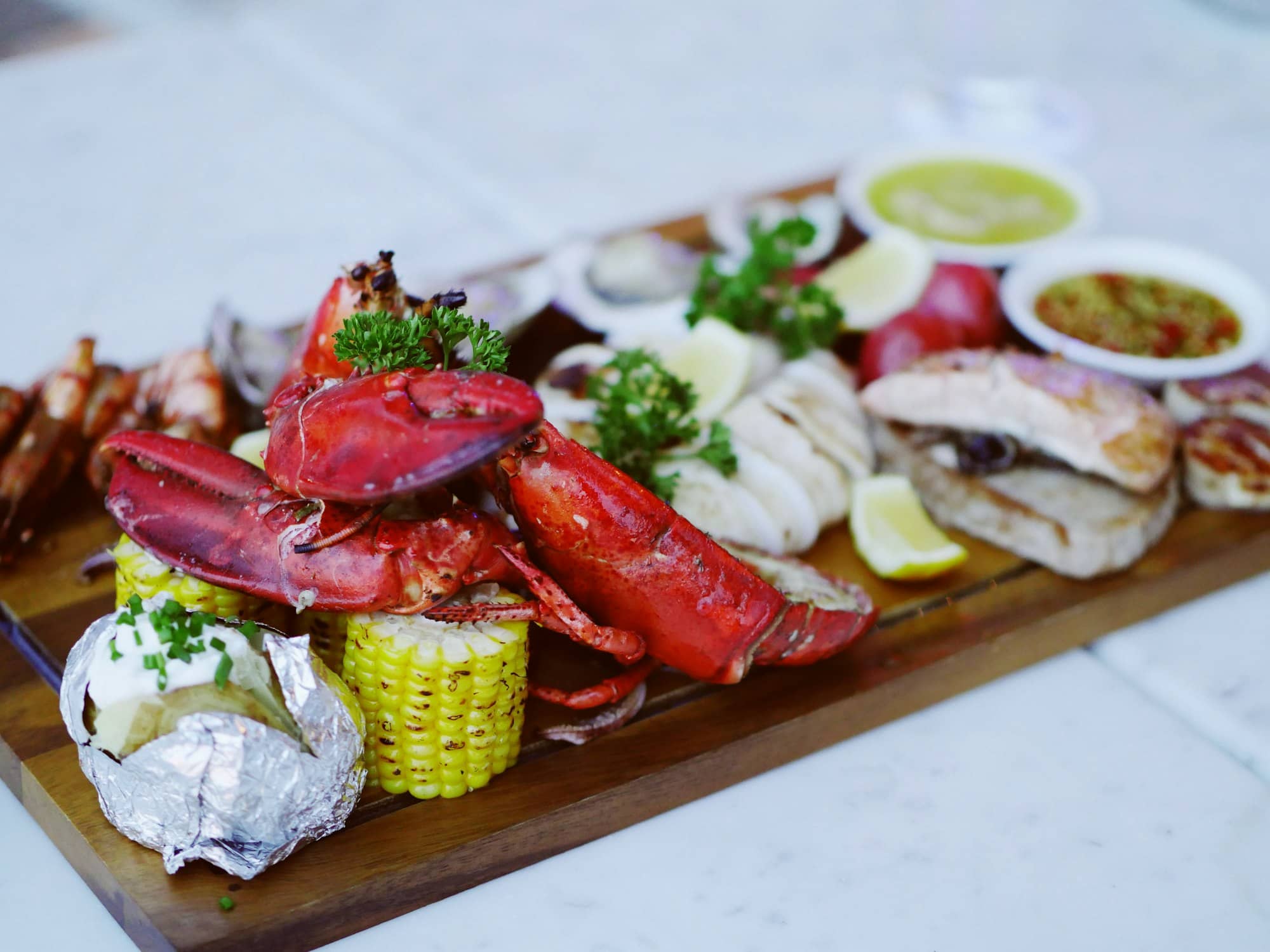
For a visitor, choose between a whole-lobster meal, a lobster roll and a market purchase first. The dated price tool describes named menu items, not the price of every live lobster. Use seasonal planning, the coast guide and the road itinerary to place the meal within the trip.
A Portland, Rockland, Bar Harbor or Boothbay Harbor stay gives different local choices. Select the seller and product that fit that base instead of driving between regions to chase an assumed seasonal bargain.
For more trip planning, see Maine Lobster Roll Prices 2026: A $29–$38 Snapshot.
The short answer
Maine's lobster fishery is open year round. Boats haul in February the same as they haul in August. There are simply far fewer of them, they are working further offshore, and the weather takes days away from them. Landings climb steeply through the summer, peak in the fall, and fall off through the winter and spring.
So the useful question is not whether lobster is in season, but which season you are eating in. There are effectively two, and the difference between them is bigger than most visitors realize.
The shed is what actually matters
A lobster grows by molting: it splits its shell along the back, backs out of it whole (legs, claws, antennae and all) and emerges with a soft new shell it then has to fill out. That process is called the shed, and Maine's lobsters do it in warm, shallow inshore water. It typically begins in late June or early July and continues in waves through the fall, timing shifting a couple of weeks either way depending on how quickly the water warmed that spring.
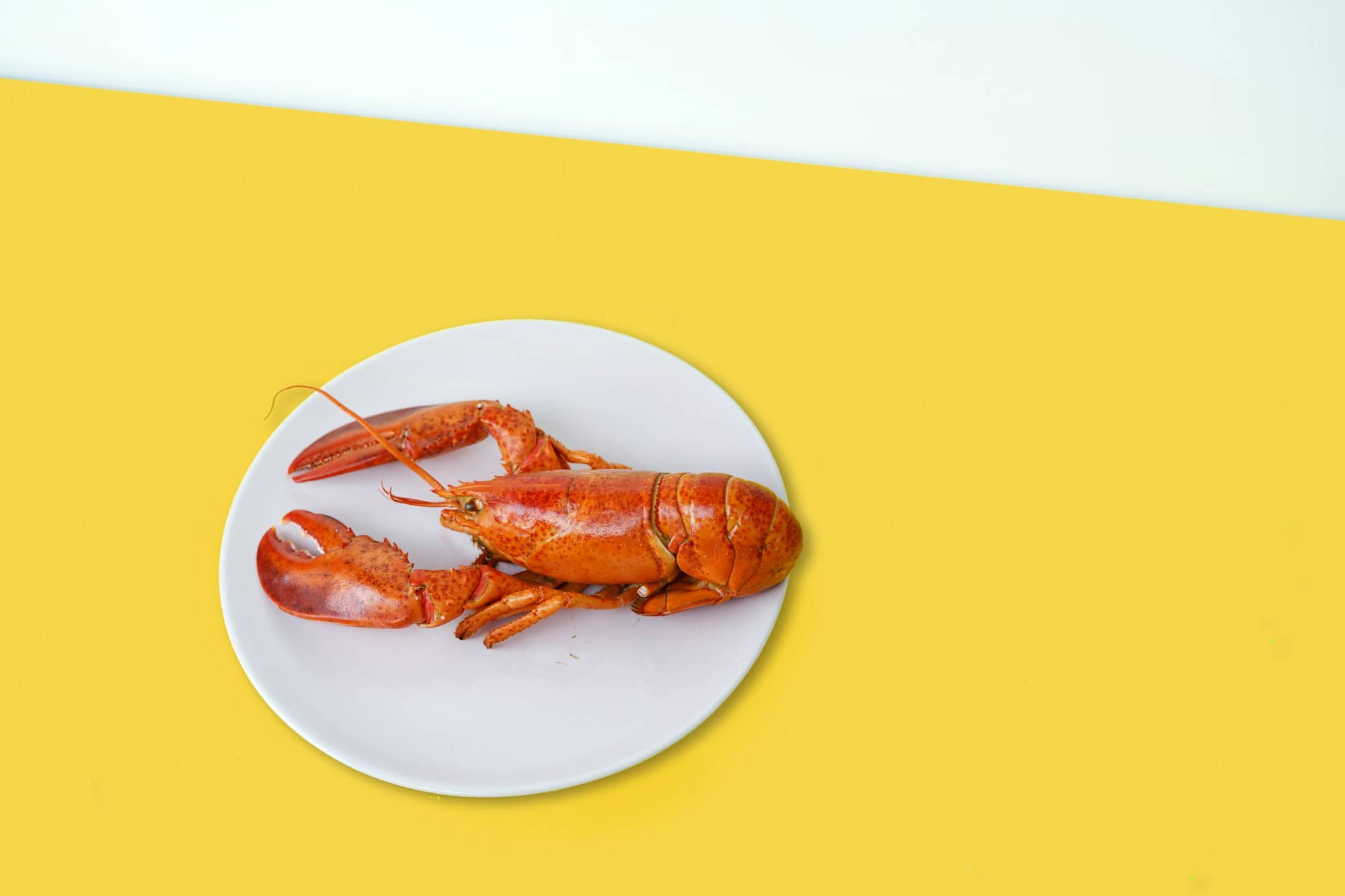
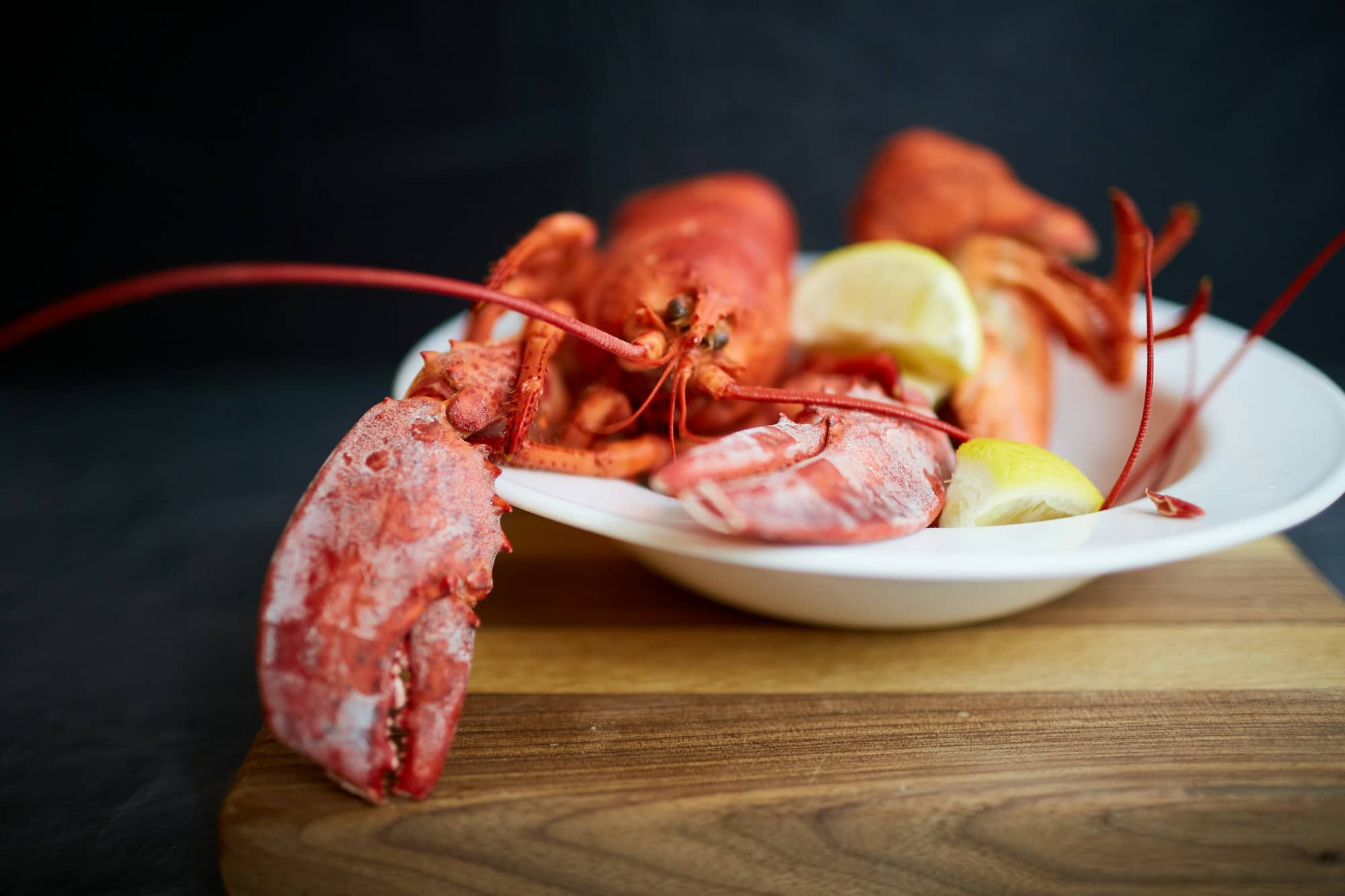
A lobster caught in the weeks after it molts is called a shedder, a new-shell, or a soft-shell. It is a genuinely different product from the hard-shell lobster you can buy in January:
- The shell is thin enough to crack with your hands. With suitable handling and packaging cracker, no picks, no bib-and-mallet performance.
- The meat is sweeter and more tender, because the animal is still drawing water and hasn't packed the shell tight with muscle.
- There is less meat per pound. A soft-shell lobster is carrying a lot of seawater; a hard-shell of the same weight yields noticeably more.
- It requires suitable handling to travel. New-shell lobsters need careful handling, but the industry’s buyer’s guide describes packaging that allows them to be shipped beyond Maine. Availability and price depend on the supplier and the product.
Ask for shedders when they are running. Most locals do, and most visitors don't know to.
Soft-shell versus hard-shell
| Feature | Soft-shell (shedder) | Hard-shell |
|---|---|---|
| When | Roughly July to October | Year round; dominant November to June |
| Shell | Thin, cracks by hand | Hard, needs tools |
| Meat texture | Sweeter, more tender | Firmer, denser |
| Meat per pound | Less, more water in the shell | More |
| Price per pound | Varies by product, supplier and date | Varies by product, supplier and date |
| Ships well | No | Yes |
| Best used for | Steamed whole, eaten on site | Lobster rolls, stews, shipping home |
Neither is better. They are for different jobs. If you want to sit at a picnic table by the water and take a lobster apart with your hands, you want a shedder in August. If you want to fill a lobster roll or ship a box to your parents, you want hard shell.
Month by month
- January to March. The thinnest part of the year. Boats are offshore in deep water and lose days to weather. Hard shell only, at the highest prices of the year, and most seasonal lobster pounds are shut. Year-round markets and restaurants in Portland, Bangor and the larger towns still have it.
- April and May. Supply starts to rebuild as boats move back inshore. Still hard shell, still excellent. Seasonal pounds begin opening around late May.
- June. A transition month. Hard shell through most of it, with the first shedders showing up toward the end depending on water temperature. Individual seasonal sellers follow their own opening dates and the crowds have not fully arrived.
- July and August. Peak shedder season and peak everything else. A substantial summer food season, with actual supply, prices and opening days varying by seller, and the longest lines you will stand in all year.
- September and October. The best combination on the calendar. Shedders are still running, the water is at its warmest, prices stay soft, and the summer crowds thin out sharply after Labor Day. If you can pick your week, pick one here.
- November and December. Landings are still strong but the shell is hardening back up and the seasonal places close through October and November. This is when shipping season really starts.
Buying it straight from a market
Eating at a lobster pound is one route. Buying live lobster from a co-op or fish market and cooking it yourself (or having them steam it for you, which most will do) is cheaper, faster, and available in far more towns. Many markets will cook your order while you wait if you call ahead.
These are real markets from our places corpus, with their captured Google ratings, spread across the coast so there is one near wherever you are staying.
| Market | Town | Rating | Reviews |
|---|---|---|---|
| Harbor Fish Market | Portland | 4.7 | 1,537 |
| SoPo Seafood | South Portland | 4.8 | 810 |
| Free Range Fish & Lobster | Portland | 4.6 | 704 |
| Pine Tree Seafood & Produce Co. | Scarborough | 4.8 | 459 |
| Bayley's Lobster Pound | Scarborough | 4.5 | 480 |
| Wells Beach Lobster Pound | Wells | 4.6 | 823 |
| Off The Boat Lobsters | York | 4.8 | 364 |
| Three Sea's Fish and Lobster | Kennebunkport | 4.9 | 131 |
| Atlantic Edge Lobster | Boothbay Harbor | 4.7 | 174 |
| Jess's Market | Rockland | 4.8 | 342 |
| Graffam Bros. Seafood Market | Rockport | 4.6 | 380 |
| Trenton Bridge Lobster Pound | Trenton | 4.4 | 1,688 |
| Parsons Lobsters | Bar Harbor | 4.8 | 387 |
| Dorr Lobster Seafood Market | Ellsworth | 4.7 | 540 |
Two practical notes on that list. Trenton Bridge Lobster Pound is the most-reviewed lobster operation on the list at 1,688 reviews and sits right on the road every Bar Harbor visitor drives, which is exactly why its 4.4 rating trails the smaller markets. Volume flattens a score. And a fish market's opening hours are far more compressed than a restaurant's; several of these close mid-afternoon and some close entirely on Sundays and Mondays. Check the current hours on the market's own site before you drive.
Markets in Portland, Rockland, Ellsworth and Bangor tend to run year round. The smaller shoreside ones in Boothbay Harbor, Wells and the outer harbors are more likely to be seasonal.
The rules that keep it going
Maine's lobster fishery has been landing large volumes for a long time, and that is not luck. The management system is unusually strict and largely self-imposed by the fishermen themselves through elected zone councils.
The pieces worth knowing about:
- A minimum and a maximum legal size. Lobsters are measured across the carapace with a brass gauge. Anything under the minimum goes back so it can breed at least once; anything over the maximum goes back too, because big lobsters are the most productive breeders in the population. Very few fisheries anywhere protect the large end of the stock. The exact measurements are set by regulators and have been revised, so check the Maine Department of Marine Resources for current figures.
- Egg-bearing females go back. A female carrying eggs under her tail is returned to the water, no exceptions.
- The V-notch. When a lobsterman hauls an egg-bearing female, he cuts a small V into one of her tail flippers before releasing her. That notch marks her as a proven breeder, and any lobster carrying a V-notch is illegal to land for years afterward, whether or not she is carrying eggs at that moment. It is a voluntary practice that became law, and it is the single most distinctive thing about how Maine manages the stock.
- Trap limits and an apprenticeship. There is a cap on how many traps any one license holder can fish, and getting a commercial license means logging time as an apprentice under an existing license holder. Waiting lists in the busiest zones run years long.
All of which explains the price of a lobster more honestly than any menu ever will.
Eating it versus shipping it
If you want to send lobster home, buy hard shell and buy it from a market that ships as a matter of routine. Most of the year-round operations do. New-shell lobsters can also be shipped with suitable handling and packaging; ask the supplier which product and delivery arrangement it supports.
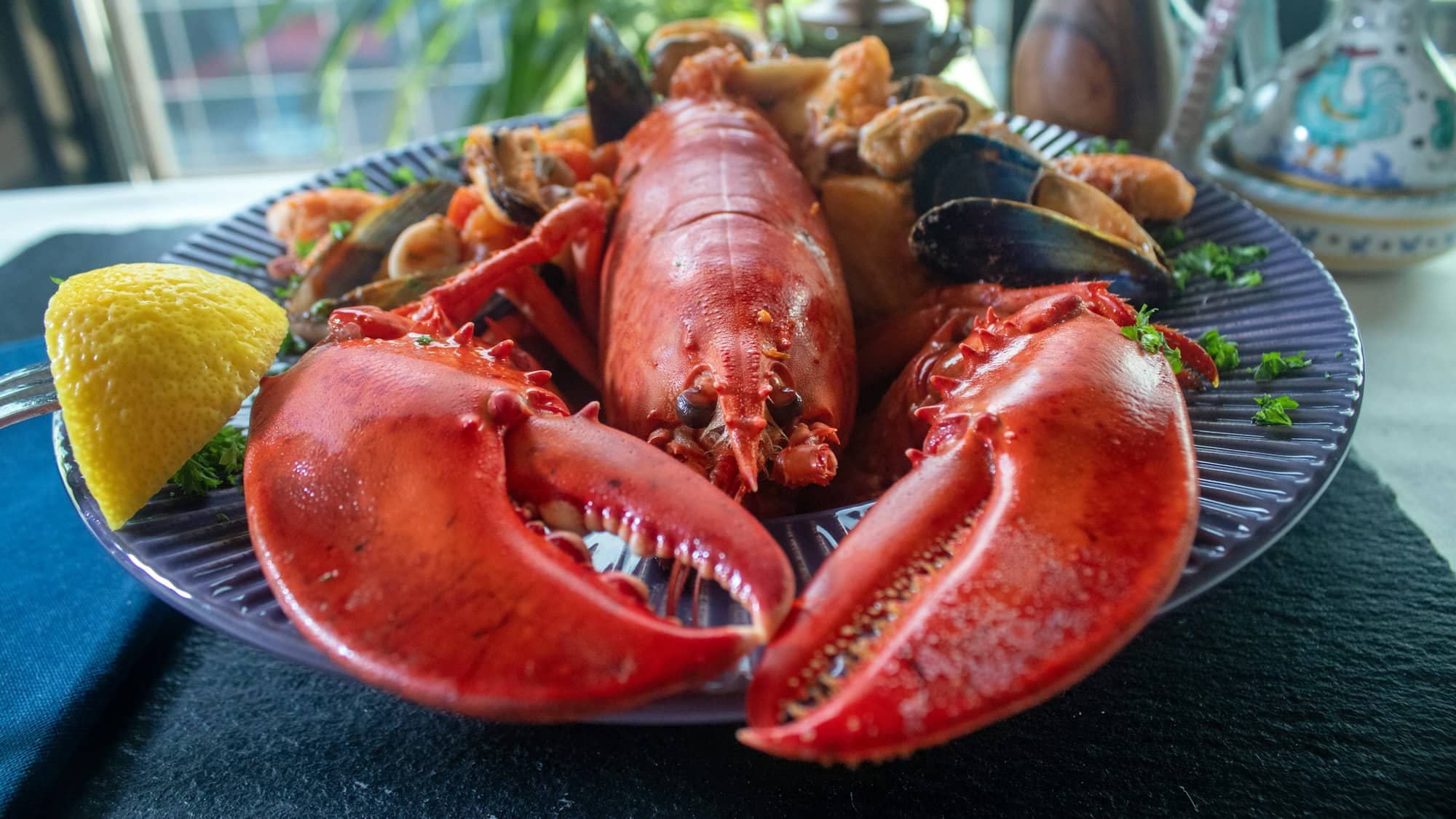
If you want to eat it here, the calculus is different. Go to a working pound or a co-op on the water, order shedders if it is shedder season, skip the sides, and accept that the best lobster you eat in Maine will almost certainly be served on paper at a picnic table. For where to do that, see our guides to Maine's lobster pounds and the state's best seafood restaurants.
Frequently asked questions
Where does a market purchase fit?
These market entries include dated Google ratings, spread across the coast so there is one near wherever you are staying.
When is lobster season in Maine?
Maine's lobster fishery is open all twelve months. There is no statewide closed season. What changes is supply and shell condition. Landings build through the summer and peak in the fall, and the soft-shell or "shedder" season runs from roughly early July through October. For a visitor, July through October is the window when lobster is a useful summer-and-fall food-trip choice, with prices and seller calendars still varying.
What is the best month to eat lobster in Maine?
Choose summer or fall when new-shell lobster is the priority, then choose the seller and actual meal. September can suit a food-centered coastal trip, but it does not guarantee the lowest price, an annual water-temperature peak or every seller’s opening. Compare the current product and quote rather than choosing a month on an assumed bargain.
Can you get Maine lobster in the winter?
Yes. Boats fish through the winter, working further offshore in deeper water, and year-round markets and restaurants in Portland, Rockland, Ellsworth and Bangor stock lobster all year. Expect hard-shell only, higher prices, and a lot of closed doors. Most seasonal lobster pounds shut down between late October and late May.
Why is Maine lobster cheaper in the summer?
Because summer is when the inshore shed happens, and shedders flood the market. New-shell supply and handling differ from hard-shell supply, but modern packaging allows shipping beyond Maine; a local-only market is not a reliable explanation for every price. A hard-shell lobster in February is scarcer, holds more meat per pound, and can be sold anywhere in the country. Three separate reasons it costs more.
Does the seasonal recommendation set the legal fishing rules?
No. This is a visitor food-planning guide. Area-specific seasons, haul times and license rules remain subject to the Maine Department of Marine Resources.
Does one menu snapshot prove which month is cheapest?
No. A dated roll price records a particular menu item. It cannot establish an annual live-lobster price pattern or a guaranteed bargain for a future visit.
Sources and date
Existing source copy captured October 4, 2026; unchanged fields retain their source status. New decision facts come from the linked listing or guide. Specific corrections checked October 4 against MLMC buying guidance, its linked buyer’s guide, and DMR fishery information.