
1
Gray
See main listingMaine Wildlife Park - rehabilitated moose, bears, and bald eagles on show - plus Dry Mills and Cranwell Preserve access.
Details

Guide
More than 30 species of Maine wildlife live at the park, including animals such as porcupines, bobcats, foxes and raptors. Some residents were injured or orphaned; others became dependent on people and cannot return to the wild. The experience centers on care, education and wildlife conservation.
The Maine Wildlife Park in Gray is the most reliable place in the state to see a moose, and that is a slightly awkward thing to say about a place with fences. It is not a zoo in the ordinary sense: every animal here was injured, orphaned, or raised too close to people to survive on its own. The state runs it, and it exists because those animals had nowhere else to go.
The Maine Wildlife Park is at 56 Game Farm Road in Gray, just off Route 26 about 25 minutes north of Portland and a couple of minutes from the Maine Turnpike. It holds a 4.7 rating from nearly 2,500 Google reviews, which puts it among the highest-volume attractions in inland southern Maine.
It is owned and run by the Maine Department of Inland Fisheries and Wildlife: the same agency that manages hunting, fishing, and wildlife policy across the state. That matters, because it explains what the park is and is not. There is no breeding program, no imported exotic species, no animals acquired for display. Everything living here is a native Maine species that came in through the state's wildlife system as non-releasable.
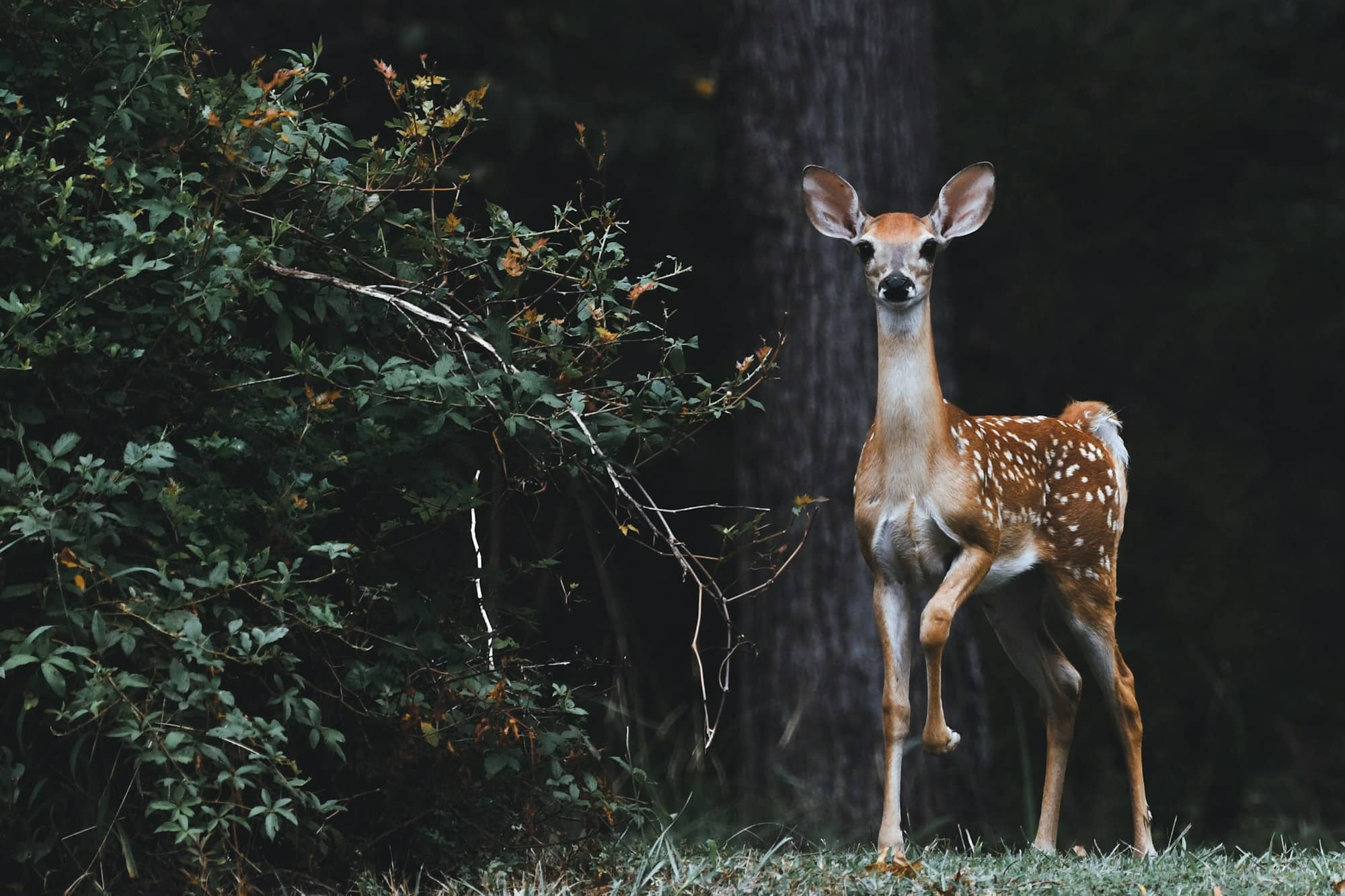
Over 30 species are on site. The headline residents are moose, black bear, and white-tailed deer, along with lynx, bobcat, fisher, porcupine, raccoons, and a raptor collection that includes bald eagles and owls. The moose are the reason most people drive up. Seeing one in the wild in Maine takes luck, an early start, and usually a trip well north; here you look over a fence.
The site opened in 1931, and its original job was almost the opposite of its current one. Maine's Department of Fish and Game established a state game farm here to raise ring-necked pheasants (a non-native bird) for release and hunting. That was mainstream wildlife management for the era.
The change happened by accident and then by design. A state facility with pens, food, and staff turned out to be where people brought injured and orphaned animals, and over decades the farm accumulated residents that could not be sent back out. The pheasant operation was finally shut down in 1981. A decade later the whole place nearly closed under state budget cuts, and survived largely because people turned up to defend it.
What emerged is unusual. The park's purpose now is education and care rather than display: signage explains why each animal is here, what happened to it, and (repeatedly) why picking up a fawn that appears abandoned is almost always the wrong call. The name on the road still says Game Farm.
It is seasonal. The park opens in spring and closes in the fall, and stays shut through winter. Do not plan a January visit. Within the season it operates daily, and there is an admission fee at the gate with reduced rates for children and seniors and free entry for the youngest. The department sets those rates; current amounts are on the park's own site.
Budget two to three hours. The layout is a walking loop through wooded enclosures on mostly level gravel paths. Stroller-manageable, and considerably more pleasant than a parking-lot zoo. There are picnic areas, a snack bar, a gift shop, and a trout pond. It is a good rainy-day option, and everyone else has worked that out too, so a wet July Saturday is the busiest it gets.
Two honest caveats. First, the enclosures are functional rather than expansive: this is a state-funded rehabilitation facility, not a modern accredited zoo with immersive habitat design, and visitors expecting the latter are the ones who leave disappointed. Second, animals are animals. The moose are frequently lying down in shade at the back of their enclosure, the bears sleep, and the lynx may not show at all. Mornings and cooler days are noticeably better for actually seeing things move.
If you have a genuine interest in seeing a moose in the wild rather than behind a fence, the park is a good primer but not a substitute. See our guide to moose watching in Maine for where and when that actually works.
For more in this radius, see our day trips from Portland.
Not in the usual sense. It is run by the Maine Department of Inland Fisheries and Wildlife and holds only native Maine species that were injured, orphaned, or habituated to people and cannot be released. There is no breeding for display and no imported exotic animals.
It runs a spring-through-fall season and is closed for the winter, operating daily within that window. Because the opening and closing dates shift year to year, check the park's own site before driving up rather than relying on a date printed elsewhere.
Yes. It is the most dependable place in Maine to see one, which is why many visitors come. Go in the morning or on a cool day for the best chance of seeing them up and moving; on hot afternoons they tend to be lying down at the back of the enclosure.
Two to three hours covers the full walking loop at a relaxed pace with time to read the signage, which is genuinely worth reading. Add more if you are eating at the picnic area. It pairs well with a swim at Range Pond or a hike up Bradbury Mountain to fill out a day.
Maine Wildlife Park - rehabilitated moose, bears, and bald eagles on show - plus Dry Mills and Cranwell Preserve access.
Guides



Destinations
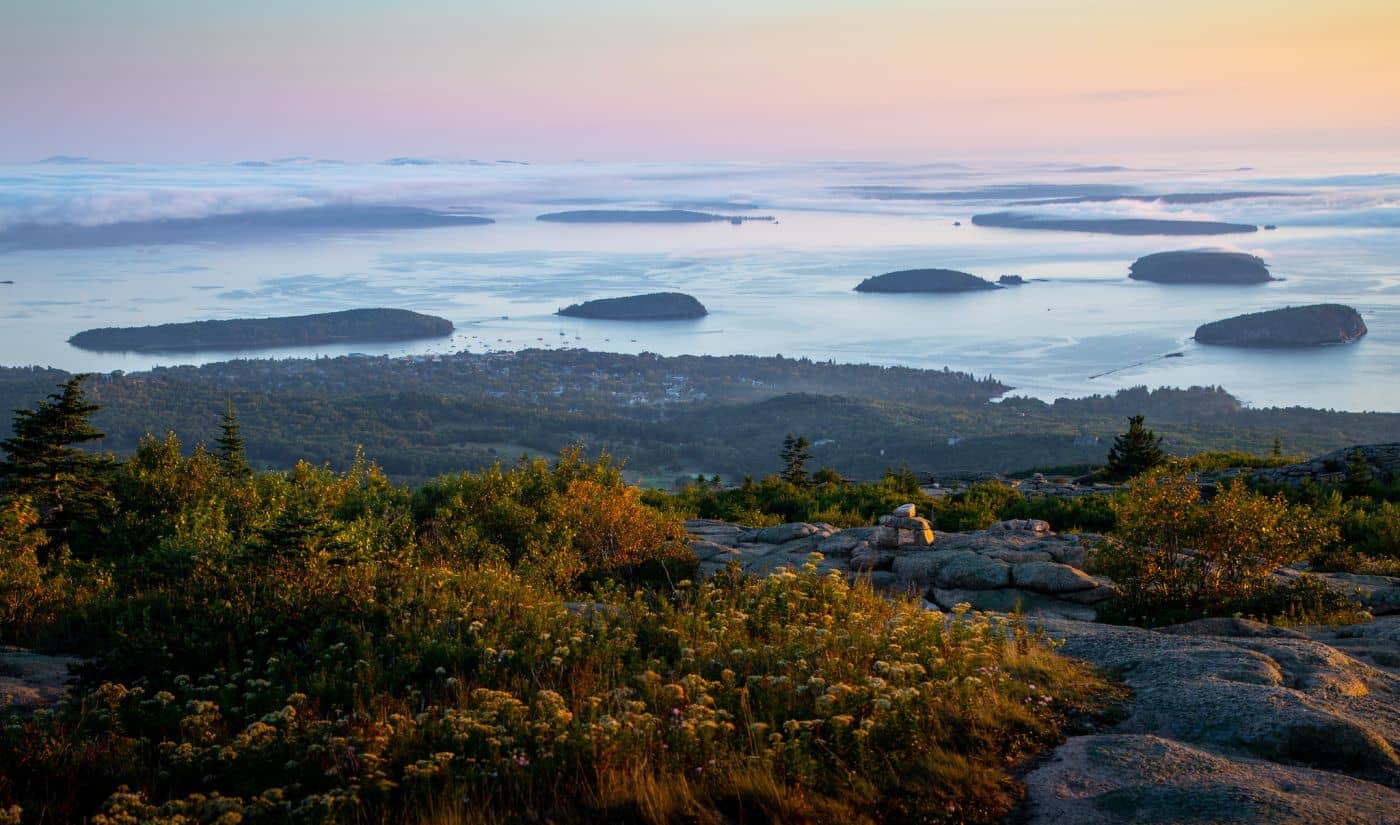
Downeast & Acadia
Gateway to Acadia National Park - Cadillac Mountain, puffin cruises, and a harbor town that fills with cruise ships from May to October.
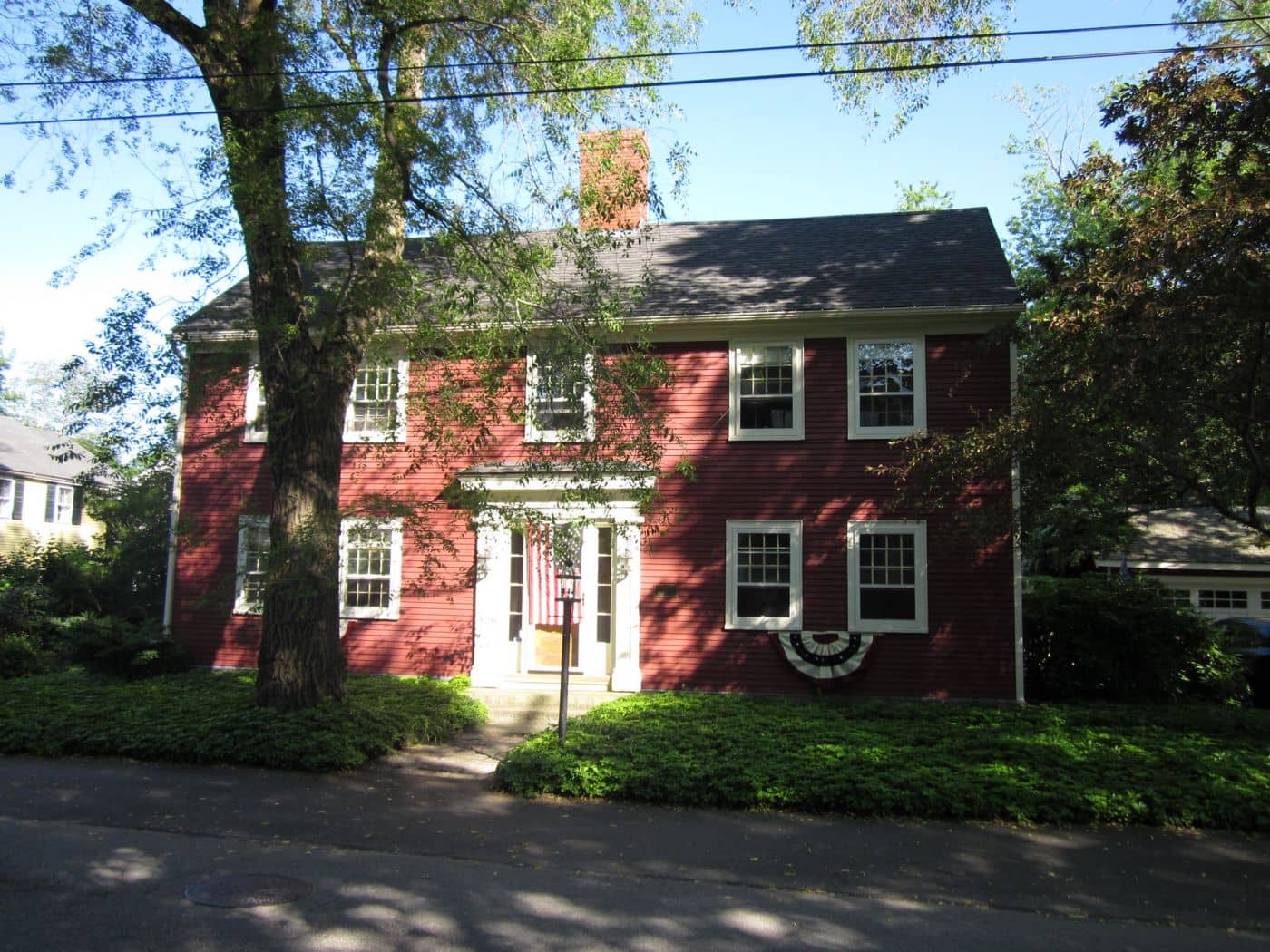
Southern Maine Coast
Dock Square boutiques, Goose Rocks Beach, and the Bush family's Walker's Point - the quintessential coastal Maine summer town.
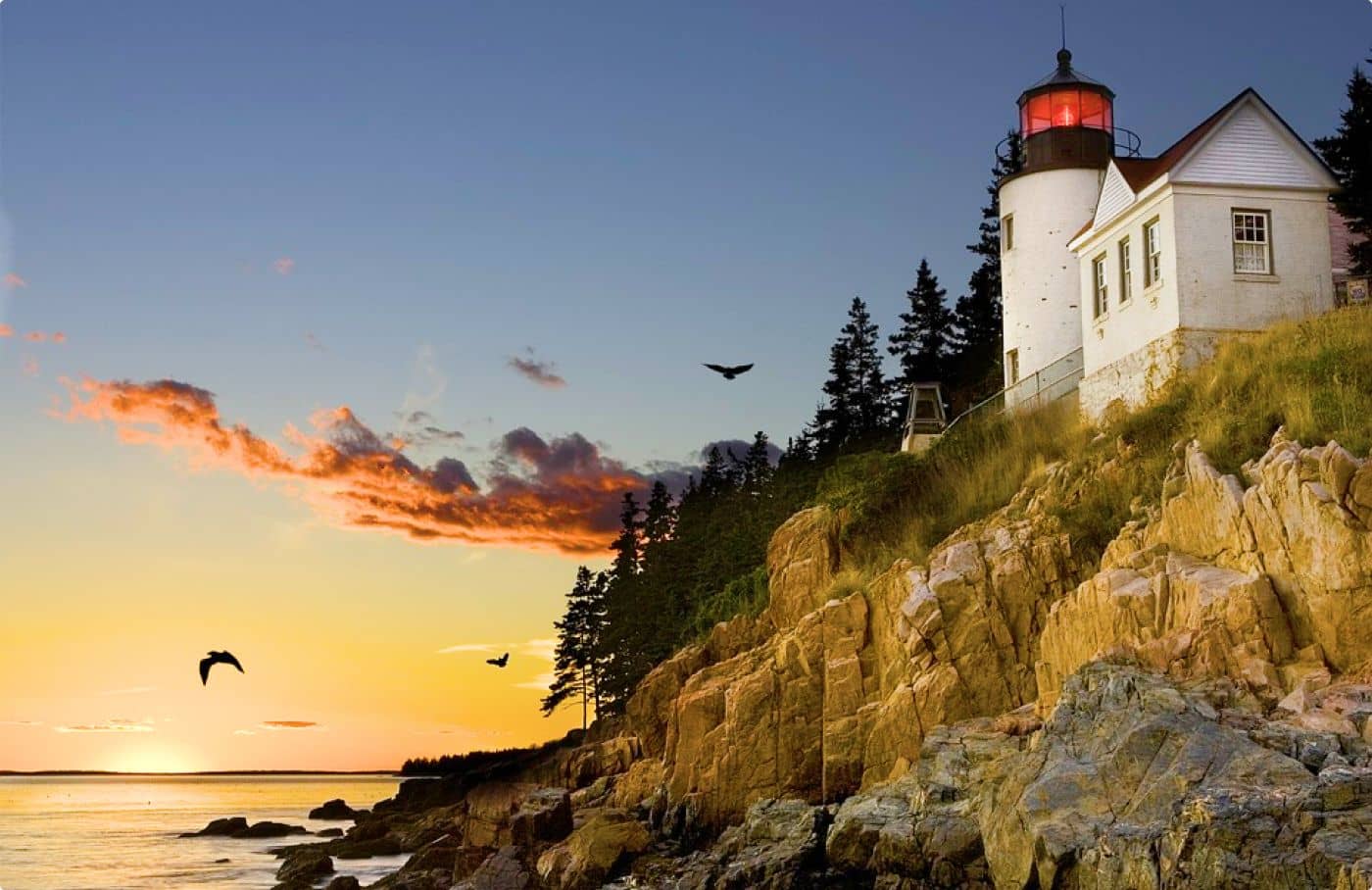
Greater Portland
Maine's largest city - a working waterfront, Old Port cobblestones, and a food scene that punches well above its weight.
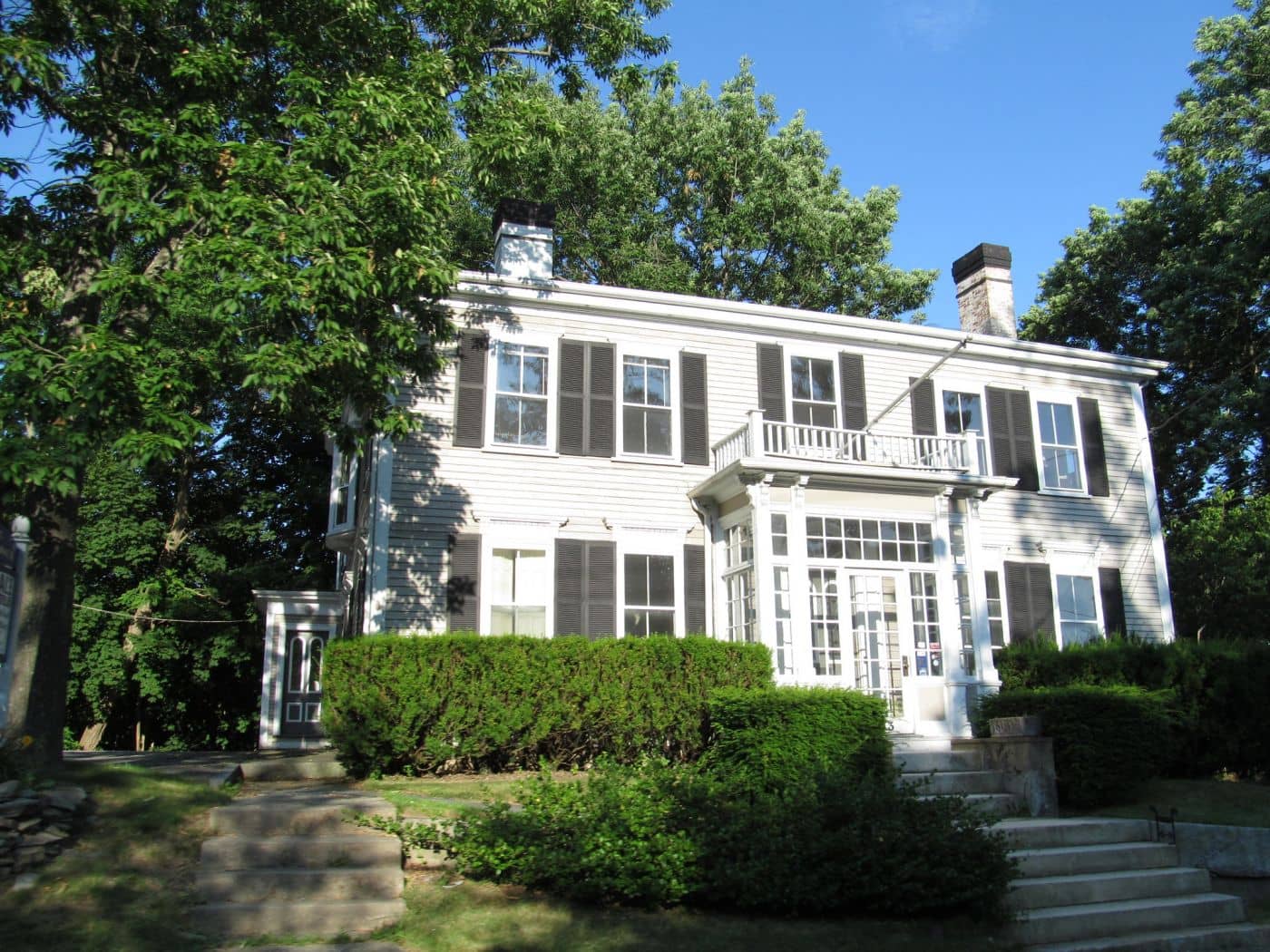
Midcoast Islands
Shipbuilding heart of Maine since 1743 - Bath Iron Works still launches destroyers past the Maine Maritime Museum on the Kennebec.
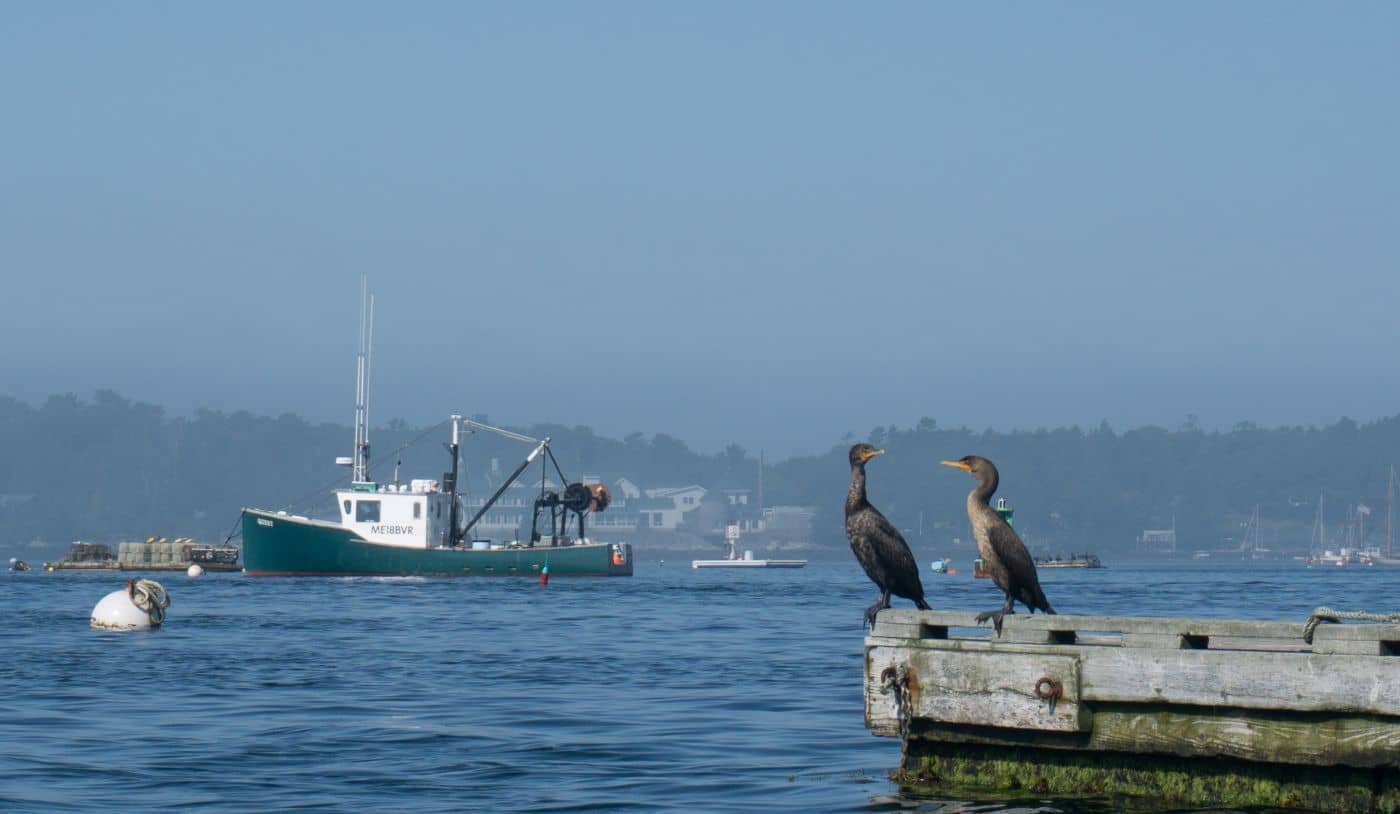
Midcoast Islands
A Midcoast harbor town built around boat trips, with the Coastal Maine Botanical Gardens just up the road.
Midcoast Islands
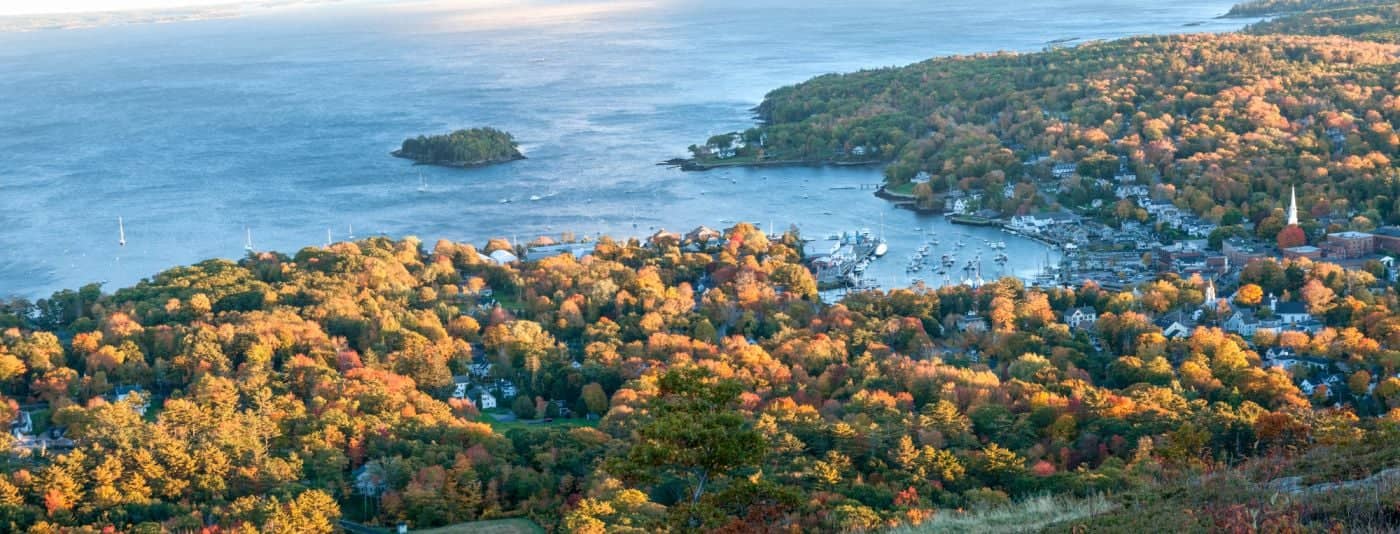
Where the mountains meet the sea - windjammer harbor, Mount Battie summit views, and an independent village with real soul.
Greater Portland
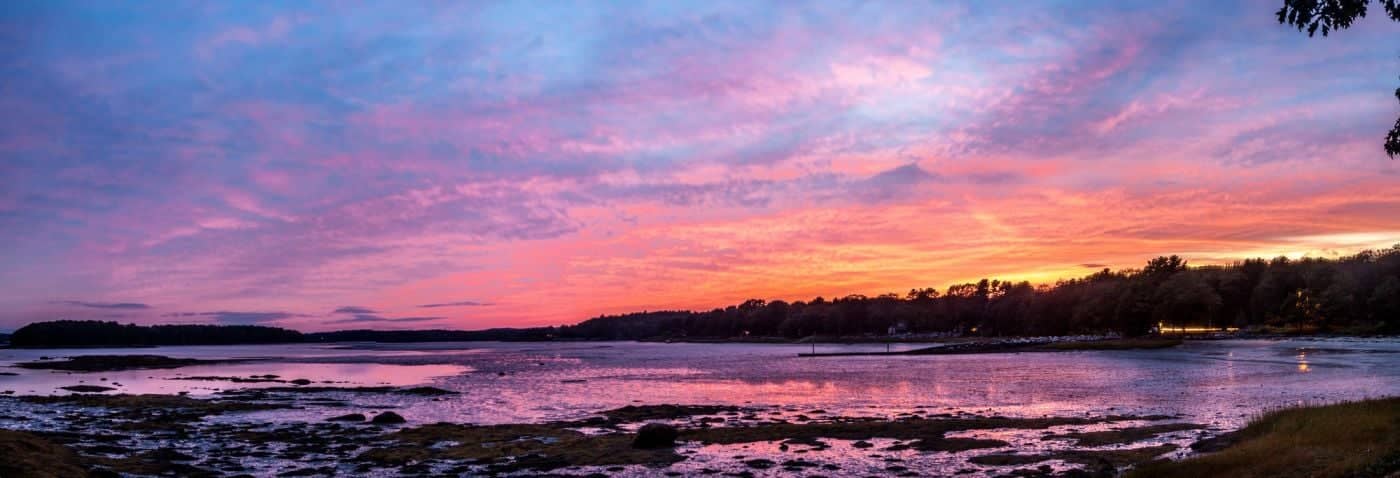
Flagship home of L.L. Bean, open 24/7 - outlets, a tidal river, and surprisingly good eating between the shopping.
Southern Maine Coast
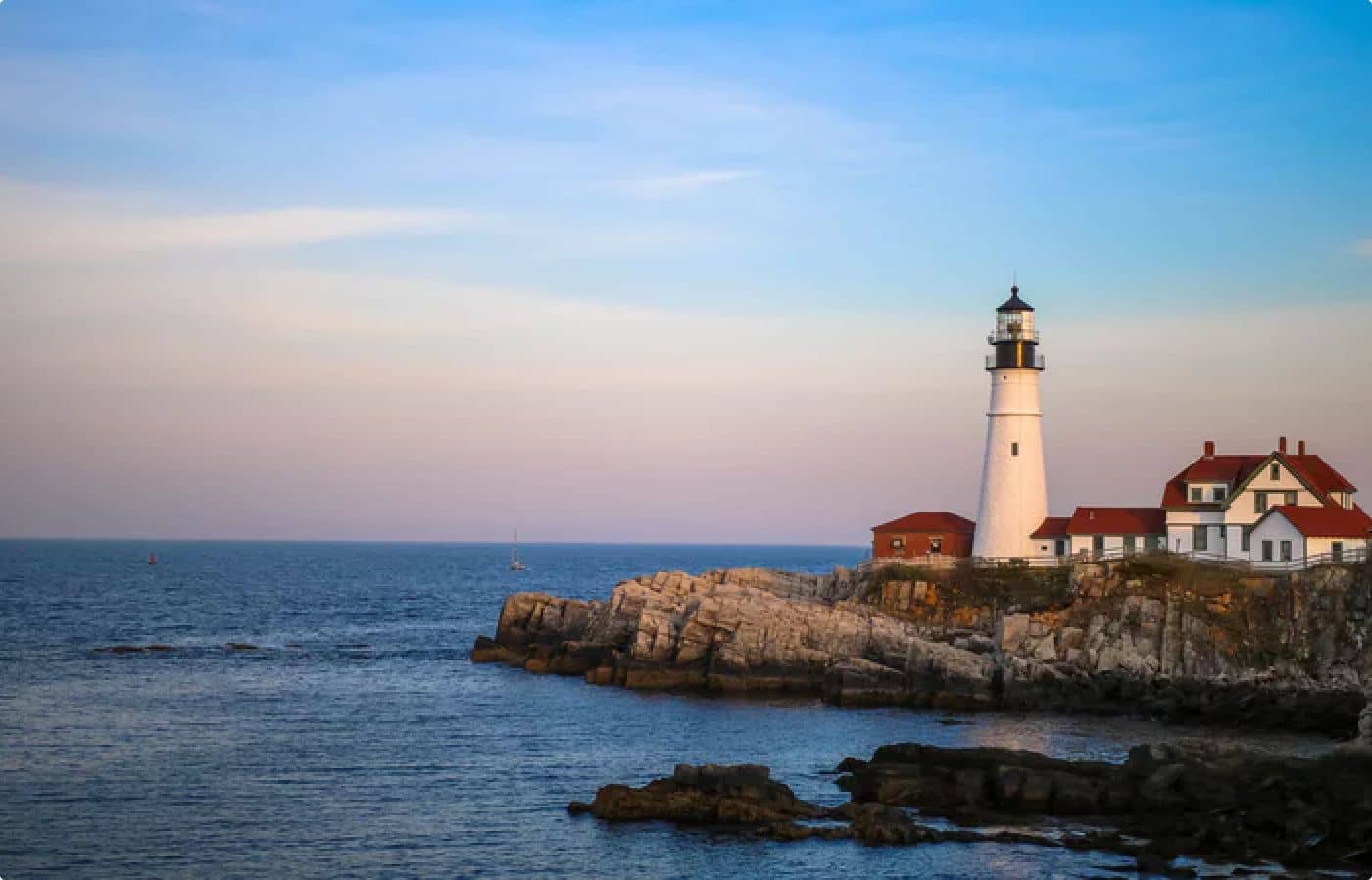
Postcard-perfect village of sea captains' mansions, Lower Village shops, and easy walks to Mother's Beach and Gooch's Beach.