1
Sebago Lake
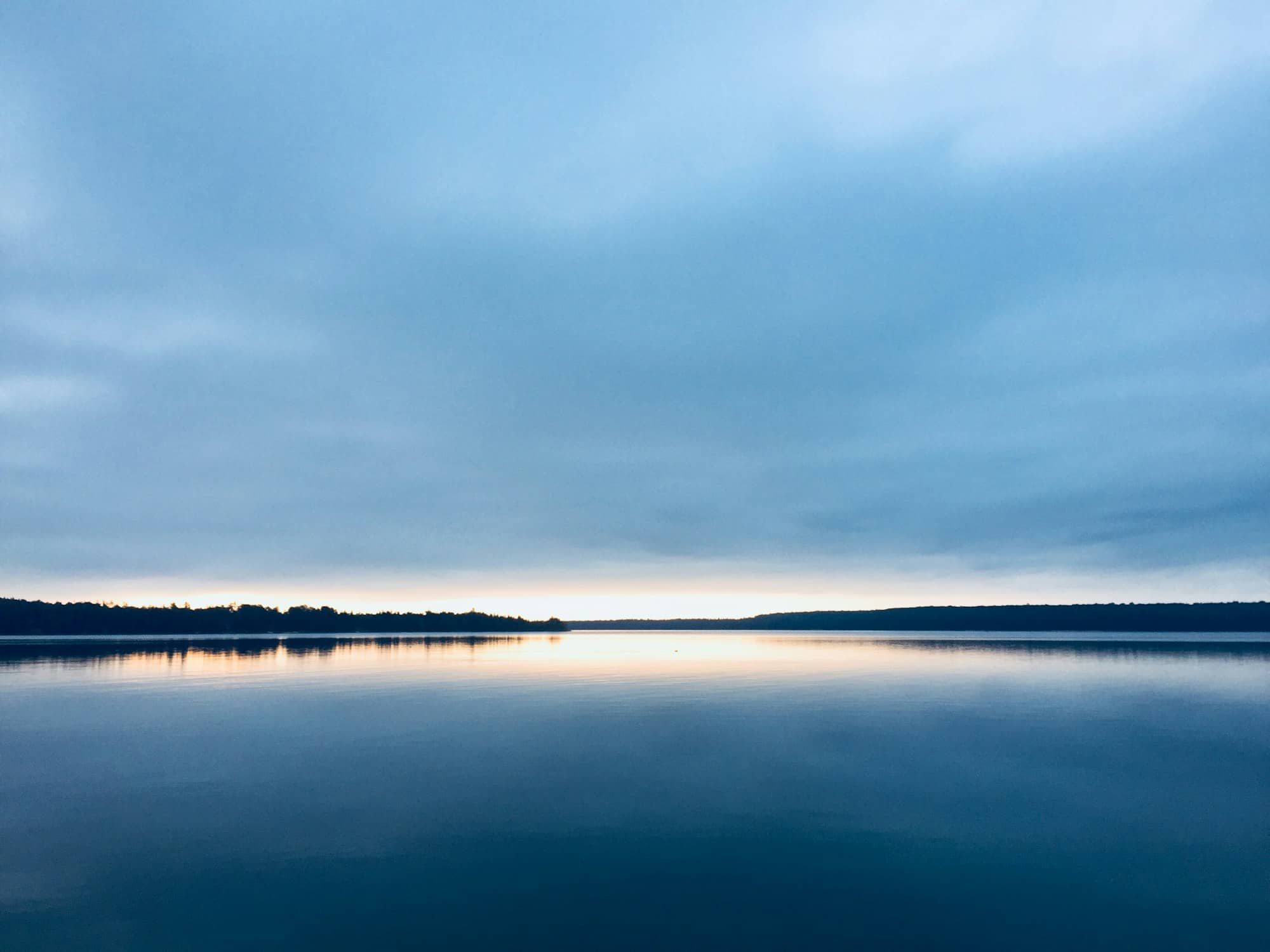
See main listingMaine's deepest lake and Greater Portland's water supply, ringed by state park beaches and summer camps.

Guide
Sebago Lake State Park is the busiest lakeside state park in Maine, and the reason is simple arithmetic: it has genuine sand beaches, a large campground, and it sits under an hour from Portland. The park holds a 4.6 rating from 1,592 Google reviews. It straddles the Songo River on the lake's northern shore, with the day-use beach on the Casco side and the campground on the Naples side.
Roughly 1,400 acres on the north end of Sebago Lake, split into two halves by the Songo River. One half is a day-use area built around a long sand swimming beach with a picnic ground behind it. The other is a wooded drive-in campground of around 250 sites, several of them close enough to the water to hear it.
The two halves have separate entrances off Route 302. If you are going to swim for the afternoon, you want the day-use gate; if you are camping, you want Campground Road in Naples. Arriving at the wrong one in July costs you twenty minutes you will not enjoy.
The park is managed by the Bureau of Parks and Lands, the division inside Maine's Department of Agriculture, Conservation and Forestry that runs the state park system. The structure is the usual one: a seasonal operating window, a day-use fee at the gate with a lower rate for Maine residents, and campsites booked separately through the state's central reservation system, which opens on a rolling window ahead of the season. Fees change; maine.gov has the current numbers.
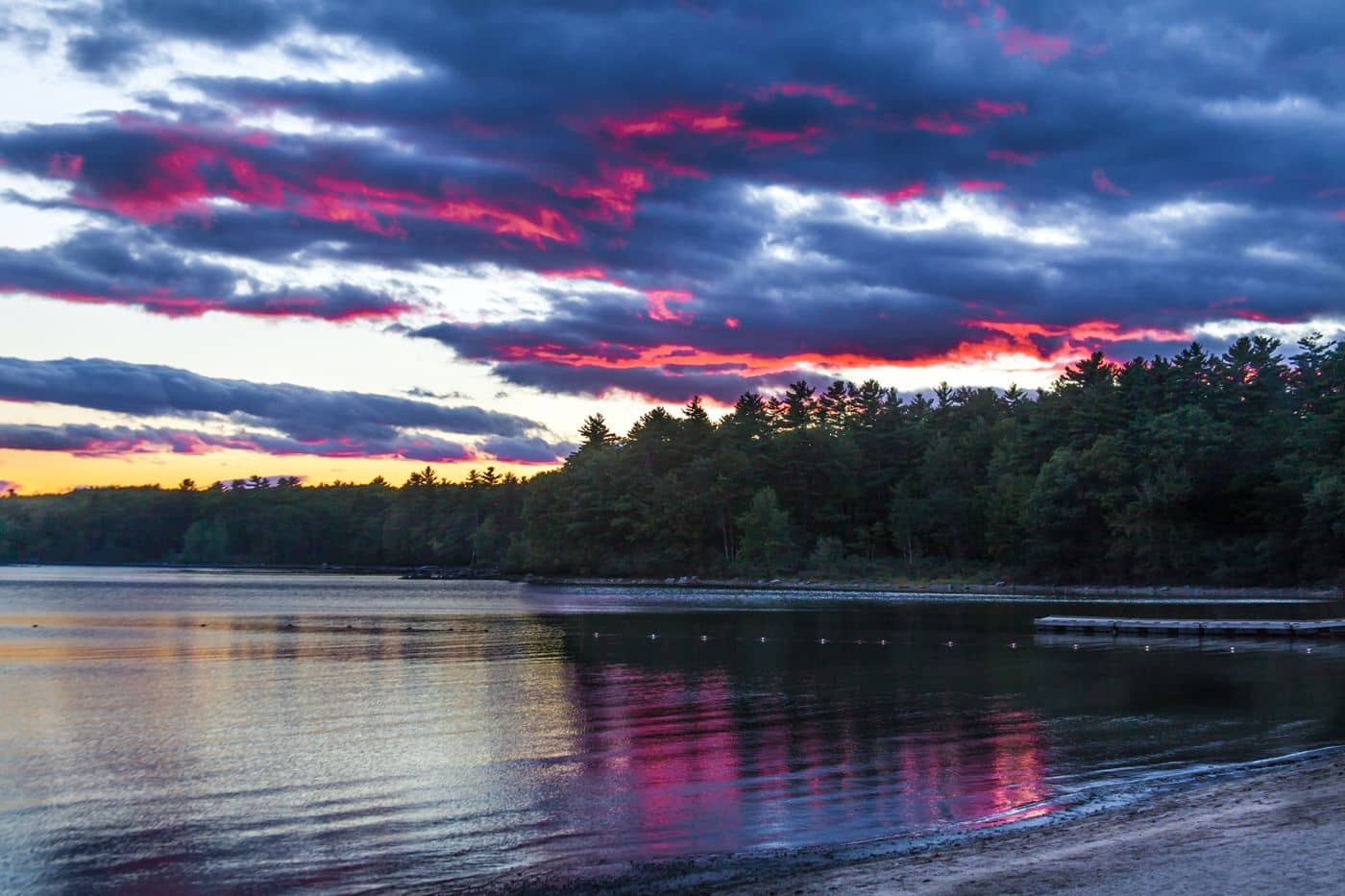
The beaches are the draw and they are real sand: unusual in Maine, where most lake shores are cobble or root-laced dirt. They shelve gently, which makes this one of the few big-water swims in the state that works for small children. There are boat launches, a fishing pier, and miles of easy walking trail through pine and hemlock behind the shore.
Book campsites the day the window opens. This is not a park where you drive up on a Friday in August and find something; sites near the water go within minutes of release. Midweek in June and the back half of September are the realistic walk-up windows, and September is genuinely good: warm water, empty beach, cold nights.
The honest drawback: this park absorbs Greater Portland's summer weekend. The day-use lot fills, and once it does the gate closes until cars leave. Motorboat and jet ski traffic on this end of the lake is heavy and loud, and the quiet north-woods lake experience some visitors expect is not what is on offer here. If you want silence, our Maine lakes guide points at quieter water.
Two things make Sebago unusual, and both explain why the park looks and behaves the way it does.
The first is that this lake is the water supply for Greater Portland. The Portland Water District draws from Sebago's Lower Bay for around 200,000 people with only minimal treatment. Sebago is one of a small number of large surface supplies in the United States that has qualified to skip full filtration, because the water at the intake is clean enough not to need it. That status is maintained by land protection: much of the watershed is forested and conserved specifically to keep it that way. It is also why activity on parts of the lake is more tightly regulated than a visitor would guess.
The second is depth. Sebago is Maine's deepest lake by a wide margin, running to over 300 feet, and it is second only to Moosehead in surface area. Deep, cold, oxygenated water is exactly the habitat that landlocked salmon and lake trout want. The landlocked salmon is not merely present here. The fish is named for this lake, and Sebago is the population that gave the subspecies its scientific name. Fishing pressure is heavy and the state stocks accordingly; a Maine license is required.
The Songo River, which cuts the park in two, is the reason there is a state park here at all rather than shorefront lots.
In the 1830s the Cumberland and Oxford Canal connected Portland harbor to Sebago Lake, and from Sebago a boat could continue up the winding Songo River, through a lock, into Brandy Pond and Long Lake. It carried lumber, bricks and farm produce down to the coast and manufactured goods back up, and it was obsolete within a few decades. The railroad reached the same towns faster and year-round, and the canal was abandoned before the end of the century.
Songo Lock survived it. The lock on the river between Sebago and Brandy Pond still operates, hand-cranked, lifting small boats a few feet between the two water bodies in season. It is the last working piece of the canal system and one of the older continuously operating locks in the country.
Sebago Lake State Park itself dates to the 1930s, among the earliest in Maine's park system, which is why it has the layout it does: large, plain, generous with public shoreline in a way that would be politically impossible to assemble today.
For sleeping options across the region see camping near Portland and camping in Maine state parks.
In practice, yes, for anything between late June and Labor Day. Sites are released through Maine's central reservation system on a rolling window and the waterfront loops are gone almost immediately. Early June and mid-September are the periods when walking up still works.
Yes: this is one of the best freshwater swims in southern Maine, on real sand with a gentle entry. There are supervised swimming areas in the day-use section and separate beach access from the campground side. The lake is deep and slow to warm, so July and August are the comfortable months.
Roughly 45 minutes up Route 302 in normal traffic, and considerably longer on a hot Saturday morning when everyone in the region has the same idea. Going early or going midweek is the entire strategy.
Fishing for landlocked salmon and lake trout, boating from the launches, and easy walking on the trail network behind the shore. Off the park, Songo Lock on the river is worth seeing operate, and Hacker's Hill in Casco gives you the view over the whole lake in a fifteen-minute walk.
Maine's deepest lake and Greater Portland's water supply, ringed by state park beaches and summer camps.
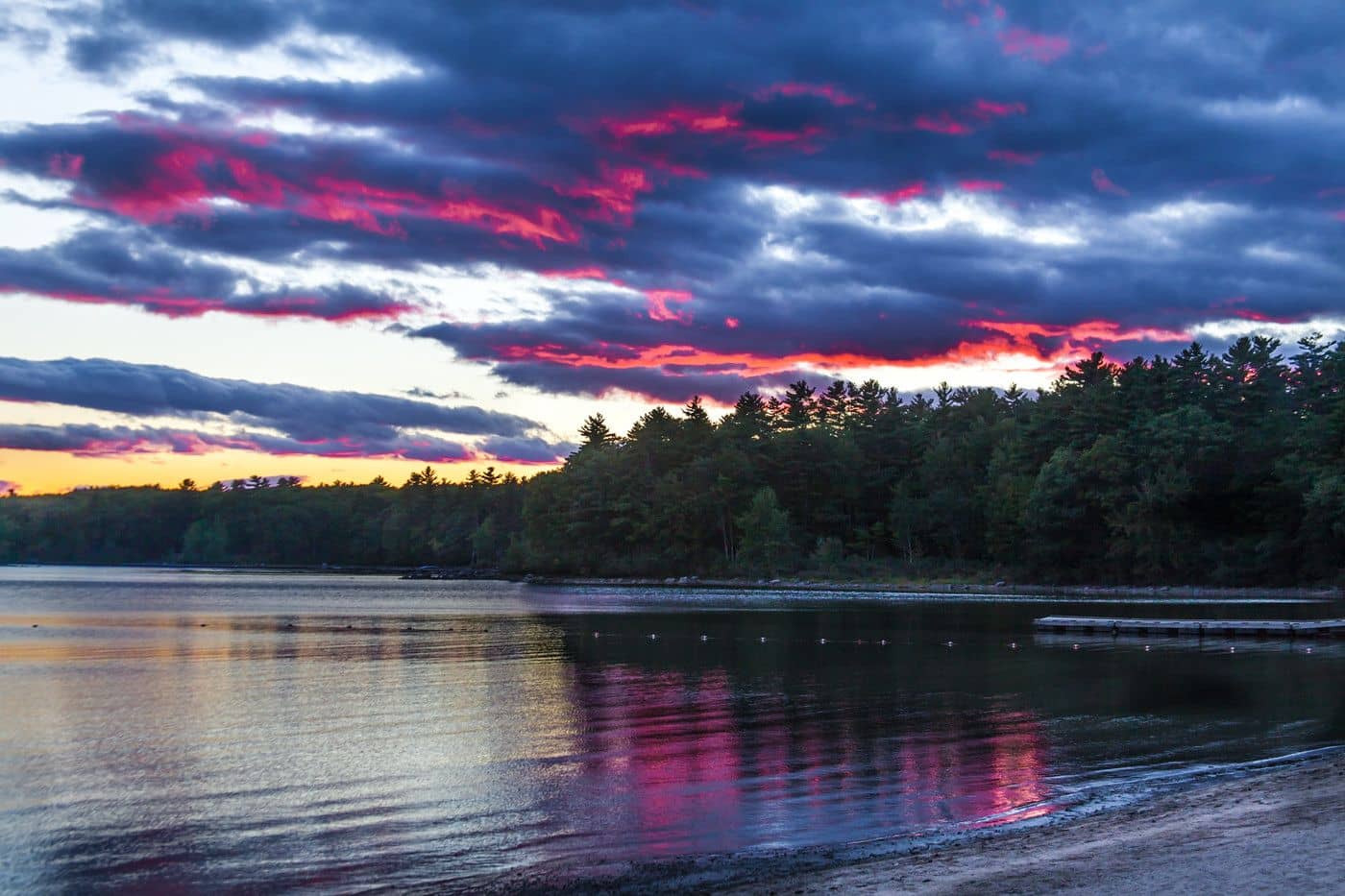
Tassel Top Beach on Sebago Lake, the Hawthorne House museum, and Crescent Beach Club - classic Maine cottage country.
Little Sebago Lake beaches, the Mountain Division rail trail, and a suburban hub between Portland and Sebago Lake State Park.
Tools
Maine has some of the biggest tides in the country. Today’s highs and lows by station, plus the walks that only exist for a few hours.
Live sea temperatures along the coast, and whether the water is actually warm enough to get into today.

When the flies are worst in each region, and where on the coast you can go to escape them.
Guides
Destinations
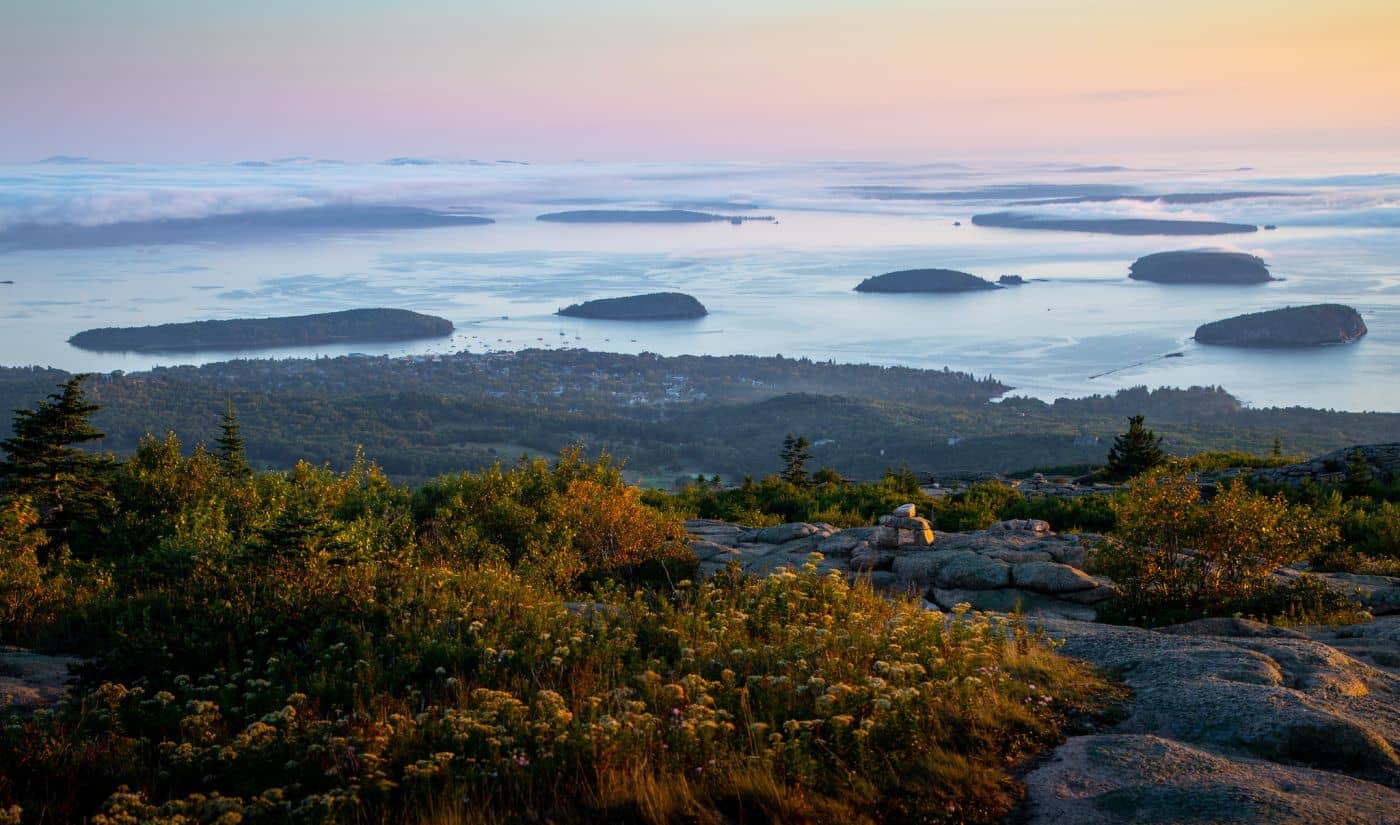
Downeast & Acadia
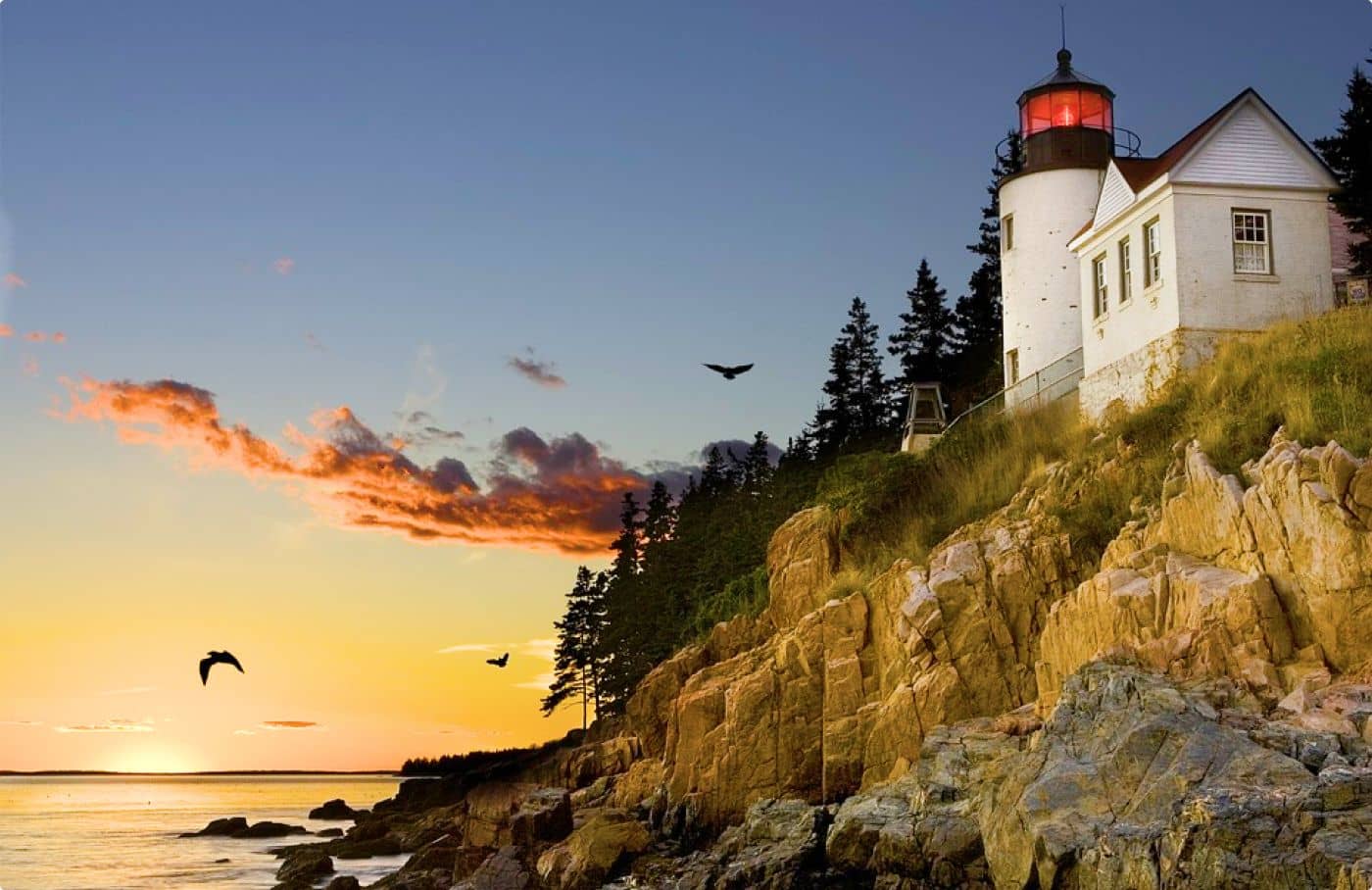
Gateway to Acadia National Park - Cadillac Mountain, puffin cruises, and a harbor town that fills with cruise ships from May to October.
Southern Maine Coast
Dock Square boutiques, Goose Rocks Beach, and the Bush family's Walker's Point - the quintessential coastal Maine summer town.
Greater Portland
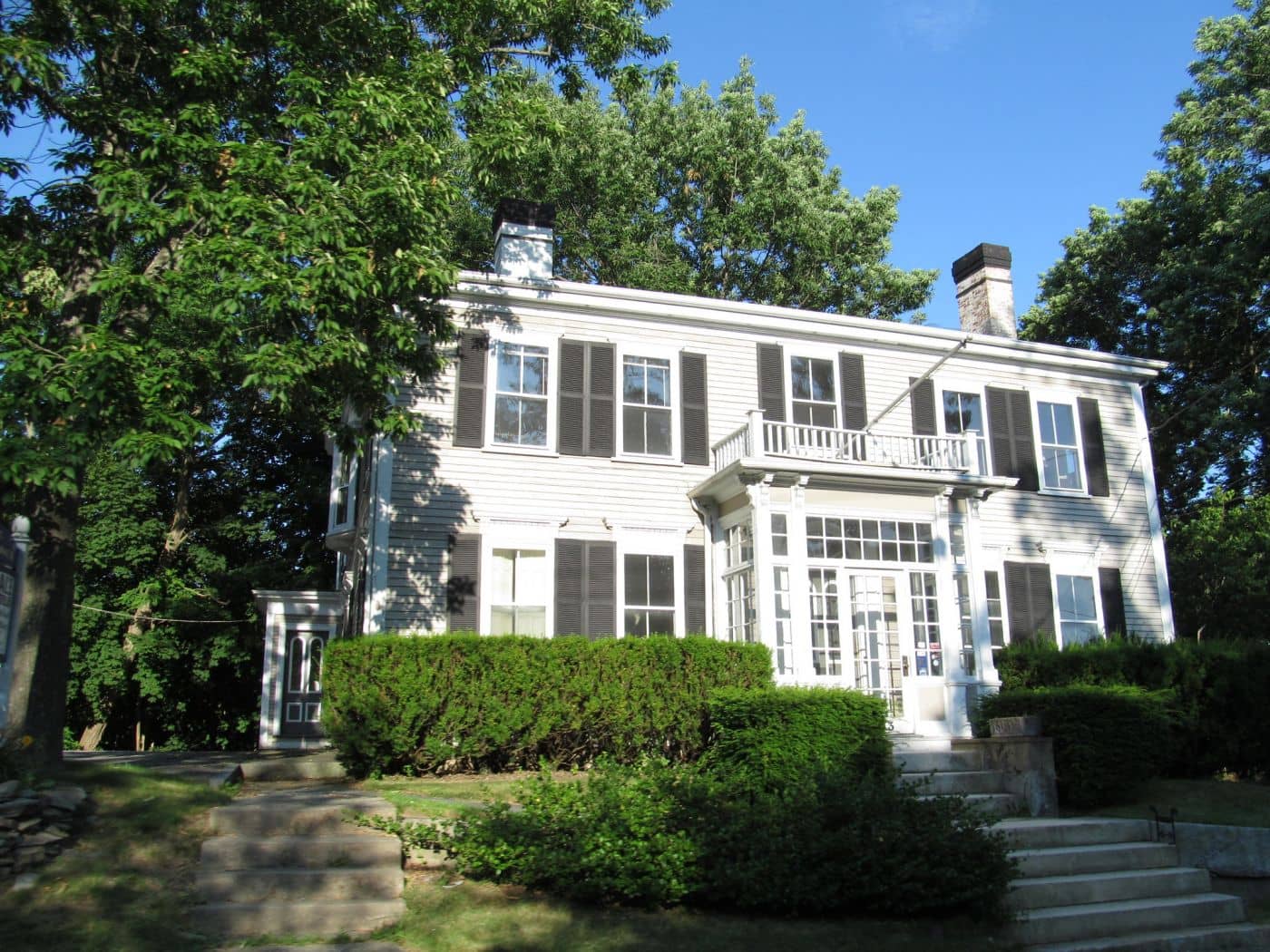
Maine's largest city - a working waterfront, Old Port cobblestones, and a food scene that punches well above its weight.
Midcoast Islands
Shipbuilding heart of Maine since 1743 - Bath Iron Works still launches destroyers past the Maine Maritime Museum on the Kennebec.
Midcoast Islands
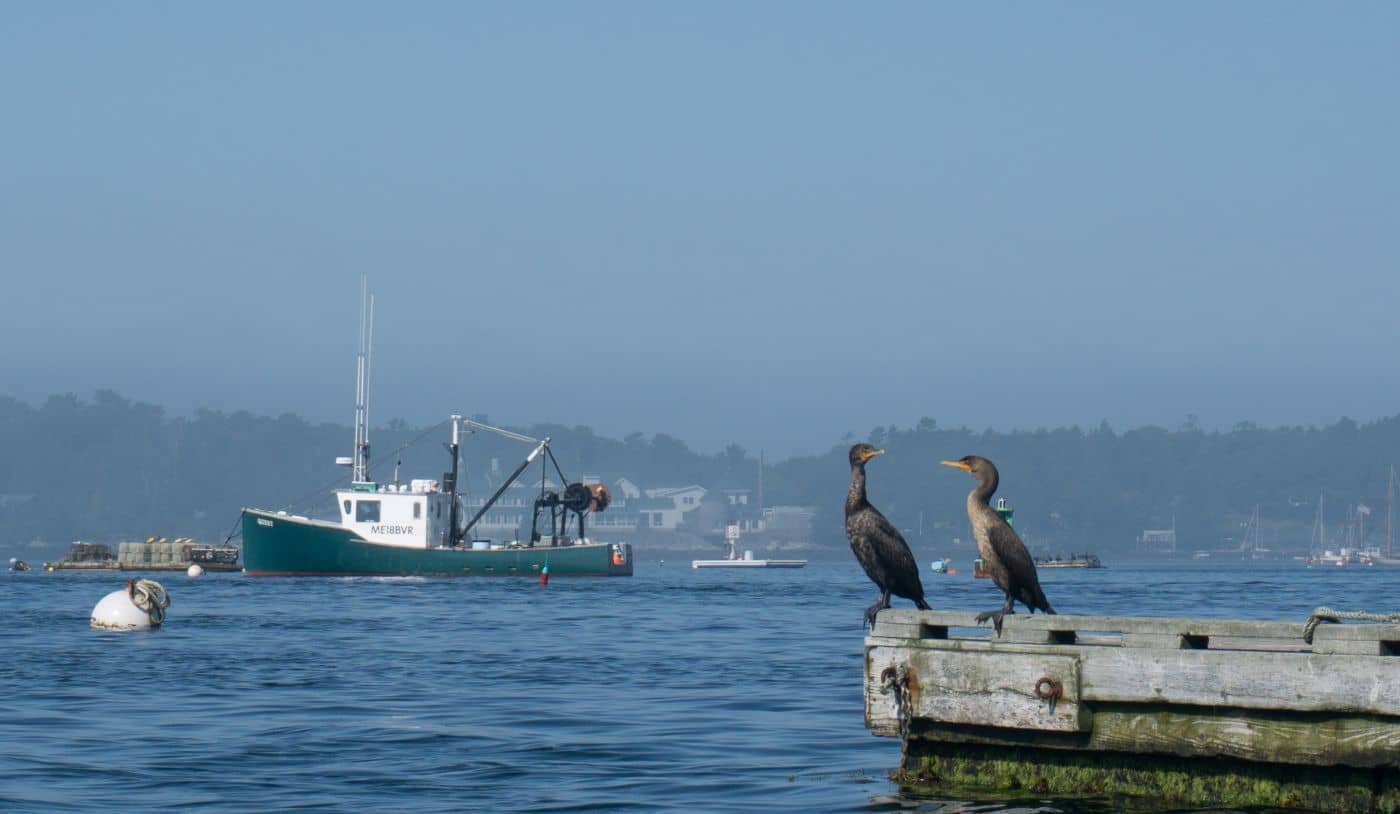
A Midcoast harbor town built around boat trips, with the Coastal Maine Botanical Gardens just up the road.
Midcoast Islands
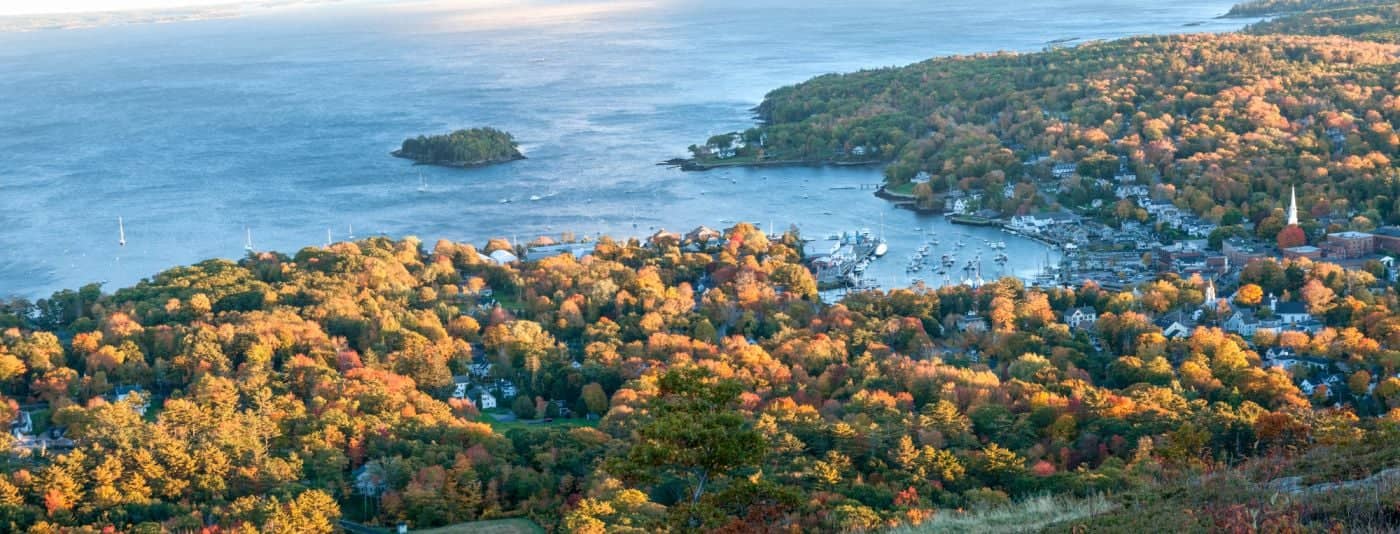
Where the mountains meet the sea - windjammer harbor, Mount Battie summit views, and an independent village with real soul.
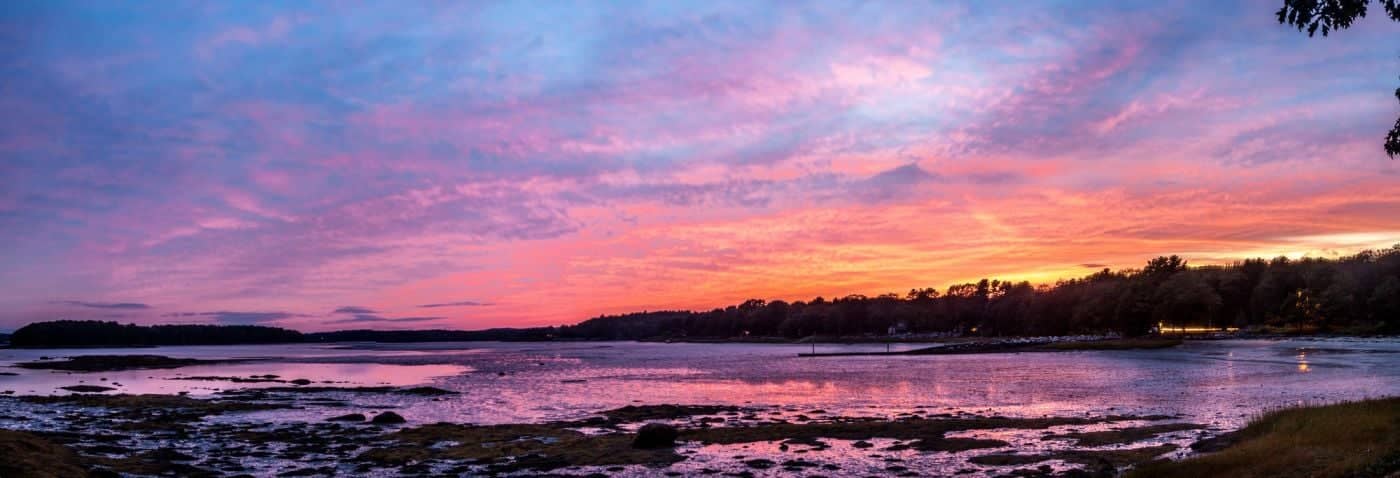
Greater Portland
Flagship home of L.L. Bean, open 24/7 - outlets, a tidal river, and surprisingly good eating between the shopping.
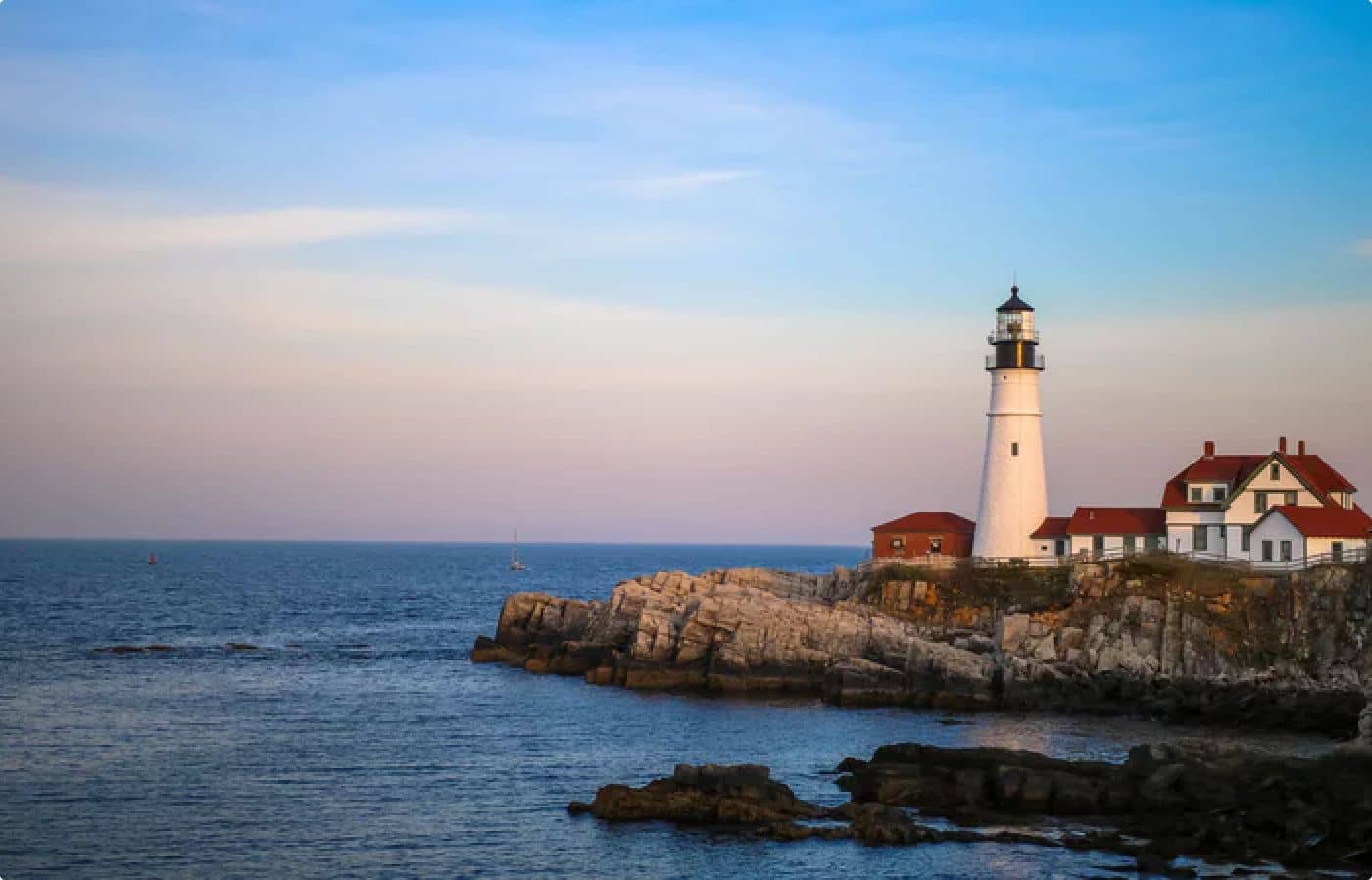
Southern Maine Coast
Postcard-perfect village of sea captains' mansions, Lower Village shops, and easy walks to Mother's Beach and Gooch's Beach.