Guide
Things to Do in Belfast, Maine: Harbor Walk and Town

Start with Belfast's downtown and Harbor Walk, then choose the rail trail or a local-history stop as the main addition. The working waterfront is the point of the visit. Use Belfast for a town-and-harbor day, with Camden, Castine or another regional outing given separate time rather than squeezed into the same afternoon.
Which Belfast plan fits the day?
| Your interest | Main choice | Good addition |
|---|---|---|
| First look at the city | Downtown and Harbor Walk | A meal near the town center |
| A longer outdoor block | Belfast Rail Trail | A shorter waterfront visit |
| Local history | Historical Society and Museum | Streets and buildings around the harbor |
| A coastal pause | Waterfront parks | A separate Moose Point outing if time allows |
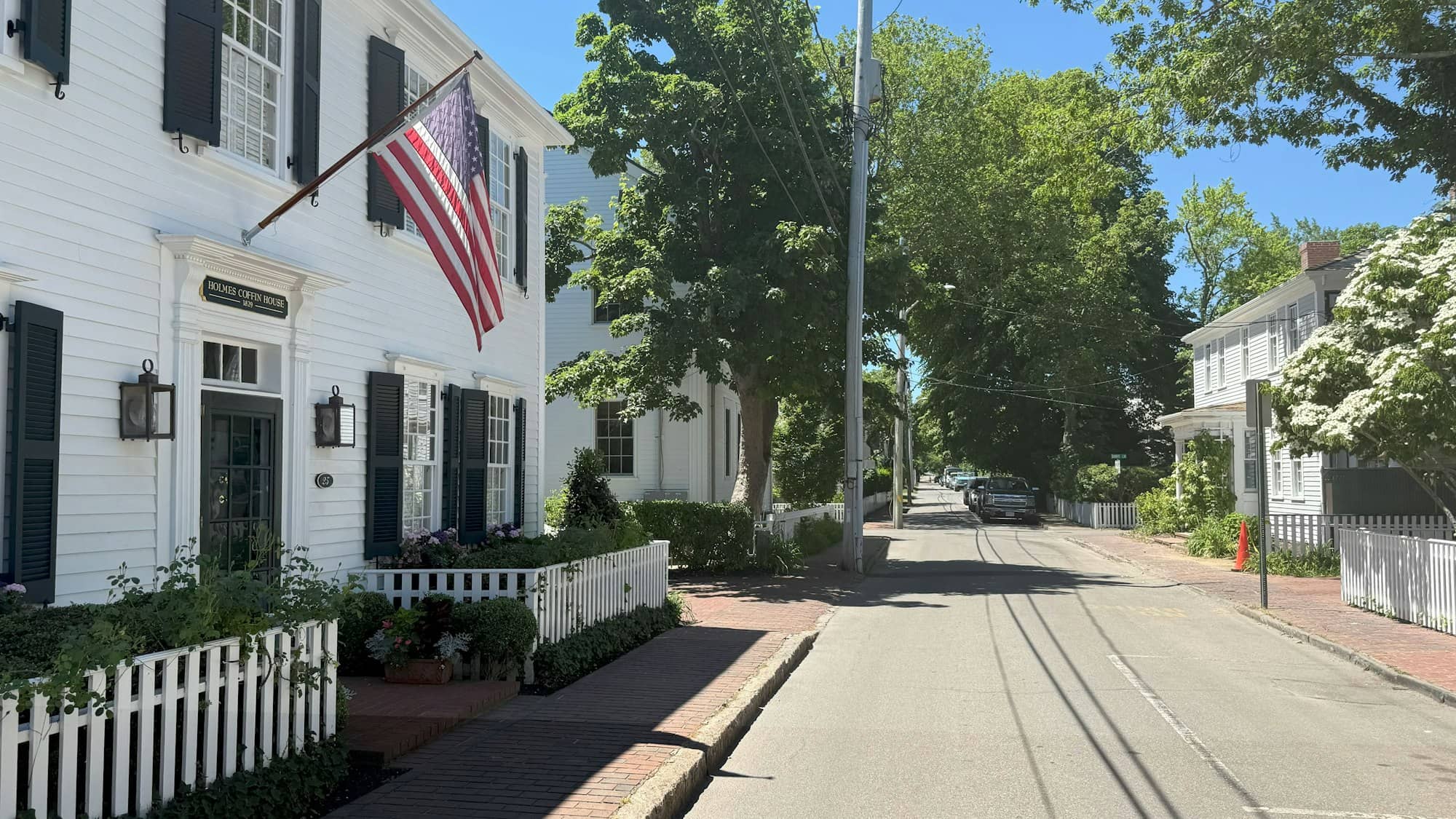
The Belfast town guide describes a small city with a downtown sloping toward an active harbor. That combination makes a coherent stop: streets, water, local businesses and a choice of outdoor or historical focus. The visit does not depend on finding a grand monument at the end of every block.
Choose the length of the visit before adding destinations around it. A short harbor stop, a full town day and an overnight stay each work, but they should not have identical activity lists. The table gives the day an emphasis while leaving time for the place around the main outing.
Why start with the Harbor Walk?
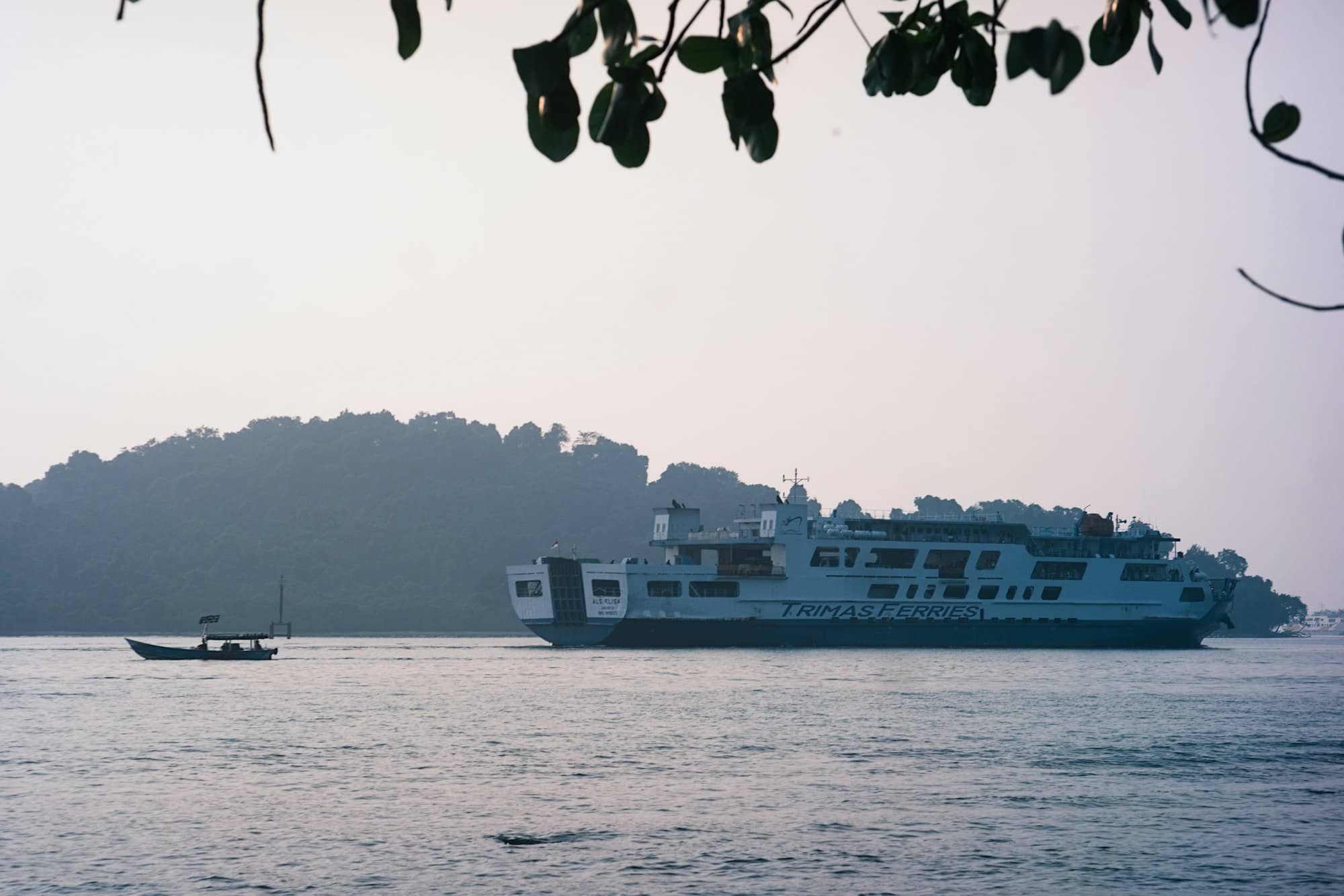
The Harbor Walk connects the town visit to the waterfront, and the town page describes the route toward the footbridge over the Passagassawakeag River. Make it part of the day rather than treating the harbor as a view to collect through the car window. The setting is interesting because the water belongs to a working city.
Leave time to pause and look back toward downtown. The streets and waterfront explain each other: one gives the visit its businesses and buildings, the other its maritime setting. Choose public access and keep working areas separate from the visitor route. A working harbor does not need to become an open-access tour of every wharf.
The Maine coast guide is useful for comparing this experience with a beach town or island visit. Belfast is a strong choice when the town itself matters, not simply when you want any place beside salt water. Make that preference part of the itinerary from the beginning.
What belongs in a downtown walk?
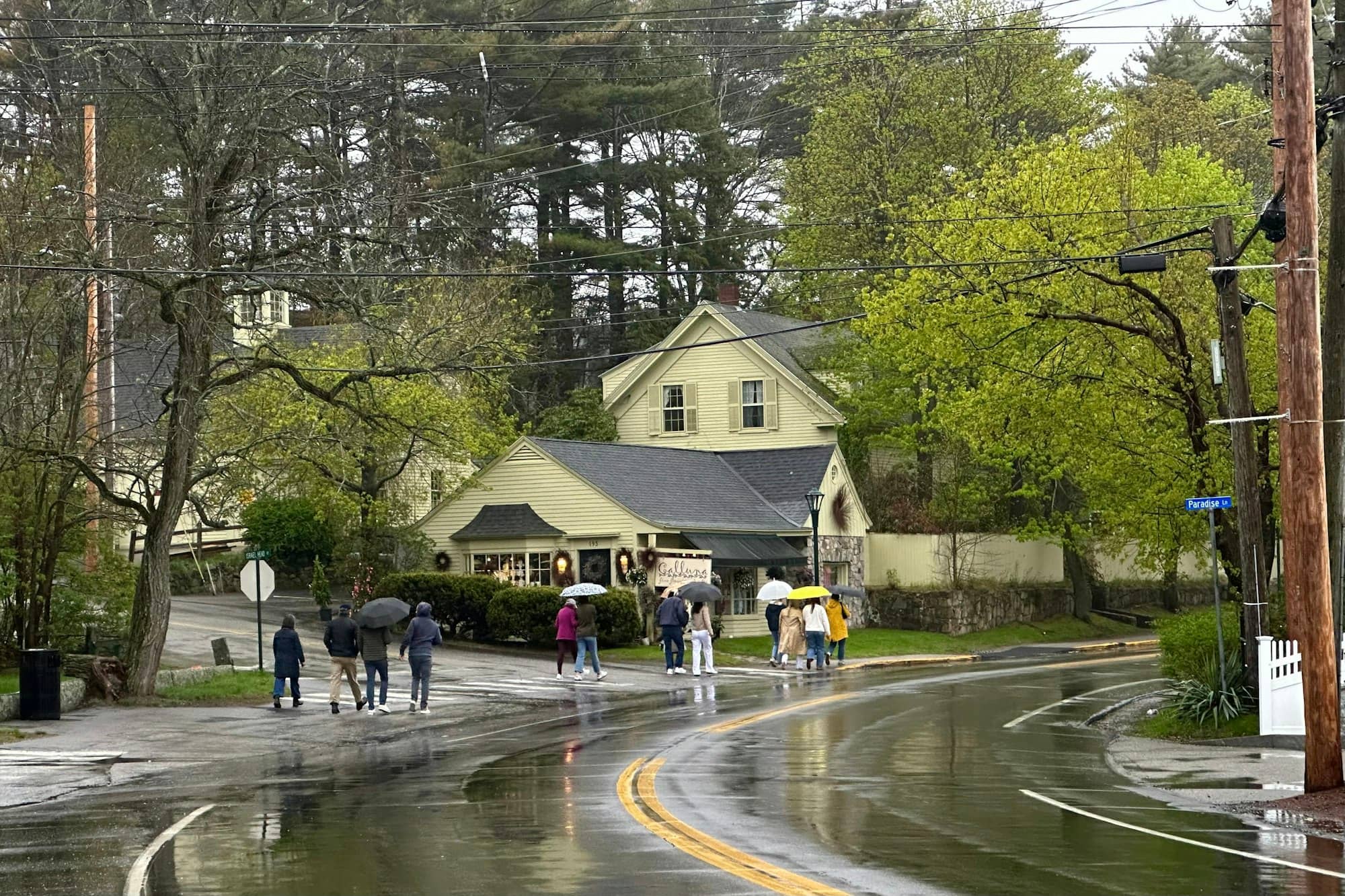
Give the streets, shops and food time around the harbor. The town page describes a compact center of brick storefronts, with galleries and businesses contributing to the visit. You do not need a shopping assignment to enjoy it. A browse, a meal and a local-history stop can supply the structure without turning every door into a required attraction.
Choose the meal for the visit you want. The source names Young's Lobster Pound for seafood and Chase's Daily for a restaurant-and-bakery direction. These are different meal ideas, not a promise of current menus or a claim that both are next to every part of the walking route. Put the actual restaurant location and service into the plan before deciding that lunch is merely a gap between activities.
The Midcoast region guide helps keep Belfast within a longer stay. Use the city as a place to spend time, then give the next town a separate block. A region is not improved by moving on just when the first stop begins to feel familiar.
When should the rail trail be the main outing?
Choose Belfast Rail Trail when the day needs more time outdoors. The town guide identifies walking and cycling among its uses, giving it a different role from a short look at the harbor. Make it the main block and let downtown be the meal or shorter walk afterward.
Match the route and distance to the people taking the trip. This guide does not invent a measured circuit or a surface guarantee. A rail trail's name alone does not decide accessibility for every visitor, and the current route information is the useful source for that specific question.
A trail-focused day also gives a longer stay variety without requiring another town. On one day, use the harbor and local history; on another, choose the outdoor block and a relaxed meal. That is a more coherent use of Belfast than treating it solely as somewhere to sleep between distant excursions.
How does local history change the visit?
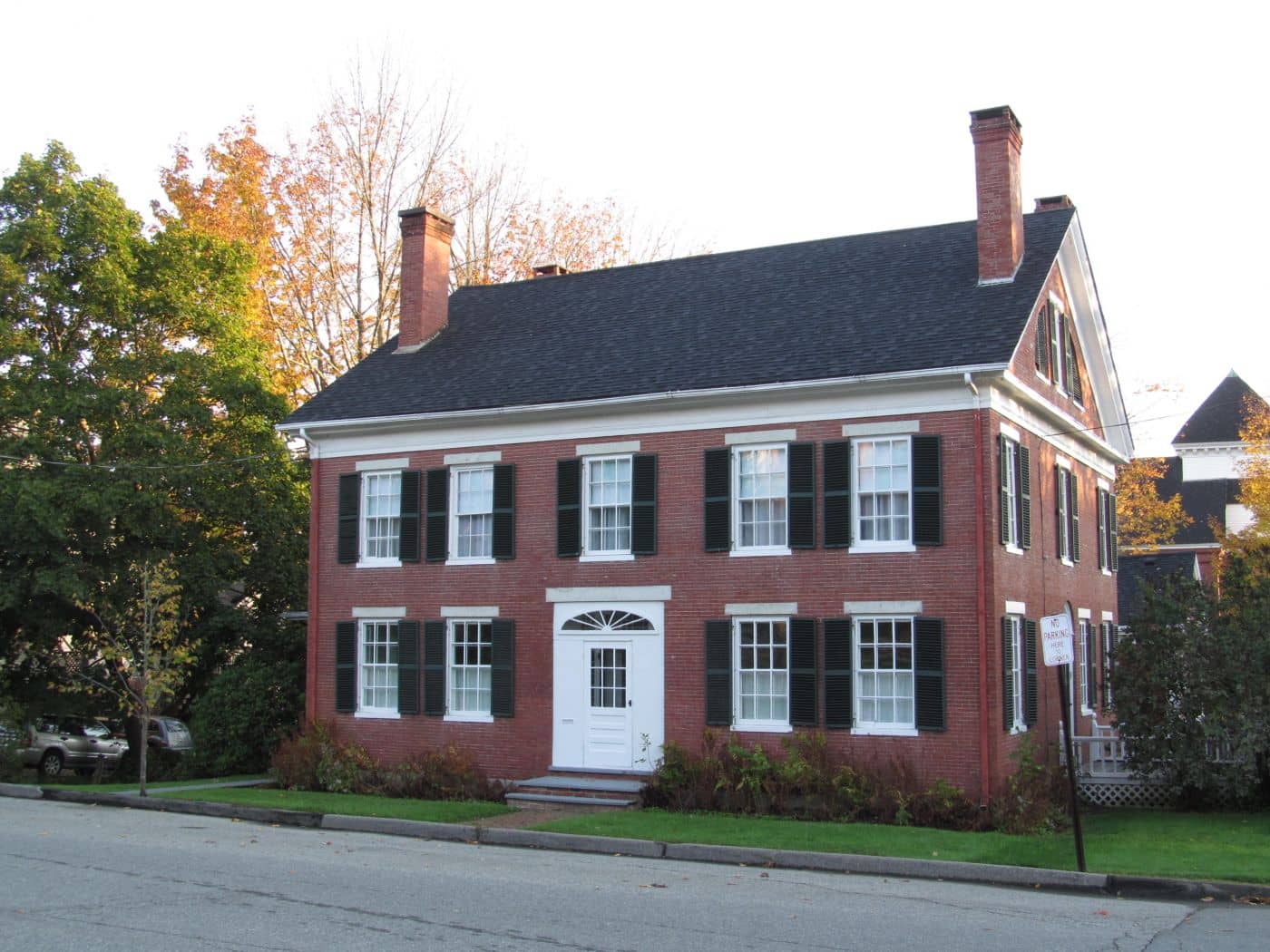
The Belfast Historical Society and Museum supplies a named historical focus in the town guide. Choose it when you want the streets and harbor to have more context than their appearance alone. Arrange the walk around the collection's actual visitor calendar, with the museum as a deliberate stop rather than an assumed always-open shelter.
The history-museums guide can help place that subject within a larger Maine trip. The maritime-history guide gives a related theme for connecting working waterfronts and shipbuilding places. Use the broader guides to choose a second destination that adds something different, not to repeat the same museum-shaped day everywhere.
If the collection does not fit the travel date, the town walk still stands on its own. Historic buildings and a harbor visit do not become pointless because an indoor stop is unavailable. Change the emphasis rather than filling the gap with an unrelated long drive.
Should you add Moose Point or another town?
Moose Point State Park is a separate nearby outdoor choice named in the town guide. It is useful when a coastal park outing is the day's purpose or when a longer stay has room for another setting. Do not turn every spare interval into a new arrival and parking task.
Lincolnville and Camden are other Midcoast choices, with their own waterfront character. Castine and Bucksport belong to a wider bay-area plan. Keep those places as alternatives or separate days instead of describing them all as Belfast activities.
The Route 1 guide and coastal road itinerary help with that sequencing. Choose where the travel day ends and give the destination an activity of its own. A drive with useful stops is different from a town day interrupted by repeated departures.
How should you plan a first day or overnight stay?
For a first day, use downtown and the Harbor Walk as the common thread, with either local history or the rail trail as the longer block. Leave room for a meal chosen for its own appeal. If you stay overnight, let the evening be part of the town visit instead of immediately using the room as a base for another distant journey.
For a wet day, choose the historical collection or a specific indoor cultural stop when available, with shorter outdoor portions. For an outdoor day, make the trail or park the focus and keep the indoor list short. The Maine museums guide helps compare broader alternatives without implying that every museum shares the same operating days.
Skip a compulsory Acadia day trip just because Belfast lies on a coastal route. If the park is a main purpose of the holiday, give it an appropriate base and its own nights. Belfast's working waterfront deserves a visit designed around Belfast, not only around what lies farther up the road.
What else should you know about Belfast?
What is the best first-time combination?
Downtown and the Harbor Walk, with either the rail trail or a historical collection as the main addition. That keeps the city and waterfront connected.
Is Belfast a sandy beach resort?
The town guide emphasizes a working harbor, shoreline access and town life. Choose a dedicated beach destination when a long sand-beach day is the main goal.
Should you choose the rail trail or Harbor Walk?
Choose the Harbor Walk as part of a shorter town visit. Give the rail trail the main block when more outdoor time is the priority.
Should you stay in Belfast or Camden?
Choose Belfast for the working-city and harbor visit described here. Compare Camden when its harbor-and-hills setting is the stronger purpose of the stay.
What should you leave out of a short Belfast day?
Leave out a chain of other bay towns and a rushed park excursion. One substantial local outing, the harbor and a meal make a complete visit.