Guide
Things to Do in Castine, Maine: History and the Harbor

Choose Castine for a historic-street walk, Fort George, Wilson Museum and time beside the harbor. Make it a deliberate peninsula visit rather than an incidental stop on Route 1. Stay overnight when the quiet evening is part of the attraction; choose another base when a wider evening choice matters more.
Which Castine experience should lead the visit?
| Your interest | Main choice | Keep in mind |
|---|---|---|
| Military and town history | Fort George and historical markers | Give the explanations time |
| A collection and village walk | Wilson Museum and the streets | Museum access follows its own calendar |
| Maritime setting | Harbor and academy surroundings | A working campus is not an open-access attraction |
| A quiet coastal pause | Village and Dyce Head area | Choose the actual access that suits the group |
Castine occupies a peninsula at the mouth of the Penobscot. The town's historical streets, forts and maritime college make a coherent visit because they explain different parts of the same place. The attraction is not the number of major sights you can fit into an afternoon; it is the way a walk becomes more interesting as those layers connect.
Start with the experience that matters most, then give the rest of the village room around it. The table is a choice of emphasis, not four separate tours that all have to happen. A short visit can work well when it has one clear subject.
How should you explore the historic streets?
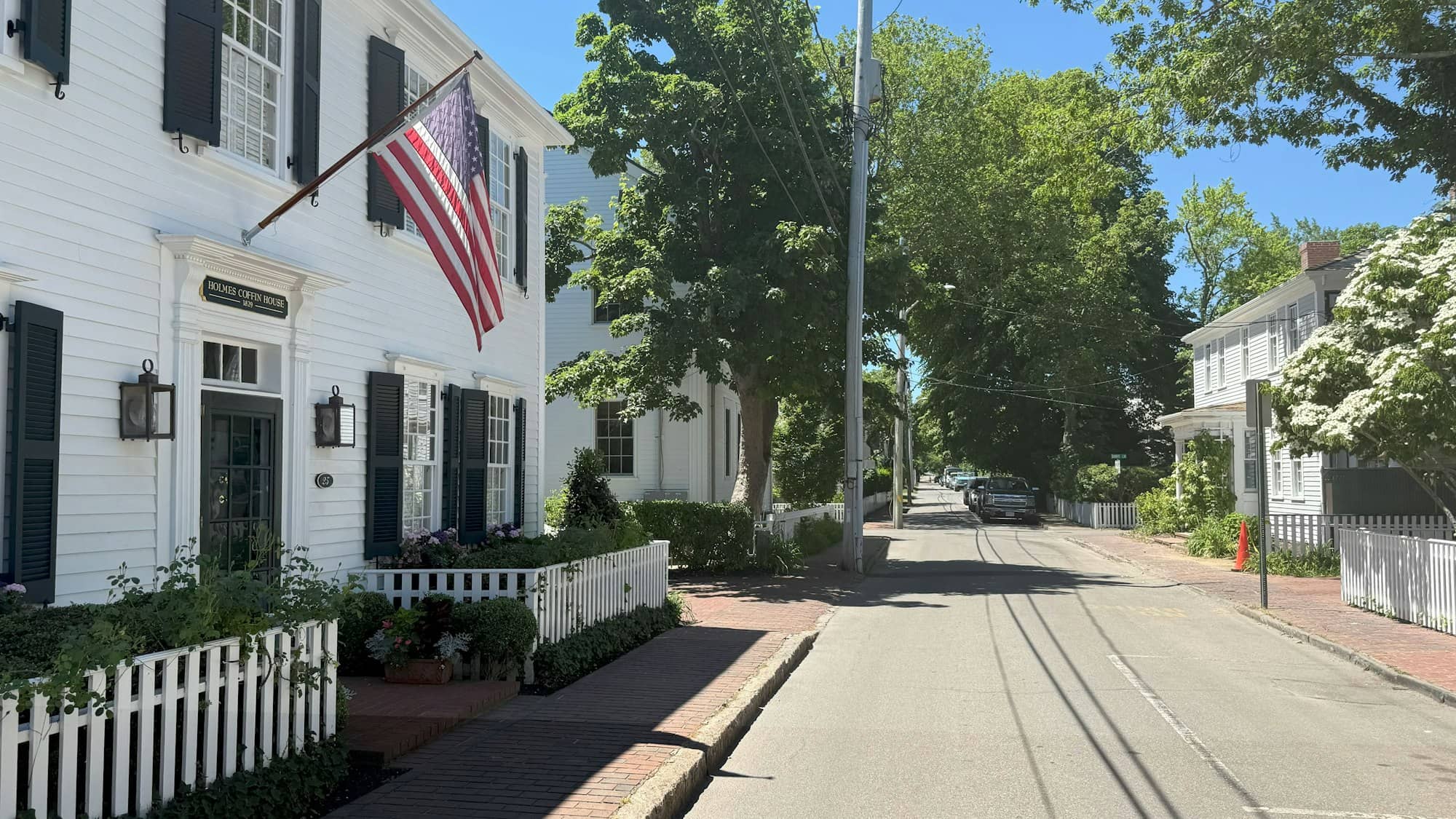
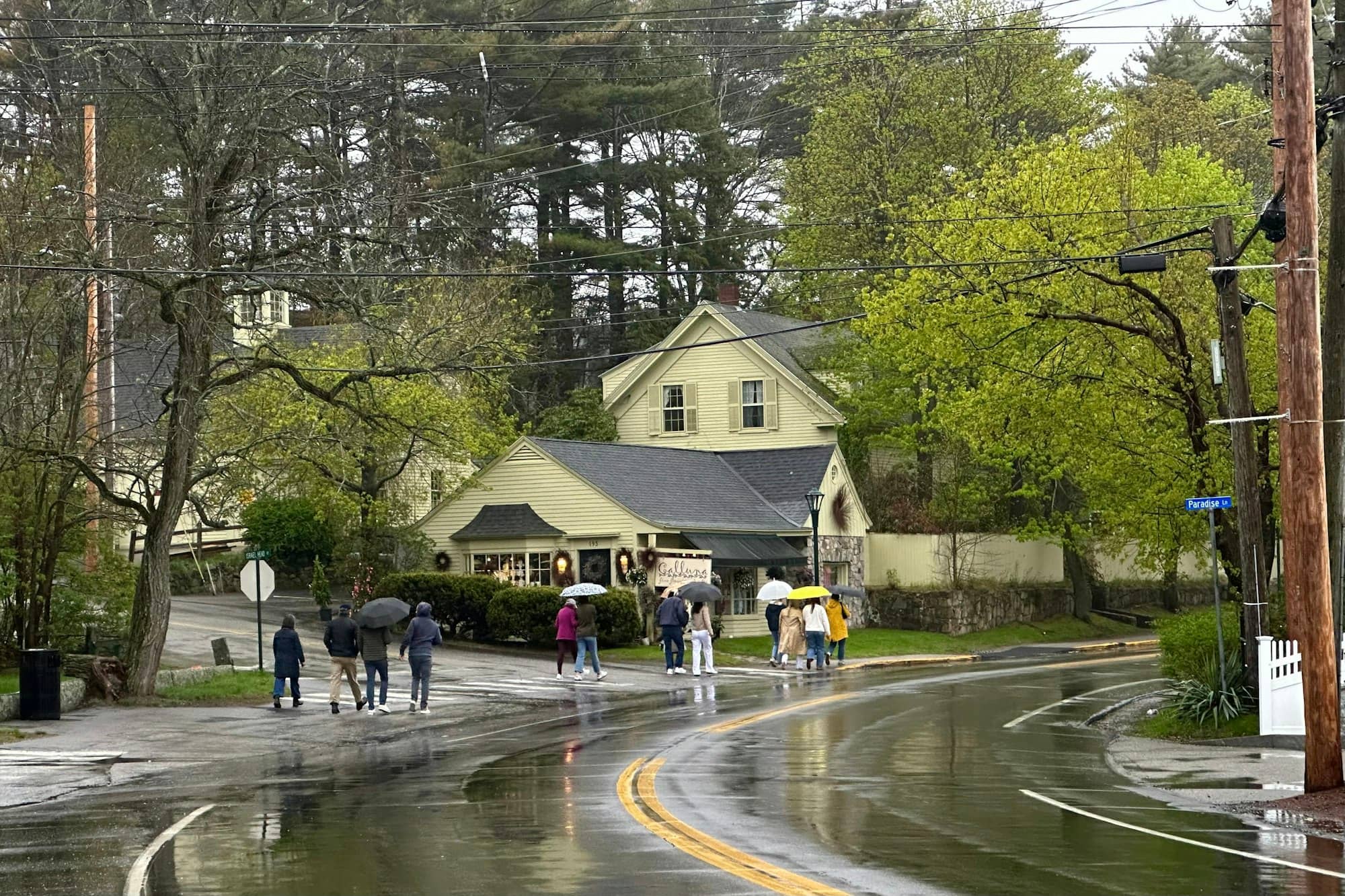
Walk with enough time to read the historical markers. The town page describes Federal and Greek Revival houses, a street grid above the waterfront and successive French, Dutch, British and American chapters in the peninsula's history. That makes the streets themselves part of the visit, with the setting explaining why the history mattered here.
Choose a manageable circuit and allow the harbor to be a pause rather than a finish line. You do not need to identify every architectural detail to enjoy the change between the upper streets and the waterfront. When one period or event catches your attention, follow that subject at the museum or fort instead of treating every marker as equal homework.
The historic-sites guide gives a broader context for choosing Castine as a history stop. It also helps distinguish a visit here from a lighthouse collection trip or a beach holiday. Those are different themes, and choosing one makes the day easier to shape.
Why give Fort George its own part of the day?
Fort George's surviving earthworks are one of the town page's principal historical features. The value is in seeing the setting and reading the account together. A grass rampart has more meaning when the visit includes the story of the place rather than only a quick look at a mound.
Keep the fort within a town-history day, with time for the streets and waterfront afterward. It does not need to become a competition with every other fort on Penobscot Bay. Choose another site only when the wider military-history route is the actual purpose of a longer trip.
Stockton Springs and the Fort Point setting mentioned in the town guide are across the wider bay landscape, with a separate arrival journey. A view across water does not make a place the next stop on foot. The distinction matters in this part of Maine, where a map's neighboring names can belong to very different road approaches.
When should Wilson Museum be the main stop?
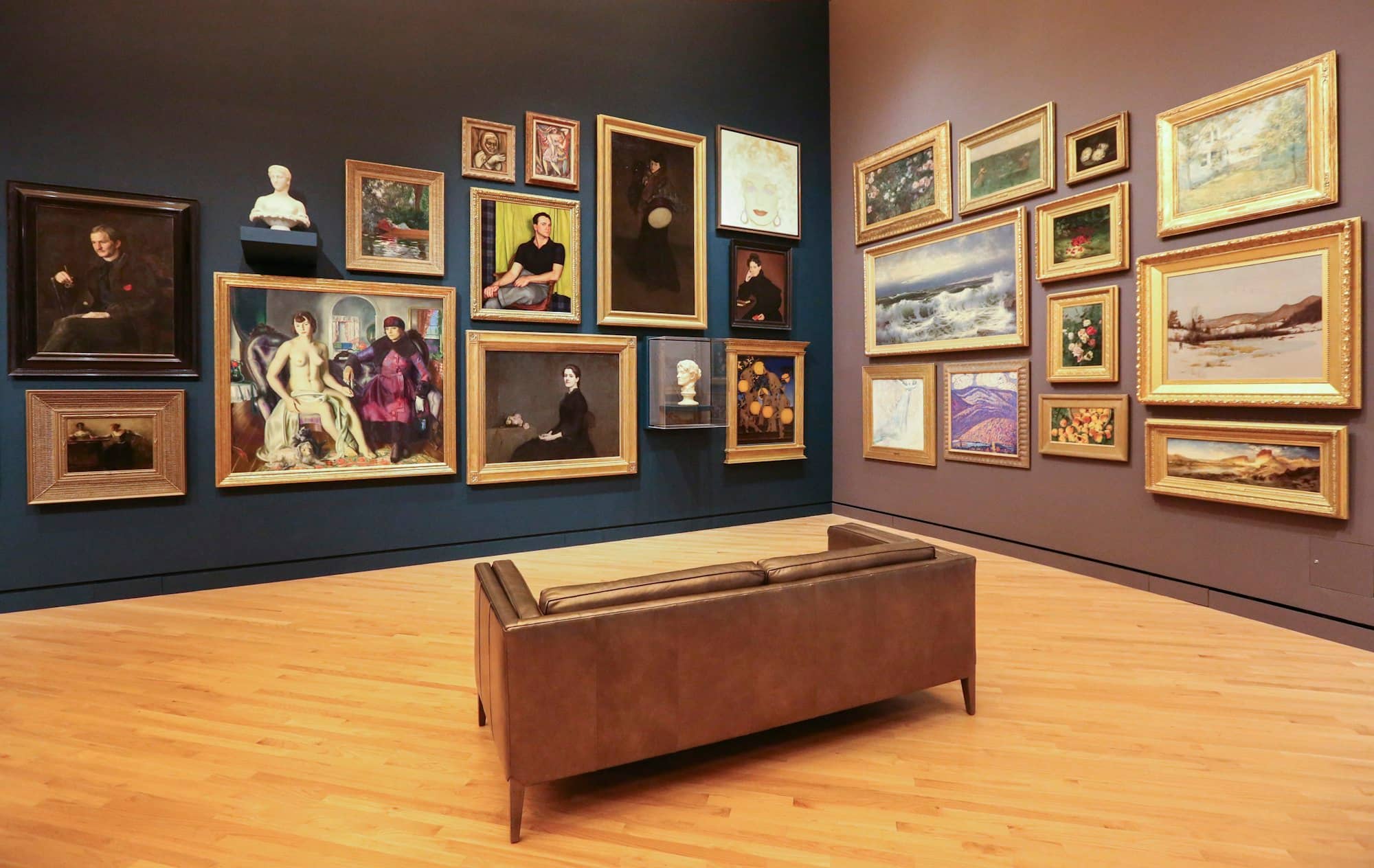
Choose Wilson Museum when a collection is the focus of the visit. The Castine town page identifies local and prehistoric collections, giving it a role beyond another view of the harbor. Make the museum the planned indoor block and arrange the village walk around it.
The collection's current visitor calendar determines whether that version works on the day. This guide does not turn a museum name into a promise of daily year-round access. If the visit is outside its opening pattern, choose the public town-history walk for its own merits rather than arriving with an itinerary that depends on a closed door.
The history-museums guide and Maine museums overview provide alternatives for a longer cultural trip. Use them to choose a different subject on another day. A Castine visit does not need an additional museum elsewhere simply to feel complete.
What should you expect around the harbor and academy?
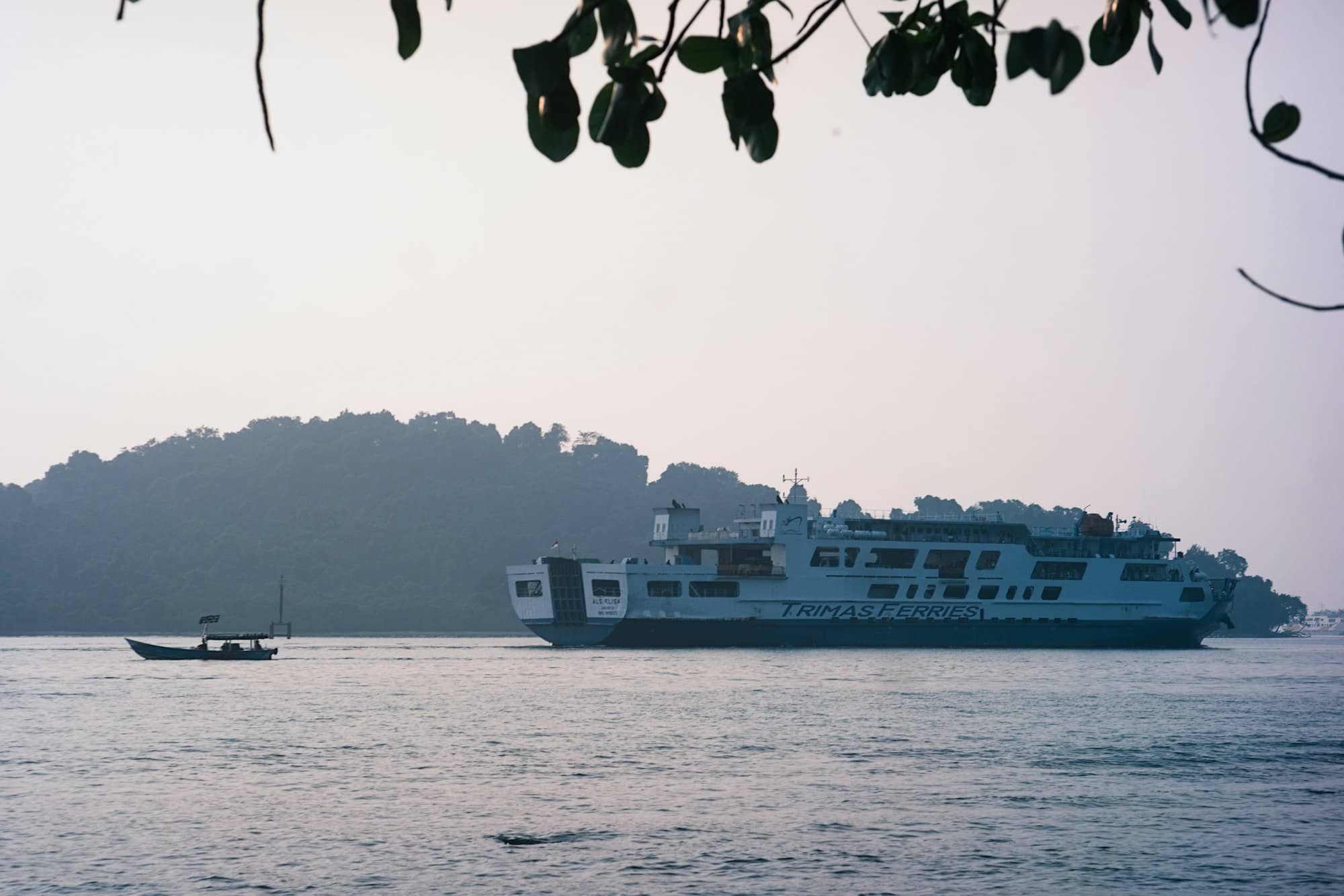
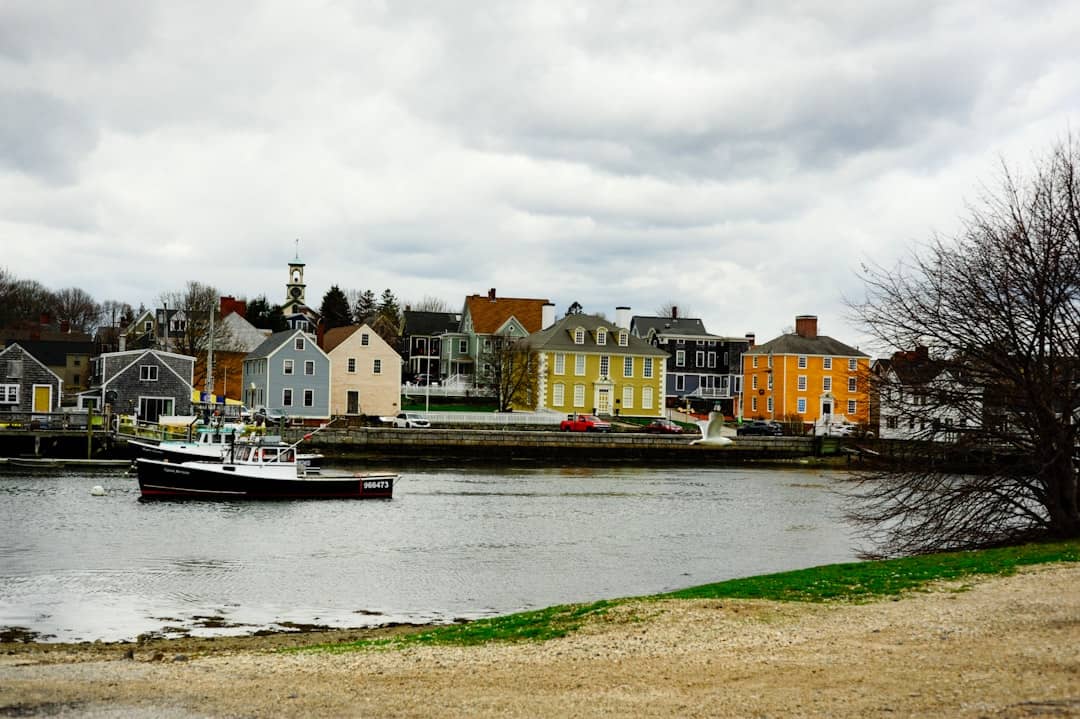
Maine Maritime Academy is a working institution, and the town page explains its strong presence on the waterfront. Enjoy the maritime setting while respecting the difference between public town space and a campus or vessel with controlled access. A training ship's presence in the harbor is not a general invitation to board it.
That distinction improves the plan as well as the visit. Build the day around places you can actually use, with any organized access treated as a separate arrangement. The harbor is still worthwhile as part of the town walk without an assumed ship tour.
For the wider subject, the maritime-history guide offers a useful connection to other Maine places shaped by the sea. Castine's academy, Bath's shipbuilding story and the working waterfronts elsewhere are related without being interchangeable. Let each stop add a different part of the story.
How does Dyce Head fit into the day?
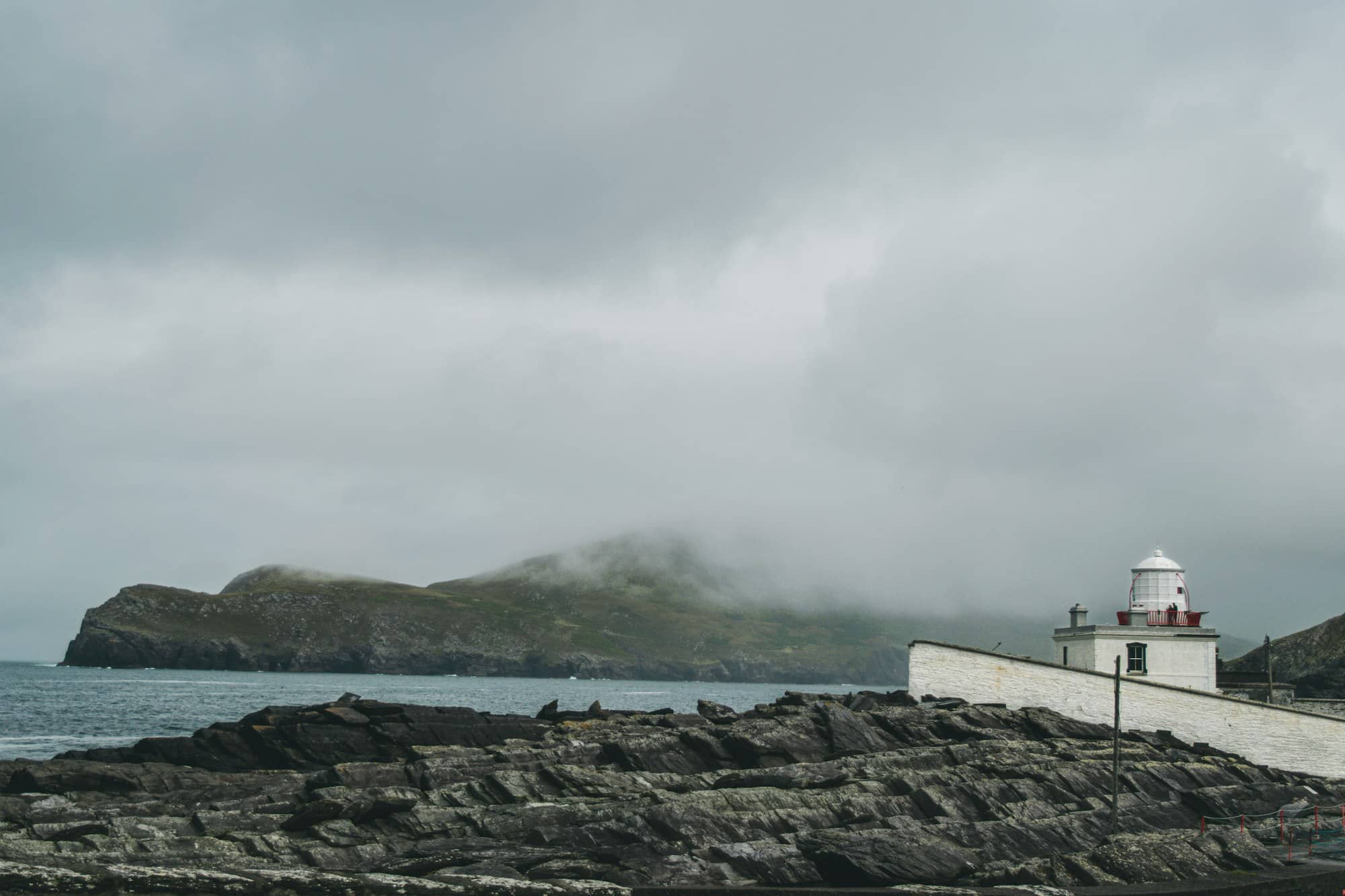
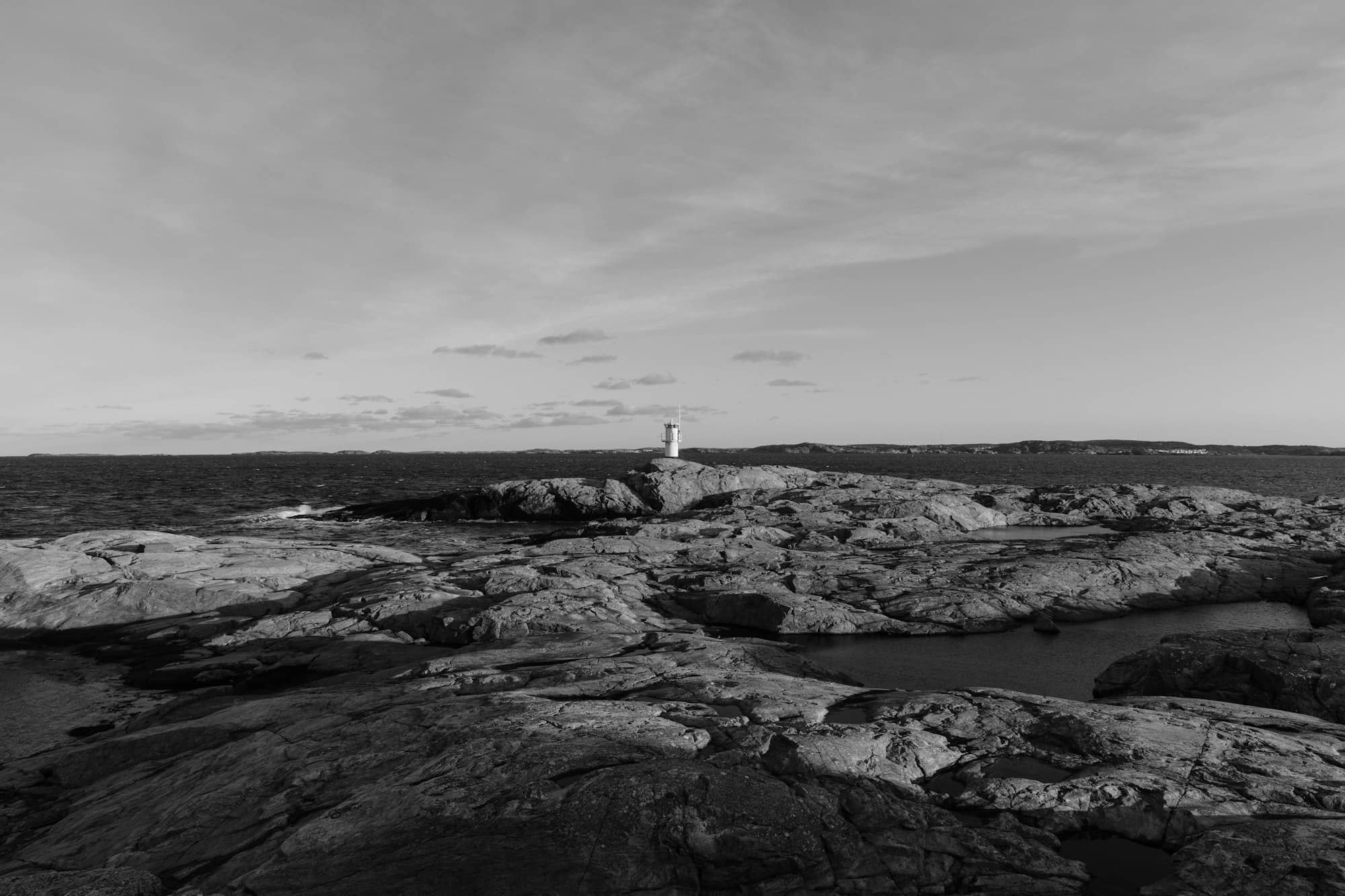
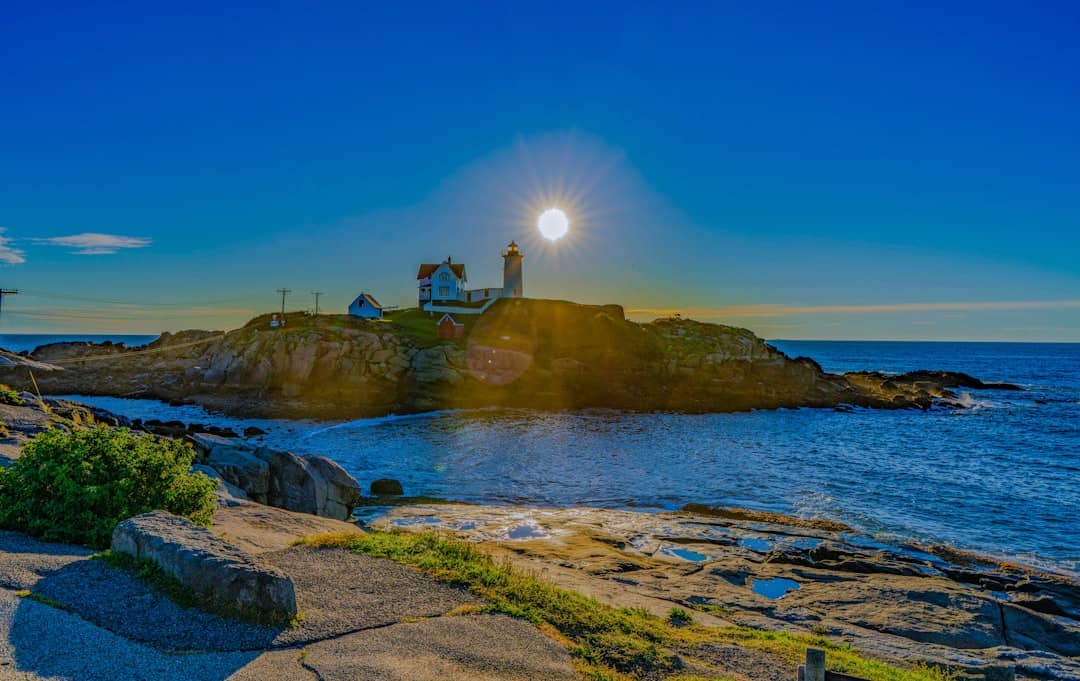
The town guide identifies Dyce Head Light at the peninsula's western end. Choose the outing for the lighthouse setting and the change from village streets, with the available route and the group's footing deciding how far to go. The shore access described in the source is a different undertaking from a simple town walk.
Keep private residential space separate from public access. A lighthouse is not automatically a museum you can enter or a route whose every branch suits every visitor. This guide does not assign step-free access or a short, easy descent without evidence for that particular route.
If the coast itself is the main theme, the Maine coast guide helps decide whether Castine's quiet harbor-and-history setting is the right choice. It is a different holiday from the long sand beaches of the south. Choose it because that difference appeals, not because every place beside salt water promises the same day.
Should you visit for a day or stay overnight?
A day visit suits a focused walk with one main historical stop. An overnight stay makes sense when you want the slower evening as well as the daytime streets. The quiet is part of the proposition, so decide whether that is the evening you want before comparing accommodation.
Blue Hill, Belfast and Bucksport give a wider regional trip different town choices. They are separate visits with their own routes, not automatic additions to a short Castine afternoon. The Downeast and Acadia region guide keeps that broader geography in view.
For a first visit, choose the historic streets and one principal stop, then decide whether the harbor or Dyce Head supplies the remaining outdoor time. Skip the assumption that Castine is a quick through-stop on a Route 1 journey. Giving the peninsula a deliberate place in the itinerary is what makes the detour useful.
What else should you know about Castine?
What is the clearest first-time plan?
Choose a town-history walk with Fort George or Wilson Museum as the main focus, then leave time for the waterfront. Add Dyce Head only when it fits the day.
Is Castine a sandy beach destination?
This guide recommends it for history, streets and harbor time. Choose a dedicated beach destination when sand and swimming are the purpose of the holiday.
Can you assume a tour of the academy's ship?
No. The academy is a working institution, and vessel access is a separate arrangement. Public town and harbor space still support a worthwhile visit.
Is an overnight stay worthwhile?
Yes when a quiet evening is part of the reason to come. A day trip is the stronger choice when you want a different town's evening variety.
What should you skip on a short visit?
Skip a chain of distant bay stops and an assumed tour inside every landmark. Give the village's history and setting enough time to become the visit itself.