1
Cape Elizabeth
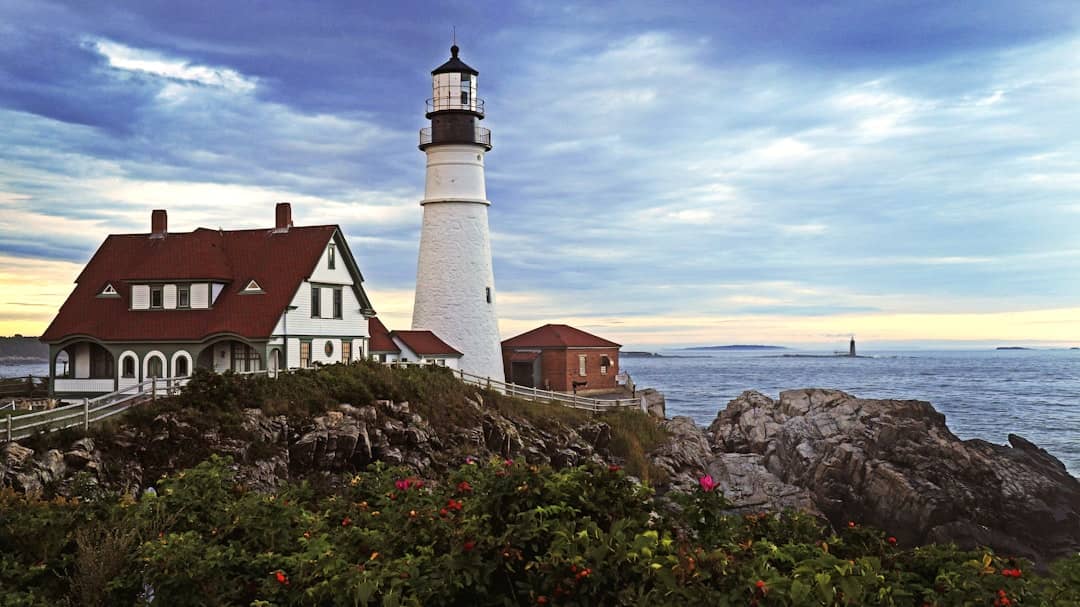
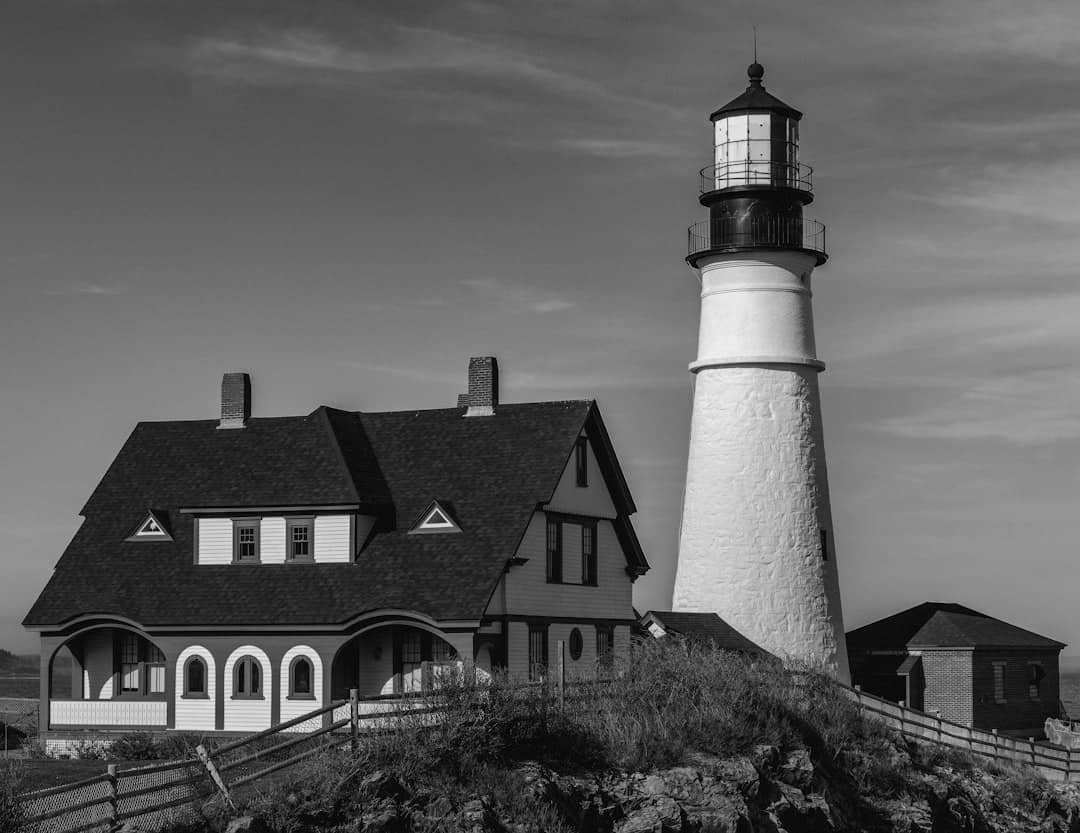
See main listingHome of Portland Head Light - Maine's oldest lighthouse - plus Two Lights State Park and the beach at Crescent State Park.
Details

Guide
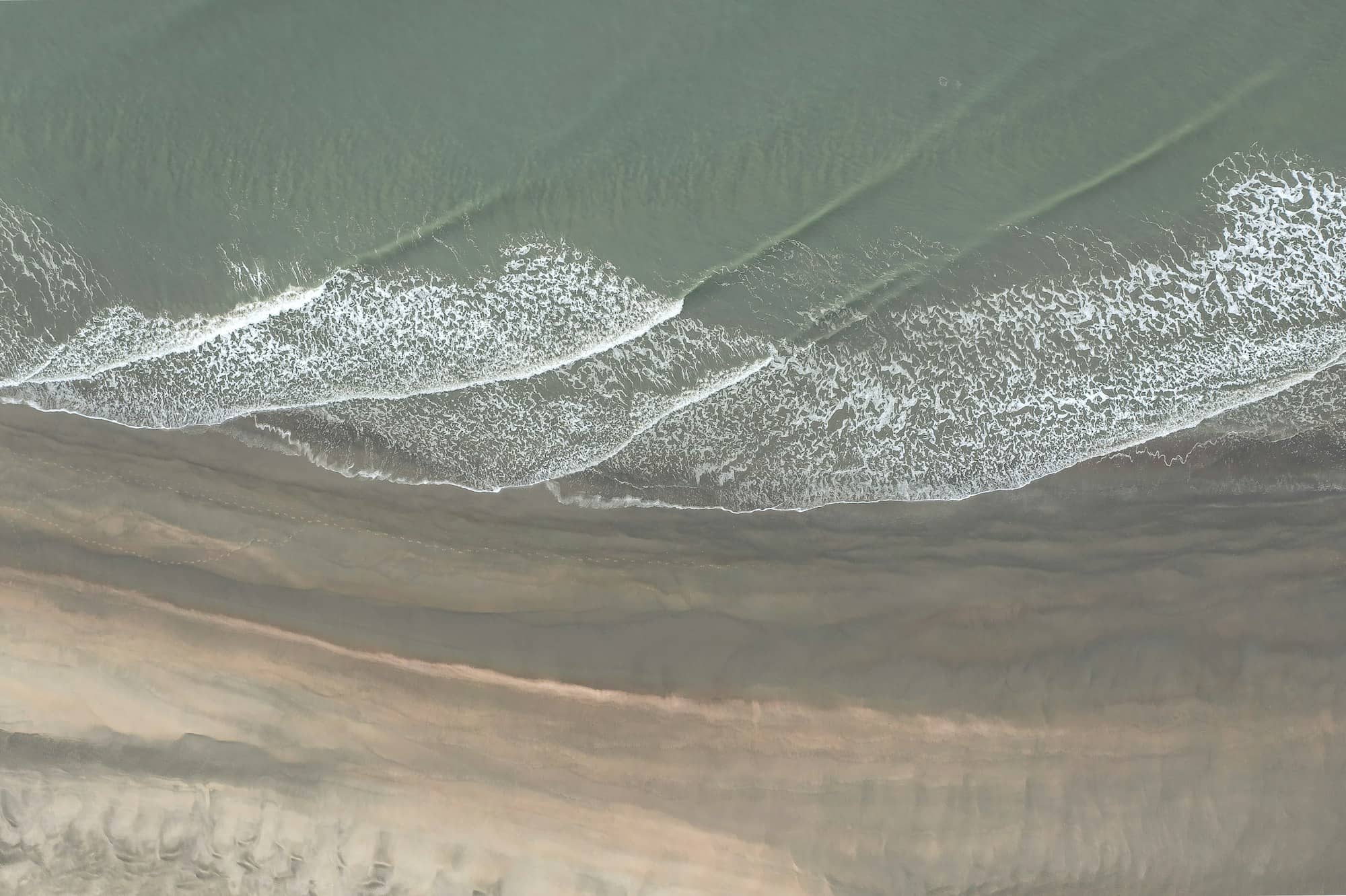
Crescent Beach State Park is the closest proper sand beach to Portland that still feels like a state park rather than a town lot: a mile of gently curving shoreline in Cape Elizabeth, backed by dunes and spruce, with Richmond Island sitting a short way offshore. It is easy to reach, which is both the appeal and the problem.
Crescent Beach State Park is at 109 Bowery Beach Road in Cape Elizabeth, on Route 77 about eight miles south of downtown Portland. The park runs to roughly 242 acres, most of it dune, marsh, and woods behind a crescent of sand a little over a mile long. It holds a 4.6 rating from more than 1,100 Google reviews.
One thing to sort out first, because it trips people up: there is more than one Crescent Beach in Maine. This one is the state park in Cape Elizabeth. There is another Crescent Beach in Wells (4.7, 151 reviews), a residential stretch off Gold Ribbon Drive with nothing like the same facilities. If a rental listing or a set of directions mentions Crescent Beach, check the town before you drive.
The beach faces southwest into Seal Cove and Saco Bay, which makes it noticeably calmer than the open-Atlantic beaches further up and down the coast. Surf is usually modest. That, plus a gradual entry, is why it is a standard choice for families with small children rather than for anyone chasing waves.
The park is run by the Bureau of Parks and Lands within Maine's Department of Agriculture, Conservation and Forestry, and it charges a day-use fee at a staffed gatehouse, with a lower rate for Maine residents and reduced rates for seniors and children. Fees are set by the state and change; the current schedule is on the park's page at maine.gov.
Parking is the whole story on a hot day. The lot is finite and the park is within a 20-minute drive of a metro area of 200,000 people. On a clear summer weekend it can fill by late morning and the gate closes to new arrivals until spaces open. There is no legal roadside alternative on Bowery Beach Road. Come before mid-morning, or come after four when the first wave leaves.
Dogs are restricted through the warm months. This is the single most common complaint in the park's reviews and the likeliest reason its 4.6 sits below neighboring Kettle Cove's 4.8. From spring through the end of September, dogs are not allowed on the beach; outside that window they are. If you are traveling with a dog in July, go to Kettle Cove or Fort Williams instead and save yourself the turnaround at the gate.
Facilities follow the standard state park pattern: a bathhouse with changing rooms, restrooms, picnic tables and grills, and a snack bar operating seasonally. There is no camping. The nearest state park campgrounds are inland, and those book through Maine's central reservation system on a rolling window that opens months ahead of the season. Behind the beach, a short trail network through the woods and marsh is worth twenty minutes, and doubles as a cross-country ski route in winter, when the park stays open with no services and no fee collection.
The tide matters less here than at the big river-mouth beaches, but it still changes the character of the place. Low water exposes a wide, firm apron good for walking the full arc; high tide compresses everyone toward the dune line, which is when the crowding feels worst.
Look southwest from the sand and the low wooded island on the horizon is Richmond Island: 226 acres, privately owned, and one of the oldest documented European settlement sites in Maine.
In 1627 an English trader named Walter Bagnall set up a fishing and trading station there, dealing in furs with the Wabanaki and reportedly doing well enough at it to be resented. He was killed in 1631. Two years later the Plymouth, England merchant Robert Trelawney sent his brother-in-law John Winter to run the site properly, and through the 1630s Richmond Island supported a working community of roughly 40 fishermen and laborers, plus artisans, a pastor, and farms on the mainland at Spurwink. Winter's operation ran until 1643. The island's archaeological site was added to the National Register of Historic Places in 1978. It remains private property. You can look at it, not land on it without arrangement.
The ownership thread runs straight into the park itself. Much of the land under Crescent Beach State Park is not owned by the state. Since the early 1960s Maine has leased a substantial share of it from the Sprague Corporation, the same family concern that owns Richmond Island, and that lease has been renewed repeatedly. What began as a nominal, essentially symbolic rent has been renegotiated into a real one over the decades. It is an unusual arrangement for a state park, and worth knowing: the beach you are standing on exists as public space because of a contract, not because the public bought it.
The park itself dates to 1966. Erosion is a live issue on this shoreline too (the adjoining Kettle Cove pocket beach lost measurable sand in the mid-2000s) which is why the dune fencing and the keep-off signage are not decorative.
For the wider set of options within reach of the city, see beaches near Portland; for what else the Maine park system offers, our state parks roundup.
Not during the main beach season. Dogs are barred from the beach through the warm months and permitted outside that window. Kettle Cove, less than a mile away, allows dogs year-round and is the standard workaround.
There is a per-person day-use fee collected at the gate, with a lower rate for Maine residents and reduced rates for seniors and children. The state sets and periodically revises the amounts; check the park page on maine.gov for the current schedule.
Yes, by Maine standards. The beach faces into a sheltered cove, so surf is usually gentle and the bottom shelves gradually, which suits small children. The water is still cold (this is the Gulf of Maine) and warmest on an incoming tide over sun-heated sand in late summer.
Crescent Beach is the larger sand beach with a gate, a fee, a bathhouse, and a summer dog ban. Kettle Cove, adjoining it to the east, is a smaller rocky cove with a free lot, no facilities to speak of, and no seasonal dog restriction. Crescent for a beach day with kids; Kettle Cove for a walk, a dog, or a quick sunset.
Home of Portland Head Light - Maine's oldest lighthouse - plus Two Lights State Park and the beach at Crescent State Park.
Tools
Guides

Destinations
Downeast & Acadia
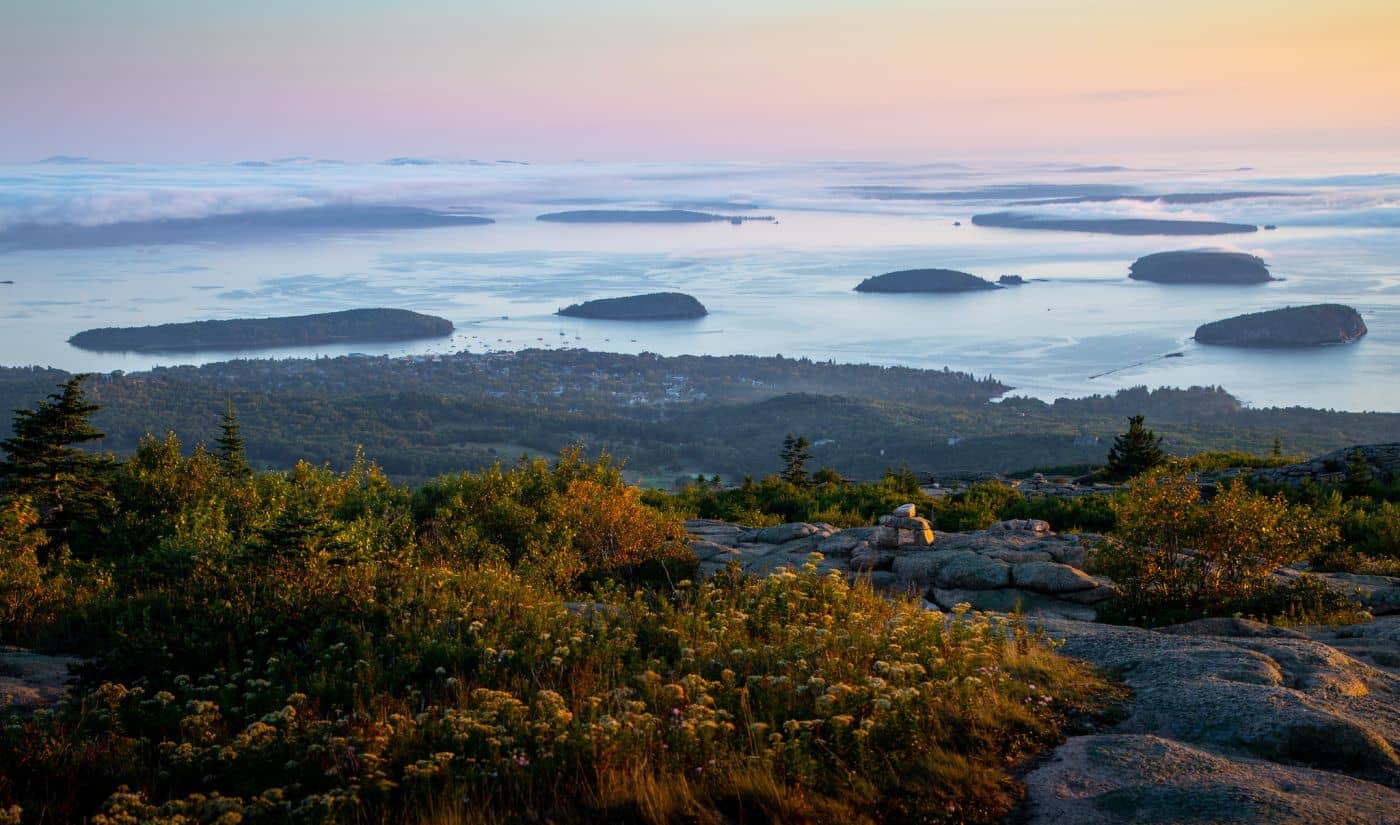
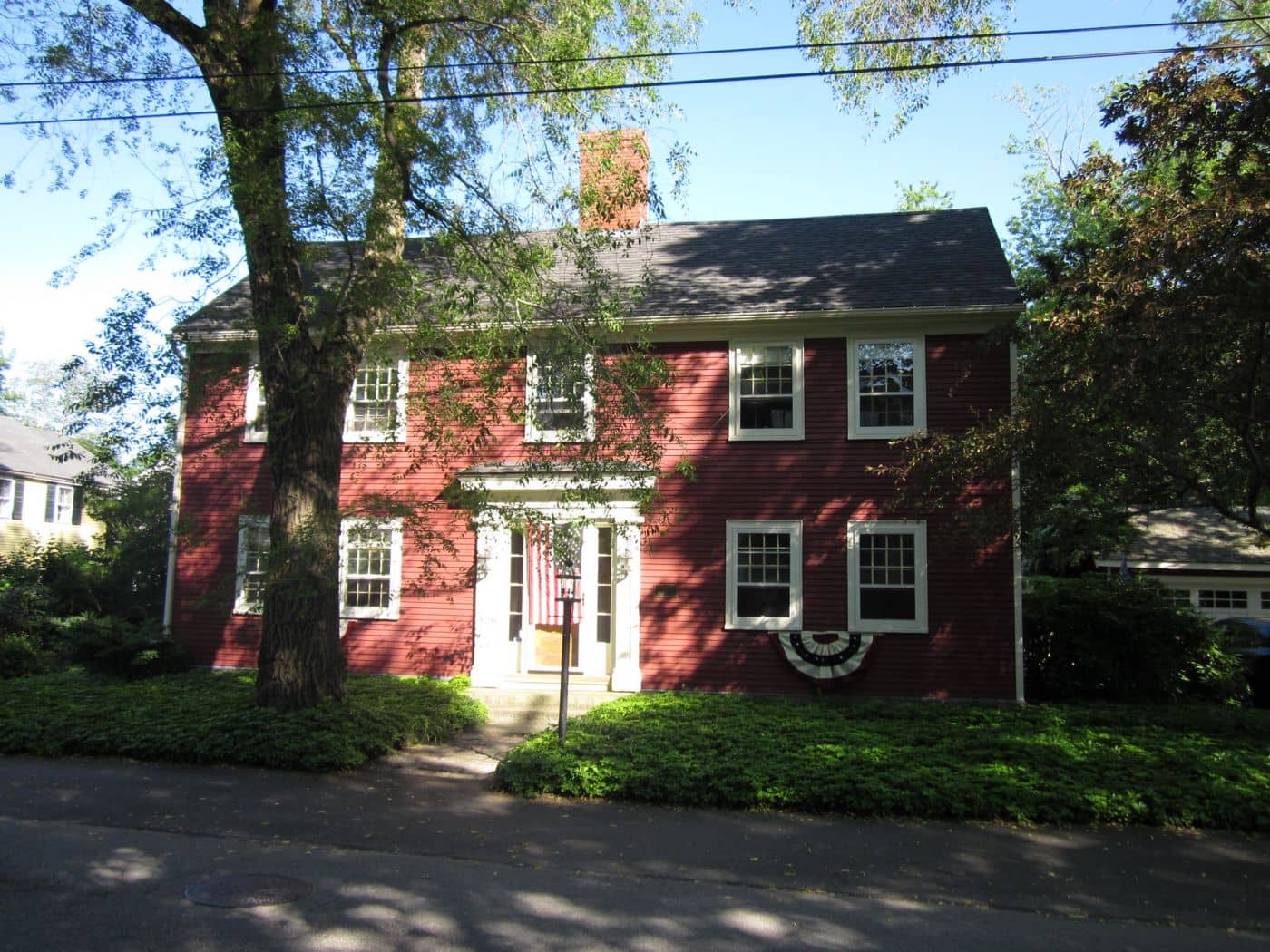
Gateway to Acadia National Park - Cadillac Mountain, puffin cruises, and a harbor town that fills with cruise ships from May to October.
Southern Maine Coast
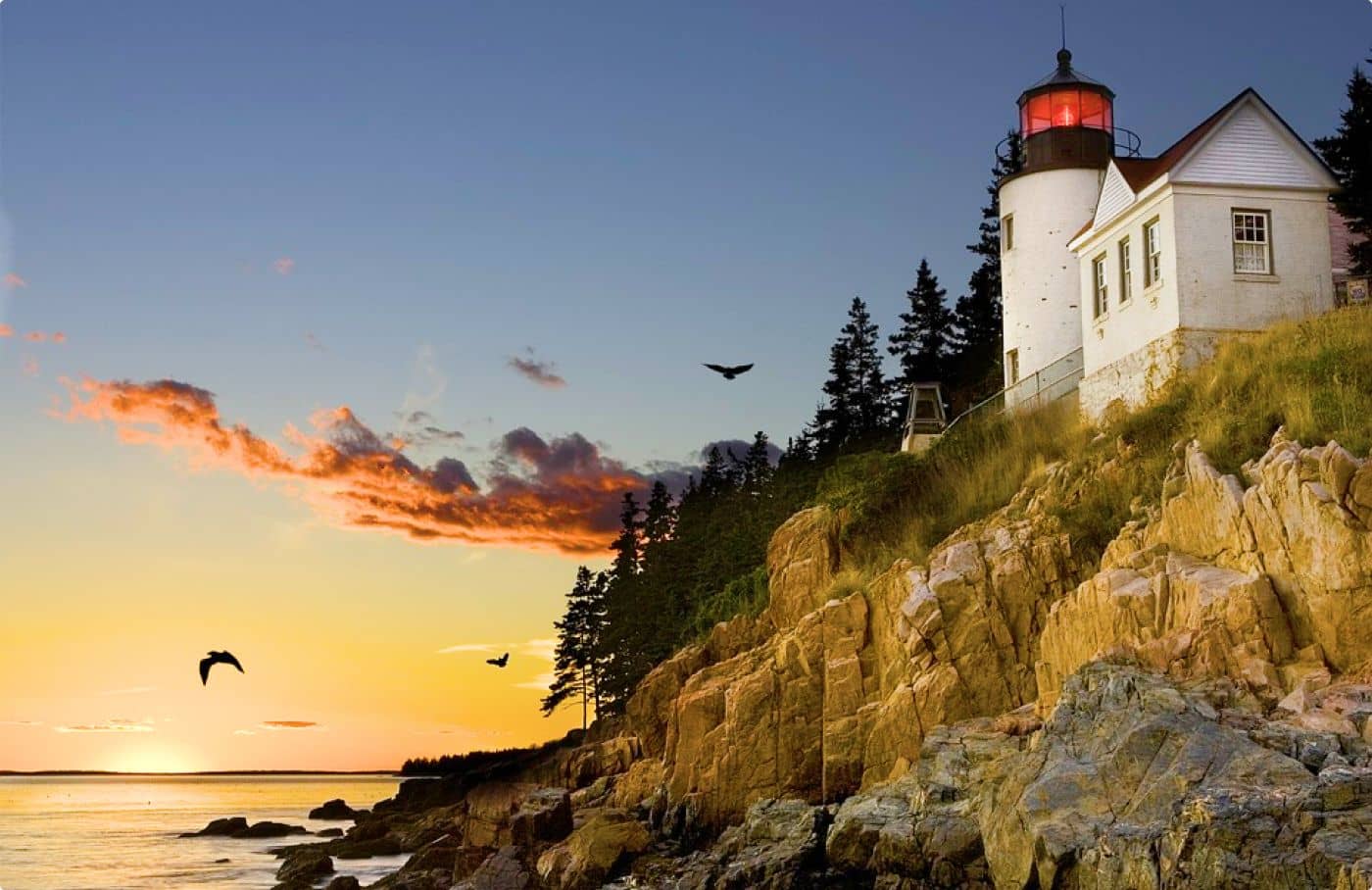
Dock Square boutiques, Goose Rocks Beach, and the Bush family's Walker's Point - the quintessential coastal Maine summer town.
Greater Portland
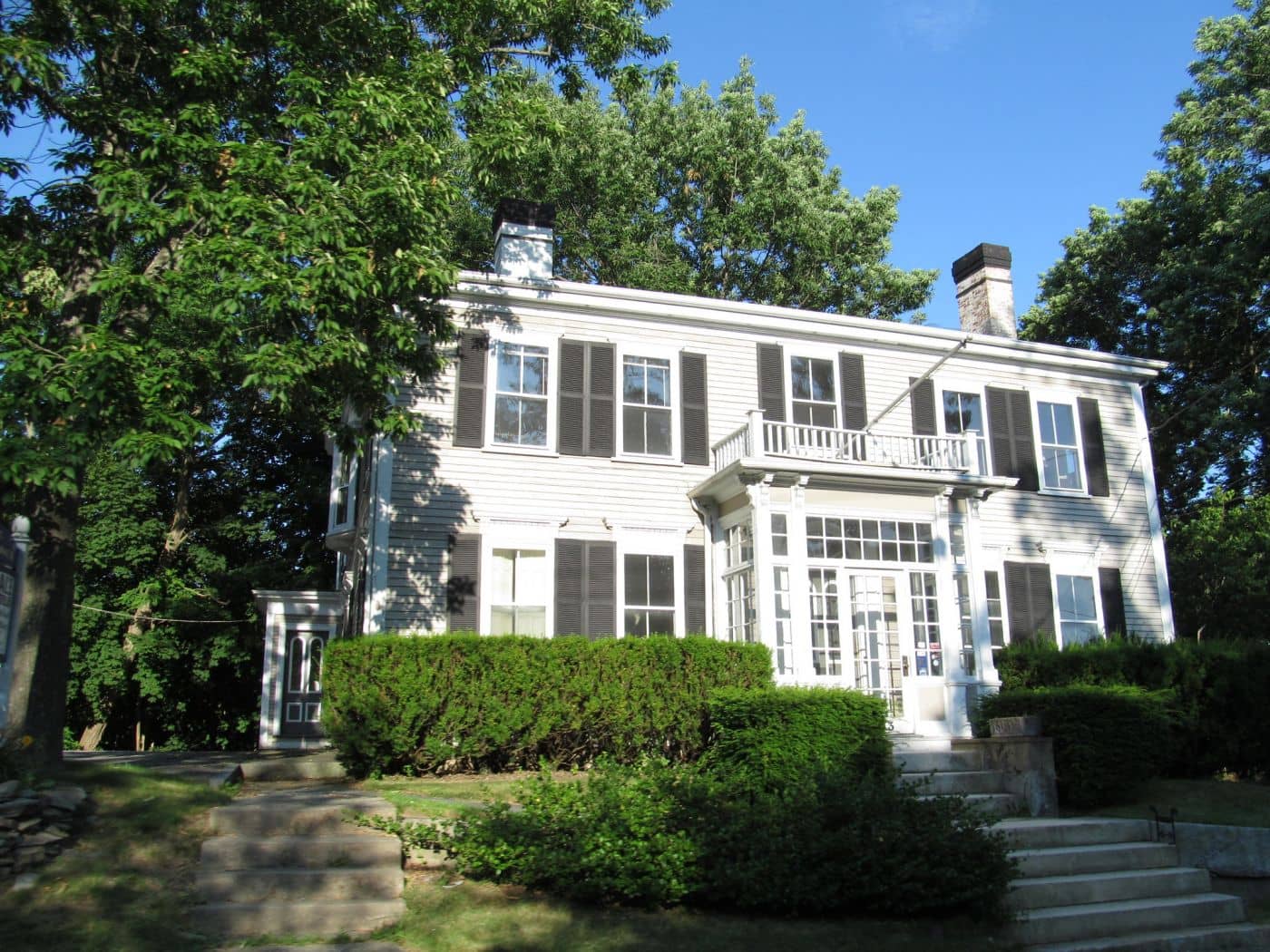
Maine's largest city - a working waterfront, Old Port cobblestones, and a food scene that punches well above its weight.
Midcoast Islands
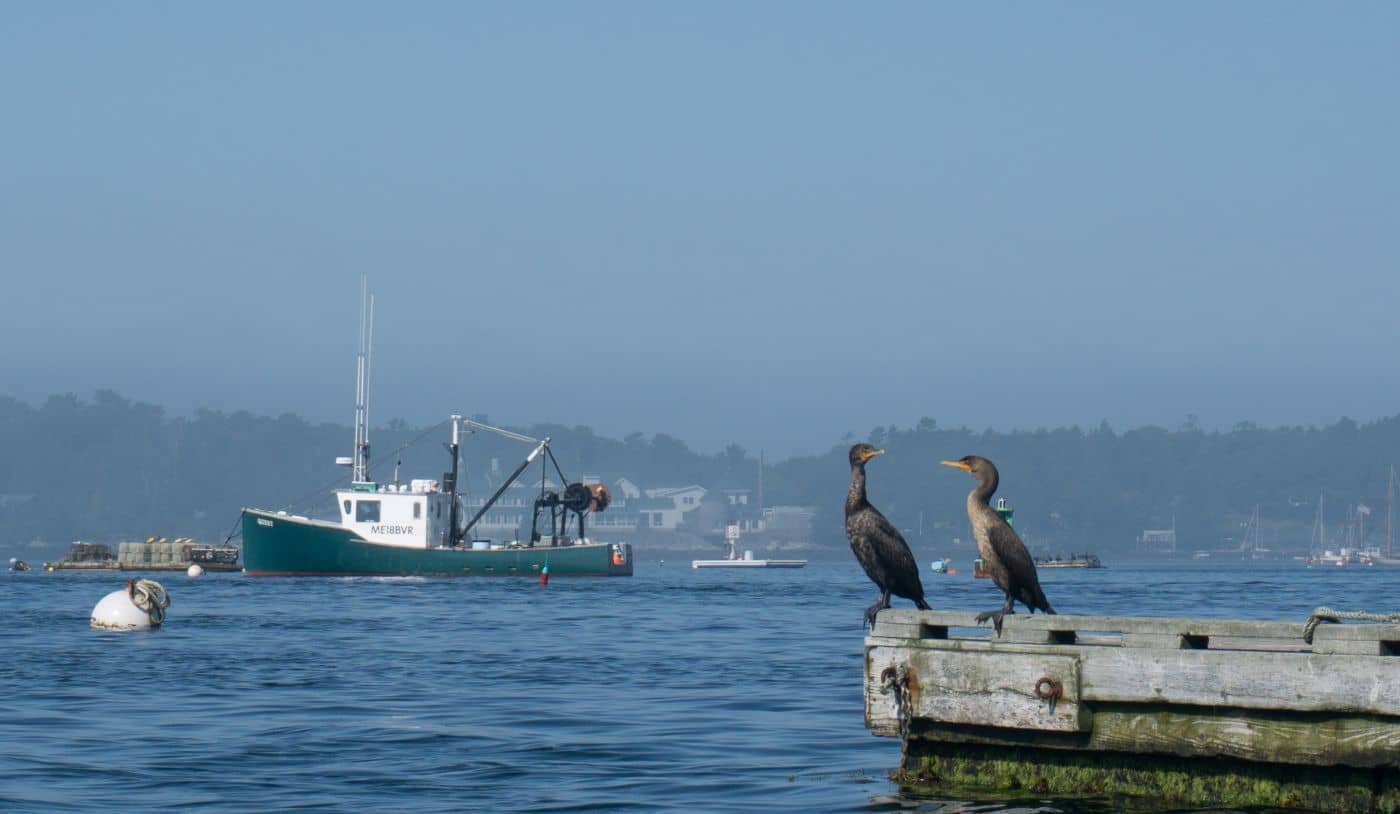
Shipbuilding heart of Maine since 1743 - Bath Iron Works still launches destroyers past the Maine Maritime Museum on the Kennebec.
Midcoast Islands
A Midcoast harbor town built around boat trips, with the Coastal Maine Botanical Gardens just up the road.
Midcoast Islands
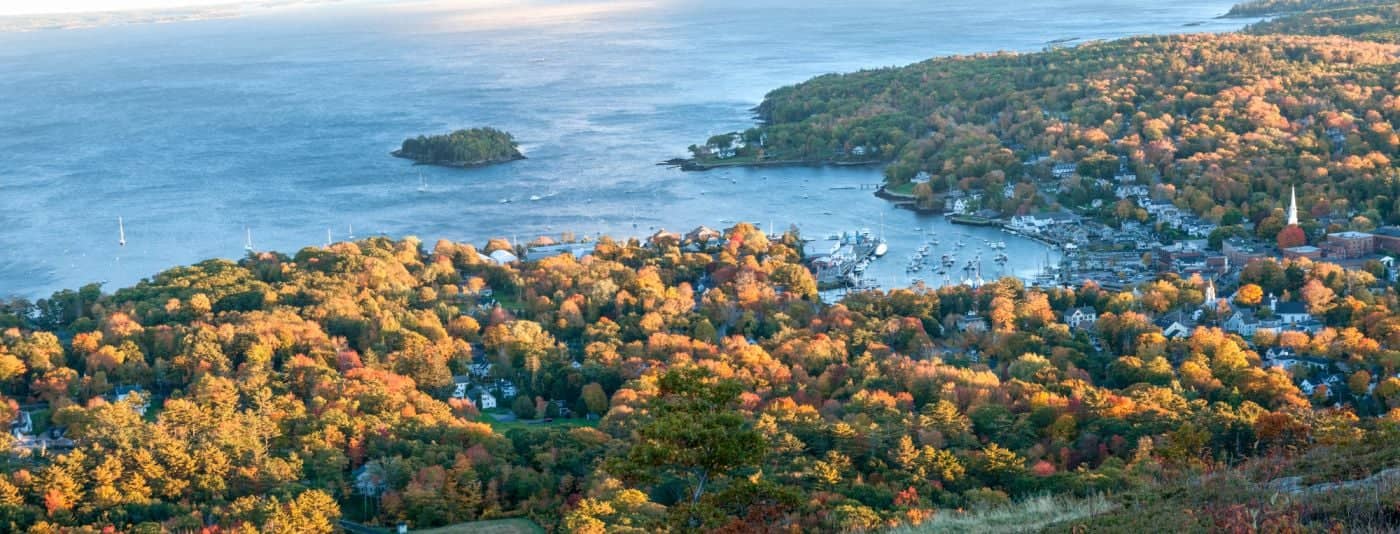
Where the mountains meet the sea - windjammer harbor, Mount Battie summit views, and an independent village with real soul.
Greater Portland
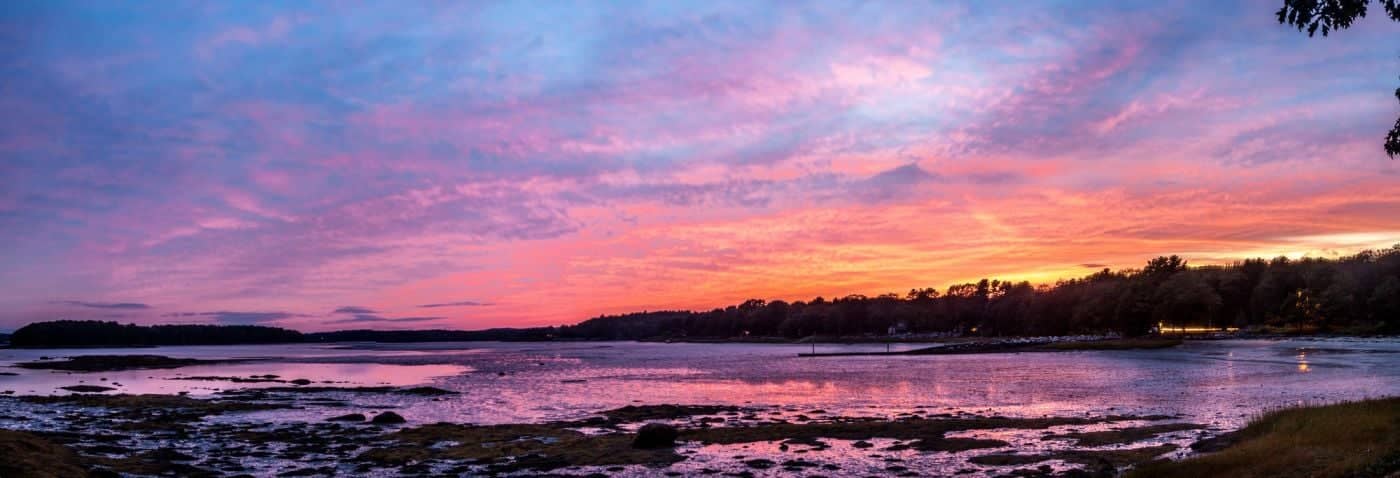
Flagship home of L.L. Bean, open 24/7 - outlets, a tidal river, and surprisingly good eating between the shopping.
Southern Maine Coast
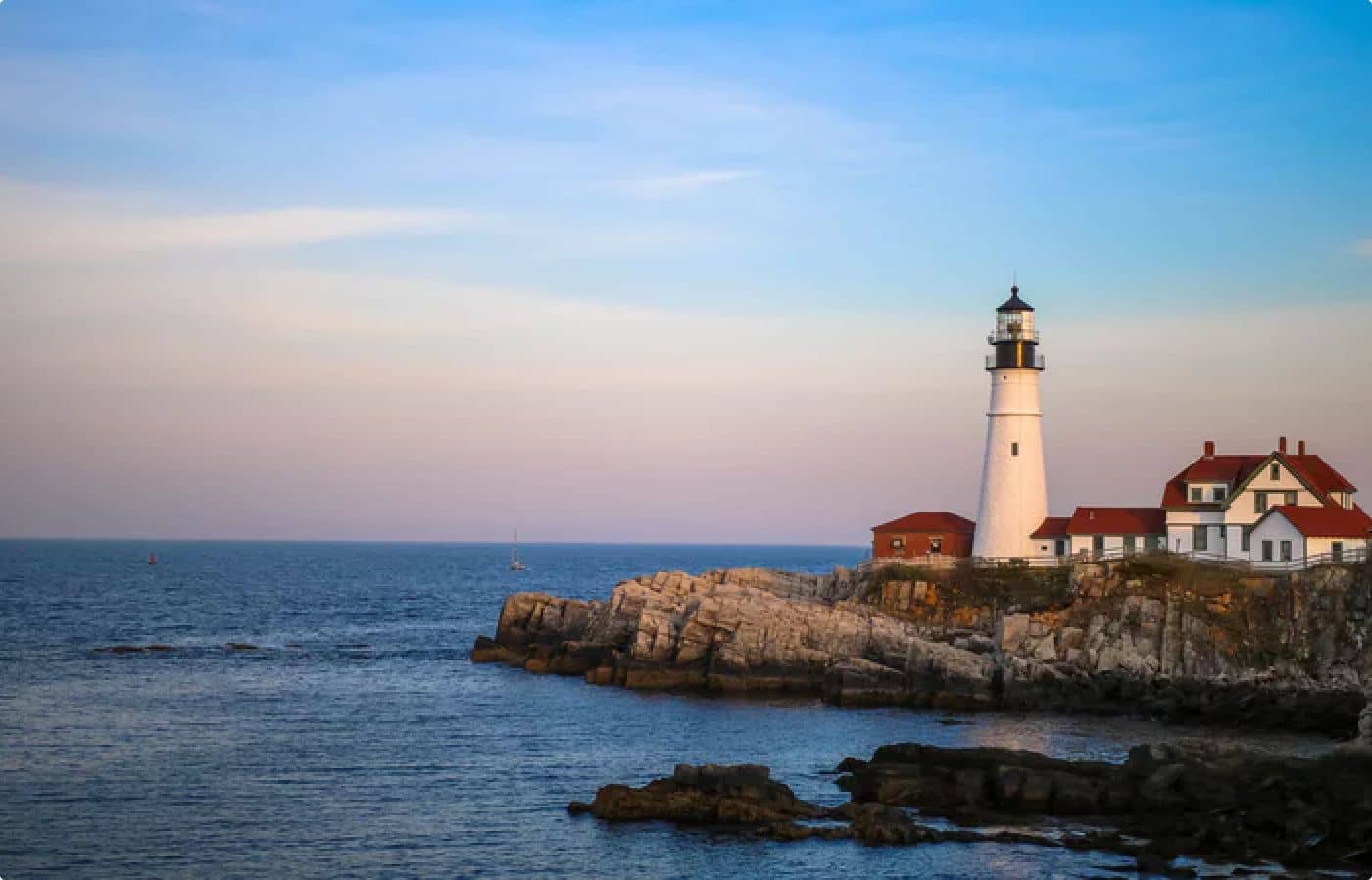
Postcard-perfect village of sea captains' mansions, Lower Village shops, and easy walks to Mother's Beach and Gooch's Beach.