1
Saco
See main listingFuntown Splashtown, Ferry Beach's maritime pine forest, and a tidy Main Street connecting downtown to the ocean.
Details

Guide
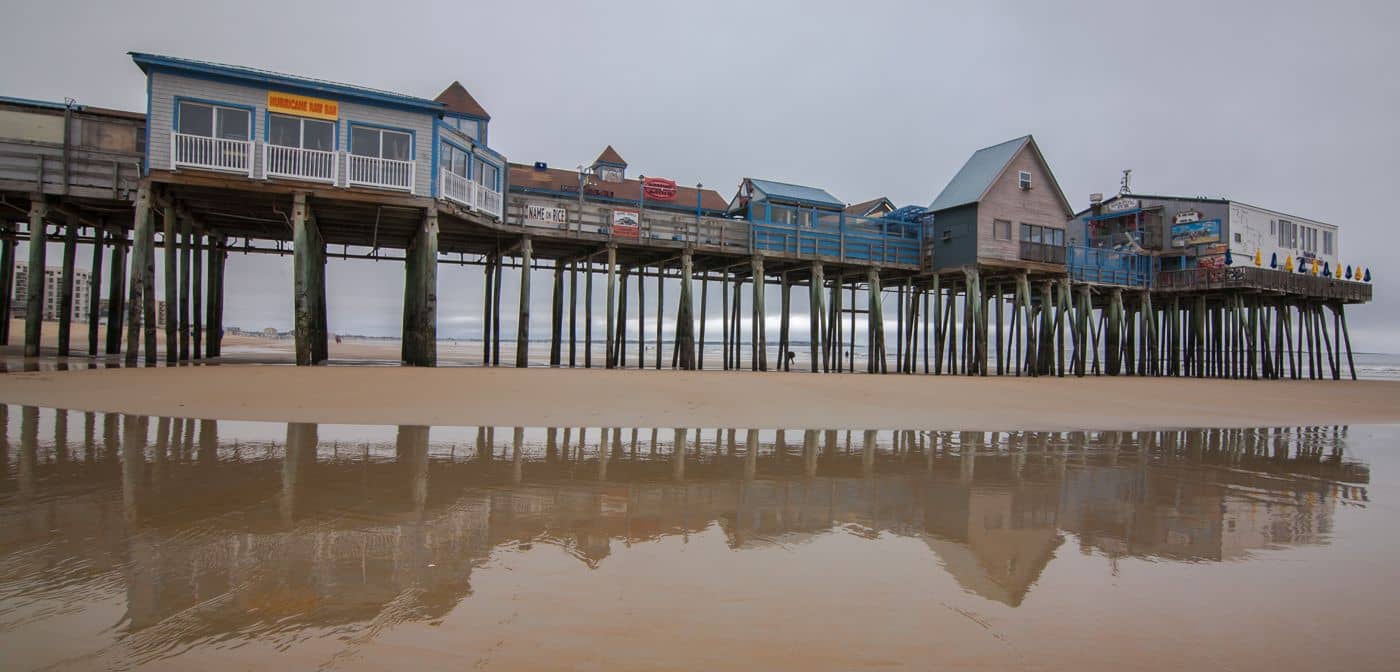
Ferry Beach State Park is the quiet stretch of sand between Old Orchard Beach and Camp Ellis, with something behind it that no other beach park in Maine has: a boardwalk trail through a stand of tupelo trees growing hundreds of miles north of where the species is supposed to stop. It holds a 4.7 rating from 757 Google reviews. Day use only, and the parking lot is the constraint.
For more trip planning, see Where Should You Eat in Saco, Maine?.
Just over a hundred acres at 95 Bayview Road in Saco, on the ocean side of Route 9 between Old Orchard Beach and the Camp Ellis jetty. A wide sand beach with dunes, a bathhouse, and roughly two miles of easy interconnected nature trails through the woods and swamp behind it.
There is no camping. This is a day-use park that closes at sunset. The beach is why most people come; the trails are why they come back.
The park is run by the Bureau of Parks and Lands, the division of Maine's Department of Agriculture, Conservation and Forestry that manages the state park system. The structure is standard: a seasonal staffed window, a day-use fee at the gate with a lower rate for Maine residents, and self-service payment when the gatehouse is closed. Current rates are on maine.gov.
Parking is the whole game. The lot is small (far smaller than the beach it serves) and on a hot July weekend it fills by mid-morning, after which the gate closes until spaces open. There is no overflow lot and the surrounding roads are posted. Arrive before ten or after three.
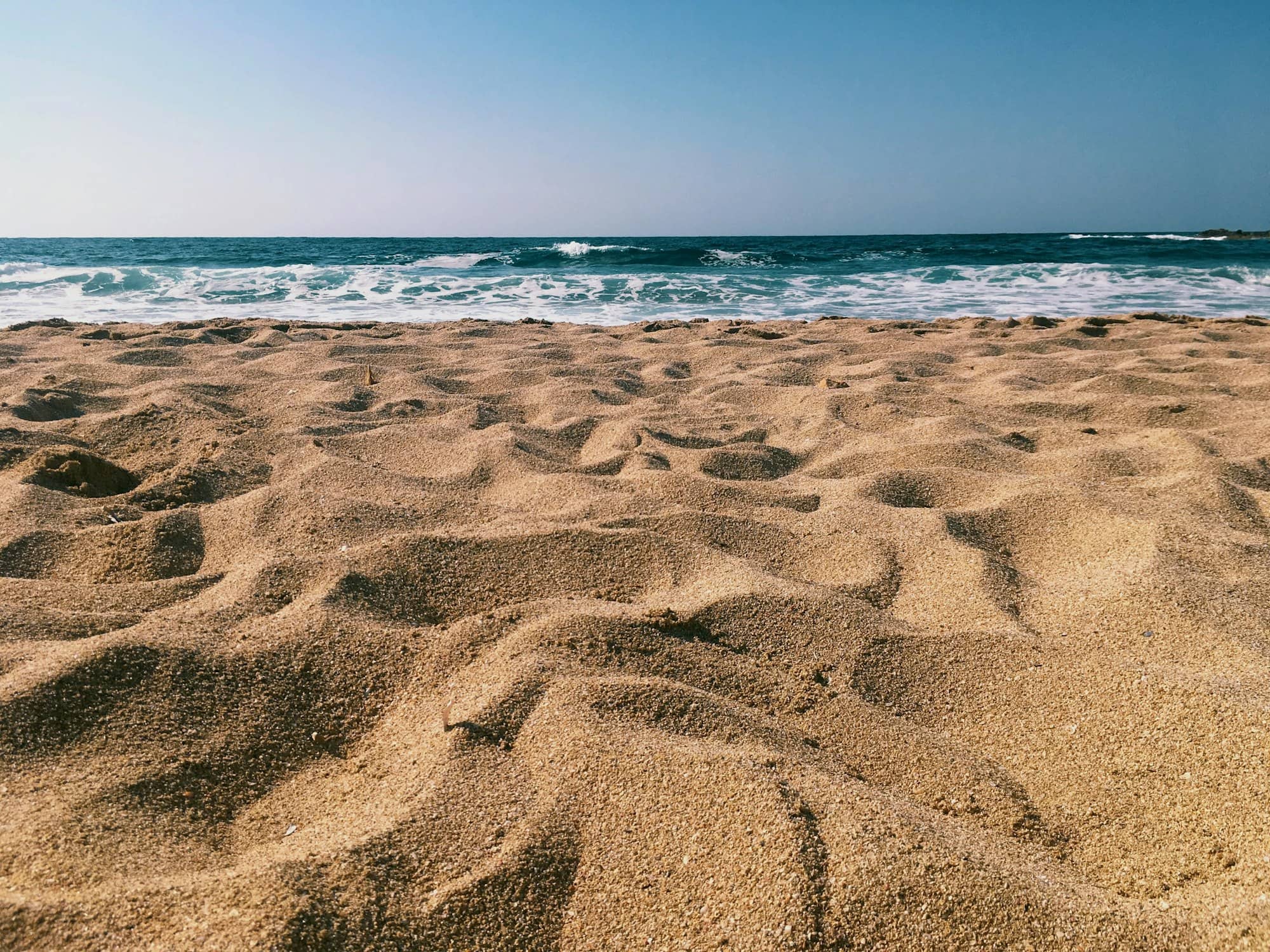
The beach faces southeast into Saco Bay, backed by fenced dunes. The surf is modest (a wading and body-surfing beach rather than a serious one) and the sand runs for miles in both directions, so you can walk out of the crowd in about ten minutes.
The honest drawbacks are two. First, the beach has been narrowing for a century, so at high tide on a big moon there is much less sand than the photographs suggest. Check the tide before you commit an afternoon. Second, the marsh and woodland trails produce greenhead flies at the height of summer, and they bite hard enough to end a walk. Late spring and September are the pleasant months back there.
Behind the dunes, the Tupelo Trail runs on boardwalk through a red maple and tupelo swamp. Black tupelo (also called black gum) is a southern tree, its range running the eastern seaboard from Florida up through the mid-Atlantic and thinning fast in New England. The stand here is one of the northernmost of any size on the coast, a relict population in a pocket of wet ground with the right conditions.
Individual tupelos are also extraordinarily long-lived. Trees of this species elsewhere in New England have been dated past four hundred years. They grow slowly and keep going as hollow shells for centuries. In October the leaves turn deep scarlet earlier than anything around them, which is the easiest time to pick them out.
The park protects the swamp for exactly this reason. It is twenty minutes on flat boardwalk, and almost everyone who visits Ferry Beach skips it in favor of the sand.
Look southwest along the beach and you will see the jetty at Camp Ellis, where the Saco River meets the sea. That structure explains the shape of everything around it.
The Army Corps of Engineers built the north jetty in the nineteenth century to keep the river mouth navigable, and it worked. What nobody accounted for was littoral drift: the steady movement of sand along the shore. The jetty interrupted it, sand that would have fed Camp Ellis was trapped or diverted offshore, and the shoreline behind it began to retreat.
It has never stopped. Camp Ellis has lost streets and houses to the ocean, and the effort to armor and re-engineer that corner of the bay has run for decades without resolution. Ferry Beach sits downdrift of the problem, which is part of why its sand budget is tighter than it once was.
The park's name is older than any of it. Before there were bridges over the lower Saco, a ferry crossed near here, and the name stuck to the beach and then to the road. It also causes confusion: there is a separate Ferry Beach in Scarborough (4.7 from 339 reviews) on the Nonesuch River, and a Ferry Beach retreat center in Saco that is not the state park. Navigate to Bayview Road, not to the name.
More options along this coast are in our guides to things to do in Saco and beaches near Portland.
No. Ferry Beach is day use only and closes at sunset. The nearest state park camping is well inland, though Saco and Old Orchard Beach have a dense concentration of private campgrounds within a few miles.
Before ten on a summer weekend. The lot is small relative to demand and the gate closes once it is full, reopening only as cars leave. Late afternoon is the other reliable window.
A short boardwalk loop through a swamp holding a rare northern stand of black tupelo, a tree whose range mostly stops well to the south. It is flat, takes about twenty minutes, and is at its best in early October when the tupelos turn scarlet ahead of everything else.
Yes. It is a sand beach on Saco Bay with a gentle slope and modest surf, easier with children than the more exposed beaches north of here. The water stays cold through June and is most tolerable in August.
Funtown Splashtown, Ferry Beach's maritime pine forest, and a tidy Main Street connecting downtown to the ocean.
Tools
Guides
Destinations
Downeast & Acadia
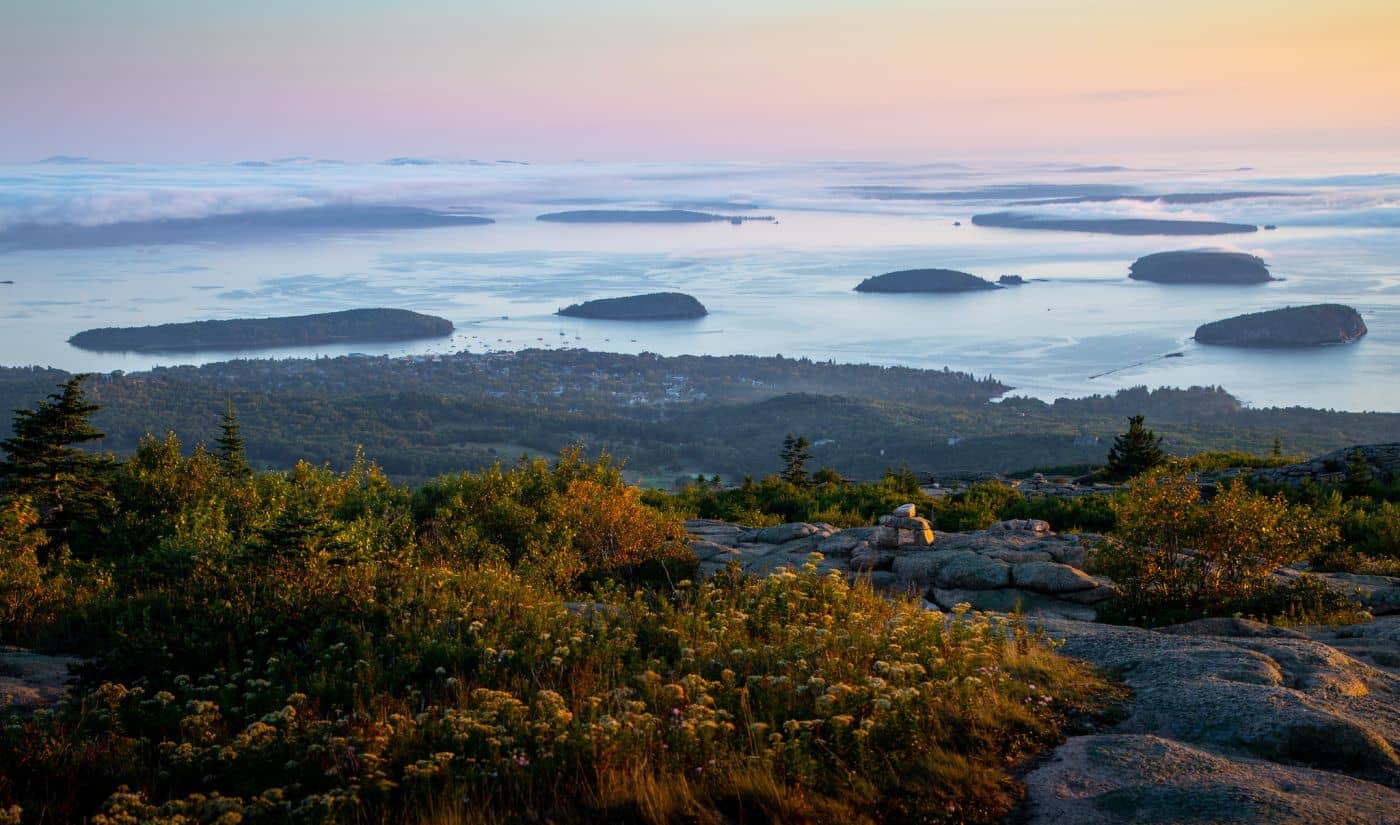
Gateway to Acadia National Park - Cadillac Mountain, puffin cruises, and a harbor town that fills with cruise ships from May to October.
Southern Maine Coast
Dock Square boutiques, Goose Rocks Beach, and the Bush family's Walker's Point - the quintessential coastal Maine summer town.
Greater Portland
Maine's largest city - a working waterfront, Old Port cobblestones, and a food scene that punches well above its weight.
Midcoast Islands
Shipbuilding heart of Maine since 1743 - Bath Iron Works still launches destroyers past the Maine Maritime Museum on the Kennebec.
Midcoast Islands
A Midcoast harbor town built around boat trips, with the Coastal Maine Botanical Gardens just up the road.
Midcoast Islands
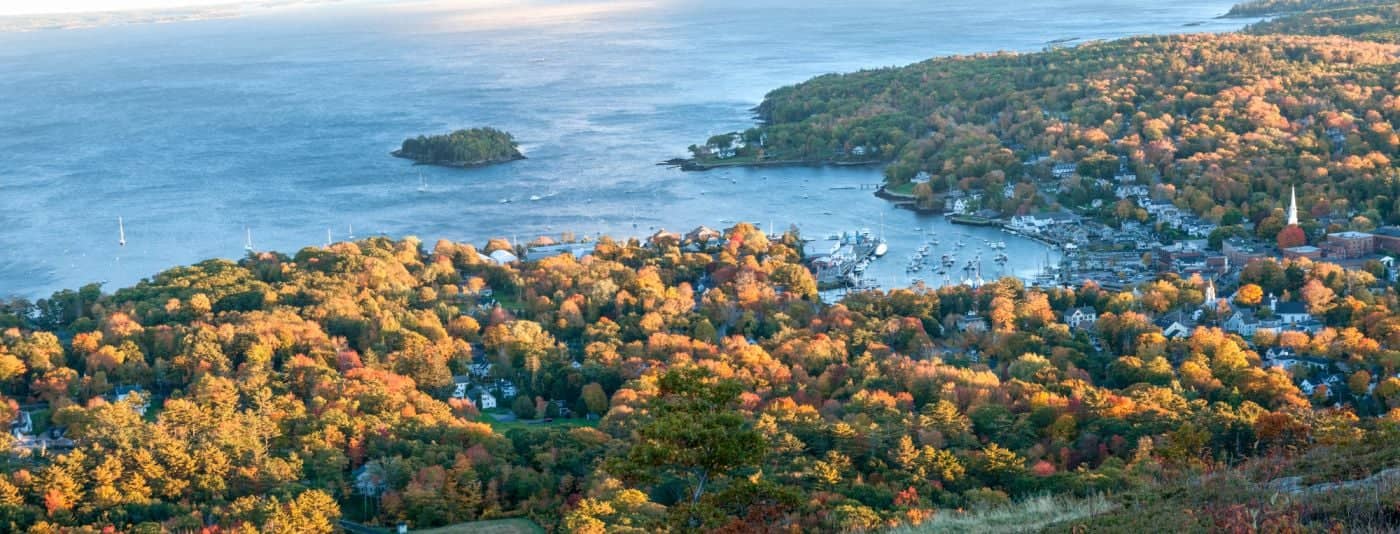
Where the mountains meet the sea - windjammer harbor, Mount Battie summit views, and an independent village with real soul.
Greater Portland
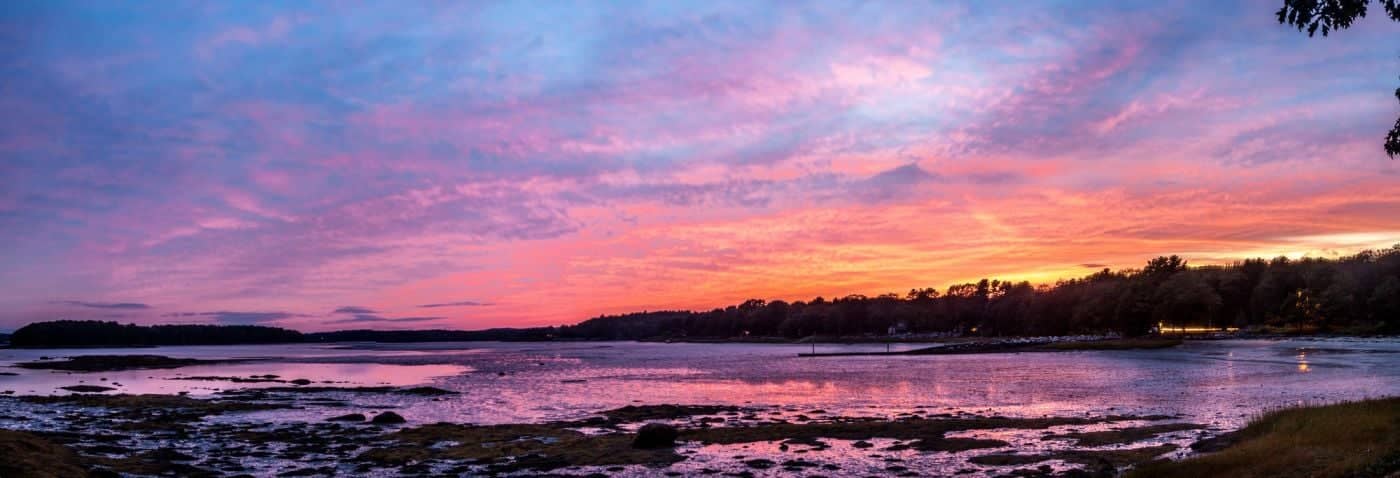
Flagship home of L.L. Bean, open 24/7 - outlets, a tidal river, and surprisingly good eating between the shopping.
Southern Maine Coast
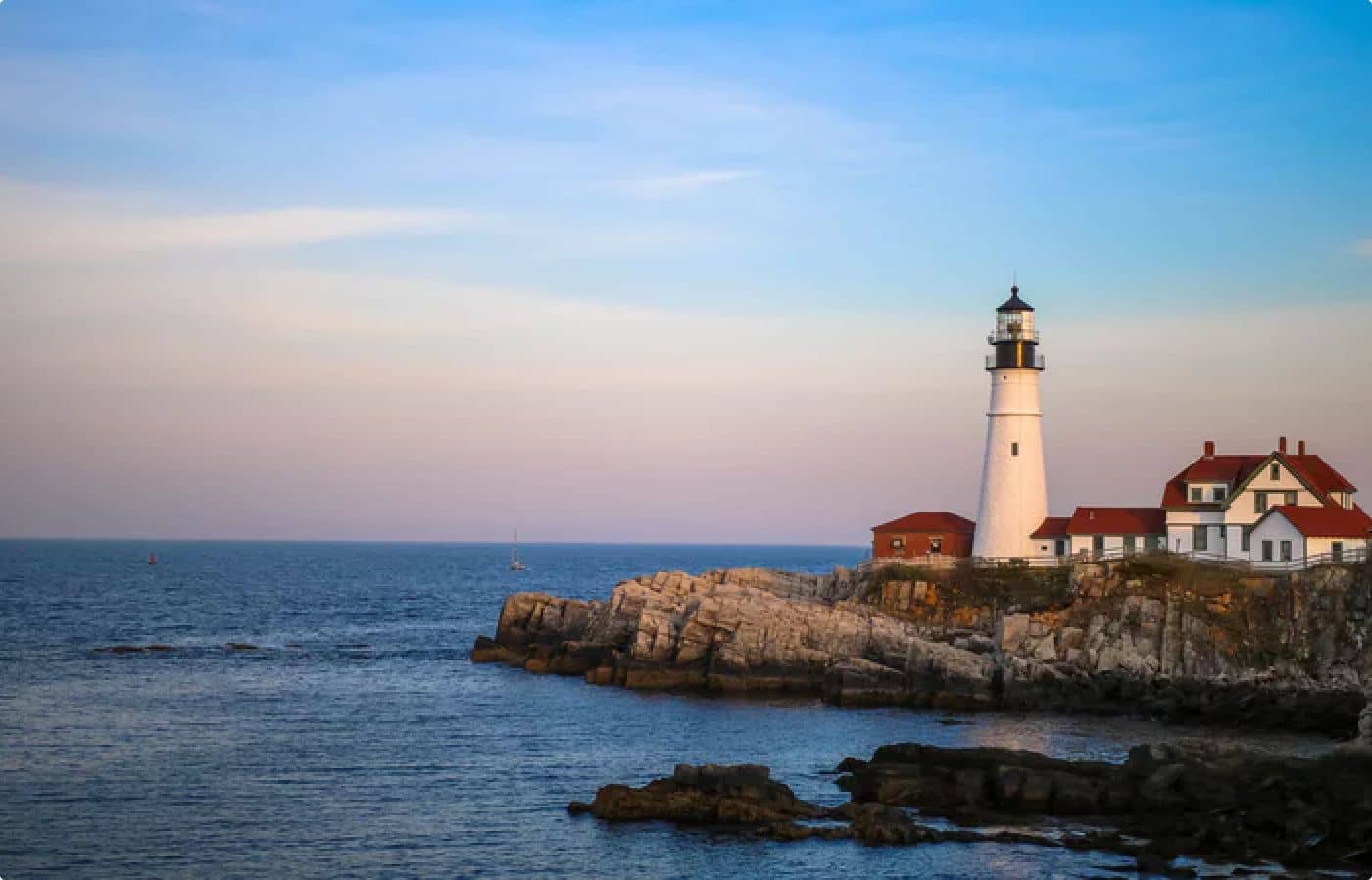
Postcard-perfect village of sea captains' mansions, Lower Village shops, and easy walks to Mother's Beach and Gooch's Beach.