1
Scarborough
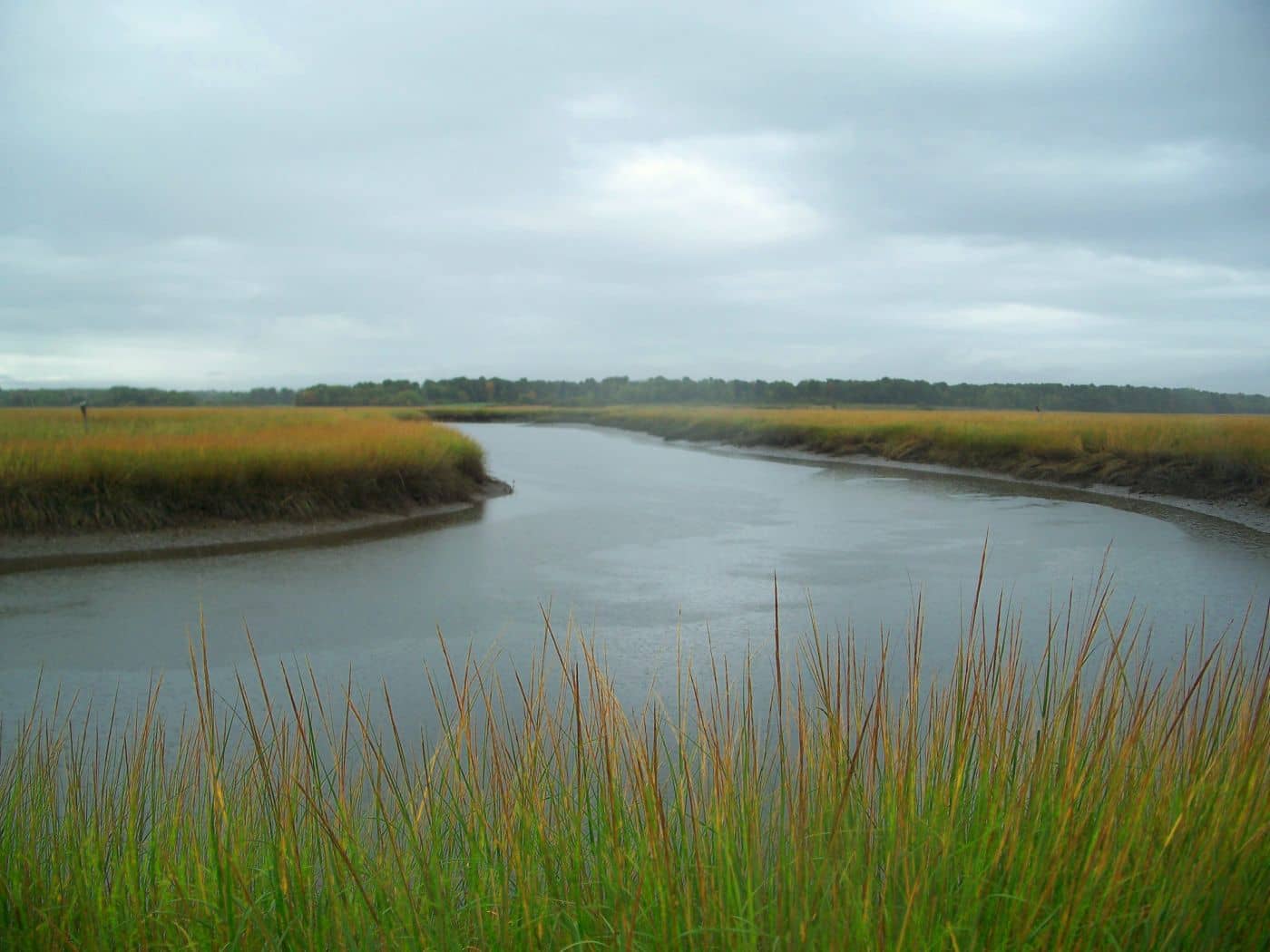
See main listingPortland's southern neighbor, with Higgins Beach, Pine Point, Prouts Neck and the state's largest salt marsh.
Details

Guide
Scarborough Beach has the most consistent surf in southern Maine and one of the strangest ownership arrangements in the state park system. It is state-owned land run by a private company, which is why its gate, its fees, and its passes all work slightly differently from every other park on this coast. Worth knowing before you turn up with a state park sticker.
Scarborough Beach State Park is at 418 Black Point Road in Scarborough, on the neck of land between the Nonesuch River marshes and the open Atlantic, about 20 minutes south of Portland. It rates 4.6 from 601 Google reviews.
A quick disambiguation, because this stretch of coast is a minefield of similar names. The state park is the gated beach on Black Point Road. There is a separate, lightly reviewed public access point also called Scarborough Beach (4.0 from 32 reviews) nearby. Ferry Beach in Scarborough (4.7, 339 reviews) is a town beach on the Nonesuch, and it is not the same thing as Ferry Beach State Park, which is up the coast in Saco. Check the address, not the name.
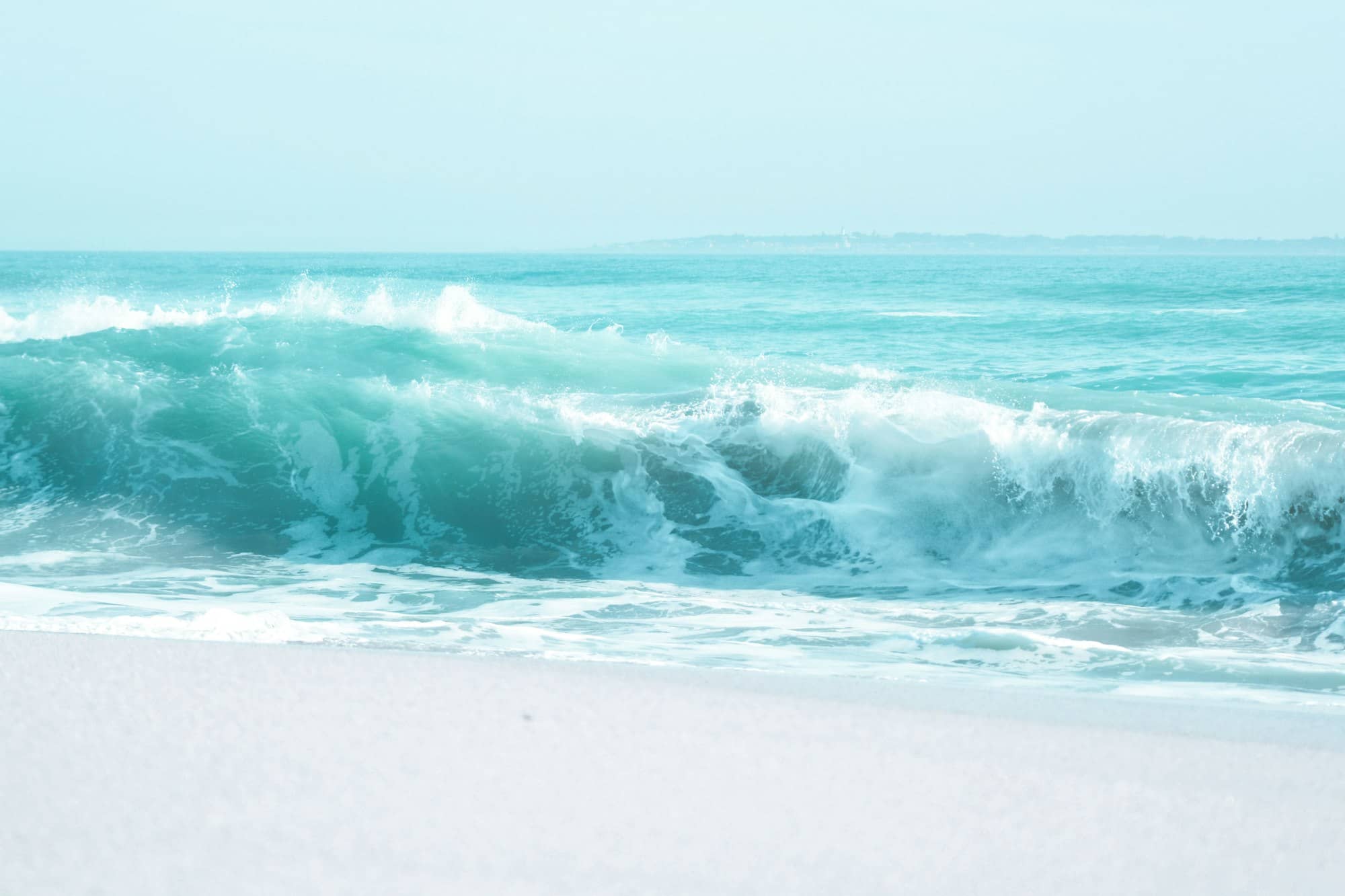
The beach itself is a broad crescent of sand facing southeast into open water, with no islands or headlands to break the swell before it arrives. That geometry is the reason surfers come here. It is also the reason the water is rougher than at Crescent Beach or Ferry Beach, and why the shore break can knock a small child over on a big day.
Most Maine state parks are run directly by the Bureau of Parks and Lands. Scarborough Beach is not.
The land is owned by the State of Maine, having been acquired in stages, but day-to-day operation sits with Black Point Resource Management, a private company connected to the Sprague Corporation, the same family concern whose land holdings turn up all over this part of Cape Elizabeth and Scarborough. The arrangement is a formal public-private partnership and has been in place since the early 1990s.
The practical consequences are worth knowing before you arrive:
None of this makes it a worse park. It does mean that advice written about "Maine state parks" generally (fee rules, senior rates, season passes) should be treated as unreliable for this one specific beach.
Parking is the hard limit. The lot is not large for a beach this popular, and on a hot summer weekend it fills early and stays full. There is no realistic street alternative; Black Point Road is residential and posted. If you are coming from Portland on a July Saturday, aim to be through the gate before mid-morning.
From the lot you walk in past Massacre Pond and over a low dune to reach the sand. A few minutes on foot, not a drive-up beach. Facilities are seasonal: bathhouse with changing rooms and showers, restrooms, a snack bar, and lifeguards during the staffed season. There is no camping.
The surf is real. This is the best-known surf break in southern Maine and it draws boards year-round, including in winter wetsuits. That is the appeal and the caution in one. Rip currents form here, particularly on a dropping tide after a swell. Swim near the lifeguard stand, and on a big day accept that the water belongs to the surfers.
Off-season, when the gate is unstaffed, the beach is a good cold-weather walk and one of the more reliable places on this coast to watch a storm swell come in. Dress for wind. There is nothing between you and the ocean.
The pond you pass on the walk in has a name that is not a metaphor. It was called Great Pond until 1703, when the Black Point settlement here was attacked during Queen Anne's War. Richard Hunnewell and eighteen other men were killed near the water, and the name changed to match. It was part of a wider campaign that autumn in which French colonial forces and Wabanaki fighters struck English settlements all along the coast between Wells and Casco Bay. Scarborough was fought over repeatedly across several decades; this was one of the worst days.
The peninsula immediately east of the beach is Prouts Neck, and it produced something entirely different. In 1884 Winslow Homer moved from New York to Prouts Neck and converted a carriage house into a studio with a second-floor painting room and a balcony facing the water. He lived and worked there until his death in 1910, and the sea he painted (the late marine canvases of surf breaking on ledge, of men and water) is the sea you are looking at from this beach.
The studio was designated a National Historic Landmark in 1965. The Portland Museum of Art acquired it in 2006, restored it, and opened it to visitors in 2012. Tours run seasonally, in small groups, by advance reservation, and depart from the museum in Portland rather than from Prouts Neck itself. The neck is private and parking there is not an option. Book ahead; the groups are capped and they sell out.
More on the area in our guide to things to do in Scarborough.
Not necessarily. Scarborough Beach State Park is state-owned but operated by a private company under a public-private partnership, and it sets its own fees and passes. Check the park's own website before you count on a state pass or a senior discount from elsewhere in the system.
Yes. It is the most consistent surf beach in southern Maine, exposed to open ocean swell with nothing offshore to block it. Surfers use it year-round in wetsuits. Swimmers should treat the same exposure as a warning: rip currents form here, so stay near the lifeguard stand.
On a hot summer weekend, before mid-morning. The lot is modest relative to demand and there is no legal roadside parking on Black Point Road, so once it fills the only option is to wait or leave. Weekdays and late afternoons are much easier.
Only on an official tour. The Portland Museum of Art owns the studio and runs small-group tours seasonally by advance reservation, departing from the museum in Portland. Prouts Neck itself is private and there is no visitor parking, so turning up independently is not workable.
Portland's southern neighbor, with Higgins Beach, Pine Point, Prouts Neck and the state's largest salt marsh.
Tools
Guides

Destinations
Downeast & Acadia
Gateway to Acadia National Park - Cadillac Mountain, puffin cruises, and a harbor town that fills with cruise ships from May to October.
Southern Maine Coast
Dock Square boutiques, Goose Rocks Beach, and the Bush family's Walker's Point - the quintessential coastal Maine summer town.
Greater Portland
Maine's largest city - a working waterfront, Old Port cobblestones, and a food scene that punches well above its weight.
Midcoast Islands
Shipbuilding heart of Maine since 1743 - Bath Iron Works still launches destroyers past the Maine Maritime Museum on the Kennebec.
Midcoast Islands
A Midcoast harbor town built around boat trips, with the Coastal Maine Botanical Gardens just up the road.
Midcoast Islands
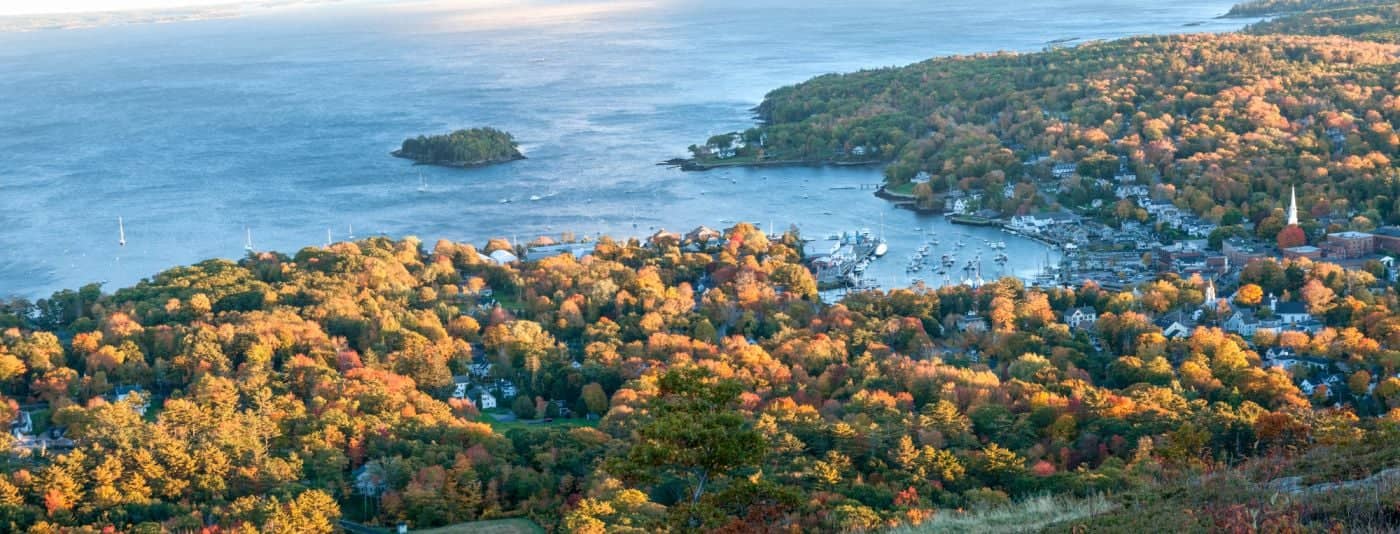
Where the mountains meet the sea - windjammer harbor, Mount Battie summit views, and an independent village with real soul.
Greater Portland
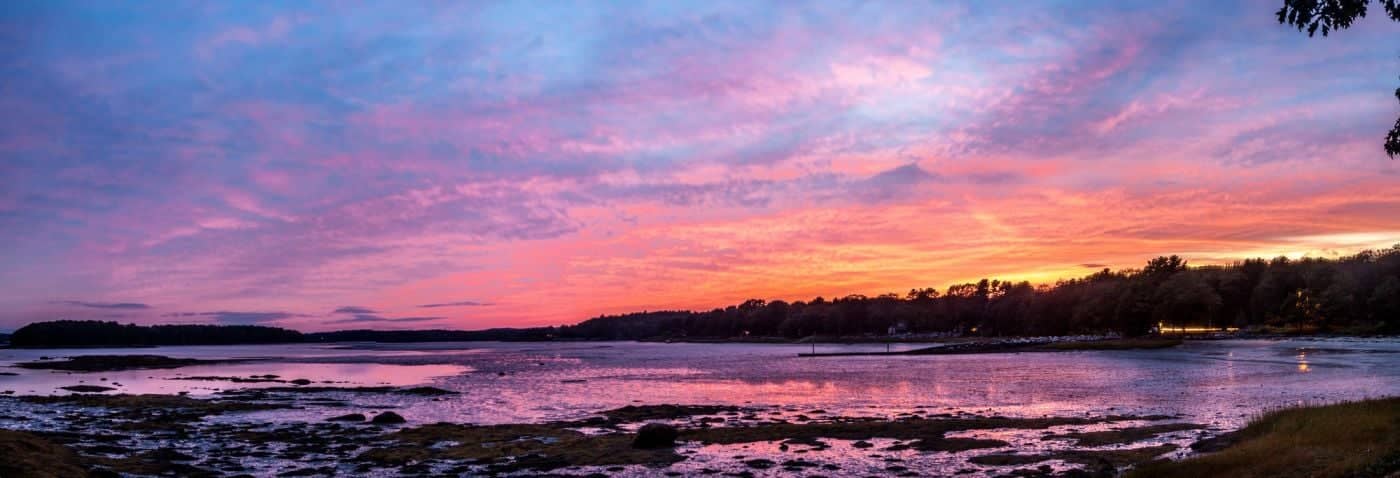
Flagship home of L.L. Bean, open 24/7 - outlets, a tidal river, and surprisingly good eating between the shopping.
Southern Maine Coast
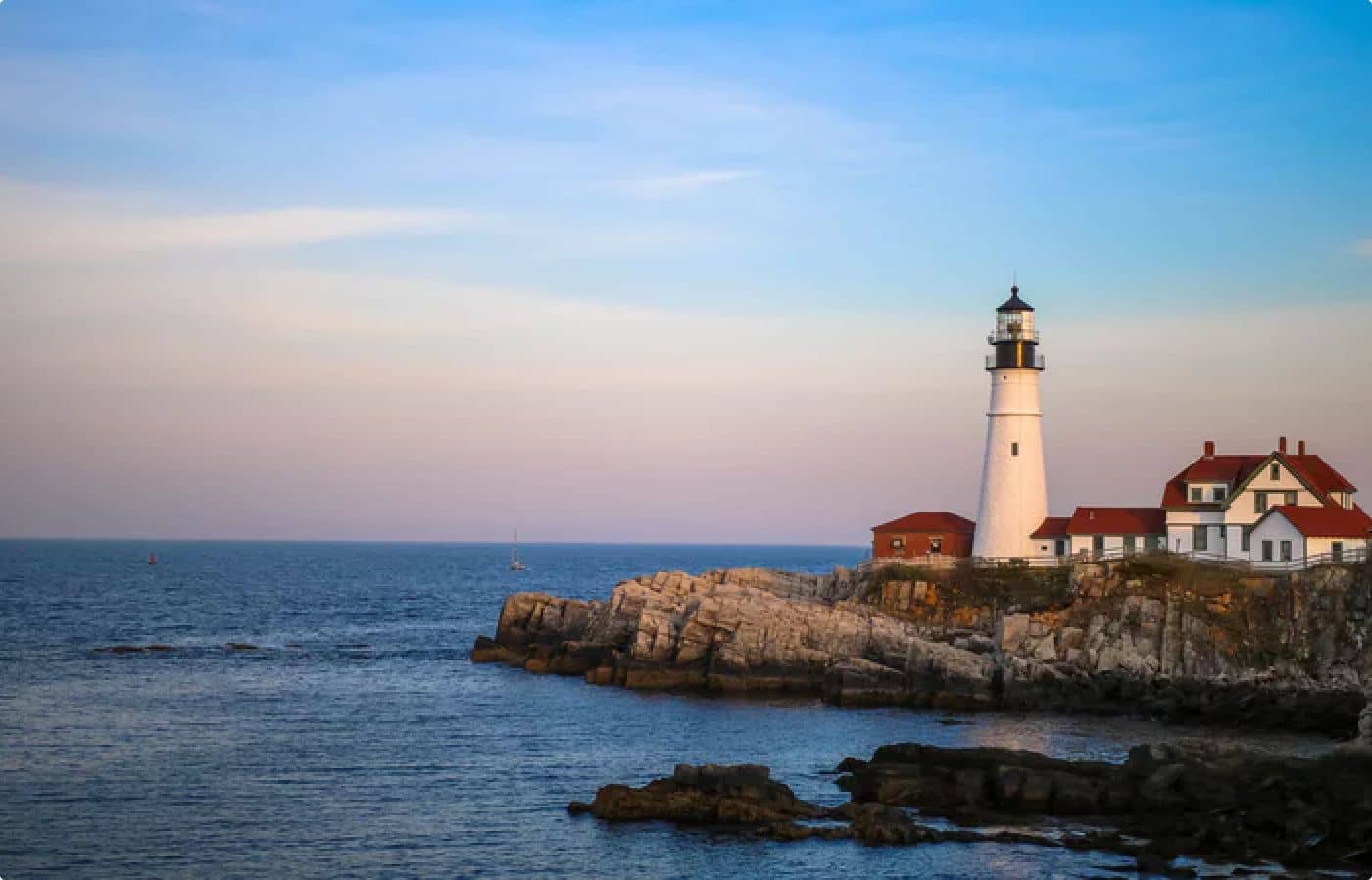
Postcard-perfect village of sea captains' mansions, Lower Village shops, and easy walks to Mother's Beach and Gooch's Beach.