
1
Camden
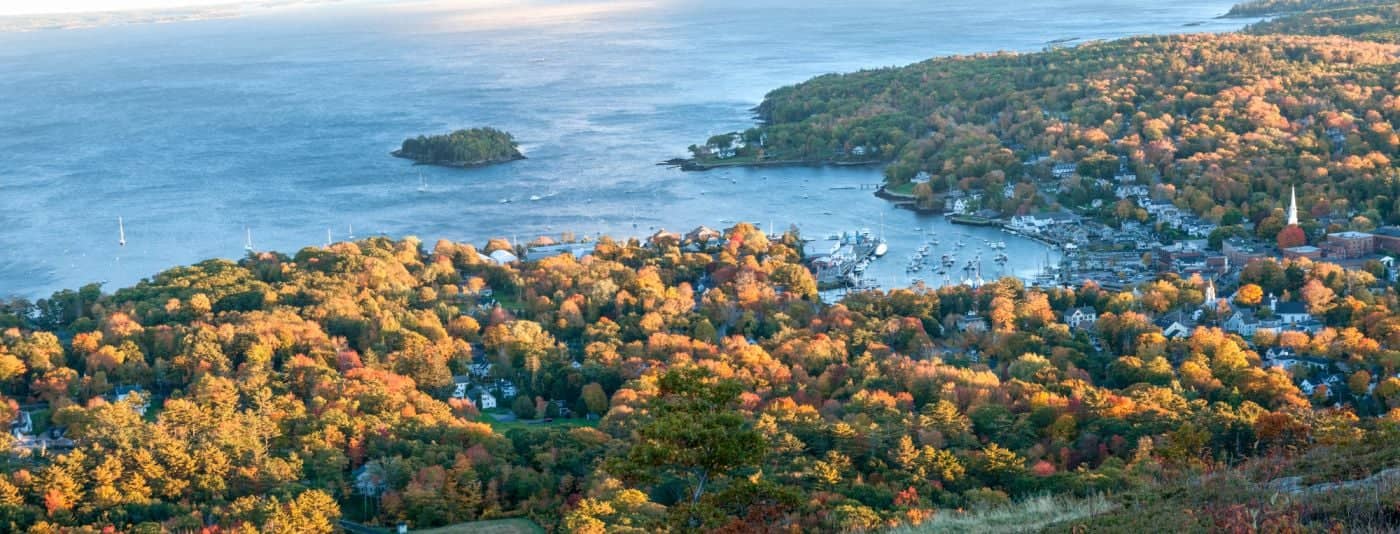
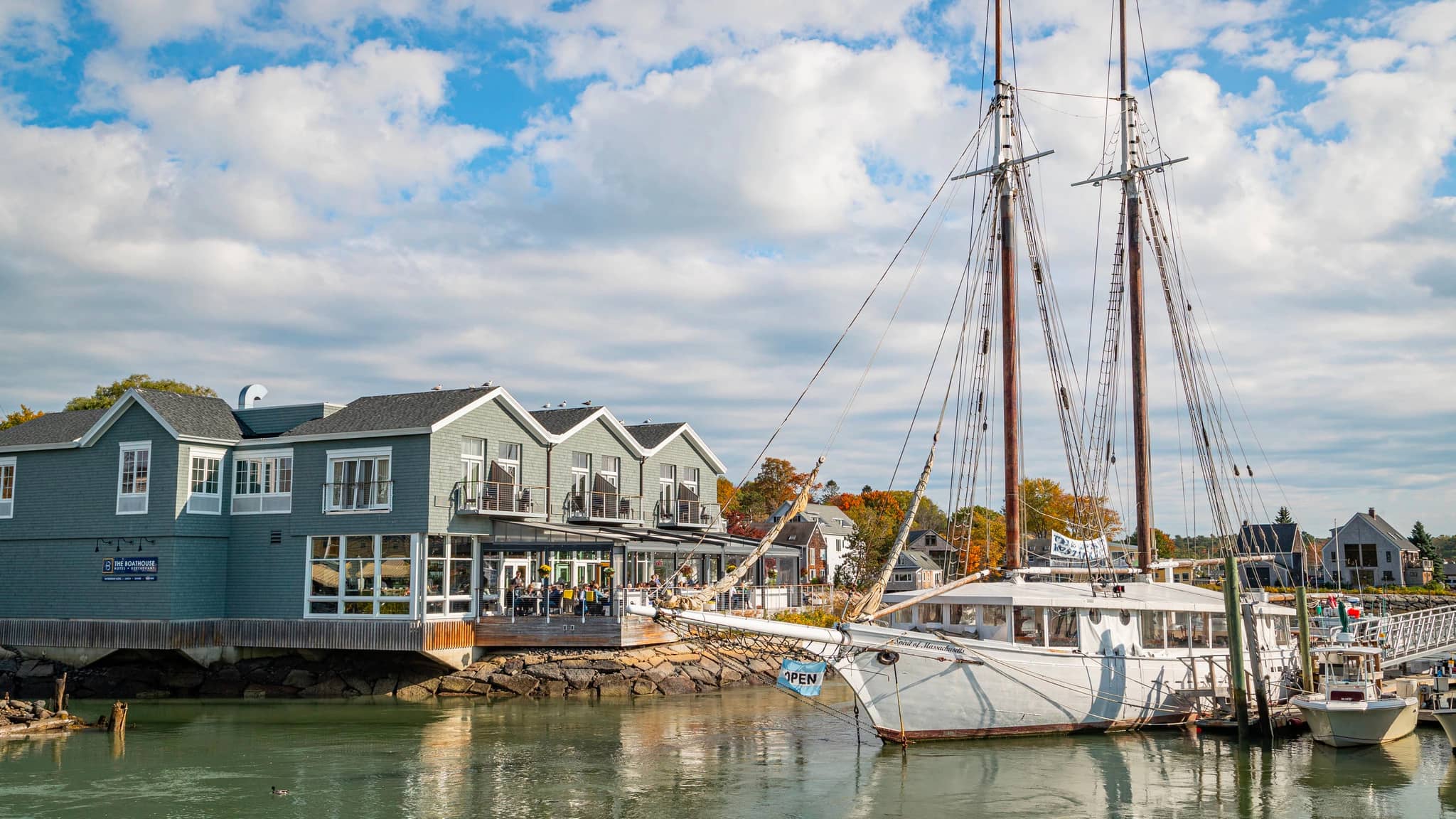
See main listingWhere the mountains meet the sea - windjammer harbor, Mount Battie summit views, and an independent village with real soul.
Details

Guide
Windjammer cruises are the one thing you can do in Maine that you genuinely cannot do anywhere else in the country: sleep aboard a nineteenth-century cargo schooner that still moves under sail alone, with no fixed route, because the captain picks the anchorage each afternoon based on what the wind did that day. The fleet works out of Camden, Rockland and Rockport, and it sails roughly late spring through mid-October. This is what the trips are actually like, how the multi-day boats differ from a two-hour harbor sail, and how to pick between them.
Compiled from published reviews, official sites and our own research; assessed remotely without firsthand experience.
A windjammer is a large sailing vessel (in Maine, almost always a gaff-rigged schooner) that carries passengers under sail. The important word is under. Most of these boats have no propulsion of their own. When there is no wind, or when they need to thread a mooring field, a small diesel yawl boat drops off the stern and pushes the schooner from behind like a tugboat. That is the whole propulsion system.
The historic core of the fleet was not built for tourists. These were coasting schooners, working freight boats that hauled granite, lumber, lime and fish along the New England shore before trucks and rail took the business. Several were launched in the 1870s and are still sailing; a number carry National Historic Landmark designation, which is a genuinely unusual thing to be able to book a bunk on. Others in the fleet were purpose-built later for passenger sailing and are simply well-found wooden schooners rather than museum pieces.
What this means in practice: you are on a working boat, not a cruise ship in miniature. Cabins are small. Some have a sink; showers are usually shared and limited. Passengers are welcome to haul on halyards, take a turn at the wheel, or do absolutely nothing, and the crew genuinely does not mind which you choose.
Choose a multi-night cruise as the accommodation portion of the holiday, not as an extra outing between hotel nights. Lewis R. French's published 2027 schedule offers three-, four- and five-night departures from Camden. Boarding begins after 6 p.m.; the first night is spent at the dock before sailing the following morning. Its accommodation information lists shared bathrooms and a shower, with single cabins offered without a supplement. [1] [2] Mary Day publishes 2027 trips labeled by days, including a June 18–21 three-day departure and a June 27–July 3 six-day natural-history-and-photography departure. Keep each operator's day or night unit intact when comparing the products. Choose the shorter cruise for a sailing-led break, or keep a Camden–Rockland weekend shore-based when the hills and Farnsworth are the priorities. [3]
Midcoast Maine is the center of it. The schooners that run multi-day cruises are based almost entirely in Camden, Rockland and Rockport, three harbors within about eight miles of one another on Penobscot Bay. That concentration is not an accident. Penobscot Bay has hundreds of islands, deep protected water, reliable summer southwesterlies, and dozens of anchorages within a half-day sail of each other. It is close to ideal cruising ground.
Rockland's working harbor is the bigger and less scenic of the two main ports, and it is the more convenient one: the boats tie up near Harbor Park (4.6 from 861 reviews), and the town has the Farnsworth Art Museum (4.6 from 189) and the Maine Lighthouse Museum (4.5 from 325) for the hours before boarding. Camden is prettier and more crowded, with the schooners moored right at the foot of the village.
Day sails run from those harbors too, and from several others down the coast: Boothbay Harbor, Bar Harbor, Kennebunkport and Southwest Harbor all have sailing operators. Those are different animals, and worth being clear about before you book.
The word "windjammer cruise" gets applied to both a two-hour sunset sail and a six-day passage, which causes a lot of booking confusion. They share a hull type and almost nothing else.
| Feature | Day sail | Multi-day cruise |
|---|---|---|
| Typical length | Two hours to a half day | Three to six nights |
| Sleep aboard | No | Yes, in a small cabin |
| Where you go | Out of the harbor and back | Wherever the wind allows; islands, coves, small ports |
| Itinerary | Fixed, published | Decided daily by the captain |
| Meals | Rarely, sometimes snacks | All meals, cooked aboard on a wood stove |
| Booking window | Often same week, sometimes same day | Months ahead for peak weeks |
| Best for | A first taste, families with young kids, tight schedules | People who want to actually disconnect |
If you have never sailed and are not sure you will like it, do a day sail first. Nobody has ever regretted that order. Doing it the other way around (committing to five nights and discovering on day one that you are seasick and there is no wifi) is a bad week.
These are all real operators in the corpus we track, with their current Google ratings. Sorted by a combination of rating and review volume rather than by anyone's opinion.
Note the pattern in those numbers. Sailing operators cluster at 4.7 and up, far higher than most attractions. Part of that is genuine (a good sail is hard to ruin) and part of it is self-selection, because people who book a schooner already want to be on a schooner.
You board the evening before departure or early that morning, stow a soft bag in a cabin roughly the size of a walk-in closet, and then you are handed a mug of coffee and largely left alone. The boat sails after breakfast. Where it goes is not published in advance, and this is the part that either delights people or breaks them.
There is no itinerary because the wind will not cooperate with one. The captain looks at the forecast each morning and picks a destination that makes sense: an anchorage off an uninhabited island, a lobstering village with a general store, a cove where you can row ashore in the yawl boat. Over a five-day trip you might cover eighty miles or thirty. Both are normal.
Meals are cooked aboard, most often on a wood-fired stove, by a cook working in a galley smaller than most bathrooms. Food quality on these boats is a point of professional pride and the standard is high. Most trips include at least one shore lobster bake on a beach, with the pot set over a driftwood fire and seaweed on top.
Evenings are quiet. There is no entertainment program. People read, talk, learn knots, watch the sun go down behind an island. Cell service across Penobscot Bay is patchy and offshore it disappears entirely, which most passengers list afterward as the best feature.
Cabins are genuinely small and the bunks are narrow. If you are claustrophobic or sleep badly in tight quarters, this matters more than any brochure will admit. Heads and showers are shared, and fresh water is finite. Seasickness is real on the open stretches, though Penobscot Bay is protected enough that most days are gentle. Bring the patch or the tablets and take them before you feel anything, not after.
Weather can also pin a boat. Fog is common in June and July, and a socked-in day means motoring nowhere or sitting at anchor. Fall trips get better visibility and better sailing wind but colder nights.
Lastly, these are not accessible boats. Companionway ladders are steep, decks are uneven, and there are no elevators on a nineteenth-century schooner.
The season runs from roughly late May to mid-October, and the three parts of it are quite different.
Two events concentrate the fleet in one place if you want to see the schooners together rather than sail on one. Boothbay Harbor usually holds its windjammer days in late June, and Camden's windjammer festival is traditionally over Labor Day weekend. Check the organizers' current dates before planning a trip around either.
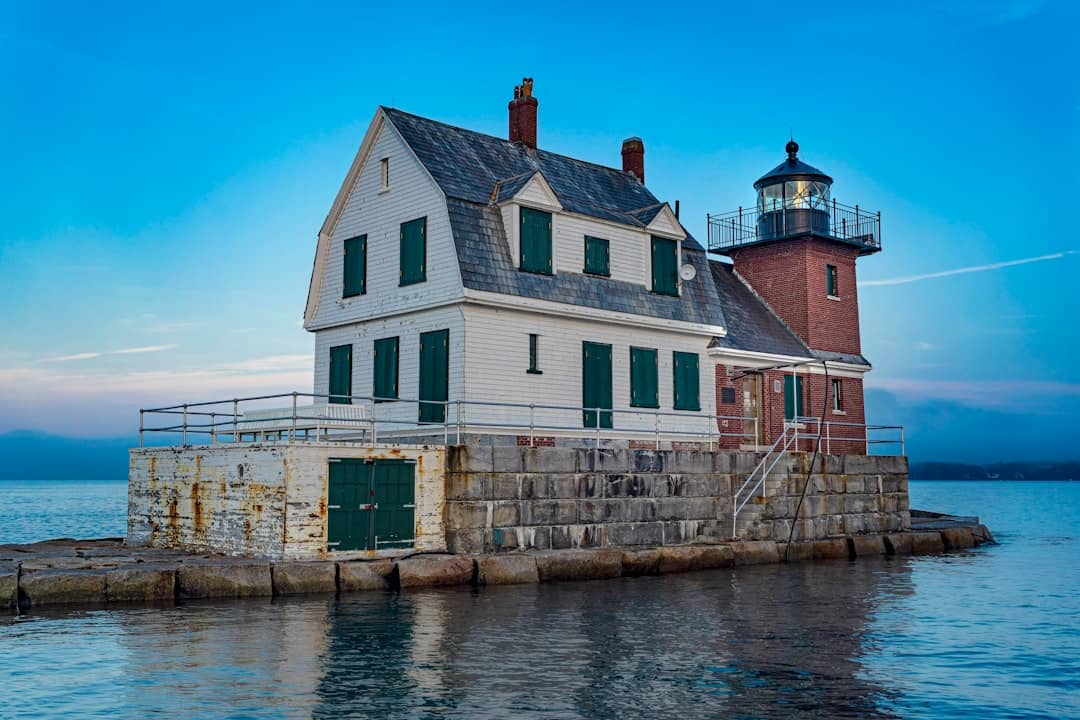
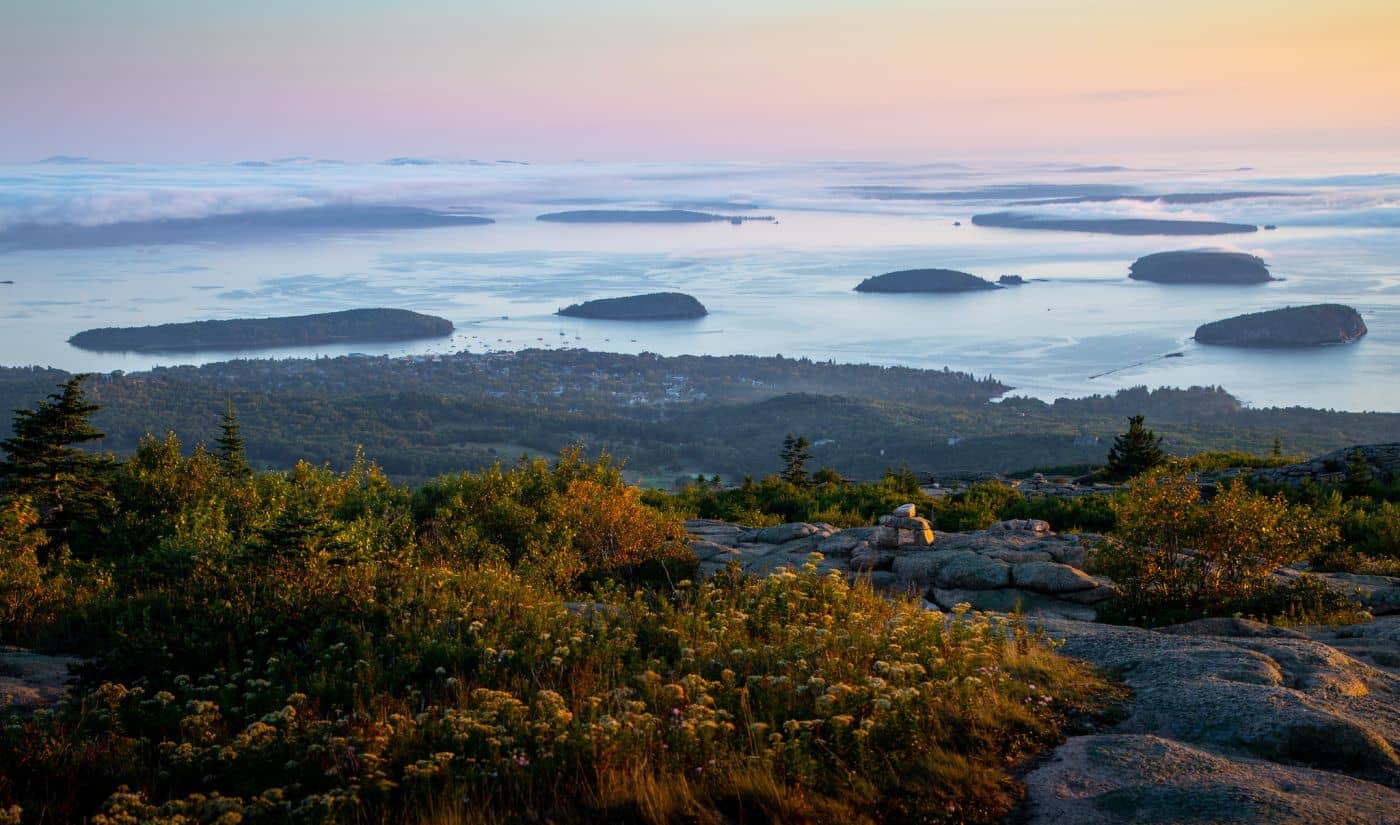
If you would rather look at schooners than board one, the view from Mt. Battie Tower in Camden Hills State Park (4.7 from 2,069 reviews) takes in the whole of Camden harbor and West Penobscot Bay, and on a summer afternoon there are usually sails in the frame. The tower itself holds a 4.8 from 819 reviews. The Rockland Breakwater Lighthouse (4.8 from 1,318 reviews) sits at the end of a mile-long granite jetty that puts you out in the middle of the harbor entrance, which is where the boats pass. The Sail Power & Steam Museum in Rockland (4.7 from 128 reviews) covers the working history behind all of it.
For more on filling out the rest of a midcoast trip, see our guides to things to do in Camden and things to do in Rockland, or the wider Maine islands guide if the island-hopping part is what appeals.
None at all. Every multi-day schooner in the Maine fleet takes complete beginners, and the professional crew handles everything that matters. Passengers who want to help can haul on halyards, coil line and steer under supervision; passengers who want to sit on deck with a book are equally normal. The only real requirement is being steady enough on your feet to manage a moving deck and a steep companionway ladder.
Multi-day cruises usually run three to six nights, with four nights the most common length. Three-night trips stay inside Penobscot Bay; longer trips can reach further east toward the Deer Isle and Mount Desert areas, though nothing is guaranteed because the route depends on the wind. Day sails from Camden, Rockland, Boothbay Harbor and Bar Harbor typically run two hours.
September gives you the most reliable sailing wind, the clearest air and the fewest crowds, at the cost of cold nights. July and August are warmest and best for swimming and shore stops but book up early and bring more fog than people expect. Late May and June are the cheapest and quietest, with the highest chance of a socked-in day.
For multi-day trips in July and August, yes. Popular boats fill their peak weeks many months ahead, and repeat passengers often rebook before they disembark. Shoulder-season weeks in June and late September open up much later. Day sails are a different matter and can often be booked within the same week, sometimes the same morning, though weather cancellations mean it pays to have a flexible day in your schedule.
Where the mountains meet the sea - windjammer harbor, Mount Battie summit views, and an independent village with real soul.
Wyeth country - the Farnsworth Art Museum, a working lobster fleet, and August's legendary Maine Lobster Festival on the harbor.
Guides


Destinations
Downeast & Acadia
Gateway to Acadia National Park - Cadillac Mountain, puffin cruises, and a harbor town that fills with cruise ships from May to October.
Southern Maine Coast
Dock Square boutiques, Goose Rocks Beach, and the Bush family's Walker's Point - the quintessential coastal Maine summer town.
Greater Portland
Maine's largest city - a working waterfront, Old Port cobblestones, and a food scene that punches well above its weight.
Midcoast Islands
Shipbuilding heart of Maine since 1743 - Bath Iron Works still launches destroyers past the Maine Maritime Museum on the Kennebec.
Midcoast Islands
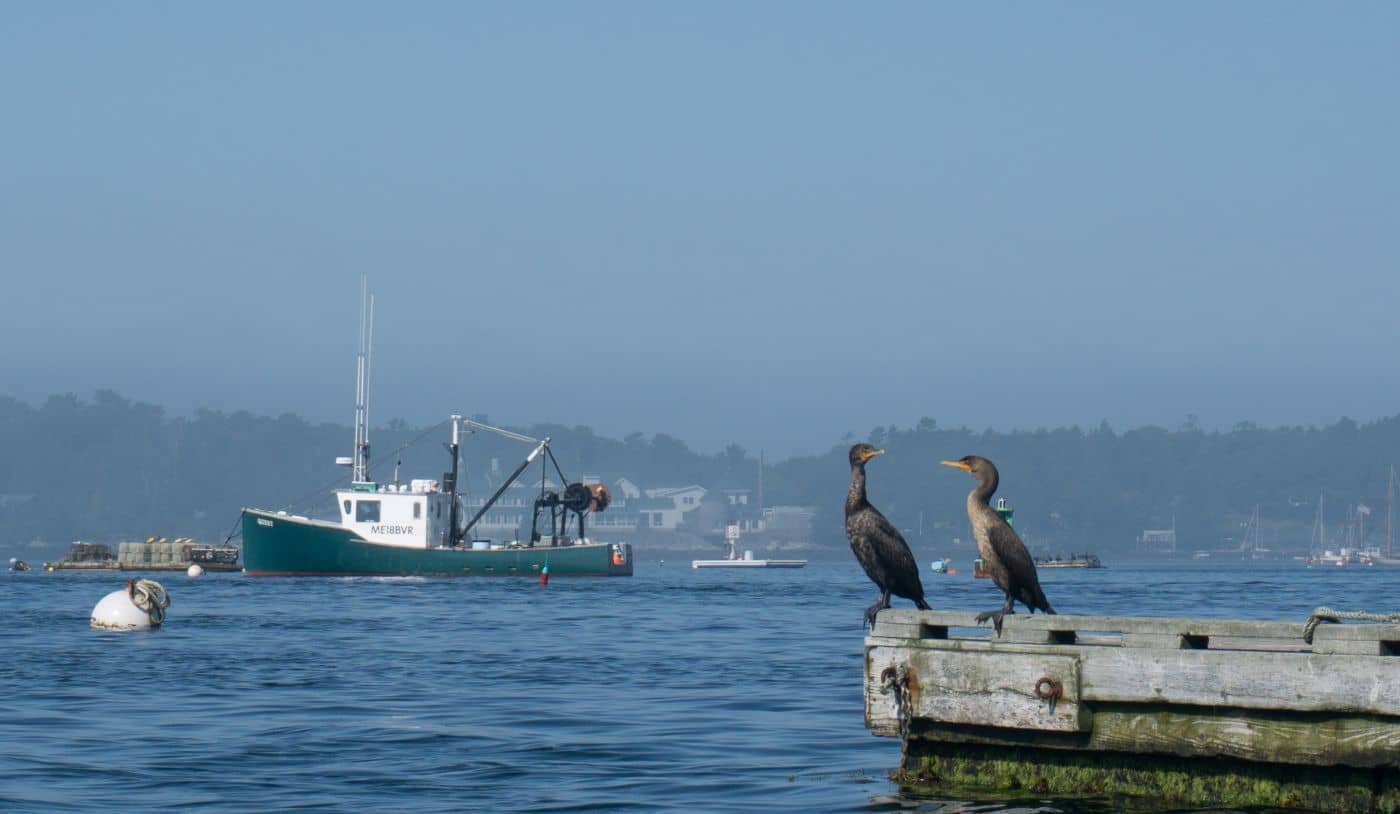
A Midcoast harbor town built around boat trips, with the Coastal Maine Botanical Gardens just up the road.
Midcoast Islands
Where the mountains meet the sea - windjammer harbor, Mount Battie summit views, and an independent village with real soul.
Greater Portland
Flagship home of L.L. Bean, open 24/7 - outlets, a tidal river, and surprisingly good eating between the shopping.
Southern Maine Coast
Postcard-perfect village of sea captains' mansions, Lower Village shops, and easy walks to Mother's Beach and Gooch's Beach.