1
Scarborough
See main listingPortland's southern neighbor, with Higgins Beach, Pine Point, Prouts Neck and the state's largest salt marsh.
Details


Guide
Pine Point Beach is what Old Orchard Beach would be without the pier, the arcades and the fried dough. Same continuous ribbon of sand, same bay, four miles of it, but the north end, in Scarborough, is residential, low-key, and backed by a working lobster harbor instead of a midway. If you want a long flat walk and somewhere to eat clams afterward, this is the better half.
Pine Point Beach is a four-mile municipal beach at the northern edge of Saco Bay, in the Pine Point village of Scarborough. It runs from the outlet of the Scarborough River southwest along the shore, and the sand does not stop at the town line, it continues unbroken into Old Orchard Beach and on toward the Saco River. Walk far enough south and you arrive at the pier under your own power.
What you get here: hard-packed flat sand, an enormous low-tide expanse, a jetty at the river mouth, and a small grid of streets behind the dunes. What you do not get: a boardwalk, rides, or much shade. Bring a hat.
The town runs a seasonal paid lot near the end of Pine Point Road, by the harbor and the beach entrance. It is the main public access, and on a hot Saturday in July it fills by mid-morning, earlier than that on a holiday weekend. Rates and the season's opening date are set by the town each year and posted at the lot, so check before you arrive with exact change in mind.
The residential streets behind the beach are heavily posted for residents only and are actively ticketed. This is the single most common way visitors ruin a Pine Point day. If the lot is full, the honest answer is to drive on to Scarborough Beach State Park two miles east or into Old Orchard, not to circle the neighborhood.
Pine Point is exceptionally flat. That is the defining feature and it drives everything else. At low tide the water pulls back a long way and leaves a broad, firm apron of sand that is close to ideal for walking, running, kite-flying and dragging a wagon full of children. At high tide the usable beach narrows considerably, and on a big tide with an onshore breeze the dry sand near the dune line can get tight. Check the tide chart before committing to a long afternoon. It makes more difference here than at a steeper beach.
The water is cold. Saco Bay warms more than the Midcoast does, and by August it is swimmable in the way Maine water is ever swimmable, but nobody is going to describe it as warm. The flat profile means the shallows extend a long way out, which is genuinely good for small children and genuinely boring for anyone hoping for surf.
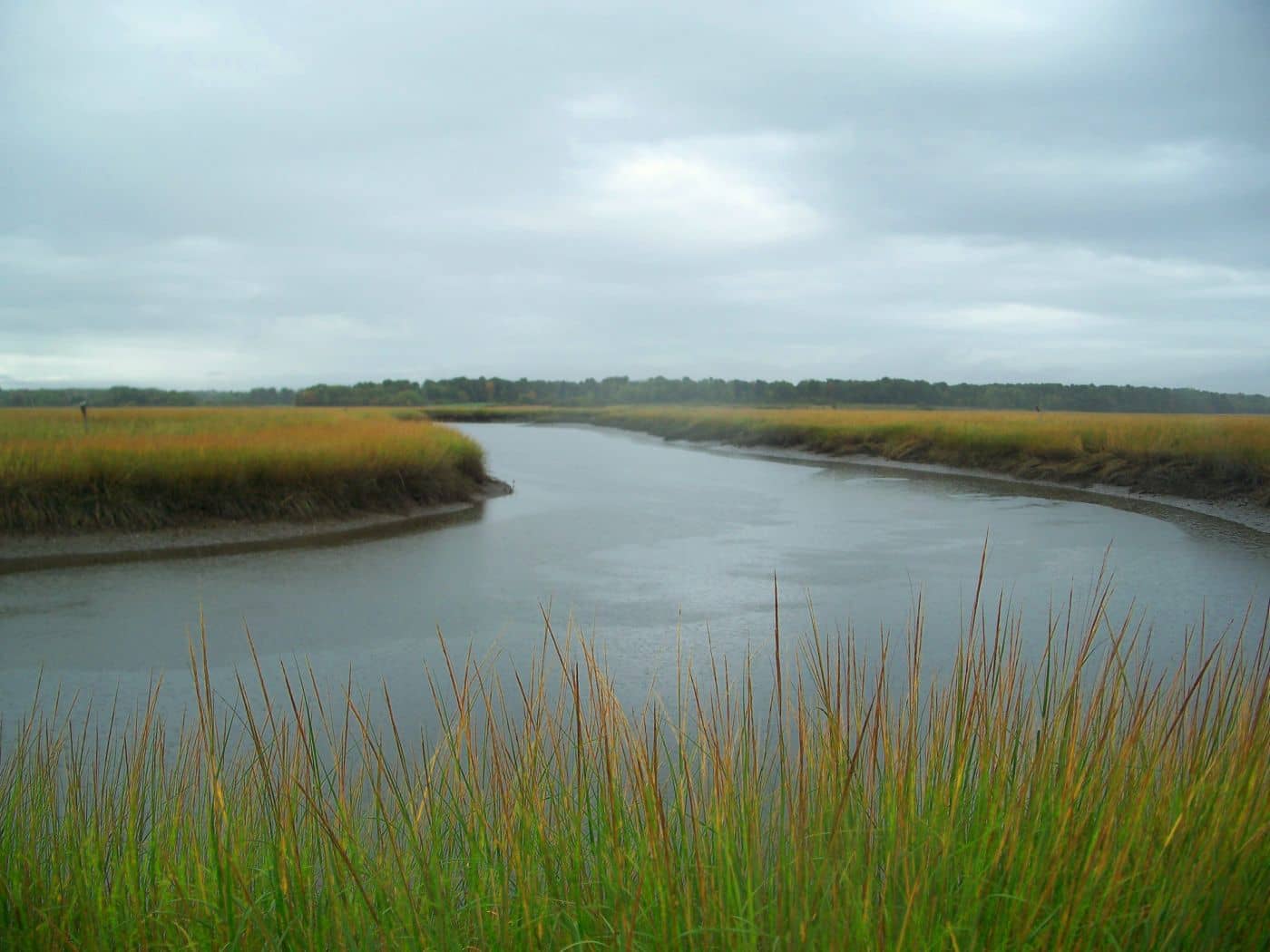
The jetty at the Scarborough River is worth the walk to the north end. Lobster boats run in and out of the channel on the tide, and the view across the river is Prouts Neck, the wooded headland where Winslow Homer painted the sea for the last three decades of his life. Behind you, inland, is Scarborough Marsh. The largest salt marsh in Maine, and the reason there is so much birdlife over the beach at either end of the day.
The interesting thing about Pine Point is what did not happen to it. Old Orchard, three miles down the same sand, was built out as a Victorian resort with a rail connection, grand hotels and an amusement pier. Pine Point stayed a working harbor.
The Bayley family is the clearest thread. Stephen Bayley settled at Pine Point in 1915, dug clams in Jones Creek and set traps offshore to feed his family; when there was surplus, his wife Ella cooked the lobsters and sold them out of the kitchen window. That kitchen-window operation became Bayley's Lobster Pound, which grew into the buying station for most of the Pine Point and Ferry Beach fleet, built holding tanks, and shipped lobsters south to the Fulton Fish Market in New York. Ken's Place, up Pine Point Road, has been frying clams since 1927. Both are still in business, which tells you something about how slowly this stretch of coast has changed.
That history is why Pine Point reads differently from its neighbor. The people on the boats live here. The parking is awkward because the village was laid out for residents, not for day-trippers. It is a beach with a job.
For the rest of the town, see things to do in Scarborough. For the noisy end of the same sand, the Old Orchard Beach guide covers the pier and everything around it. Portland is twenty minutes north, which makes Pine Point a realistic beach afternoon from a city base. See beaches near Portland for the alternatives.
They sit on the same continuous stretch of sand around Saco Bay, but they are different towns and completely different in character. Pine Point is the Scarborough end: residential, no boardwalk, a working lobster harbor. Old Orchard Beach, three miles southwest, has the pier, the amusements and the crowds.
The town operates a seasonal paid lot at the beach and sets the rate annually, so the current price is posted at the lot and on the Town of Scarborough's site. The surrounding streets are resident-permit only and enforced, so budget for the lot rather than hoping to find a spot in the village.
Yes, unusually so. The beach is very flat, which means the shallows run a long way out and the water stays shin-deep well past where you would expect. Low tide leaves a huge firm sand flat to walk on. The trade-off is no surf and very little natural shade.
Arrive within a couple of hours either side of low tide for the widest beach, and go early in the day in July and August if you want a parking space. September is the quiet sweet spot. The water is at its warmest of the year, the lot has room, and the light over the marsh at the north end is at its best.
Portland's southern neighbor, with Higgins Beach, Pine Point, Prouts Neck and the state's largest salt marsh.
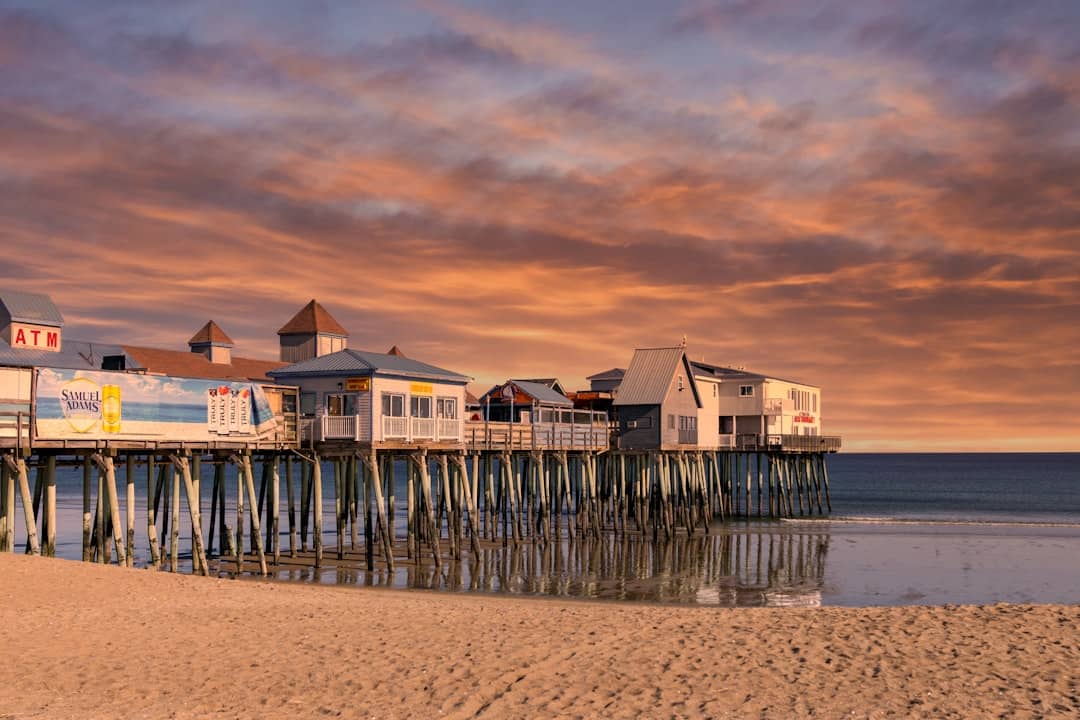
Seven miles of sand, a 500-foot pier with carnival games, and summer nights that feel like they belong in a postcard.
Tools
Guides
Destinations
Downeast & Acadia
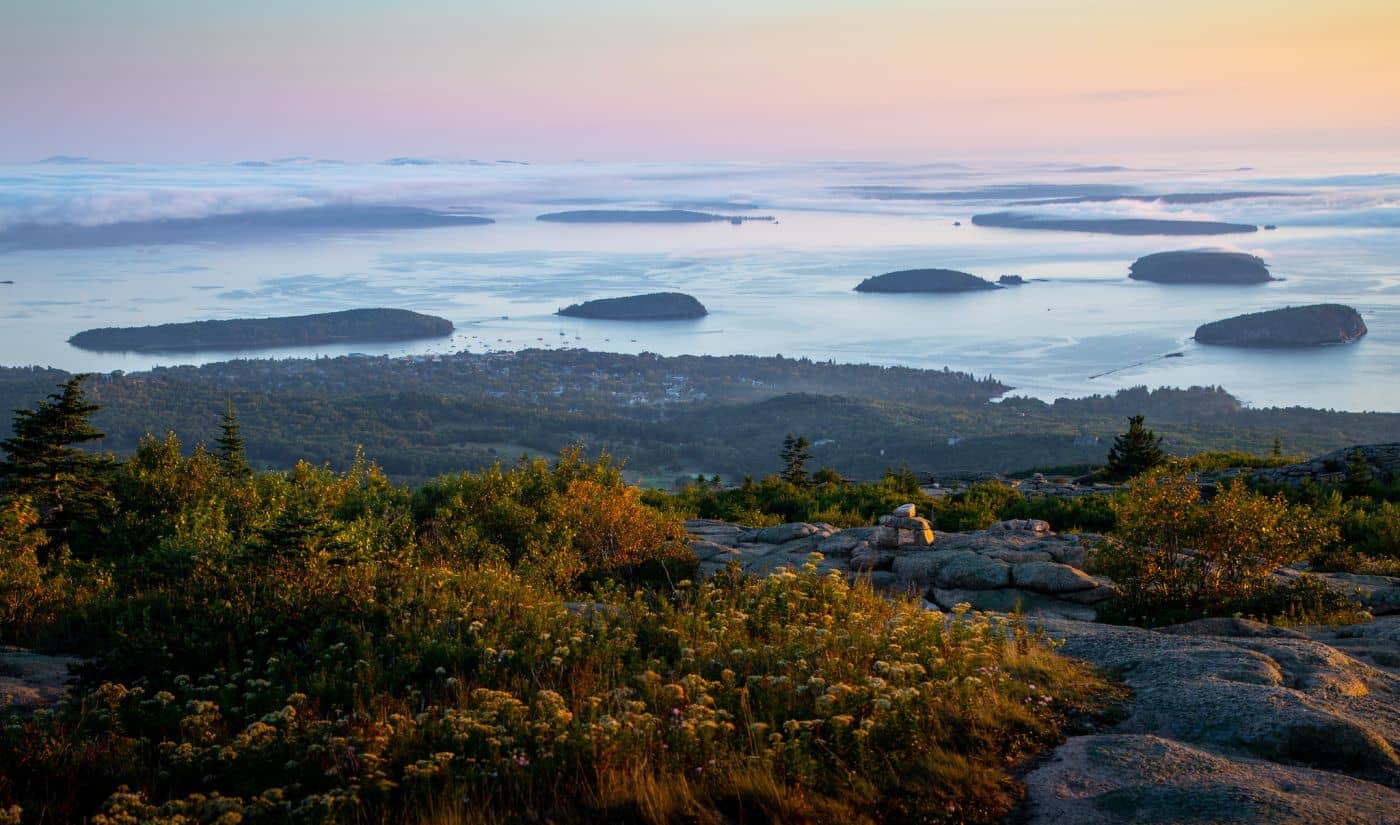
Gateway to Acadia National Park - Cadillac Mountain, puffin cruises, and a harbor town that fills with cruise ships from May to October.
Southern Maine Coast
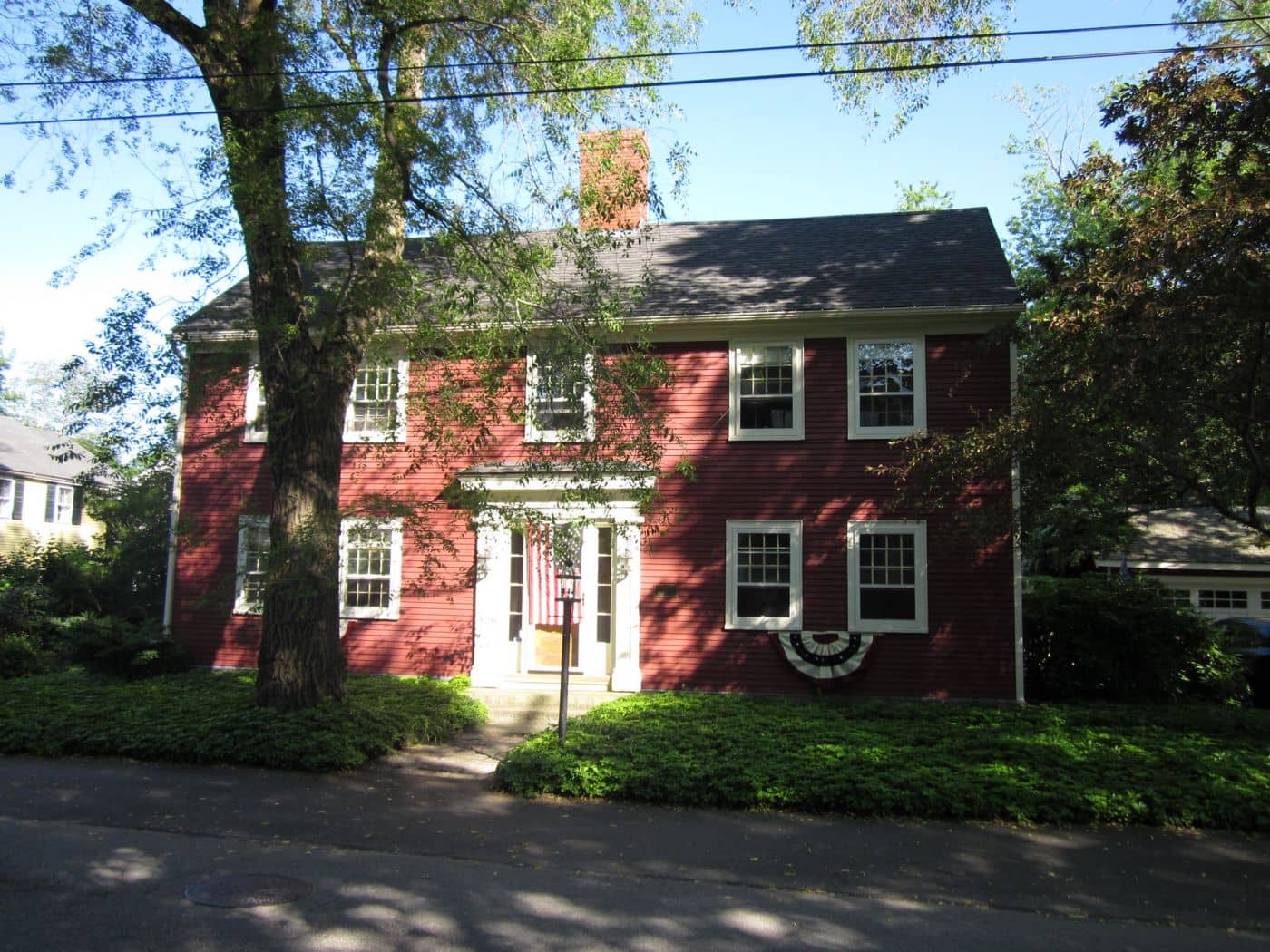
Dock Square boutiques, Goose Rocks Beach, and the Bush family's Walker's Point - the quintessential coastal Maine summer town.
Greater Portland
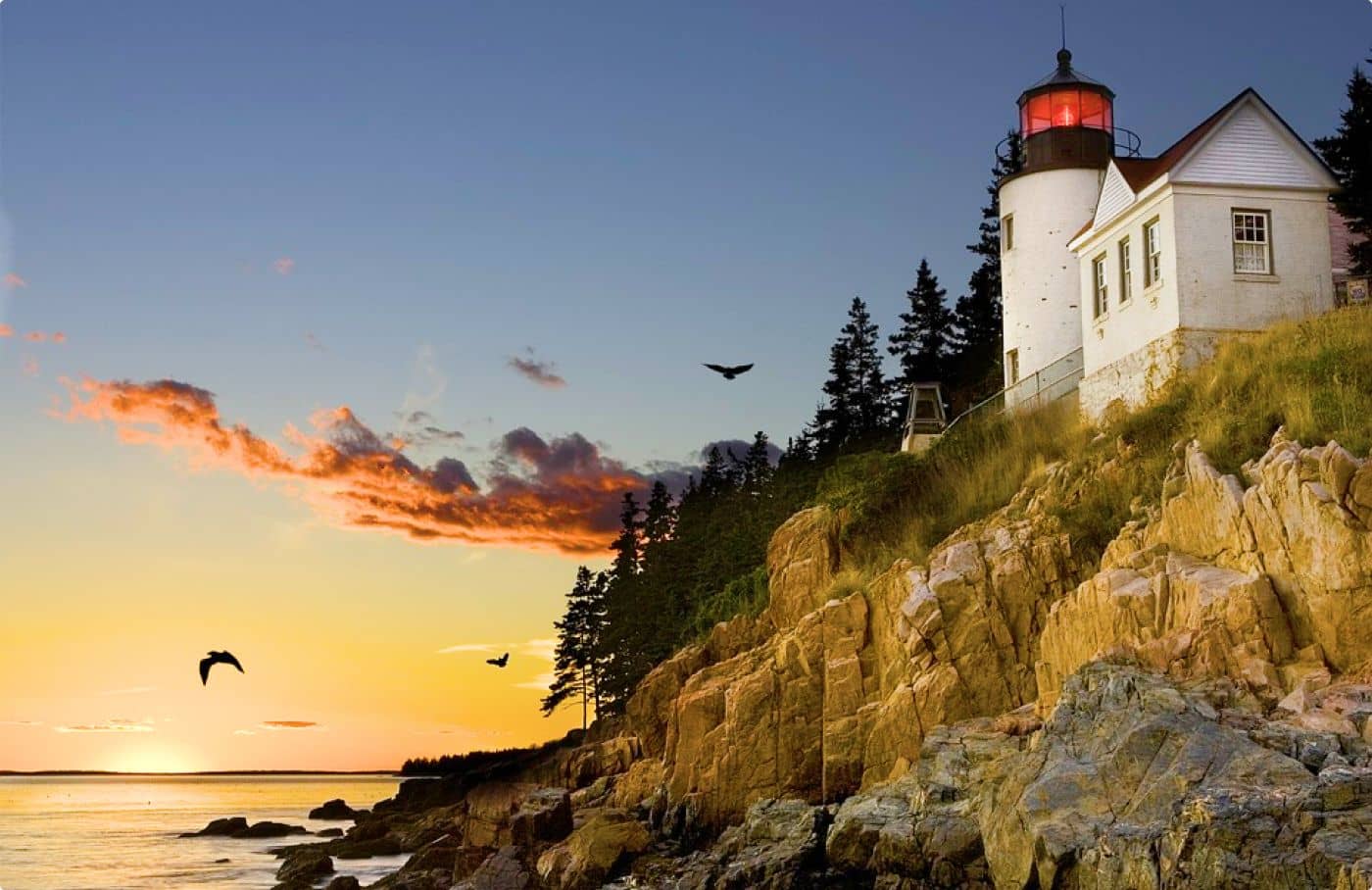
Maine's largest city - a working waterfront, Old Port cobblestones, and a food scene that punches well above its weight.
Midcoast Islands
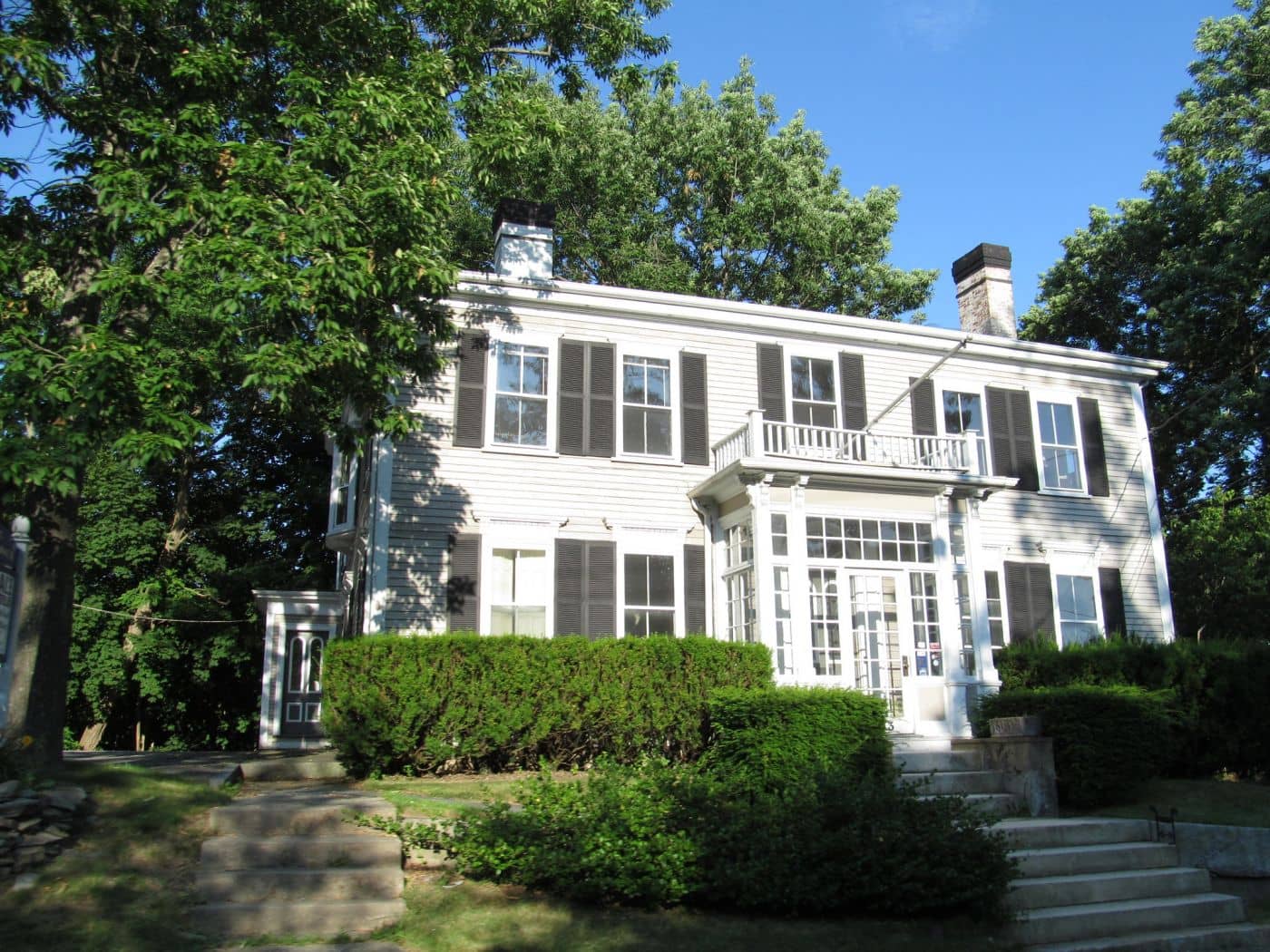
Shipbuilding heart of Maine since 1743 - Bath Iron Works still launches destroyers past the Maine Maritime Museum on the Kennebec.
Midcoast Islands
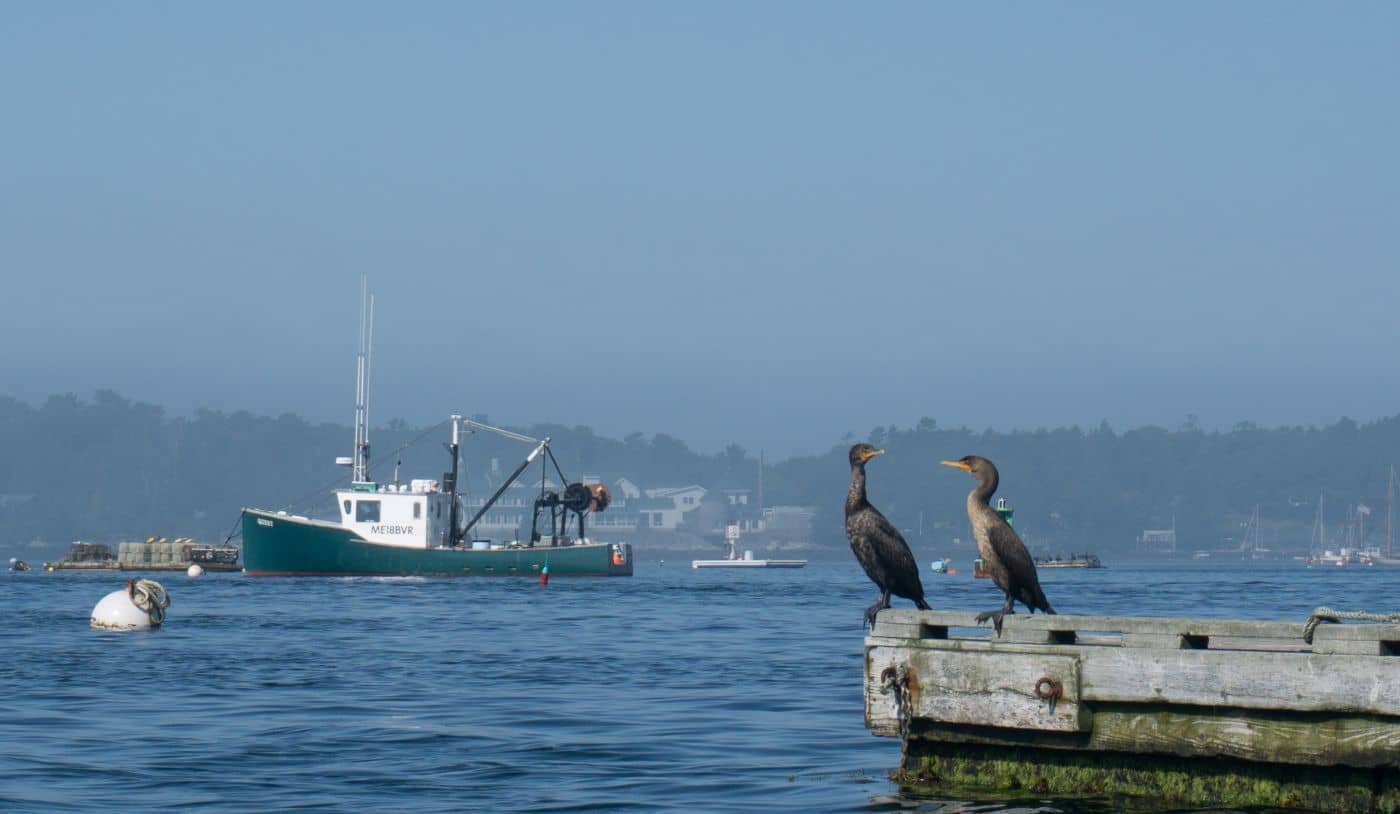
A Midcoast harbor town built around boat trips, with the Coastal Maine Botanical Gardens just up the road.
Midcoast Islands
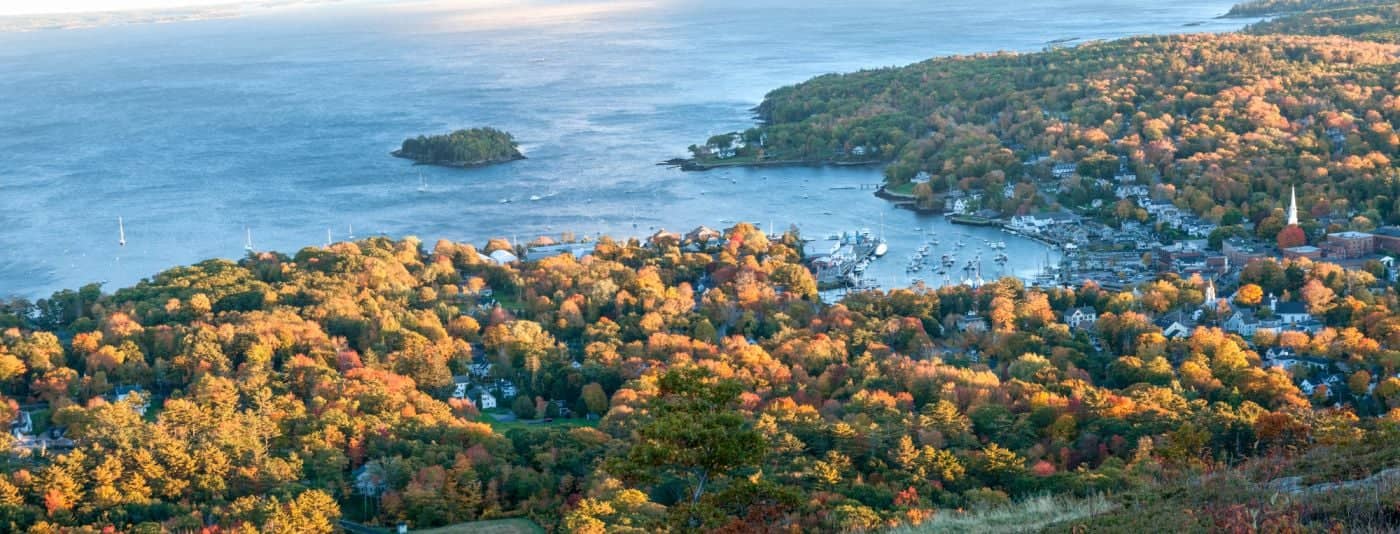
Where the mountains meet the sea - windjammer harbor, Mount Battie summit views, and an independent village with real soul.
Greater Portland
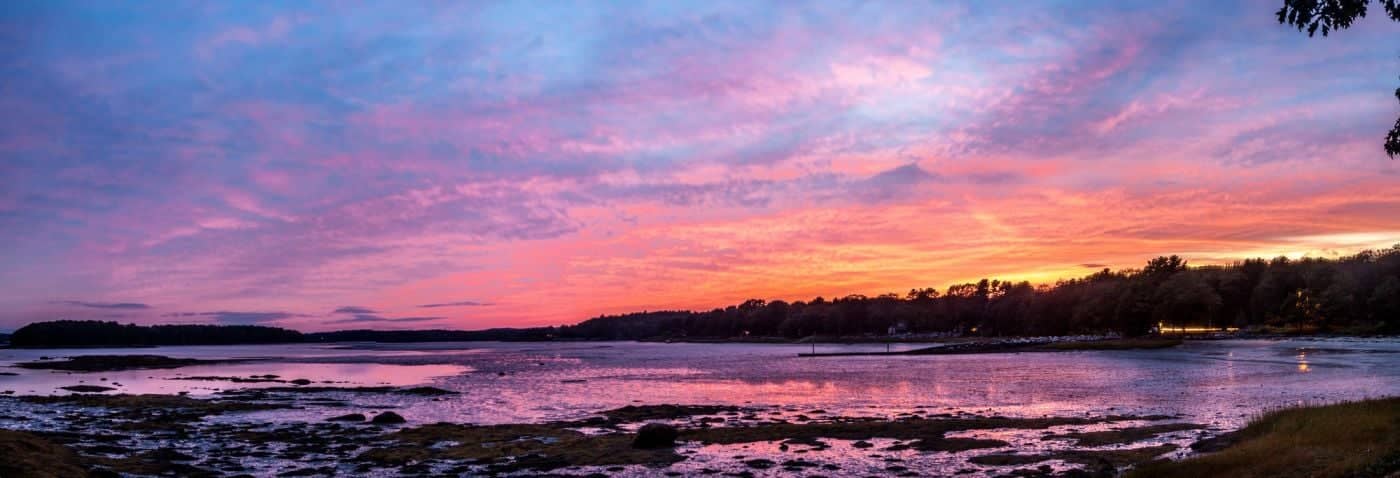
Flagship home of L.L. Bean, open 24/7 - outlets, a tidal river, and surprisingly good eating between the shopping.
Southern Maine Coast
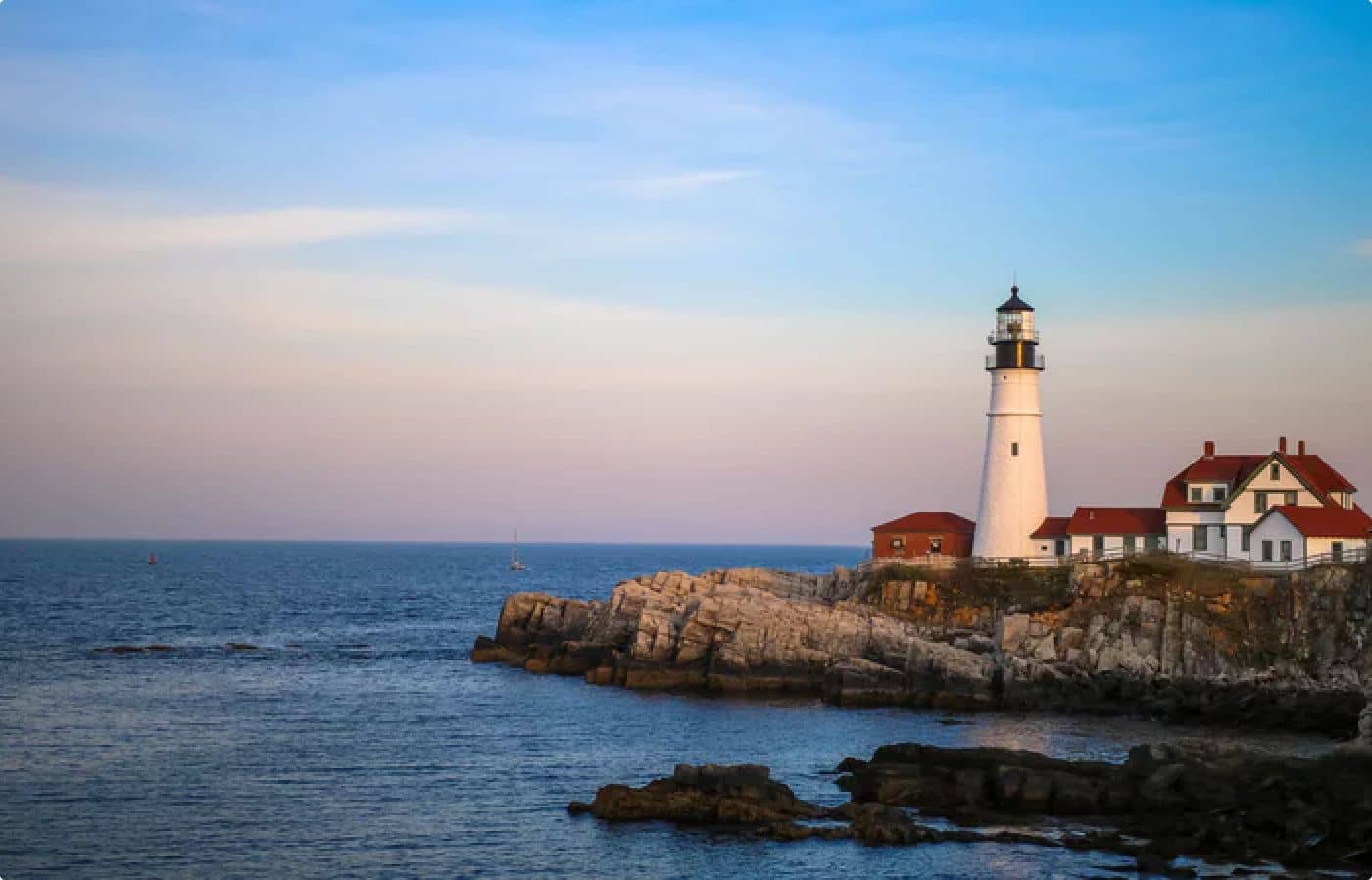
Postcard-perfect village of sea captains' mansions, Lower Village shops, and easy walks to Mother's Beach and Gooch's Beach.