Guide
Things to Do in Bath, Maine: River, Ships and Downtown

Start with the Maine Maritime Museum, then give downtown Bath and the Kennebec waterfront their own part of the day. Choose Whiskeag Trail when a woodland outing matters more than another indoor stop. Bath works best as a river-city visit; a beach or peninsula excursion needs a separate block.
Which Bath outing should lead the day?
| Your main interest | Start with | Add if it fits |
|---|---|---|
| Shipbuilding and maritime history | Maine Maritime Museum | Downtown and the riverfront |
| A short city visit | Downtown streets and Waterfront Park | A meal and Library Park |
| Time outdoors | Whiskeag Trail | A shorter town stop |
| Arts and an evening out | Chocolate Church Arts Center programming | Dinner in Bath |
The Bath town guide puts the city beside the Kennebec River and identifies shipbuilding as its central story. Use that story to make the visit distinctive. Bath does not need to impersonate a sandy beach town or serve only as the place you pass through on the way to a peninsula.
For a first full day, the museum-plus-downtown combination is the clearest choice. It connects the historic shipyard setting with a living city instead of using all the available time in the car. The table gives alternatives for a shorter visit or a different interest; it is not a requirement to complete every row.
Why should the Maritime Museum be the main stop?
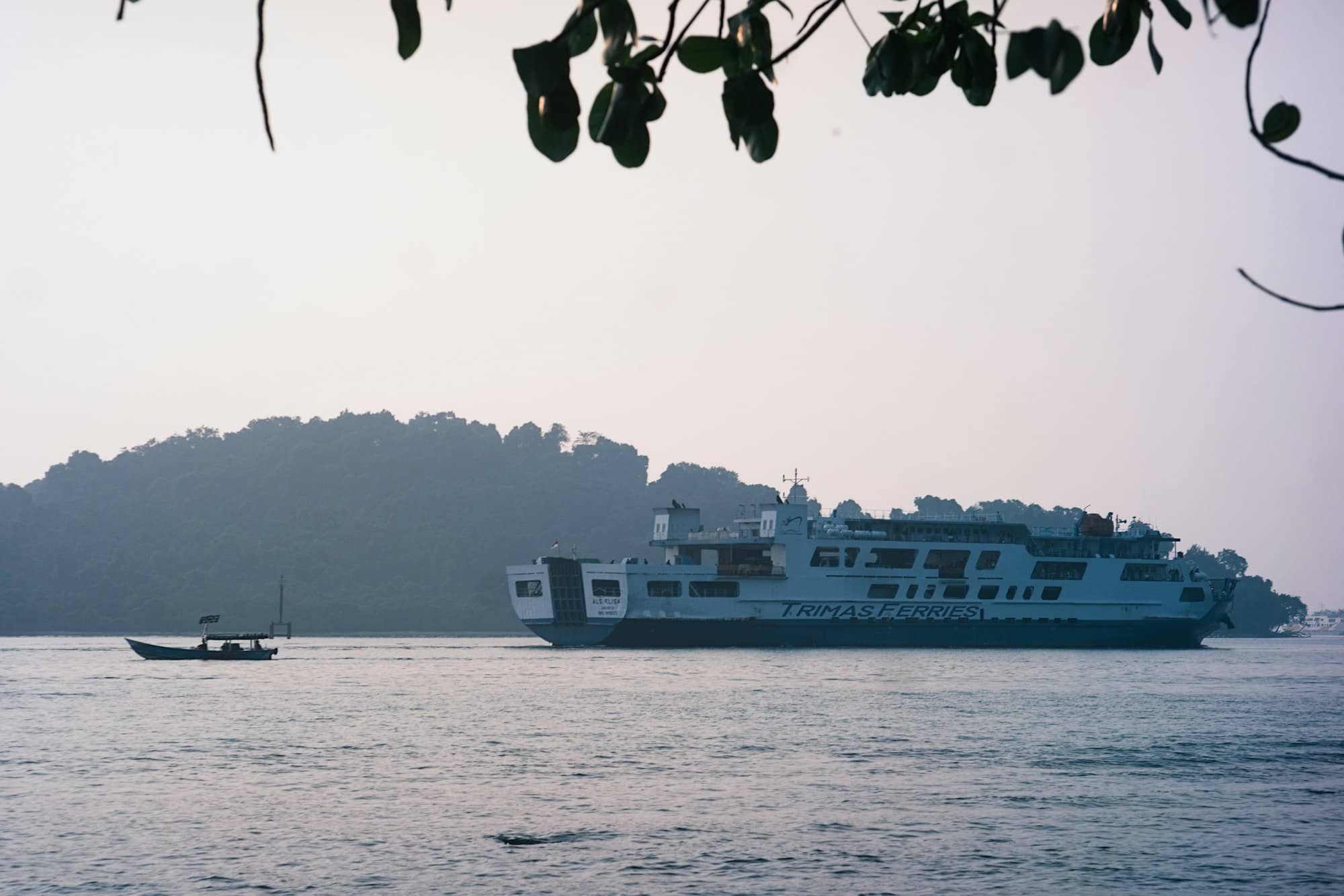
The Maine Maritime Museum guide is the starting point for a visit built around the waterfront's working history. The town page describes the Percy & Small Shipyard and the schooner Mary E. among the museum's maritime features. That gives the visit a subject more specific than a general collection of old objects: how ships and a river shaped the place around them.
Give the museum the main block rather than treating it as a quick photograph between towns. Indoor exhibits and an outdoor shipyard ask for different kinds of attention. Choose the parts that interest the group, then leave room to connect what you saw with the river and the city afterward. A shorter, focused museum visit also works when the rest of the day has another clear purpose.
The wider maritime-history guide places Bath within Maine's coastal story. Use it for context before arrival or for choosing a second maritime destination on a longer trip. It should not turn one museum day into a race between every waterfront collection in the state.
What should you do in downtown Bath?
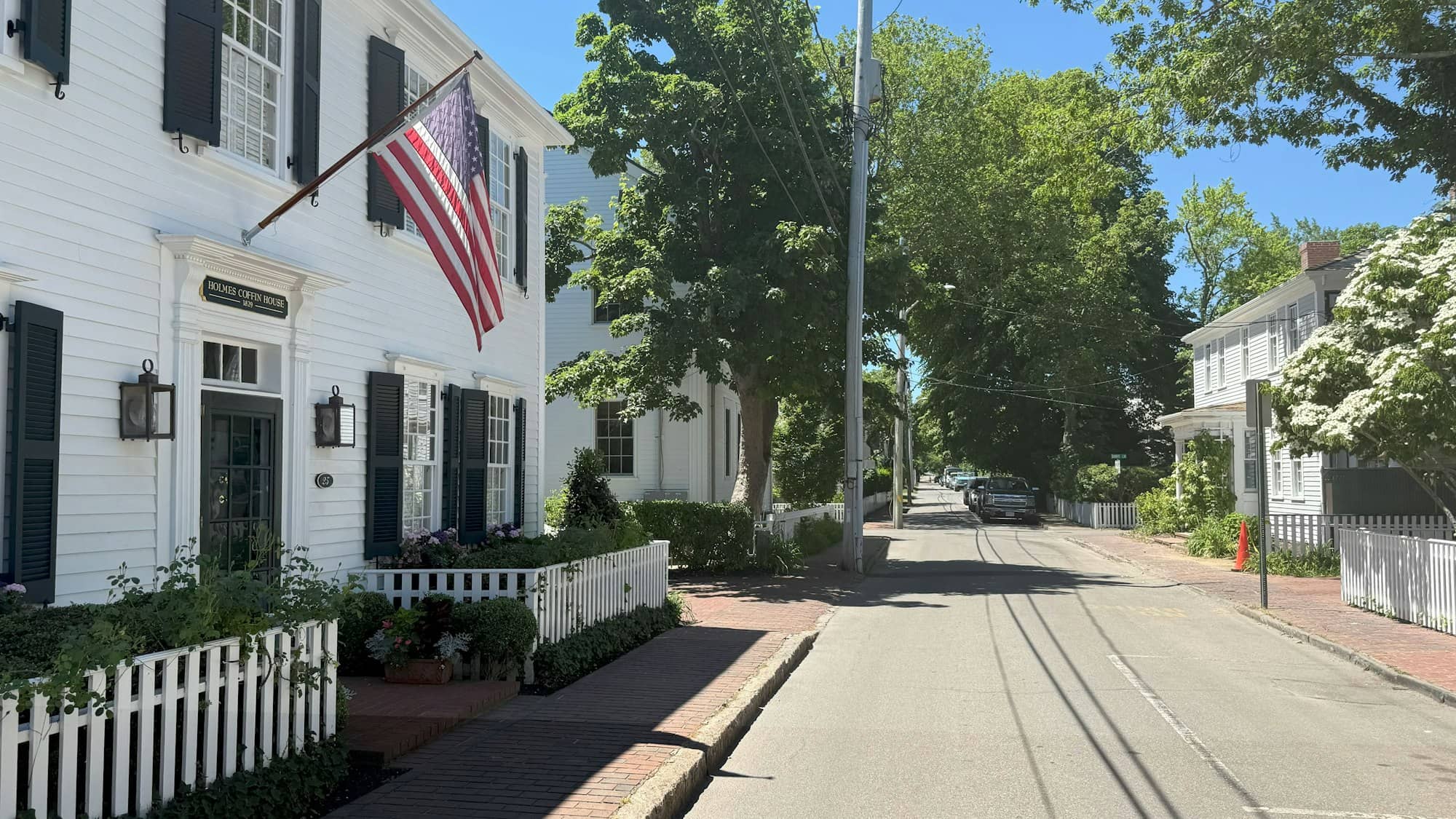
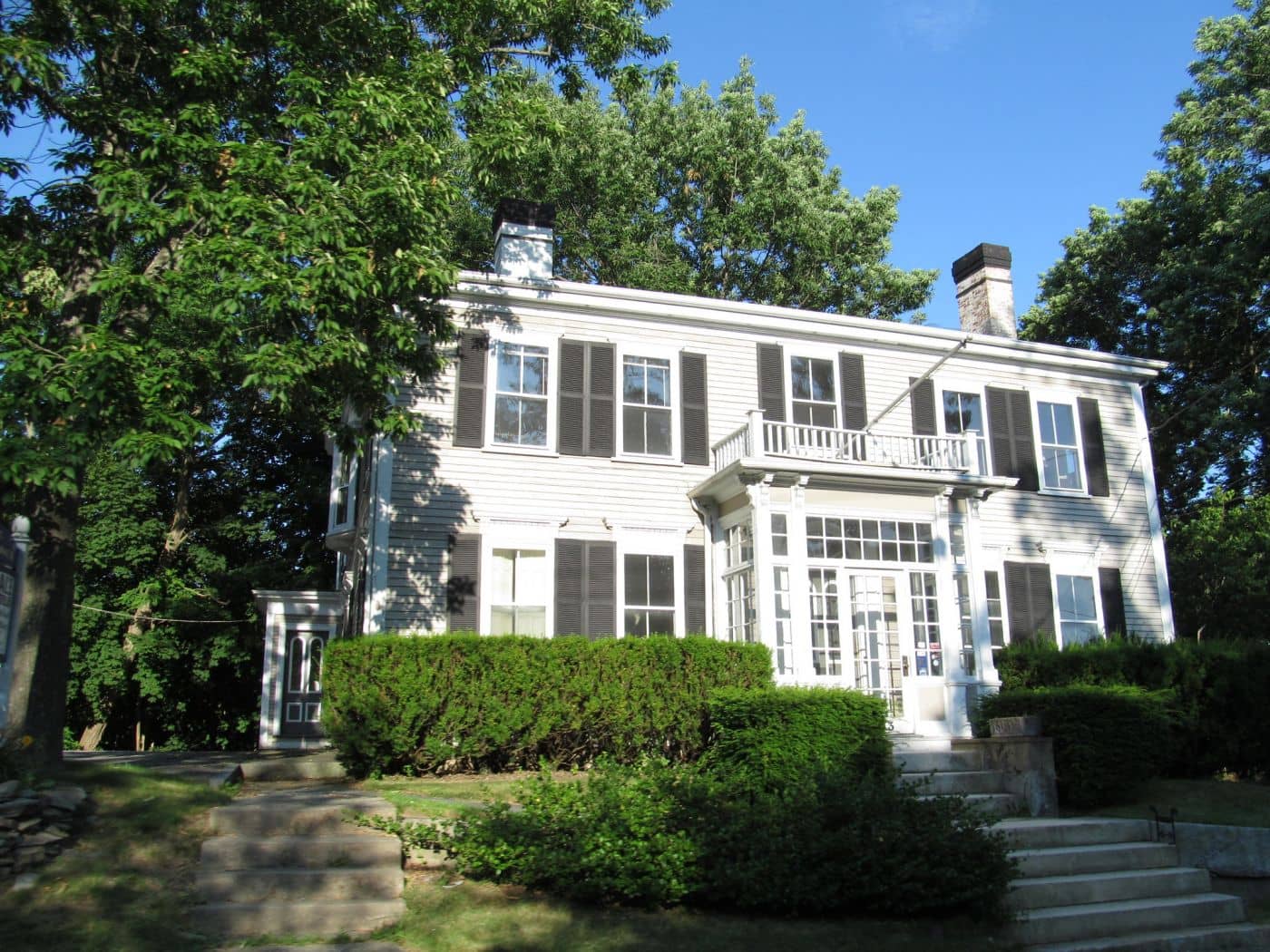
Walk the downtown streets, look at the storefronts and make time for the riverfront. Bath's town page identifies both its downtown and historic districts, with Federal and Greek Revival architecture among the city's features. The interest is in the relationship between those streets and the working river, rather than a checklist that requires entering every building.
Waterfront Park and Library Park give a town visit places to pause. Put one into the day as part of the walk rather than adding a park stop solely to increase the attraction count. A meal, a browse and a stretch beside the river can be the whole purpose of a shorter visit, especially when the museum belongs to another day.
Bath Iron Works is part of the city's modern shipbuilding identity. Seeing a working waterfront does not create permission to enter an industrial site. Keep the public city visit and museum outing as the plan; do not build an itinerary around an assumed shipyard tour or access to a working facility.
When should you choose Whiskeag Trail?
Choose Whiskeag Trail when the group wants time in the woods rather than another museum or storefront block. The town guide names it among Bath's outdoor draws. It gives the visit a different setting without pretending that every outdoor activity here is an ocean beach outing.
Match the walking commitment to the day and use the trail's current access information before setting out. This guide does not assign an unmeasured loop length or promise a particular surface. A woodland walk and a brief waterfront stop make a coherent day when that is what the group wants; they do not need an additional distant beach to feel like a Maine visit.
If a larger outdoor trip is the purpose of the holiday, use the Midcoast region guide to choose the overnight area around it. Bath can be one part of that trip without being responsible for every landscape the region offers.
How does an arts stop fit into the visit?
The Chocolate Church Arts Center gives Bath another reason to be more than a daytime pass-through. The town page identifies it as a venue for cultural programming. Choose a particular performance or exhibition from its own calendar when that is the reason to stay into the evening; the building's presence does not establish that an event takes place on every date.
A museum day and an evening event ask for a different schedule from a short lunch stop. Leave a proper interval for dinner and settling in. That makes the cultural program the focus of the evening instead of an extra task squeezed in after a long regional drive.
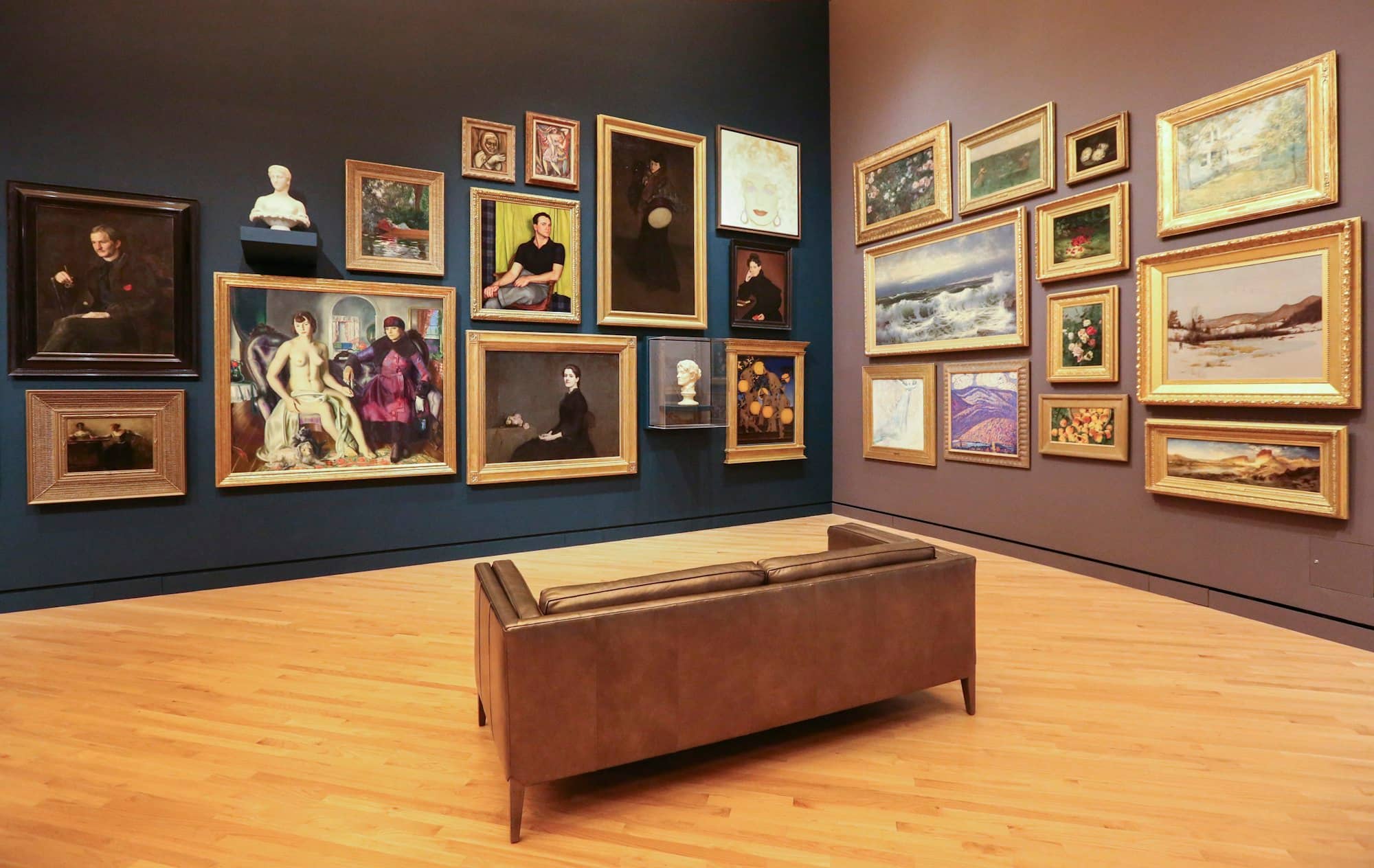
The Maine museums guide and history-museums comparison are useful when the trip has a broader cultural theme. Choose the collection that adds something different to Bath's maritime emphasis. Repeating the same kind of stop is less useful than giving two distinct subjects enough attention.
Should you add a beach or another peninsula?
Add one when it is a separate purpose of the day and there is room for it. The Maine coast guide is a better starting point for that regional choice than assuming every coastal place has the same access pattern. Riverfront Bath, an ocean beach and a harbor farther down a peninsula are different settings.
For a short first visit, keep Bath as the main destination. For a longer stay, choose the extra outing first and give it its own block. The road-trip itinerary and Route 1 guide help place the city within a larger journey, with the transfer treated as part of the travel day.
Brunswick is a separate neighboring-town choice, useful when the itinerary has time for another town rather than another museum room. Skip the urge to collect Bath, Brunswick, a beach and two peninsulas in the same short stop. The result is more arrival and departure than time in the places themselves.
How should you shape a first Bath day?
Use the museum as the first substantial activity, then choose lunch and a downtown walk. Keep the riverfront as the quieter portion. If an evening arts event is the reason to remain, plan around its actual start rather than extending the day with unrelated attractions. If the group prefers outdoors, replace the museum block with Whiskeag Trail instead of adding it to an already full schedule.
For a wet day, make the indoor collection or a specific cultural program the center, while keeping any outdoor shipyard or waterfront time conditional on the day. For a brief stop, choose downtown and the river and leave the museum for a visit that can do it justice. The trip planner can help keep that choice within the wider itinerary.
What else should you know before visiting Bath?
What is the best first attraction in Bath?
The Maine Maritime Museum is the strongest starting point for the city's shipbuilding story. Pair it with downtown and the river rather than a string of distant stops.
Is Bath mainly a beach destination?
No. This guide centers the Kennebec riverfront, museum and city streets. An ocean beach is a separate outing with its own access plan.
Can you make a short visit worthwhile?
Yes. A downtown walk, a meal and time at the waterfront form a focused stop. Save a substantial museum visit for a block that gives it enough time.
Where should you start for an outdoor outing?
Whiskeag Trail is the town guide's woodland choice. Waterfront Park and Library Park support a shorter town-based visit with places to pause.
What should you leave out of the first day?
Leave out a compulsory beach transfer or an assumed industrial-site tour. Bath has a complete visitor story in its public streets, riverfront and maritime museum.