
Guide
Things to Do in Eastport, Maine: Bay, Streets and Arts

Make Eastport a destination for Water Street, the working waterfront and time beside Passamaquoddy Bay. Choose Shackford Head for an outdoor block and the Eastport Arts Center for a dated cultural program. A wildlife sailing is a separate main outing, with its own conditions and no promised sighting.
Which Eastport outing fits your trip?
| Your priority | Main block | Pair it with |
|---|---|---|
| The city and working harbor | Water Street and waterfront | A meal and time watching the bay |
| A shoreline outing | Shackford Head State Park | A shorter downtown visit |
| Arts and local culture | Eastport Arts Center program | Time in the surrounding city |
| Wildlife on the water | An arranged local boat outing | A flexible shore-based alternative |
Eastport is a small city on Moose Island, linked to the mainland by road. The town page describes a working waterfront, brick downtown and views toward Canada. Those features make a complete reason to come. They do not need to be framed as a consolation prize for being farther along the coast.
Choose one main outing and leave enough time to notice the setting around it. A trip that reaches Eastport only long enough for a photograph misses much of what makes the destination different: an active waterfront beside a compact city, with the bay changing the view through the day.
What should you do around Water Street?
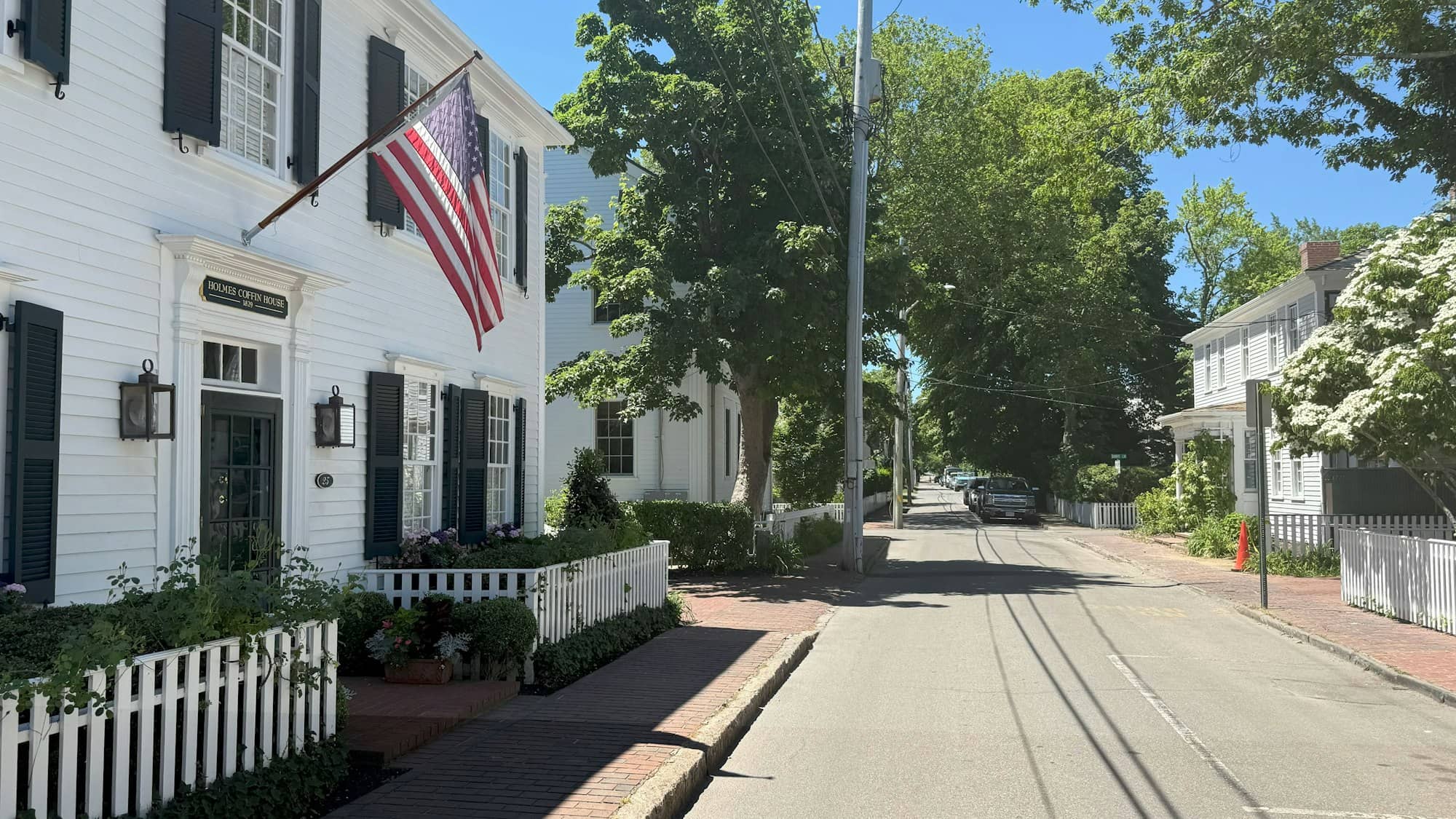
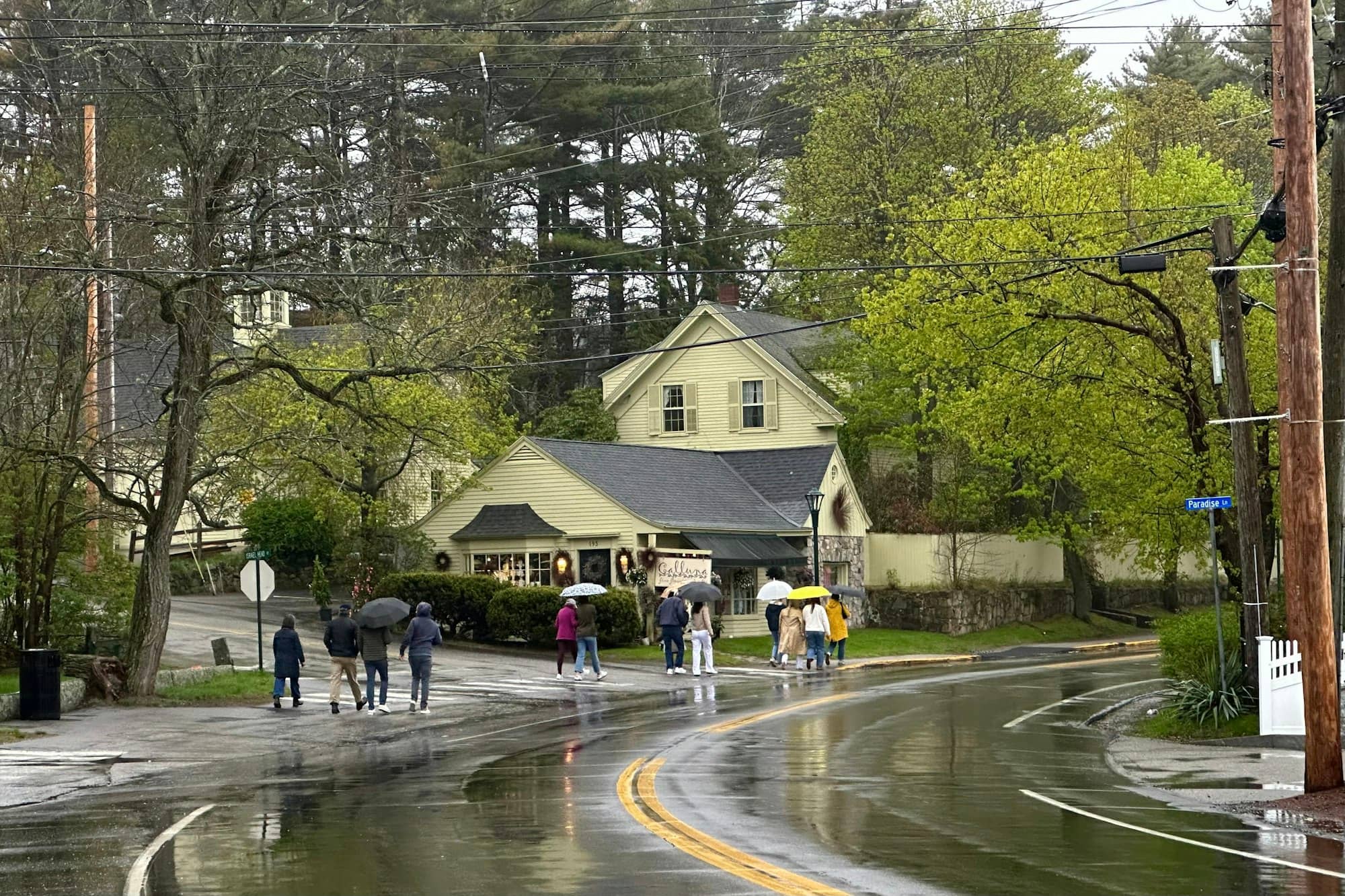
Begin with the waterfront and downtown streets. The town's surviving brick buildings and the working harbor give the walk its character. Let the day include a meal or a cultural stop so the streets are a place to spend time rather than a corridor between parked cars and a viewpoint.
Watch the distinction between public visitor space and the places where people work. A fishing and port setting is interesting because it has a purpose beyond tourism. It does not need staged access to every wharf or vessel. Use public access and allow the work to remain the work.
The Maine coast guide places this visit in a wider coastal context. Eastport is a different choice from a southern beach town or a busy Acadia base. Choose it for the working-city and bay setting, with the long arrival journey given its own place in the itinerary.
Why give the changing water time?
The Eastport town page emphasizes the tides and visible changes around the waterfront. You can make that observation part of a town visit without turning it into a claim about an exact tide height or the timing of a whirlpool. Look at the same public waterfront setting at different points in the day and the bay becomes part of the experience.
Keep a visual water-watching stop distinct from entering the water or approaching a strong-current site. A dramatic current is a subject to observe from suitable access, not an invitation to improvise an outing on the water. This guide does not provide navigation instructions or a safe passage window.
The source also names Cobscook Reversing Falls as a regional draw. Treat it as a separate outing with its own access and timing information. It is not another label for Eastport's downtown waterfront, and the fact that both involve tides does not make the journeys interchangeable.
When should you choose Shackford Head?
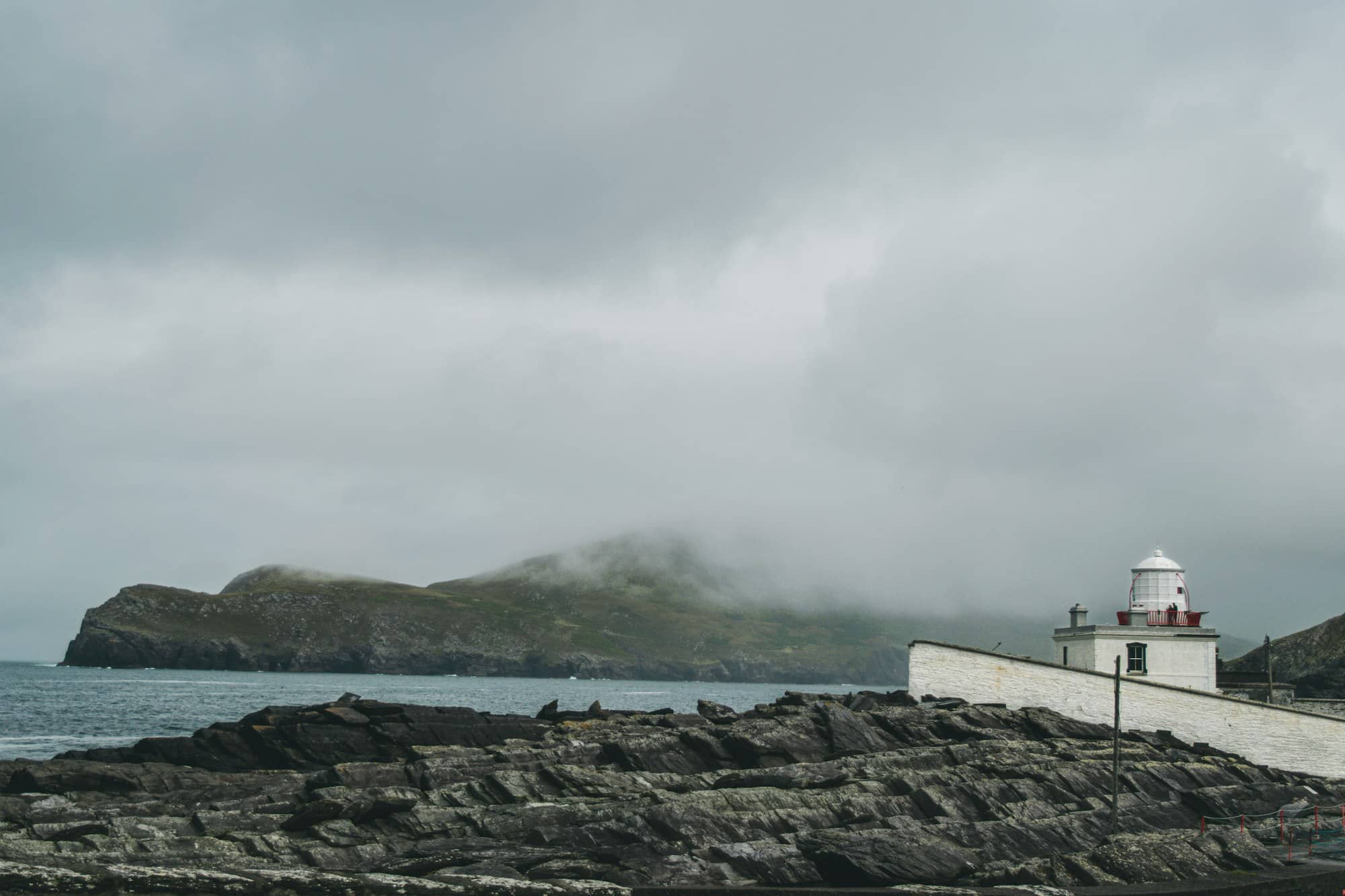
Shackford Head State Park gives the visit a shoreline-trail direction. The town guide places it within the Eastport outing and describes views across the water toward Canada. Choose it when the outdoor block is a priority, then keep downtown shorter rather than asking both parts to become full days inside one afternoon.
Use the actual route and conditions to decide the walking commitment. A shoreline setting does not establish a level path or a uniform surface. This guide does not invent a loop length, admission price or accessibility promise. The useful recommendation is to choose the park deliberately and match the outing to the group.
For a larger Downeast outdoor trip, use the regional guide to decide where to stay. The Maine trip planner can help separate the park day from the travel day. Keep the arrival journey visible rather than treating it as time that disappears from the holiday.
How should an arts program fit the visit?
Eastport Arts Center is the town page's named cultural anchor, with theater, music and gallery programming. Choose a particular event or exhibition from its own calendar when it is the reason to visit. That makes the cultural stop concrete without implying that every kind of program is available on every date.
A scheduled event can also be the reason to stay longer. Put the meal and waterfront time around it, leaving the actual start to shape the day. An arts evening after a manageable town visit is a different plan from an event squeezed in after a distant drive and a full boat outing.
The art-museums guide and Maine museums overview offer context for a broader cultural journey. They do not replace the Arts Center's program or turn different institutions into a single interchangeable rainy-day list. Choose the subject that interests you and let the itinerary follow it.
Should wildlife watching be the main activity?
Make it the main block when wildlife is the reason to come. The Eastport page describes local whale-watching outings and other marine wildlife in the bay area. It does not justify a guarantee for a particular departure, an animal visible from shore or a sailing available on every date.
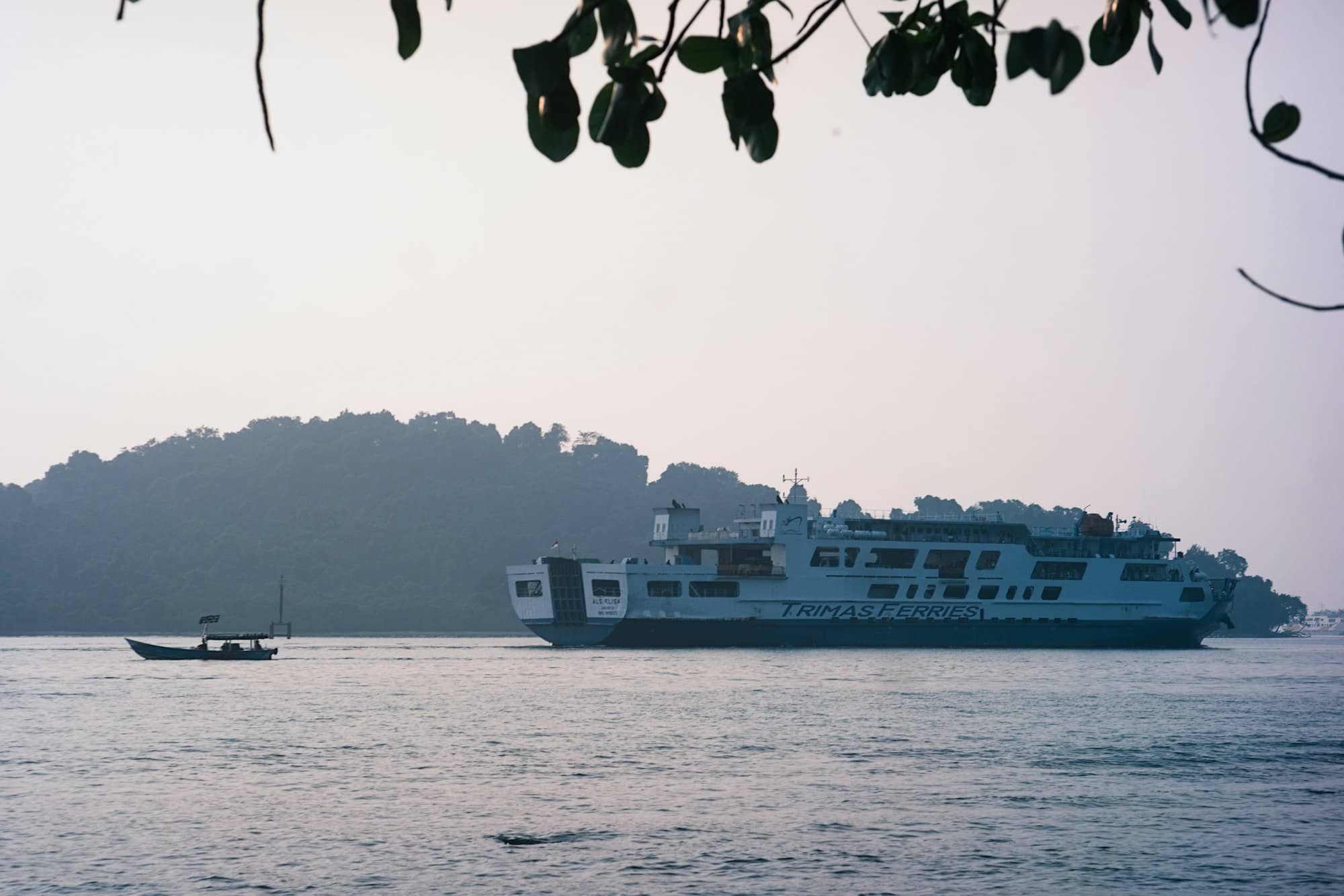
Choose the actual local trip by its departure, duration and operating calendar, then leave a useful alternative on land. Downtown and a cultural stop can provide that alternative without needing another long journey. A canceled boat does not have to turn into an attempt to book a completely different port in the same afternoon.
The Maine puffin and whale guide explains why wildlife subjects and departure ports matter. Its comparisons are not Eastport fare quotes. A puffin-focused outing, a whale watch and an island ferry have different purposes; choose the one that matches the reason you wanted to go on the water.
How should Eastport connect to the rest of Downeast?
Lubec is a natural regional comparison, but a view across a bay does not mean the road journey is equally short. Give the two destinations separate blocks. Machias and Cutler are further choices for a longer Downeast stay, each with its own reason to visit.
Use the Route 1 guide to plan the larger approach, then give Eastport's final arrival its own time. For a shorter trip, choose Eastport or another regional base rather than collecting every far-eastern place name. Staying long enough in one place is what turns a remote destination into a visit rather than a driving achievement.
Seasonal planning should follow the activity. A wildlife trip, a cultural event and a town walk do not share one calendar. The best-time-to-visit guide is a useful starting point, with individual programs determining the final choice. Skip an itinerary built entirely around assumed summer services when traveling at another time of year.
What else should you know about Eastport?
What is the best starting point for a first visit?
Water Street and the working waterfront give the city a clear introduction. Add one substantial park, arts or boat outing according to the purpose of the day.
Is Eastport an island you need a ferry to reach?
No. The town page identifies Moose Island as connected to the mainland by road. A separate boat trip is an activity, not a required arrival for this visit.
Should you count on seeing whales from shore?
No. Wildlife sightings are not guaranteed. Choose a local wildlife outing for its actual program, and keep a worthwhile shore-based alternative.
Is Shackford Head a downtown stroll?
Treat it as a separate shoreline-trail outing. Choose the route for the group and the day's conditions rather than assuming a park has the same footing as city streets.
How should you combine Eastport and Lubec?
Give each a deliberate block in a longer Downeast visit. Their bay geography does not remove the road journey between them.