Guide
What Is Maine Known For? Food, Coast & Culture

What is Maine known for? Lobster first, then Acadia National Park, lighthouses, wild blueberries, L.L.Bean and moose. That list is accurate but incomplete, and it describes a thin coastal strip rather than a state that is nine-tenths forest. Here is what actually defines Maine, including the parts the postcards leave out, and what the visitor numbers say people really go to see.
Compiled from published reviews, official sites and our own research; assessed remotely without firsthand experience.
The short answer
If you need it in one breath, Maine is known for:
- Lobster: the state lands the great majority of the country's catch, and the lobster roll is its unofficial flag.
- Acadia National Park: the first national park east of the Mississippi, and by a wide margin the most-visited place in the state.
- Lighthouses: dozens of them, led by Portland Head Light.
- Wild blueberries: Maine grows nearly all of the wild lowbush blueberries harvested in the United States.
- L.L.Bean and the Bean Boot: a Freeport mail-order company that became the state's best-known brand.
- Moose, forest and Katahdin: the largest moose population in the lower 48, and a mountain that ends the Appalachian Trail.
- Shipbuilding and windjammers: Navy destroyers at Bath, wooden schooners at Camden and Rockland.
- Stephen King: Bangor's most famous resident, and the reason half the horror fiction in America is set in fictional Maine towns.
Now the version with more in it.
Lobster, and what people get wrong about it
Lobster is the single thing Maine is known for, and it earns the reputation. The fishery is the state's economic and cultural spine along the coast, and the traps stacked on a working wharf are not set dressing.
What visitors misjudge is the eating. A Maine lobster roll is cold picked meat with a little mayonnaise on a griddled split-top bun, or the Connecticut-style variant with warm butter instead. No celery salad, no filler. It is priced daily against the boat price, so it is rarely cheap, and at a famous roadside stand in August you will pay a premium for the name and stand in line for it. Red's Eats in Wiscasset is the emblem of this: 4.3 from 3,342 reviews, an unmissable landmark and a forty-minute wait for a sandwich you can get for less two towns over. Our lobster roll guide covers where the value actually is.
The better lobster experience is usually the pound rather than the restaurant: a dockside shack where you order by weight, eat at a picnic table, and bring your own wine. Five Islands Lobster Co in Georgetown (4.7 from 1,259) is the model. The Lobster Shack at Two Lights in Cape Elizabeth (4.3 from 3,711) has the more famous setting and the correspondingly bigger crowd.
Acadia National Park
Acadia is the most-reviewed place in Maine by an enormous margin, 4.9 from 24,003 reviews in our dataset, more than the next two entries combined. It was the first national park established east of the Mississippi, assembled from land donated by summer residents rather than carved out of federal holdings, which is why its boundary is a patchwork rather than a block.
The park's identity is granite meeting the Atlantic: Cadillac Mountain (4.9 from 1,528), Thunder Hole (4.6 from 3,222), the carriage roads built for horse-drawn traffic, and Jordan Pond. It is also crowded. Peak-season vehicle reservations for the Cadillac summit road open on a rolling window, parking at the popular trailheads fills before eight, and the shoulder seasons are increasingly the smart choice. Start at our Acadia hub if that is the trip you are planning.
Lighthouses
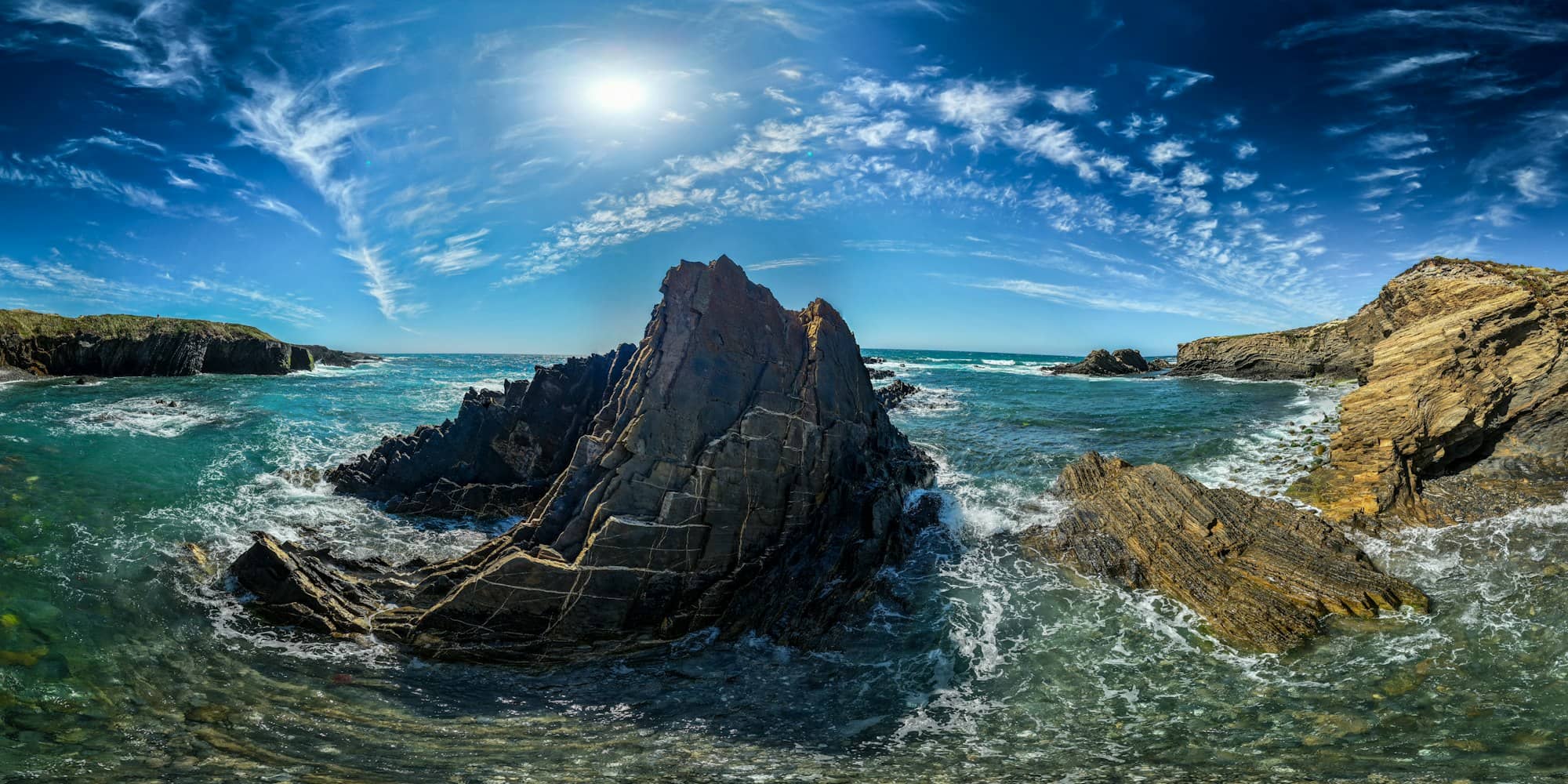
Maine has more working lighthouses than any other state on the East Coast, and they are the visual shorthand for the whole place. Portland Head Light in Cape Elizabeth is the one on the calendars, 4.8 from 16,744 reviews, the second-most-reviewed site in the state, commissioned in the 1790s and set in a public park with the ruins of a coastal fort behind it.
The rest of the field is deeper than most visitors realize:
| Lighthouse | Town | Rating | Reviews | The draw |
|---|---|---|---|---|
| Portland Head Light | Cape Elizabeth | 4.8 | 16,744 | The iconic silhouette; easy access from Portland |
| Bass Harbor Head Light Station | Tremont | 4.4 | 4,616 | Acadia's lighthouse; tiny lot, sunset scrum |
| Pemaquid Point Lighthouse | Bristol | 4.8 | 3,243 | Striated rock ledges as good as the tower |
| Owls Head Lighthouse | Owls Head | 4.8 | 1,726 | Short climb, wide Penobscot Bay view |
| West Quoddy Head Lighthouse | Lubec | 4.9 | 1,488 | Red-striped tower at the easternmost point of the country |
| Marshall Point Lighthouse | St. George | 4.8 | 1,458 | The long wooden walkway out to the tower |
The lower rating at Bass Harbor is instructive. The lighthouse is fine; the experience of parking for it in August is not. See our lighthouse guide for how to sequence a coastal run without wasting a day in lots.
What people actually visit
Reputation and traffic are not the same thing. Ranking every place in our 2,154-row Maine dataset by review volume, with national chains removed, produces this. A list no travel magazine would print:
| # | Place | Town | Rating | Reviews |
|---|---|---|---|---|
| 1 | Acadia National Park | Mount Desert Island | 4.9 | 24,003 |
| 2 | Portland Head Light | Cape Elizabeth | 4.8 | 16,744 |
| 3 | Becky's Diner | Portland | 4.6 | 8,062 |
| 4 | Coastal Maine Botanical Gardens | Boothbay | 4.8 | 7,005 |
| 5 | Hooligans | Steak and Ale | Old Orchard Beach | 4.4 | 6,295 |
| 6 | DiMillo's On the Water | Portland | 4.5 | 6,095 |
| 7 | The Highroller Lobster Co. | Portland | 4.6 | 5,388 |
| 8 | Duckfat | Portland | 4.6 | 5,332 |
| 9 | Eventide Oyster Co. | Portland | 4.5 | 5,227 |
| 10 | Maine Diner and Gift Shop | Wells | 4.5 | 5,007 |
Three things fall out of that. Acadia and Portland Head Light together account for roughly 46 percent of the review volume in the entire top ten, which is how lopsided Maine tourism is. Five of the ten slots are restaurants in Portland, a city of under 70,000 people. And exactly two entries are the scenery Maine is famous for. Everything else is somewhere to eat. Whatever people come for, what they do is eat.
The one entry most visitors would not predict is Coastal Maine Botanical Gardens in Boothbay at number four, 4.8 from 7,005 reviews. It is a comparatively young garden on a peninsula most itineraries skip, and it now draws review traffic on the order of the state's best-known lighthouses. That is a useful signal: the marquee list and the actual list have drifted apart.
A coastline longer than it looks
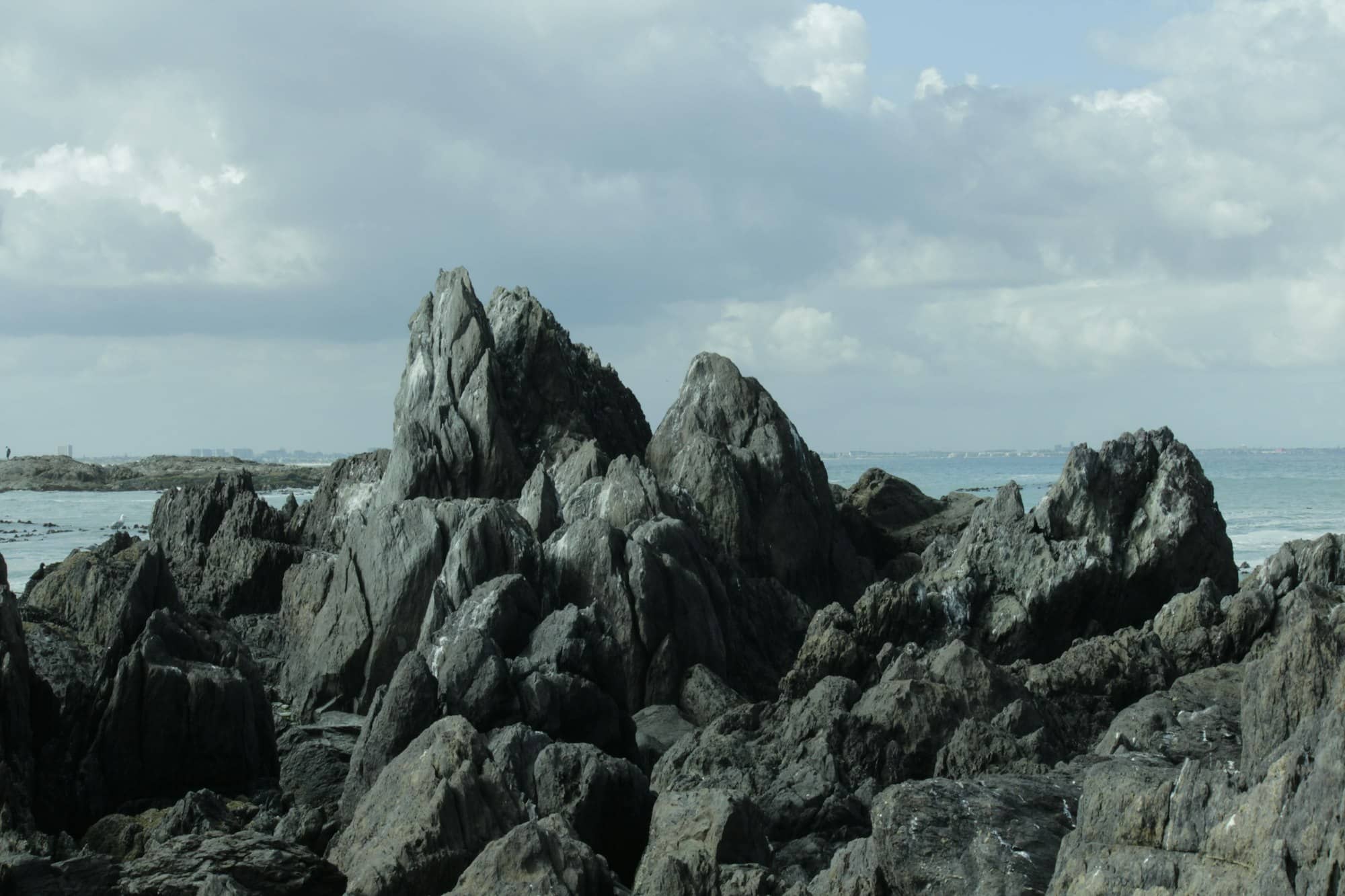
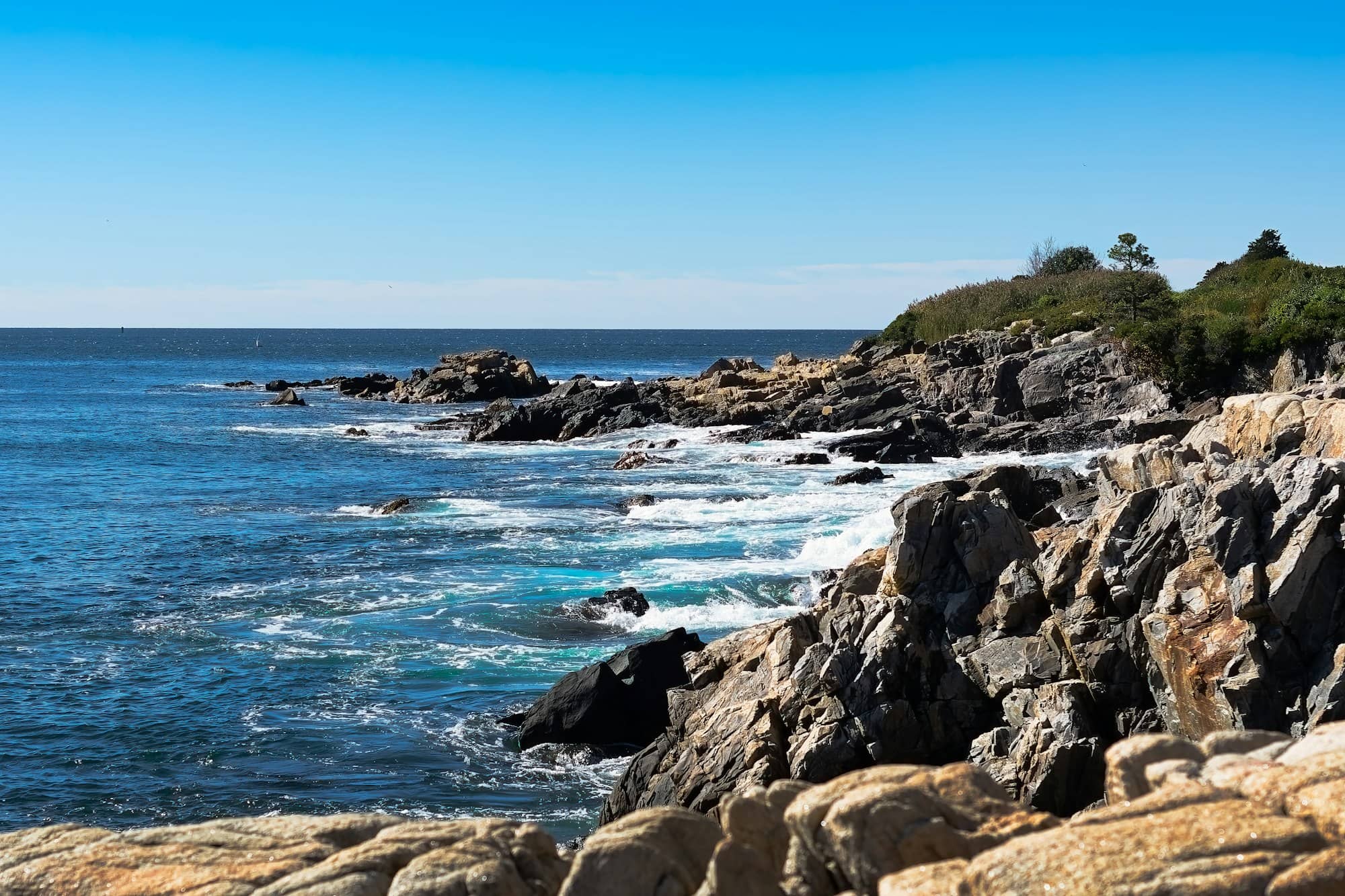
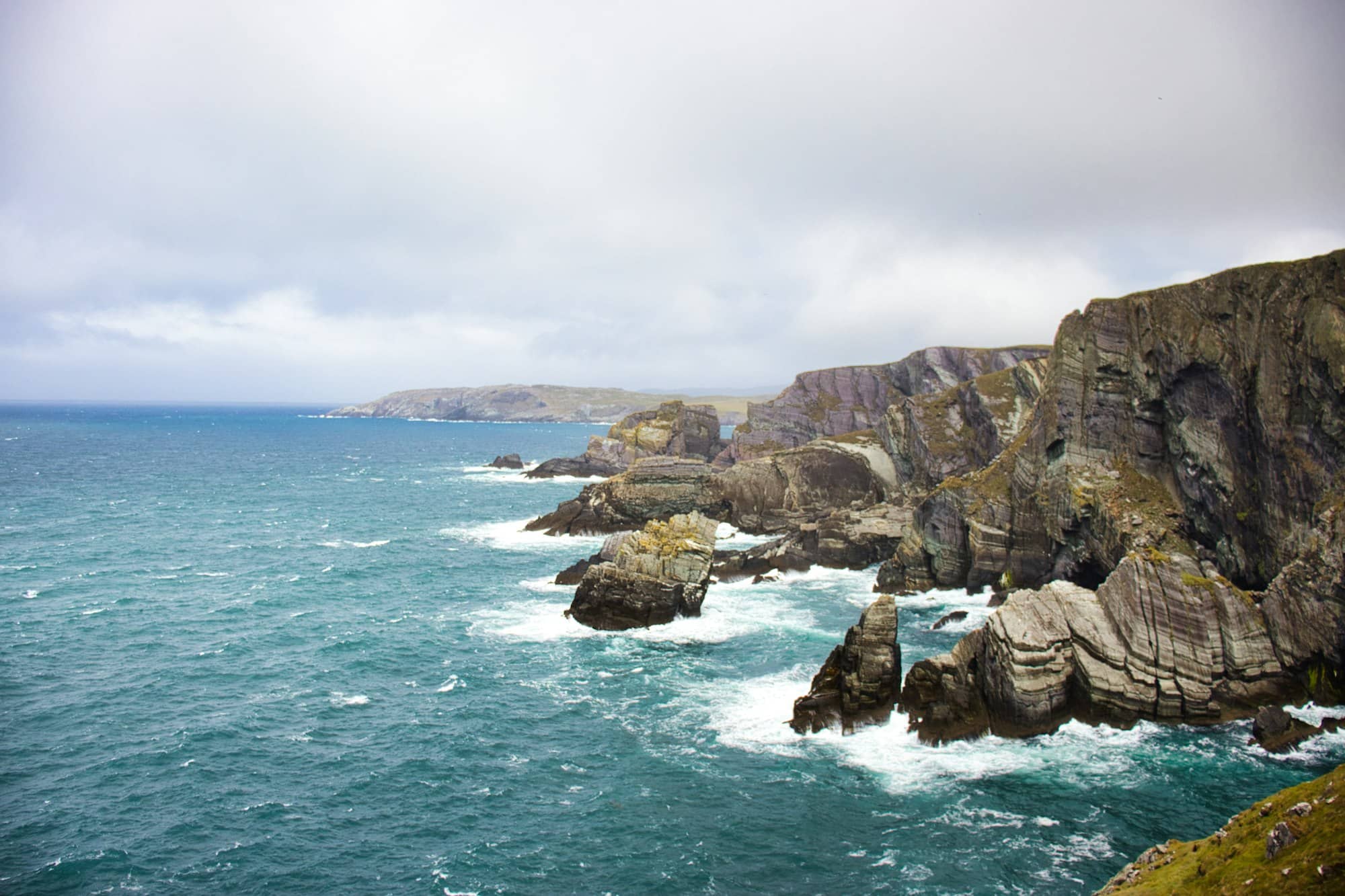
Maine's coast measures a few hundred miles as the gull flies and thousands once you trace every inlet, cove and island: more tidal shoreline than California, a fact residents deploy at every opportunity. That geometry is why the drive between two towns you can see across the water takes an hour, and why the state has thousands of islands, of which only a handful are inhabited year-round.
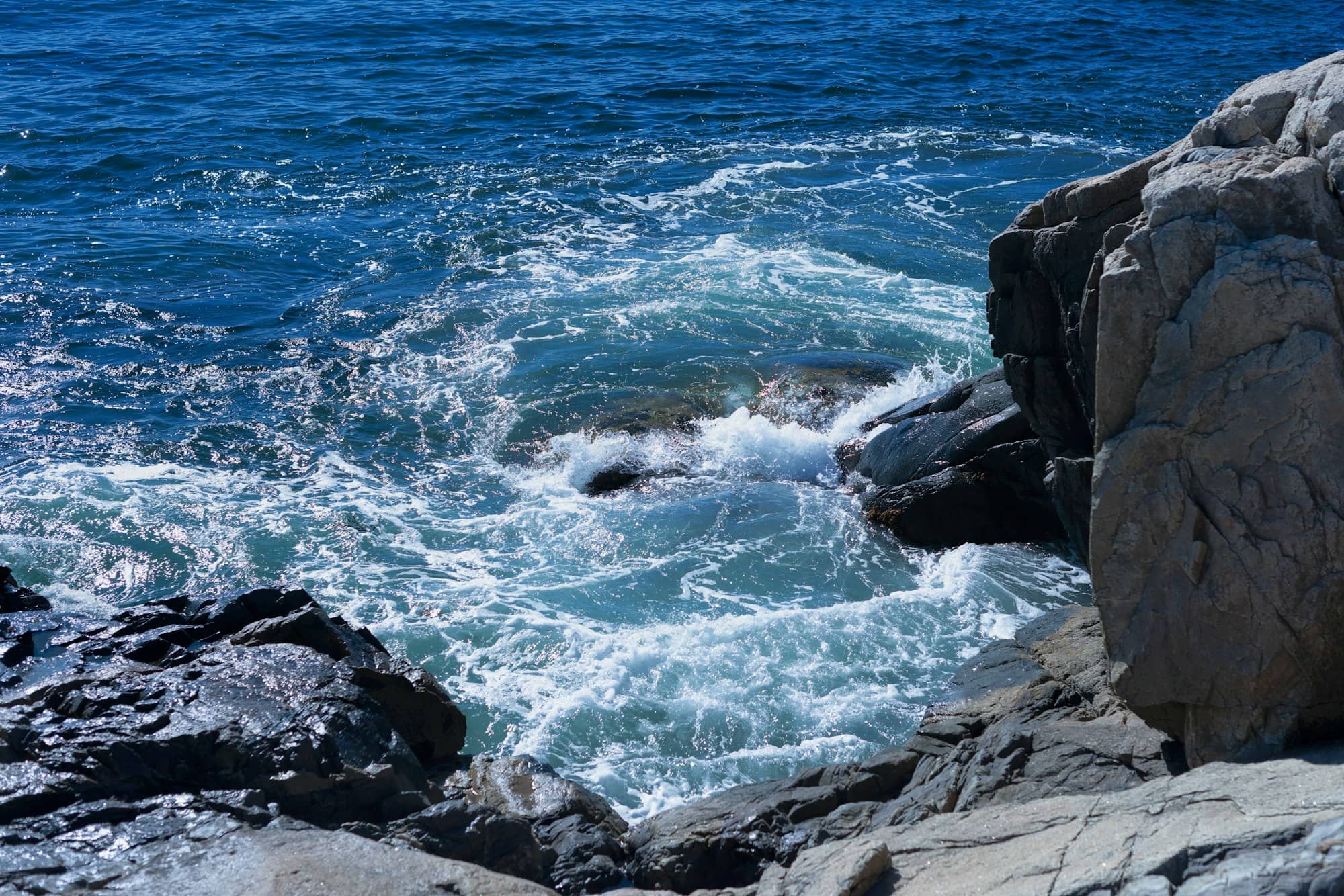
The tides do real work here too. They build from a few feet in the south to some of the largest tidal ranges in the continental United States at the far Down East end near Eastport and Cobscook Bay, where the water can move twenty feet or more between high and low. Fog is the other constant: a clear morning on the midcoast can be gone by ten and back by four, and any coastal plan should have an indoor fallback.
Food beyond lobster
Maine's legislature has been unusually specific about its food. The whoopie pie is the official state treat; blueberry pie made with wild Maine blueberries is the official state dessert; Moxie, a bitter root-based soda that divides people violently, is the official state soft drink.
Beyond the statute book: wild blueberries from the Down East barrens, smaller and more intense than cultivated ones and mostly frozen or baked rather than eaten fresh; the Italian sandwich, a Portland invention of ham, cheese, onion, pickle and oil on a soft roll; bright red natural-casing hot dogs; fiddleheads, the coiled ostrich-fern shoots that appear for a few weeks each spring; and Damariscotta River oysters, which have gone from a local product to a national one in about fifteen years.
Portland has punched far above its size in national food coverage for well over a decade, and the top-ten table above is the receipt.
The forest, the moose and Katahdin
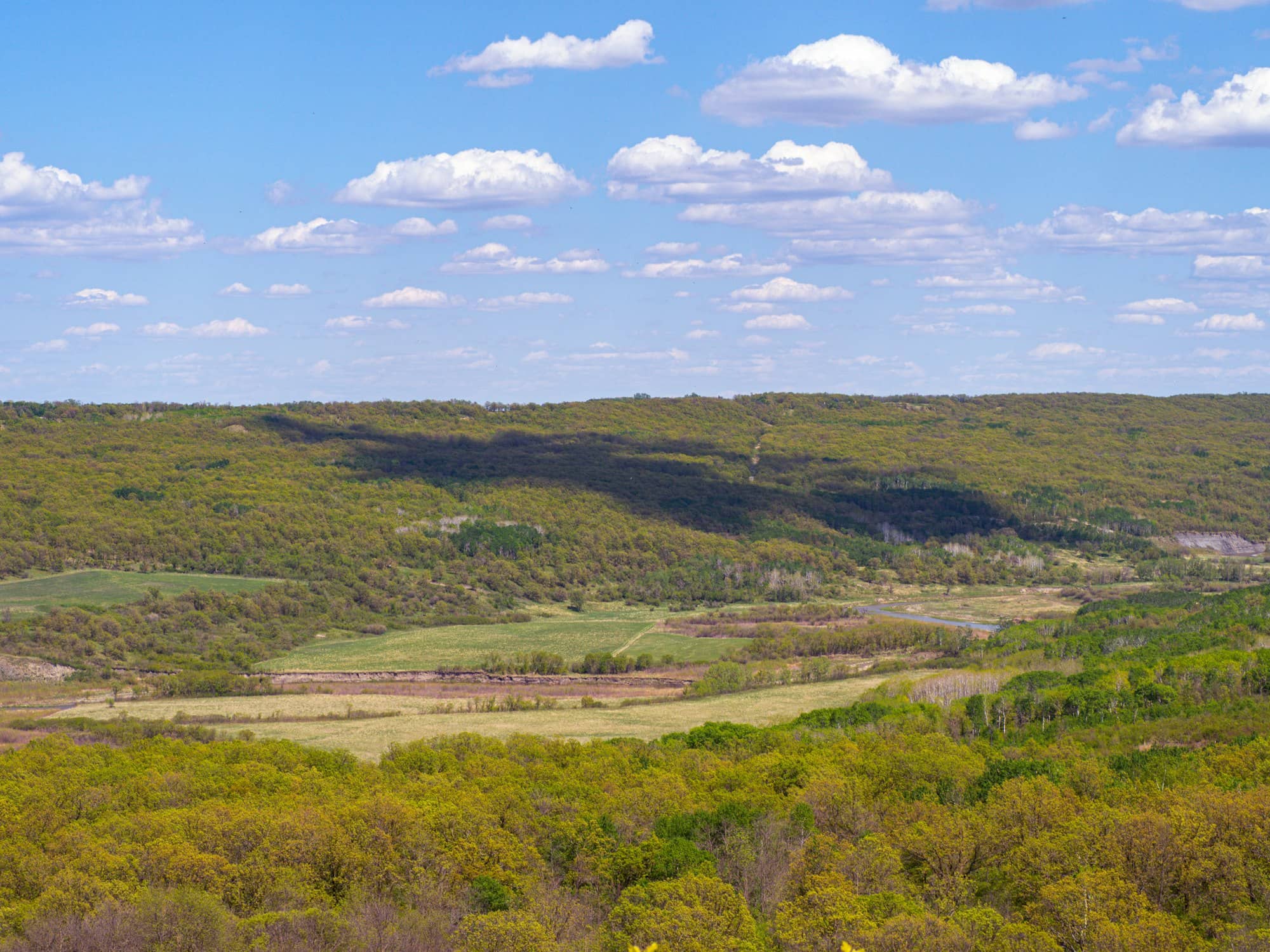
About nine-tenths of Maine is forested (the highest share of any state) and almost none of that is the coast people picture. Inland is where the moose are: Maine holds the largest moose population in the lower 48, concentrated in the North Woods around Moosehead Lake, Rangeley and the Katahdin region. Dawn and dusk on a logging road in late spring is the reliable sighting, not a drive down Route 1.
Katahdin (Maine's highest mountain and the northern terminus of the Appalachian Trail) sits in Baxter State Park (4.8 from 854 reviews), which former governor Percival Baxter bought parcel by parcel with his own money and gave to the state on the condition it stay forever wild. That condition is enforced: limited parking reservations, no pavement, no development. Millinocket is the gateway.
Boats, and the state that builds them
Bath Iron Works has been building steel ships on the Kennebec for well over a century and still builds destroyers for the U.S. Navy; the Maine Maritime Museum next door (4.7 from 1,489) tells the wooden-ship half of the story. Up the coast, Camden and Rockland keep a working fleet of historic windjammers running multi-day sails on Penobscot Bay. Schooner Surprise out of Camden rates 5.0 from 221 reviews. Our windjammer guide explains what a few days aboard actually involves.
Brands, books and oddities
L.L.Bean started in Freeport in 1912 with a rubber-bottomed hunting boot and turned into the anchor of an outlet town; the oversized Bean Boot outside the flagship is a real photo stop (4.6 from 59 reviews), and the store itself is a destination in its own right. Nearby, the Desert of Maine (4.5 from 1,145) is a genuine 19th-century glacial-sand blowout created by bad farming. A strange, sandy hole in the pine woods.
Stephen King has lived in Bangor for decades, and the wrought-iron fence with bats and spiderwebs around his house is a quiet pilgrimage. Winslow Homer painted at Prouts Neck; the Wyeth family painted the midcoast, and the Farnsworth Art Museum in Rockland (4.6 from 189) holds the collection. Puffins nest on offshore rocks after a restoration effort run out of Rockland's Project Puffin Visitor Center (4.9 from 99).
What Maine is not
Three honest corrections, because the brochure version sets people up badly.
The season is short. A large share of coastal businesses (shacks, ferries, some inns) close from roughly late October to May. In February, a picturesque harbor town can be almost entirely shut. Plan around it rather than being surprised by it; our guide to timing a visit lays out the tradeoffs month by month.
The famous coast is small. The Maine of the photographs is essentially Kittery to Bar Harbor, and in July and August Route 1 through that strip moves at a crawl. Everything east of Ellsworth and everything north of Bangor is emptier, cheaper, and less prepared for visitors, which is the appeal or the problem, depending on you.
It is a working state, not a theme park. Paper mills, potato farms in Aroostook County, boatyards and lobster co-ops are the economy. The most memorable parts of a Maine trip are usually the working ones: a wharf at five in the morning, a diner full of people in work clothes, a fog bank swallowing a harbor before lunch.
Frequently asked questions
What food is Maine most famous for?
Lobster, without competition: served as a cold-meat roll on a split-top bun, or steamed whole at a dockside pound. After that: wild blueberries and blueberry pie, whoopie pies, Moxie soda, Italian sandwiches, red hot dogs, and increasingly Damariscotta oysters. The state has official designations for several of these, which tells you how seriously the subject is taken.
What is Maine's most visited attraction?
Acadia National Park, and it is not close. Acadia carries 4.9 from 24,003 reviews in our dataset against 16,744 for Portland Head Light in second place, and those two together make up close to half the review volume of the top ten places in the state.
Why is Maine so famous for lighthouses?
A long, rocky, fog-prone coastline broken into thousands of miles of inlets and islands needed a lot of navigational aids, and many of the towers built for that job survive. Several are still active, several sit in public parks with open grounds, and a handful (Portland Head, Pemaquid Point, West Quoddy Head) have become the visual identity of the state.
Is Maine worth visiting outside of summer?
Yes, with adjustments. Late September into mid-October is arguably the best time in the state: strong foliage, warm days, thin crowds. Winter works for skiers and for anyone who wants a quiet coast, but expect many seasonal businesses to be closed. Late spring brings black flies inland and cold water everywhere, and is the weakest window.