1
Wells
See main listingSeven miles of beach, a protected estuarine reserve, and the southern coast's densest run of seafood shacks.
Details

Guide
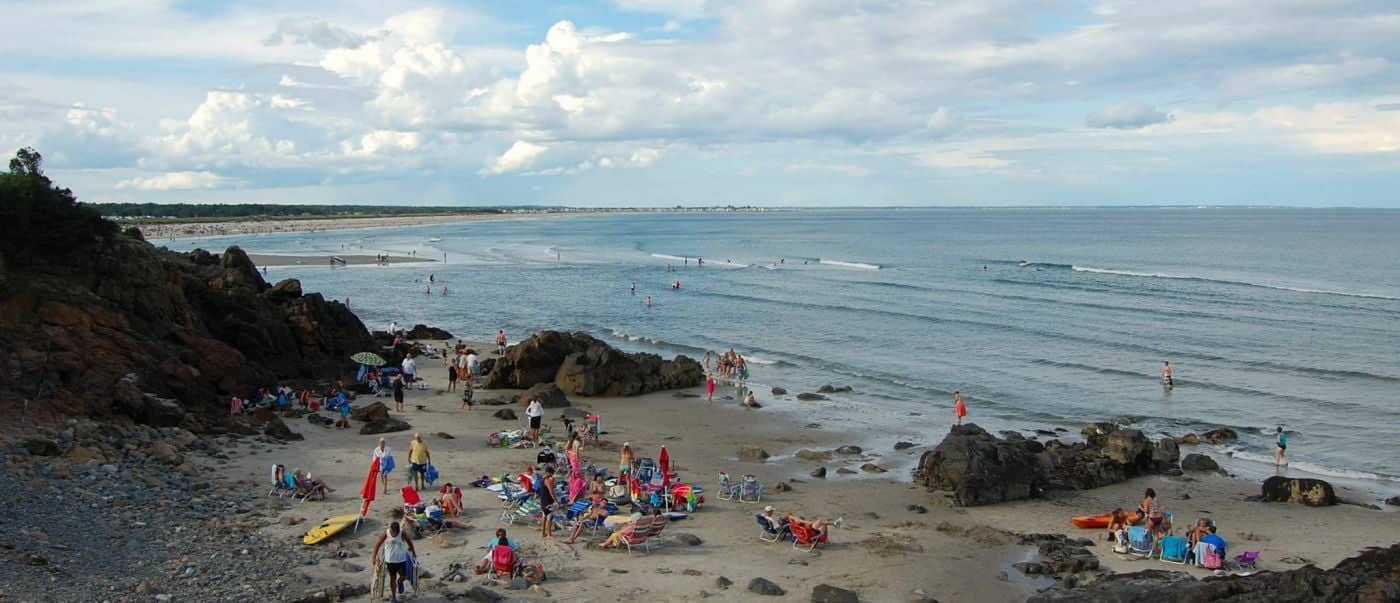
Moody Beach in Maine is the quiet northern end of the sand strand that runs up from Ogunquit into Wells. Same beach, different town line, very different feel. It rates 4.6 from 76 Google reviews, a small number for a big beach, and the reason is not the sand. Moody is the most famously private beach in the state, and getting onto it takes planning.
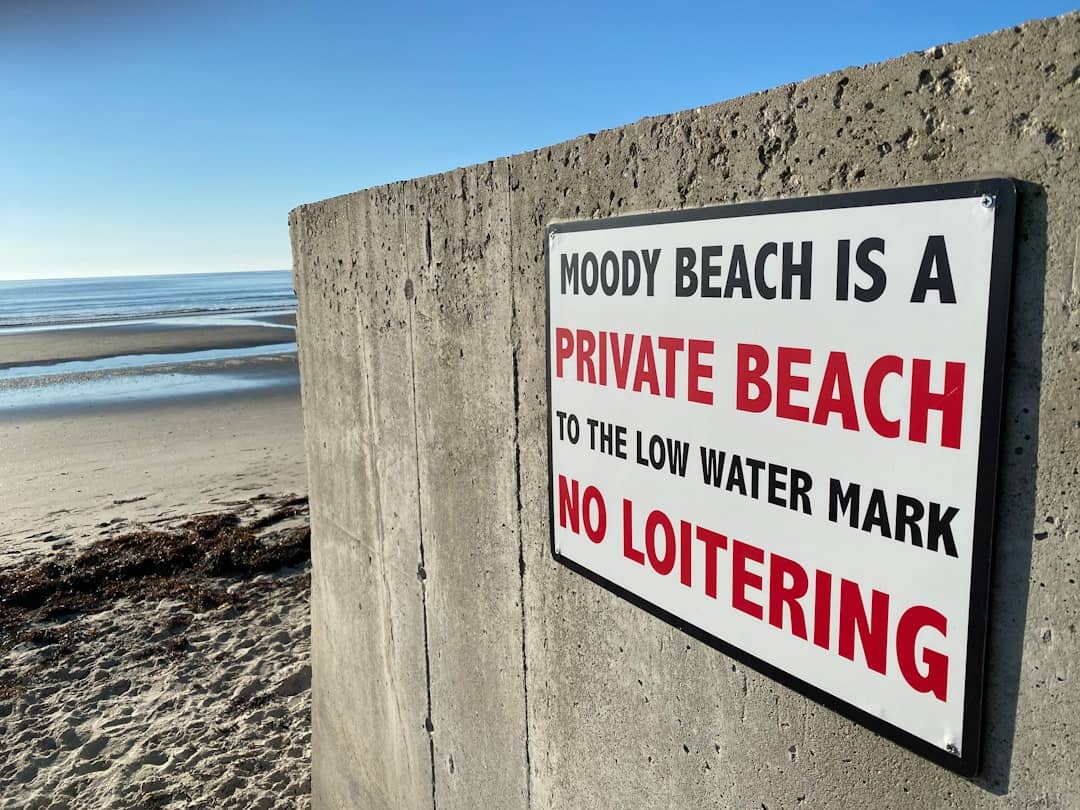
Moody is a section of Wells' southern shoreline between Ogunquit's Footbridge Beach and the main Wells Beach strip. The sand is wide, flat and excellent. Behind it runs a wall of oceanfront cottages, and in front of them the dry sand is private property, not by custom or signage bluff, but by a Maine Supreme Judicial Court ruling that came out of this beach.
In practice: below the high-tide line you can walk; above it, in front of the houses, you are on someone's land. There is no bathhouse, no snack bar, no lifeguard stand and effectively no public lot of the kind at Wells Beach or Drakes Island.
The reliable way in is to park at Footbridge Beach in Ogunquit (which has a real seasonal lot, restrooms and lifeguards) and walk north. About a mile up the sand the crowd thins, the umbrellas stop, and you are at Moody. Do it on a falling or low tide so the walkable wet sand is wide.
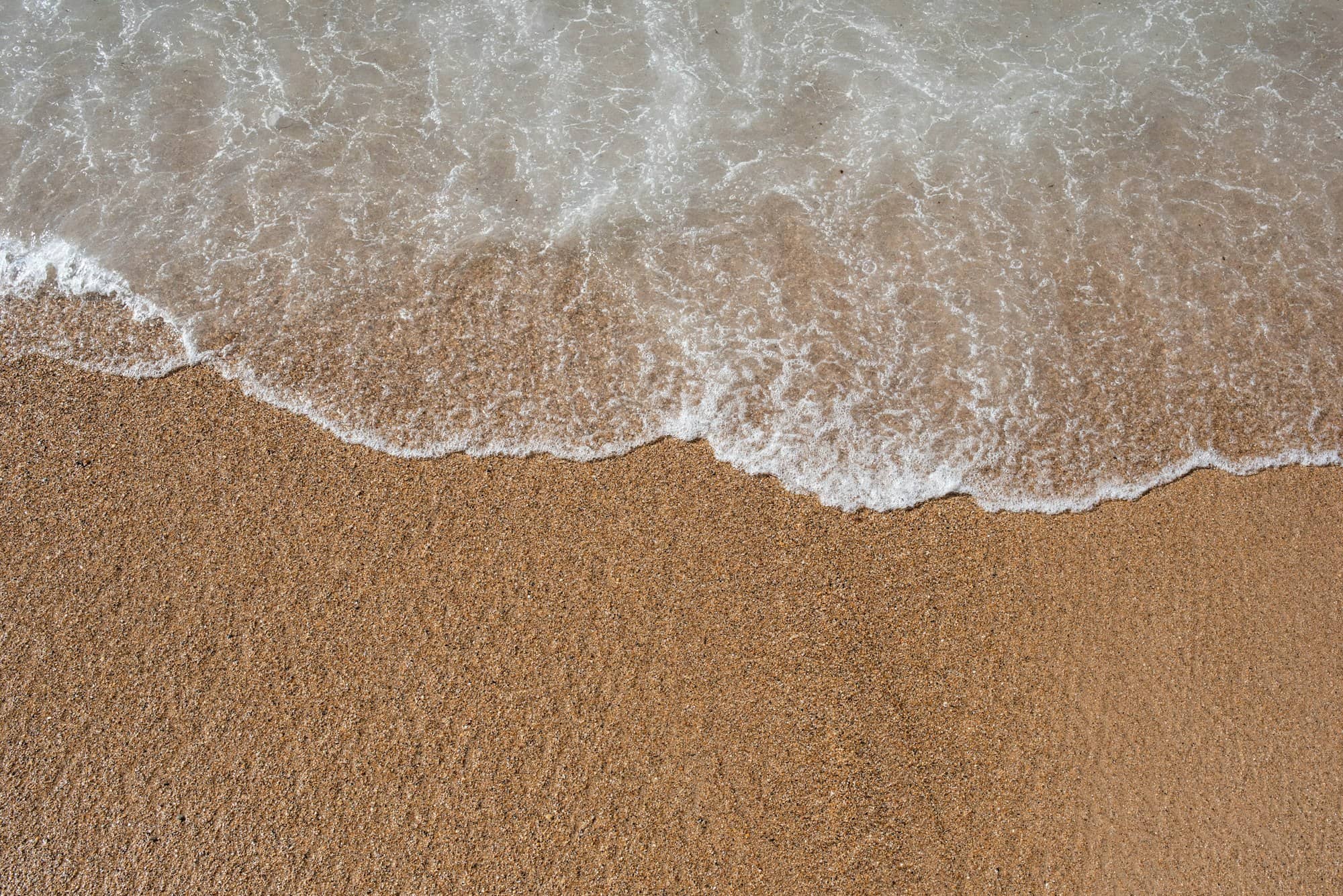
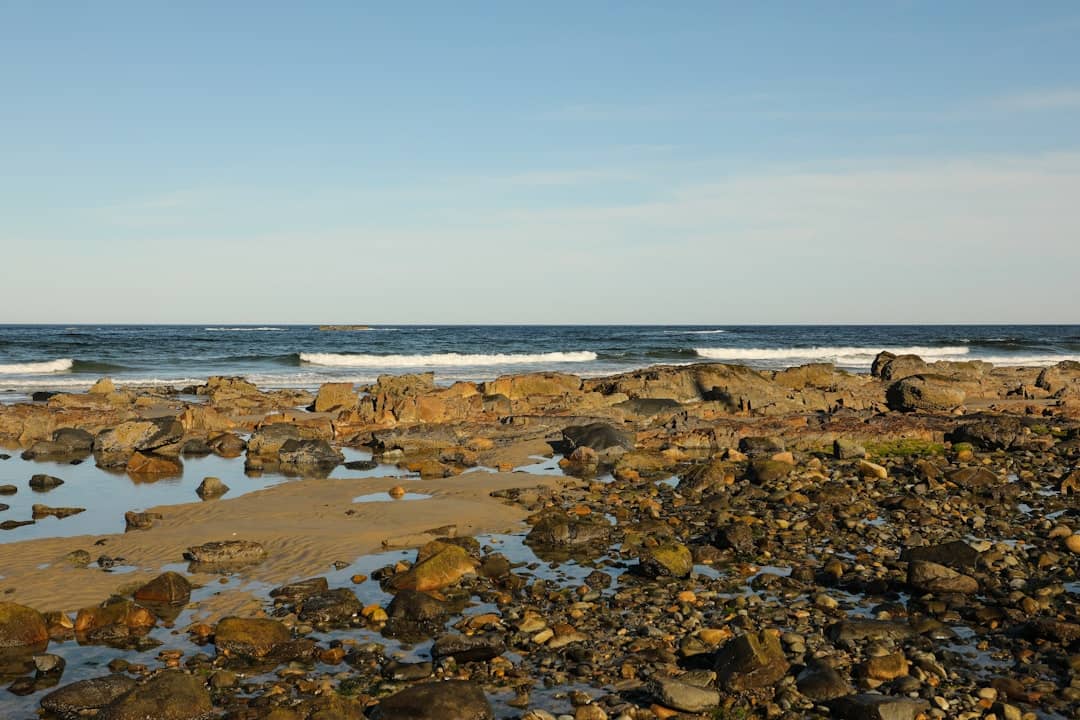
Tides matter more here than at any other beach in southern Maine, because the tide line is also the property line. The range runs roughly nine feet on a big day. At low water Moody is a hundred yards of firm sand and you can walk for miles without troubling anyone. Near high water on a spring tide the passable strip narrows sharply and in places the sea reaches the seawalls. Check a Wells tide table before you set out.
Season is the other lever. In July and August the Footbridge lot fills by mid-morning. From mid-September into October the water is still relatively warm (the Gulf of Maine lags the air by weeks) the light is better and the parking opens up. Either way there are no facilities on Moody itself: bring water, use the restrooms at Footbridge, and expect to buy nothing until you are back on Route 1.
Almost everywhere in the United States the wet sand between high and low tide is public trust land. Maine is one of a handful of exceptions, because of a piece of seventeenth-century law that never got repealed.
The Massachusetts Bay Colony passed an ordinance in the 1640s extending shorefront owners' property down to the low-water mark, instead of stopping at the high-water mark as English common law did. The purpose was practical (get landowners to build wharves at their own expense) and the public kept a reserved easement over the intertidal zone for three named uses: fishing, fowling and navigation. Maine was part of Massachusetts until 1820 and carried the ordinance into its own law.
For three centuries nobody tested how narrowly those three words should be read. Then in the 1980s oceanfront owners at Moody sued the town of Wells over public use of the sand in front of their houses. Maine's highest court held for the landowners in 1989: the intertidal zone here is private, and the easement really is limited to fishing, fowling and navigation. Sunbathing and picnicking are not on the list.
The ruling has shaped the coast ever since. It is why some Maine beaches are ringed with private-property signs while a functionally identical beach in New Hampshire is not, and why access arguments here turn on whether walking a dog counts as fowling. Walking the wet sand at a reasonable tide is routine and unremarked; setting up chairs on the dry sand in front of a house is not.
For the alternatives with real parking lots, see our guides to the beaches in Wells and the beaches in Ogunquit, or Drakes Island at the other end of town. The Marginal Way is the walk to do when you have had enough sand, and our Wells and Ogunquit guides cover the rest.
The sand above the high-tide line is private property, confirmed by a 1989 Maine Supreme Judicial Court decision that arose at this beach. The public keeps an easement over the intertidal zone for fishing, fowling and navigation, so walking through at lower tides is fine, settling in on the dry sand is not.
There is no significant public lot at Moody itself. Most visitors park at the Footbridge Beach lot in Ogunquit and walk north up the sand, roughly a mile. Wells posts its current beach parking locations and rates on the town website.
Yes, if you want a long quiet walk on excellent sand and are happy to arrive on foot at low tide. No, if you want a facilities beach where you can park, unload chairs and stay put. Wells Beach or Ogunquit Beach are better for that.
September and early October. The water is at its warmest late in the season, the crowds and parking pressure have gone, and the walk up from Footbridge is a different thing without July's umbrellas.
Seven miles of beach, a protected estuarine reserve, and the southern coast's densest run of seafood shacks.
Three miles of sand, the Marginal Way clifftop walk, and Perkins Cove's galleries - southern Maine at its most photogenic.

Tools
Guides




Destinations

Downeast & Acadia
Gateway to Acadia National Park - Cadillac Mountain, puffin cruises, and a harbor town that fills with cruise ships from May to October.
Southern Maine Coast
Dock Square boutiques, Goose Rocks Beach, and the Bush family's Walker's Point - the quintessential coastal Maine summer town.
Greater Portland
Maine's largest city - a working waterfront, Old Port cobblestones, and a food scene that punches well above its weight.
Midcoast Islands
Shipbuilding heart of Maine since 1743 - Bath Iron Works still launches destroyers past the Maine Maritime Museum on the Kennebec.
Midcoast Islands
A Midcoast harbor town built around boat trips, with the Coastal Maine Botanical Gardens just up the road.
Midcoast Islands
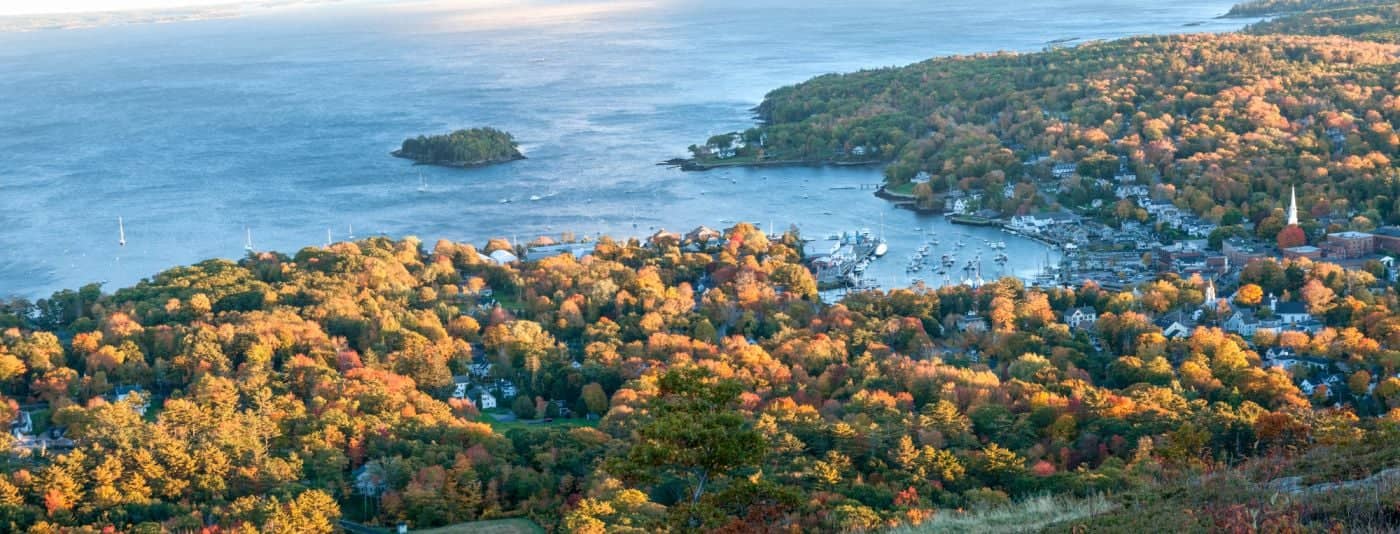
Where the mountains meet the sea - windjammer harbor, Mount Battie summit views, and an independent village with real soul.

Greater Portland
Flagship home of L.L. Bean, open 24/7 - outlets, a tidal river, and surprisingly good eating between the shopping.
Southern Maine Coast
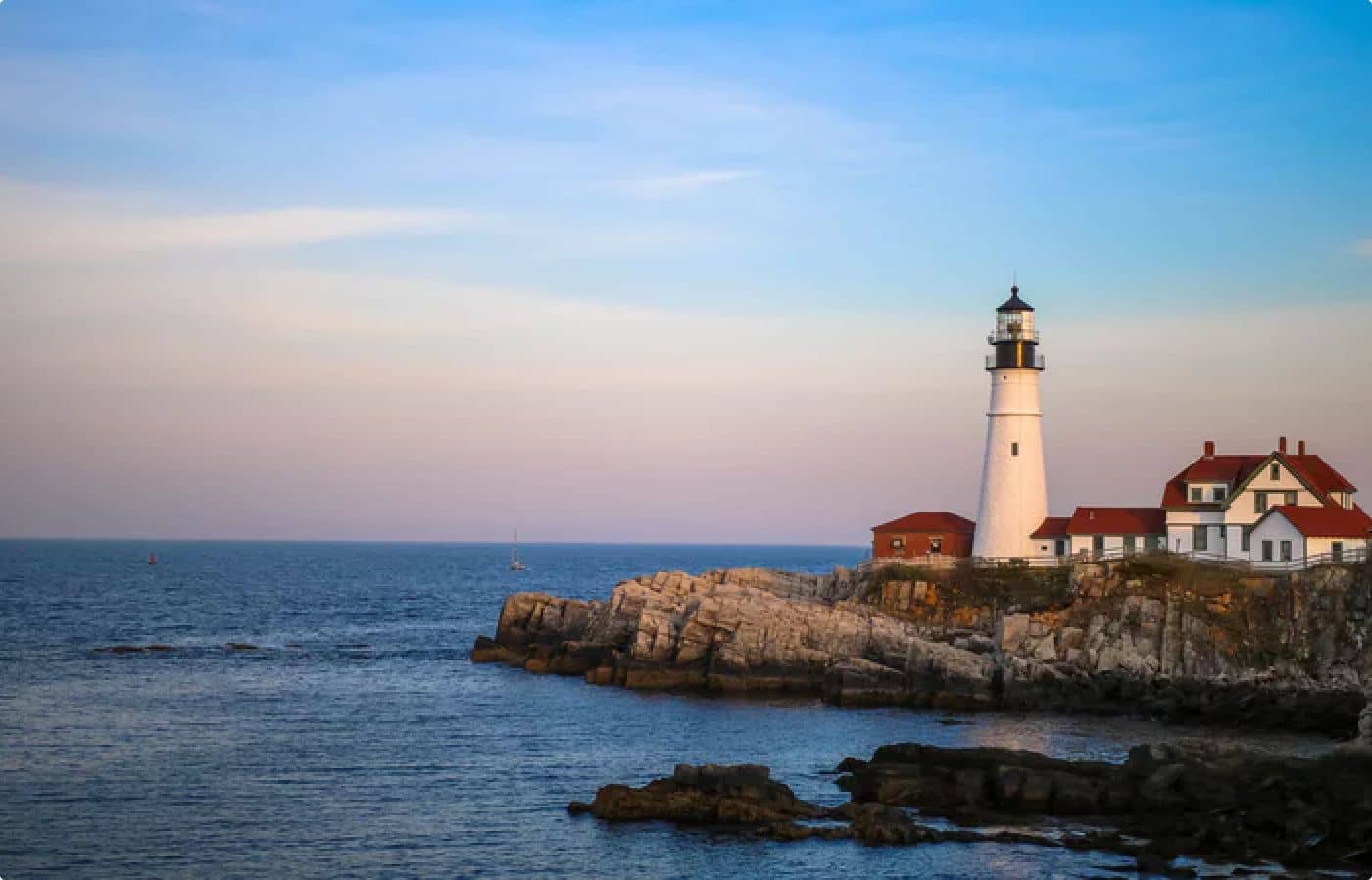
Postcard-perfect village of sea captains' mansions, Lower Village shops, and easy walks to Mother's Beach and Gooch's Beach.