1
Lubec
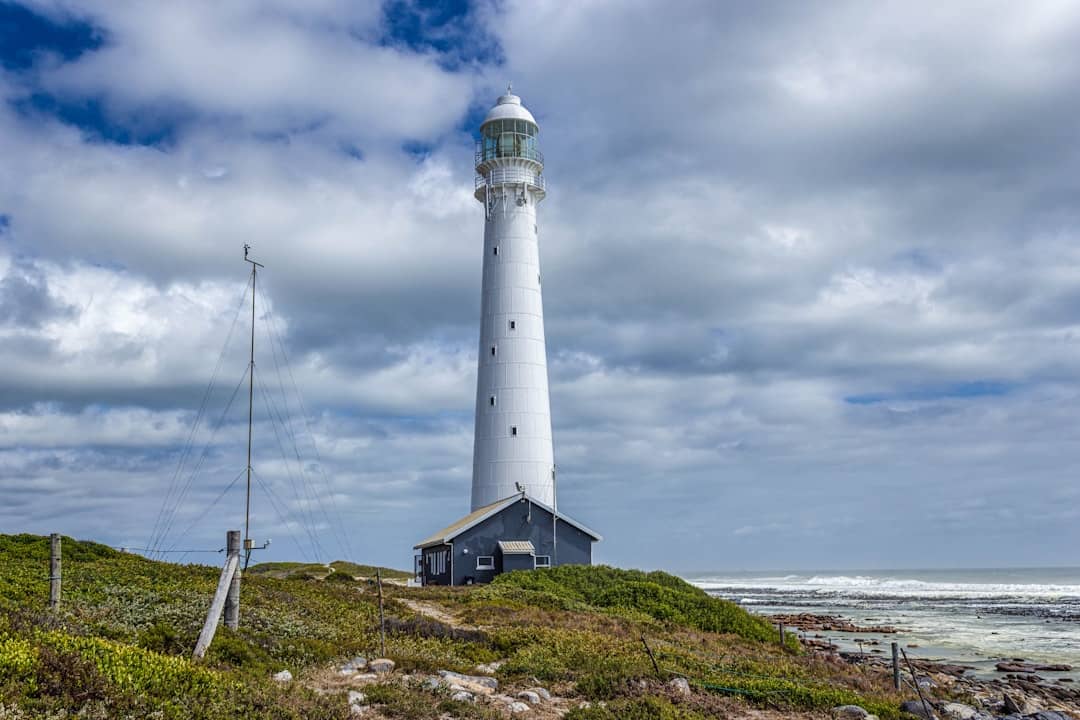
See main listingThe easternmost town in the continental US, with West Quoddy Head Light and a bridge to Campobello Island.
Details

Guide
Roque Bluffs State Park has the best trick in the Maine park system: a half-mile crescent of smooth stone on the open Atlantic and, thirty seconds' walk behind it across a bar, a freshwater pond warm enough to actually swim in. One beach for looking at, one for getting in. It holds a 4.7 rating from 628 Google reviews, remarkable for a day-use park four and a half hours from Portland.
Just under 300 acres at 145 Schoppee Point Road in Roque Bluffs, Washington County: six miles south of Machias, at the end of a road that goes nowhere else. Day use only, no camping.
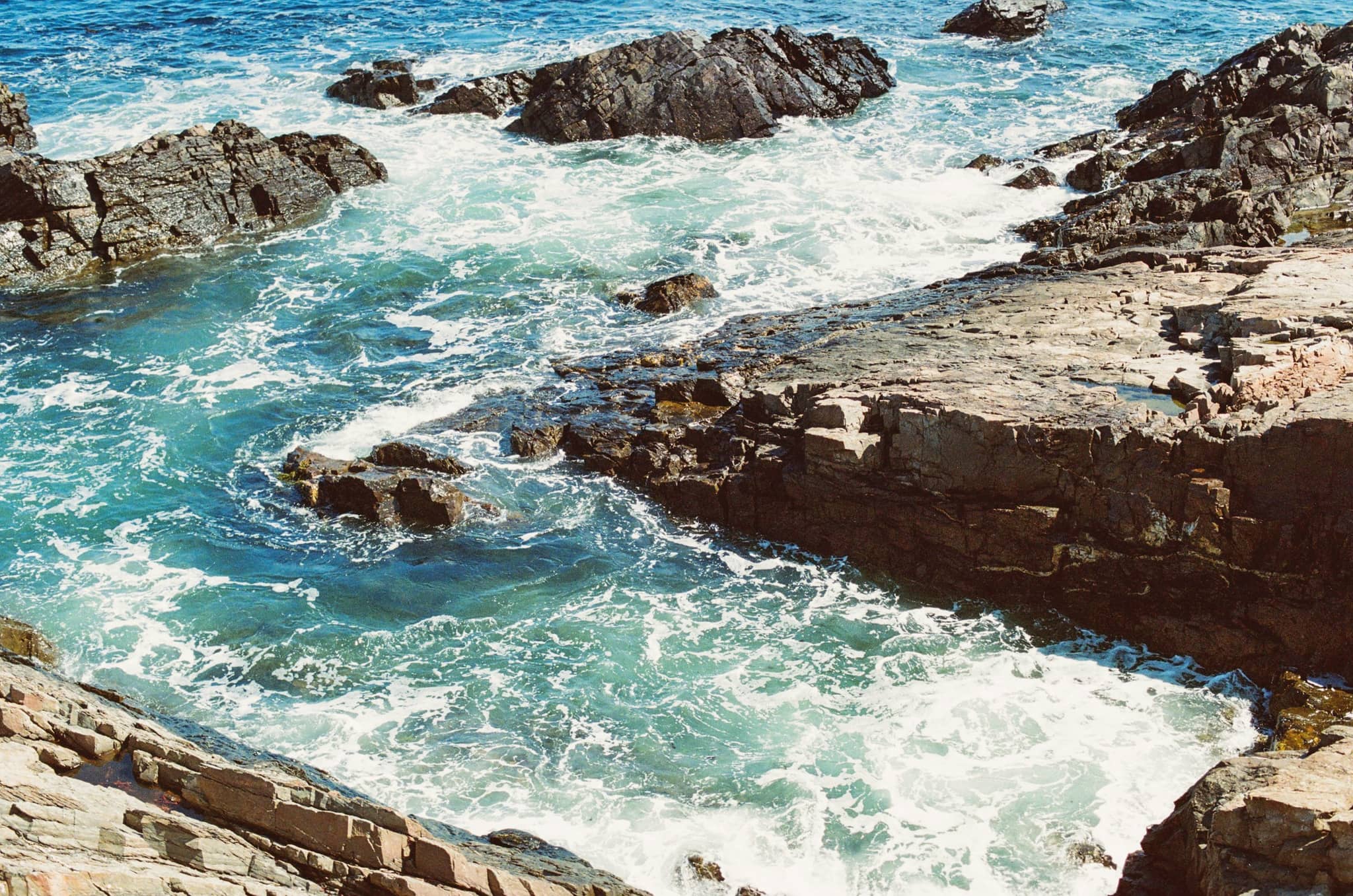
The saltwater side faces Englishman Bay across wave-rounded cobble and coarse sand. The freshwater side is Simpson Pond: shallow, dark-bottomed, and by August genuinely pleasant. There are picnic tables, a playground, changing areas, pit toilets and about six miles of trail through spruce, field and blueberry ground. That is the entire inventory, and it is enough.
The park is run by the Bureau of Parks and Lands, the division of Maine's Department of Agriculture, Conservation and Forestry that manages the state park system. Expect the standard arrangement: a seasonal window, a day-use fee with a lower rate for Maine residents, and a self-service pay station when nobody is on the gate, which, this far Downeast, is often. Current rates are on maine.gov.
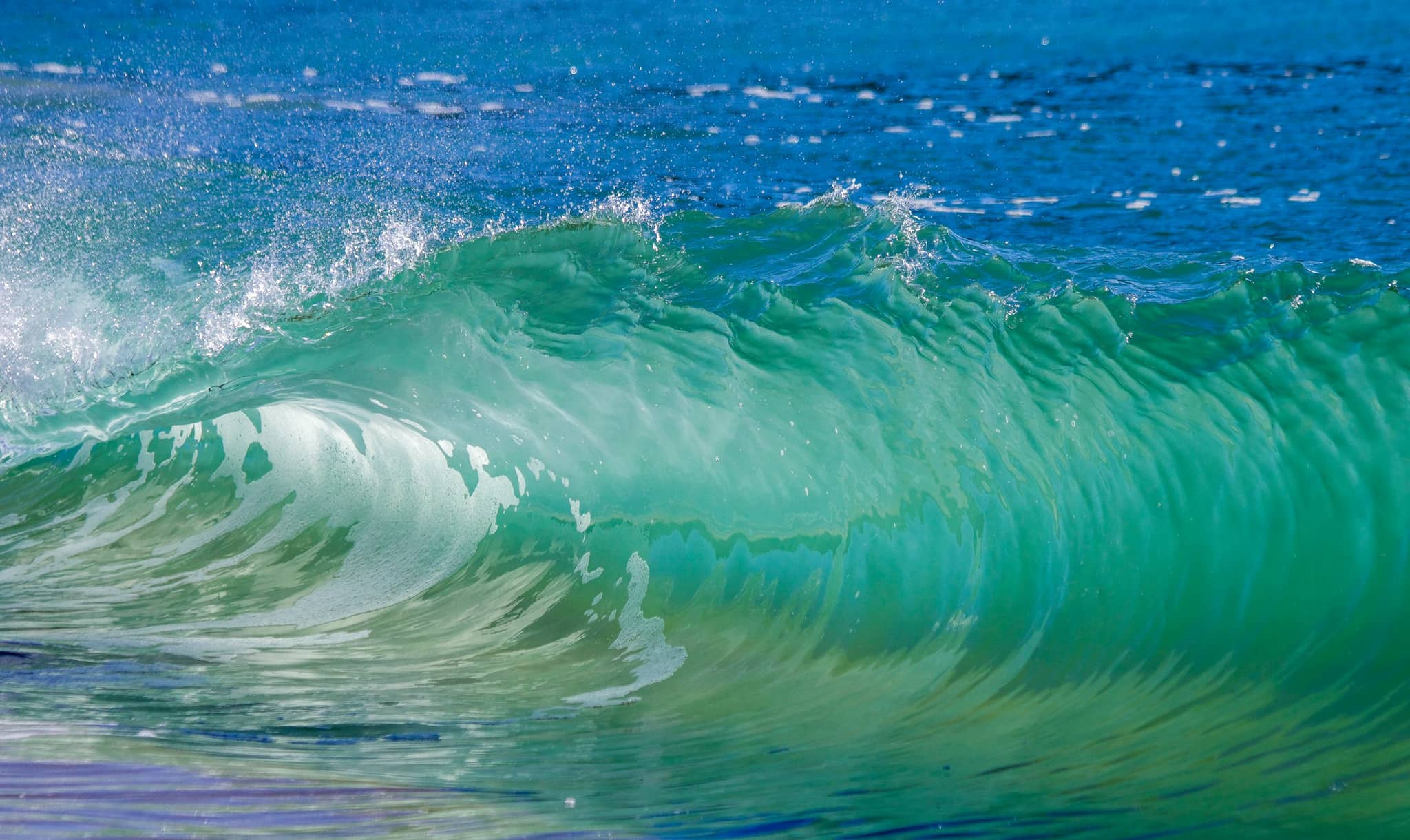
Swim in the pond. This is not a preference, it is physics. Some of the largest tides on the planet churn this part of the Gulf of Maine, dragging cold water up from depth and holding the surface in the fifties Fahrenheit all summer. People wade in the salt water; almost nobody stays in it. Simpson Pond, twenty yards inland and a few feet deep over a dark bottom, is warm by comparison.
Bring something for your feet. The ocean beach is cobble: beautiful, loud when the surf drags back through it, and punishing to walk barefoot. Water shoes change the day.
The honest drawback is the drive. Roque Bluffs is roughly four and a half hours from Portland and well over an hour past Ellsworth. Nobody passes through. You come on purpose, and the reward is a beach that on a warm July afternoon might hold thirty people. Whether that trade works is a real question, and for many visitors the answer is no.
The trails behind the beach run through low, scrubby ground that looks like heath and is not. It is wild blueberry barren.
Washington County grows the overwhelming majority of the United States wild blueberry crop, and the plant is not planted. It is native, spreading underground by rhizome, and the industry consists of managing ground that already had it. Fields are burned or mowed on a two-year cycle, which is why one barren looks different from the next. The harvest runs a few short weeks in late summer, still partly by hand with a rake designed in the 1880s and barely changed since.
In late September the barrens turn a deep crimson that runs to the horizon: one of the genuinely underappreciated sights in New England, with the fall color on the ground rather than in the trees.
Offshore, the low dark shape on the horizon is Roque Island. It holds a mile-long white sand beach that cruising sailors talk about the way climbers talk about certain routes, and it is privately owned, held by the same family for generations, closed to the public. You can see it from the park. That is the whole relationship.
Six miles up the road is Machias. In June 1775, weeks after Lexington and Concord, a British armed schooner named the Margaretta arrived to escort lumber vessels loading for Boston. The town met about it in a tavern, decided against cooperating, and a group of local men (lumbermen, not navy) took a merchant sloop out and captured her in a short, bloody fight in the bay.
It is generally counted as the first naval engagement of the American Revolution, and the tavern where the argument happened still stands in Machias as a museum. It was not strategically decisive. What matters is that this coast was remote, poor and dependent on the lumber trade, and the people here made a choice that put them in the path of the Royal Navy. Machias was raided repeatedly afterward, and the remoteness that shaped it has not changed.
For the wider region, our Downeast Maine guide covers the run from Ellsworth to the border; Maine state parks sets this one in context.
Yes, but in Simpson Pond rather than the ocean. The pond behind the beach is shallow, dark-bottomed and warms through the summer. Englishman Bay on the other side of the bar stays in the fifties Fahrenheit even in August, because the enormous tides keep mixing cold water to the surface.
No. It is day use only. The nearest state park camping is Cobscook Bay, about forty minutes northeast, where sites book through Maine's central reservation system and several sit on a bay with a twenty-foot tide.
Roughly two hours east, most of it on Route 1 through Washington County; from Portland it is about four and a half hours. There is no shortcut, and no reason to be on this road unless Roque Bluffs or Lubec is the destination.
If you value an empty beach over a warm one, yes. What you get is a striking cobble crescent on open water, a swimmable pond, six miles of quiet trail and very few people. If you want sand, surf and services, southern Maine does all three better and far closer.
The easternmost town in the continental US, with West Quoddy Head Light and a bridge to Campobello Island.
Tools
Guides
Destinations
Downeast & Acadia
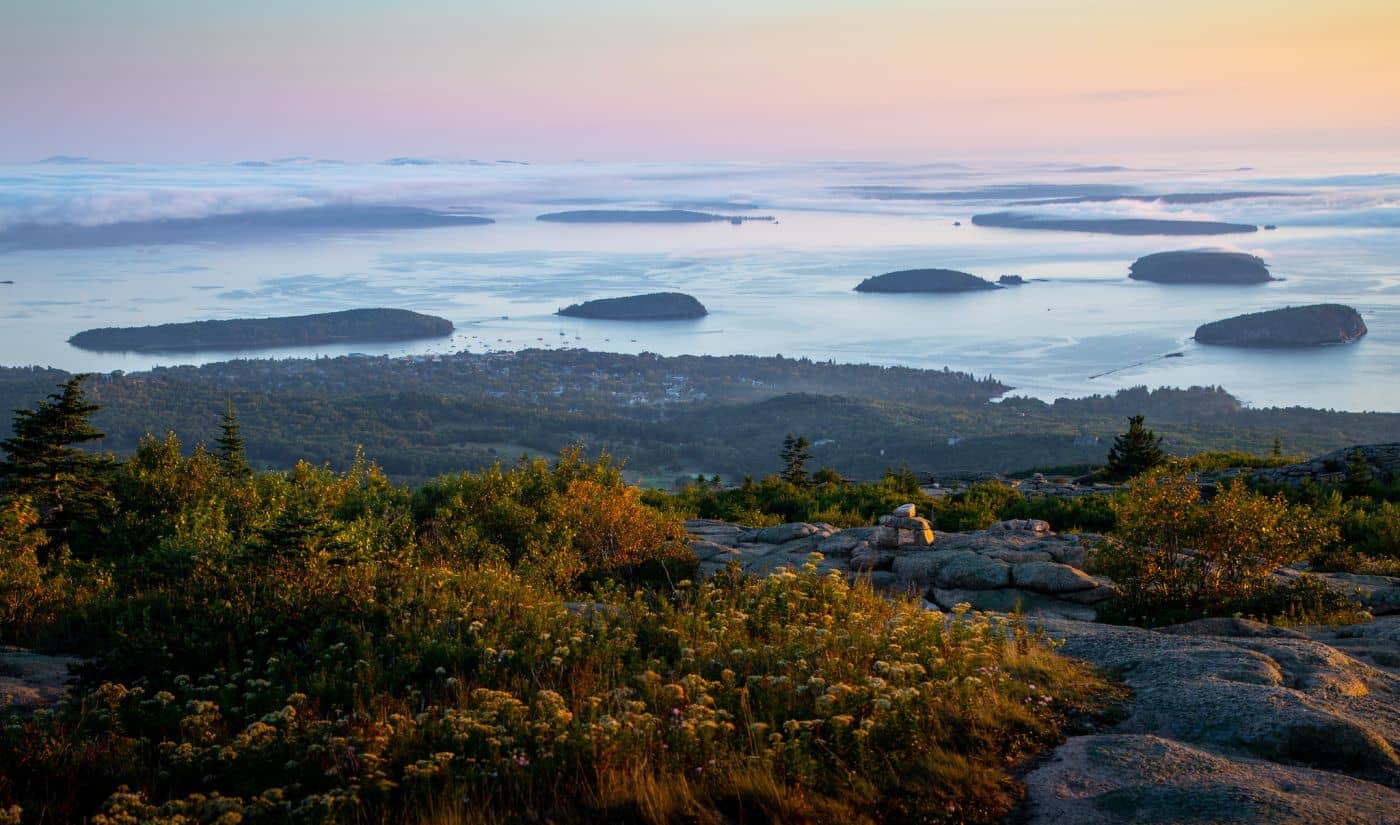
Gateway to Acadia National Park - Cadillac Mountain, puffin cruises, and a harbor town that fills with cruise ships from May to October.
Southern Maine Coast
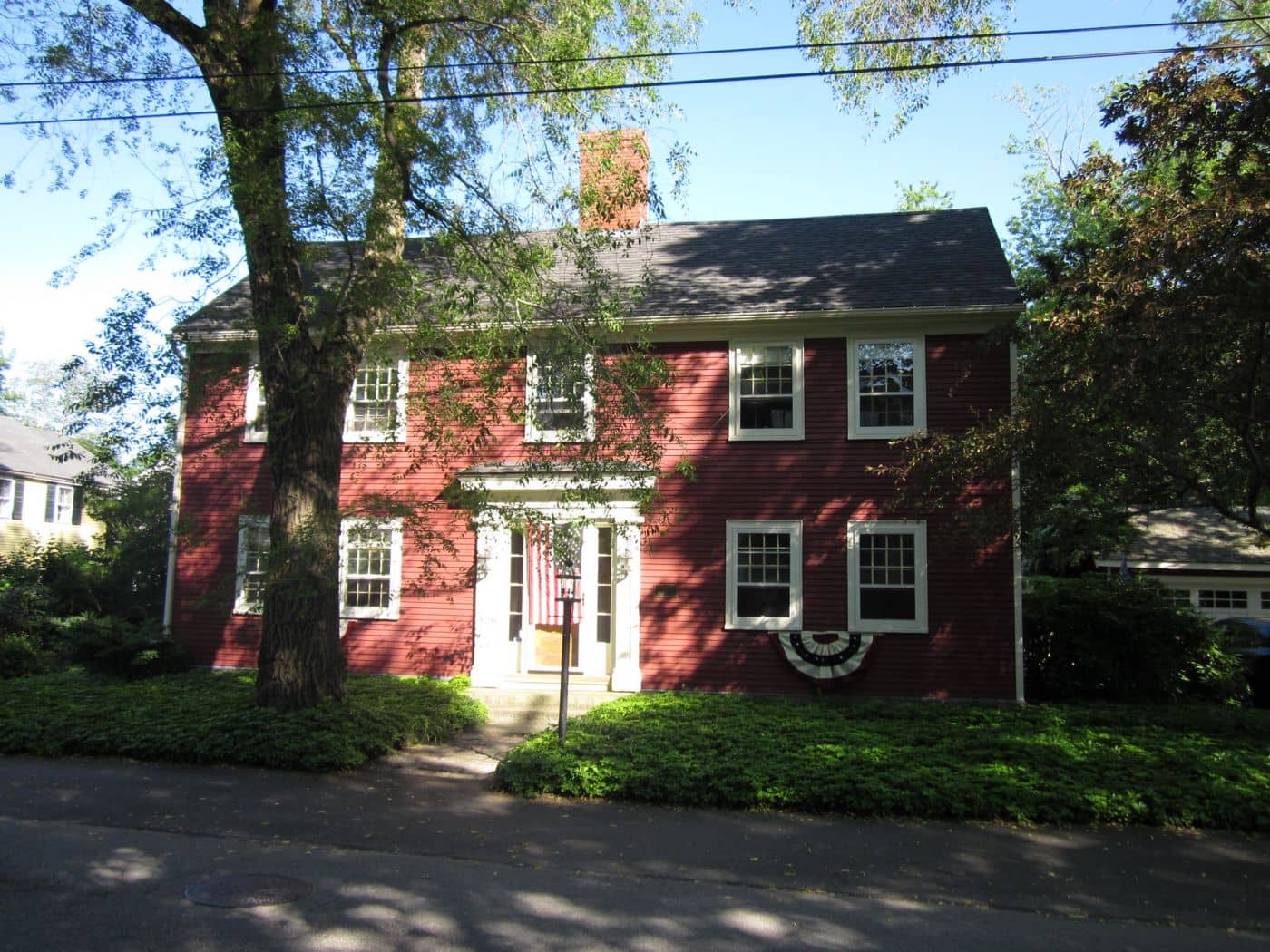
Dock Square boutiques, Goose Rocks Beach, and the Bush family's Walker's Point - the quintessential coastal Maine summer town.
Greater Portland
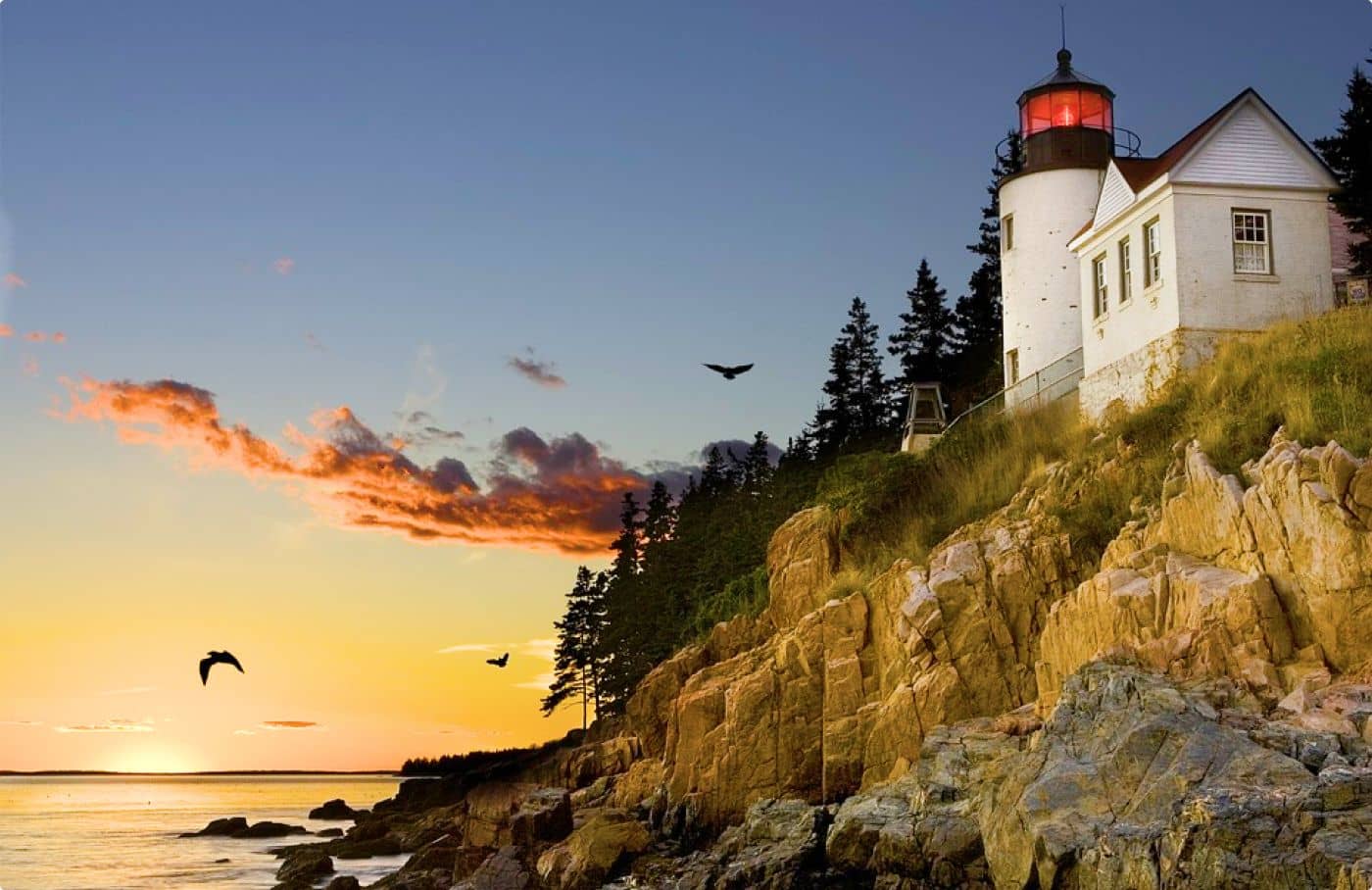
Maine's largest city - a working waterfront, Old Port cobblestones, and a food scene that punches well above its weight.
Midcoast Islands
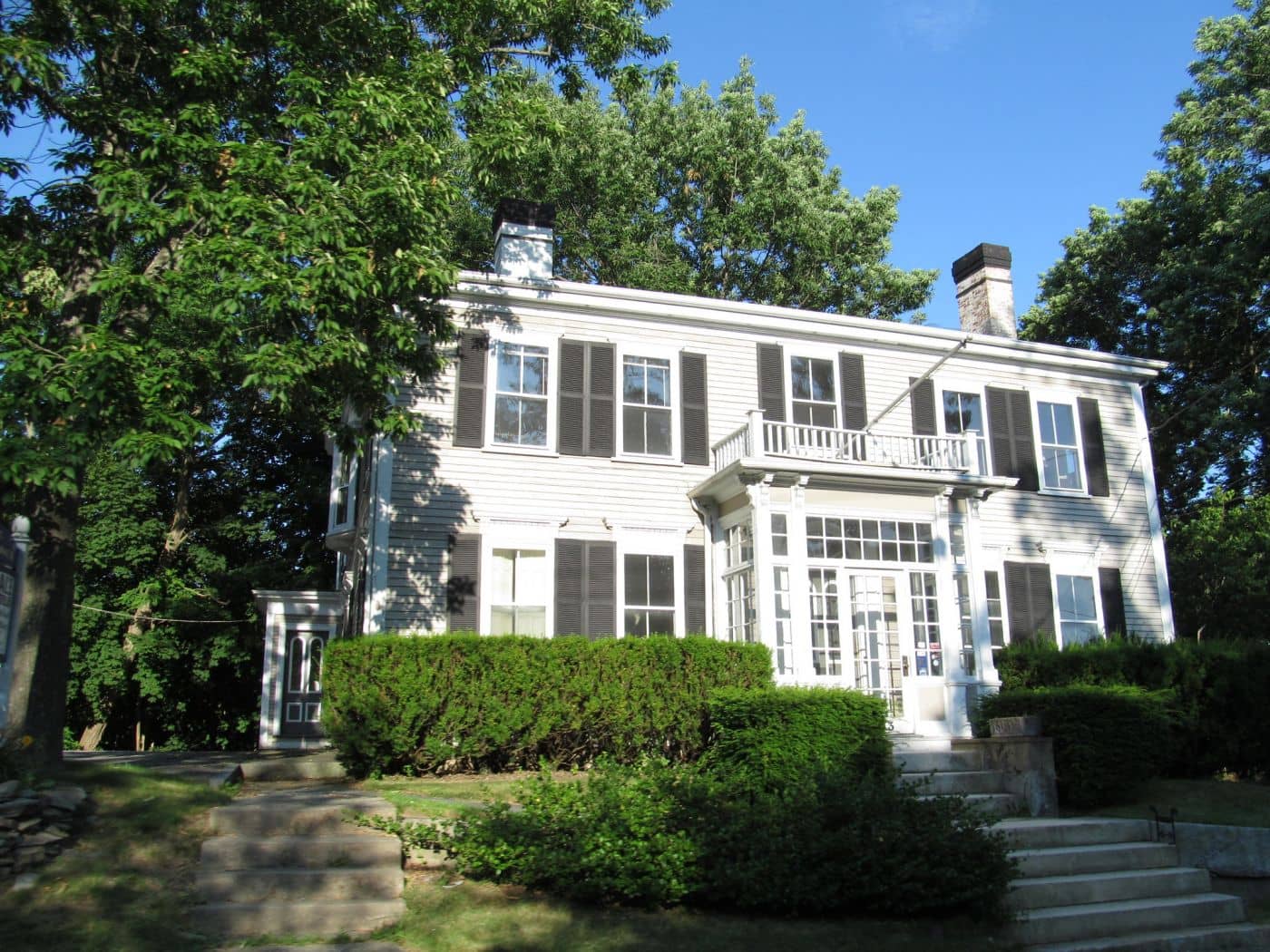
Shipbuilding heart of Maine since 1743 - Bath Iron Works still launches destroyers past the Maine Maritime Museum on the Kennebec.
Midcoast Islands
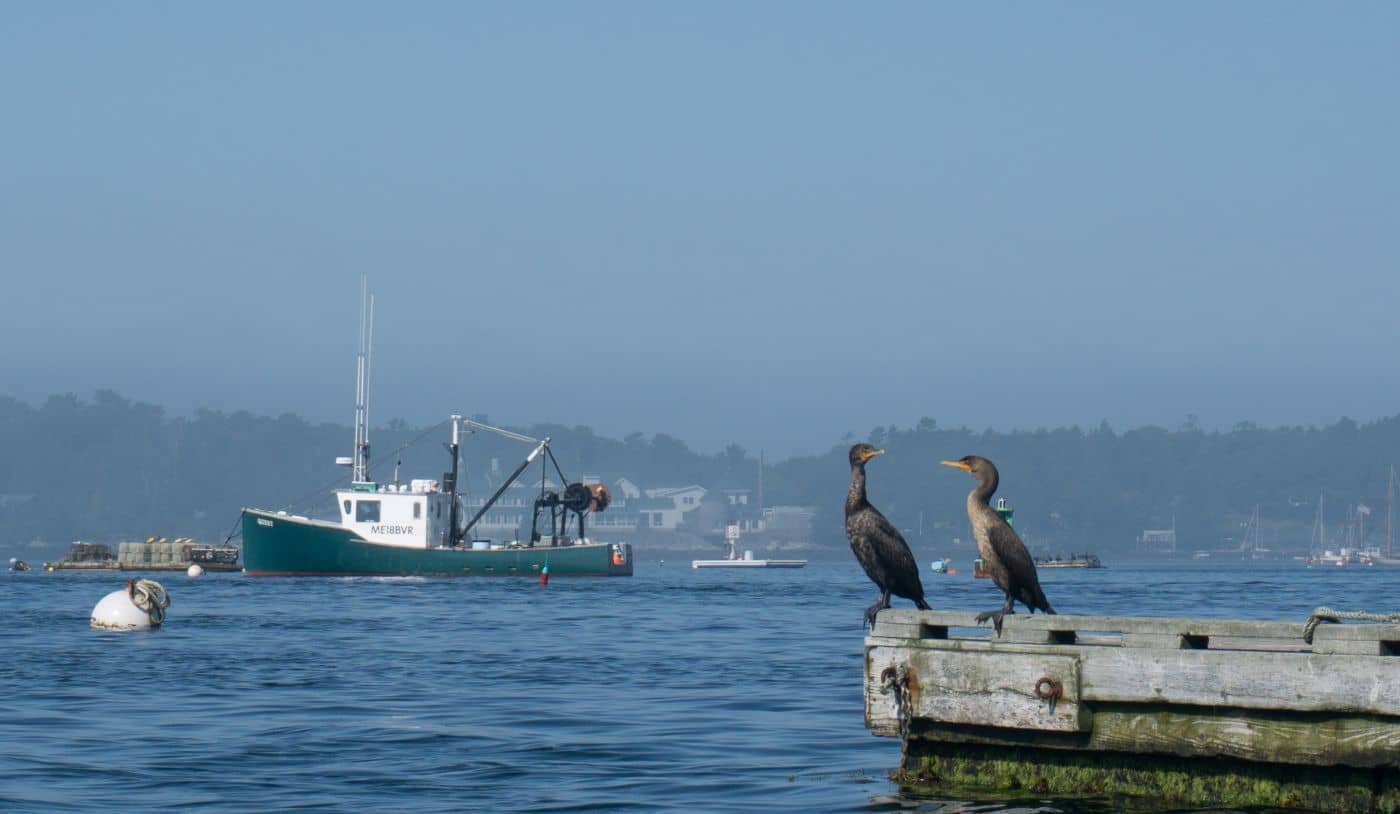
A Midcoast harbor town built around boat trips, with the Coastal Maine Botanical Gardens just up the road.
Midcoast Islands
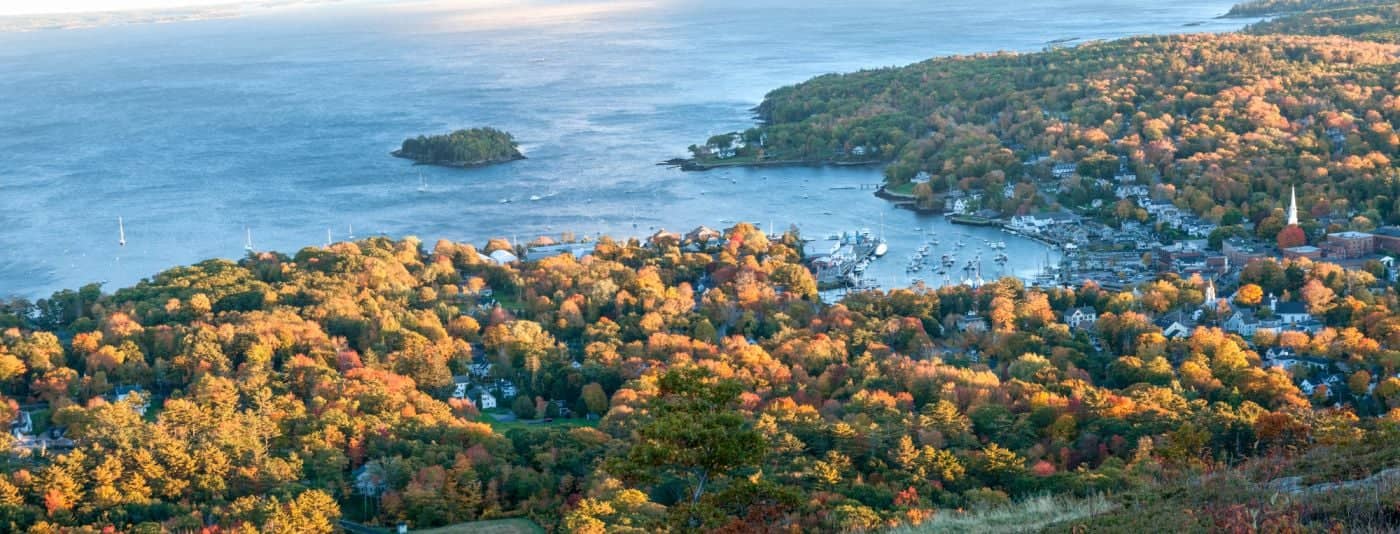
Where the mountains meet the sea - windjammer harbor, Mount Battie summit views, and an independent village with real soul.
Greater Portland
Flagship home of L.L. Bean, open 24/7 - outlets, a tidal river, and surprisingly good eating between the shopping.
Southern Maine Coast
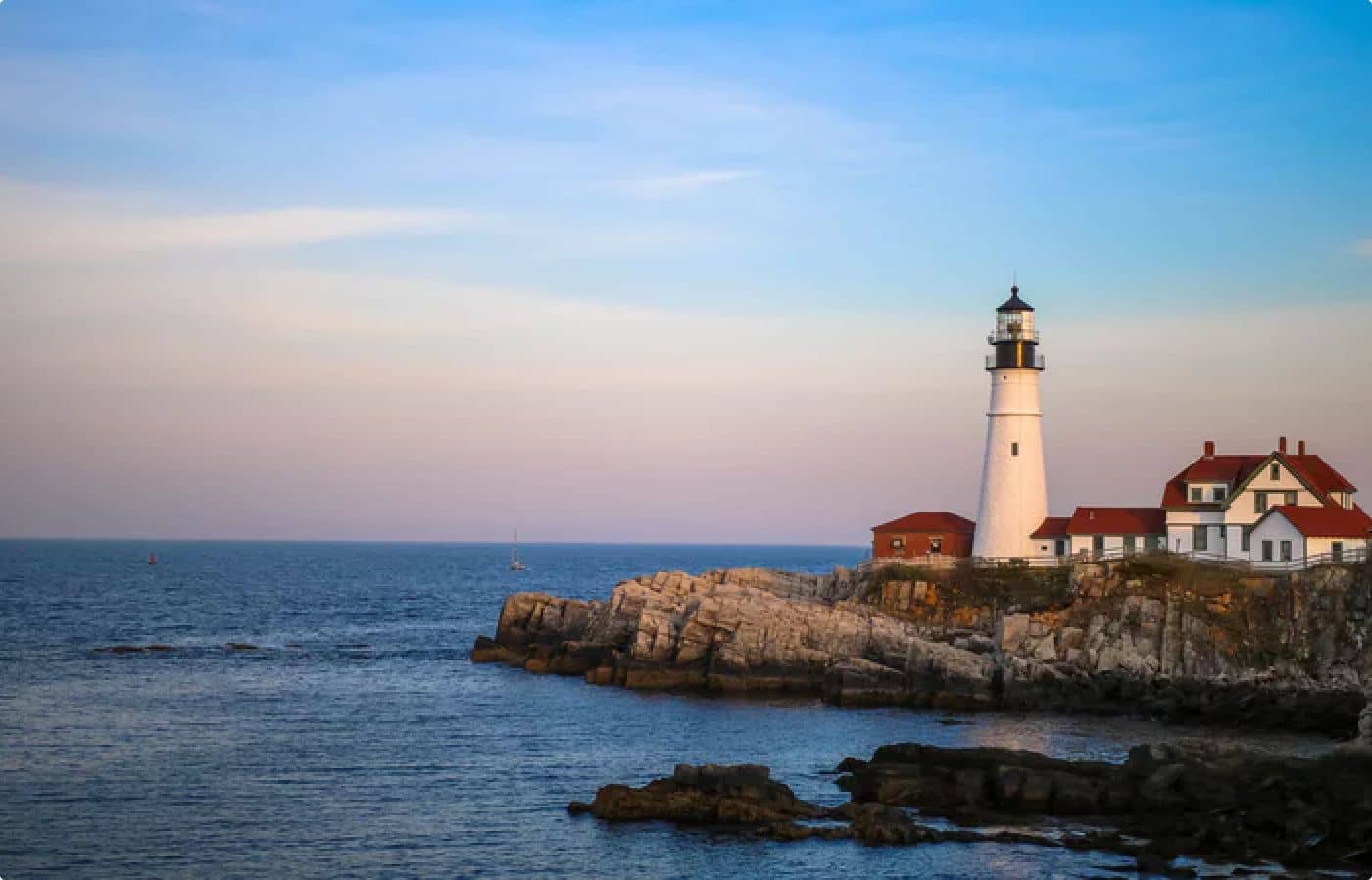
Postcard-perfect village of sea captains' mansions, Lower Village shops, and easy walks to Mother's Beach and Gooch's Beach.