
1
Portland
See main listingMaine's largest city - a working waterfront, Old Port cobblestones, and a food scene that punches well above its weight.
Details

Guide
The Portland Museum of Art occupies one corner of Congress Square and quietly runs the best art collection in northern New England. It is Maine's oldest and largest public art museum, it holds a serious body of Winslow Homer, and it owns the studio at Prouts Neck where Homer painted the pictures that made him. A place you can only get into through the museum. Two hours does the galleries. Here is how to spend them.
The museum sits at 7 Congress Square, at the junction of Congress and High Streets in downtown Portland, a ten-minute walk uphill from the Old Port waterfront. It rates 4.6 from 2,232 Google reviews: the most-reviewed museum in the city's dataset by a wide margin, ahead of the Children's Museum & Theatre of Maine (4.5 from 1,478) and Victoria Mansion (4.6 from 1,197).
Founded in 1882 as the Portland Society of Art, it is the oldest public art institution in the state. The collection runs to tens of thousands of objects, with the center of gravity on American art and, within that, on artists who worked in Maine.
Practical shape of a visit, without the details that change:
What looks like one museum is three connected structures, and noticing the seams is half the pleasure of the place.
The McLellan House (1801) is the oldest: a Federal-era merchant's mansion, restored to period rooms, entered from inside the museum. The L.D.M. Sweat Memorial Galleries (1911) behind it are Beaux-Arts, designed by John Calvin Stevens, the architect whose shingle-style work defines large stretches of the Maine coast. And the piece everyone actually sees from the street is the Charles Shipman Payson Building (1983), a red-brick postmodern block by Henry N. Cobb of I.M. Pei & Partners, with its row of oversized arched openings facing Congress Square.
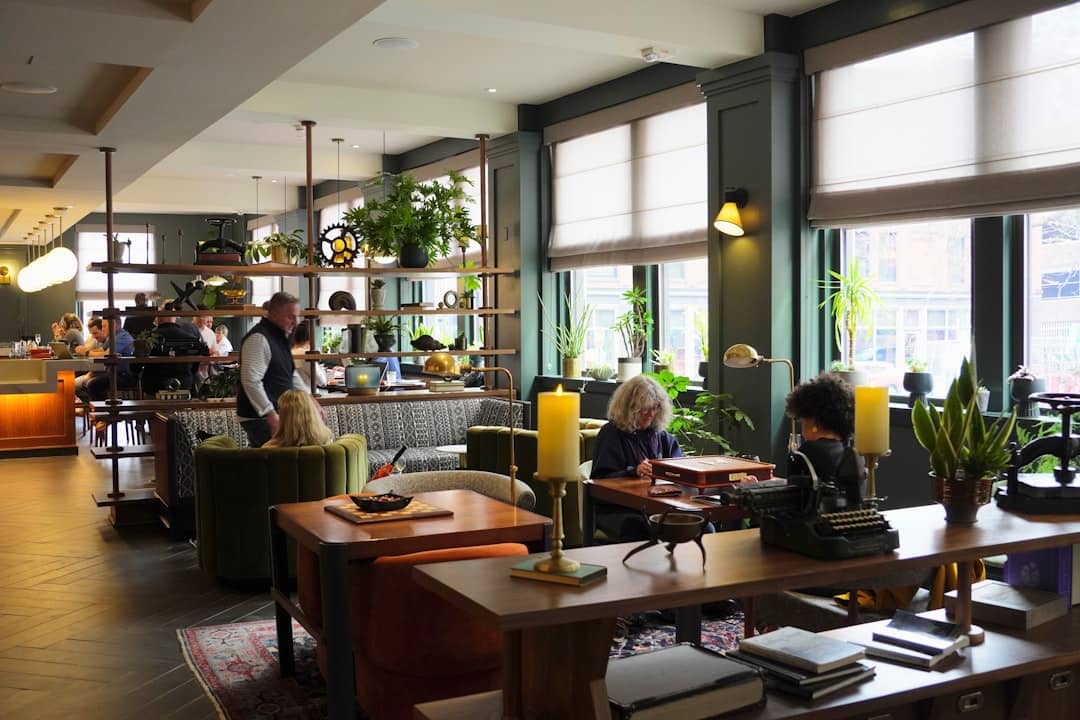
The Payson building is the reason the museum is worth a look even if you dislike the art inside. Cobb organized it around a tall central hall that pulls daylight down through the floors, so the galleries change character as the weather does. On a bright afternoon the upper rooms are lit almost entirely from above.
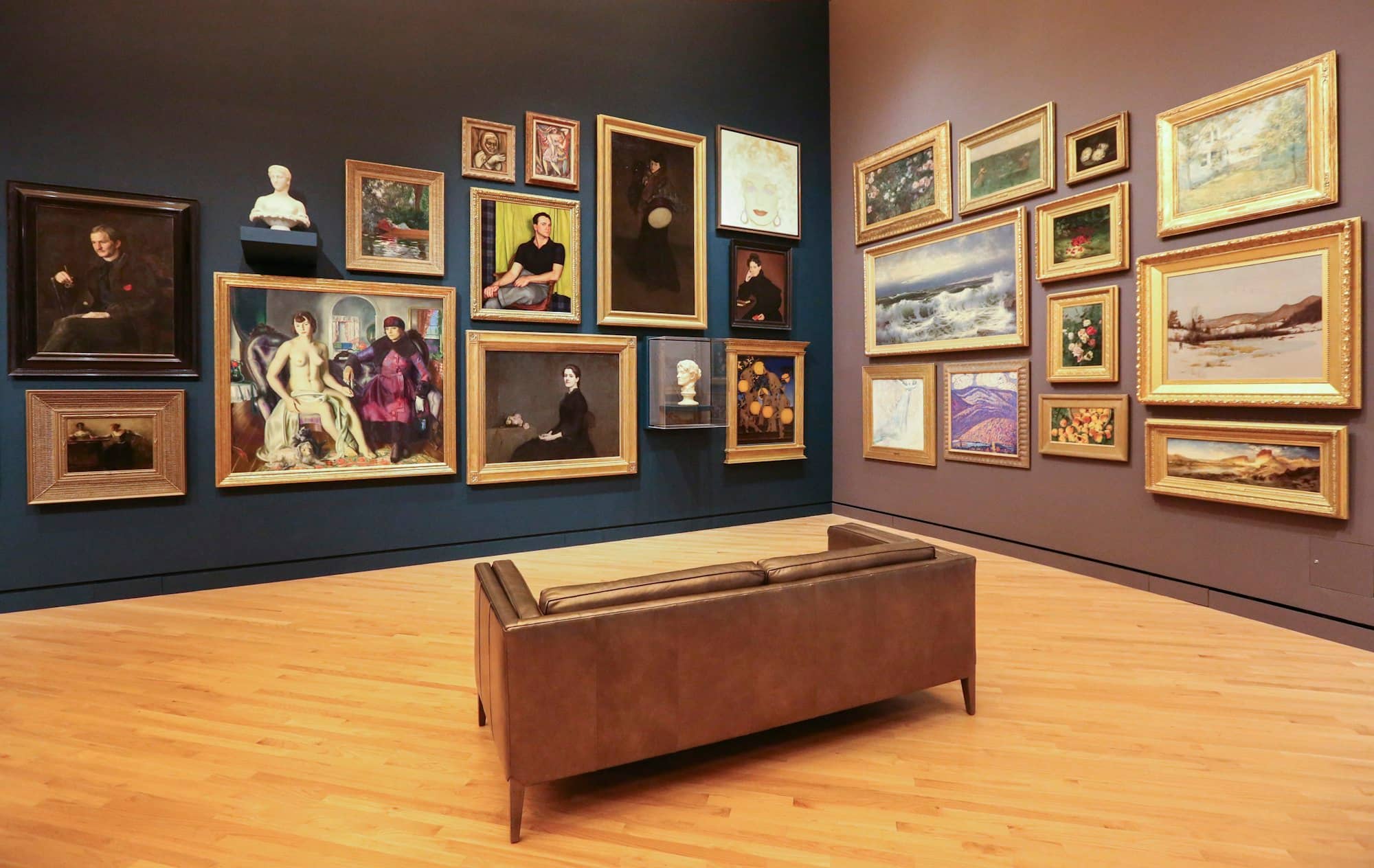
The Maine thread is the spine of the collection: Winslow Homer above all, plus Marsden Hartley, Rockwell Kent, John Marin, Edward Hopper, George Bellows, and three generations of Wyeths. N.C., Andrew and Jamie. If you have driven the coast and wondered why the light looks familiar, this is where that comes from.
There is also a European wing built on the Joan Whitney Payson gift, with Impressionist and Post-Impressionist work, and a rotating program of contemporary exhibitions that is more adventurous than the museum's stone-and-brick exterior suggests. The institution also runs a film program in its auditorium, which is a genuinely good rainy-evening option in a city that does not have many.
One honest caveat: this is a mid-sized regional museum, not the Met. Galleries rotate, and the specific Homer you drove up to see may be off view or on loan. If a particular work matters to you, confirm it is hanging before you go.
The museum owns the small shingled building at Prouts Neck in Scarborough where Homer lived and worked for the last 27 years of his life, and where he painted the great late seascapes. It has been restored to how it looked when he used it, down to the second-floor painting room and the balcony he built to watch the surf.
Getting in works one way only: a guided tour, booked through the museum, that leaves from the Congress Square building by van. Groups are small because the house is small and the site is a private residential neighborhood. Tours run seasonally and sell out well in advance. If this is why you are coming to Portland, book it before you book anything else. Nothing else on the coast puts you as close to the working conditions behind a body of famous painting. More on the setting in our guide to Prouts Neck.
The museum also anchors the top of the Arts District, which runs downhill along Congress toward the water: a short walk from here to the Old Port, and one of the easier half-days to plan in the city. Our roundup of things to do in Portland covers what else fits around it.
Two hours covers the permanent collection at a comfortable pace. Allow three if a major special exhibition is running, or if you plan to sit through a screening in the auditorium. It is a mid-sized museum, not a full-day one.
Not generally, but it runs a recurring free-admission window (usually a weekday evening) and free or reduced entry for certain groups. Current admission and the free hours are listed on portlandmuseum.org. Expect the free window to be the most crowded time in the building.
Only through the museum. The studio at Prouts Neck in Scarborough is museum-owned and reachable exclusively on a guided tour that departs from the Congress Square building. Groups are small, the season is limited, and tours book out early, so reserve well ahead.
The museum has no lot of its own. The nearest options are the downtown parking garages on Free Street and Spring Street, both a few minutes' walk, plus metered street parking on Congress and High. On a summer weekend the garages are the safer bet.
Maine's largest city - a working waterfront, Old Port cobblestones, and a food scene that punches well above its weight.
Guides

Destinations
Downeast & Acadia
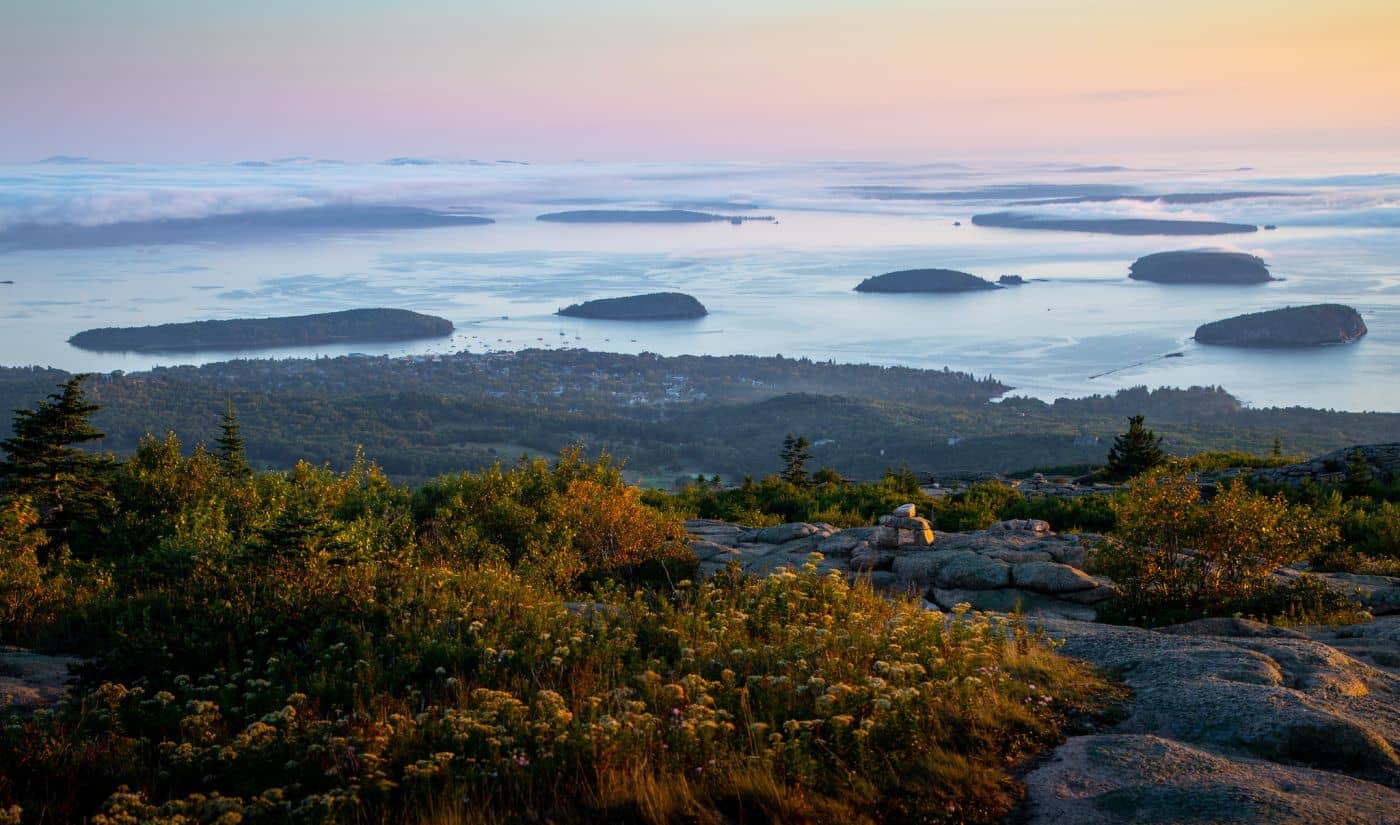
Gateway to Acadia National Park - Cadillac Mountain, puffin cruises, and a harbor town that fills with cruise ships from May to October.
Southern Maine Coast
Dock Square boutiques, Goose Rocks Beach, and the Bush family's Walker's Point - the quintessential coastal Maine summer town.
Greater Portland
Maine's largest city - a working waterfront, Old Port cobblestones, and a food scene that punches well above its weight.
Midcoast Islands
Shipbuilding heart of Maine since 1743 - Bath Iron Works still launches destroyers past the Maine Maritime Museum on the Kennebec.
Midcoast Islands
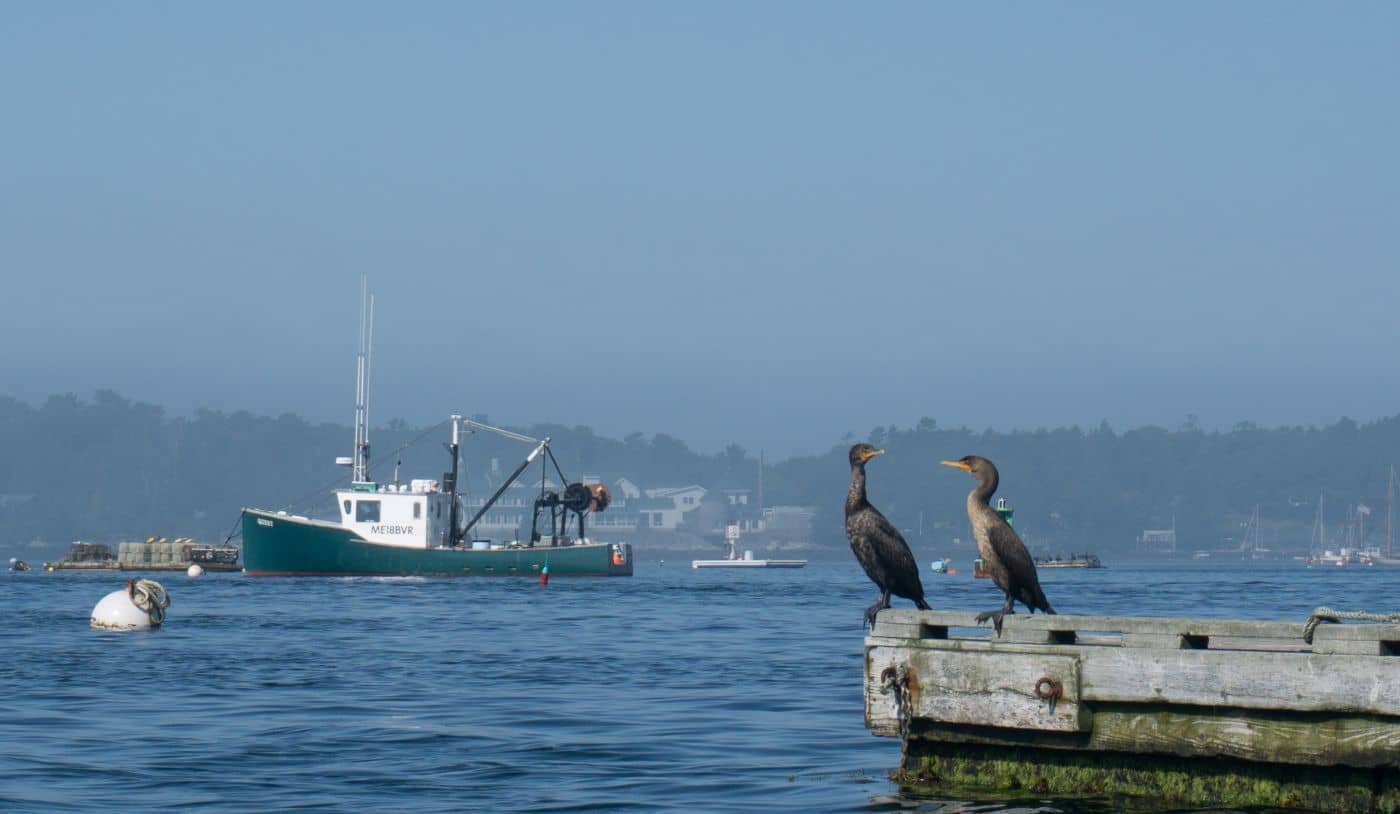
A Midcoast harbor town built around boat trips, with the Coastal Maine Botanical Gardens just up the road.
Midcoast Islands
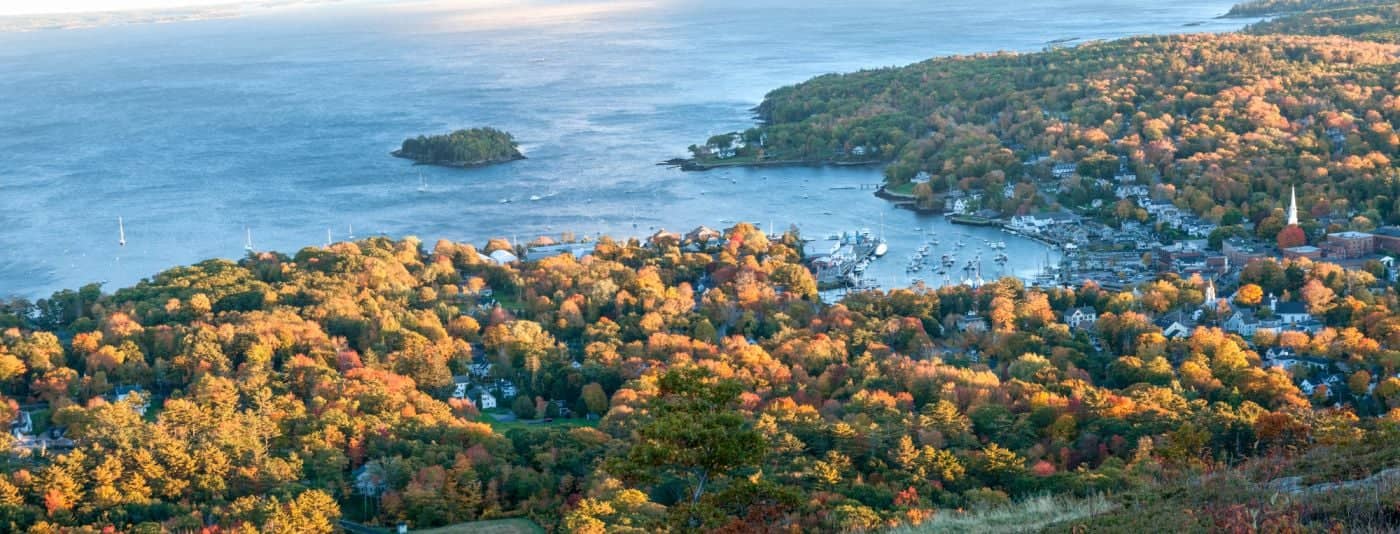
Where the mountains meet the sea - windjammer harbor, Mount Battie summit views, and an independent village with real soul.
Greater Portland
Flagship home of L.L. Bean, open 24/7 - outlets, a tidal river, and surprisingly good eating between the shopping.
Southern Maine Coast
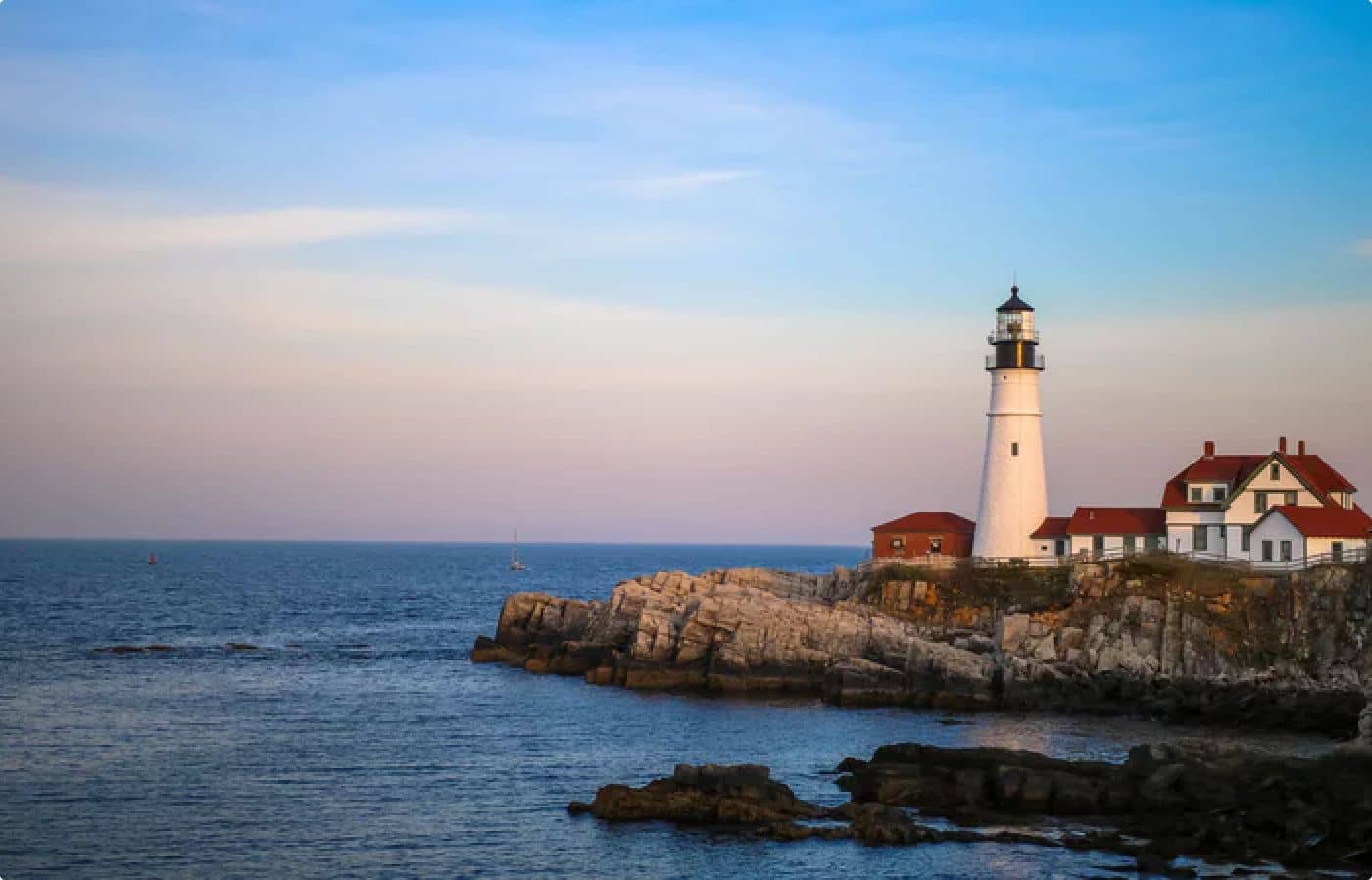
Postcard-perfect village of sea captains' mansions, Lower Village shops, and easy walks to Mother's Beach and Gooch's Beach.