
1
Portland
See main listingMaine's largest city - a working waterfront, Old Port cobblestones, and a food scene that punches well above its weight.
Details

Guide
Victoria Mansion is the brownstone on Danforth Street that most people in Portland walk past without a second look. That is the trick of it. The outside is a restrained Italian villa in dark stone; the inside is one of the most complete surviving domestic interiors of its decade anywhere in the country, still holding the furniture, carpets and painted walls it was finished with in 1860. It rates 4.6 from 1,197 Google reviews, and almost every one of those visitors arrived expecting less than they got.
Victoria Mansion sits at 109 Danforth Street in Portland, a few minutes' walk uphill from the Old Port. It is a house museum, seen on a guided tour that runs roughly 45 minutes, and it is seasonal. The main season runs from spring into late October, followed by a separate decorated holiday season through the end of the year. It is closed for much of the winter. Current dates and rates are on victoriamansion.org.
Its formal name is the Morse-Libby House; "Victoria Mansion" is a twentieth-century nickname that stuck.
The reason preservationists talk about this house is completeness. Most grand houses of the 1850s and 60s were stripped, redecorated by later owners, or restored to a curator's guess. Victoria Mansion was not. The great majority of what you see was made for these rooms and never left them.
The interiors were designed by Gustave Herter, a German-trained decorator working in New York before the firm that became Herter Brothers made him famous. This is his earliest surviving major commission, which is why it draws design historians with no particular interest in Maine. What survives includes carved and gilded furniture built to fit specific walls, painted ceilings and trompe l'oeil decoration, a stained-glass skylight over the stair hall, and a freestanding mahogany staircase that appears to hang in the air.
There is also a Turkish smoking room, which was the height of fashionable exoticism at the time and looks it. And there is plumbing: hot and cold running water, gas lighting, central heating and a servant call system, all installed in a house finished the year before the Civil War started.
The house was built between 1858 and 1860 for Ruggles Sylvester Morse and his wife Olive. Morse grew up in Maine and made his fortune in New Orleans running luxury hotels. This was only a summer house (the family wintered in the South) and the wealth that paid for the Herter interiors came out of the antebellum New Orleans economy, which is to say an economy built on slavery. The museum does not hide this, and it is a more interesting building once you know it.
The architect was Henry Austin of New Haven, working in the Italian villa idiom that was briefly the most fashionable thing in American domestic architecture: asymmetrical, tower on one corner, deep bracketed eaves. Brownstone rather than brick, which in Portland in 1860 meant money.
Morse lived here until his death in 1893. The following year Olive sold the house and everything in it to Joseph Ralph Libby, a Portland dry goods merchant, and the Libby family stayed until 1928. That single transaction (house and contents together, twice) is the accident that preserved the collection.
After the Libbys left, the house sat through the Depression with no obvious future and demolition a live possibility. In 1941 a man named William Holmes bought it and opened it as a museum, giving it the Victoria name. The Victoria Society took it over in 1943, and it was designated a National Historic Landmark in 1970.
The margin was thin. The mid-twentieth century took out an enormous amount of Portland's nineteenth-century fabric, including Union Station in 1961, the loss that shamed the city into a preservation movement. Victoria Mansion survived because one person acted two decades before the city decided this sort of thing was worth keeping.
From the sidewalk it is underwhelming. The stone is dark, the setting is a working city street, and there is no garden or approach to frame it. Visitors who judge house museums by curb appeal will not understand the fuss until they are inside, and some never adjust. But if you want to stand in a room that has not changed since 1860, there is nothing else like it in Maine.
The Old Port is ten minutes downhill on foot for lunch; see the Old Port and things to do in Portland.
About 45 minutes for the standard guided tour, or a little longer if you ask questions, which the guides encourage. Allow an hour and a quarter overall with the entry and the shop. Pairing it with the Portland Museum of Art next door makes an easy half day.
No. The main season runs from spring through late October, followed by a separately ticketed holiday season when the house is decorated. It closes for a good stretch of winter and reopens in spring, so check victoriamansion.org before planning a cold-weather visit.
Because the man who saved it from demolition in 1941 named it that. The house has always properly been the Morse-Libby House, after the two families who lived in it. Queen Victoria has no connection to the building beyond having reigned while it was built.
Older children, yes; young ones, rarely. It is a guided, don't-touch environment with a lot of talking, and 45 minutes is a long time for a four-year-old in a room of gilded furniture. With toddlers in tow, the Children's Museum is the better call.
Maine's largest city - a working waterfront, Old Port cobblestones, and a food scene that punches well above its weight.
Guides


Destinations

Downeast & Acadia
Gateway to Acadia National Park - Cadillac Mountain, puffin cruises, and a harbor town that fills with cruise ships from May to October.
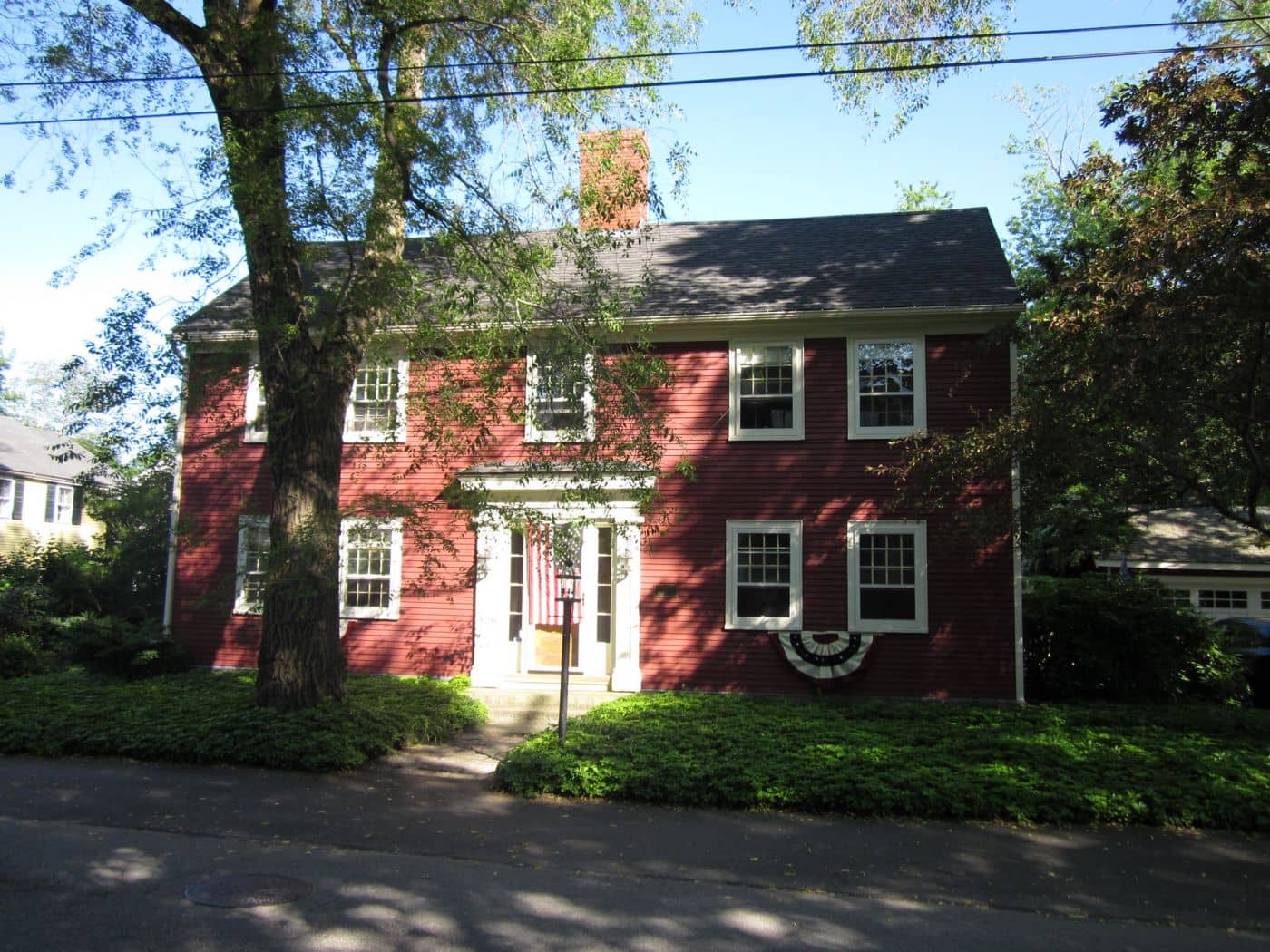
Southern Maine Coast
Dock Square boutiques, Goose Rocks Beach, and the Bush family's Walker's Point - the quintessential coastal Maine summer town.
Greater Portland
Maine's largest city - a working waterfront, Old Port cobblestones, and a food scene that punches well above its weight.
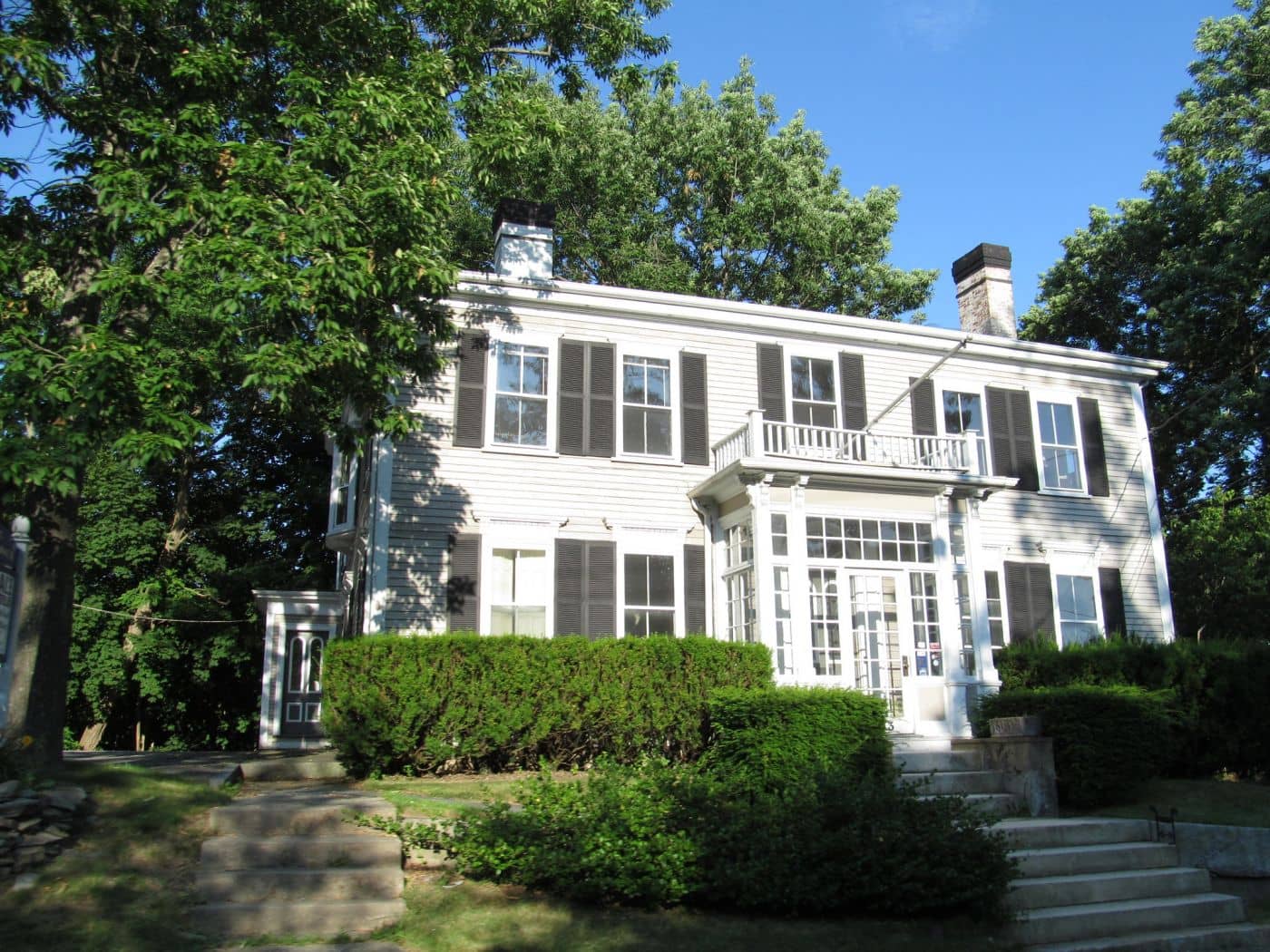
Midcoast Islands
Shipbuilding heart of Maine since 1743 - Bath Iron Works still launches destroyers past the Maine Maritime Museum on the Kennebec.
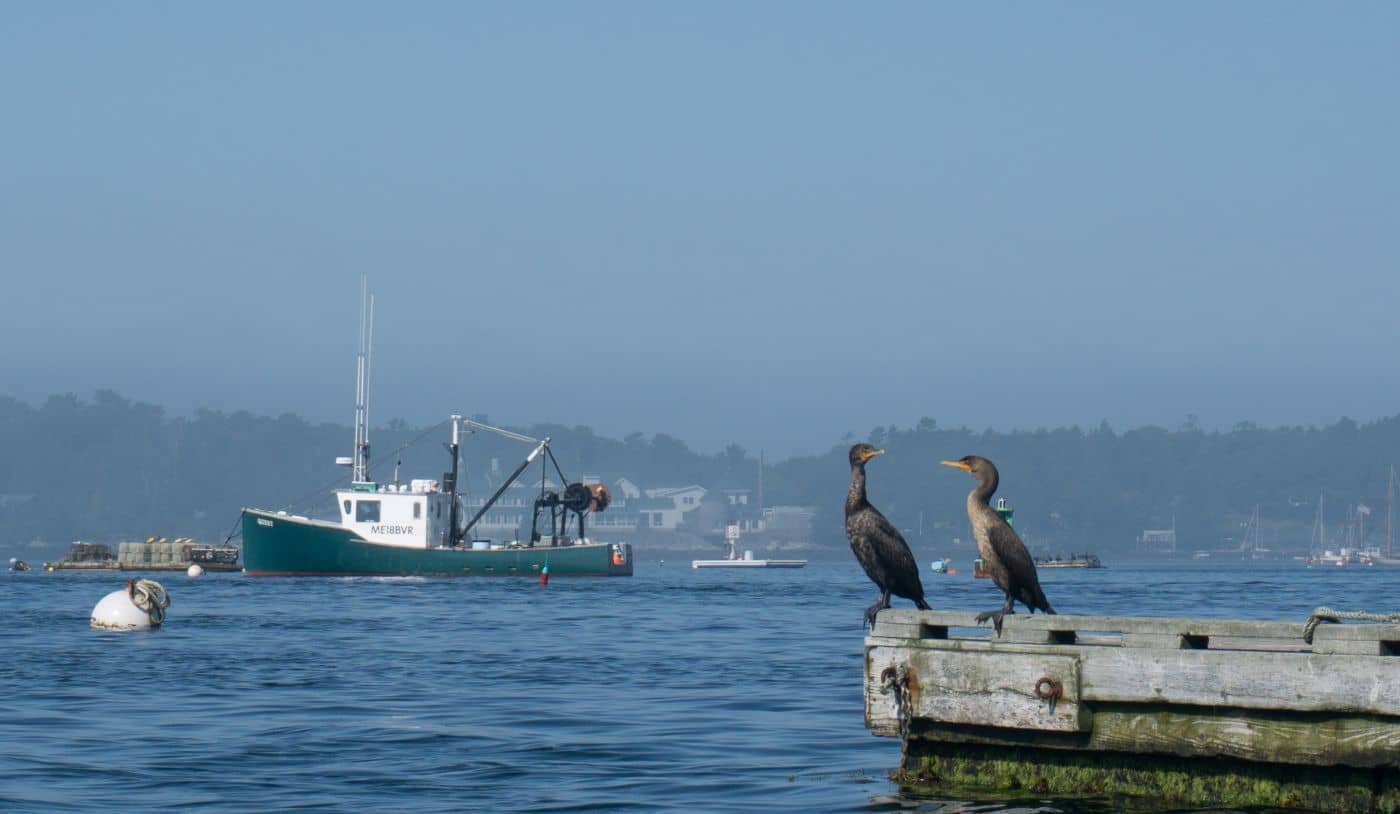
Midcoast Islands
A Midcoast harbor town built around boat trips, with the Coastal Maine Botanical Gardens just up the road.
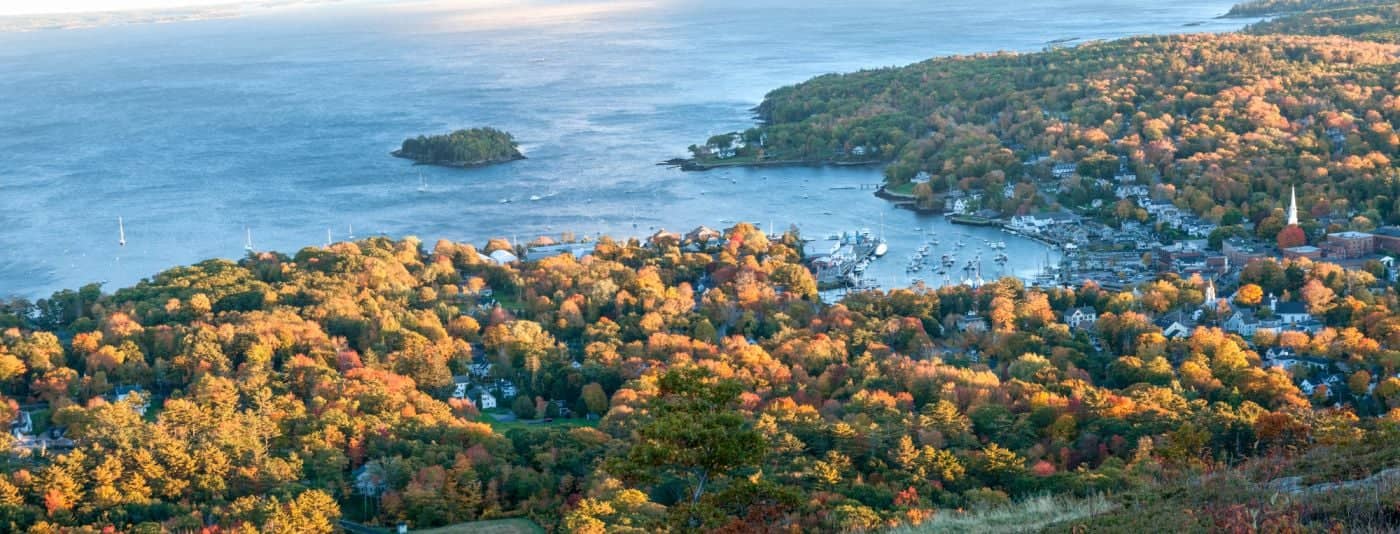
Midcoast Islands
Where the mountains meet the sea - windjammer harbor, Mount Battie summit views, and an independent village with real soul.

Greater Portland
Flagship home of L.L. Bean, open 24/7 - outlets, a tidal river, and surprisingly good eating between the shopping.
Southern Maine Coast
Postcard-perfect village of sea captains' mansions, Lower Village shops, and easy walks to Mother's Beach and Gooch's Beach.