
Guide
Maine in September: Coast, Cities and Regional Choices

Choose September for a Maine trip with a clear regional focus: city food and coastal touring, a lake stay, or a northern foliage visit timed to its own conditions. Keep boat schedules, swimming and leaf color as separate decisions. The month does not guarantee that every summer service remains open or every region has autumn color.
Which September trip fits your priorities?
| Priority | Trip shape | What to keep separate |
|---|---|---|
| Food and city time | Portland with a chosen coastal outing | The specific boat or museum calendar |
| Harbors and art | A Midcoast base | A separate Acadia stay |
| Park visit | An Acadia-focused block | Shuttle dates and summit reservations |
| Early foliage | A northern or inland regional trip | Coastal color timing |
| A lake holiday | The selected lake base | Actual swimming and access conditions |
The best-time-to-visit guide gives September a place within the wider year. Use that as a starting point rather than a universal verdict. The value of the month depends on the trip you want and the specific services that make it work.
Choose the main region before making a daily list. A holiday that spends meaningful time in one or two bases can include food, scenery and outdoor activity without driving between distant parts of the state each morning. September does not remove Maine's geography.
How should you plan a Portland and coast visit?
Portland is a useful city anchor, with the restaurant directory helping make meals part of the itinerary. Give the city time for its neighborhoods and cultural stops rather than treating it only as the arrival point for a rental car.
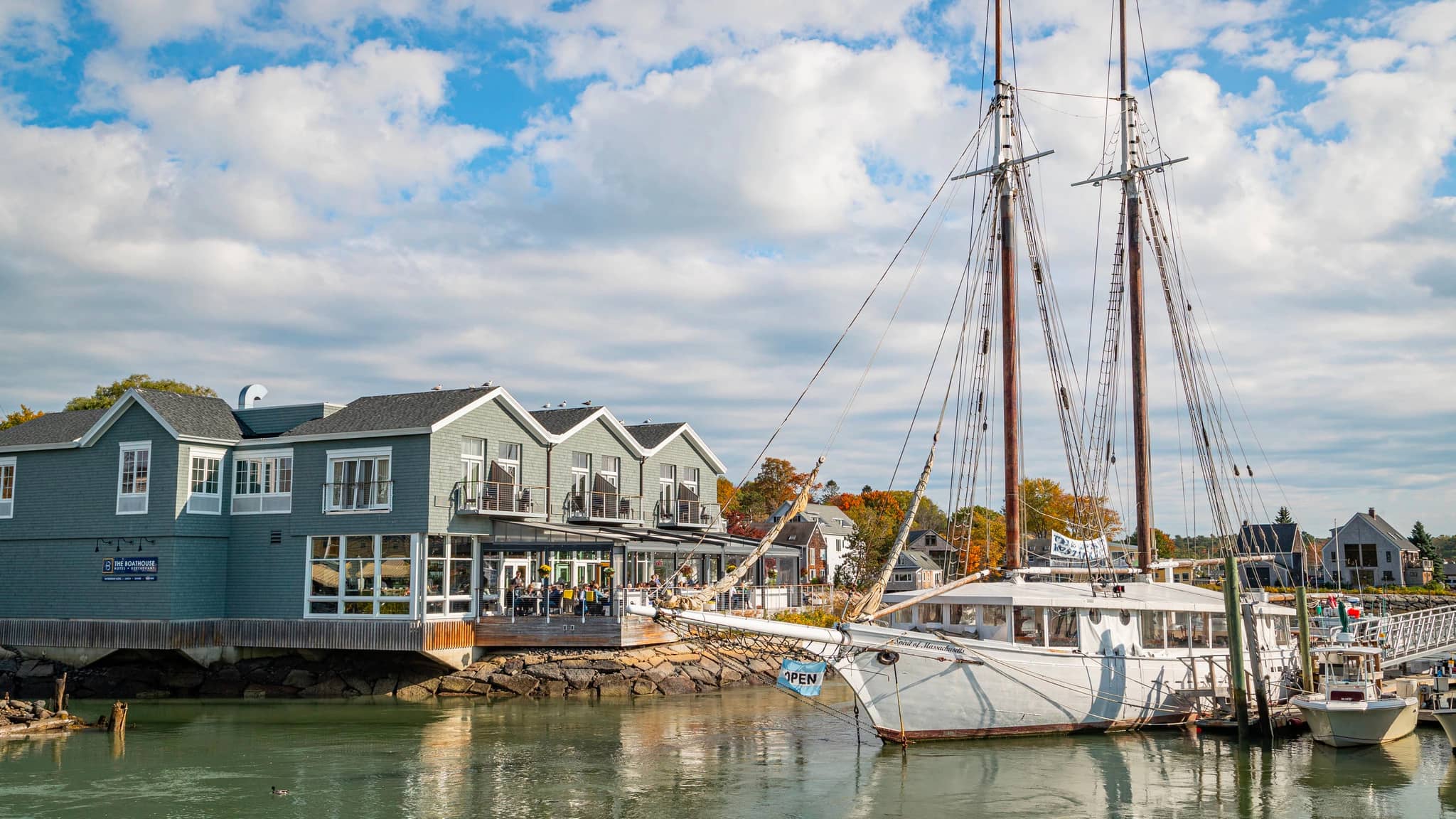
Choose one substantial coastal outing around that base. A ferry trip, a lighthouse visit and a beach day are different activities; the fact that they all involve the coast does not make them interchangeable or effortless to combine. The Maine coast guide helps decide which kind of shore experience you want.
If the weather changes, the Portland Museum of Art guide supplies a cultural option with its own visit purpose. Plan the museum on an actual opening day and keep the meal nearby. An indoor block can be a highlight of the holiday rather than an apology for missing the sunshine.
What belongs in a Midcoast stay?
Choose a base around Camden or Rockland when harbors, art and regional outdoor time are the main interests. The towns contribute different things, so a shared base can still provide variety. The Camden and Rockland weekend guide gives that relationship a practical shape.
Make the Farnsworth a deliberate cultural block if the collection interests you. Choose a harbor or hill outing for the outdoor portion rather than adding every peninsula to the same day. A longer detour can be the point of another day, with its own return journey.
The Midcoast region guide helps compare those extensions. Decide whether the visit is a town-based stay or a journey along the coast. Both can work in September, but a comfortable base and a constant series of transfers are different holiday designs.
How should Acadia fit into September?
Give Acadia its own block when the park is a main reason to come. The two-day itinerary separates the ocean-side outing from Jordan Pond and an optional additional activity. That gives the park time to be more than a long drive to a crowded viewpoint.
Use the fees and hours guide for the distinct entrance, summit-road and service requirements. A park pass does not create a Cadillac reservation, and a seasonal shuttle has its own operating calendar. Keep those decisions attached to the actual visit dates.
Bar Harbor supplies one base for the main island plan. The Acadia lodging comparison gives the alternatives their proper geography. A room in another district is not simply a cheaper version of the same day if it changes the journey to the activities you want.
Is September a foliage month everywhere in Maine?
No. The foliage guide distinguishes northern and inland timing from the later coastal pattern. Choose a region for the kind of trip you want, then use the current dated report as context. One hillside's color does not establish the condition of the entire state.
The foliage tool is useful for regional planning, with typical windows kept separate from field observations. A dated report describes what was reported at that point; it is not a guarantee for the next weekend. Keep that distinction visible when booking a trip around scenery.
If the coast is the main attraction, let September be a coastal visit rather than a failed attempt to find peak leaves everywhere. If early northern color is the purpose, give that region its own stay. The October guide supplies the next month's comparison when later coastal foliage is the priority.
What changes for wildlife and time on the water?
Choose the specific boat trip by its operating calendar. The puffin and whale guide explains why those wildlife subjects use different seasons. A September whale outing is not evidence that a puffin colony trip remains available at the same port.
An island day also needs its own sailing and return plan. Do not treat a ferry as a general sightseeing product that can be inserted into any spare afternoon. The mainland departure and time ashore determine the size of the outing, and a changed sailing can alter the rest of the day.
Swimming is another separate decision. The month alone does not establish safe or comfortable conditions at a beach or lake. Choose the actual bathing setting, local information and conditions rather than a statewide promise that the water is warmest on a particular date.
How should you shape the itinerary and room choice?
For a short visit, choose one base and a small number of substantial activities. For a longer coast journey, use the road-trip itinerary to give each region its own nights. Put the transfer into the plan as travel time rather than treating it as an invisible interval between full sightseeing days.
The where-to-stay guide helps connect accommodation with purpose. A city hotel, a harbor inn and a lake rental support different daily routines. Choose the setting that makes the activities easy to enjoy, then compare the actual room and terms.
Skip the assumption that September automatically means empty roads, the lowest prices and every seasonal business open. Those claims are broader than the month can support. A focused regional plan is useful whether the selected week is busy or quiet.
What else should you know about September?
Is September mainly a foliage trip?
It can be in an appropriate northern or inland region, but the coast has a different pattern. Choose the trip purpose before expecting the same color statewide.
Can you still plan a city-and-coast holiday?
Yes. Give Portland or a Midcoast base a clear role and choose the individual activities by their actual calendars.
Should you plan a September puffin trip?
Use the operator's specific season. The cited puffin comparison has a shorter window than whale watching, so the two should not be substituted by name alone.
Does September guarantee comfortable swimming?
No. Water conditions and the group's needs decide the activity. A month label cannot replace information for the actual bathing location.
What is the best way to avoid overfilling the trip?
Give each chosen region its own nights and keep the transfers visible. One well-used base is better than a daily attempt to reach every coast and mountain setting.