
Guide
Maine Scenic Drives: Choose Coast, Lakes or Mountains

Choose the Rangeley Lakes area for lake-and-mountain overlooks, Route 201’s Old Canada Road for an inland forest journey, Acadia for a park-centered coastal drive, or a Midcoast town route for art and harbor stops. Pick one landscape and give its stops time. A scenic drive is more than the shortest route between overnight stays.
Which scenic drive fits the day?
| Landscape you want | Starting choice | Main planning distinction |
|---|---|---|
| Lakes below mountain slopes | Rangeley Lakes Scenic Byway | A chosen overlook and local base |
| A long inland road | Old Canada Road on Route 201 | A journey through forest country |
| Coastal park scenery | Acadia’s road network | Park access, closures and specific stops |
| Towns, art and harbors | A selected Midcoast segment | Time out of the car in each chosen town |
| Autumn color | A region matched to the season | Typical timing separated from current observations |
Visit Maine’s scenic-byway guide provides the larger route inventory. Use it to choose the landscape that interests you. A byway designation describes a route’s character; it does not promise that every stretch has an uninterrupted view or that every seasonal access point is open.
The Maine road-trip itinerary helps decide where a scenic day belongs within the holiday. A transfer can include a selected stop, but a full day of looking around needs more room. Make that distinction before adding a chain of detours to an already long arrival journey.
Why choose the Rangeley Lakes area?
The Rangeley area is the direct choice here when lakes and mountain scenery are the main interest. Visit Maine’s Height of Land page places the overlook beside Route 17, with a view over Mooselookmeguntic Lake. It gives the drive a specific destination rather than a vague instruction to head for the mountains.
Use Rangeley as a starting point for the wider stay. The Rangeley Lake State Park guide provides a separate lake-level outing, while the lakes-and-mountains region guide helps distinguish this part of Maine from the coast.
Choose the overlook, a meal and one other activity that suits the group. A viewpoint stop and a hike are different commitments. The drive remains scenic without adding a trail whose distance, footing or available daylight does not fit the day. Give the view time instead of treating it as a photograph collected on the way to another deadline.
What is different about Old Canada Road?
Visit Maine describes Old Canada Road as a scenic byway following Route 201 from Solon toward the Canadian border. Choose it for an inland forest-road journey rather than a coastal village circuit. The route’s appeal is the landscape and the journey through it, so it deserves a plan built around that purpose.
A drive toward the border does not require crossing it. Keep any international extension separate from the Maine route, with its own documents and travel arrangements. There is no need to turn the northern endpoint into an obligation when the desired day is an inland drive and a return to the selected base.
Use the where-to-stay guide to choose a base that supports the route. Greenville and Millinocket are different inland destinations, not interchangeable names for the same road trip. Choose additional regions only when they receive their own travel and activity time.
The Jackman guide helps turn the northern part of Old Canada Road into a stay around Attean Pond, Big Wood Lake or a selected walk.
The Forks base guide explains when to turn a Route 201 stop into a rafting stay or a waterfall-focused outing.
How should you approach an Acadia scenic drive?
Use the Acadia scenic-drive guide to select specific park stops. Then read the fees-and-access guide alongside the National Park Service operating-season information. A road appearing on the park map does not establish access on every date.
Treat the drive as part of an Acadia itinerary, with time outside the car at the chosen viewpoints. The scenic-views guide can help identify the kind of stop you want. A viewpoint, shore walk and summit-road reservation each play a different role.
Choose Bar Harbor or another suitable park-area base through the Acadia accommodation comparison. Arriving from another Maine region and touring the park are separate parts of the day. If the transfer is substantial, let the first evening be an arrival rather than a hurried attempt to cover the whole park loop.
When is a Midcoast town route the better scenic choice?
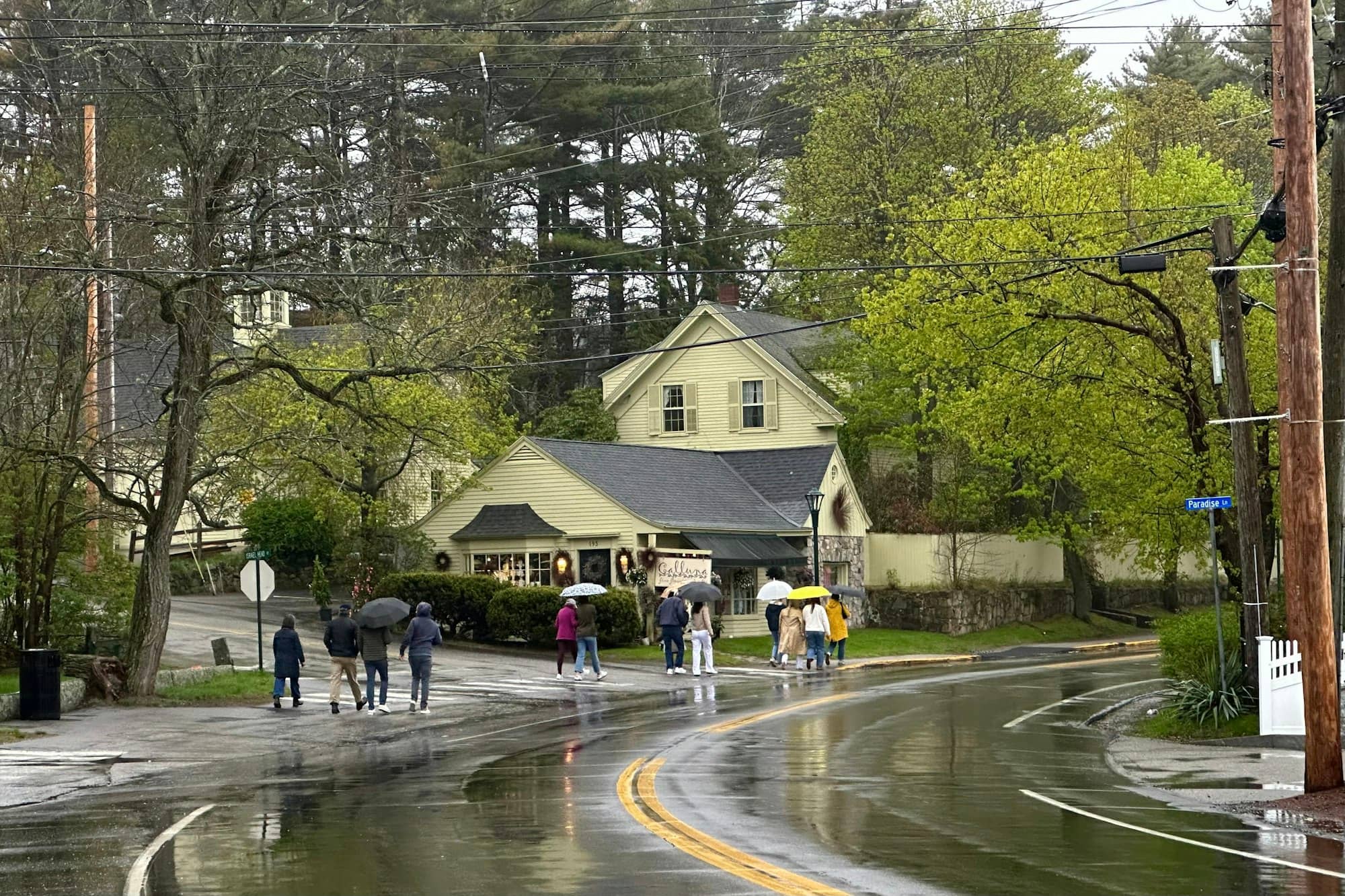
Choose this version when the group wants scenery mixed with substantial town time. Camden, Rockland and Belfast provide different stops. Pick a limited segment and give the selected town an actual activity rather than passing through several centers without getting out.
The Camden–Rockland weekend guide helps organize neighboring towns around one base. An art visit and a harbor walk can make the day more memorable than another long stretch of driving. The road connects the experiences, but it does not replace them.
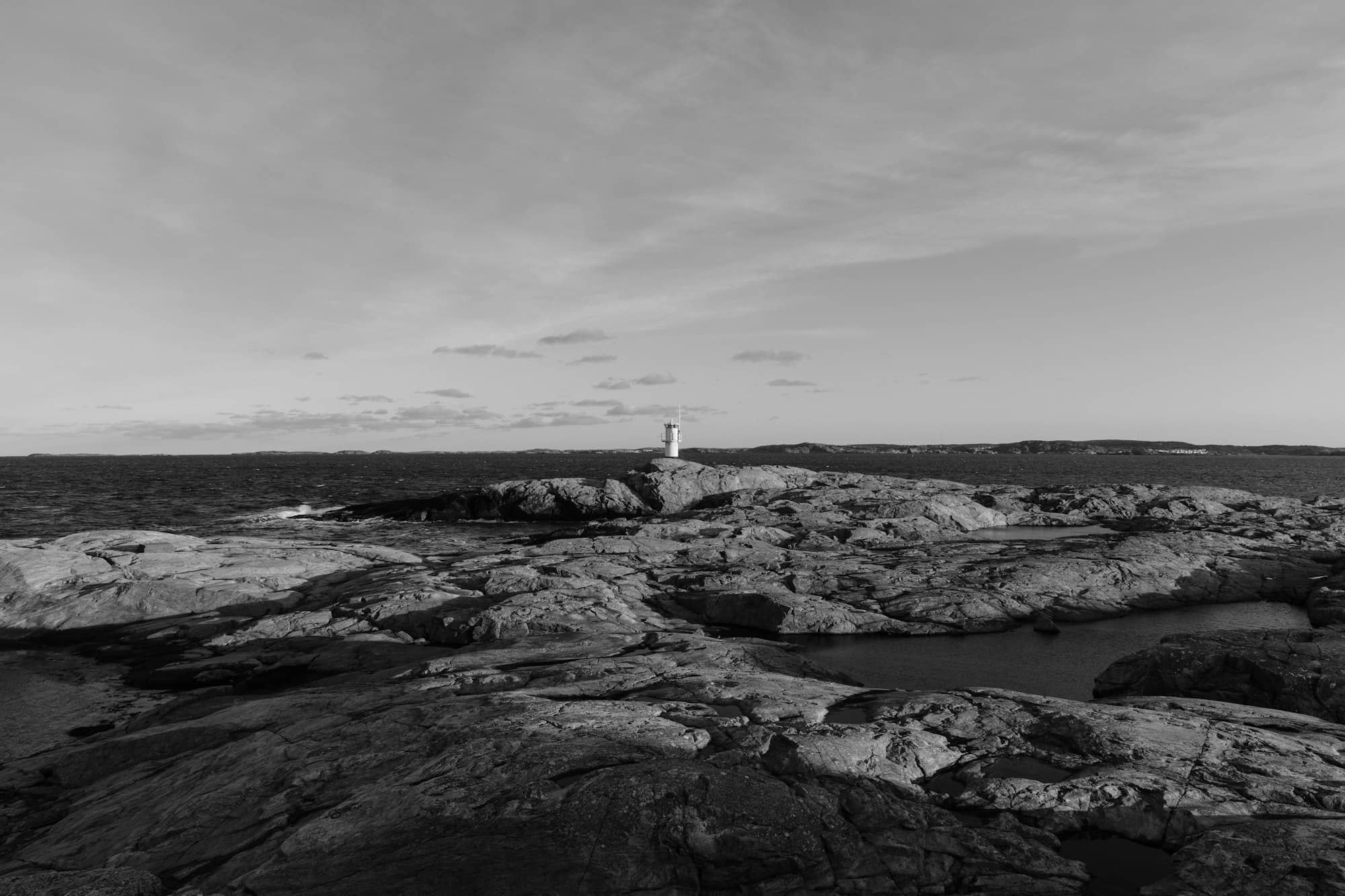
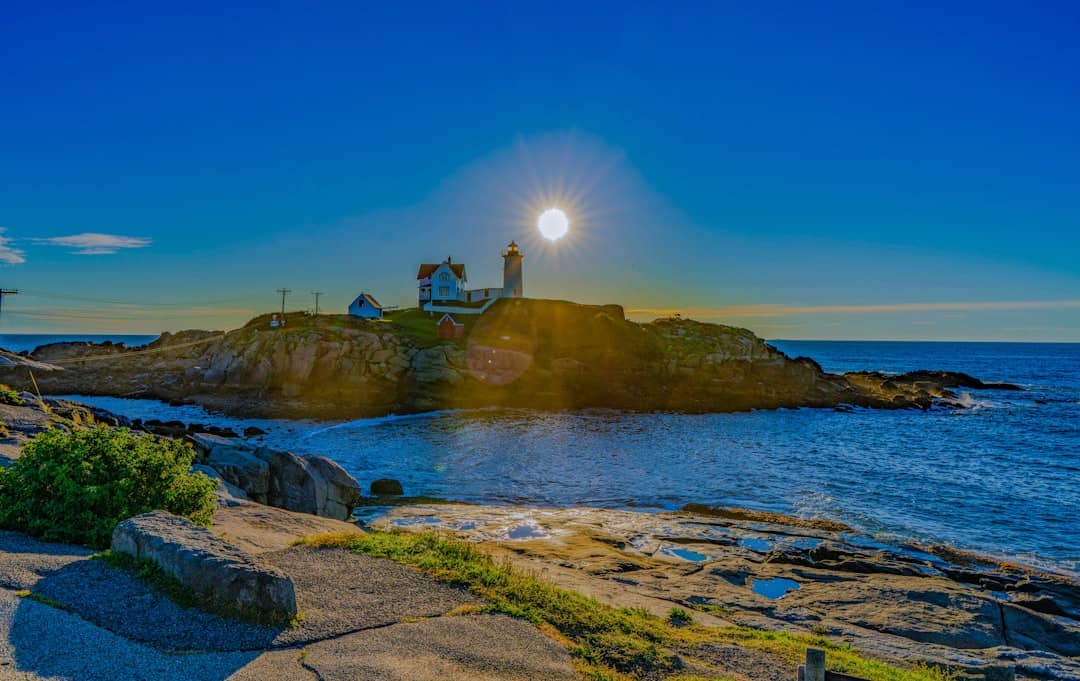
Use the Maine coast guide to keep the broader regions distinct. Route 1 is not a continuous water-edge panorama, and a coastal address does not guarantee a sea view from every road. Choose actual harbor or shore stops when the water is the main reason for the drive.
How should foliage change the route choice?
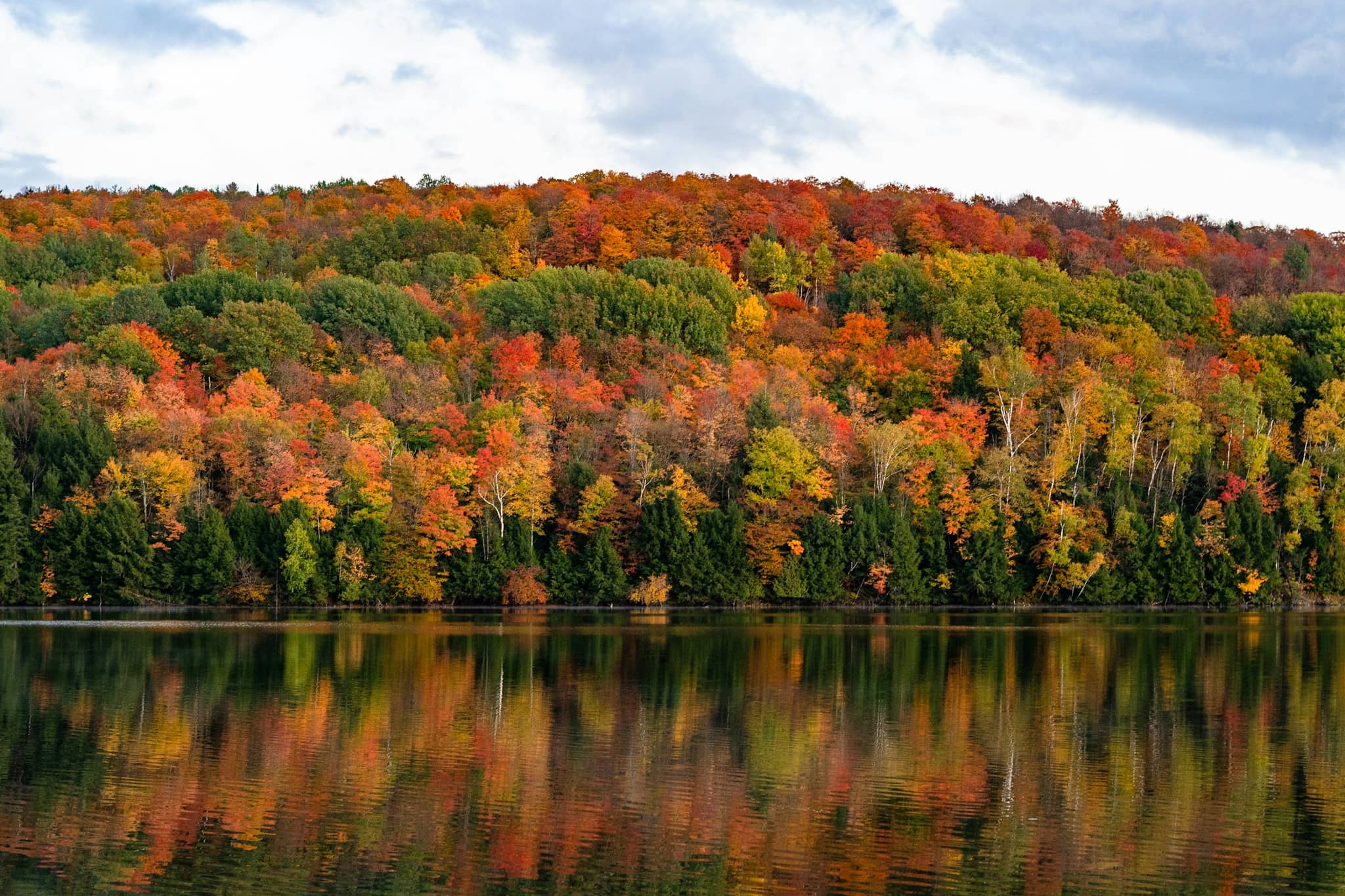
Start with the Maine foliage guide and the foliage tool. Typical seasonal windows help choose a region, while dated observations describe what was reported at a particular time. Neither establishes a guaranteed peak-color day for a future visit.
Choose a route that has value even if color develops differently from the hoped-for photograph. Lake views, a museum, a town meal and an interesting road all provide reasons for the day. A trip built around one exact color prediction becomes fragile when weather changes the timing.
The October guide helps compare an inland foliage trip with a later coastal stay. Keep the route’s actual access and the desired activities attached to the plan. The seasonal label should guide the choice rather than override current road conditions or a closure.
What makes a scenic day comfortable rather than exhausting?
Choose a main route, a few worthwhile stops and a clear endpoint. Put meals and fuel into the plan before the drive becomes remote, and use current navigation for the actual departure. This guide does not turn a map distance into a guaranteed drive time or assume that every roadside business is open in every season.
Use designated pull-offs and parking areas for views. Let the person driving concentrate on the road instead of hunting for a photograph while moving. If conditions reduce visibility or make the road uncomfortable, shorten the plan or choose a town activity. The day does not fail because the original loop becomes smaller.
What else should you know about scenic drives in Maine?
Which option is best for lake views?
Start with the Rangeley Lakes area and a specific stop such as Height of Land. Choose the route around the actual base and available day.
Does every coastal road stay beside the ocean?
No. Use named shore or harbor stops when water views are the main purpose. A coastal route label is not a continuous-view guarantee.
Can you drive every Acadia road all year?
No. Use the park’s current operating and closure information for the date. A summer road itinerary should not be carried unchanged into winter.
Should a foliage drive depend on an exact peak date?
No. Combine typical seasonal context with dated observations, and choose a route that remains worthwhile without a guaranteed color peak.
Must you complete a full loop?
No. A shorter route with meaningful stops can be the better day. Choose the endpoint and return around the group and conditions.